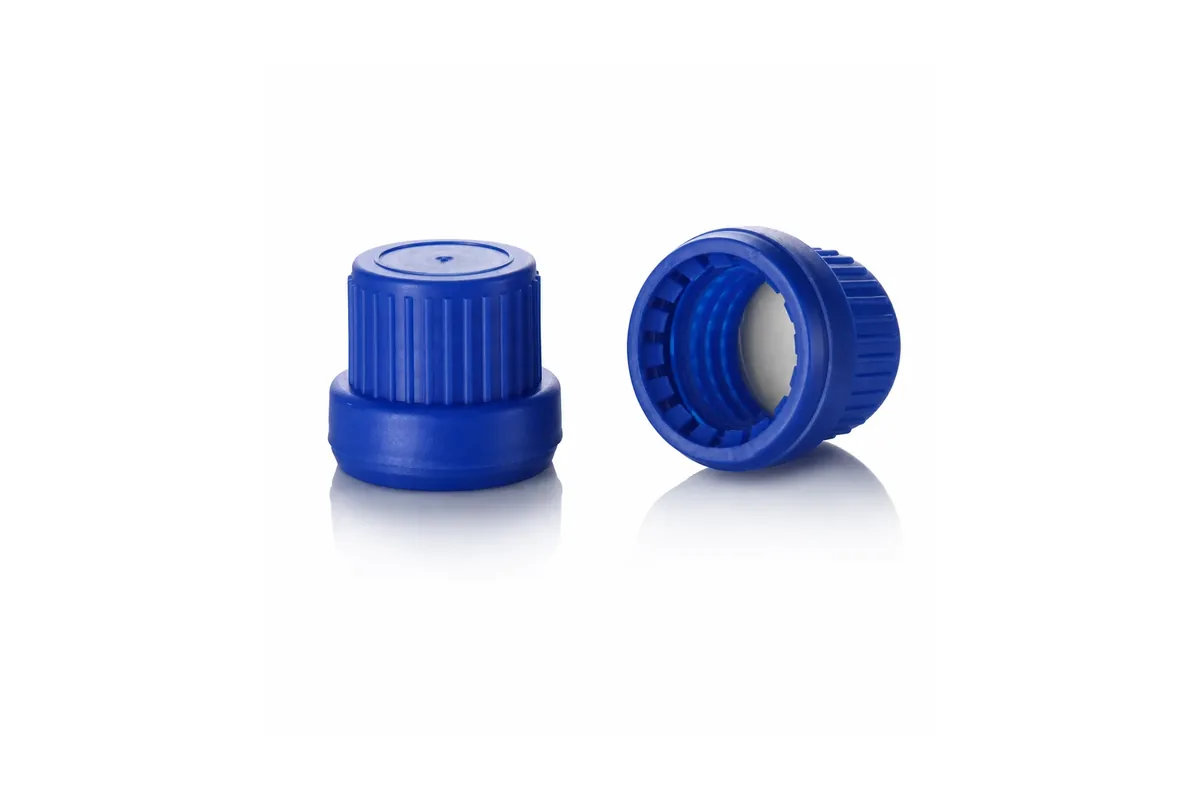
The closure is where a can leaks, vents or fails, so it is worth understanding as much as the body.
Screw cap
The common closure: a threaded cap with a gasket that seals against the neck. Simple, reliable and easy to replace. Thread sizes follow standards such as DIN 45, 51 and 61, so a cap matches a neck by its stated size. The number is the neck's thread size in millimetres, not a quality grade, so a DIN 51 cap fits a DIN 51 neck and nothing else. Mix the standards and the pitch and diameter no longer line up. The cap cross-threads or sits proud, the gasket never loads evenly, and the joint weeps. Order the cap and the neck to the same standard and the seal repeats across a whole batch.
Cam-lever cap
The original military closure: a hinged lever that clamps the cap down and seals it in one motion, fast to open and close with a gloved hand. It is the classic NATO can closure.
Vented and non-vented
A vented cap lets air in as liquid pours out, giving a smooth, glug-free pour, and it relieves pressure as temperature changes. A non-vented cap seals tighter for transport. Volatile fuels and hot climates make venting a real consideration; read venting and pressure.
Gasket material
The gasket is a compatibility choice, not one part for every can. Nitrile or a fluoroelastomer of the Viton type holds up against fuels and solvents. EPDM suits water and food-grade duty. Put the wrong elastomer against the liquid and it swells or hardens, loses its grip on the neck, and the can starts to leak. Match the compound to the contents before you match anything else.
Child-resistant closures
Portable fuel containers sold in some markets need a child-resistant closure by law, tested to a defined standard such as the US 16 CFR 1460. See EPA and CARB compliance. We supply child-resistant closures.
Spouts, taps and gaskets
A closure works with the dispensing fitting and the gasket. A pouring spout, a dispensing tap and the right gasket material complete the system. A misfuelling-resistant spout sized for a diesel filler neck keeps the fuel going where it belongs. A tamper-evident ring shows whether a can has been opened, which matters when product is decanted and resold. We supply caps, closures and gaskets, pouring spouts and taps and dispensing valves.
Flame-mitigation devices
Some markets require a flame-mitigation device as part of the fuel-can system. It sits in the opening and stops an external flame from travelling back into the vapour inside the can. Where the rule applies, the device is not an accessory, it is part of what makes the can legal to sell. See flame-mitigation devices.
What Fortitude21 fits
The most common mistake we correct is a mismatch: a water gasket fitted to a fuel can, or a cap ordered to a different thread standard than the neck. Both pass a quick look and fail in the field. We check the closure against the liquid, the market and the neck standard, then fit the cap, gasket, spout and any required device as one set. Tell us the fluid and the destination and we specify the whole closure, not just the cap.
Match the can to the job
The closure is a system, not a cap. Here is what we fit from our line.
| Your use case | Recommended can | Why this one |
|---|---|---|
| Caps, gaskets and closures | 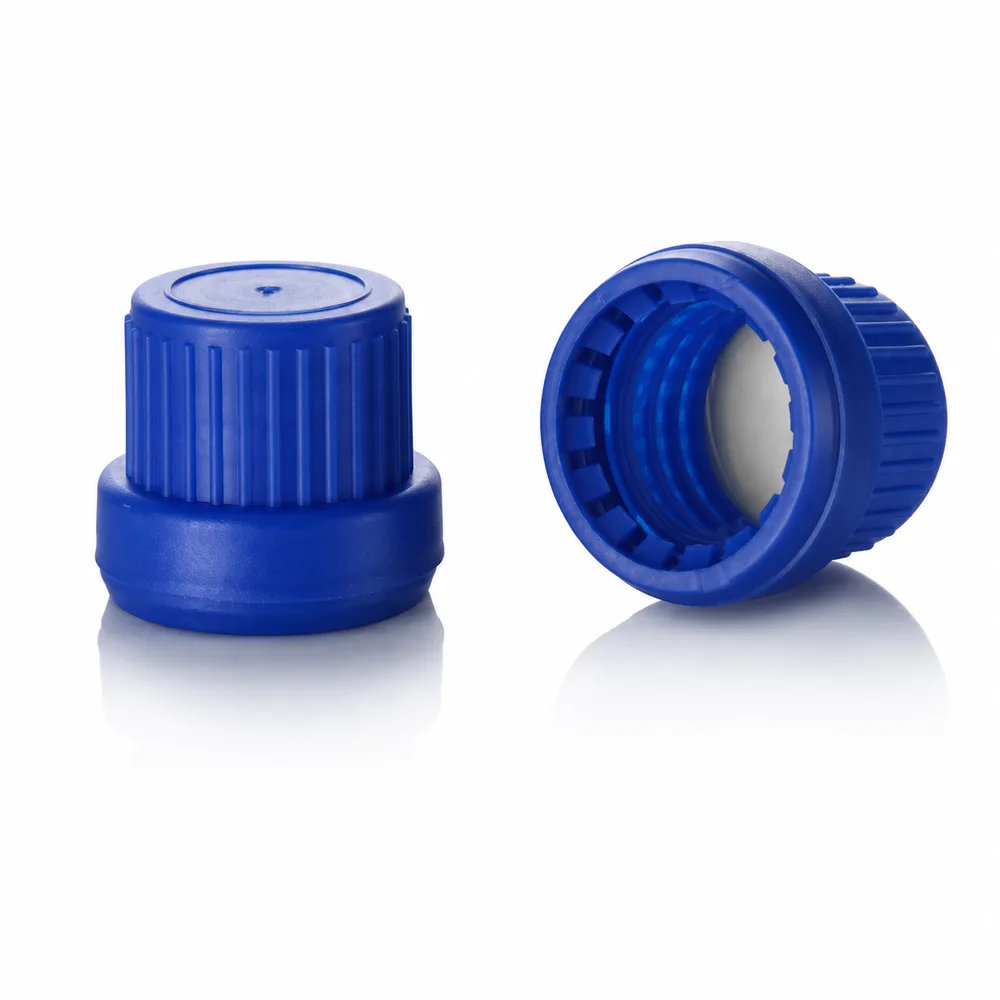 Caps, Closures & Gaskets Caps, Closures & Gaskets |
Matched to the neck standard and the liquid. |
| Pouring and misfuelling-resistant spouts | 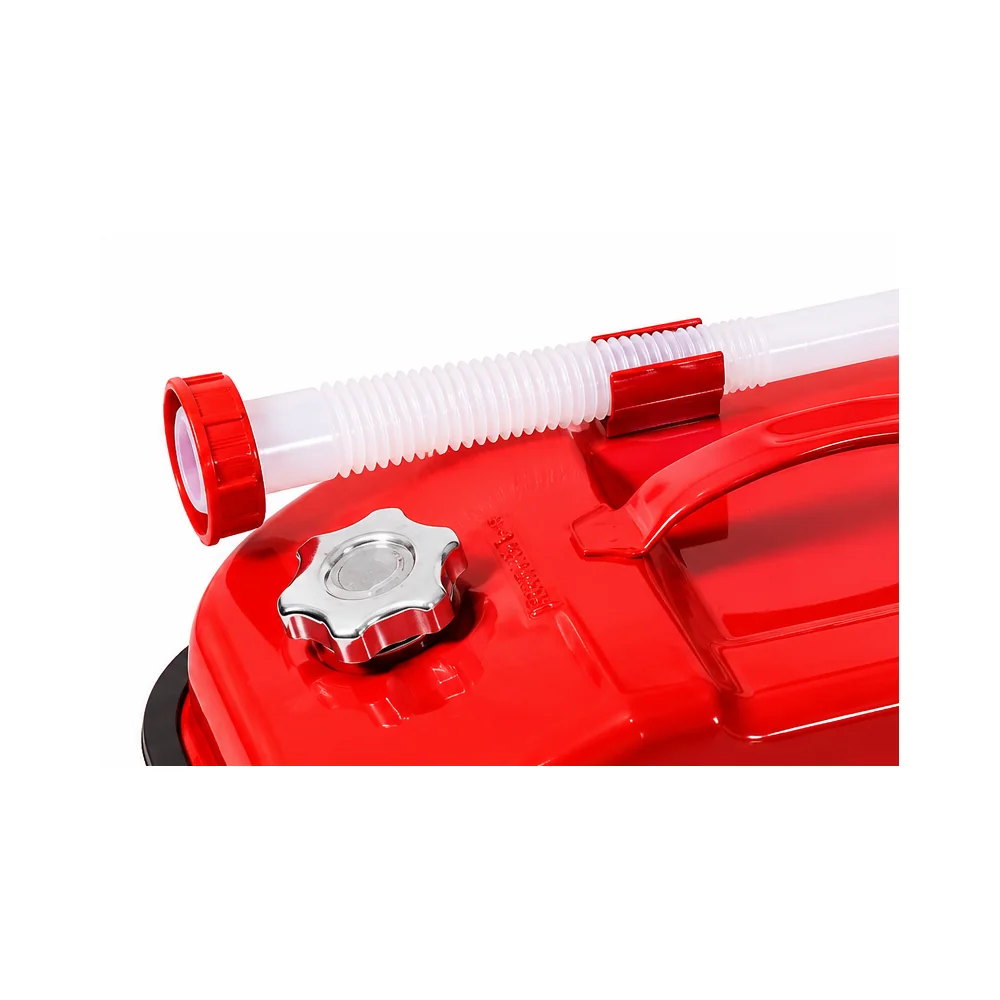 Pouring Spouts & Nozzles Pouring Spouts & Nozzles |
Directs the stream into a filler neck. |
| Taps and dispensing valves | 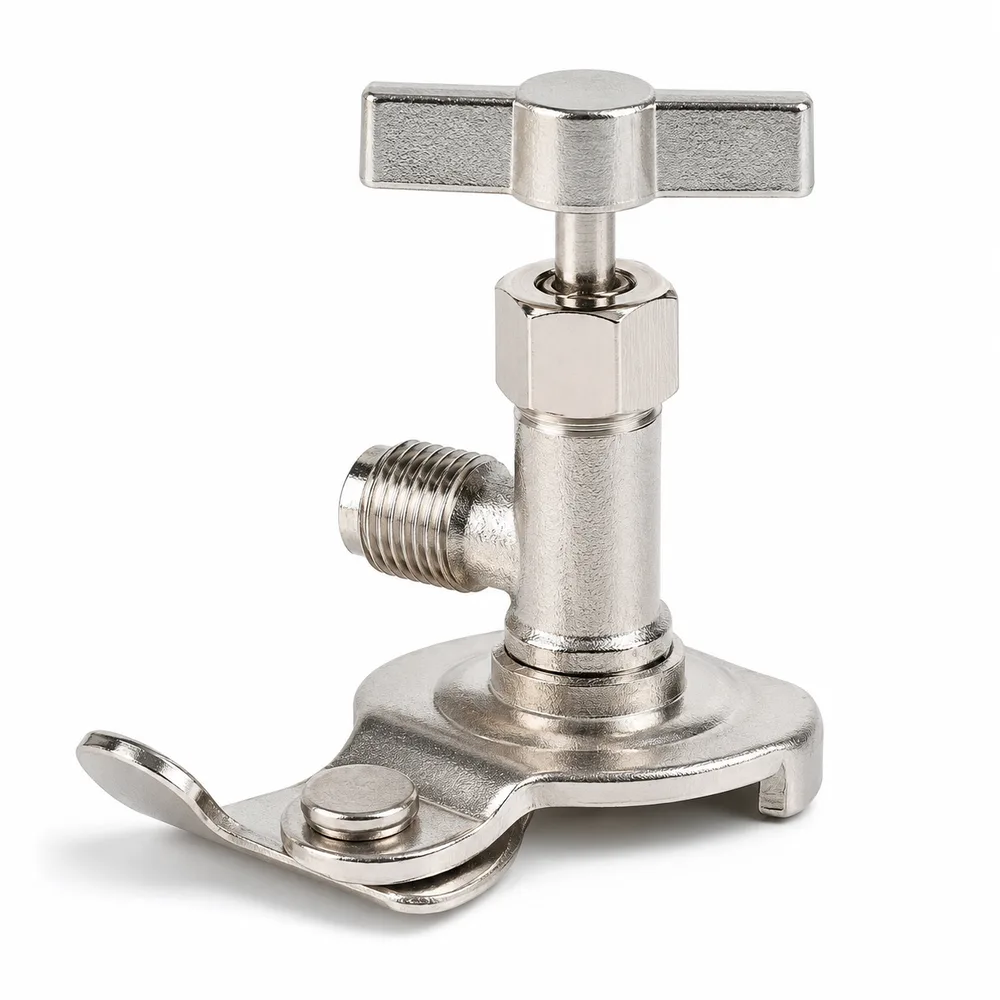 Taps & Dispensing Valves Taps & Dispensing Valves |
Draw from a can that stays put. |
| Child-resistant closures |  Child-Resistant Closures Child-Resistant Closures |
To the CPSC 16 CFR 1460 pattern for US sale. |
| Flame-mitigation devices | 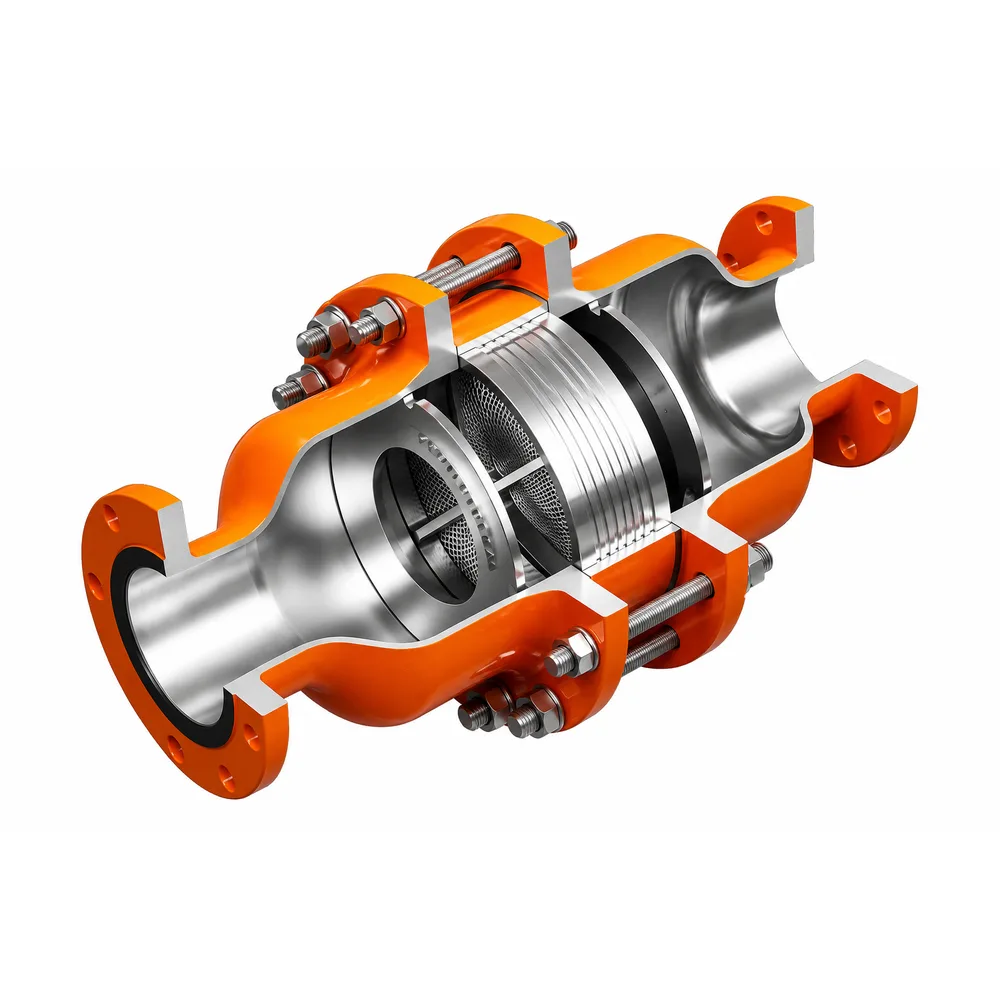 Flame Mitigation Devices Flame Mitigation Devices |
Where a market requires a flame arrestor. |