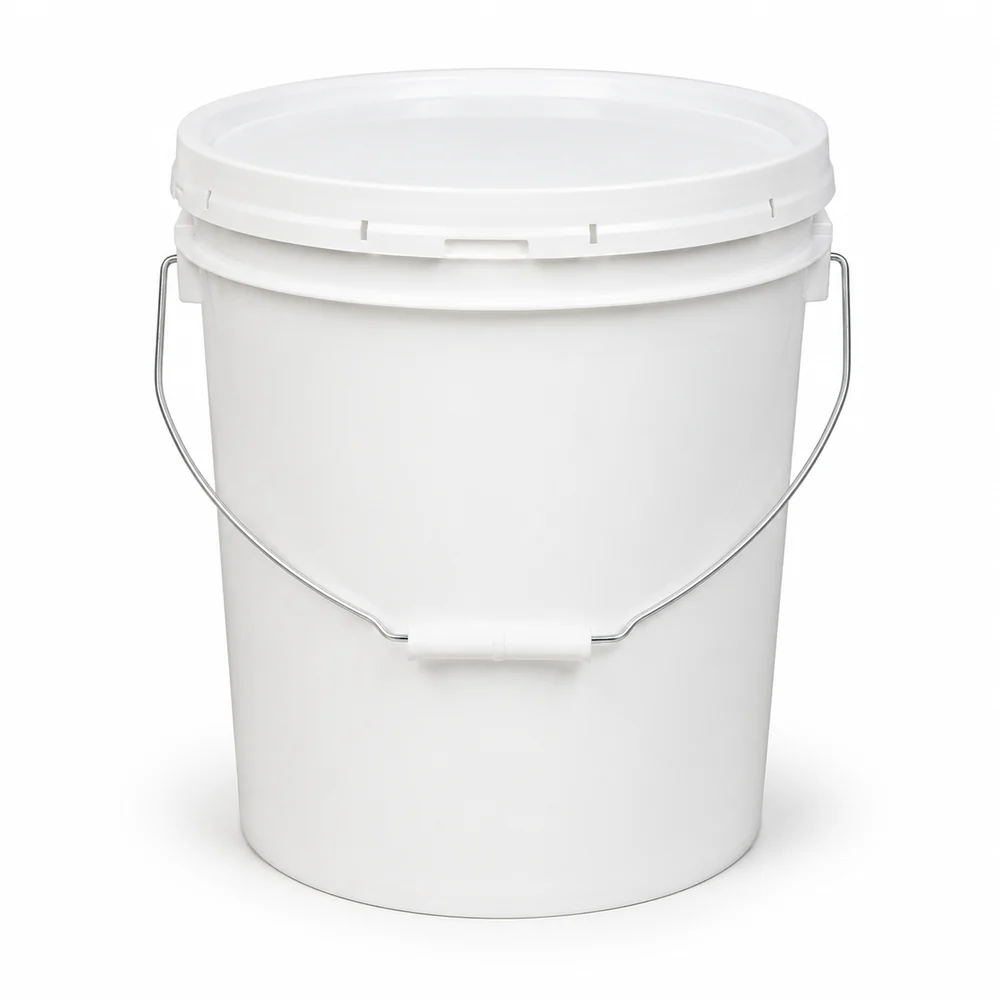
Plastic pail
Round PP Bucket, 2.5L to 20L
Injection-moulded polypropylene pail in eighteen sizes from 2.5 to 20 litres, with tamper-evident lid, plastic or steel handle and in-mould labelling.

An open-head pail is a shipping container before it is a container. It is filled on a line, closed once, palletised, and not opened again until it reaches the buyer, so the two things that decide whether it is the right pail are the seal and the pallet arithmetic. We publish both: the closure type per size, and the units per 20GP and 40HQ. Polypropylene where the contents allow it and the price matters; tinplate steel with a lever-lock ring or a flower lid where the contents are solvent-based, high-viscosity or dangerous goods.
Before you order: Pail wall thickness and closure type are set by the contents and the transport mode, not by the volume. Tell us what goes inside and how it ships and we will tell you which build applies.
Injection-moulded polypropylene pail in eighteen sizes from 2.5 to 20 litres, with tamper-evident lid, plastic or steel handle and in-mould labelling.
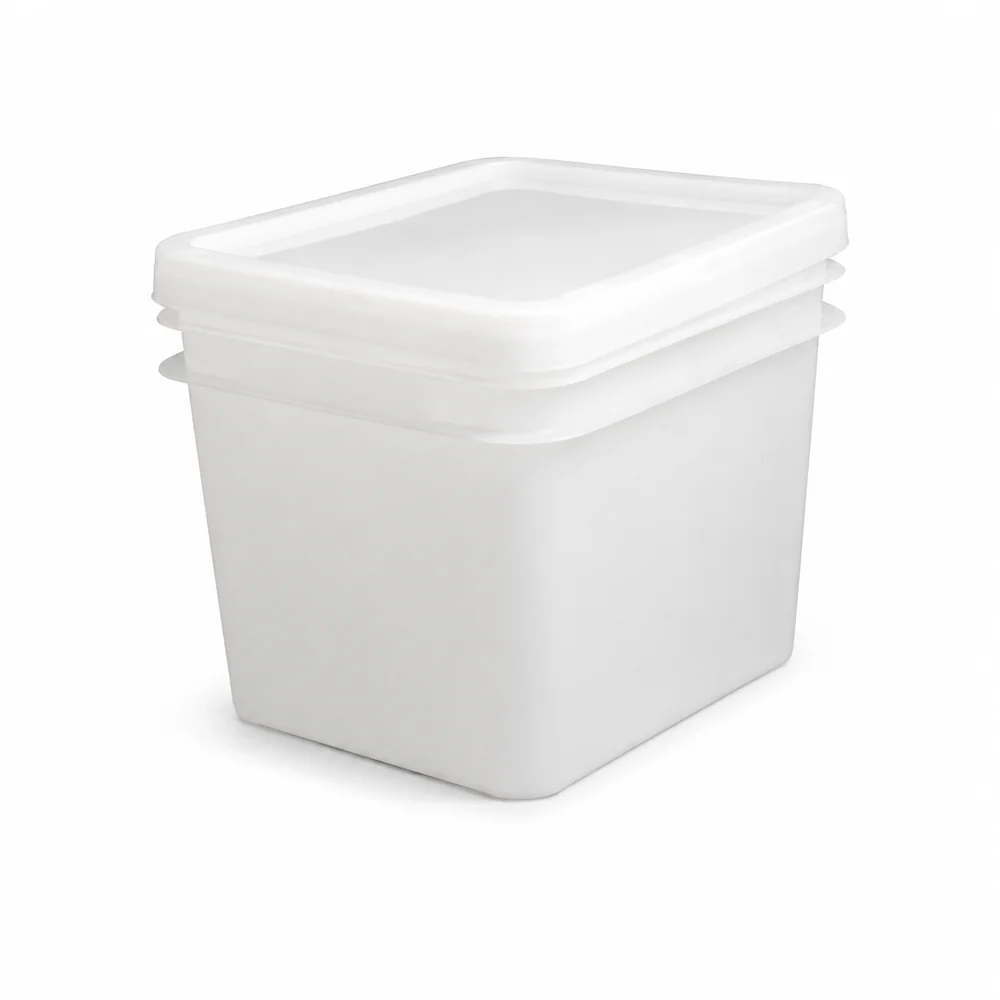
Square and rectangular polypropylene pails from 3.7 to 32.44 litres. Flat faces for full-bleed labelling and a footprint that squares off on a pallet.
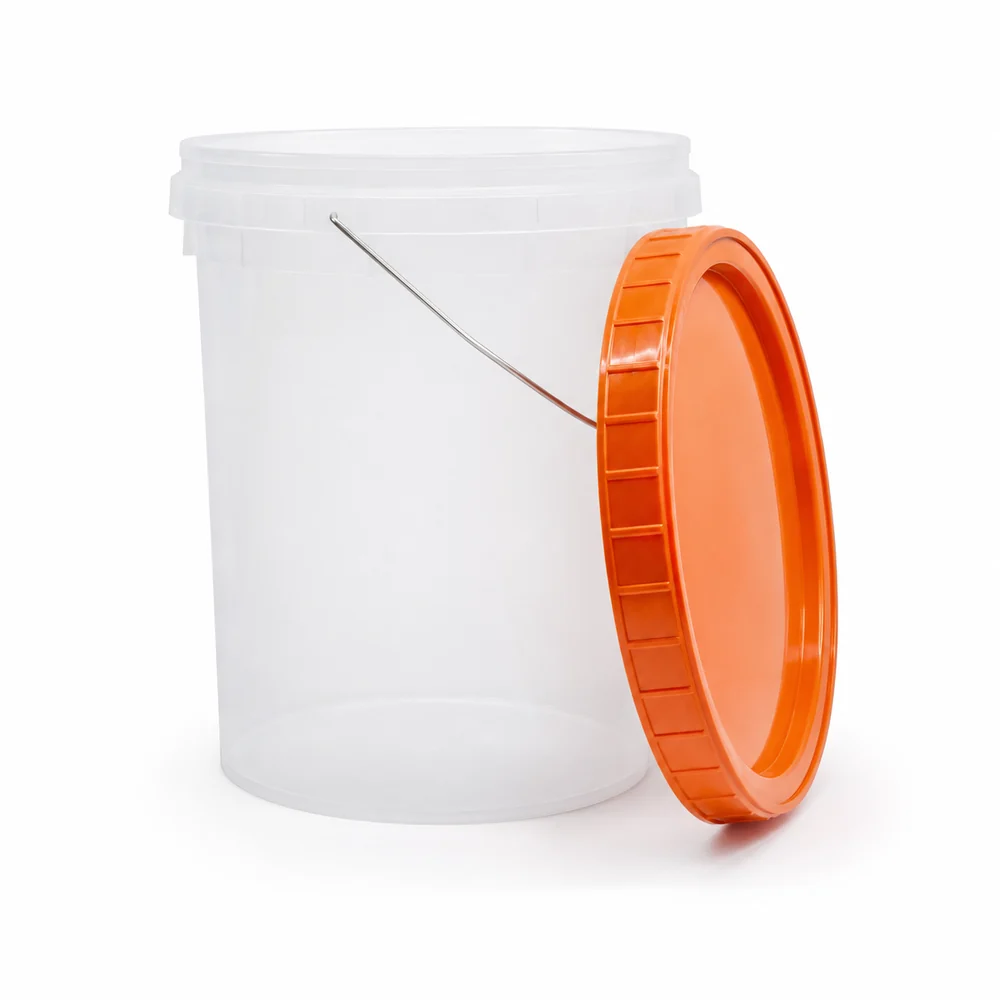
The 20L pail in the geometry each market expects, plus screw-lid, oil, oval and 30L fermentation formats.
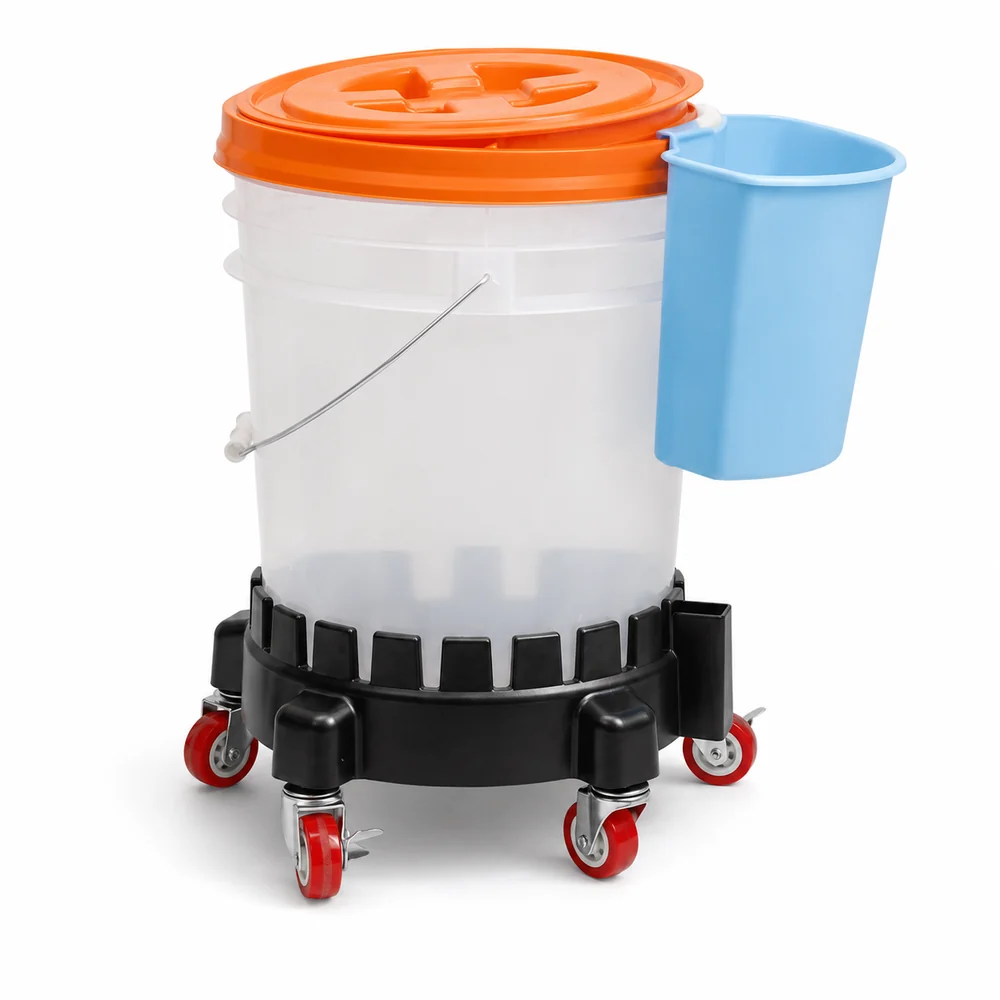
20 litre detailing bucket with screw lid, grit filter, five-castor dolly and wash caddy. Sold as a system or as components.
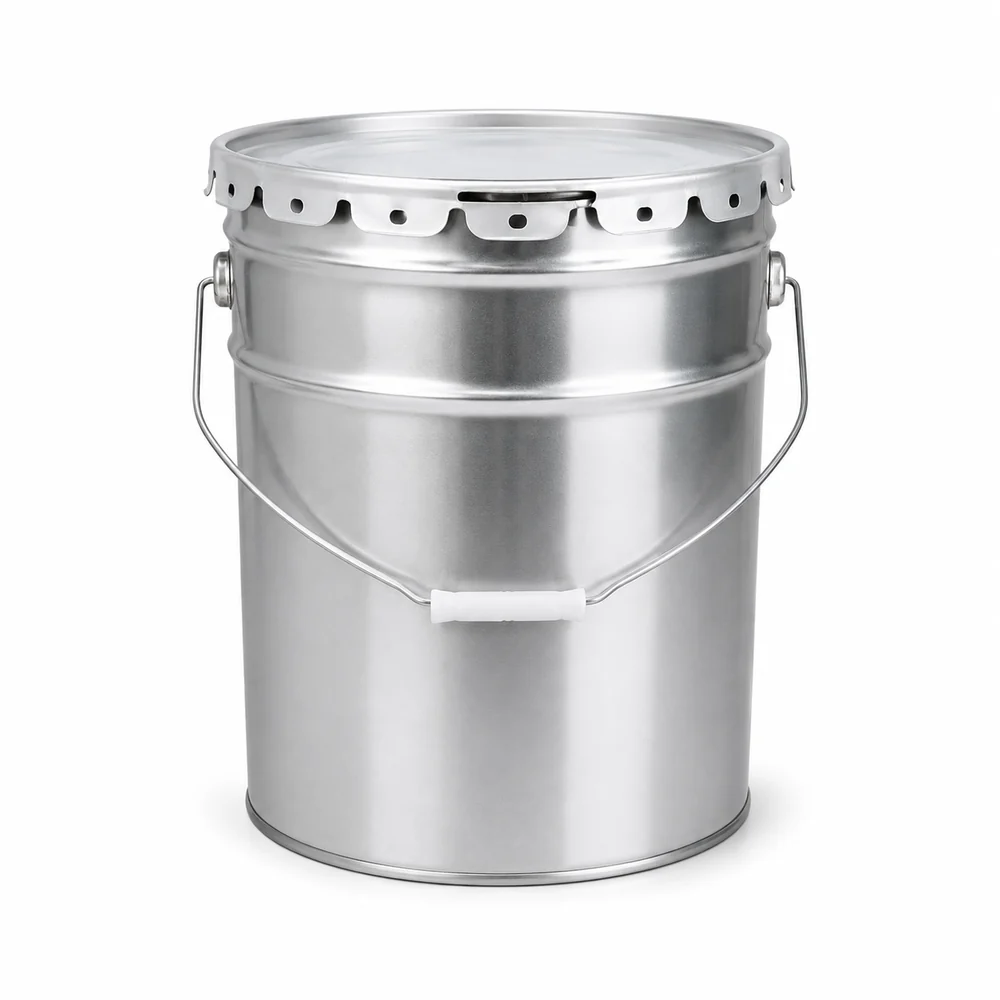
Tinplate steel open-head pail in seventeen sizes from 4 to 35 litres, with a flower lid for a permanent seal or an iron hoop lever ring for reusable access.
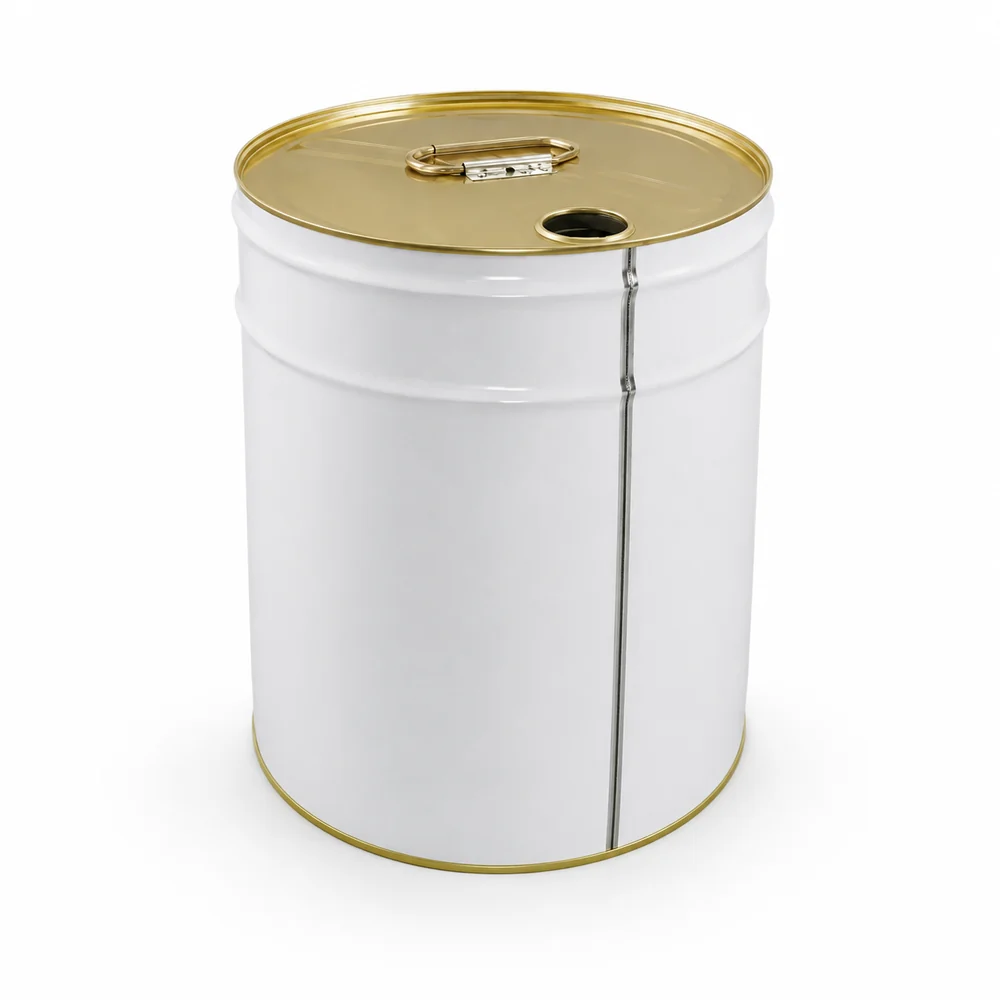
Tight-head and open-head round tinplate buckets from 5 to 25 litres, with precision-rolled seams specified against permeation.
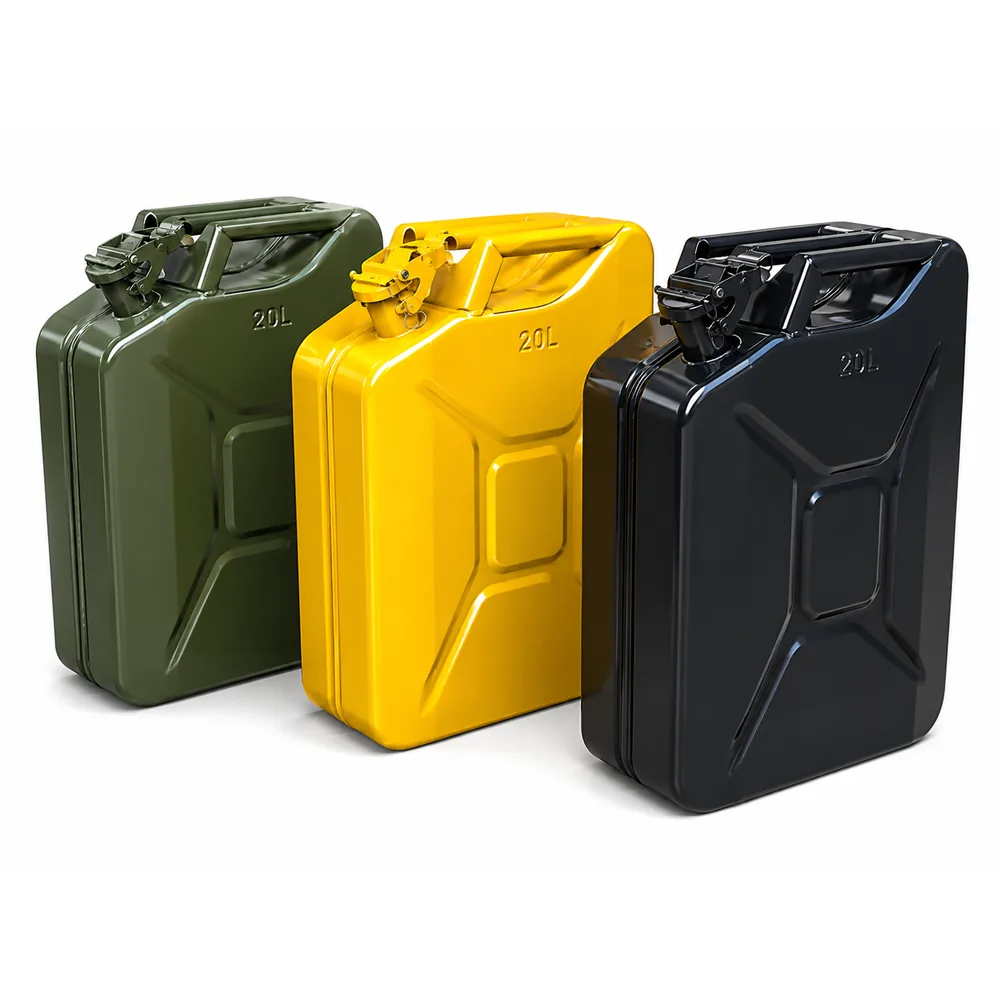
The classic NATO-pattern pressed can. Three handles, stackable profile, and the geometry that fits the carriers, racks and holders already in the field.
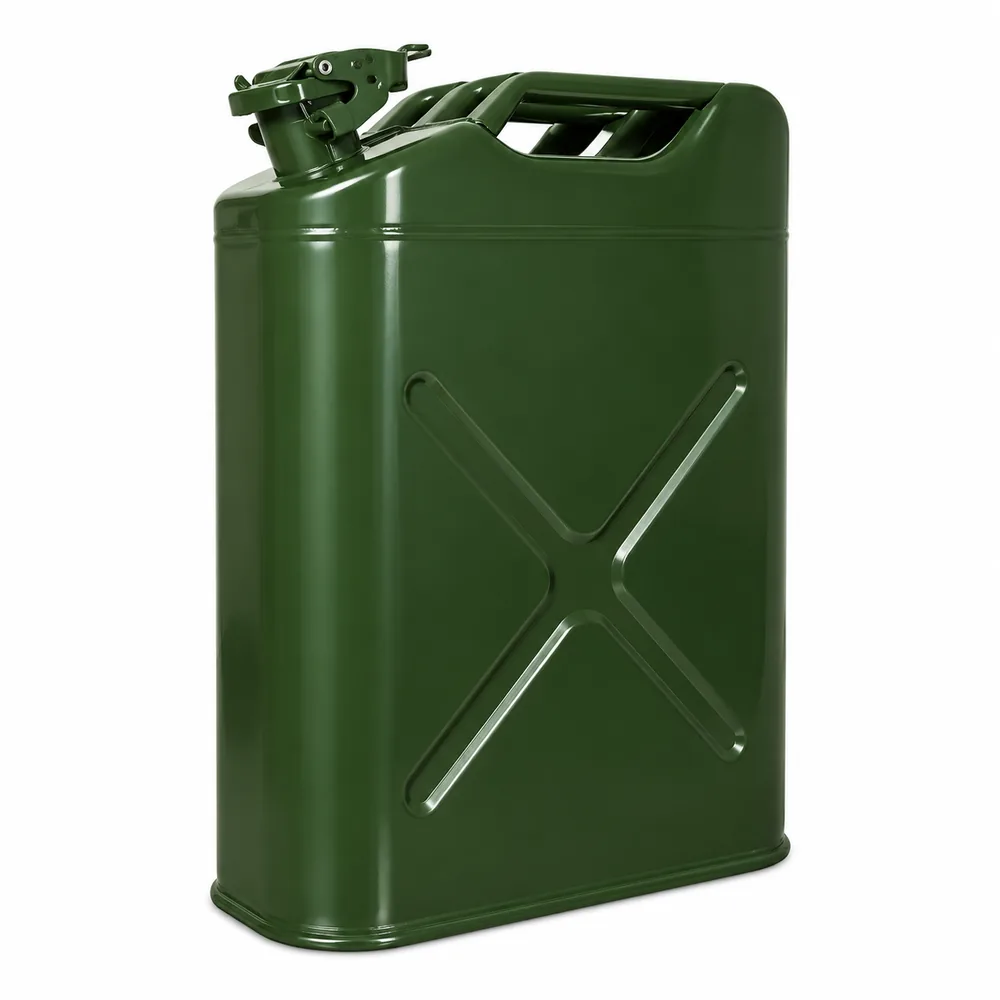
Upright and horizontal steel fuel containers outside the NATO pattern, including tap-fitted tanks, agricultural formats and compact cans.
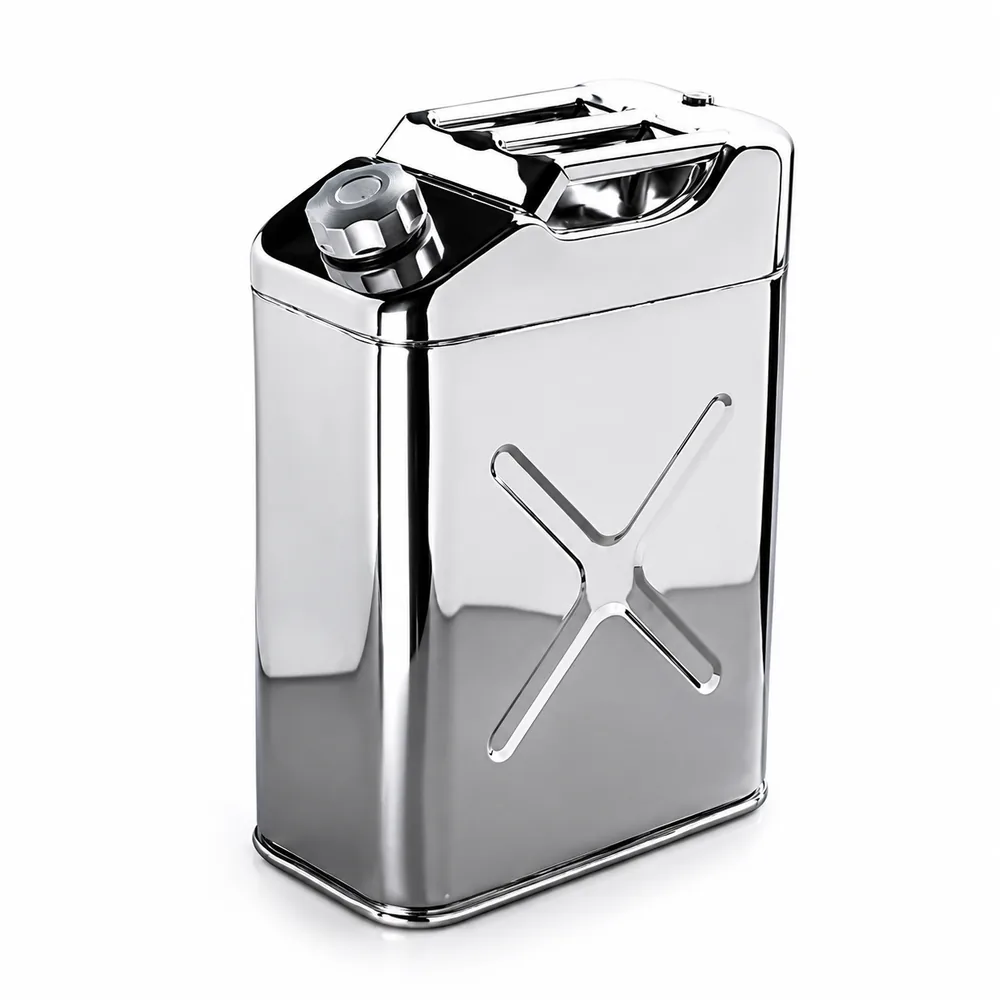
Containers specified for food and potable contact from the first drawing. Stainless where the can is kept and refilled, HDPE where it ships at volume.
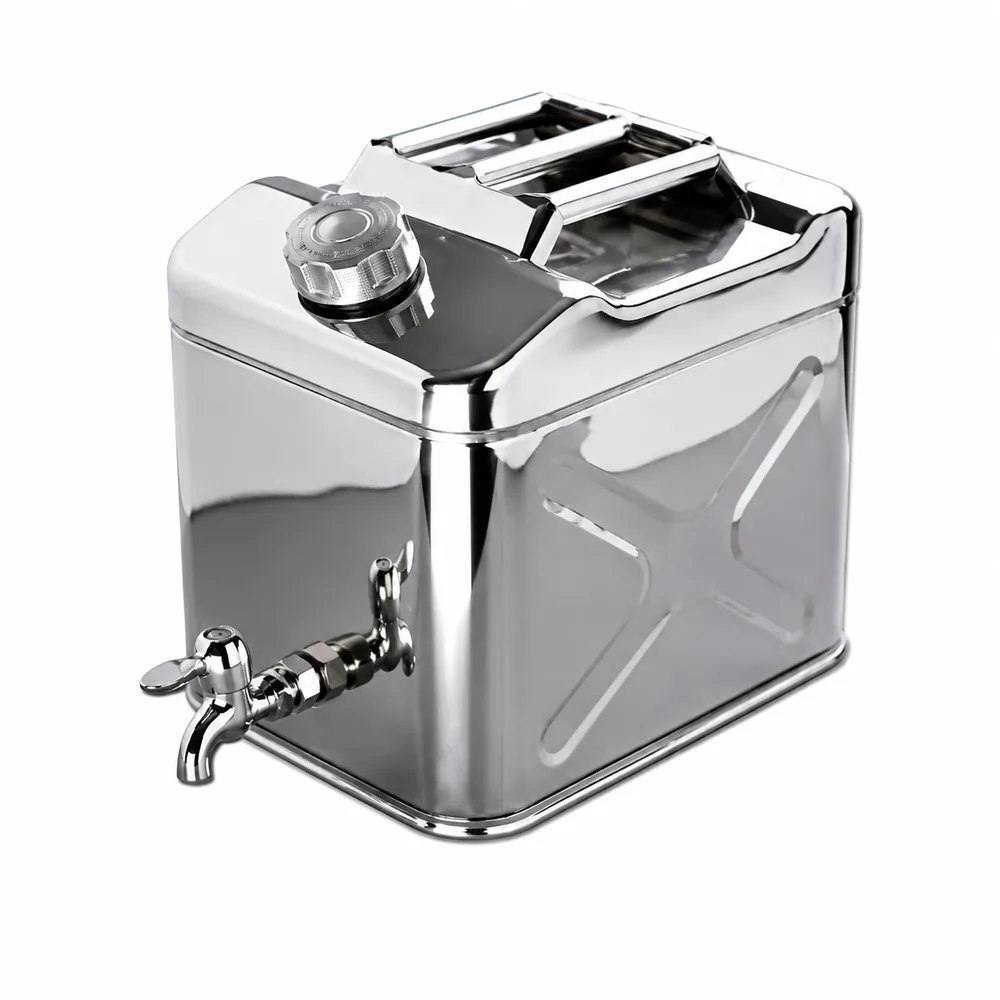
Tap-fitted and upright dispensing cans for lubricants, oils and workshop fluids, where controlled decanting matters more than portability.
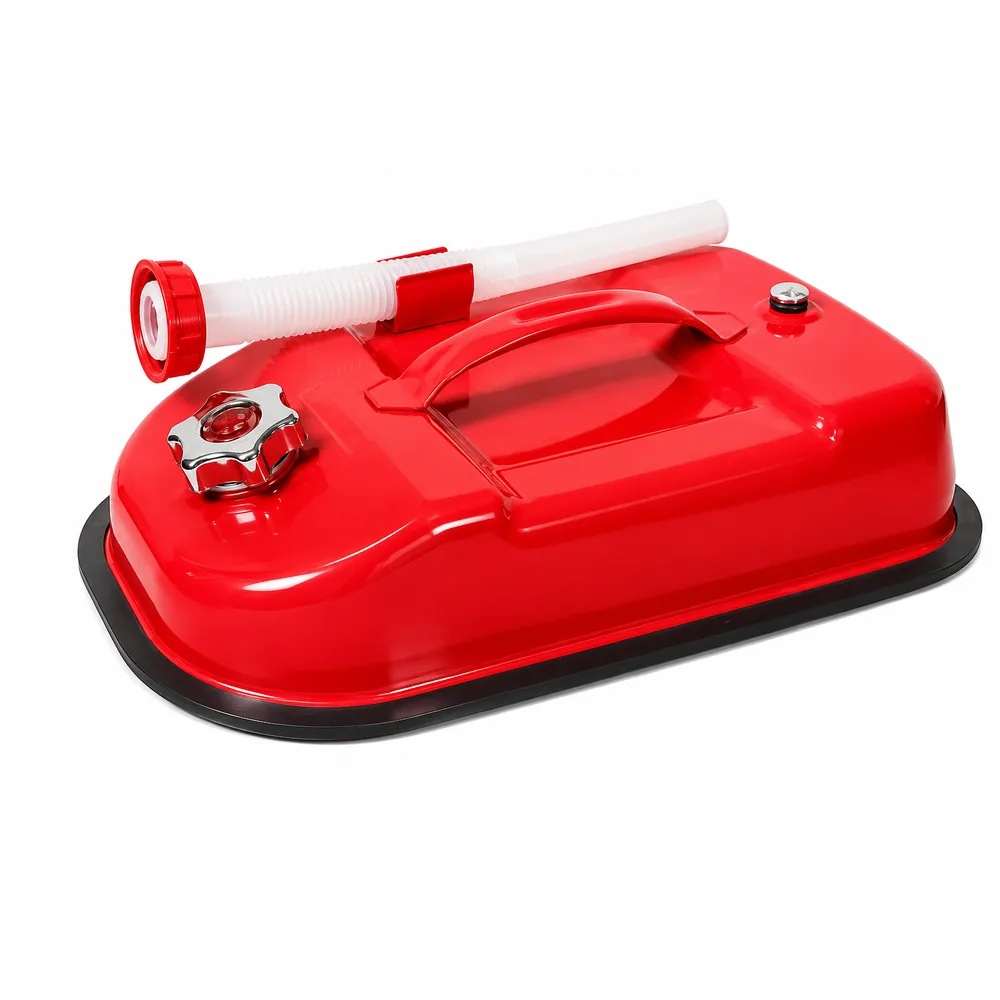
Low-profile horizontal cans in 5, 10 and 20 litre, galvanised or stainless. They slide under a boat seat, into a locker or onto a machine frame where a NATO upright has nowhere to go.
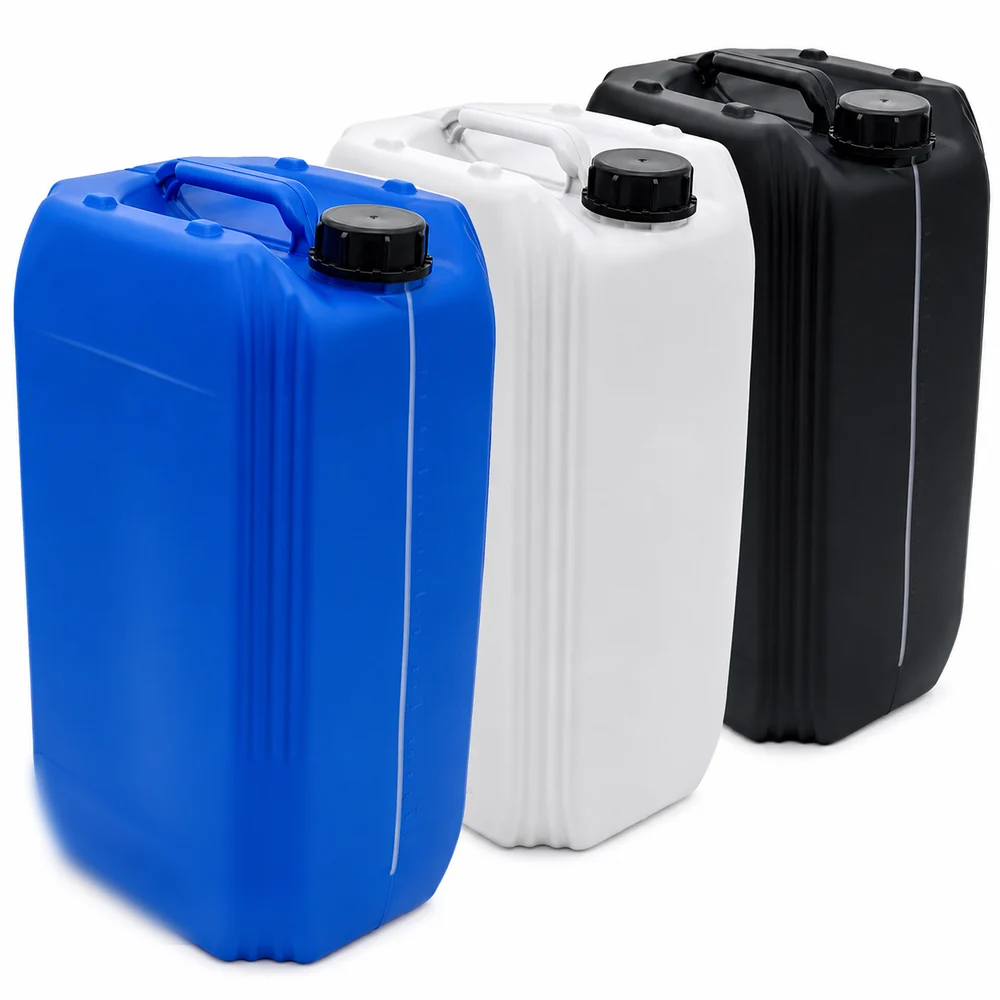
Stackable HDPE jerrycans and dedicated diesel exhaust fluid containers for decanting, distribution and automotive fluids.
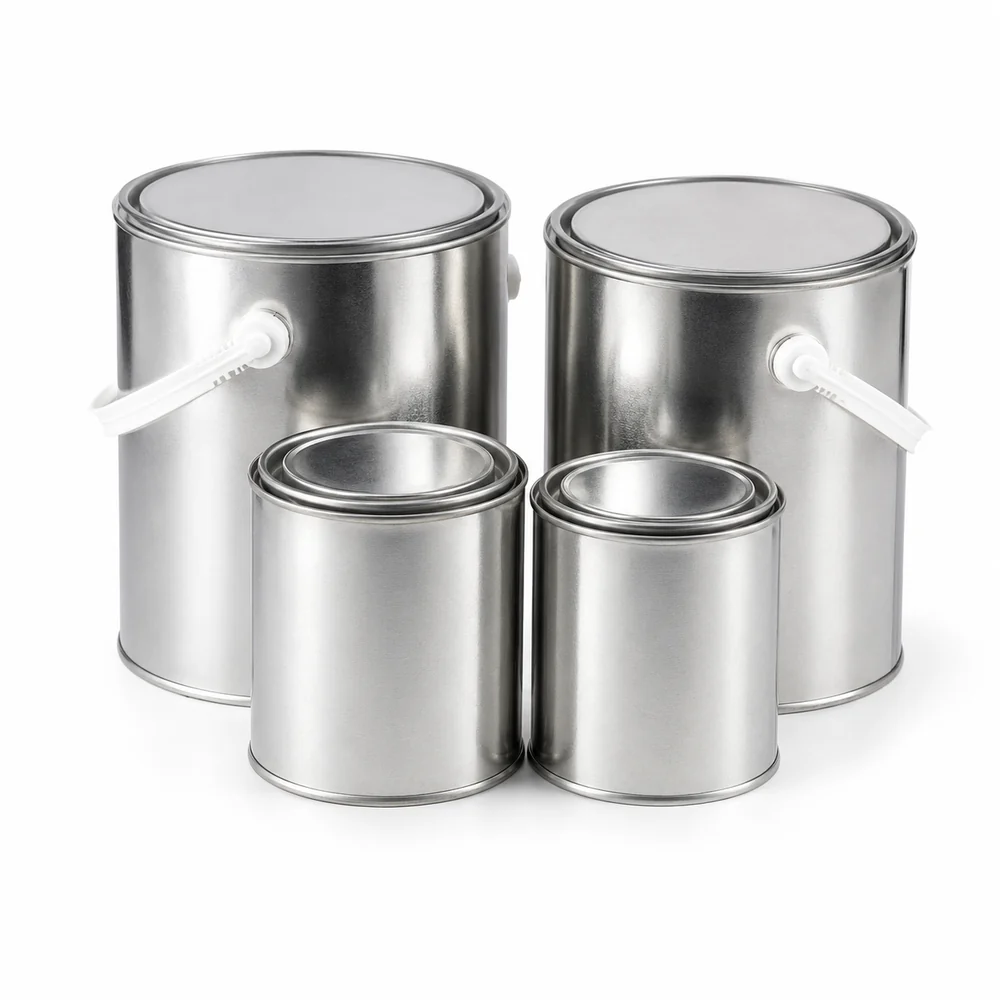
Tinplate cans from 50 ml to 6 litres: round and square bodies, cone tops, and dauber and brush-in-cap cans for adhesives and solvent cements.
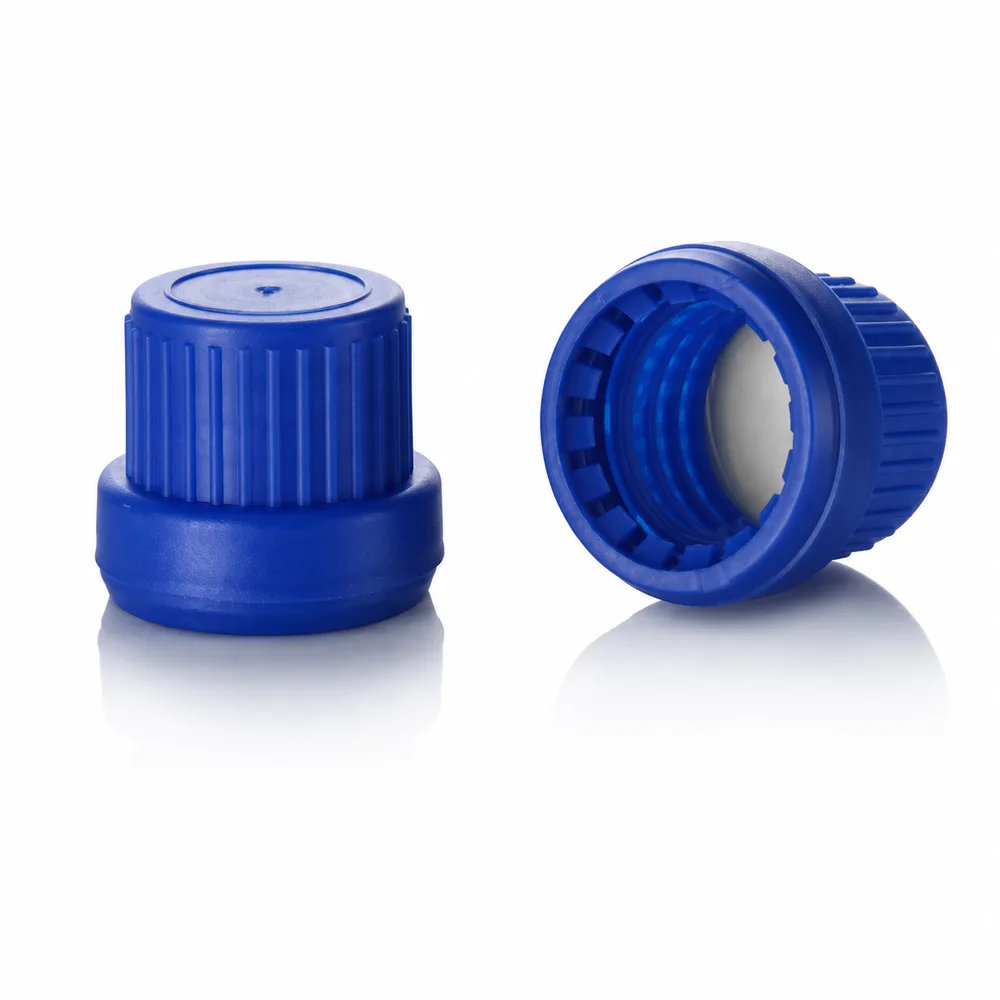
Caps, gaskets, vented and non-vented closures, child-resistant caps and flame arresters. The parts that fail first and cost least to replace.
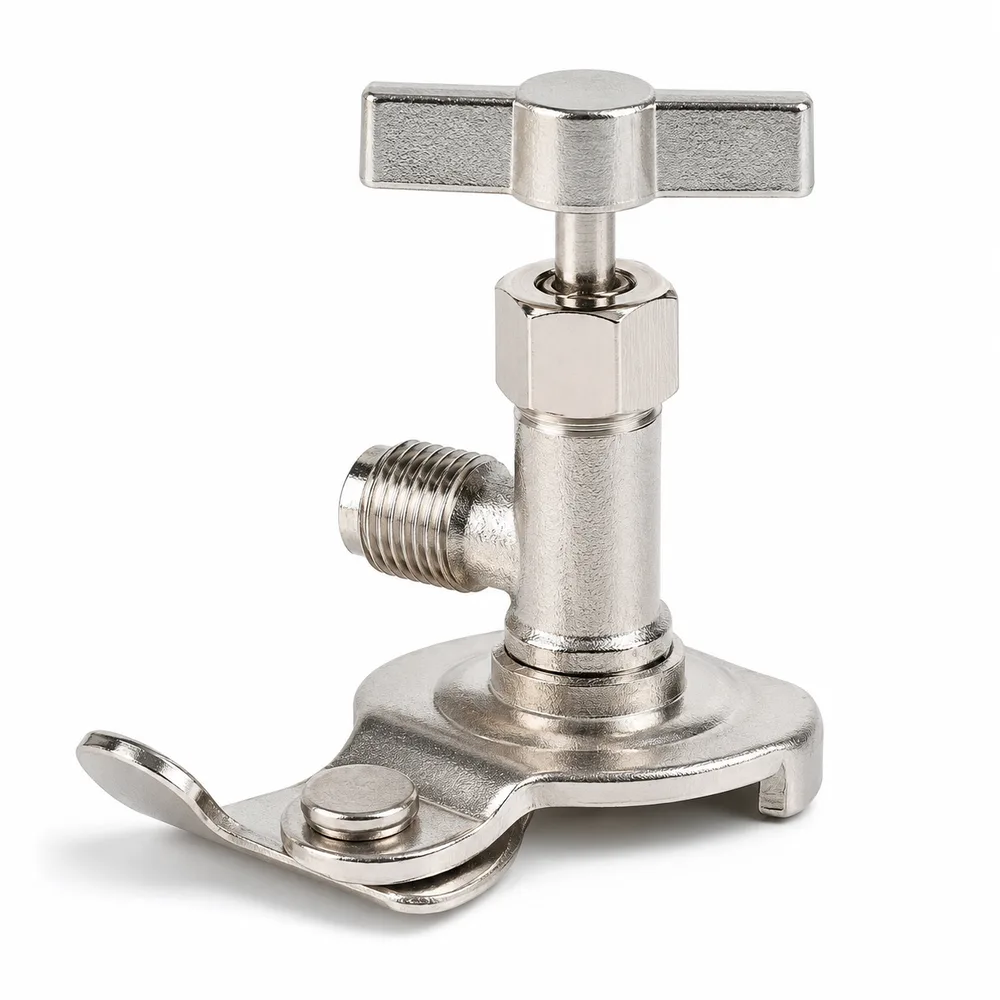
Pouring spouts, taps, dispensing valves and the adapters that bring a drum or an IBC down to a can. The half of the job where the spill happens.
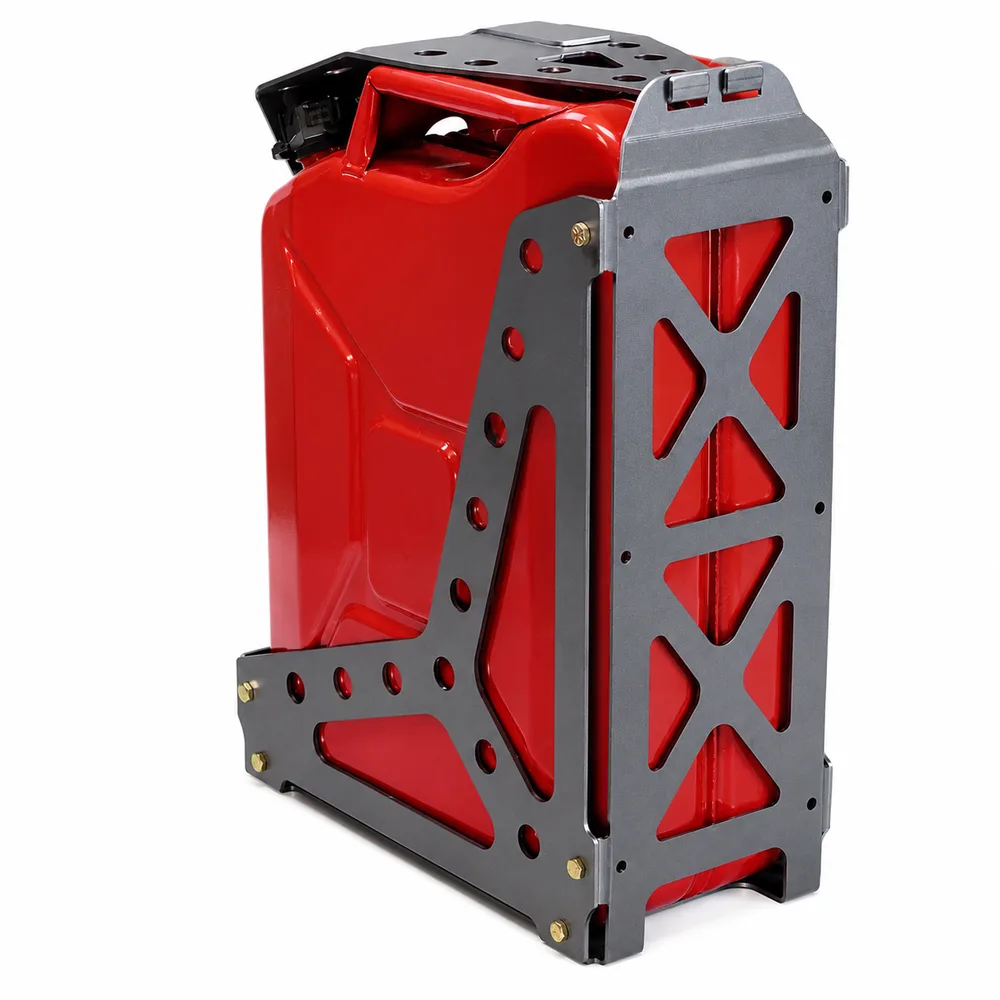
Vehicle holders, brackets and retention kits, tooled to our own can geometry and to the NATO pattern so nothing arrives almost-fitting.
Tell us which product, your destination market and your volumes.