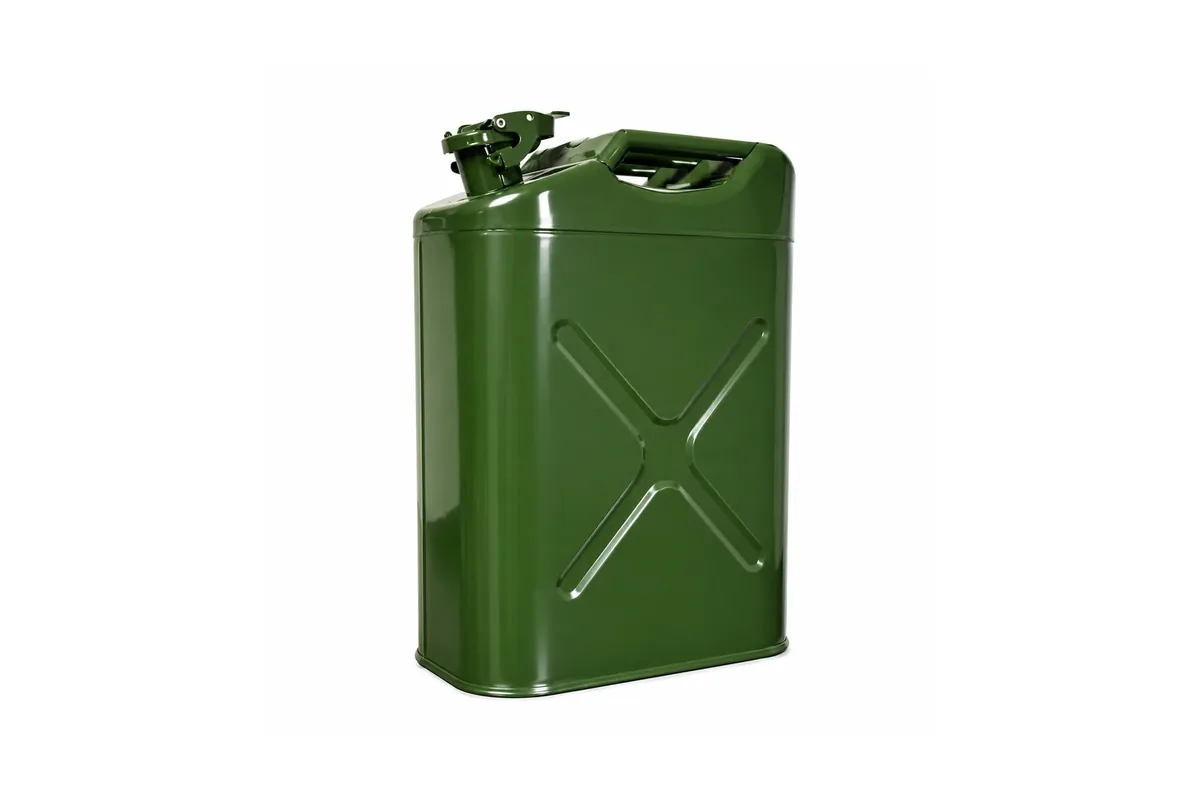
Storing fuel or chemicals in cans is only part of safe storage. If a can leaks, secondary containment is what stops the spill becoming an incident. This is general guidance; confirm your local rules.
What secondary containment is
Secondary containment is a bund, tray or spill pallet that catches what a container releases if it leaks or is knocked over. The container is the primary; the bund is the backup. Many jurisdictions require it for stored fuel and chemicals above a threshold volume. The point is simple: give the liquid somewhere to go that is not the floor, the drain or the ground.
Sizing the bund
A common rule is that a bund holds at least 110 percent of the largest single container, or a set percentage of the total stored volume, whichever is greater. The extra allowance covers rainfall on an outdoor bund and the displacement of other containers. An outdoor bund needs freeboard on top of the working capacity so rain does not fill the spare volume you were counting on. Check the exact figure your regulator uses.
Draining an outdoor bund
Rain collects in any open bund left outside. Keep the bund drain valved and normally shut, then check the caught water for sheen or contamination before you release it. If it is clean, drain it; if it carries fuel or chemical, handle it as waste. A drain left open turns the containment into a straight path to the watercourse it was meant to protect.
Portable trays or a fixed bund
Match the containment to the volume. For a few cans, a spill pallet or drip tray under them catches drips and a knocked-over container, and a bunded cabinet suits a small indoor store. Larger volumes call for a fixed bund built into the floor or the tank area. Site any store away from drains, gullies and watercourses so a spill that beats the bund still has distance to travel.
Materials and compatibility
The bund has to resist what it might catch. A steel bund suits fuel; a chemical needs a bund lined or built in a compatible material, the same compatibility question as the container itself. A bund that the liquid eats through is no containment at all. See our compatibility guide, and match adapters and fittings to the liquid too when you decant with drum and IBC adapters.
Spill response and housekeeping
When a can lets go, work the order: contain the liquid in the bund, absorb it with a spill kit rated for that liquid, then dispose of the used absorbent as the SDS directs. Keep the kit near the store, label containers by contents and date, and inspect for leaks and corrosion on a schedule. Good housekeeping catches a weeping can before it empties. The common mistakes are the avoidable ones: an undersized bund, an incompatible bund, a drain left open, or no spill kit within reach.
Where the container helps
A sound, well-sealed container is the first line: a UN-coded can with an intact closure rarely reaches the bund. The containment is your backup, not your plan. Read storing fuel safely.
Match the can to the job
The best containment is a can that does not leak. Here is what we build.
| Your use case | Recommended can | Why this one |
|---|---|---|
| Sound fuel storage | 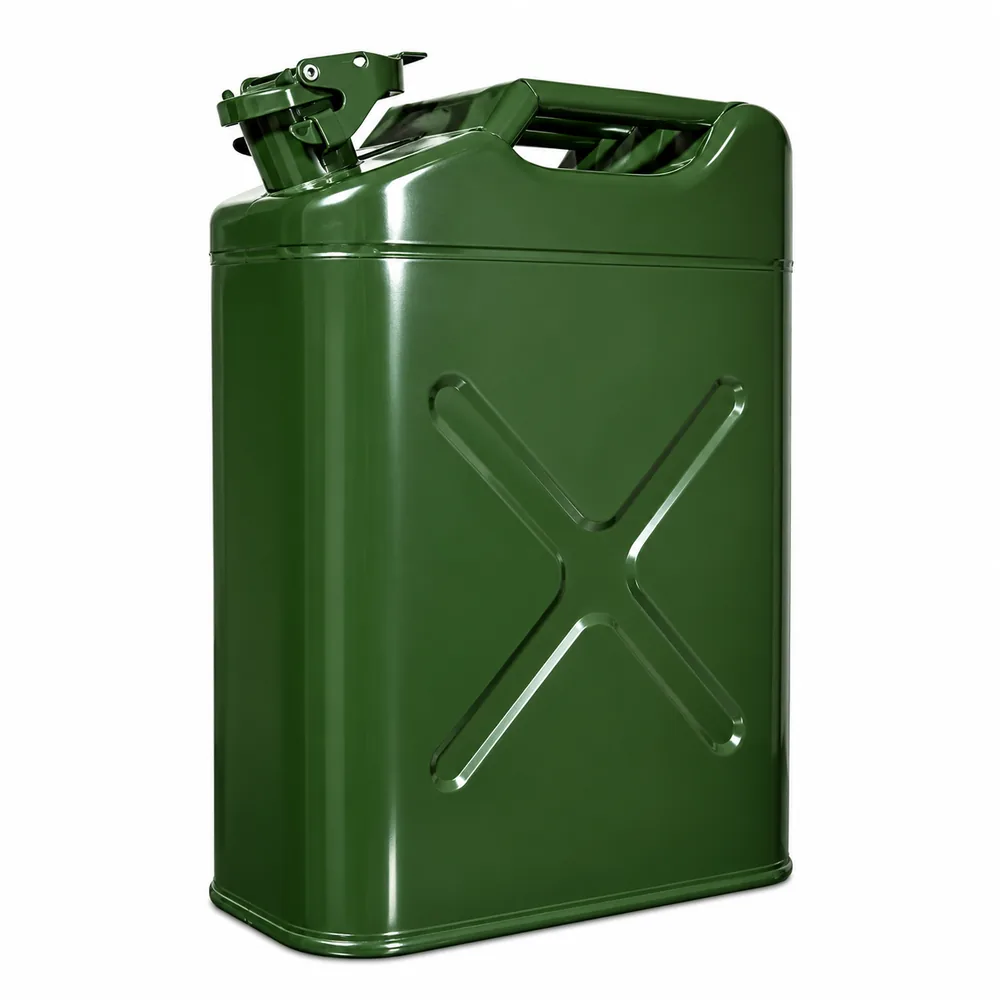 20L NATO Steel Fuel Can 20L NATO Steel Fuel Can |
UN-coded steel with an intact vented closure. |
| Aggressive chemicals | 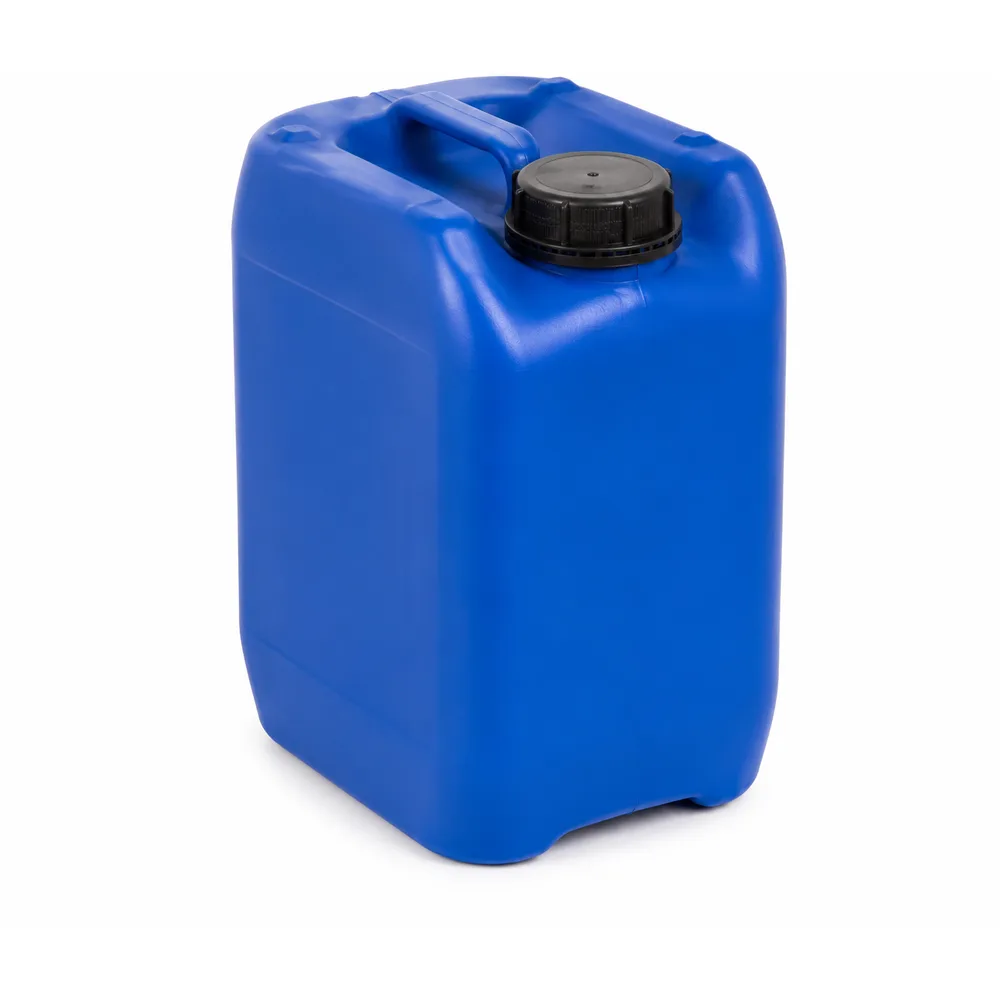 Fluorinated HDPE Jerrycan Fluorinated HDPE Jerrycan |
Fluorinated HDPE resists the liquid and the wall. |
| Keeping the closure tight | 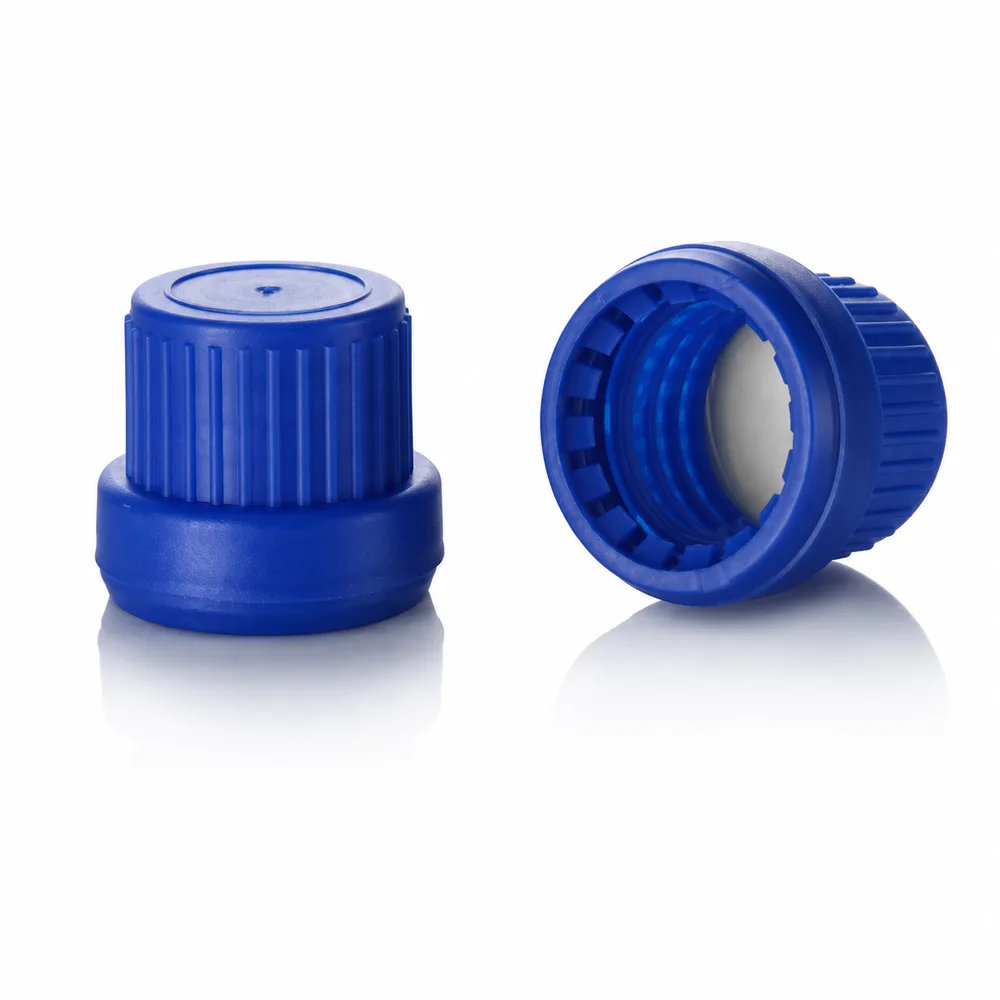 Caps, Closures & Gaskets Caps, Closures & Gaskets |
The right gasket keeps liquid out of the bund. |
| Controlled dispensing | 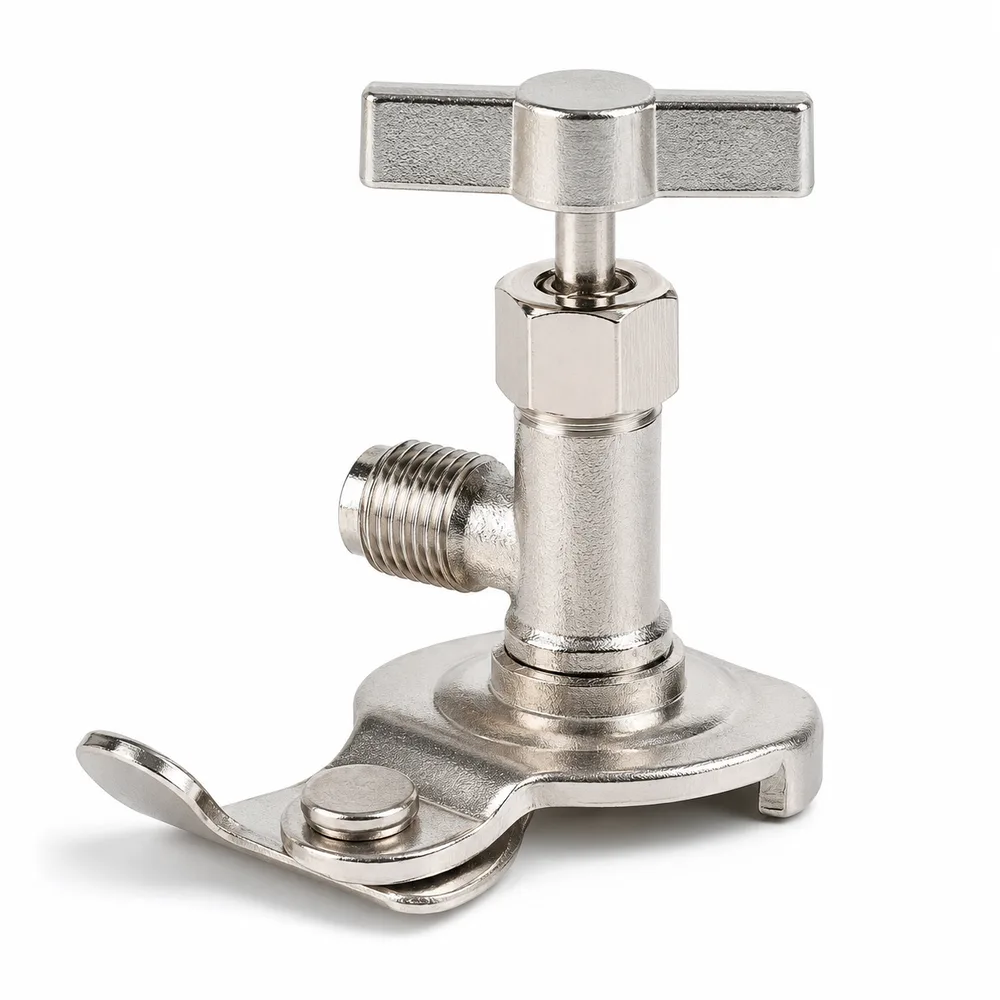 Taps & Dispensing Valves Taps & Dispensing Valves |
A tap decants without the splash a jug makes. |