The commodity code on your entry decides three things at once: the duty you pay, whether the carbon border mechanism applies, and which trade measures attach. Suppliers routinely hand over a code copied from an old invoice. That is a guess with your money behind it, and the liability for getting it wrong is the importer’s.
Where liquid containers classify
| Heading | Covers | Typical products here |
|---|---|---|
| 7310 | Tanks, casks, drums, cans, boxes and similar containers of iron or steel, capacity not exceeding 300 litres, lined or not | Steel and stainless jerry cans, upright and horizontal steel tanks |
| 3923 | Articles for the conveyance or packing of goods, of plastics; stoppers, lids, caps and other closures of plastics | HDPE jerrycans, plastic closures and caps |
| 7612 | Aluminium casks, drums, cans and similar containers, capacity not exceeding 300 litres | Aluminium fuel cans |
Indicative headings for orientation, not a classification ruling. Accessories often classify away from the container they serve: a steel mounting bracket, a brass tap and a rubber gasket can each land in a different chapter.
How the code is built
The first six digits are the international Harmonised System and are the same everywhere. After that the systems diverge: the EU extends to eight digits as the Combined Nomenclature and to ten as TARIC, which is where trade policy measures are expressed. The UK runs its own tariff on the same six-digit base. So a code is not portable between markets past six digits, and a supplier quoting one number for both is telling you they have not checked either.
Why the code matters beyond duty
- CBAM. The carbon border mechanism lists goods by heading, and 7310 is on the list. Classify a steel can into 7310 and the EU importer picks up CBAM obligations; classify a plastic one into 3923 and they do not.
- Trade measures. Anti-dumping duties, safeguards and quotas attach to codes and origins, not to product descriptions. Steel is a heavily measured sector.
- Preference. Whether a trade agreement rate applies at all turns on the code plus the origin rule for that code.
Origin is a legal test, not a shipping address
The country a shipment leaves is not necessarily its origin. Origin is determined by rules attached to the product and, where a trade agreement is claimed, by that agreement’s own rules of origin, which usually turn on where substantial transformation happened rather than where the goods were consolidated.
For a dual-sourced supplier this is the practical consequence: production moving between plants can change origin, which can change duty in either direction and can change which measures apply. Get an origin declaration for each production base before you need one, not after a customs query.
Stop guessing: get a binding ruling
Both markets issue rulings that bind the authority to a classification. In the EU it is Binding Tariff Information; in the UK, an Advance Tariff Ruling. They take time to obtain and they remove the argument entirely for the period they cover. For a programme of any size, on a product family with a real classification question behind it, that is a cheap piece of certainty.
What to ask a supplier for
- The heading they believe applies, with the reasoning, rather than a number alone
- Material composition by weight, since classification often turns on the constituent material
- Country of production for the specific run, and an origin declaration
- Net and gross weights, which you need for both duty and the CBAM threshold
Where we stand on this
We confirm the heading we believe applies for any product before you order, with the reasoning behind it, and we state the country of production for the run. What we do not do is give you a classification you can rely on as a ruling, because no supplier can: classification is determined by the customs authority in your market, and a binding ruling is the only thing that settles it. Treat our view as the starting point for your own check.
Where to start
| Your use case | Recommended can | Why this one |
|---|---|---|
| Steel, heading 7310 | 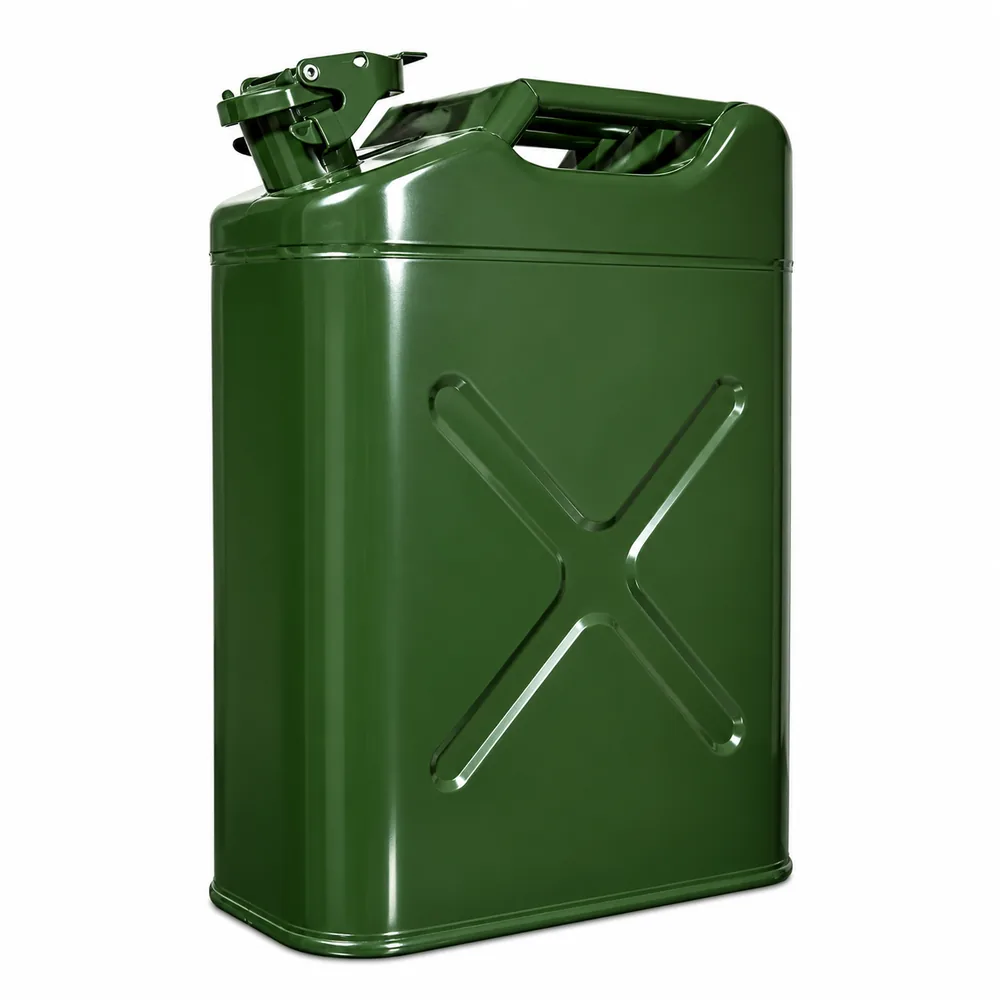 20L NATO Steel Fuel Can 20L NATO Steel Fuel Can |
Also the heading that triggers CBAM. |
| Plastic, heading 3923 | 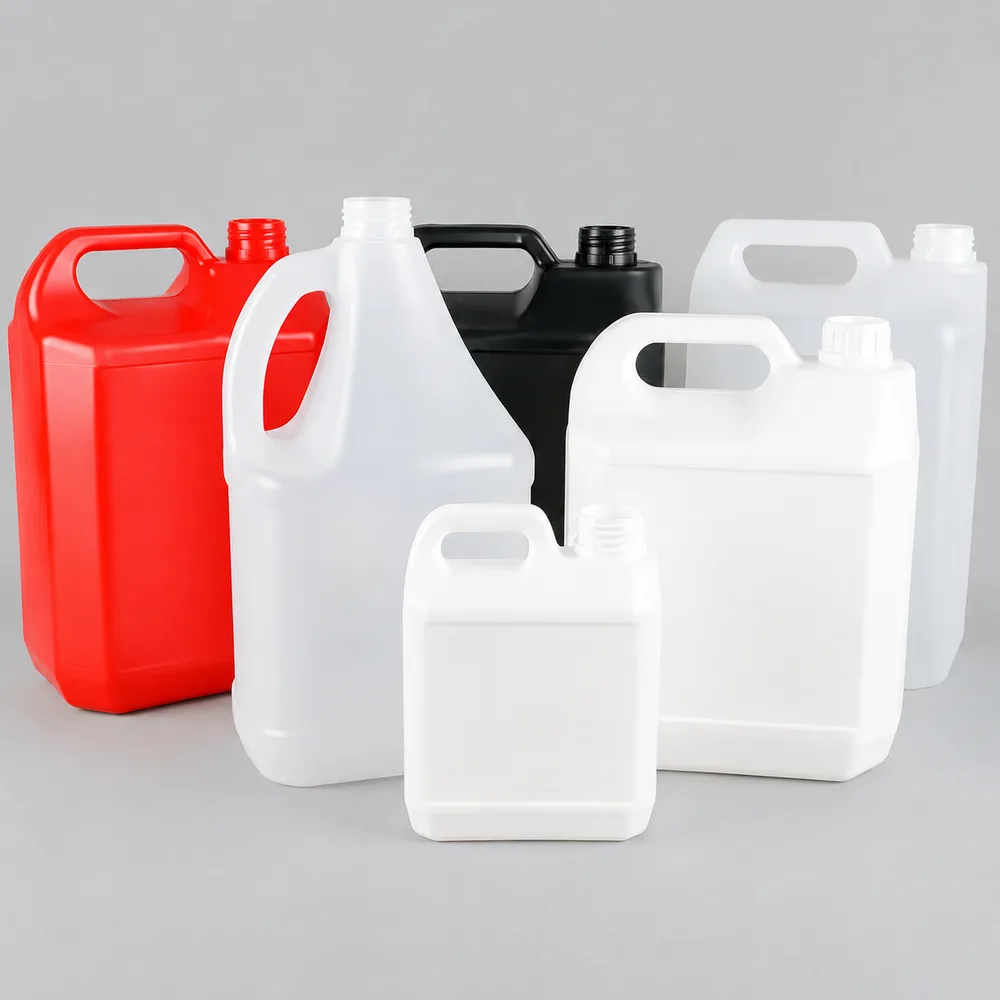 Economy HDPE Jerrycan — non-UN Economy HDPE Jerrycan — non-UN |
Outside CBAM; inside packaging rules. |
| Aluminium, heading 7612 | 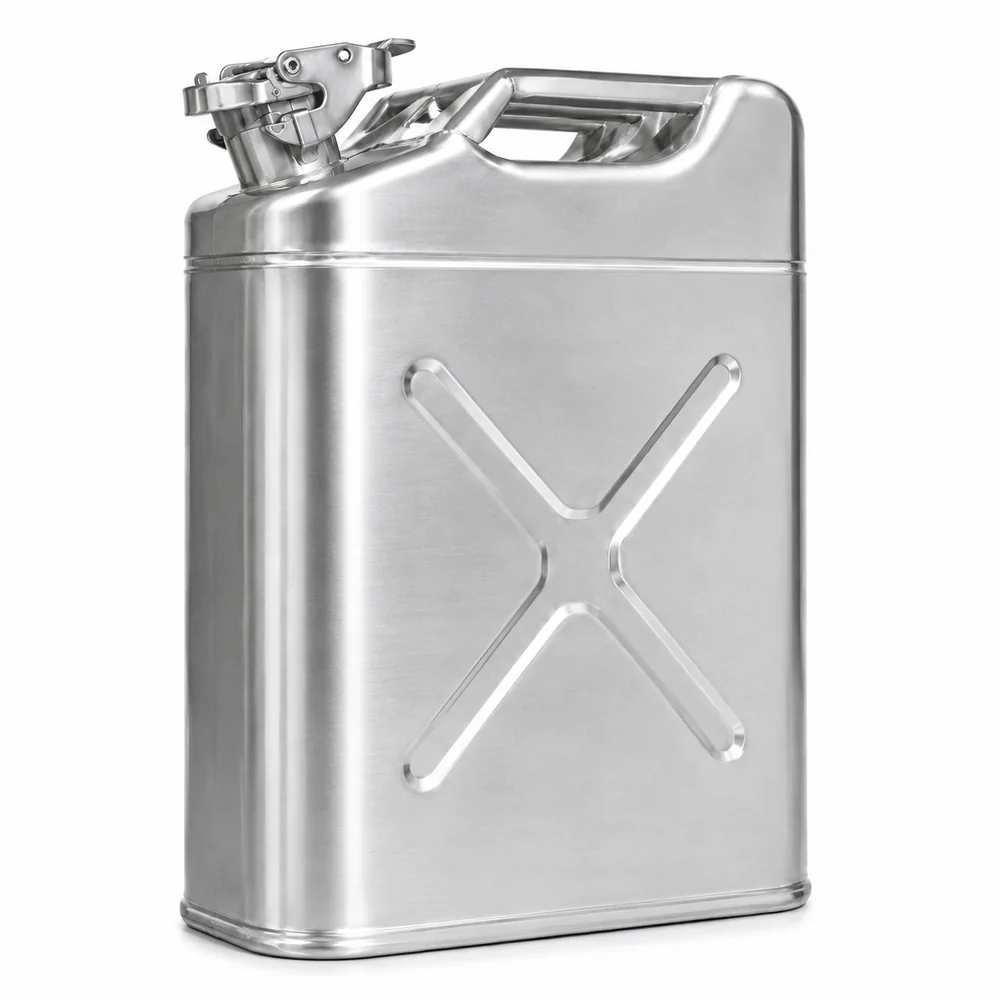 20L Aluminium NATO Can 20L Aluminium NATO Can |
Different chapter, different measures. |
| Accessories classify separately | 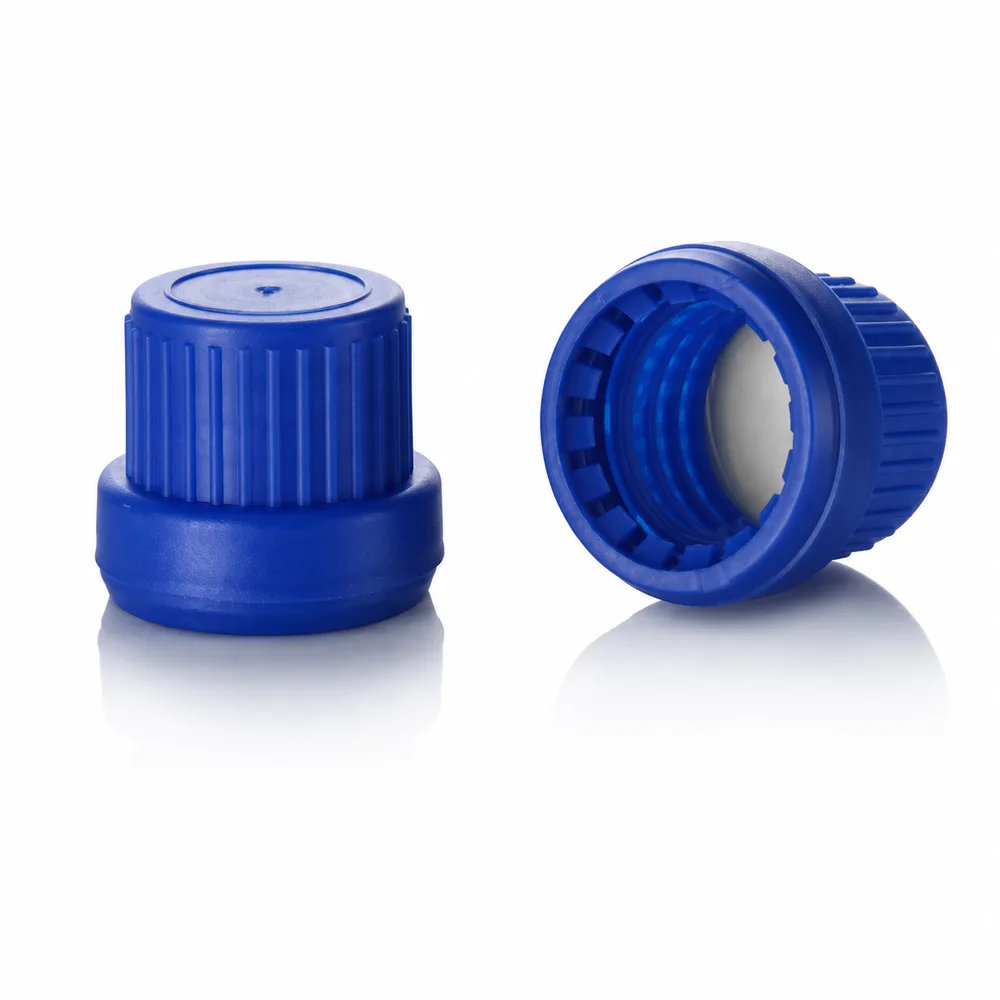 Caps, Closures & Gaskets Caps, Closures & Gaskets |
Closures rarely follow the container. |
Common questions
What is the commodity code for a steel jerry can?
Steel containers up to 300 litres classify in heading 7310, which covers tanks, casks, drums, cans and boxes of iron or steel whether or not lined. Plastic containers and closures fall in 3923 and aluminium ones in 7612. These are orientation, not a ruling: classification is determined by the customs authority in your market.
Is the commodity code the same in the UK and the EU?
Only to six digits. The first six are the international Harmonised System and are identical everywhere. The EU extends to eight digits as the Combined Nomenclature and to ten as TARIC, where trade policy measures are expressed; the UK runs its own tariff on the same six-digit base. A code is not portable between markets past six digits.
Why does the commodity code matter beyond the duty rate?
Because CBAM lists goods by heading, so classifying a steel can into 7310 gives the EU importer CBAM obligations while a plastic one in 3923 carries none. Anti-dumping duties, safeguards and quotas also attach to codes and origins rather than to product descriptions, and steel is a heavily measured sector.
Is country of origin the same as where the goods shipped from?
No. Origin is a legal test based on where substantial transformation happened, and where a trade agreement is claimed it follows that agreement own rules of origin. For a dual-sourced supplier this matters: moving production between plants can change origin, which changes duty and which measures apply.
How do I get certainty on a classification?
Apply for a binding ruling. The EU issues Binding Tariff Information and the UK issues Advance Tariff Rulings, both of which bind the authority for the period they cover. No supplier can give you a classification you can rely on, because classification is determined by the customs authority in your market.
References
The standards and regulations this page relies on, at their issuing body. Where a market rule is named here, check the current revision before you specify against it.
Last reviewed .