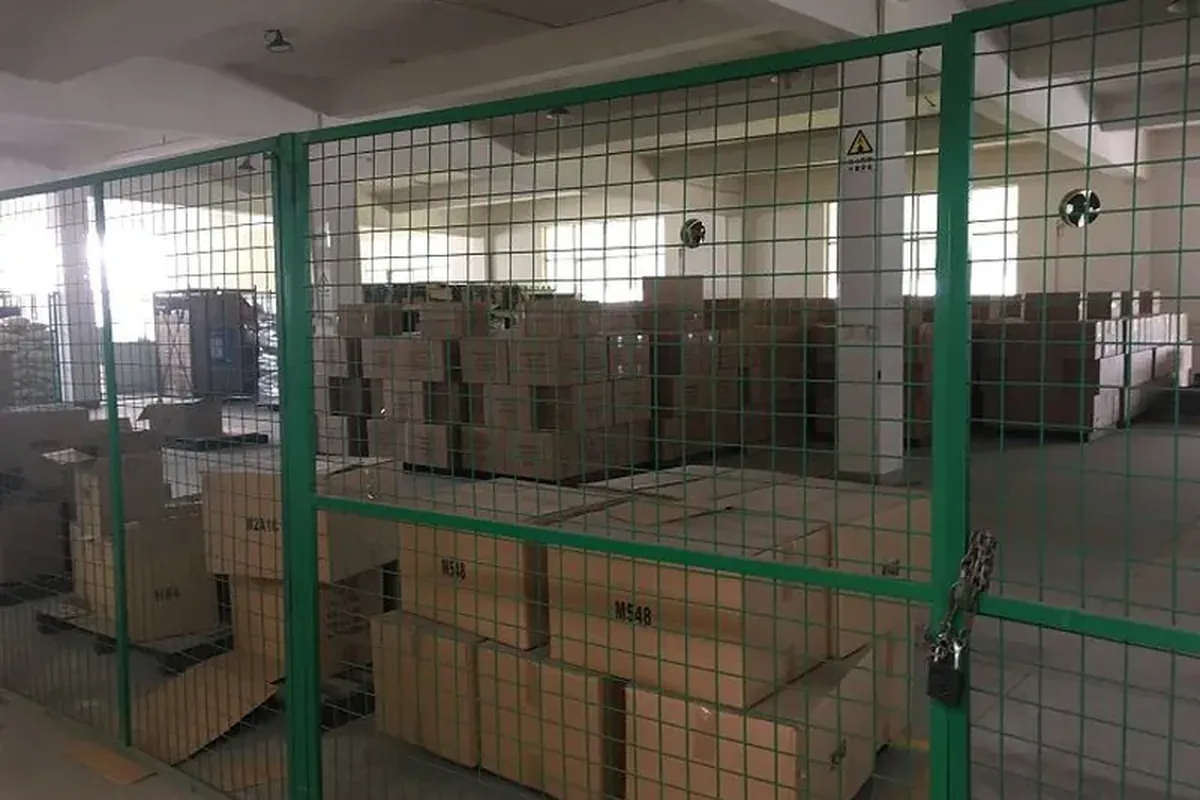
A jerry can that survives the field can still be damaged in the warehouse or the container if it is stored and packed wrongly.
How cans are packed
Cans ship in cartons or shrink-wrapped on pallets, depending on the product and the freight mode. Nesting handles and stacking profiles let cans pack with little wasted space, which is what makes the NATO form efficient to ship. We pack for distributor shelf or for pallet according to your destination and channel.
Why the pack figures are per product
Load numbers change with the shape of the can. A 20-litre upright cubes out one way; a low horizontal can or a nested plastic one fills the same footprint differently, so cans-per-container is never a single figure across the range. That number drives your freight cost per unit, which is why format matters as much as unit price. See our jerry can sizes to compare how each one loads.
Pallet and container loading
The number of cans per carton, per pallet and per container depends on the size and the format. A 20-litre upright loads differently from a low horizontal can or a nested plastic one. We quote the carton quantity, units per pallet, and units per 20-foot and 40-foot container against the specific product, so you can plan freight cost per unit before you order. Empty cans mostly ship at volume, not weight, so a container fills up on cube long before it hits the weight limit. Nesting and stacking efficiency is the lever that lowers your cost per unit.
Palletising and securing the load
Cans that shift in transit chafe, dent and split cartons. We palletise to a stable pattern and strap or shrink-wrap the stack so it holds together from our floor to yours. This is retention on the freight side; for retention once the can is on the vehicle, see tie-downs and retention straps.
Storing in the warehouse
- Keep steel dry. Store galvanized and coated steel off damp floors and out of standing water to protect the coating during storage.
- Mind stack height. Stack to the rated height for the product and the pallet; over-stacking crushes lower cans.
- Separate hazardous stock. Cans holding flammable or corrosive liquids follow your local dangerous-goods storage rules for segregation, ventilation and fire protection.
- Rotate by date. First in, first out, labelled by receipt date.
Empty versus filled
Empty cans are ordinary steel or plastic goods and store like any other packed stock. Cans that arrive filled with fuel or chemical are dangerous goods, and the rules change: segregation from ignition sources, ventilation, and the transport controls that apply to dangerous goods in transport. Know which one you are handling before the pallet lands, because the storage and paperwork differ.
Common mistakes
Three catch buyers out. Over-stacking pallets past the rated height, which crushes the lower cartons. Standing coated steel on a damp floor, which lets the coating corrode before the can ever ships. And choosing a size or format on unit price alone without costing freight per unit, so a cheaper can arrives more expensive by the container. Cost the freight first.
Export from the Singapore desk
We manufacture in Vietnam and China and export through a Singapore contract desk, packed and documented for your market. Tell us the destination and channel and we pack to suit. See our capabilities.
Match the can to the job
Shape drives the freight bill. Here is how the formats pack.
| Your use case | Recommended can | Why this one |
|---|---|---|
| Upright NATO cans | 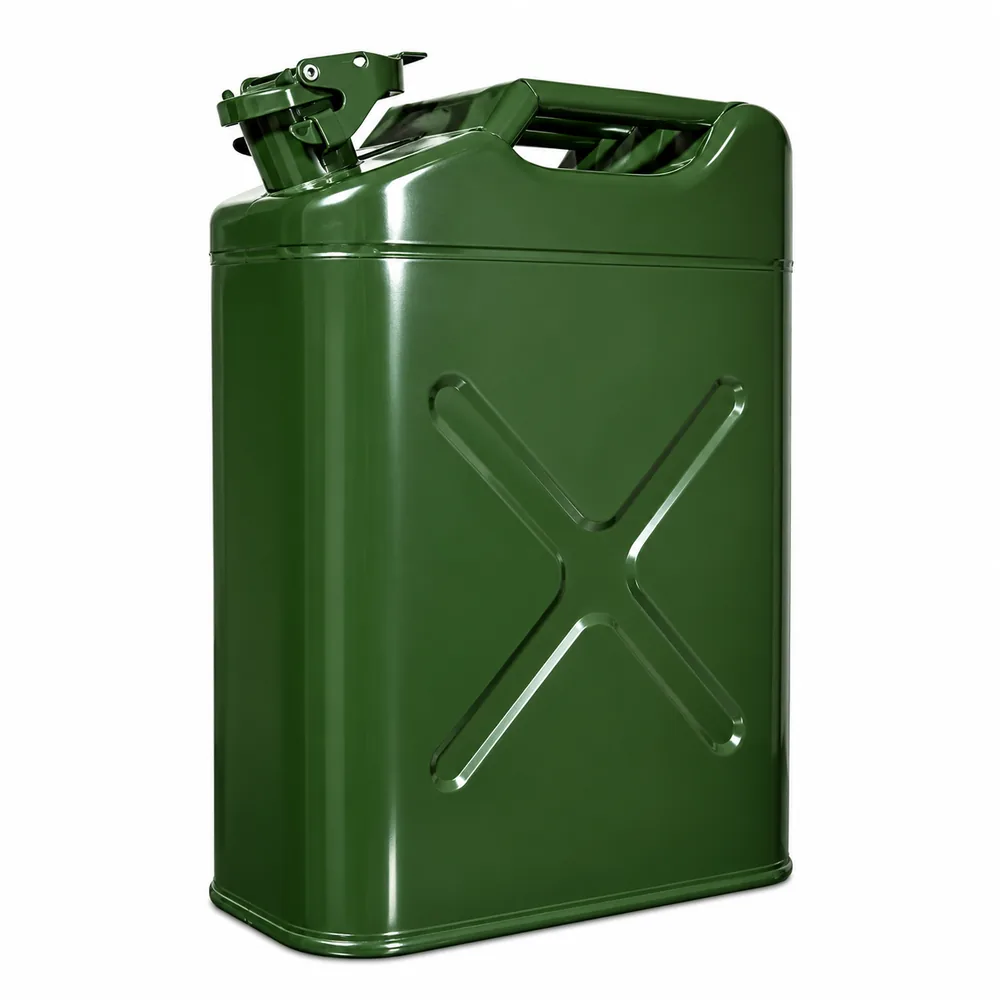 20L NATO Steel Fuel Can 20L NATO Steel Fuel Can |
Nesting handles pack with little wasted space. |
| Low-profile horizontal cans | 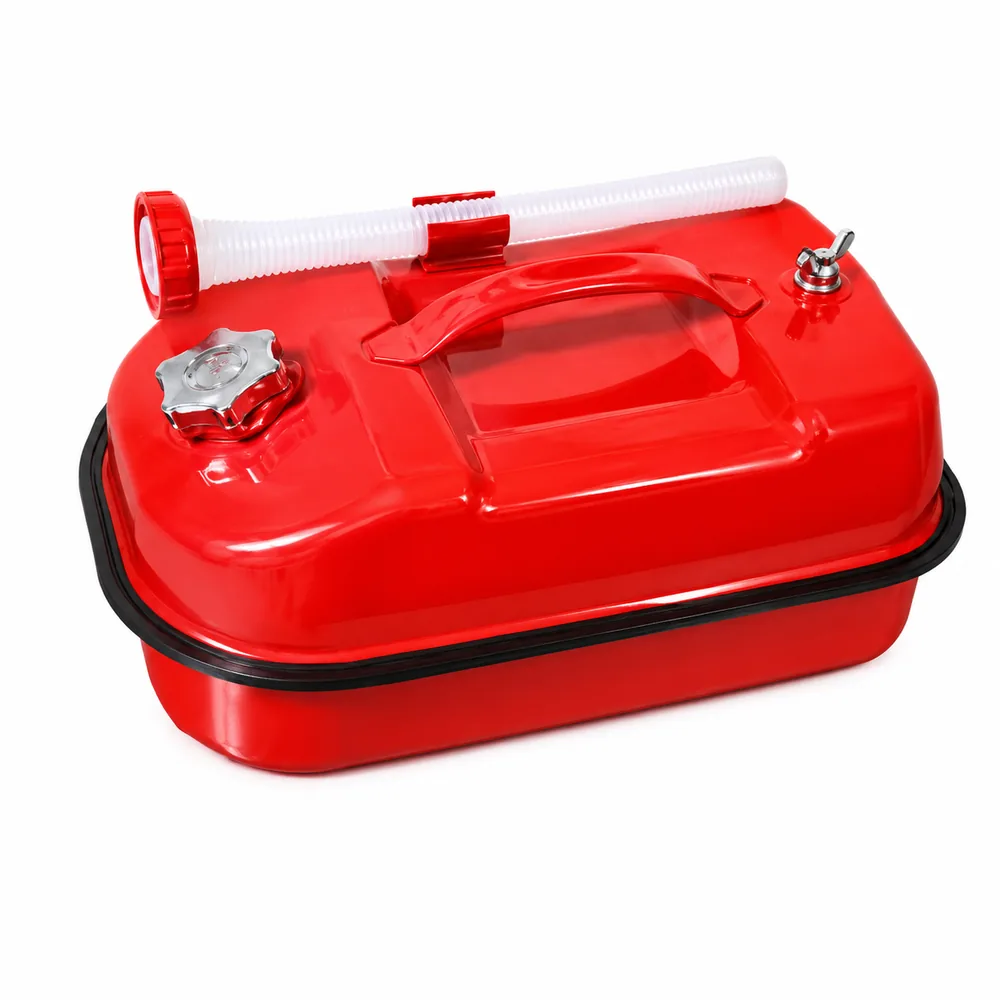 Horizontal Galvanised Can — 5L / 10L / 20L Horizontal Galvanised Can — 5L / 10L / 20L |
A flat body cubes differently on the pallet. |
| Stackable HDPE at pallet volume | 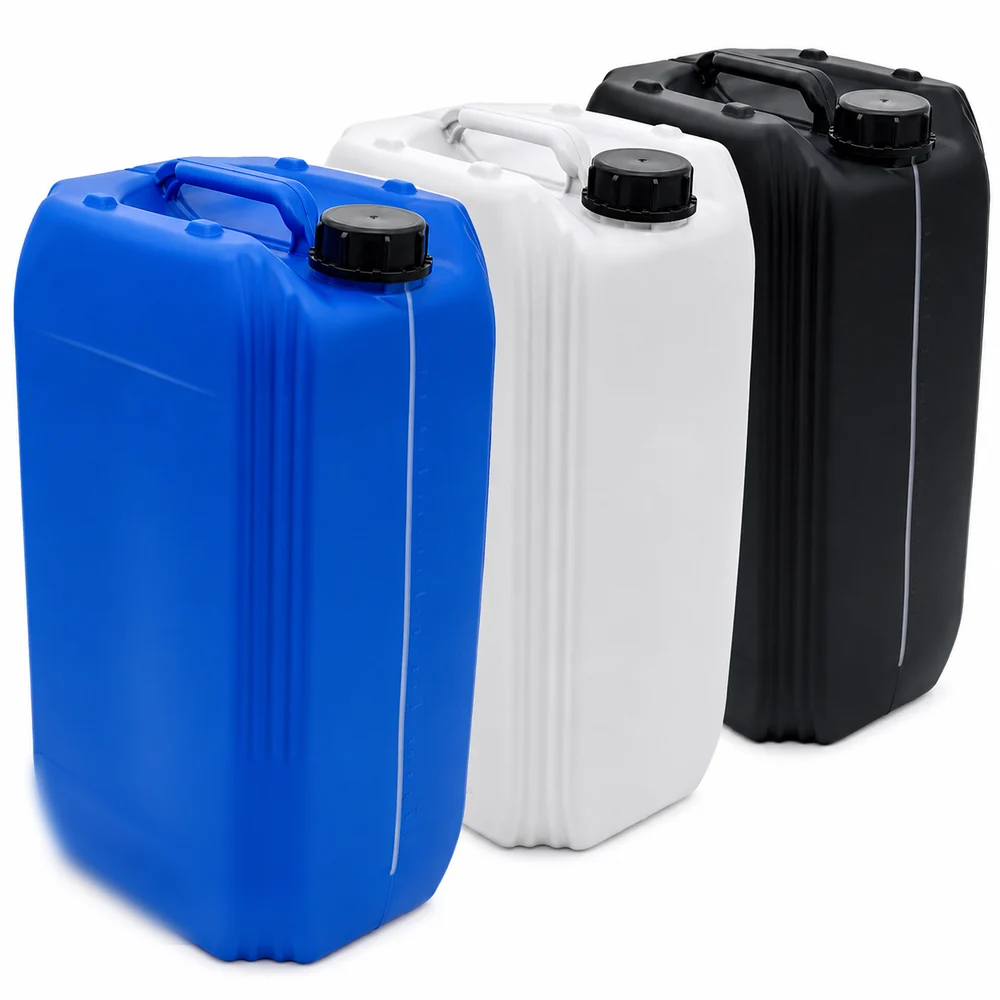 25L Stackable Plastic Jerrycan 25L Stackable Plastic Jerrycan |
Square footprint fills a pallet cleanly. |
| Securing cans in transit | 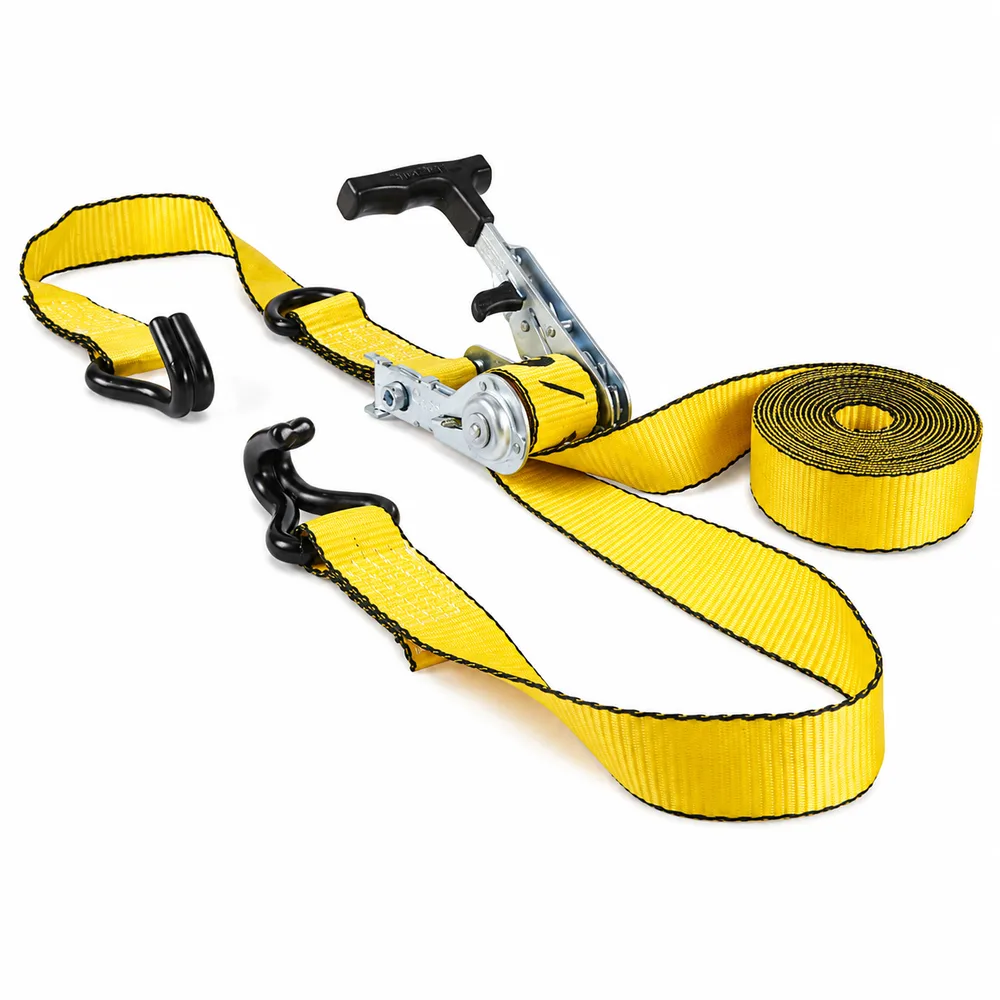 Tie-Downs & Retention Straps Tie-Downs & Retention Straps |
Straps and tie-downs stop shift and chafe. |