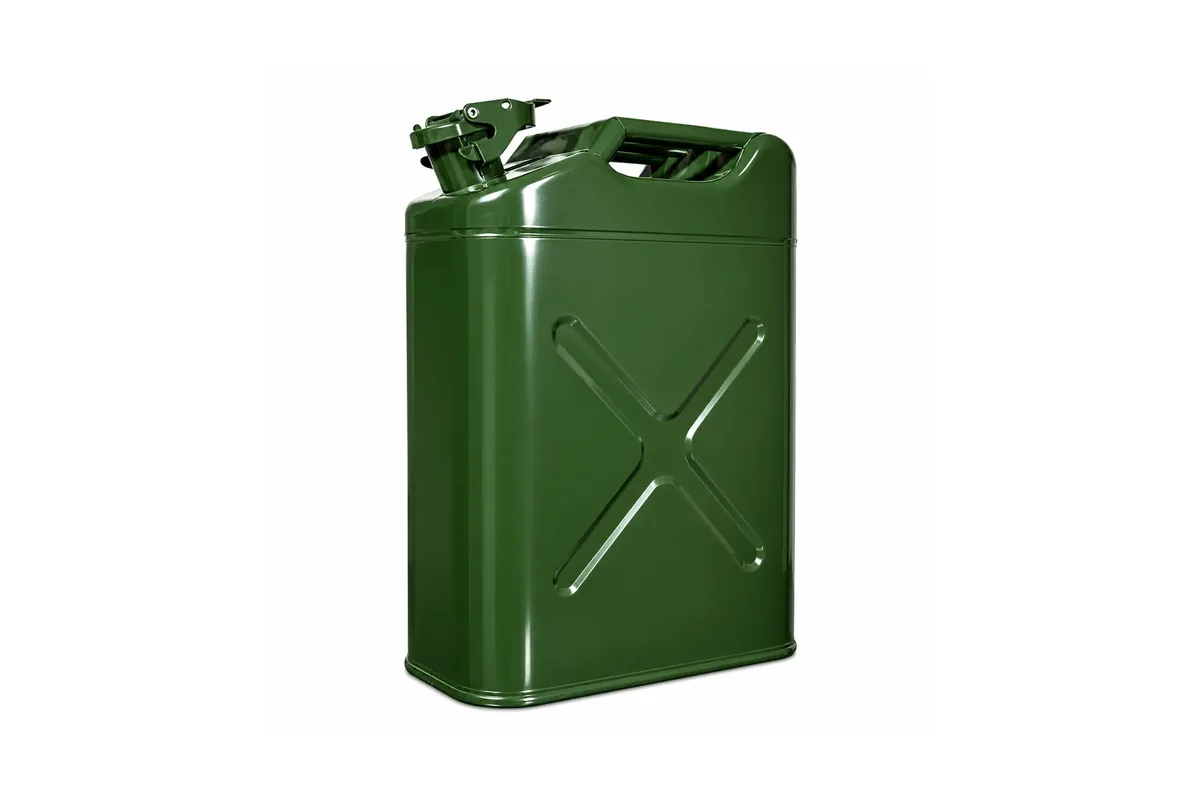
One line in a 2014 statutory instrument decides most of what you can sell into the UK for petrol: a portable petrol container may hold no more than 10 litres if it is plastic, and no more than 20 litres if it is metal. Everything else about the specification comes after that.
The container limits
The Petroleum (Consolidation) Regulations 2014 set the rules for storing and dispensing petrol in the UK. For portable containers the limits are specific and they are by material:
| Container material | Maximum nominal capacity for petrol |
|---|---|
| Plastic | 10 litres |
| Metal | 20 litres |
The container must also be suitable and safe for the purpose, and must not significantly degrade through contact with petrol or through ultraviolet exposure. So a UV-stabilised grade matters for a plastic can that will sit outdoors, and a fuel-service interior matters for a metal one.
The commercial consequence is blunt. A 20-litre plastic jerrican cannot be sold as a UK petrol container, however well it is moulded and whatever it is certified to elsewhere. If you are stocking 20 litres for petrol in the UK, it is metal. If you want plastic, it is 10 litres or less.
How much petrol may be kept, and when you must tell someone
| Quantity kept at domestic or non-workplace premises | What is required |
|---|---|
| Up to 30 litres | No notification |
| Over 30 and up to 275 litres | Written notification to the local Petroleum Enforcement Authority |
| Over 275 litres | A licence issued by the Petroleum Enforcement Authority |
These thresholds are why the retail conversation in the UK stops at a small number of cans. A distributor selling a two-can pack is selling inside the no-notification band; one selling a pallet to a domestic customer is not.
Diesel is not petrol
The Regulations are about petrol, which is the volatile, low-flashpoint fuel the thresholds exist to control. Diesel is a different hazard class and does not fall under the same container-size rules, which is why 20-litre plastic diesel containers are ordinary in the UK while 20-litre plastic petrol containers are not. Label and sell them as separate products, because a buyer who assumes one rule covers both will use the wrong can.
What UN marking does and does not cover here
UN marking is a dangerous-goods transport approval, granted per design type and per manufacturing plant. It governs moving fuel, not the domestic storage limits above. A 20-litre plastic jerrican can hold a valid UN 3H1 approval and still be outside the UK petrol container rules, because the two regimes answer different questions. Ask for both when both apply.
Since Brexit: what actually changed for a container
Less than most buyers expect. A jerrican is not a product that carried CE marking, so there is no UKCA question to answer for the can itself. What did split is chemicals regulation: UK REACH now runs alongside EU REACH, so a supplier placing substances or certain articles on both markets registers under both. For a finished steel or HDPE container this rarely bites, but it is worth confirming with your supplier rather than assuming, particularly for coatings and for anything sold as a chemical packaging.
A UK stocking list that survives the rules
- Petrol, 20 litres: metal only. This is the NATO-pattern and upright steel range.
- Petrol, plastic: 10 litres or less, UV-stabilised, fuel-service grade.
- Diesel: plastic or metal at 20 litres, outside the petrol container limits.
- Water: no petroleum rules at all. Food-contact and drinking-water documentation instead.
- Transport of filled cans: UN marking, per design and per plant.
What we can supply against this
Our metal range covers the 20-litre petrol case the Regulations point at, in NATO pattern and upright, internally coated for hydrocarbon service. We hold UN certification for our dangerous-goods designs plus ISO 9001, ISO 14001, ISO 45001. Ask for the certificate number covering your design and the plant named on it.
There is no UK-specific approval scheme for the can itself to certify against, which is why the material and capacity rule above does the work. What we will not do is tell you a 20-litre plastic can is a UK petrol container, because the schedule says otherwise. If a supplier offers you one, check the schedule rather than the datasheet.
Where to start
| Your use case | Recommended can | Why this one |
|---|---|---|
| Petrol at 20 litres | 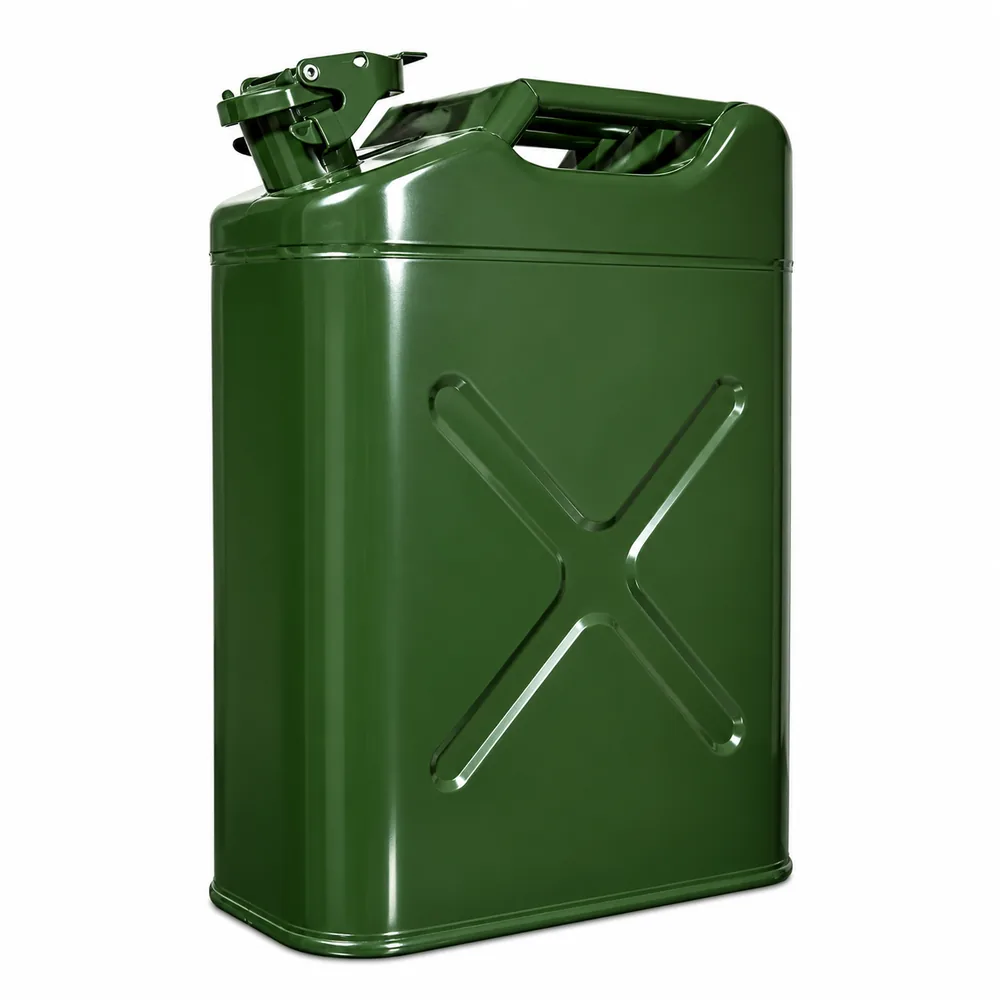 20L NATO Steel Fuel Can 20L NATO Steel Fuel Can |
Metal, which is the only route to 20 L for petrol. |
| Small-volume petrol | 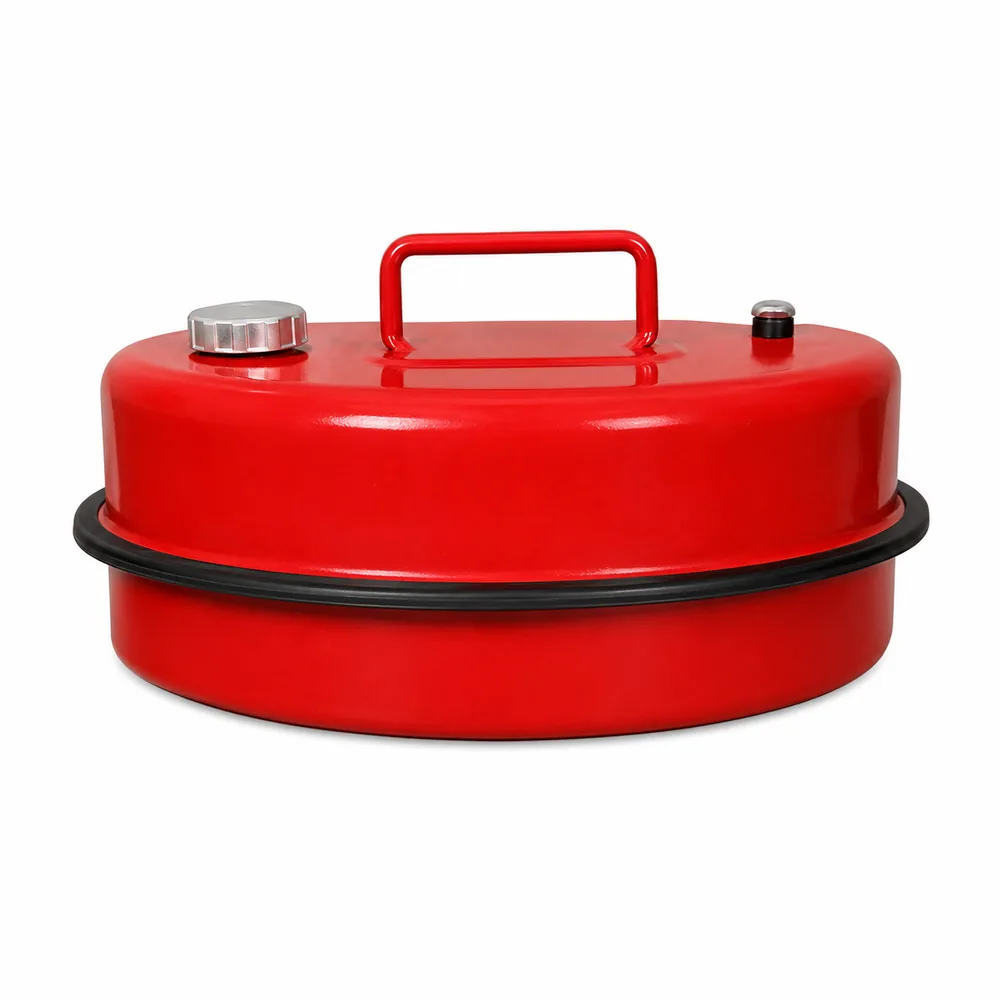 3L Compact Fuel Can 3L Compact Fuel Can |
Well inside the plastic and metal limits alike. |
| Diesel and non-petrol liquids | 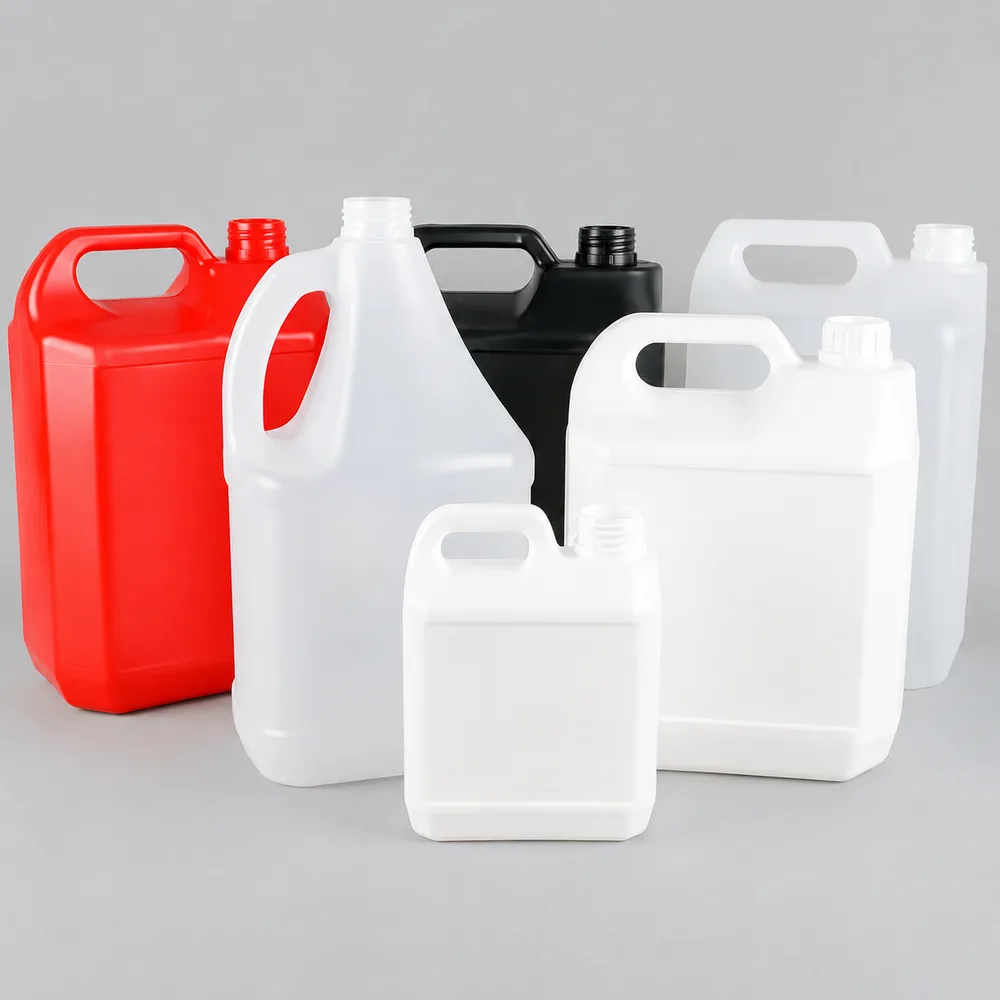 Economy HDPE Jerrycan — non-UN Economy HDPE Jerrycan — non-UN |
Outside the petrol container size rules. |
| Potable water | 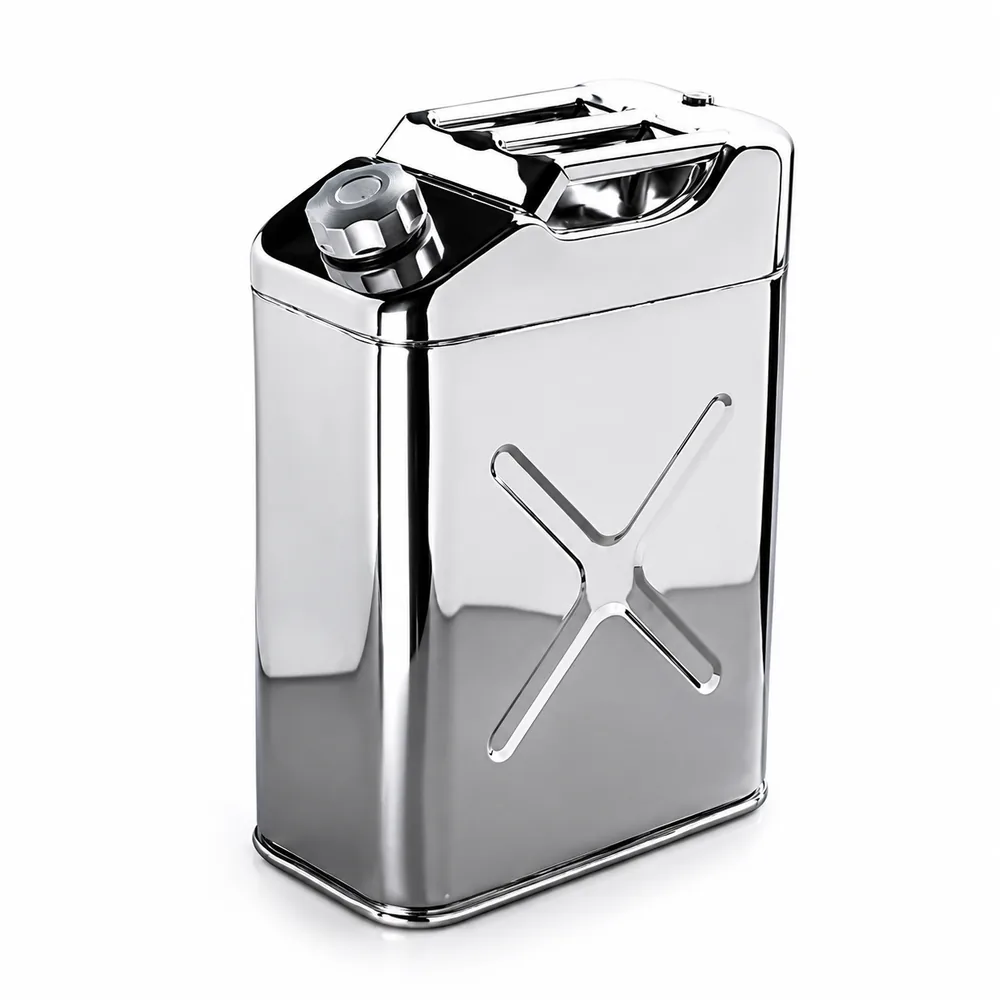 20L Stainless Steel Water Can 20L Stainless Steel Water Can |
No petroleum regime applies. |
Common questions
What size petrol container is legal in the UK?
A portable petrol container may hold no more than 10 litres if it is plastic, and no more than 20 litres if it is metal, under the Petroleum (Consolidation) Regulations 2014. A 20 litre plastic jerrican is therefore not a UK petrol container however it is built or certified elsewhere.
How much petrol can I store at home in the UK?
Up to 30 litres without telling anyone. Between 30 and 275 litres you must notify your local Petroleum Enforcement Authority in writing. Above 275 litres you need a licence from that authority. The thresholds apply to domestic and other non-workplace premises.
Do the same size limits apply to diesel?
No. The Petroleum (Consolidation) Regulations govern petrol, which is the volatile low-flashpoint fuel the thresholds exist to control. Diesel sits outside those container-size rules, which is why 20 litre plastic diesel containers are ordinary in the UK while 20 litre plastic petrol containers are not.
Does a jerry can need UKCA marking after Brexit?
No. A jerrican is not a product that carried CE marking, so there is no UKCA equivalent for the container itself. What did diverge is chemicals regulation: UK REACH now runs alongside EU REACH, which can affect coatings and anything sold as chemical packaging.
Is a UN-marked plastic can allowed for petrol in the UK at 20 litres?
No. UN marking is a dangerous-goods transport approval and does not override the domestic container size limits. A can can hold a valid UN 3H1 approval and still be outside the UK petrol container rules, because the two regimes answer different questions.
References
The standards and regulations this page relies on, at their issuing body. Where a market rule is named here, check the current revision before you specify against it.
Last reviewed .