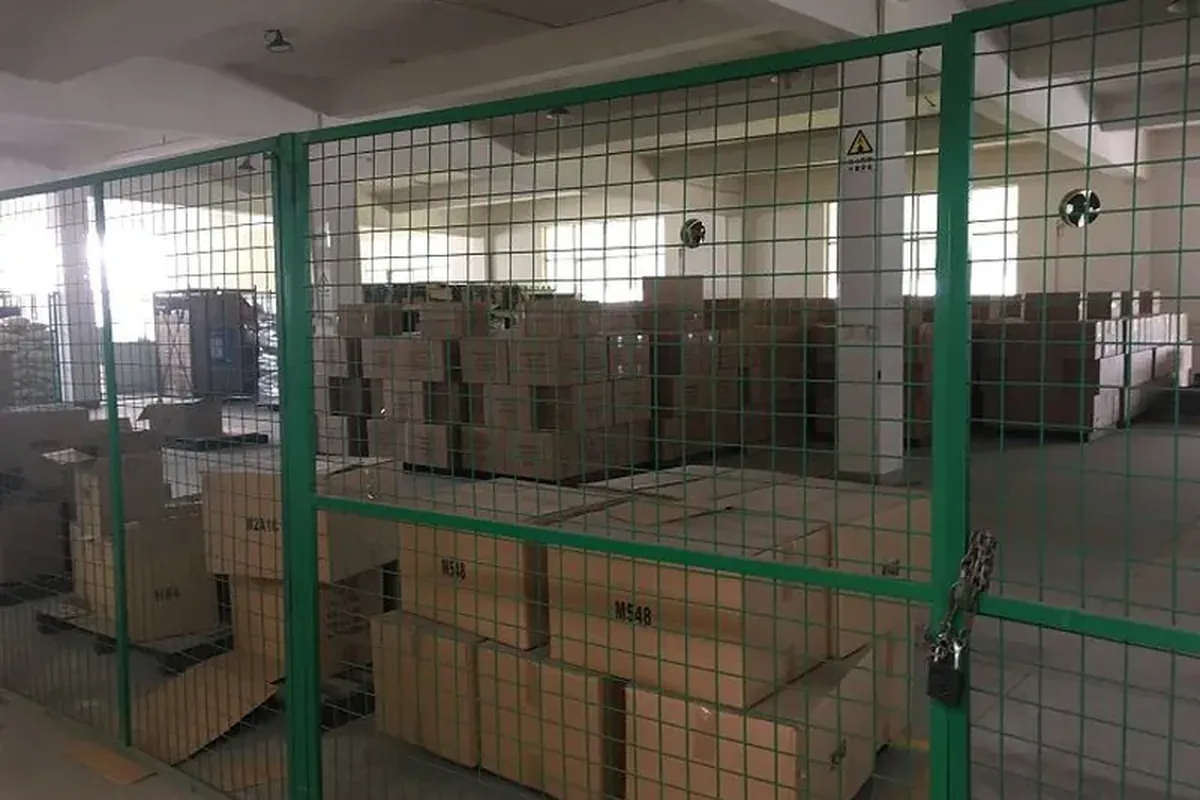
If you import liquid containers into the EU, the Packaging and Packaging Waste Regulation makes you the producer. Not your supplier, not the factory. You register, you report, you pay the fees, and you hold the technical file. Most importers discover this from a national authority rather than from a datasheet.
What changed, and when
Regulation (EU) 2025/40, the Packaging and Packaging Waste Regulation, was adopted on 19 December 2024, entered into force on 11 February 2025 and became fully applicable on 12 August 2026. It replaces the old packaging directive with a regulation, which matters: a regulation applies directly in every member state instead of being transposed into 27 different national laws.
The part that catches importers
Under PPWR the importer is treated as a producer. That carries direct legal responsibility for the packaging entering the market, across design, labelling, recycled content and extended producer responsibility. Concretely:
- Register in each member state where you first place packaging or packaged goods on the market. It is per country, not once for the EU.
- Report packaging data to the national EPR scheme and pay the fees, normally calculated on weight placed on the market multiplied by a per-material rate that varies by material and by country.
- Finance the downstream: collection, sorting, recycling and disposal of the packaging you put into the market.
- Hold technical documentation showing compliance with design, recyclability and substance restrictions, together with an EU Declaration of Conformity.
Retention periods are worth noting because they differ by packaging type: five years for single-use packaging and ten years for reusable. A refillable jerrican is a reusable container, so plan on the longer file.
Is a jerrican packaging?
A refillable container sold to hold and transport a liquid falls within the packaging definitions these rules use, which is why importers of containers get pulled into EPR alongside importers of boxes and bottles. The practical question is not whether the rules touch you but which national scheme, which material category and which fee rate. Those answers come from the member state, and they differ.
What to ask your supplier for
None of this is filed by the factory, but the factory holds the data you need to file it. Ask for:
- Packaging weight per unit, by material, for the product and its shipping packaging
- Material identification, including the polymer grade for plastic and the coating system for steel
- Recycled content, where any is claimed, with the basis for the claim
- A statement of substance restrictions relevant to the materials used
A supplier who can hand over a weight-by-material breakdown makes your EPR filing arithmetic rather than archaeology. One who cannot is passing the work to you.
The other EU regimes that still apply
- ADR for moving dangerous goods by road, with UN marking granted per design type and per plant.
- Food contact: Regulation (EC) 1935/2004 framework and 10/2011 for plastics, for anything holding potable water or food-grade liquids.
- REACH for substances, including coatings and treatments.
PPWR sits on top of these rather than replacing any of them. A potable-water container entering the EU answers food contact and packaging rules; a UN-marked fuel can answers ADR and packaging rules.
What we hold, and what remains yours
We hold UN certification for our dangerous-goods designs plus ISO 9001, ISO 14001, ISO 45001, and we supply the weights, material identification and documentation you need for a filing. What we cannot do is register on your behalf: EPR registration attaches to the party placing goods on the market in a member state, which is the importer. Any supplier telling you they have handled your EPR has misunderstood the regulation.
Where to start
| Your use case | Recommended can | Why this one |
|---|---|---|
| Potable water into the EU | 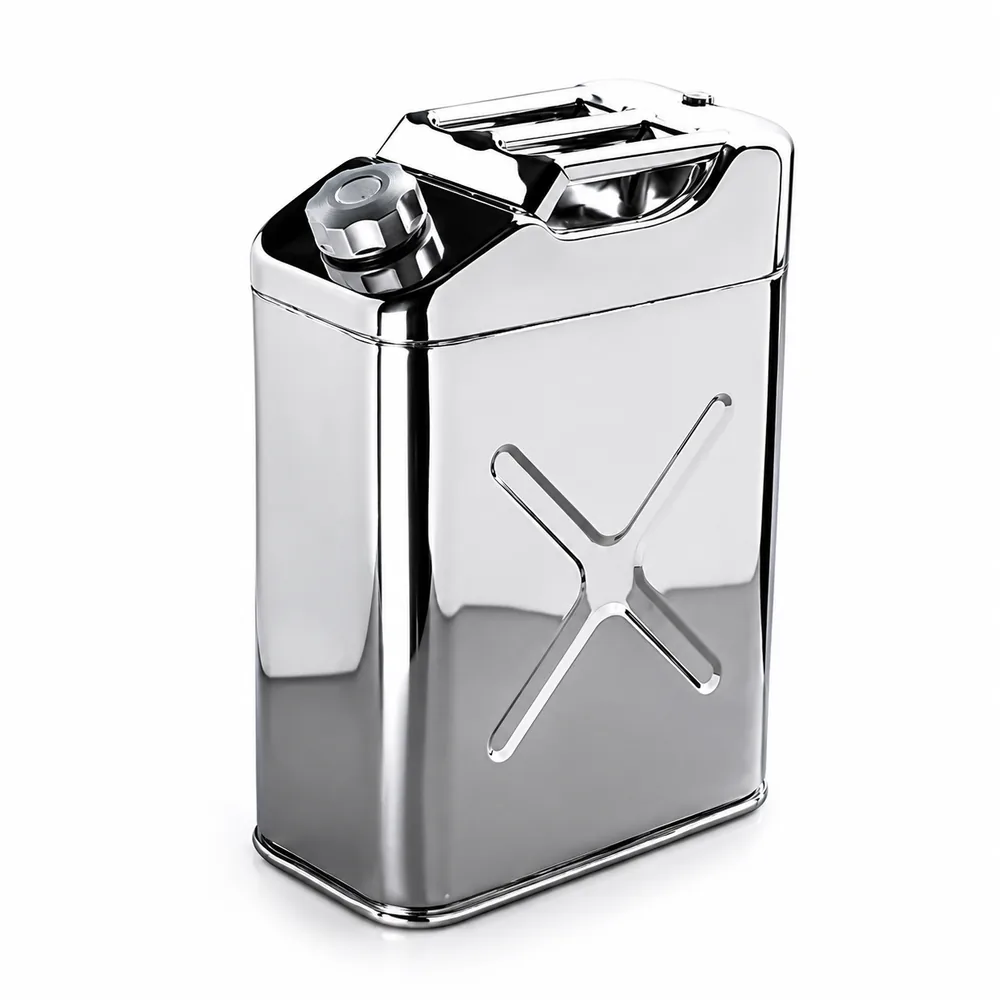 20L Stainless Steel Water Can 20L Stainless Steel Water Can |
Food-contact route, reusable container. |
| Fuel, UN-marked for ADR | 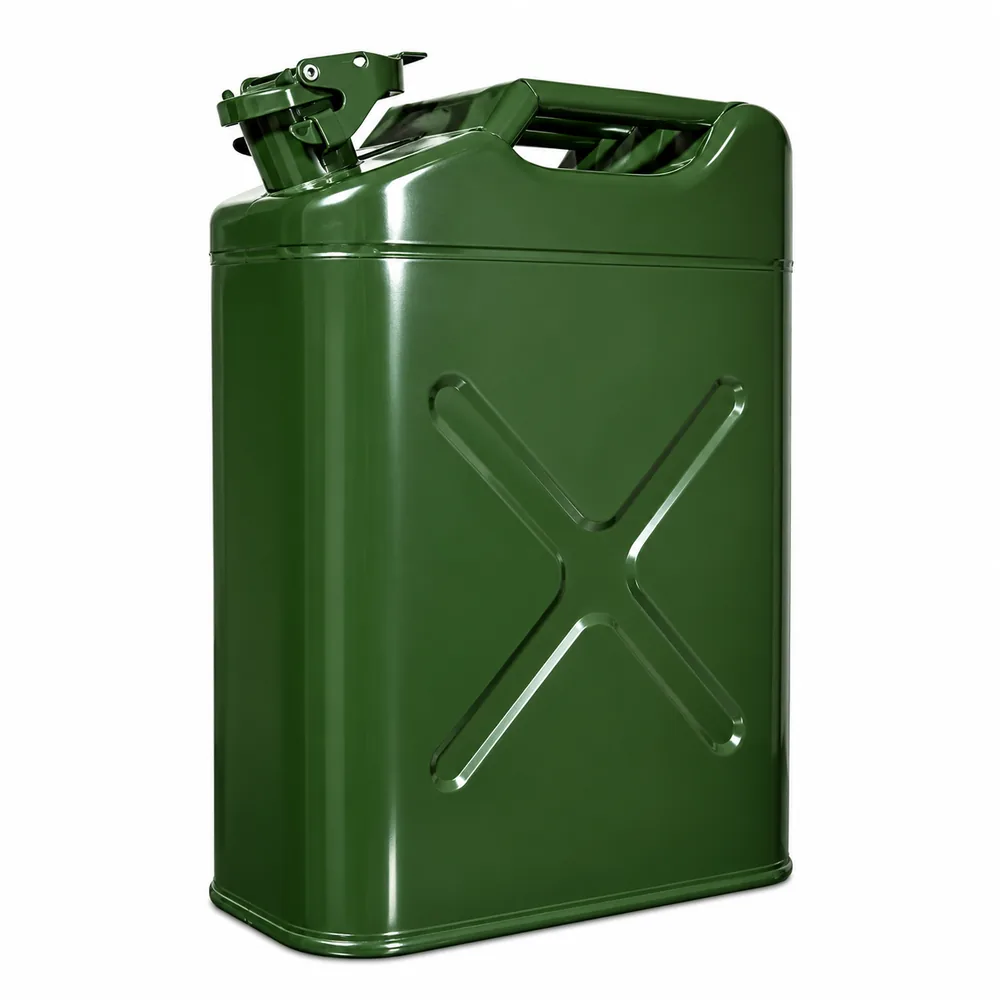 20L NATO Steel Fuel Can 20L NATO Steel Fuel Can |
Transport approval per design and plant. |
| Industrial liquids at volume | 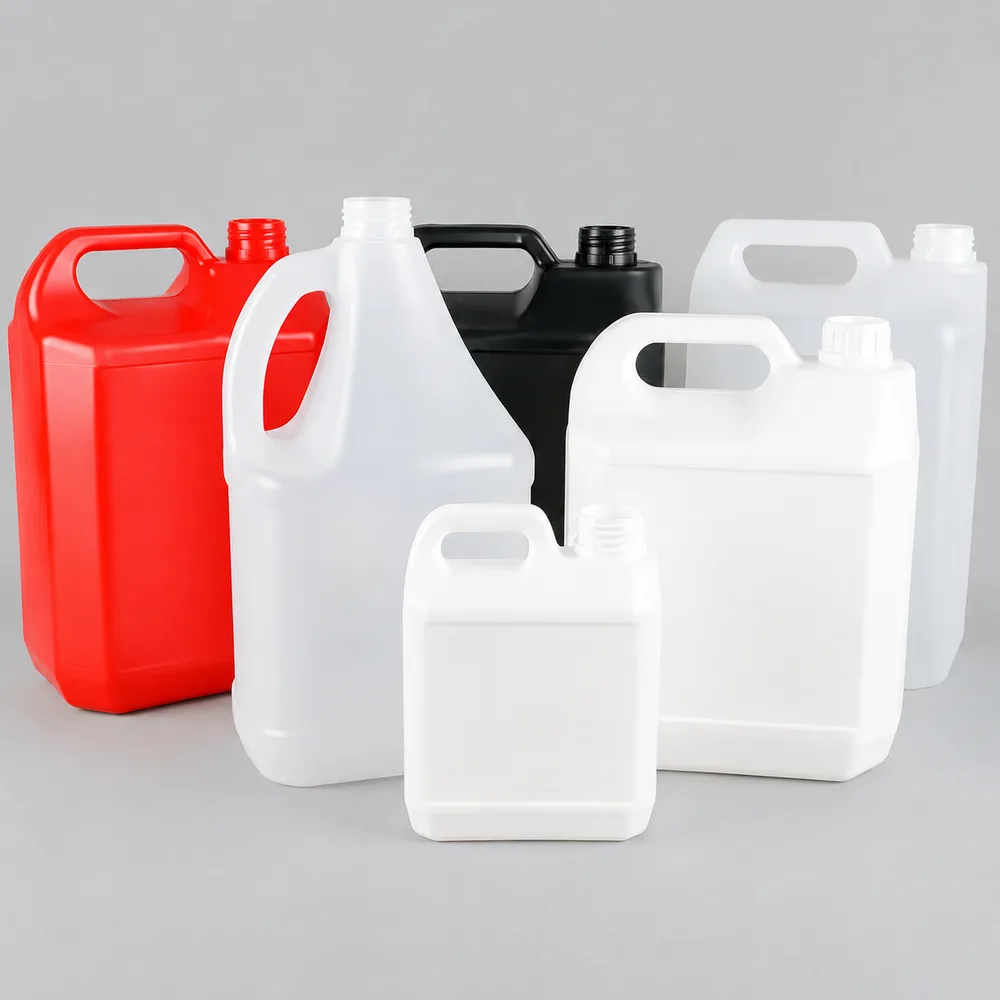 Economy HDPE Jerrycan — non-UN Economy HDPE Jerrycan — non-UN |
Where material weight drives the EPR fee. |
| DEF and AdBlue | 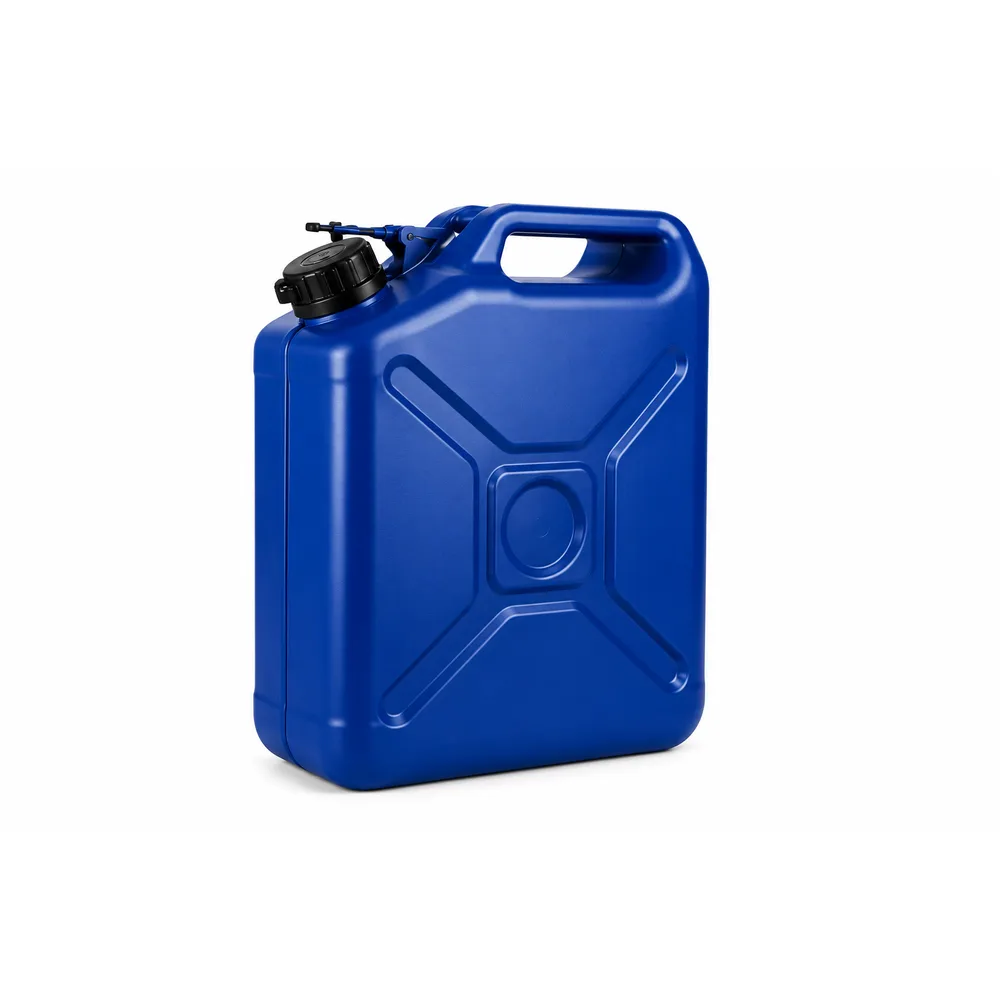 DEF Can — Diesel Exhaust Fluid DEF Can — Diesel Exhaust Fluid |
ISO 22241 materials, growing EU volume. |
Common questions
When does the EU PPWR apply?
Regulation (EU) 2025/40 was adopted on 19 December 2024, entered into force on 11 February 2025 and became fully applicable on 12 August 2026. Being a regulation rather than a directive, it applies directly in every member state instead of being transposed into 27 national laws.
Who is the producer under PPWR if I import containers?
You are. PPWR treats the importer as the producer, so registration, data reporting, EPR fees and the technical documentation sit with the party placing the packaging on the market, not with the overseas manufacturer. Any supplier claiming to have handled your EPR has misunderstood the regulation.
Do I register for EPR once for the whole EU?
No. Registration is per member state, in each country where you first place packaging or packaged products on the market. Fees are normally calculated on weight placed on the market multiplied by a per-material rate, and both the rate and the scheme differ by country.
How long must PPWR technical documentation be kept?
Five years for single-use packaging and ten years for reusable packaging, alongside an EU Declaration of Conformity. A refillable jerrican is a reusable container, so plan on the ten-year file rather than the five.
What should I ask a supplier for to file my EPR return?
Packaging weight per unit broken down by material, for both the product and its shipping packaging; material identification including polymer grade or coating system; recycled content with the basis for any claim; and a statement of relevant substance restrictions. That turns the filing into arithmetic.
References
The standards and regulations this page relies on, at their issuing body. Where a market rule is named here, check the current revision before you specify against it.
Last reviewed .