
The product standard, the colour schedule agencies buy to, and where UN marking fits alongside both.
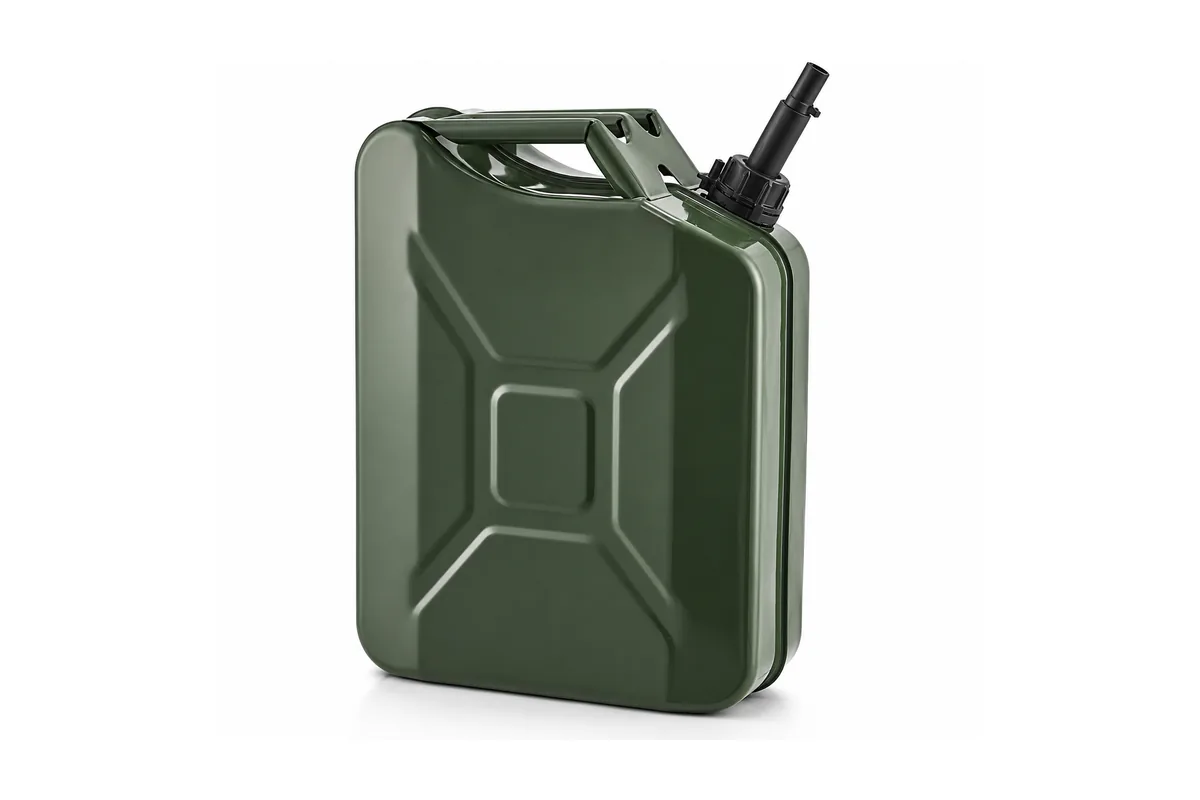
Two things gate a fuel container in Australia, and they are not the same thing. AS/NZS 2906 is the product standard. AFAC colour coding is how fire and land-management agencies tell one fuel from another in the field. A can can meet the first and be unsaleable to an agency without the second.
AS/NZS 2906:2001, Fuel containers — Portable — Plastics and metal, sets material, design, performance and marking requirements for refillable portable fuel containers in metal or plastic, up to and including 25 litres. It covers containers for storing and transporting fuel, and fuel tanks for boats. The scope names unleaded, leaded and super petrol, two-stroke fuel and kerosene, and excludes racing fuels unless the manufacturer specifically approves them.
The practical consequences for a buyer. A 30-litre container falls outside the standard’s scope, so a supplier cannot certify one to it. Test methods are part of the standard, so “made to AS/NZS 2906” and “certified to AS/NZS 2906” are different claims and only the second comes with a report. And it is a fuel container standard: a water can does not need it, which is why a water line can enter Australia while a fuel line is still certifying.
The 25-litre ceiling deserves attention because it is a scope boundary rather than a performance one. Above it the standard simply does not speak, so there is no compliant 30-litre fuel container in the AS/NZS sense and no test report that could create one. A buyer specifying a bulk format for an Australian fuel application is therefore choosing to sit outside the standard, which may be perfectly legitimate for a fixed store drawn from by tap, and is not something to discover after an agency tender closes.
The certified-against-made distinction has a commercial edge worth stating plainly. Testing to the standard's own methods produces a report naming a design, and that report is what a buyer's compliance file needs. A supplier describing a can as "made to" the standard is describing an intention. The question that separates them is short: who tested it, when, against which clauses, and may I have the report.
AFAC is the Australasian Fire and Emergency Service Authorities Council. Its colour coding lets a crew identify a fuel by the can at a glance, which matters when a truck carries petrol, diesel, two-stroke at two different ratios and a drip-torch mix at the same time. Agencies write these colours into their own procedures, so for that channel the colour is not cosmetic. It is the specification.
Treat it as a tooling and masterbatch decision rather than a finishing one, because that is what it is. A moulded colour is set by the masterbatch and a coated one by the powder, and either has to be matched to the published shade and held from run to run. A near-miss is a rejected delivery in this channel, so agree the reference, the tolerance and who judges it before the first production run rather than after it.
| Colour | Contents |
|---|---|
| Red | Unleaded petrol |
| Orange | Ethanol blend |
| Olive yellow | Diesel |
| Bottle green | Two-stroke 25:1 |
| Pipeline grey | Two-stroke 50:1 |
| Shamrock green | Drip torch mix |
| Powder blue | Kerosene |
| Bright blue | Chain and bar oil |
| Bluebell blue | AdBlue / DEF |
| Mist blue | Water |
| Black | Oil |
| Nut brown | Biodiesel |
Commonly supplied in 5, 10 and 20 litre. Colours are set by AFAC, not by any manufacturer; confirm the current schedule with AFAC or the buying agency before you tool a colour, because a near-miss on shade is a rejected delivery.
AS/NZS 2906 is a product standard. UN marking is a dangerous-goods transport approval, granted per design type and per plant. They answer different questions and neither substitutes for the other: a can can be UN 3A1 marked and still not meet AS/NZS 2906, and an AS/NZS-compliant can still needs the UN mark to move as dangerous goods. Australian buyers in the agency and mining channels routinely ask for both, and each is evidenced by its own document rather than by a general assurance.
Sequence them by lead time rather than by importance. Both need testing, but a UN approval is granted per design type at a named plant and travels with neither a company nor a drawing, so it is the one to start where a second production base is in play. AS/NZS testing attaches to the design, so it is the one to start where the format or the closure is still moving. Beginning both at once on an unsettled design pays for two rounds of testing.
Stated plainly, because a page about certification that is vague about its own is worthless. We hold UN certification for our dangerous-goods designs plus ISO 9001, ISO 14001, ISO 45001. AS/NZS 2906 certification and AFAC colours are not held on our standard range today; both are obtainable and we quote them as part of a programme. Nothing on this site claims either as current, and you should check any supplier’s claim against the actual report, ours included.
What each route actually takes:
So the sequence that works. The food-grade stainless water line ships now, because the fuel standard does not reach potable water. A certified fuel line follows on the testing timeline. If you need an AFAC-listed can this season, buy from a supplier who already holds it; if you are building a programme for next season, tell us the formats and colours and we will come back with the certification path, the testing cost and a realistic date.
The lines that can move into Australia without waiting on a fuel-container approval.
| Your use case | Recommended can | Why this one |
|---|---|---|
| Water, shipping now | 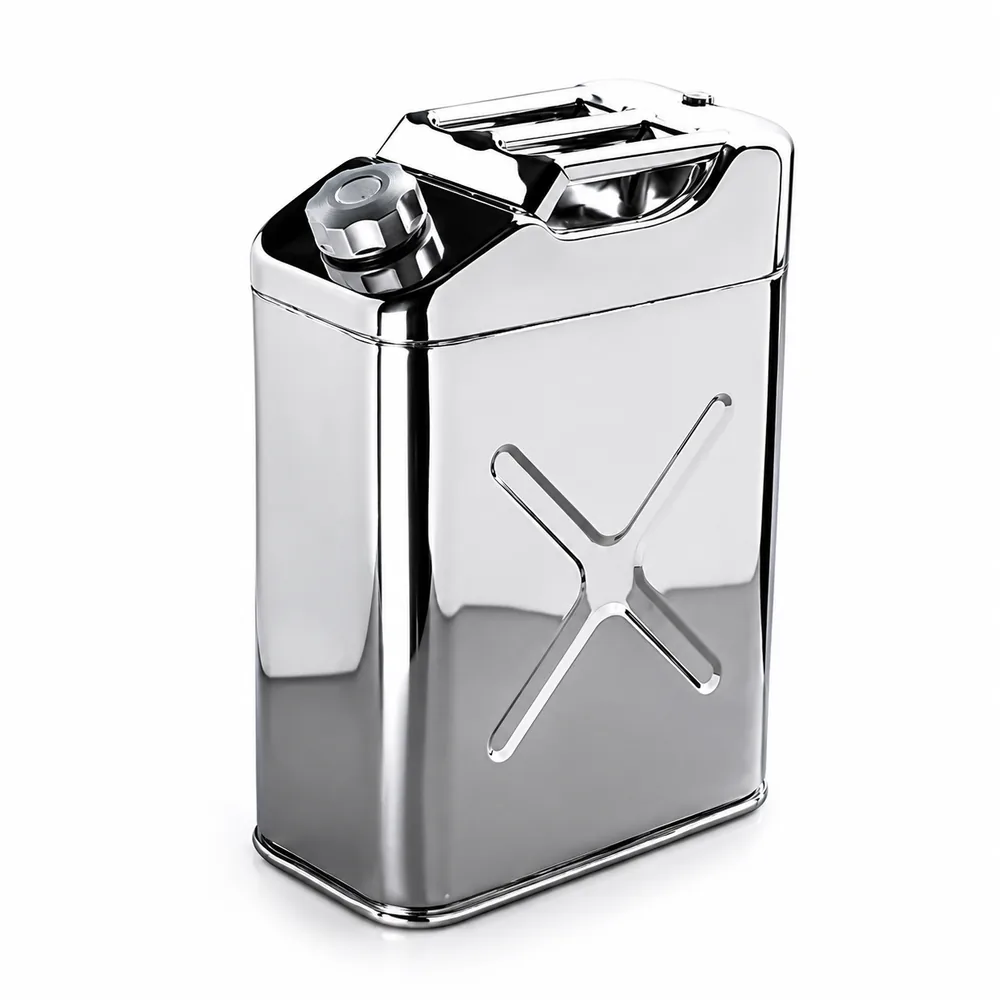 20L Stainless Steel Water Can 20L Stainless Steel Water Can |
Outside AS/NZS 2906 scope; food-grade 304. |
| Water in NATO carriers | 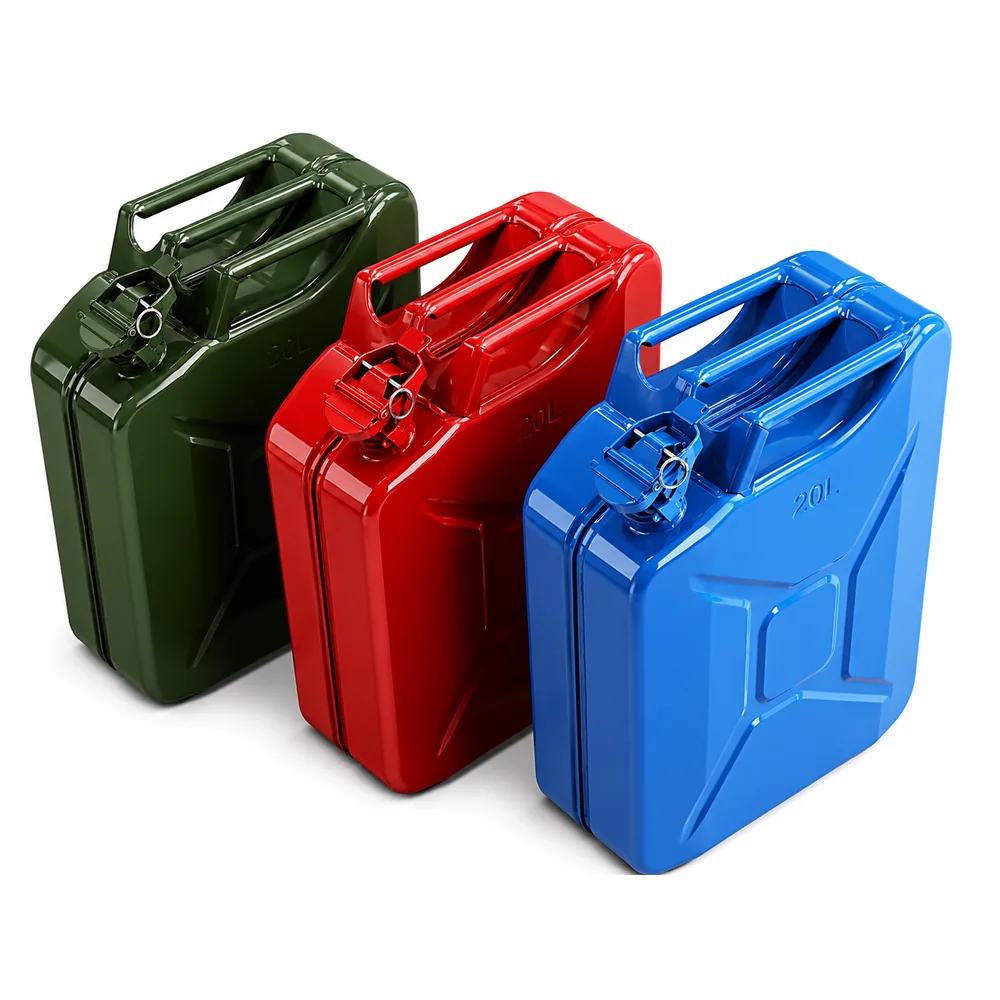 20L NATO Steel Water Can 20L NATO Steel Water Can |
Fits existing racks and holders. |
| Accessories, no certification path | 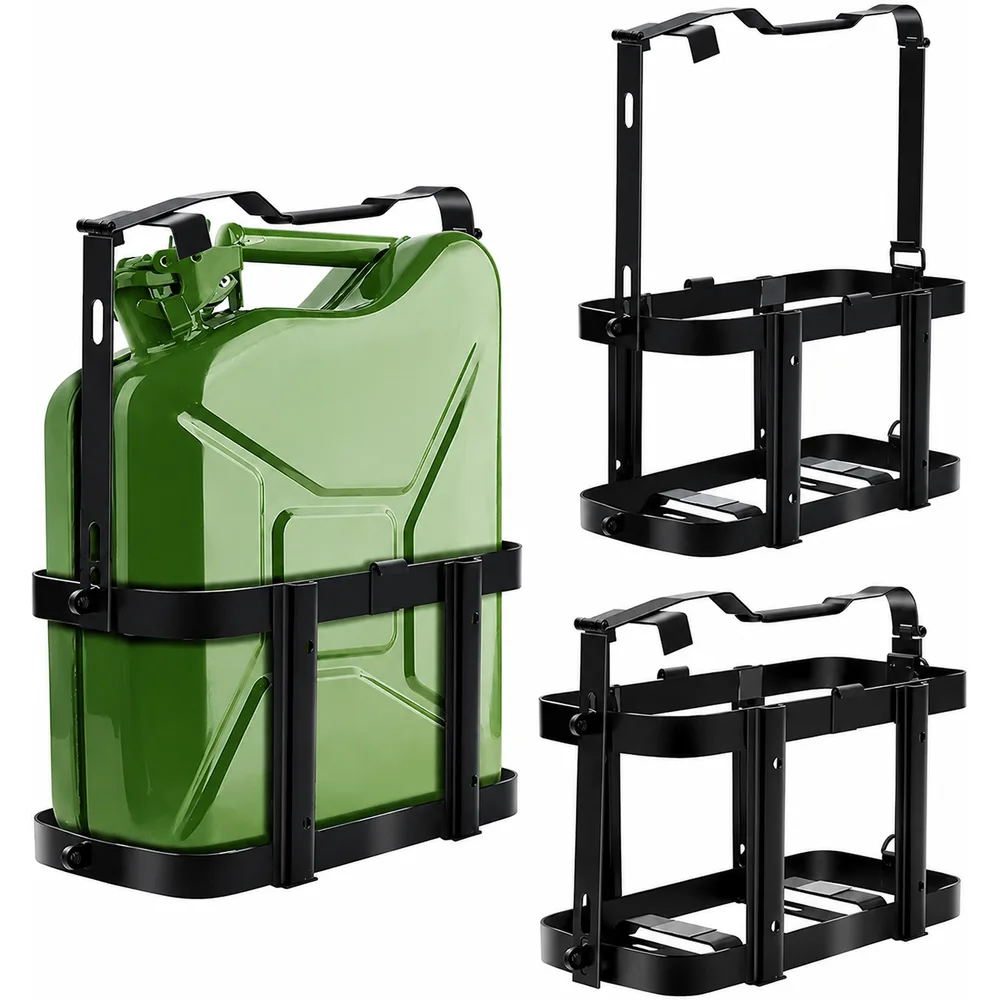 Jerry Can Holders & Mounts Jerry Can Holders & Mounts |
No dangerous-goods approval involved. |
| AdBlue and DEF | 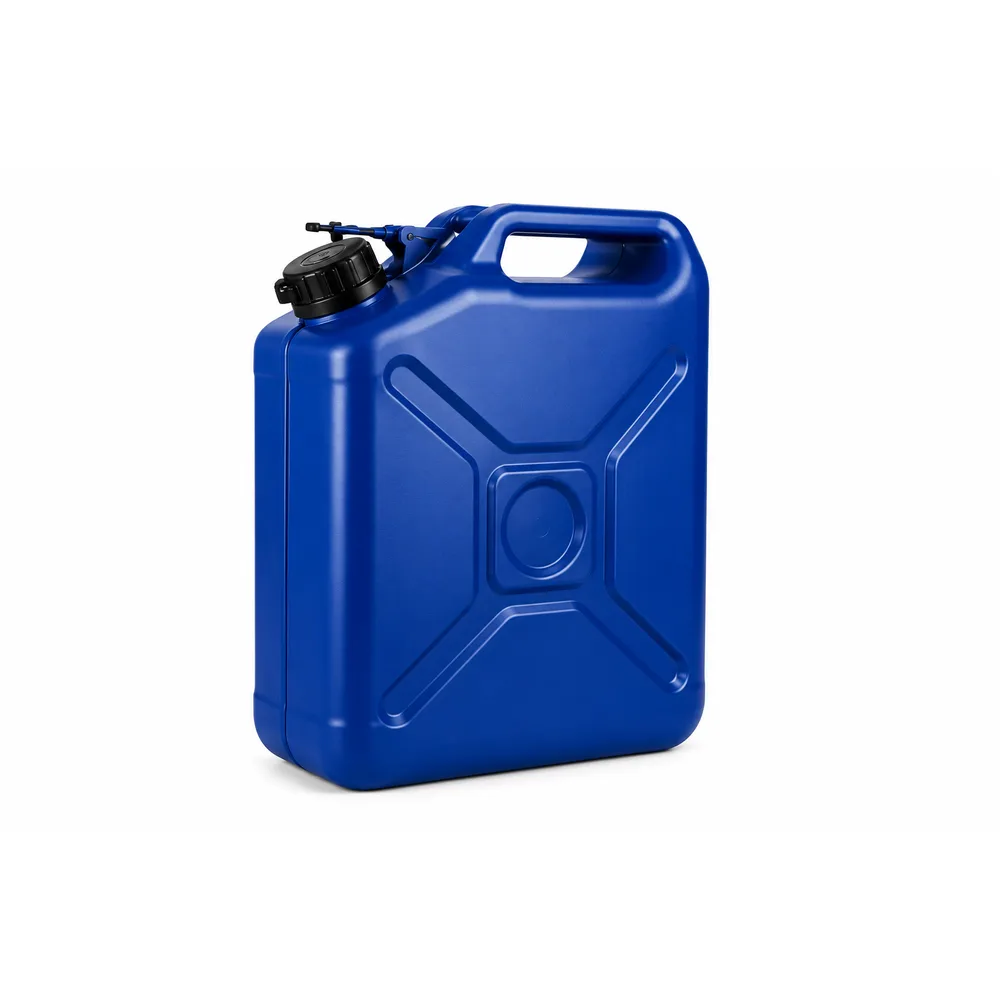 DEF Can — Diesel Exhaust Fluid DEF Can — Diesel Exhaust Fluid |
ISO 22241 materials, bluebell-blue convention. |
AS/NZS 2906:2001, Fuel containers - Portable - Plastics and metal, is the Australian and New Zealand standard for refillable portable fuel containers in metal or plastic, up to and including 25 litres. It sets material, design, performance and marking requirements, and includes the test methods behind them.
No. It is a fuel container standard, so potable-water containers fall outside its scope entirely and take food-contact and drinking-water documentation instead. This is why a water line can enter the Australian market while a fuel line is still being certified.
AFAC sets a colour per fuel so a crew can identify contents at a glance: red unleaded, orange ethanol, olive yellow diesel, bottle green two-stroke 25:1, pipeline grey two-stroke 50:1, shamrock green drip torch, powder blue kerosene, bright blue chain and bar oil, bluebell blue AdBlue, mist blue water, black oil, nut brown biodiesel.
No. AS/NZS 2906 is a product standard for the container. UN marking is a dangerous-goods transport approval granted per design type and per plant. Neither substitutes for the other, and Australian agency and mining buyers commonly ask for both.
Up to and including 25 litres. A 30-litre container falls outside the scope, so no supplier can certify one to this standard however it is built. Check the capacity before you ask for the certificate.
The standards and regulations this page relies on, at their issuing body. Where a market rule is named here, check the current revision before you specify against it.
Last reviewed .
Tell us your market, your fuel and your volumes. We come back with a specification sheet and a quotation.