
A market prohibition with no size threshold, reaching non-EU manufacturers. Due diligence reduces investigation risk; it does not exempt a product.
The EU has banned products made with forced labour from its market. Not fined, banned: goods can be withdrawn and disposed of. It covers every product and sector, made inside or outside the EU, and it applies with no company size or turnover threshold. If you buy from Asia and sell in Europe, this is a question you will be asked long before it is enforced.
Regulation (EU) 2024/3015 prohibits placing, selling or exporting products made with forced labour on the EU market. It entered into force on 13 December 2024 and applies fully from 14 December 2027, when investigations, market bans and the single submission point go live.
Two features make it different from the disclosure regimes buyers are used to. It applies to non-EU companies importing to or selling in the EU, so an overseas manufacturer is squarely inside its reach. And there is no size or turnover threshold, so it does not spare small importers the way reporting duties often do.
The infrastructure arrives before the enforcement does, and that is the date to plan against rather than 2027. By 14 June 2026 the Commission must publish its implementation guidelines and a public database of forced-labour risks by geographic area and product category, hosted on a single portal. Once that database exists, a buyer's risk assessment stops being a matter of opinion: a region or a product category is either flagged or it is not, and a purchasing team that ignores a flag has a harder position than one that never had the list.
The other thing the portal carries is a submission route. Third parties, including unions and non-governmental organisations, can put information in front of authorities, so the trigger for a case is often a complainant rather than a routine inspection. That changes what a supplier should prepare for. The scenario to be ready for is not an announced audit; it is a question arriving with a specific allegation attached to a specific site.
This distinction is worth getting right, because it is widely misread. Due diligence under the regulation is voluntary. The Commission’s guidelines frame it as the mechanism that reduces the risk of being investigated: an operator who can show effective due diligence is a less likely target.
What it does not do is exempt a product. If forced labour is present, the ban applies regardless of how good the paperwork was. Due diligence is what you present to an authority, not a defence that survives the finding.
The finding is not necessarily permanent, though, and that is worth knowing because it changes how a supplier should respond to one. A decision can be reviewed where the operator demonstrates that forced labour has been eliminated from the supply chain for the product concerned, within a period the authority sets, and the goods can then be released rather than disposed of. The regulation is built to change behaviour rather than only to punish.
Which makes the practical response to an allegation the opposite of the instinctive one. The instinct is to deny and to wait. What the mechanism rewards is identifying the affected tier, severing or remediating it, and evidencing that inside the window. A supplier who has already mapped its own tiers can do that in weeks; one who has never looked below its own plant cannot do it at all, which is the real cost of leaving the question unasked until it is asked by someone else.
Through the buyer, and earlier than the deadline suggests. Large EU purchasers are already writing supply chain requirements into contracts, and public buyers ask as a matter of course. In practice a supplier gets asked for:
That last tier is where most container supply chains go dark, because a can maker knows its own plant and may not know its coil supplier. Saying so honestly is better than an assurance that cannot be evidenced.
The asymmetry is worth understanding from the buyer’s side. They are not trying to catch a supplier out; they are building a file that shows they asked, recorded the answer and acted on it. A supplier who gives a precise, limited answer is more useful to that file than one who gives a broad assurance, because a broad assurance is exactly what an authority discounts.
It follows that the worst answer is a confident one that cannot be supported. If the question reaches the coil mill and you have no visibility there, the response that survives scrutiny names what you do know, names what you do not, and sets out what it would take to close the gap.
Great Britain has no equivalent import ban. The Modern Slavery Act 2015 requires qualifying businesses to publish an annual statement on steps taken to address slavery and trafficking in their supply chains. It is a transparency duty rather than a market prohibition, so a UK importer answers by reporting while an EU importer answers by not being able to sell. Two very different pressures on the same supply chain.
Directly, because a vague answer here is worse than none. We manufacture in Vietnam and China, and we name the production base for any order rather than hiding behind a Singapore contract address. Factory audit documentation is available in accordance with our UN certification, and we hold ISO 9001, ISO 14001, ISO 45001, which includes an occupational health and safety management system.
Upstream traceability below our own plants is scoped per programme rather than held as standard. Tracing and auditing steel and resin suppliers to the depth a rigorous due diligence programme expects is work with a cost and a lead time behind it, so we scope it against what your buyer actually requires instead of issuing a blanket assurance that would not survive a question.
Tell us what your customer is asking for and we come back with what we can evidence for your run: the named plant and its audit documentation as standard, and upstream tier mapping, supplier declarations or third-party audit at the coil and resin level where your programme needs it. If a requirement is beyond what we can evidence in your timeframe, we will say so at enquiry rather than at the point your buyer asks for the file.
| Your use case | Recommended can | Why this one |
|---|---|---|
| Named production base | 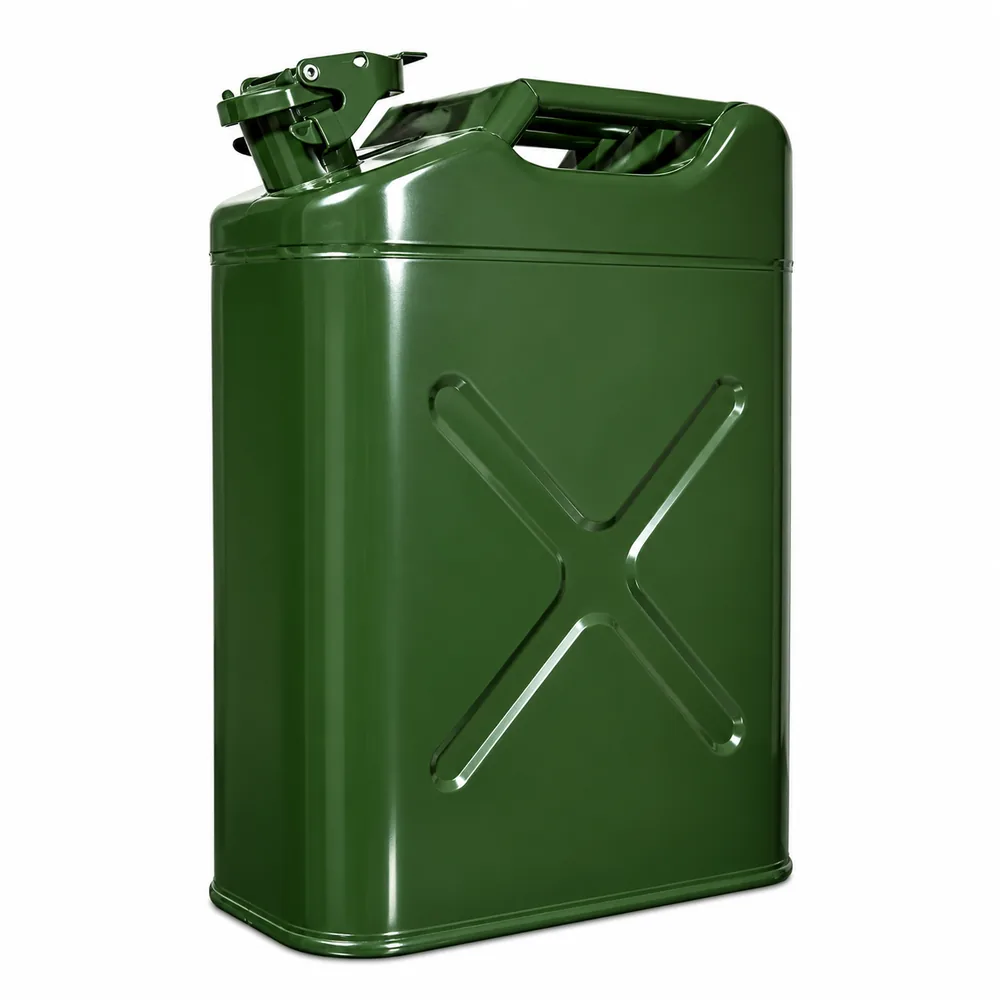 20L NATO Steel Fuel Can 20L NATO Steel Fuel Can |
Vietnam or China, stated per run. |
| Traceable material | 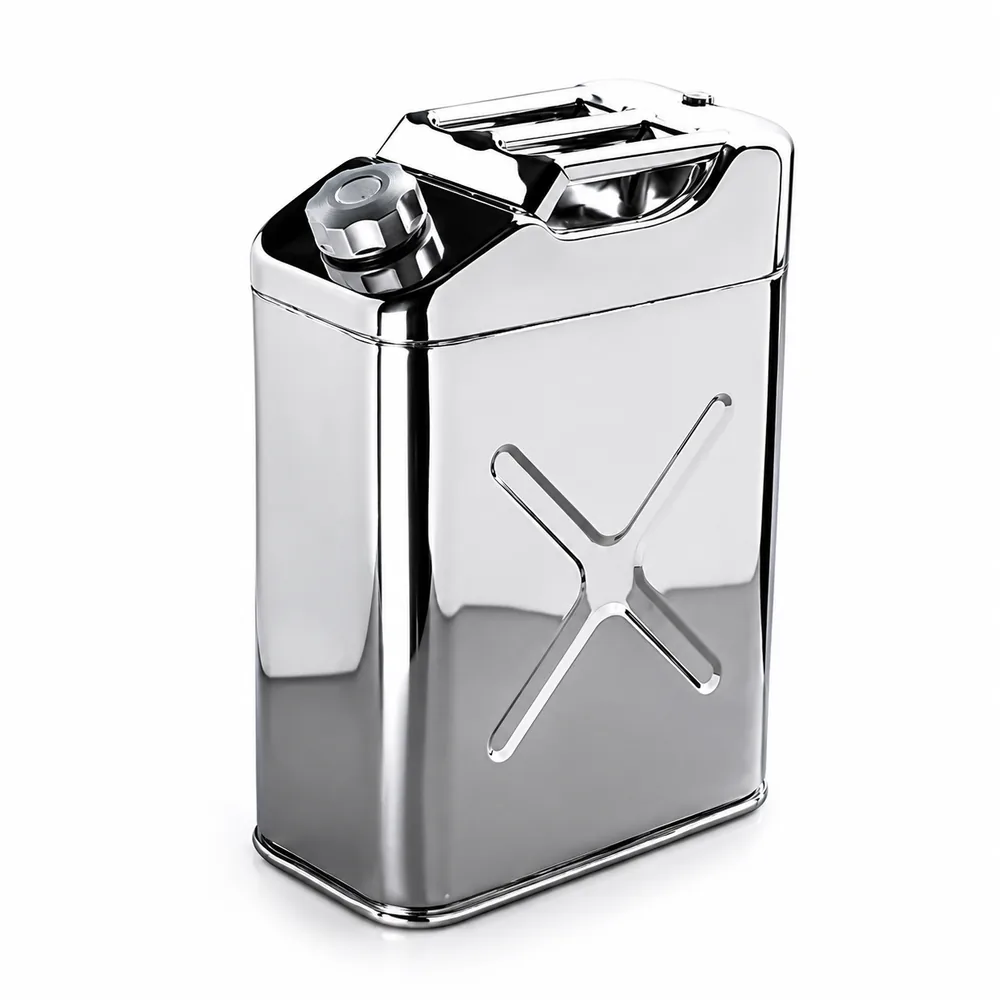 20L Stainless Steel Water Can 20L Stainless Steel Water Can |
Mill certificate for the stainless grade. |
| Simplest supply chain | 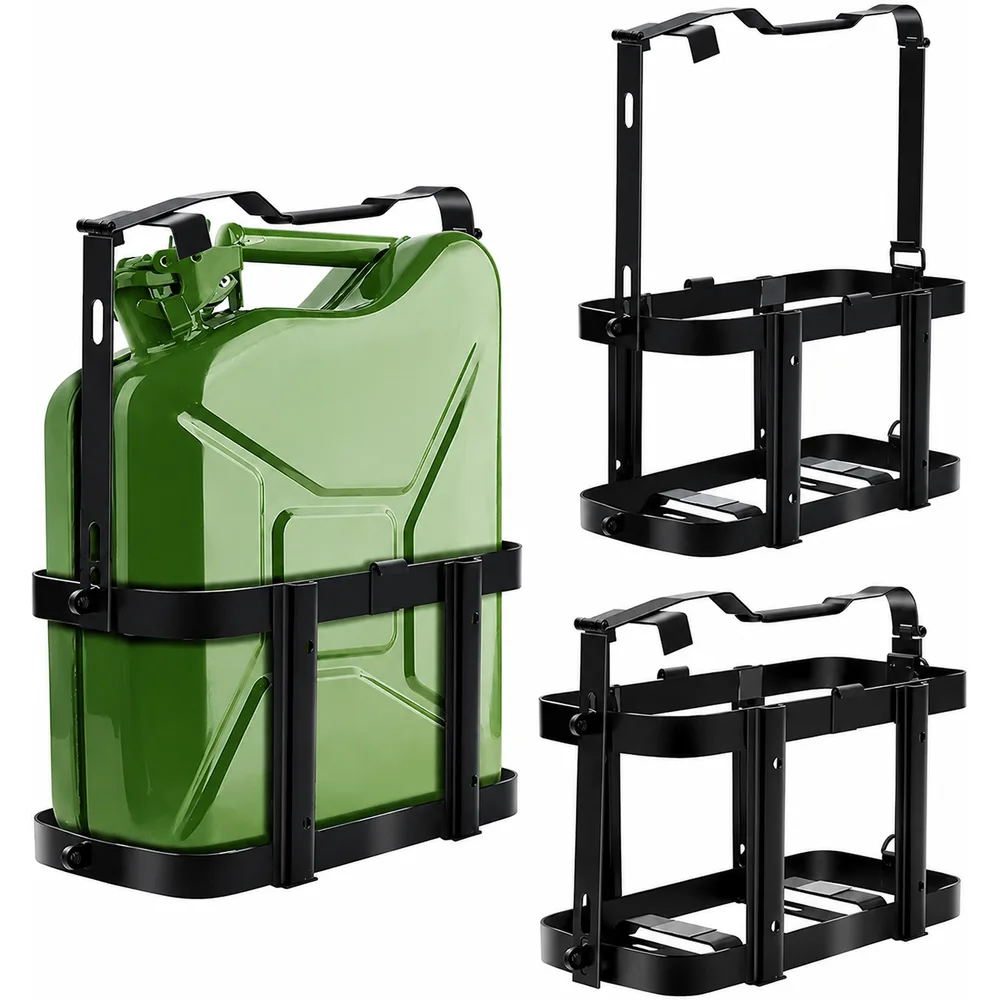 Jerry Can Holders & Mounts Jerry Can Holders & Mounts |
Fewest tiers behind the finished part. |
| Resin-based line | 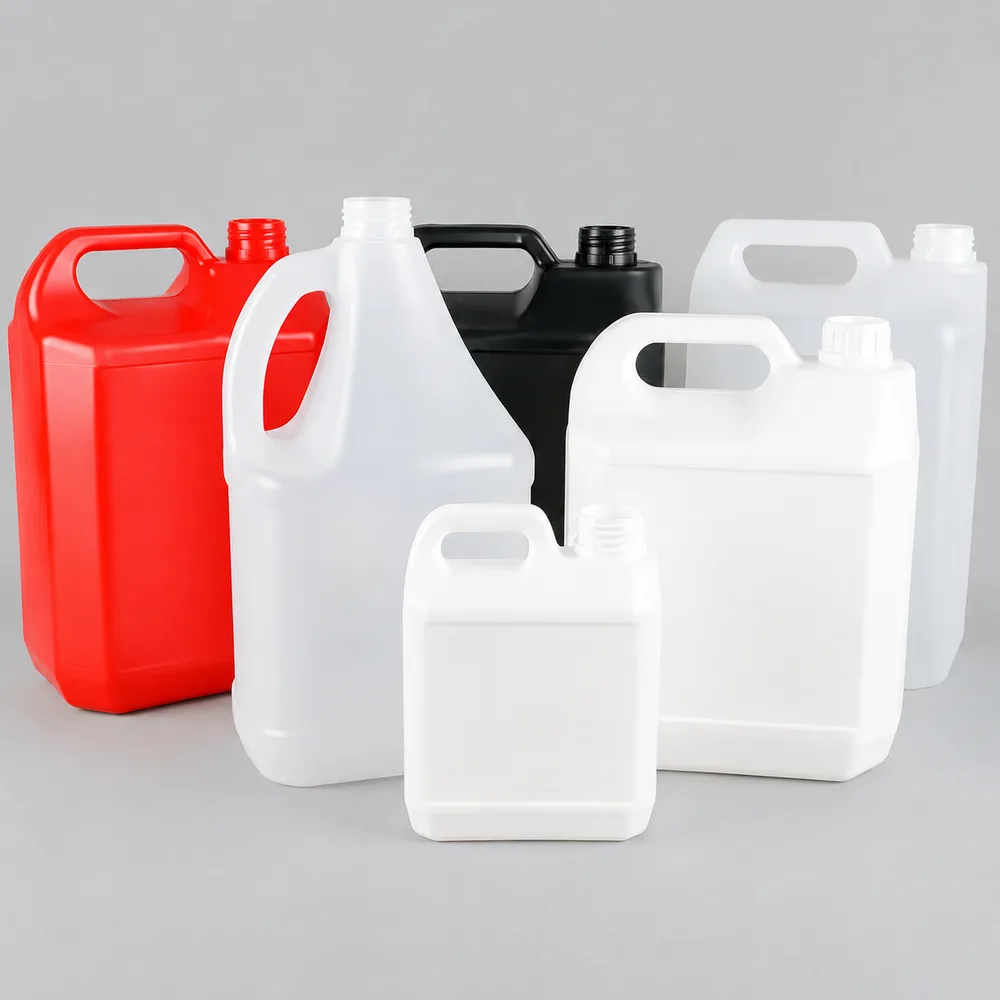 Economy HDPE Jerrycan — non-UN Economy HDPE Jerrycan — non-UN |
Where upstream visibility is hardest. |
Regulation (EU) 2024/3015 entered into force on 13 December 2024 and applies fully from 14 December 2027, when investigations, market bans and the single information submission point go live. Buyers are writing the requirements into contracts well ahead of that date.
Yes. It reaches non-EU companies importing to or selling in the EU, covers every product and sector whether made inside or outside the EU, and carries no company size or turnover threshold. Small importers are not spared the way they often are by reporting duties.
No, and this is the most common misreading. Due diligence is voluntary and reduces the risk of being investigated, because an operator who can demonstrate effective due diligence is a less likely target. If forced labour is actually present the ban still applies. Due diligence is evidence to present, not a compliance shield.
Named production sites rather than a trading address, country of production for the specific run, factory audit documentation, visibility of the tier below such as where the steel or resin comes from, and evidence that a policy is applied rather than merely published.
No. Great Britain has no equivalent market prohibition. The Modern Slavery Act 2015 requires qualifying businesses to publish an annual statement on steps taken in their supply chains, which is a transparency duty. A UK importer answers by reporting; an EU importer answers by being unable to sell.
The standards and regulations this page relies on, at their issuing body. Where a market rule is named here, check the current revision before you specify against it.
Last reviewed .
Tell us your market, your fuel and your volumes. We come back with a specification sheet and a quotation.