Every packaging supplier now claims a China-plus-one story. Almost none of them mention the part that decides whether it works: a dangerous-goods approval belongs to a design at a named plant, and it does not move when your production does. A second factory is not a second source until it has been certified as one.
What buyers are actually buying
Dual sourcing gets bought for three different reasons, and they need different things from a supplier. Continuity is the fear of an empty shelf, and it wants two plants that can each carry the line alone. Policy is a sourcing rule that limits single-country exposure, and it wants a documented second origin regardless of whether the first one ever fails. Tariff and trade is arithmetic: the same can landed from two origins can attract different duty under different agreements, and the cheaper origin is not always the cheaper landed cost.
Work out which of the three you are solving before you shortlist. A supplier who is excellent for continuity may be useless for a policy that requires an audited origin declaration.
The certification trap
Here is the part that catches people. UN approval for a jerrican is granted per design type および per manufacturing plant. It is not a badge the company wears; it is a certificate naming a drawing and a factory. Move the same drawing to a second plant and that plant needs its own testing and its own approval before it may produce a UN-marked can.
So the promise “we can switch you to our other factory” means one of two very different things. Either the second plant is already approved for your design, in which case the switch is real and can happen in a production cycle. Or it is not, in which case the switch is a re-certification project measured in months, and anything shipped in the meantime is not certified for dangerous goods. Ask which, and ask for both certificate numbers.
Same drawing is a claim; matched output is the test
Two plants running “the same product” drift unless something stops them. What stops them is unglamorous: one controlled drawing rather than two local ones, tooling built to the same dimensions rather than each plant’s interpretation, material specified by standard and grade rather than by local availability, and first-article inspection from both plants against the same criteria.
The check a buyer can actually run is simple. Ask for a sample from each plant, in the same specification, and measure them. Steel gauge, external dimensions, closure fit, coating. If a can from plant A seats in a holder and a can from plant B does not, you do not have a second source. You have two products with one part number, which is worse than one product.
| Ask | A real second source answers | A slogan answers |
|---|---|---|
| Is the second plant approved for my design? | Certificate number, plant named, on request | “We are UN certified” |
| How fast can you switch? | A production cycle, if pre-approved | “Immediately” |
| Whose drawing do both plants build to? | One controlled drawing, held centrally | “Both make the same thing” |
| Can I have a sample from each? | Yes, in the same specification | A sample from whichever is running |
| What changes on my paperwork? | Country of origin, and the duty that follows | Not mentioned |
Origin changes your landed cost, not just your risk
The country a can is made in is declared on the paperwork and determines which trade agreement, if any, applies. Preferential rates under agreements such as AANZFTA turn on rules of origin, not on where the invoice comes from, so switching plants can move your duty rate in either direction. A second source that raises landed cost by more than the risk it removes is a bad trade, and you cannot know which it is until you price both origins to your own destination.
Two practical consequences. Get an origin declaration from both plants before you need one, and re-run the landed cost per origin rather than assuming the ex-works difference carries through.
How we run it
Production sits in Vietnam and in China, to one specification, with contracts and quality sign-off held in Singapore. That is the arrangement a China-plus-one sourcing policy is written for, and it is why a single-country disruption does not end the conversation.
Being specific about the limits, because the section above is a test we should pass too. We hold UN certification for our dangerous-goods designs. Which plant is approved for which design is a question with a real answer, and you should ask for the certificate number and the plant named on it before you rely on a switch. Capacity across the network runs at around 50,000 units a month across four production lines, varying by model, a standard run is approximately one month for a standard run, with samples in 7 to 15 days, and we would rather you took a sample from each base and measured them than took our word for the match.
Where to start
Second-sourcing a full range at once is how these projects stall. Start with the line that hurts most if it goes empty.
| 用途 | おすすめの缶 | 選ぶ理由 |
|---|---|---|
| The line you cannot run out of | 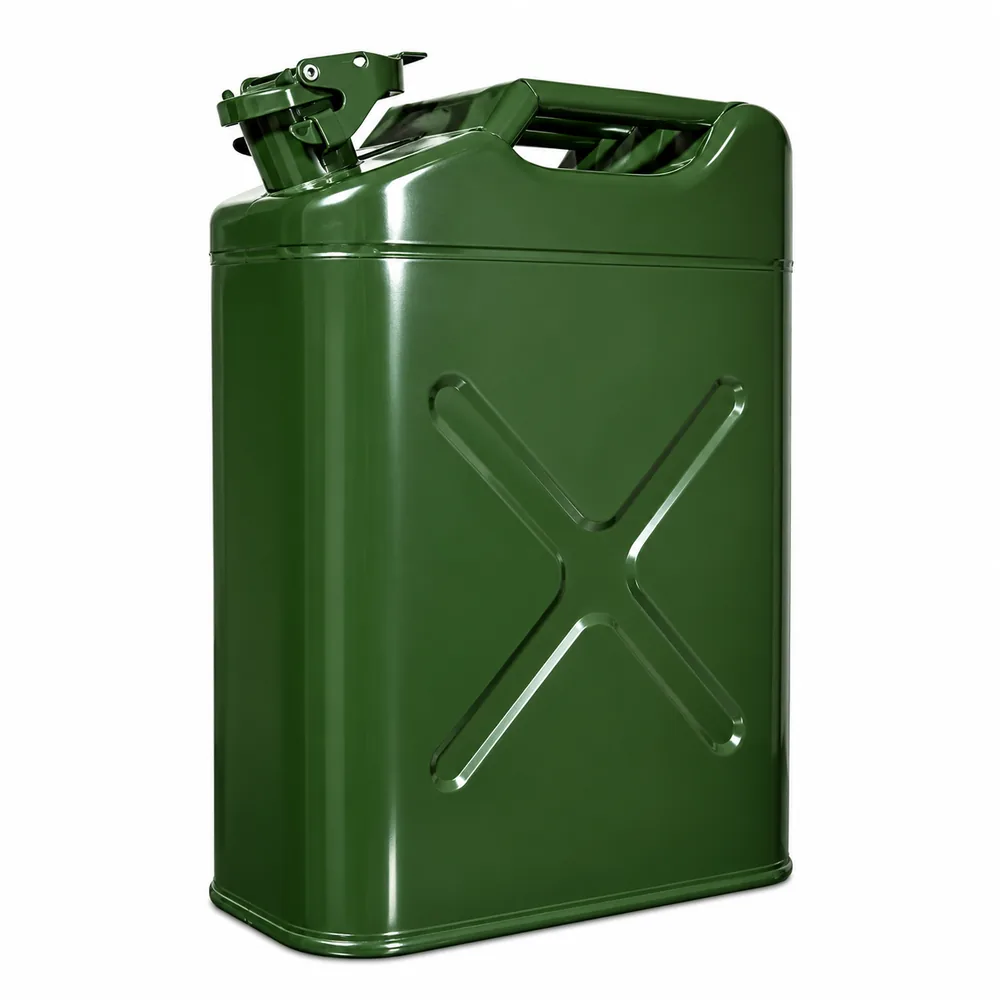 20L NATO規格 スチール燃料缶 20L NATO規格 スチール燃料缶 |
Highest-volume format, both bases tooled. |
| No coating to match between plants | 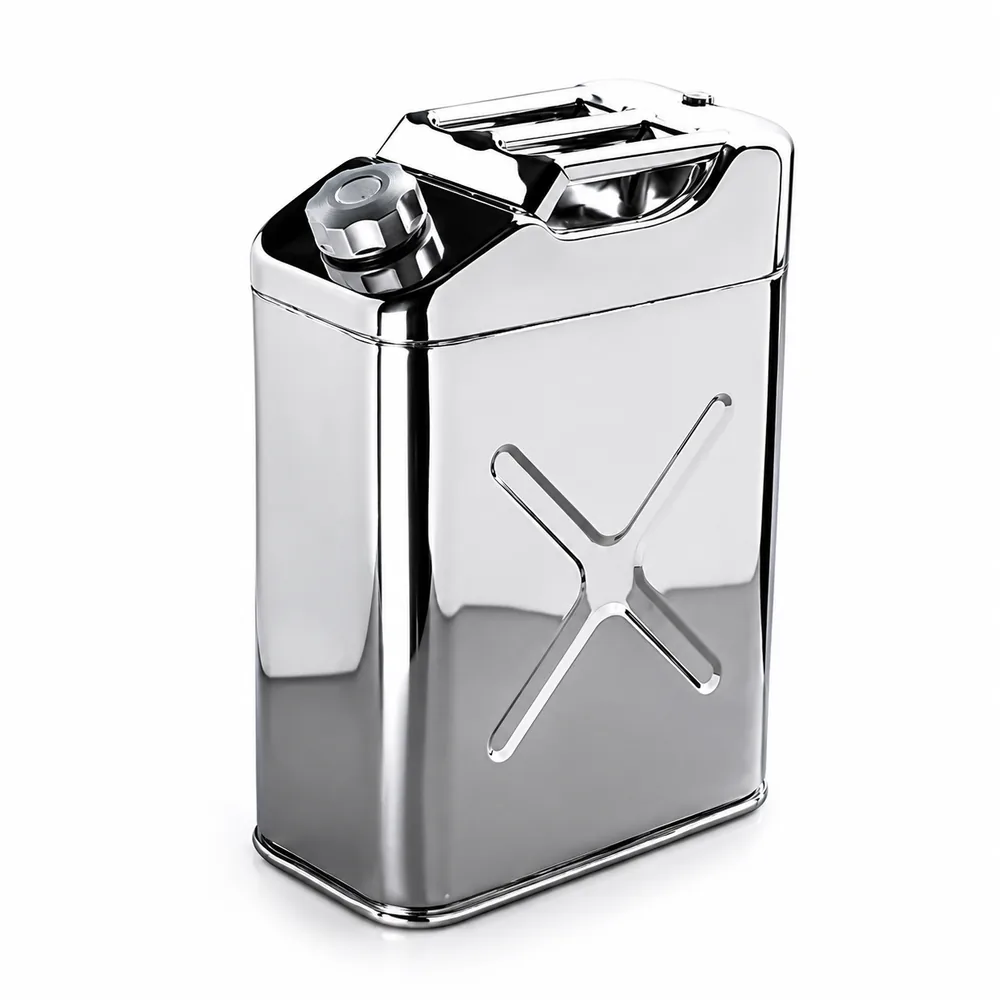 20L ステンレス給水缶 20L ステンレス給水缶 |
Stainless removes a whole drift risk. |
| Fastest first order | 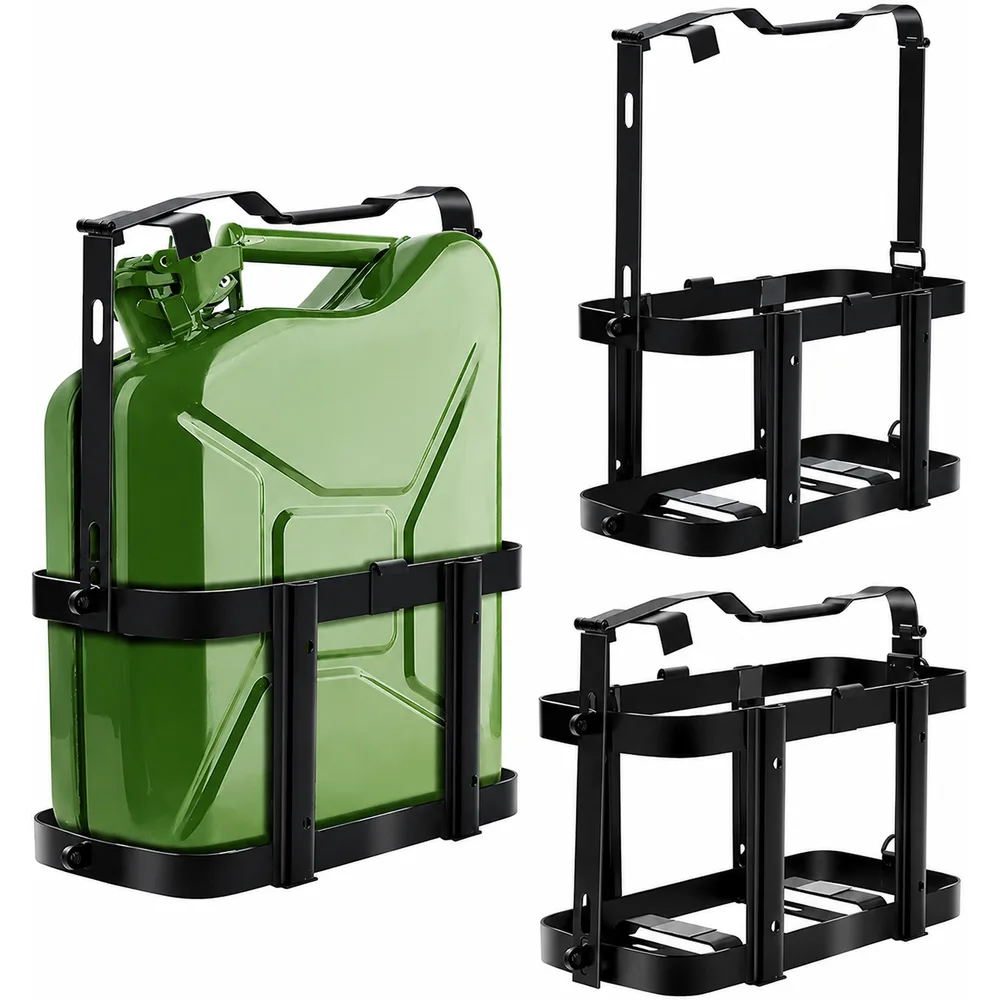 ジェリ缶ホルダー・マウント ジェリ缶ホルダー・マウント |
No dangerous-goods certification in the path. |
| Volume plastic, second origin | 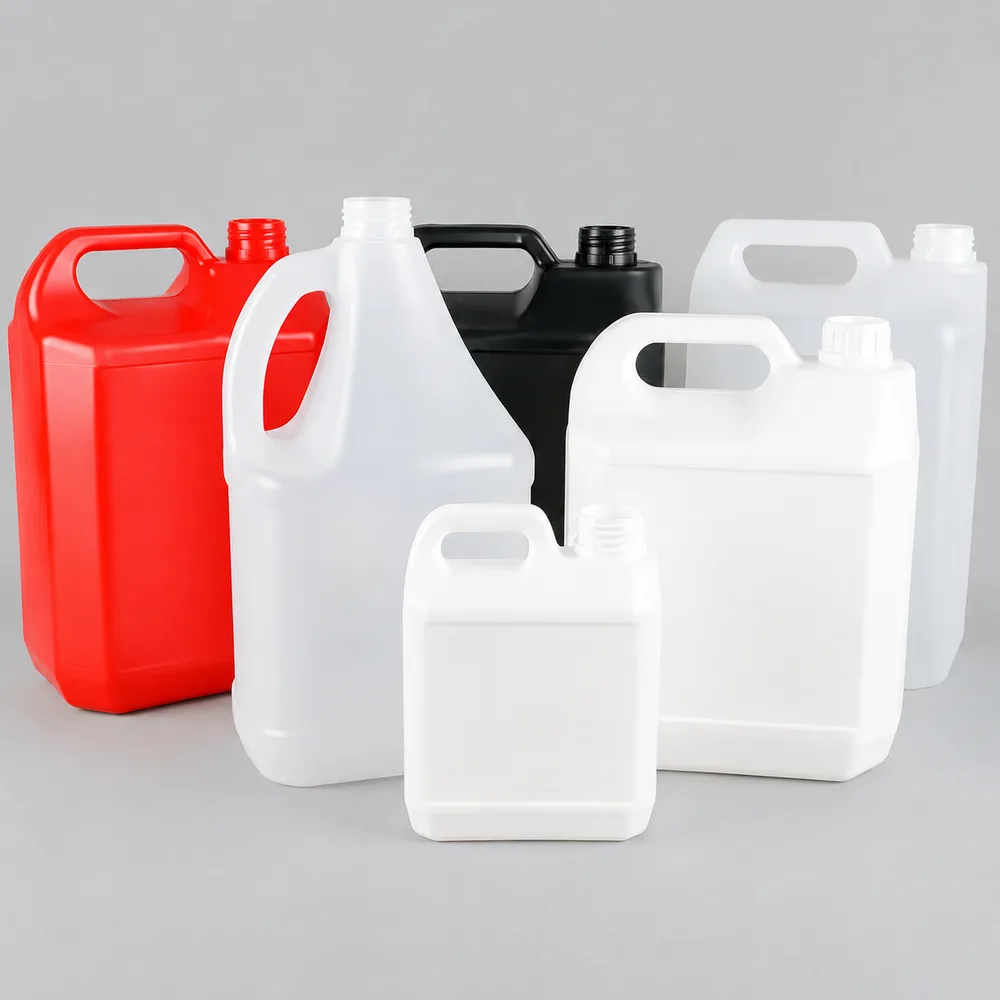 エコノミーHDPEジェリ缶 — 非UN エコノミーHDPEジェリ缶 — 非UN |
Where policy usually bites first. |
よくあるご質問
Does a UN certification transfer if a supplier moves my production to another factory?
No. UN approval is granted per design type and per manufacturing plant, so it stays with the factory that was tested. A second plant needs its own testing and approval before it may produce a UN-marked can for the same drawing. Ask for both certificate numbers before you rely on a switch.
What does China plus one mean for packaging buyers?
Holding a second production origin outside China so a single-country disruption, tariff change or sourcing policy does not stop supply. For dangerous-goods packaging it means more than a second address: the second plant has to be certified for your design, or the switch is a re-certification project rather than a production decision.
How do I check two factories are really building the same product?
Ask for a sample from each plant in the same specification and measure them. Steel gauge, external dimensions, closure fit and coating. If one seats in a standard holder and the other does not, you have two products sharing a part number rather than a second source.
Does changing the country of manufacture affect my import duty?
It can, in either direction. Preferential rates under trade agreements turn on rules of origin, not on where the invoice comes from, so a second origin can raise or lower your duty. Get an origin declaration from both plants and re-run landed cost per origin before you assume the ex-works difference carries through.
How quickly can a supplier switch production between plants?
One production cycle if the second plant is already approved for your design, and months if it is not, because the re-testing and approval have to happen first. Any supplier answering "immediately" without naming a certificate has not understood the question.
参考資料
The standards and regulations this page relies on, at their issuing body. Where a market rule is named here, check the current revision before you specify against it.
最終確認日 .