
Two reliefs that cover most European fuel-container movements, and the obligations that survive both.
Two reliefs in ADR do most of the work for anyone moving fuel containers around Europe: limited quantities, and the exemption at 1.1.3.6 that everyone calls the thousand-point rule. Both are widely misunderstood in the same direction, as blanket exemptions from dangerous goods law. Neither is.
ADR 1.1.3.6 relieves smaller loads from parts of the regime. It works on points rather than litres, because a litre of petrol and a litre of diesel are not equally hazardous. The calculation is quantity multiplied by a factor set by the substance’s transport category, and the relief applies below 1,000 points per transport unit.
| Fuel | UN number | Transport category | Multiplier | Approx. limit for the relief |
|---|---|---|---|---|
| Petrol | UN 1203 | 2 | × 3 | ~333 litres |
| Diesel | UN 1202 | 3 | × 1 | ~1,000 litres |
Categories and multipliers come from the substance’s own entry in the dangerous goods list. Check the entry for what you actually ship rather than assuming the figures above transfer to another liquid.
In cans, that is roughly sixteen 20-litre cans of petrol, or fifty of diesel, before the relief stops applying. Which is why a van doing a rural refuelling round usually sits inside it and a pallet delivery usually does not.
One consequence of sitting inside the relief is worth planning routes around. Loads carried under 1.1.3.6 are exempt from the ADR tunnel restrictions, and both petrol and diesel carry the tunnel code D/E. Above the threshold, a category E tunnel is closed to the load in packages and the diversion can add serious distance on an alpine or a long bored-tunnel route. The points calculation therefore decides a journey time as well as a paperwork burden, which is not obvious from reading it as a compliance question.
Alongside limited quantities and the thousand-point rule sits a third and much narrower relief: excepted quantities, marked EQ. It covers very small amounts in inner packagings well below the LQ thresholds, with its own marking and its own inner and outer limits per package.
It is worth knowing chiefly so you can rule it out. EQ volumes are laboratory and sample scale, not container scale, so a jerrican never travels under it. If a forwarder raises EQ in a conversation about 20-litre cans, the conversation has gone wrong somewhere.
The dangerous goods list carries the codes if you want to check rather than take it on trust. Petrol at UN 1203 is excepted quantity code E2 and diesel at UN 1202 is E1, and the codes cap the inner packaging at millilitres. Nothing in that range is a container in the sense this site uses the word.
Alongside the quantity reliefs sit two in ADR 1.1.3.1 that turn on who is carrying and why. Dangerous goods packaged for retail sale and carried by private individuals for their own personal use fall outside ADR entirely, which is the provision that covers a member of the public buying a jerry can and filling it. It says nothing about a business, and it does not travel with the goods once a company is moving them.
The second is the one trade customers rely on without naming it: carriage by an enterprise ancillary to its main activity, such as a contractor taking fuel to its own site plant. It is capped, it does not cover carriage for third parties, and it does not switch off packaging or marking. A supplier who is asked whether a customer "needs ADR" is usually being asked about this provision, and the honest answer is that it narrows the obligations rather than removing them.
The thousand points are counted across the transport unit, not per substance. Carry petrol and a Class 8 corrosive on the same vehicle and the points from each are summed against the same limit, each at its own transport category multiplier.
This is the case that quietly breaks the relief. A van carrying a modest amount of several different substances can pass 1,000 points while no single item looks anywhere near it, and the driver is then operating outside the exemption without anything on board looking unusual. Total the load, not the line items.
This is the part that catches people. Below 1,000 points you do not need the ADR driver certificate, but you are not outside dangerous goods law. Obligations that remain include instruction under ADR 1.3 for everyone involved, correct UN-approved packaging, correct marking and labelling, a fire extinguisher on the vehicle, and the general duties of the consignor. The widespread belief that under the threshold nothing applies is wrong, and it is the version that produces roadside penalties.
The belief survives because the relief removes the visible things. No orange plates, no placards, no driver certificate to produce, so a vehicle stopped under the threshold looks like an ordinary van and is treated as one until somebody looks in the back. What is still there to be found is the packaging, the marking and the paperwork, and those are what an enforcement officer checks once the load is open.
Limited quantities is a separate relief, for dangerous goods packed in small inner packagings below substance-specific thresholds. It brings simplified conditions: no ADR transport document required, packages marked with the LQ diamond, and a cap of 8 tonnes gross per transport unit.
The reason is a single number in the dangerous goods list and it is worth quoting rather than paraphrasing. The limited quantity value for petrol at UN 1203 is 1 litre per inner packaging, and for diesel at UN 1202 it is 5 litres. Those are inner-packaging caps, so a 20 or 25-litre can is outside the relief by an order of magnitude and no amount of outer packaging changes it.
Limited quantities is therefore the regime for a case of one-litre bottles on a retail pallet, not for the format this site builds. It is worth being blunt about because the relief is attractive on paper, gets raised in most freight conversations, and costs time to rule out repeatedly. For a jerrican load the relief that applies is the 1.1.3.6 threshold above.
An uncleaned container that has held a dangerous good remains regulated. It stays closed, stays marked, and travels under the rules until it has been cleaned and purged. New empty cans ship as ordinary cargo. The two must not be mixed in one consignment or under one document, and treating a used can as an empty one is a common and expensive error.
The rule turns on cleaning and purging rather than on emptiness, and the two are different operations. Draining removes the liquid and leaves the vapour, which is both the hazard and the reason the classification persists. So a can drained at the end of a job and loaded straight onto a return pallet is carrying dangerous goods, and the consignment it joins is a dangerous-goods consignment whatever the rest of the pallet holds.
None of these reliefs change the packaging requirement. The can still has to be UN-approved for the substance and packing group, and that approval is granted per design type and per manufacturing plant. A relief on the transport side does not relieve the container. If your supplier moves production, the approval does not move with it.
Which is worth turning into two questions at enquiry rather than after a switch. Which plant holds the approval for the design I am buying, and what happens to my order if that plant cannot run it. A supplier with a real answer names a second approved plant or admits there is a qualification period; one without an answer will move the order quietly and let the marking travel with the drawing rather than with the certificate.
| Your use case | Recommended can | Why this one |
|---|---|---|
| Petrol and diesel under ADR | 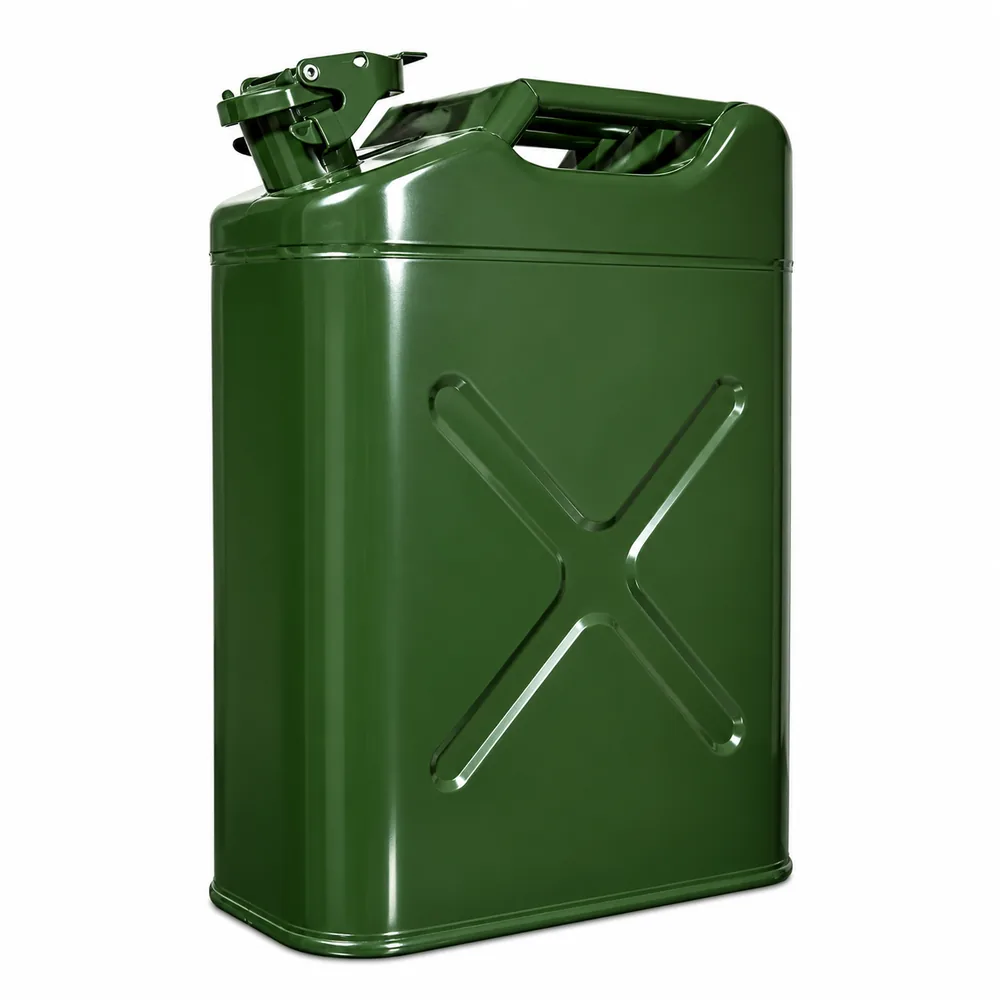 20L NATO Steel Fuel Can 20L NATO Steel Fuel Can |
UN-marked steel, coated for hydrocarbons. |
| Solvents and permeating liquids | 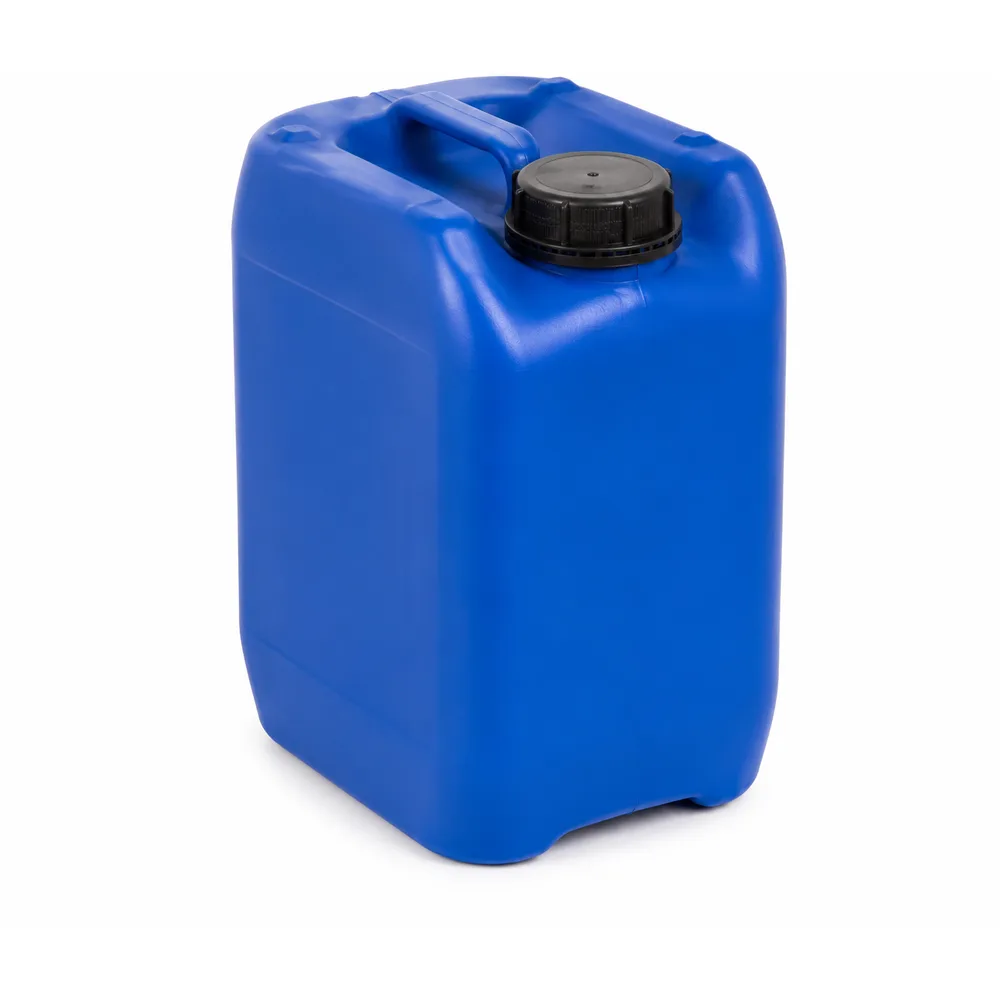 Fluorinated HDPE Jerrycan Fluorinated HDPE Jerrycan |
UN 3H1 route with a barrier treatment. |
| Flammables in classified areas | 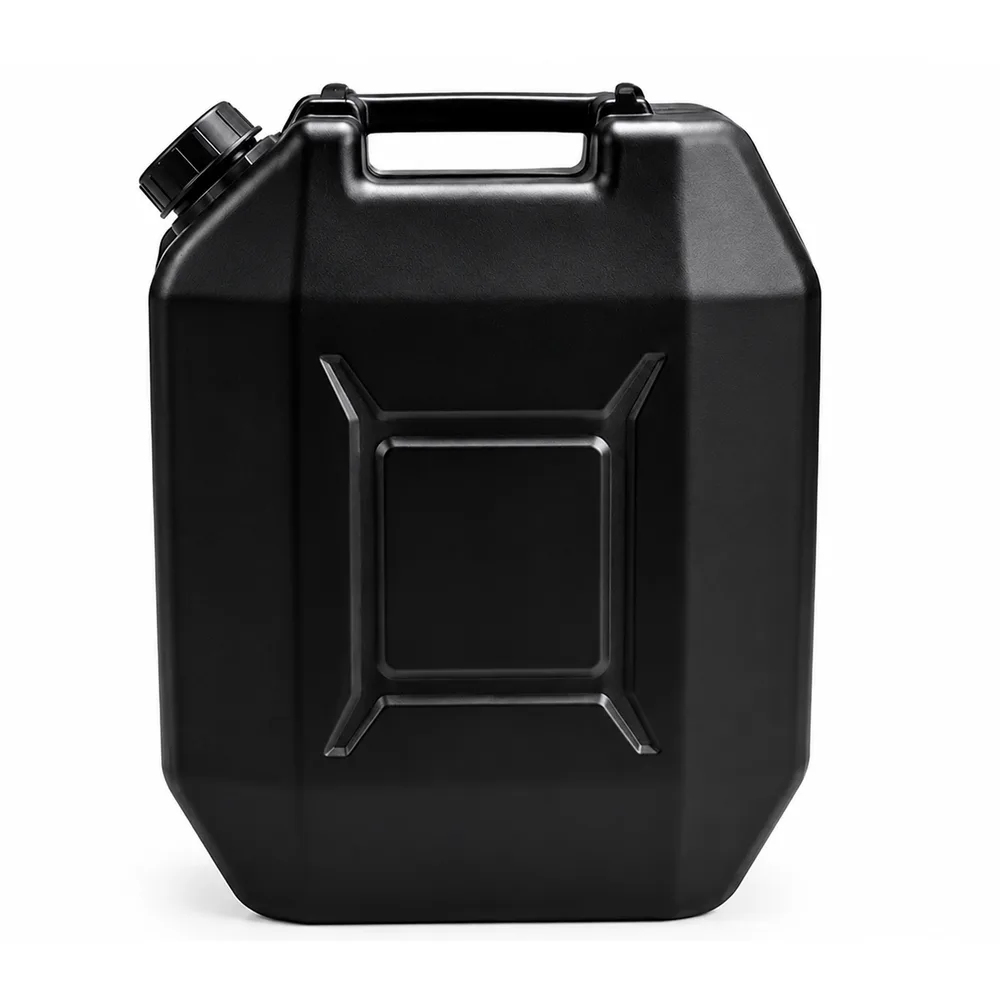 Antistatic HDPE Jerrycan Antistatic HDPE Jerrycan |
Static control where the atmosphere matters. |
| Keeping the approval valid | 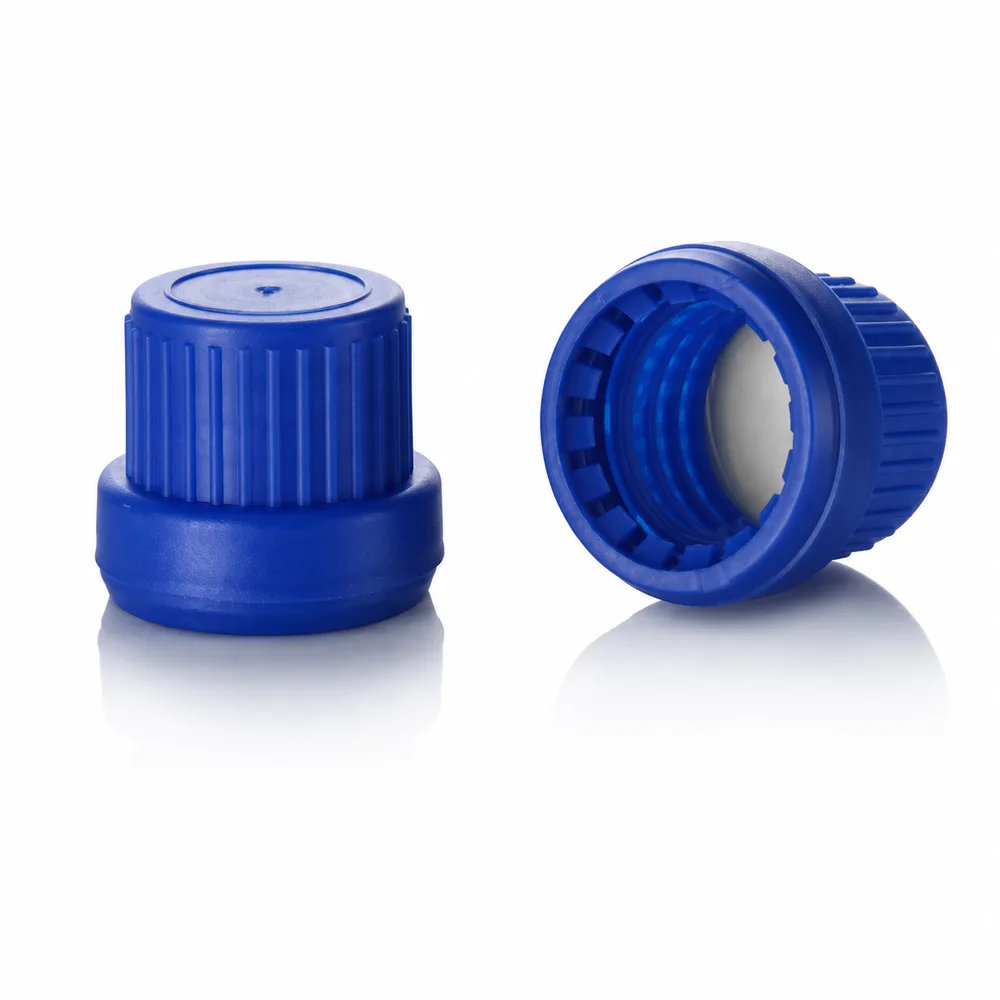 Caps, Closures & Gaskets Caps, Closures & Gaskets |
The closure is part of the approved design. |
The exemption at ADR 1.1.3.6 for smaller loads. Points are quantity multiplied by a factor set by the substance transport category, and the relief applies below 1,000 points per transport unit. Petrol is category 2 with a multiplier of 3, so the relief runs out at about 333 litres; diesel is category 3 with a multiplier of 1, so about 1,000 litres.
You do not need the full ADR driver certificate, but instruction under ADR 1.3 is still required for everyone involved. Correct UN-approved packaging, marking, labelling, a vehicle fire extinguisher and the consignor duties all continue to apply. Below the threshold is not outside dangerous goods law.
Generally no. Limited quantities works on small inner packagings below substance-specific thresholds, which a 20 litre can is not. It governs retail-sized bottles rather than field-sized fuel containers. LQ shipments also carry the LQ diamond and cap at 8 tonnes gross per transport unit.
No. The container still has to be UN-approved for the substance and packing group, and that approval is granted per design type and per manufacturing plant. A relief on the transport side relieves nothing on the container side, and it does not travel if your supplier changes factory.
The standards and regulations this page relies on, at their issuing body. Where a market rule is named here, check the current revision before you specify against it.
Last reviewed .
Tell us your market, your fuel and your volumes. We come back with a specification sheet and a quotation.