
A consumer product reaches the EU market only with an EU-established operator accountable for it. Who that is in a container supply chain.
Since December 2024, a consumer product may be placed on the EU market only if there is an EU-established economic operator responsible for it. For a manufacturer outside the EU that is not a formality to add later. Without one, the product cannot lawfully be sold, and marketplaces enforce it before any authority does.
Regulation (EU) 2023/988, the General Product Safety Regulation, has applied since 13 December 2024. It replaces the old general product safety directive and covers consumer products that no more specific EU legislation already governs, which is where most containers sold to end users sit.
The obligation that catches non-EU manufacturers is the responsible person: an economic operator established in the EU, appointed to carry defined product-safety duties.
Their contact details must appear on the product or its packaging, on the parcel, or in an accompanying document. This is the part that shows up as a listing suspension, because marketplaces check for it.
Of those four places, the product or its packaging is the one worth choosing, because it travels with the goods. Details in an accompanying document depend on the document staying with the consignment, and details on a parcel disappear the moment a distributor re-boxes. Building the responsible person's details into the in-line marking or the label artwork puts them where nobody can separate them from the can.
It depends on how the goods reach the consumer, and getting this wrong is the usual failure.
The failure is usually a gap rather than a mistake: everybody in the chain assumes somebody else holds the role, and nobody is named on the pack. That is also why it surfaces as a listing suspension rather than as an enforcement action, because a marketplace can check for the details automatically and an authority cannot. Settle who holds it in writing before the first shipment, and put the name on the artwork rather than on a label applied later.
| How you sell | Who is normally the responsible person |
|---|---|
| You import into the EU and resell under your own brand | You. Importing under your brand makes you the manufacturer for these purposes |
| You import and resell the manufacturer’s brand | You, as the EU importer, unless an authorised representative is appointed |
| A non-EU manufacturer sells direct to EU consumers | An appointed EU authorised representative or fulfilment service provider |
| Business-to-business sale, never reaching a consumer | GPSR is aimed at consumer products; check whether your channel is genuinely B2B throughout |
| B2B sale of a product consumers also buy | Treat it as in scope. The test is foreseeable use, not intended channel |
GPSR sits alongside everything else rather than instead of it. A fuel container still needs UN approval to move as dangerous goods, still meets the destination market’s own container rules, and still answers the packaging and EPR regime. GPSR asks a different question: is there an accountable operator inside the EU, and is the product safe for a consumer to use.
That second half is easy to lose behind the first. The responsible person is the visible obligation and the safety requirement is the substantive one, so appointing somebody does not make an unsafe product sellable and a safe product is still unsellable without the appointment. Both have to hold, and they are satisfied by different work: one by a contract, the other by a risk assessment and a technical file.
The B2B carve-out in the table above needs stating carefully, because it is narrower than most suppliers assume. GPSR applies to products intended for consumers or likely to be used by consumers under reasonably foreseeable conditions, which explicitly reaches goods designed for professional use that subsequently reach the consumer market. A jerry can is close to the centre of that description: the same 20-litre steel can sits on a contractor's truck and on a hardware shelf, and the design does not change between them.
So the safer default for a container is to assume scope rather than to argue it. The cost of being wrong is asymmetric. Preparing a technical file, a risk assessment and traceable batch marking for a product that turns out to be exempt costs some documentation work; discovering the requirement after a marketplace suspends a listing costs the listing, the stock position and the selling season.
Plainly, and with one legal point first. The responsible person must be established in the EU, so no manufacturer outside the Union can be one, us included. That is a feature of the regulation rather than a gap in our capability, and any overseas supplier claiming to act as your responsible person has misread it.
What we do is make the role straightforward to fill. The person appointed needs access to technical documentation and has to be able to evidence compliance checks. We supply that file:
That last one is why this belongs at enquiry rather than after. Contact details on pack means artwork, which means tooling and print, which is settled before production. Tell us who the responsible person will be and we build the labelling around them from the first run. If the role is not appointed yet, tell us that too, because it is the one thing that has to be resolved before goods can lawfully be sold and it is quicker to arrange than to unwind a suspended listing.
| Your use case | Recommended can | Why this one |
|---|---|---|
| Consumer and retail fuel | 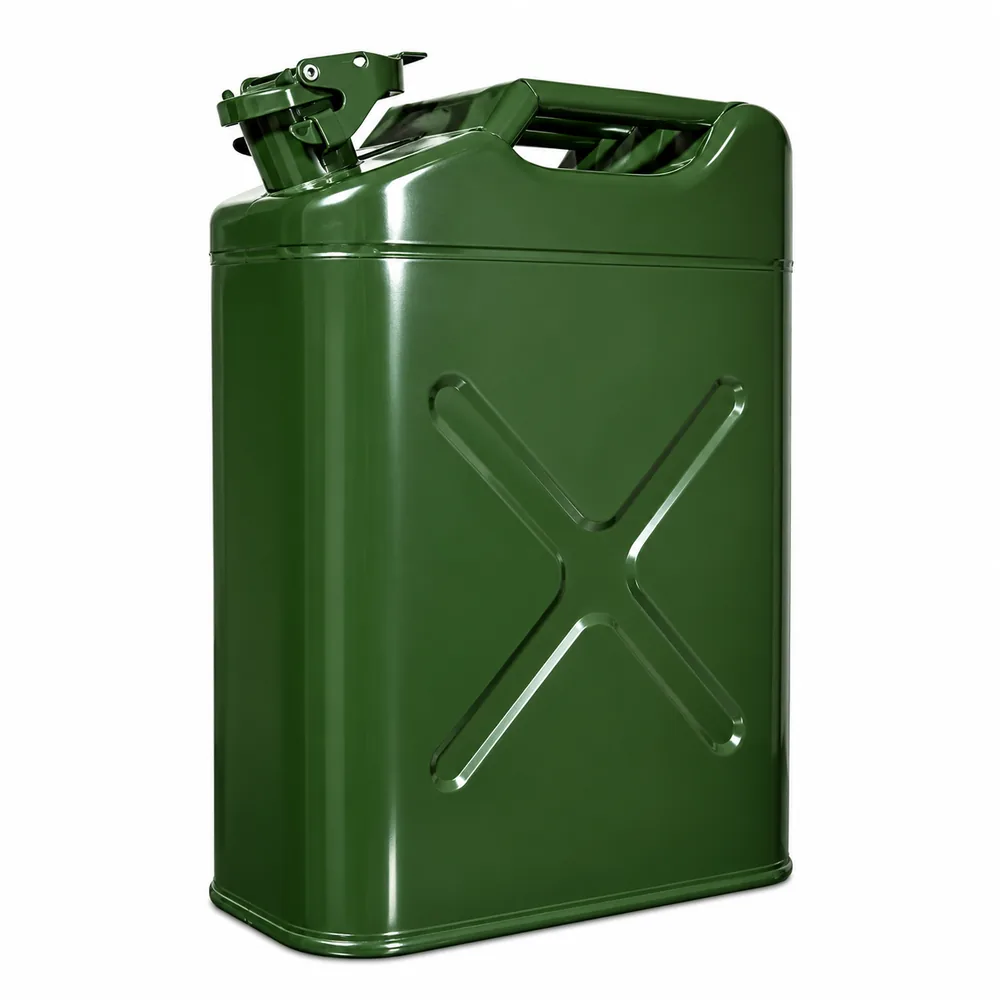 20L NATO Steel Fuel Can 20L NATO Steel Fuel Can |
Where GPSR labelling lands hardest. |
| Consumer safety features | 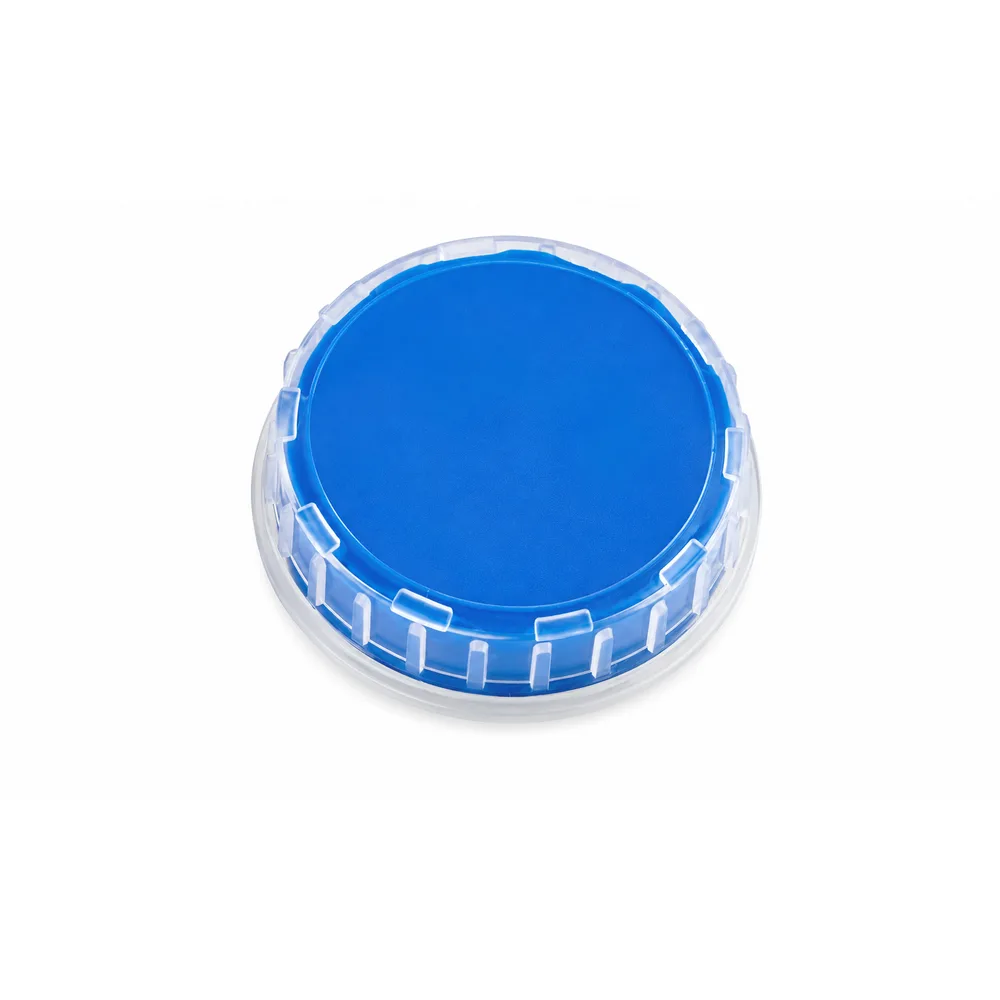 Child-Resistant Closures Child-Resistant Closures |
A closure choice with a safety rationale behind it. |
| Consumer water storage | 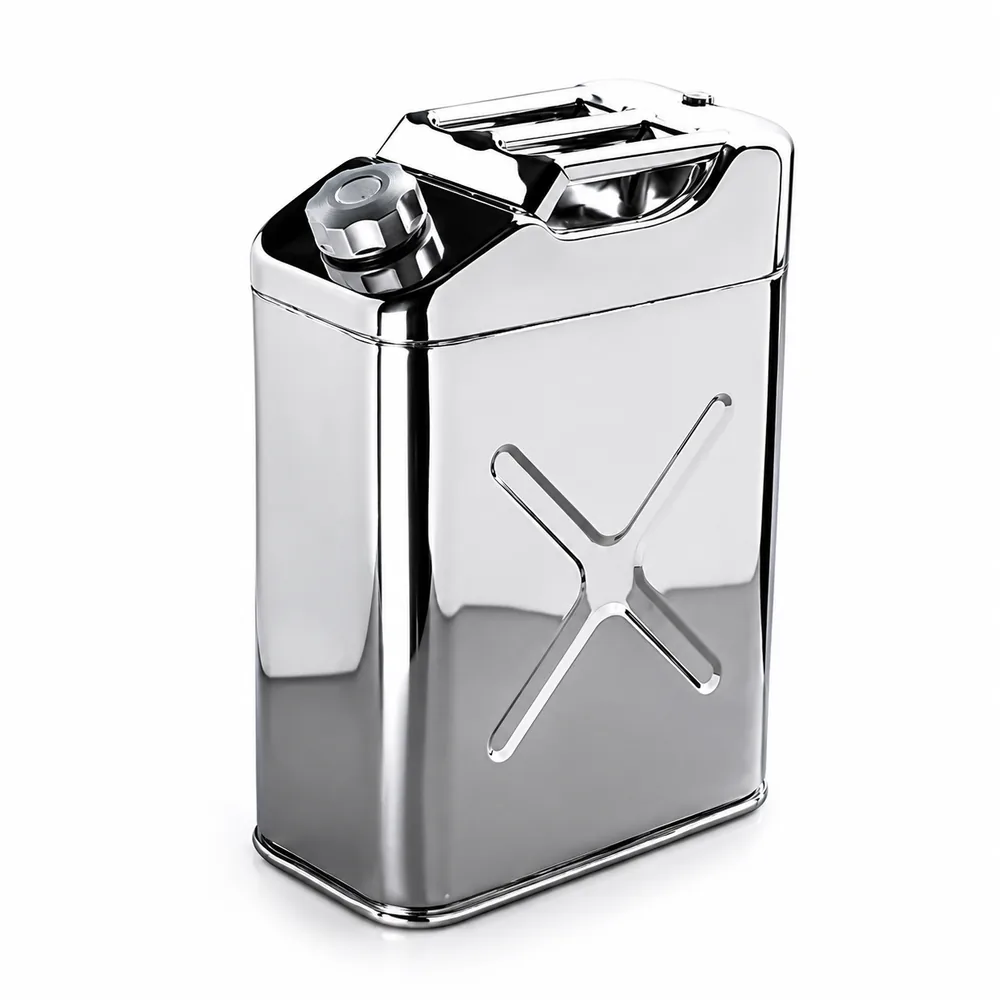 20L Stainless Steel Water Can 20L Stainless Steel Water Can |
Retail channel, so consumer rules apply. |
| Accessories sold at retail | 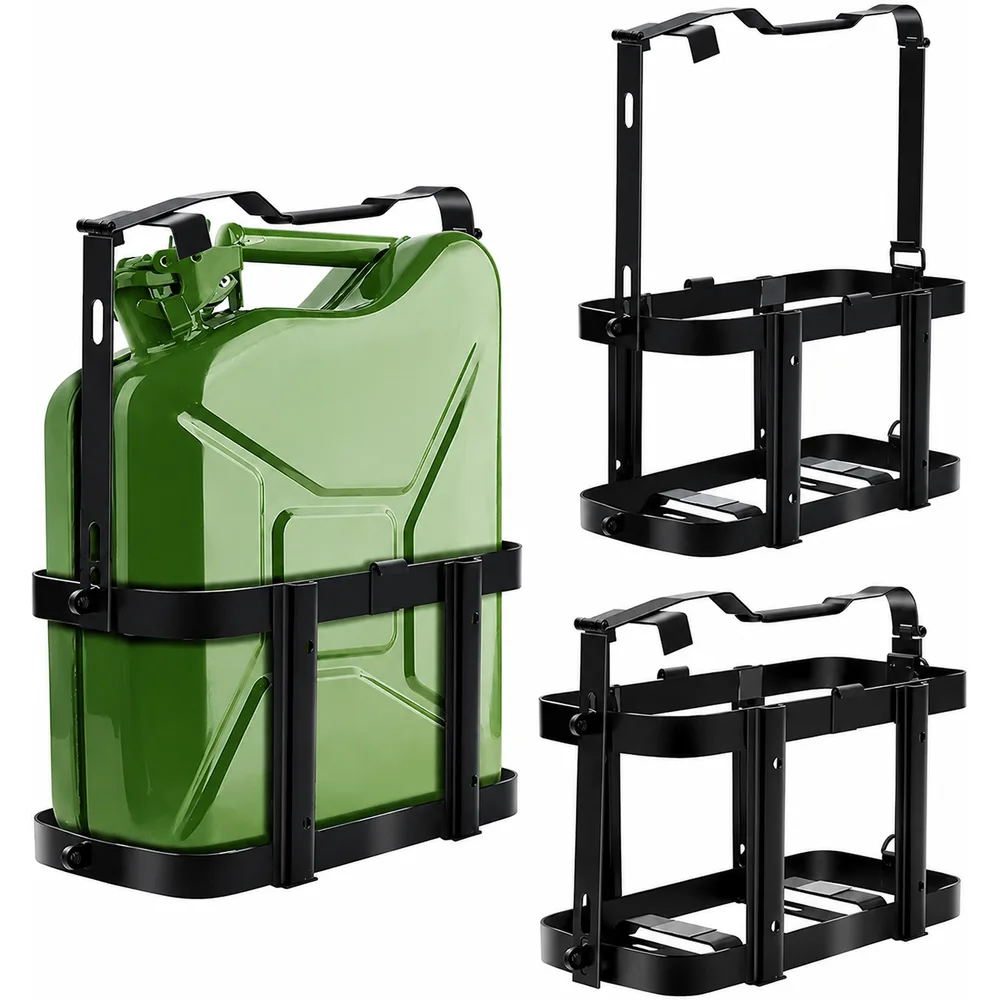 Jerry Can Holders & Mounts Jerry Can Holders & Mounts |
In scope too; the rules follow the channel. |
An economic operator established in the EU, appointed to carry defined product-safety duties: acting as contact point for market surveillance authorities, holding access to the technical documentation, checking compliance and keeping evidence of it, and having authority to act on the manufacturer behalf on safety matters.
Yes, for consumer products. Since 13 December 2024 a consumer product may be placed on the EU market only if an EU-established economic operator is responsible for it. Without one the product cannot lawfully be sold, and online marketplaces enforce this before any authority does.
On the product or its packaging, on the parcel, or in an accompanying document. This is the requirement that most often surfaces as a marketplace listing suspension, because it is machine-checkable in a way the rest of the regulation is not.
Normally you. Importing under your own brand makes you the manufacturer for these purposes; importing and reselling the maker brand makes you the EU importer carrying the role, unless an authorised representative is appointed. A non-EU manufacturer selling direct to consumers needs an appointed representative or fulfilment service provider.
No. GPSR sits alongside the rest. A fuel container still needs UN approval to move as dangerous goods, still meets the destination market container rules and still answers the packaging and EPR regime. GPSR asks a different question: is there an accountable operator inside the EU, and is the product safe in consumer use.
The standards and regulations this page relies on, at their issuing body. Where a market rule is named here, check the current revision before you specify against it.
Last reviewed .
Tell us your market, your fuel and your volumes. We come back with a specification sheet and a quotation.