
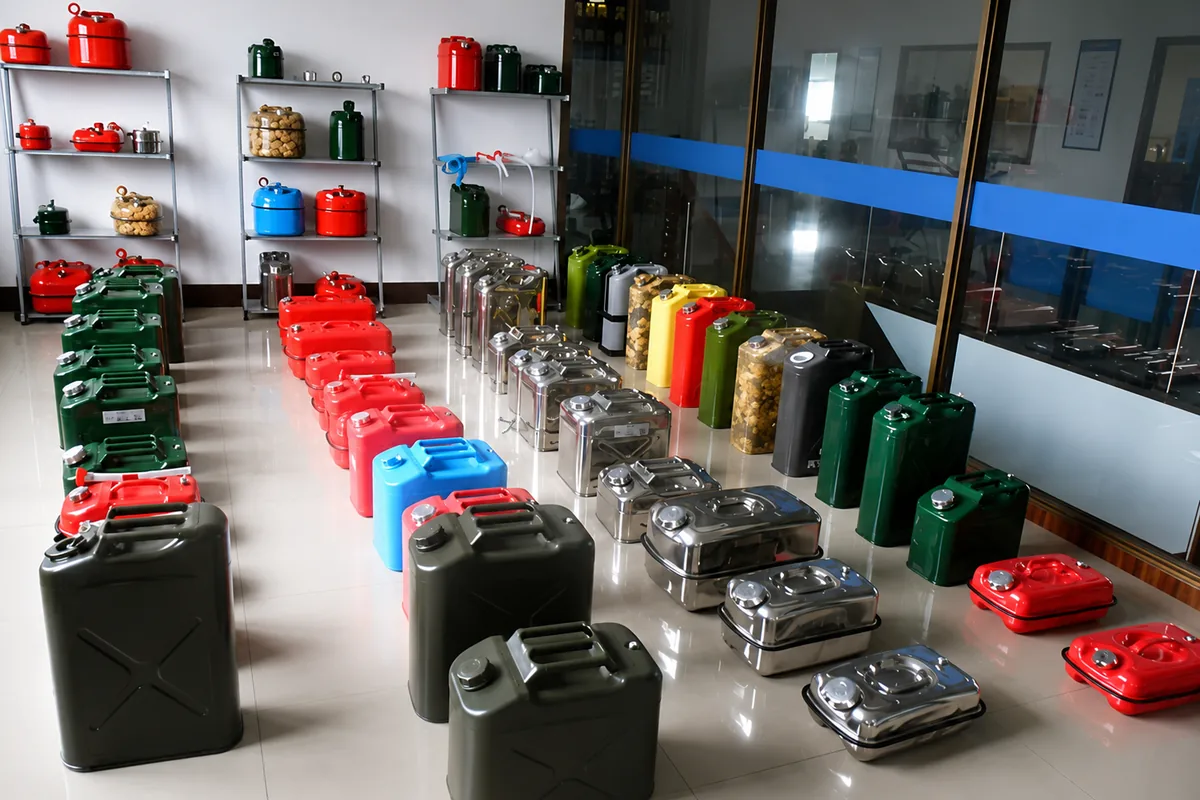
容器は、材質が扱えない液体に触れたときに機能を失います。本ガイドは、当社が扱う4つの材質を、購入者からよく尋ねられる液体と対応づけたものです。出発点として扱い、ご注文の前に、正確な液体・その濃度・その温度をご確認ください。
「可」は一般に適することを意味します。「要確認」は、具体的な液体・濃度・温度によって変わることを意味しますので、適合性の確認を当社にご依頼ください。「不可」は、材質が合わないことを意味します。
| 液体分類 | 亜鉛メッキ鋼 | ステンレス304 | HDPE | アルミ |
|---|---|---|---|---|
| ガソリン・ディーゼル・灯油・JP-08 | 可 | 可 | フッ素化 | 可 |
| 飲用水・食品用液体 | 不可 | 可 | 食品グレードのみ | 不可 |
| エンジンオイル・潤滑油 | 要確認 | 可 | 可 | 要確認 |
| 酸・アルカリ | 不可 | 要確認 | 要確認 | 不可 |
| 溶剤・塗料 | 要確認 | 要確認 | 要確認 | 不可 |
| DEF / AdBlue(尿素) | 不可 | 要確認 | DEF専用 | 不可 |
「不適合」は複数の異なる故障モードをまとめて指す語であり、どれに当たるかによって注視すべき点と問題化までの速さが変わる。
最後の項目こそ、適合表が答えではなく出発点である理由である。環境応力亀裂は化学的性質と同じくらい応力に依存するため、同じ材料と同じ液体でも、ある形状では合格し別の形状では不合格になりうる。
3つの変数が表を無効にするが、いずれも表には現れない。1つ目は 濃度。しかもこの関係は単調ではない。濃いほど常に攻撃的だという直感は、端的に誤りである。おおむね93パーセントを超える濃硫酸は、保護的な硫酸塩皮膜を形成して炭素鋼を不動態化させるが、希硫酸は同じ鋼を勢いよく侵食する。「硫酸」としか書かれていない表は、行動につながることを何も伝えていない。
二つ目は 温度。反応速度はこれに伴っておおむね指数関数的に上昇し、実用的な経験則では 10 °C ごとにおよそ倍になる。したがって 20 °C で余裕をもって適合とされた材料も、60 ではその寿命のごく一部しか持たないことがある。高温充填、発熱を伴う混合物、日射下の黒い容器は、いずれも実験室試験が想定しなかった温度に達する。
三つ目は 接触時間。ある薬品を構内で20分運ぶ容器と、同じ薬品を18か月保管する容器は、表の同じ行に載りながら別の工学的問題である。移送用途なら許容できる際どい組み合わせが、保管用途では許容されない。ある顧客で通用した適合性の回答が次の顧客で通用しなくなる、最も多い単一の理由がこれである。
適合表が記述しているのは、液体に浸漬した材料である。しかしどの容器でも、およそ半分は浸漬していない。液面より上には気相があり、揮発性または酸化性の物質では、その蒸気が下の液体より攻撃的になることがある。蒸気は濃縮され、温度が高く、しかも継続的に洗い流されていない面に接しているからである。
材料ではなく容器を仕様化する立場には、2 つの帰結がある。侵食はしばしば、液体がたまる底部ではなく、濡れ、蒸発、空気が出会う液面の帯として最初に現れる。そして栓、ガスケット、キャップ裏側は常に蒸気相にあるため、化学的に最も過酷な条件に接しながら、汎用カタログから選ばれることが最も多い部品でもある。
半端に入った容器が満量の容器と違う劣化をする理由も、横置きしたドラムが同じドラムを立てた場合と別物になる理由も、これである。適合性を判断するためにサンプル試験を行うなら、浸漬だけでなく気相も試験すること。そうしなければ、結果は容器の半分しか説明しない。
この表の大半は 2 つの故障モードで決まる。反応。酸とアルカリは亜鉛めっき鋼の亜鉛を侵し、一部の金属に孔食を生じさせうるので、強い薬品の列はプラスチックのもの、条件が穏やかな場合はステンレスのものである。透過は逆方向に働き、この 2 つのモードで表のほぼすべての行が説明できる。透過。炭化水素は未処理のプラスチックをゆっくり透過し、製品を失わせ、燃料蒸発規制に抵触する。だからプラスチックの燃料缶はフッ素化され、スチール缶はされない。
どちらのモードが効いているかを知ることは、試験が何を証明するかも教えてくれる。短期の適合性試験は反応を捉える。反応は速く、目に見えるからだ。透過については何も捉えない。透過には温度をかけた数週間と秤が要る。サンプルを 2 週間液体に浸けて変化がなかったと報告する供給者は、2 つのモードのうち 1 つを試験しただけで、もう一方については沈黙している。プラスチック中の炭化水素では、後者こそが問題なのである。
適合表が記述するのは容器の壁であり、容器は壁だけではない。ガスケット、キャップライナー、コックやノズル、ねじ部のシール材はいずれも液体に触れ、通常は本体とはかなり異なる材料でできている。
よくある不具合は、正しい胴体に誤ったシールを組み合わせることである。ニトリルは炭化水素に対する正解で膨潤しない。一方EPDMは水と希酸をよく扱うが、燃料中では激しく膨潤する。作業台では密閉するのに1週間後に滲む缶は、ほぼ例外なく外殻ではなくエラストマーで失敗している。
設計がUN認証を受けている場合、閉鎖具も試験対象の一部であったため、ガスケットの変更は単なる適合性の問題ではなく認証の問題となる。変更前に両方を確認すること。
表の中の「yes」と「no」は、実際には範囲の両端である。室温で希薄な酸に耐える材料が、同じ酸の濃厚な状態や高温では破綻することがある。熱はほぼすべての侵食と透過速度を速め、日向に置かれた缶は入れたときの液温より高くなる。だから適合性の答えは背後の数字があって初めて役に立ち、その数字は点ではなく範囲として引合いに含めるべきである。通常20 °Cで保持される薬品が夏に2週間45 °Cで過ごすなら、それは45 °Cで仕様を決めたことになる。通常10パーセントで、時折30パーセントに調製する希釈なら、30パーセントで仕様を決めたことになる。適合性の答えを覆すのは例外であり、それは購買担当が知っていてサプライヤーには推測できない部分である。したがって適合性の答えは、その背後にある数字、すなわち薬品名だけでなく濃度と使用温度があってこそ意味を持つ。
本体が最初に損傷することはまれです。ガスケット、キャップライナー、そしてタップ内のO-ringはいずれもエラストマーであり、エラストマーは本体よりも狭い適合範囲しか持ちません。HDPEの壁面が問題なく耐える液体でも、シールを膨潤させたり硬化させたりすることがあり、膨潤したシールは漏れや固着を起こします。腐食性の高い液体向けに容器を仕様化する際は、閉栓部の素材が本体と同じくらい重要であり、安価な容器が誤りがちなのはこのシール部分です。
最初に破綻する理由は化学的なものだけでなく機械的なものでもある。ガスケットは恒久的な圧縮下にあるので、膨潤する材料は逃げ場がなく、代わりに変形する。硬化する材料はシールが依存する弾性を失う。どちらも静かに進行し、どちらも破断ではなく滲みとして現れ、たいていは容器を数回開閉した後である。材料は液体に合わせて指定し、ガスケットは缶の一部ではなく交換周期を持つ消耗品として扱うこと。
正確な液体の名称、その濃度、使用時の温度、容器内に留まる時間をお送りください。この4つの情報があれば、材質・封止・内面処理を確定するか、安全な選択肢がないことをはっきりとお伝えします。
製品名ではなく安全データシートをお送りください。第 7 項が取扱いと保管、第 10 項が安定性と混触危険物質を扱い、両者で誰も推測せずに質問の大半に答えられます。液体が専有の混合物である場合、このシートは実際の組成を記述する唯一の文書でもあり、それなしに出された適合性の回答は、名称についての意見にすぎません。
燃料は 燃料・ガス缶 シリーズに、水と食品は 水・食品グレード シリーズに、化学品は 工業・化学 シリーズに位置づけられます。本ガイドは一般的な情報であり、特定の用途への適合性を保証するものではありません。
液体に合わせた4種の素材。以下がラインアップ。
| 用途 | おすすめの缶 | 選ぶ理由 |
|---|---|---|
| ガソリン・ディーゼル・灯油・JP-08 | 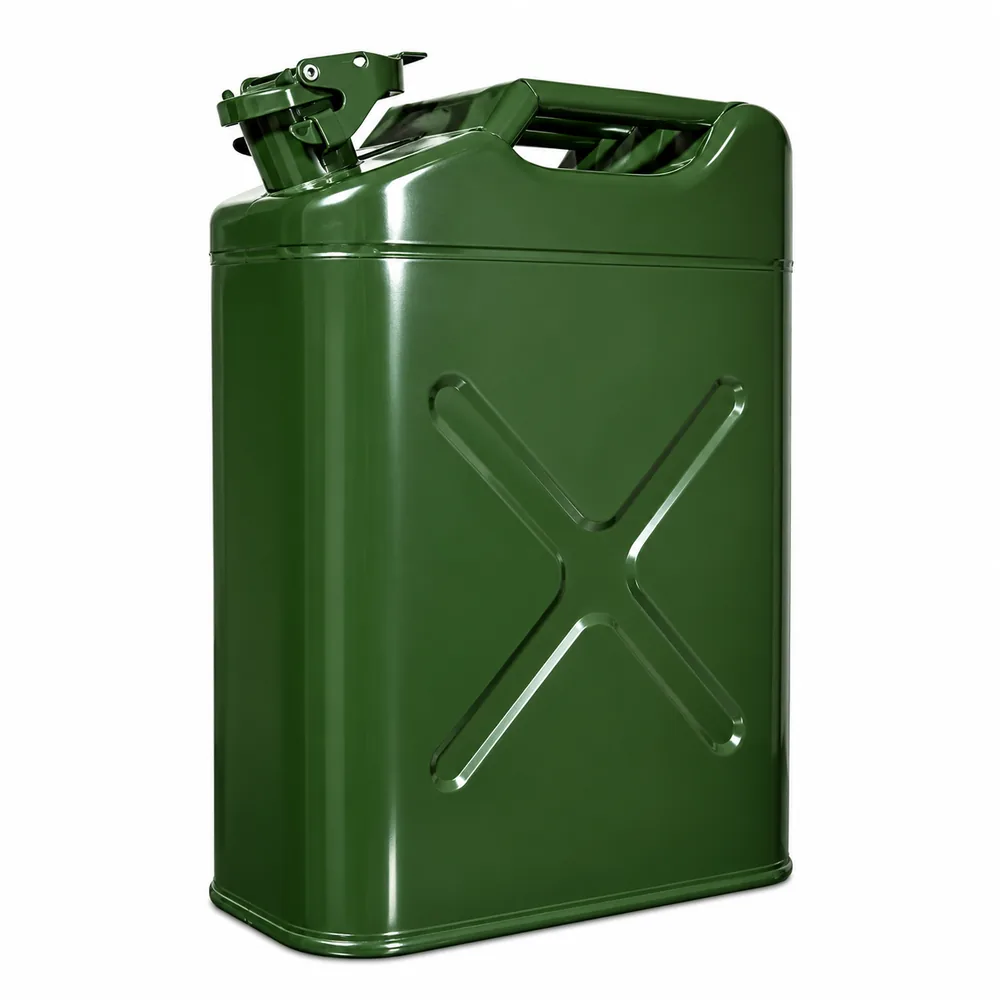 20L NATO規格 スチール燃料缶 20L NATO規格 スチール燃料缶 |
炭化水素にはコーティング鋼。 |
| 飲料水・食品・油 | 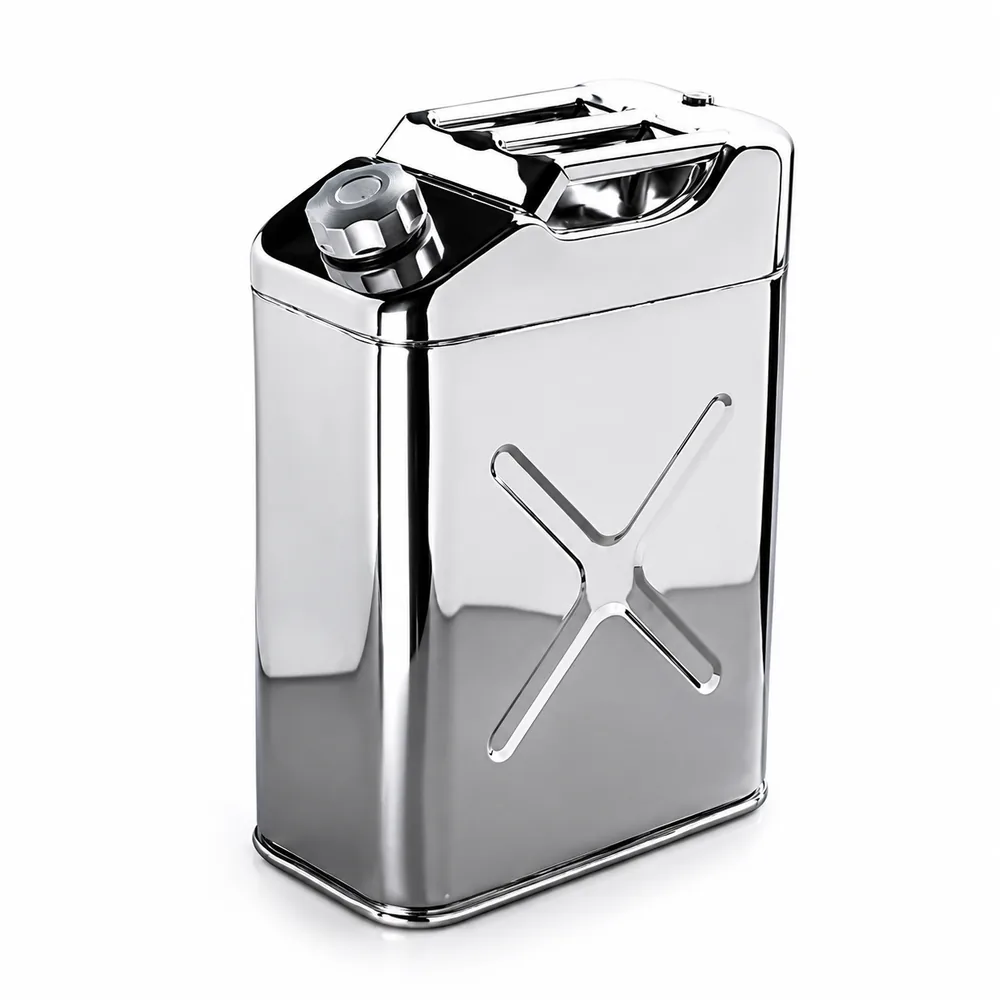 20L ステンレス給水缶 20L ステンレス給水缶 |
AISI 304 食品グレードステンレス。 |
| 薬品・酸・アルカリ | 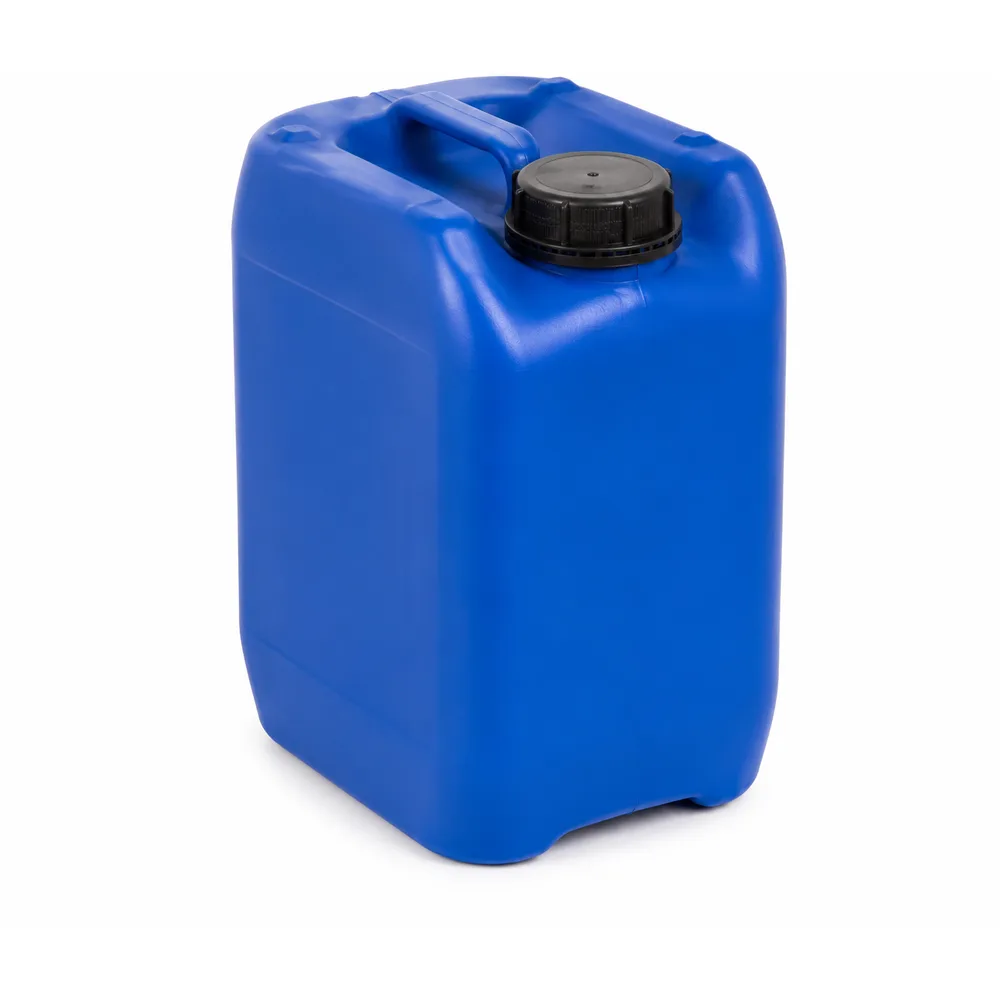 フッ素処理HDPEジェリ缶 フッ素処理HDPEジェリ缶 |
HDPE。適合性チェックで確認。 |
| 軽質燃料・軽量重視 | 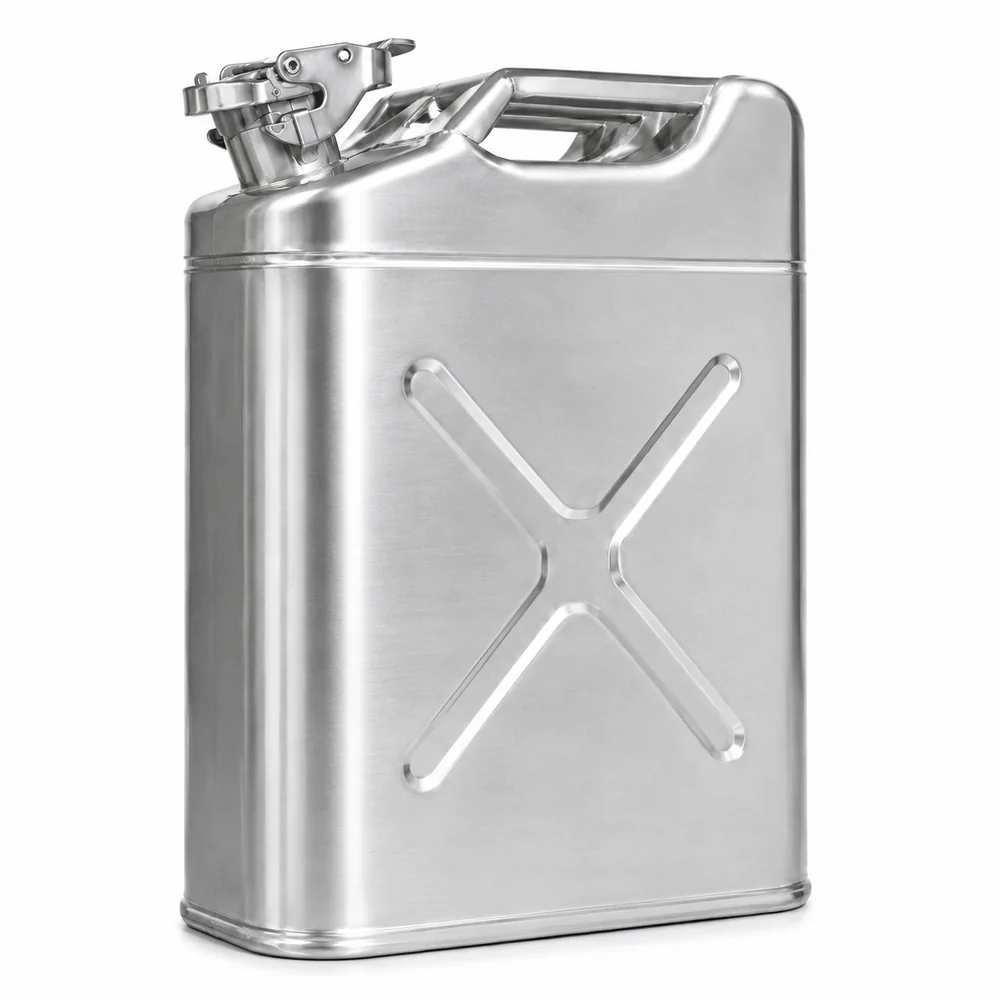 20L アルミ NATO規格缶 20L アルミ NATO規格缶 |
アルミニウム。酸・薬品には不可。 |
HDPE は酸、アルカリ、塩類の最も広い範囲に対応し、工業用化学品包装の既定の選択肢である。ステンレス 316 は、溶剤と高温についてより広い範囲に対応する。どちらもすべてを網羅しない。強酸化剤と塩素系溶剤は、具体的な濃度に照らして個別に確認する必要がある。
いいえ。無機酸は炭素鋼を侵し、亜鉛めっきを短時間で剥離させ、実用濃度ではほとんどのステンレス鋼種も侵す。酸は HDPE に入れるべきであり、その缶は UN 3H1 表示と、当該の酸に対応する容器等級の承認を備えていなければならない。
大きく変わる。低濃度で適合と評価された材料が、高濃度や高温では耐えられないことがある。適合表は、特段の記載がない限り常温常圧を前提としている。化学品名だけで判断せず、必ず実際の濃度、温度、接触時間に照らして確認すること。
本ページが依拠する規格・法令を発行機関へのリンク付きで示す。市場規則を挙げている箇所については、仕様に反映する前に最新版を確認すること。
最終確認日 .