
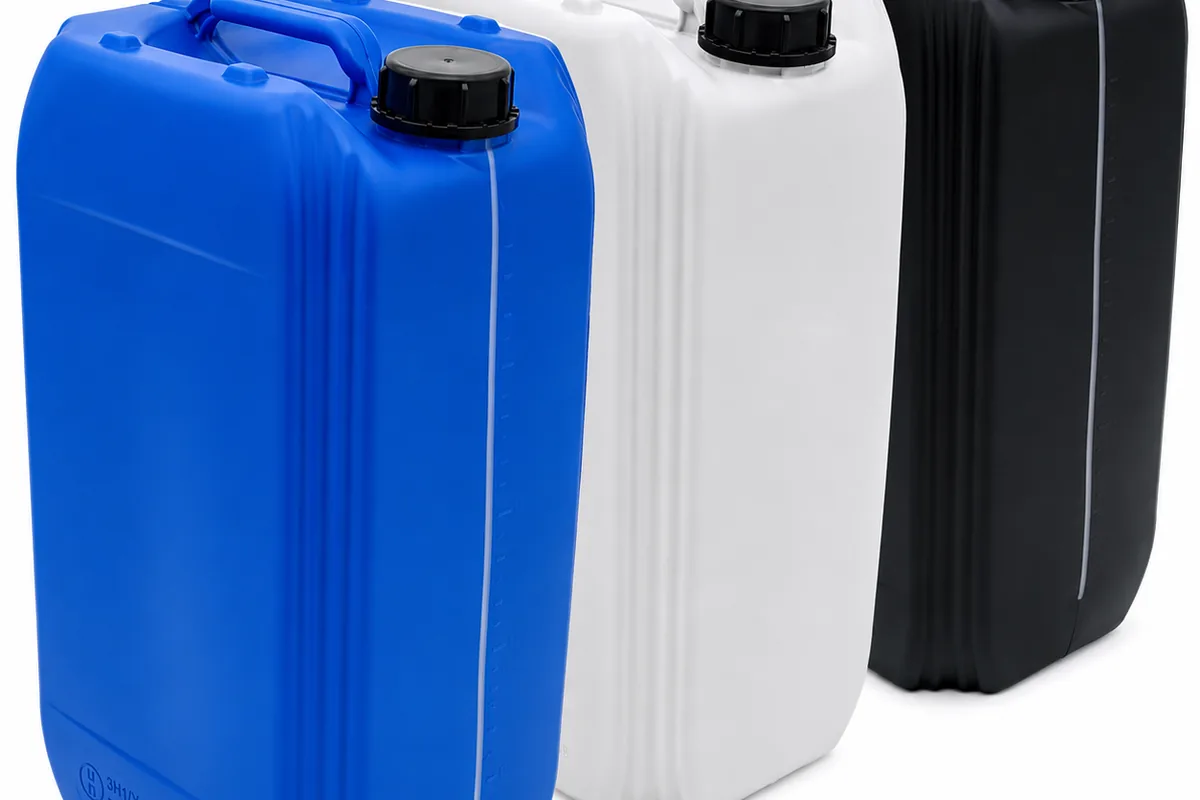
選択の決め手は価格ではありません。何を保管するか、缶がどこで使われるか、どの市場へ販売するかです。この3点を順に検討すれば、素材はおのずと決まります。
亜鉛メッキ鋼もHDPEも燃料を入れられます。どちらが適するかは、燃料の種類と保管期間、缶が現場で担う役割、そして販売先市場の排出規制および危険物規則によって決まります。
炭化水素系燃料は未処理のプラスチックをゆっくりと透過する。この透過は製品の損失と蒸気の放出を招き、米国(EPAおよびCARB)、EU、その他の市場が携帯用燃料容器に課している排出限度から容器を外させる。鋼はまったく透過しないため、鋼製缶ではこの問題が生じない。
数字にすると差は具体的になる。壁構造を燃料用途に適格とするための閾値は、28 °Cで測定した表面積あたり0.30 g/m²/日である。未処理の単層HDPEは肉厚に応じておよそ10から30 g/m²/日であり、この閾値をおよそ2桁分超過して外している。レベル3のフッ素処理で1.5から2.5に達するが、なお不合格である。レベル5のフッ素処理は0.15から0.25に達して合格し、EVOH共押出の壁は0.05から0.12に達して余裕をもって合格する。
したがってプラスチックでも基準値を満たせるが、それは注文書に明記すべき特定の処理を施した構造に限られる。 HDPEグレードとフッ素化のガイド は各段階を順に検討している。対象市場が燃料容器の排出を規制している場合、この1点だけで、他の検討項目に至る前に材質が決まることが多い。
プラスチック製ジェリカンを ASTM B117 の中性塩水噴霧、35 °C・塩化ナトリウム 5 % にかけても、何も起きない。鋼の屋外寿命を定義するその試験のもとで、HDPE は腐食も劣化もしない。消費される塗膜もなく、反応の起点となる傷もないので、沿岸のヤードも洗浄ベイも船上デッキも、プラスチック缶から何も奪わない。
鋼は素材の性質によってではなく仕様によって同じ地点に到達する。溶融亜鉛めっき皮膜は通常の大気環境で数十年、常時塩水噴霧環境でも数年もち、これはほぼすべての用途に十分である。ただしそこに至るのは、プラスチック缶がそもそも持つ必要のなかった亜鉛を消費することによってである。関連する当社の解説はこちら: 亜鉛めっきと防食 拠点ごとに計算を行う。
つまり2つの材料は正反対の条件で劣化する。鋼は塩分に負け、プラスチックは溶剤に負ける。自社の運用が実際にどちらに遭遇するかを見極めれば、選択はおのずと決まることが多い。
スチールは、何年にもわたるテールゲートでの積み下ろし、洗浄ベイ、過酷な現場に耐えます。割れるのではなくへこみ、亜鉛メッキまたはコーティングされた本体は腐食に強いです。HDPEはより軽く、錆びず、スチールをへこませる衝撃も受け流しますが、長期の紫外線暴露で劣化し、熱の近くでは変形することがあります。屋外で使われ、何シーズンも持つことが求められる缶であれば、スチールはそのコストに見合います。より軽く低コストで、屋内で扱われるか頻繁に交換される缶であれば、HDPEが適します。
有用な捉え方は、抽象的な耐久性ではなく、想定使用年数と交換コストの対比である。缶が18か月ごとに紛失、盗難、踏み潰しに遭うような現場で10年もつ鋼製缶は、その耐久性を誰のためにも使っていない。洗浄場で毎年交換されるHDPE缶のほうが、それを生き延びる鋼製缶より5年間の総額で安く済むこともある。シーズン終わりに実際に何本戻ってくるかを数えれば、材質の議論はたいてい自ずと決着する。
HDPEは空の状態で軽く、作業者が20リットルを繰り返し運び注ぐ場面で効いてきます。1台あたり・1出荷あたりのコストも低く抑えられます。スチールはより重く高価で、プラスチックには不要な防食コーティングを必要とします。多くの販売店は両方を在庫しています。HDPEを数量重視のライン、スチールを耐久性とコンプライアンスを重視した選択肢としてです。
両方の材質を在庫することは、この分類全体を貫く規制上の分断に対するヘッジにもなる。複数の市場が同じ液体について 2 つの材質を別扱いしており、最も顕著なのは英国で、20 L のガソリン容器は金属では認められ、プラスチックでは認められない。片方の材質しか持たない流通業者は、もう一方なら対応できた規則変更や新規参入にさらされる。そして 2 つ目のラインを持つ費用は、1 つ目を立ち上げた費用より安い。
スチールは、素材を変えることなくガソリン・ディーゼル・灯油・JP-08に対応します。HDPEは適切なグレードが必要で、燃料用には通常、透過と膨潤を抑えるためのフッ素化処理を行います。E10を超える高エタノールガソリンはシール材や一部のプラスチックへの負担が大きいため、どちらの素材でも決定前にエタノール上限を確認してください。
混合比は動き続けるので、安心材料としてではなく数値として上限を求めること。E10 はいまや欧州の広い範囲で標準グレードであり、E15 と E85 も一部の市場に存在する。古い燃料を前提に仕様化された容器は、試験されたことのない問いを突きつけられている。それに答えるのは外殻ではなく内面とシールなので、上限は仕様書上、材質の隣に置くべきである。
スチールは世界で最もリサイクルされている素材の一つです。HDPEは樹脂コード2として広く受け入れられる再生資源ですが、燃料で汚染された缶は適切な処理が必要です。どちらも清浄であれば、廃棄物の流れから外れて再生される経路があります。
このルートを閉ざすのは汚染であり、閉ざし方は素材ごとに異なる。鋼は溶融されるため燃料残渣は燃え尽き、金属は回収される。障害となるのは、燃料が入ったままの缶は危険物であり、スクラップヤードが引き取らないという点である。プラスチックは炭化水素を分解しない温度で再処理されるため、汚染されたHDPE缶は投入先のリサイクル原料を劣化させる。どちらも抜き取り、乾かし、申告すること。そしてプラスチックのほうが難しい交渉になると見込んでおくこと。
| 項目 | 亜鉛メッキ鋼 | HDPE |
|---|---|---|
| 燃料透過 | なし | 未処理で10〜30 g/m²/日、レベル5フッ素化で0.15〜0.25 |
| バリア基準値 0.30 g/m²/day | 該当なし | レベル5または共押出バリア |
| 塩水噴霧試験、ASTM B117 | 被膜の仕様による | 影響なし |
| UN落下試験、ASTM D5276 | 充填状態で試験 | −18 °C以下で充填状態のまま試験 |
| 排出規制への適合(米国・EU) | 容易 | 適切なグレードに加え処理が必要 |
| 屋外での耐久性 | 高い | 良好、ただし長年では紫外線の影響を受ける |
| 衝撃時の挙動 | へこむ | たわみ、割れに強い |
| 空重量 | 重い | 軽い |
| 単価 | 高い | 低い |
| 腐食 | 亜鉛メッキまたはコーティングが必要 | 影響を受けない |
| 最適な用途 | 現場での使用・コンプライアンス・長寿命 | 数量・重量・コスト |
UN承認は ASTM D5276 に従う自由落下試験で判定され、プラスチックには金属にはない条件が課される。充填した容器を、落下前に −18 °C 以下まで冷却するのである。ポリエチレンは冷えると硬くなり衝撃靱性を失うため、この試験は壁が最も脆い状態を意図的に捉えている。鋼には、その温度域で同等の遷移がない。
落下高さは容器等級から決まり、等級 I は 1.8 m、等級 II は 1.2 m、等級 III は 0.8 m で、合格基準は絶対的である。本体からも栓からも、割れなし、破裂なし、漏れなし。北欧、アルプス地域、カナダの現場へ供給する買い手にとって、ここはプラスチックの選択肢が価格表の示す以上の精査を要する唯一の場所である。暖かい作業場では合格する薄くなった角部は、マイナス 18 度では別物の缶だからだ。
スチールは導電する。HDPE は導電せず、非導電性の容器は液体が流れる際に静電気を発生させ、保持する。可燃性液体をプラスチック缶を通して金属缶へ移し替えること、あるいはゴム製の荷台ライナーの上に置いたプラスチック缶に充填することは、理論上ではなく実際に記録された着火経路である。だから燃料は地面に置いた容器に給油され、だからボンディングが重要になる。
仕様への帰結。可燃性液体を扱う危険区域では、プラスチックの選択肢は通常の HDPE ではなく、表面抵抗率が明示されたカーボン配合の導電グレードであり、単に置くのではなくボンディングして使う。スチールは初めから導電性なので、この論点を回避できる。データシートに抵抗率の数値が記載されていなければ、説明に何と書いてあろうと、その缶は静電対策缶ではない。
スチール缶は、プラスチック缶にはない意味で修理が利く。へこんだ本体でも保持は続き、外面の傷は塗装で対応でき、退役を決めるのは内面塗膜の劣化だけである。HDPE はまったく修理できず、クレイズや割れの入った壁は廃棄となる。ただし単一素材としてのリサイクルは容易であり、塗装され被覆されたスチール缶は混合素材の流れになる。
長期のプログラムで見ると、これは単価ではなく年あたり費用の面で鋼に有利に働くのが普通である。一定周期で更新する現場や官庁の調達担当が、プラスチックでも通る場面で金属を指定しがちなのはこのためである。両者を価格で比較する前に、その缶が何年もつ必要があるかを確認すること。
当社は両方を製造しています。当社のスチール製燃料缶ラインには 注ぎ口付き 20L スチール燃料タンク と 20L NATO規格 スチール燃料缶があります。当社のHDPEシリーズは、DEF・フッ素化・食品グレード・エコノミー・ワイドマウスのジェリカンを 工業・化学 および 燃料 カテゴリーで取り揃えています。燃料・市場・数量をお知らせいただければ、コンプライアンス書類を最も低い着地コストでクリアできる素材をご案内します。
スチールかプラスチックか、用途に合わせて。以下がラインナップです。
| 用途 | おすすめの缶 | 選ぶ理由 |
|---|---|---|
| 現場用途とコンプライアンス | 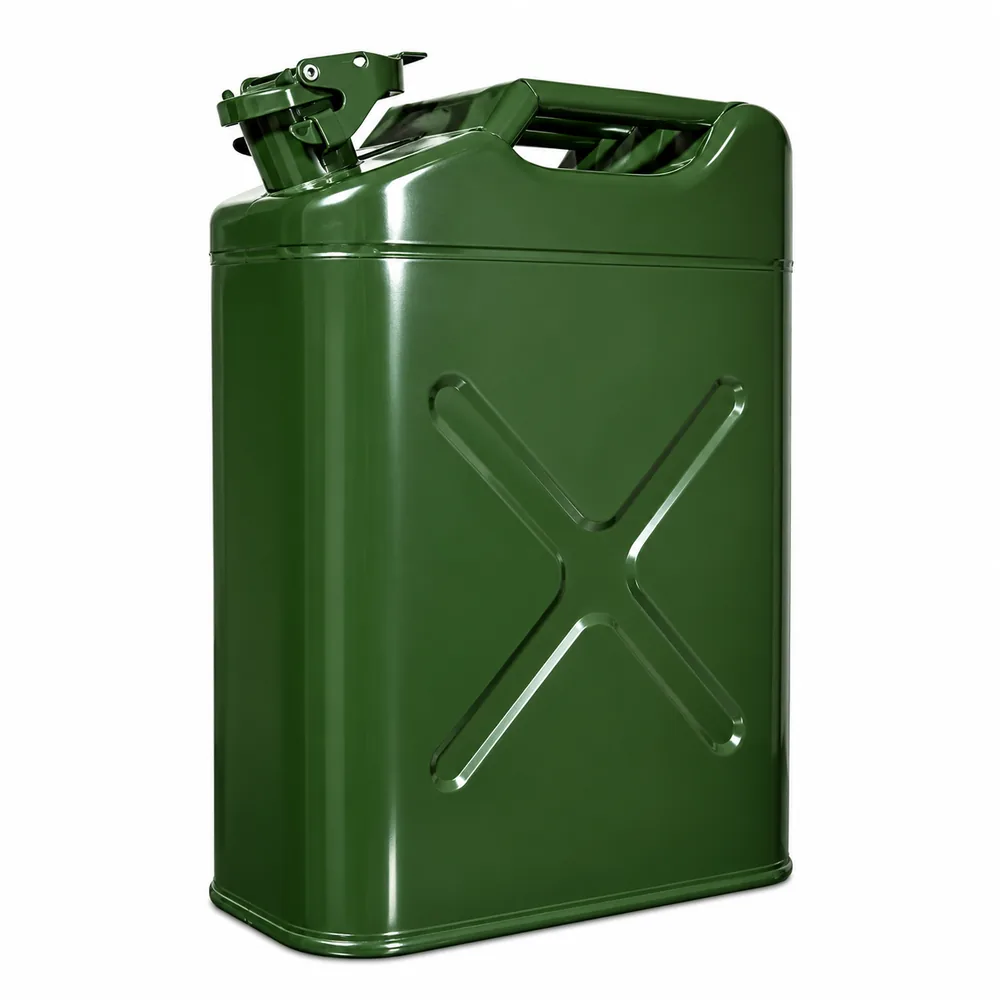 20L NATO規格 スチール燃料缶 20L NATO規格 スチール燃料缶 |
スチールは透過せず、堅牢でUNマーキング付き。 |
| プラスチック容器の燃料 | 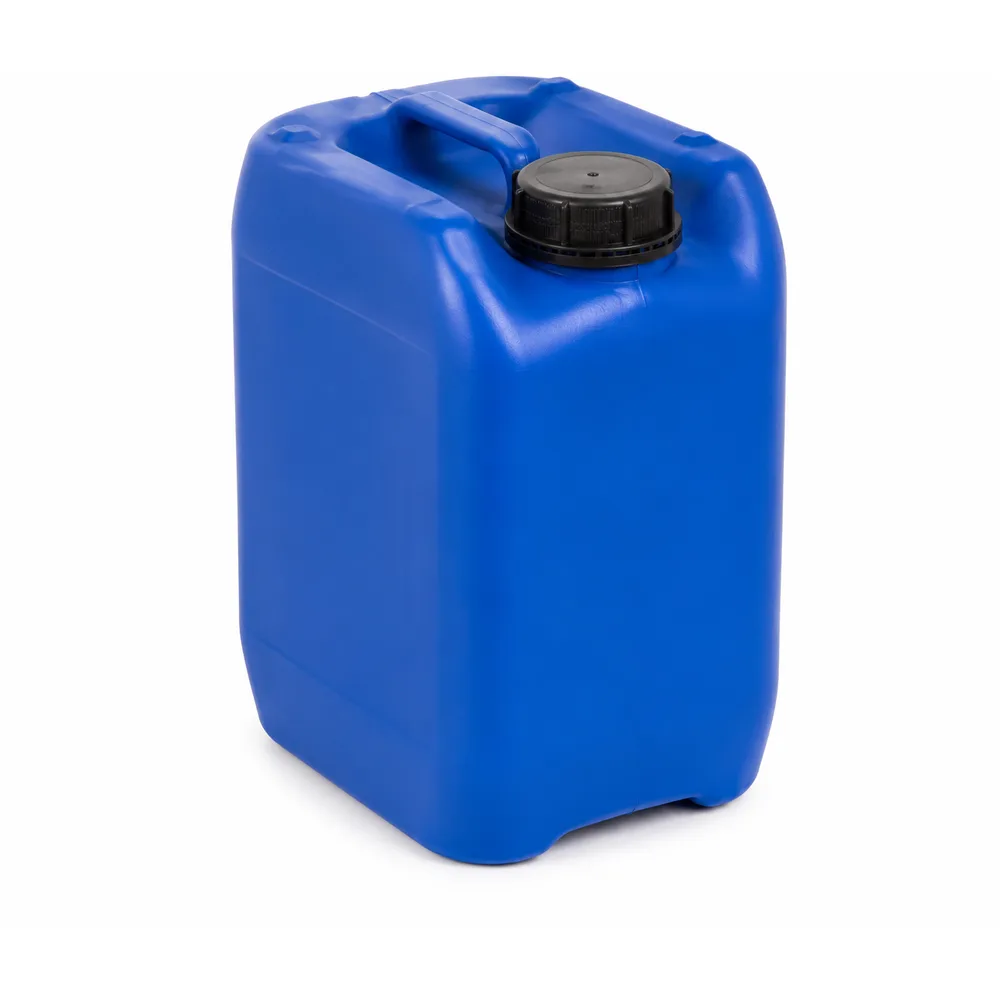 フッ素処理HDPEジェリ缶 フッ素処理HDPEジェリ缶 |
フッ素処理HDPEは透過基準を満たします。 |
| 燃料、平置き | 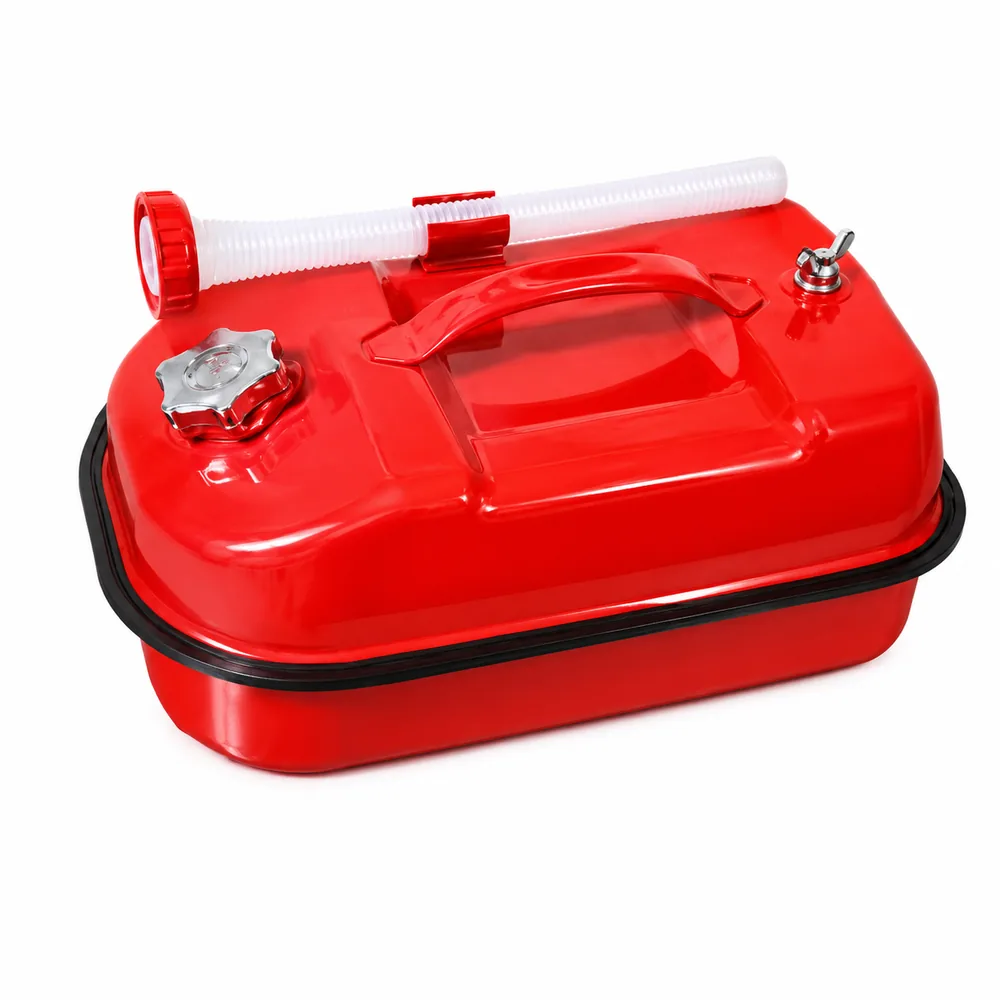 横型 亜鉛メッキ缶 — 5L / 10L / 20L 横型 亜鉛メッキ缶 — 5L / 10L / 20L |
亜鉛メッキ鋼、低背型。 |
| 量・重量・コスト | 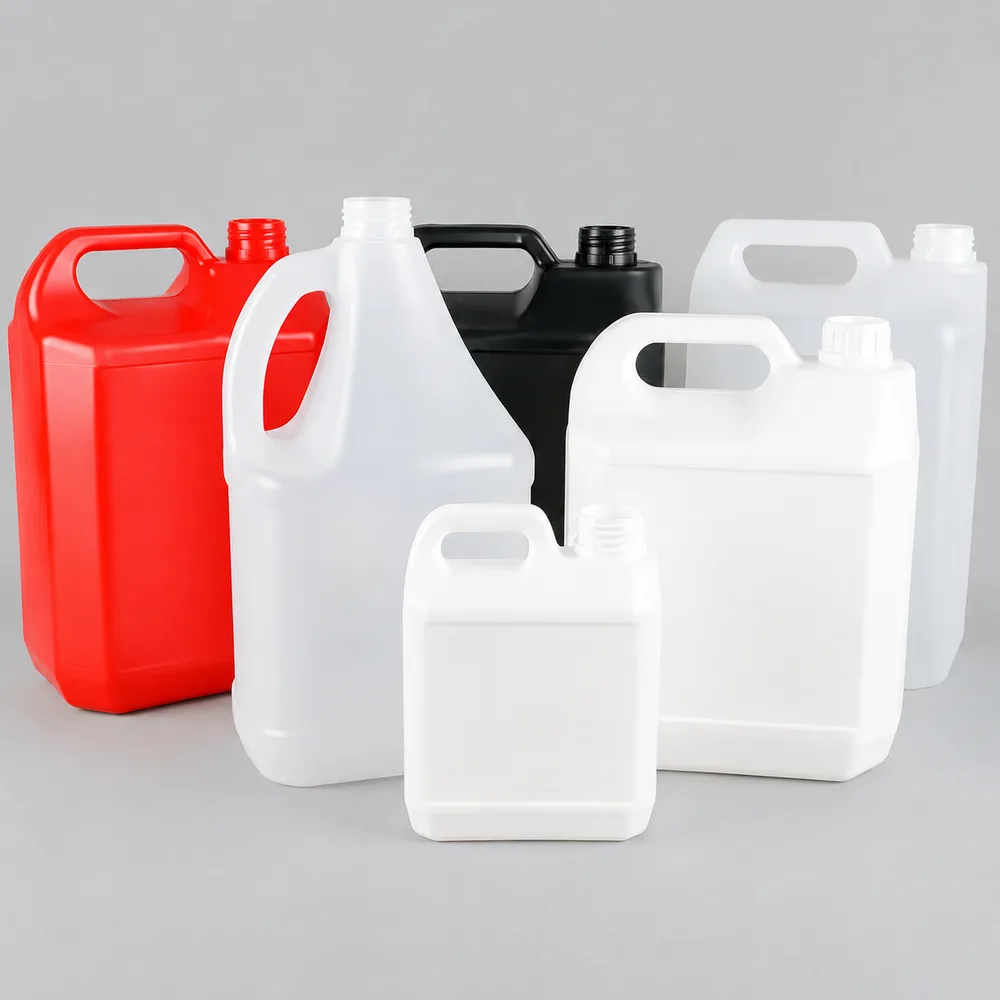 エコノミーHDPEジェリ缶 — 非UN エコノミーHDPEジェリ缶 — 非UN |
より軽く安価な非燃料向けライン。 |
鋼は透過せず、熱と衝撃に耐え、蒸気を失わずにガソリンを長期保管できる。HDPE は軽く安価だが、透過基準を満たすにはフッ素化処理を要する。長期の燃料保管や高温気候には鋼。重量とコストが支配する大量取り扱いには、フッ素化 HDPE である。
フッ素化処理された HDPE、またはバリア層と共押出された HDPE に限る。未処理の HDPE は炭化水素を壁から透過させ、燃料を失い、米国および EU の排出基準を満たさない。缶に UN 3H1 表示と、明示された透過処理レベルがあるかを確認すること。
亜鉛めっきまたは塗装された鋼製缶は、通常の使用で数十年もつ。破綻点は鋼そのものではなく、継ぎ目と底部の塗膜損傷である。再充填のたびに内面塗装を点検し、内部に錆の発生が見える缶は、燃料を汚染するため退役させること。
単価では HDPE のほうが安く着地するが、海上輸送でその差は縮まる。プラスチック缶は入れ子効率が悪く、重量ではなく容積で運賃を払うためである。20 L 形態をフルコンテナ単位で見ると、着地コストの差は工場渡しの差が示すよりはるかに小さい。
本ページが依拠する規格・法令を発行機関へのリンク付きで示す。市場規則を挙げている箇所については、仕様に反映する前に最新版を確認すること。
最終確認日 .