
むき出しのスチールは錆び、錆びた燃料缶は内容物を汚染し、やがて漏れます。スチール容器を何年も使い続けられるのは、内外のコーティングによるものです。
鋼は水分と酸素が金属に達すると腐食する。屋外に置かれ、テールゲート上や洗浄ベイで使われる容器では、無防備な鋼の寿命は短い。保護は任意ではなく、鋼を実用に耐えるものにする要件である。鋼製缶を仕様に定めるとき、実際に定めているのはその被覆であり、そこを決定事項として扱うべきである。
この機構は正確に述べる価値がある。以降のすべての対策を説明するからだ。鉄は水と酸素が届くところでは容易に酸化し、生じる酸化物は多孔質で、表面を封じる代わりに剥がれ落ちる。これがアルミニウムやステンレス鋼との違いである。これらの酸化物は緻密で強固に密着し、数原子層で反応を止める。錆は新しい金属を空気にさらし、材料が尽きるまで過程を進ませる。
したがって鋼を守るとは、2 つのうちどちらかを意味する。水と酸素を近づけないか、腐食にそちらのほうが好ましいものを与えるかである。塗料、粉体塗装、内面ライニングは前者の道をとり、皮膜が破れた瞬間に機能を失う。亜鉛は後者の道をとり、傷が付いた後も働き続ける。どちらの道を使う仕上げかを知れば、その缶が倉庫を出て小突かれ始めたときにどう振る舞うかが正確に分かる。
亜鉛めっきはスチールを亜鉛で覆います。亜鉛は腐食に強く、コーティングが傷ついた箇所では自ら犠牲となって下地のスチールを保護します。耐久性が高くメンテナンスの少ない仕上げで、燃料用途や屋外用途に適しています。亜鉛は食品安全ではないため、亜鉛めっき缶が食品や水ではなく燃料向けである理由でもあります。
同じ語で呼ばれる2つの工程があり、互換ではない。ISO 1461に基づく溶融亜鉛めっきは鋼を溶融亜鉛に浸漬し、通常45 µmから85 µmの厚さで冶金的に結合した皮膜を成長させる。EN 10346に基づく連続溶融亜鉛めっき鋼板はより薄い。Z275という記号は両面合計275 g/m²を意味し、片面あたり約20 µmである。ISO 2081に基づく電気亜鉛めっきはさらに薄く、多くは5 µmから12 µmで、長期の屋外耐久性ではなく、塗装のりのよい極めて均一な表面を得るためのものである。
買い手にとっての実務上の帰結は、亜鉛めっきという語だけでは、使用寿命が 10 倍違う仕上げまで含んでしまうということである。どの処理か、そして付着量はいくらかを尋ね、その答えを鋼種と並べて仕様書に書き込ませること。亜鉛めっきとだけ書かれた見積りは、誰かに責任を負わせられる情報を何も伝えていない。Z275 の鋼板と溶融亜鉛めっき仕上げの差が価格に表れるのには理由がある。
亜鉛は鋼よりも優先して腐食する。亜鉛めっき面に傷を付けると、傷の周囲の亜鉛が自らの金属を犠牲にし、露出した鋼を錆から守る。技術者はこれをカソード防食(犠牲防食)と呼び、これが亜鉛めっき缶が日常の取り扱いでつく擦り傷をものともしない理由である。塗装は逆の挙動を示す。塗装パネルが欠けると素地の鋼が露出し、ただちに錆び始め、錆が塗膜の下へと進行する。この挙動の差は、引きずられ、積み重ねられ、ぶつけられる缶で最も重要になる。
その背後の電気化学は、確認できる程度に単純である。亜鉛は標準電位で約−0.76 Vに位置し、鉄の−0.44 Vに対する値であるから、両方の金属が濡れて接続されていれば、溶け出すのは亜鉛のほうである。保護は露出部を横方向に及ぶ。だから幅数ミリメートルの傷は清浄なまま保たれ、その両側の亜鉛がゆっくり身を削る。損傷部の上を何かが流れる必要も、封じる必要もない。反応が侵食する相手として、鋼はそもそも適していないというだけである。
限界は、犠牲防食が機能する過程で消費されることであり、皮膜には計算可能な寿命がある。ISO 9223は亜鉛の減耗を、通常の都市大気でおよそ年0.7から2.1 µm、沿岸または工業地域で2.1から4.2、塩の飛沫が絶えない環境で4.2から8.4としている。これを上記の付着量に当てはめると、沿岸地域ではZ275の板材仕上げが数年であるのに対し、溶融亜鉛めっきの皮膜は数十年もつ。この1つの計算が、指定すべき仕上げを決めるべきである。以下の図表がそれを展開している。
塗装または粉体塗装された本体は、耐食性と色を加える。RAL色への粉体塗装は耐久性の高い選択肢であり、これが プライベートブランドの鋼製缶 が自社カラーをまとう方法である。被覆は保護とブランド化を一度に行う。粉体は湿式塗装よりも厚く硬い膜として密着するため、腐食の起点となる欠けに強く、缶に自社名を冠する場合の賢明な選択肢となる。
その背後の数字は膜厚と密着性である。粉体は1回のパスで約60 µmから80 µmに硬化するのに対し、溶剤塗装は25 µmから40 µmに近い。硬化した膜は溶剤乾燥型ではなく架橋した熱硬化型であるから、衝撃を受けたときに砕けるのではなく変形して受け止める。ただし膜が留まるかどうかを決めるのは、その下の前処理である。脱脂、リン酸塩処理、水洗を適切に行えば膜は何年も保つ。コスト削減のために工程を1つ省けば、最初の飛び石で膜ごと剥がれる。
亜鉛の上に粉体塗装を施すと、2 つの合計を超える効果が得られる。塗膜が亜鉛への水の接触を抑えるので亜鉛の消耗は遅くなり、亜鉛は塗膜が欠けた箇所で錆が下に潜り込むのを止める。EN ISO 12944 はこの組合せを複合系(デュプレックスシステム)として扱い、2 つの塗膜の寿命を単純に足した値のおよそ 1.5 倍から 2 倍を認めている。 プライベートブランド缶 自社指定色を沿岸市場へ持ち込む場合、これが仕様書に記載すべき内容である。
内面は外面と同じく重要であり、両者は別々の仕事である。亜鉛めっきや粉体塗装は外面を守り、内面には独自のライニングが必要で、燃料缶には両方が要る。炭化水素用途の内面被覆は燃料缶の内側を保護し、内容物に合わせて仕様が定められ、一律に適用されるものではない。一方の仕上げが他方の代わりにはならない。安価な缶で最も多い不具合は内面の誤りである。外殻は健全に見えても、燃料が見えない壁を侵しているためである。
だからこそ内面は、問い合わせの段階で「ライニングは何で、どのように施工されているか」という形の、それ自体独立した質問に値する。系統名と膜厚を示した回答は答えである。「塗装済み」は答えではない。この区別が重要なのは、安い缶で費用が静かに削られるのが内面塗膜だからだ。外側は見た目を担い、内側は使用寿命を担う。そしてサンプルで見えるのは一方だけである。
被覆は端部、溶接部、口首で最も薄くなる。膜が鋭い角や溶接ビードから後退するためであり、こうした箇所が最初に錆びる。平らなパネルより先にそこを確認する。被覆鋼は保管中は乾いた状態に保ち、使用の合間に欠けと腐食を点検する。使用後は塩分と泥を洗い流し、しまう前に缶を乾かす。わずかな被覆補修が缶の寿命を延ばす。放置すれば、欠けは錆点となり、やがて漏れになる。欠けが欠けのうちに補修する。
亜鉛めっき鋼の補修には通常の塗料ではなくジンクリッチペイントを使うこと。補修は傷を覆うだけでなく、犠牲防食を回復させなければならないからだ。亜鉛めっき本体の露出した鋼に通常の上塗りを施すと、すでに亜鉛が失われているまさにその箇所で水分を金属に閉じ込める。見た目のきれいな補修が、手を加えていない欠けよりも早く腐食しうるのはこのためである。
二つの誤りが良い缶を台無しにする。一つ目は、亜鉛めっきまたは被覆鋼製缶に飲料水や食品を入れることである。亜鉛と被覆はもともと食品安全ではない。水用缶には食品接触仕様が必要であり、詳細は 食品接触および水認証で扱う。二つ目は、内面仕様を無視し、燃料に錆が生じてしまうことである。被覆を内容物に合わせれば、どちらも起きない。
優れた買い手が引っかかるのは、最初の仕様が誤っていた場合ではなく、缶が用途をまたいで移された場合である。水用に買った容器に後から溶剤を入れれば、その内面は買った目的には完全に正しく、いま担っている仕事には誤っている。缶は誰かが思い出した時点ではなく、使用に入る時点で内容物ごとに表示すること。仕様を壊すのは購入ではなく、用途の変更だからだ。
防食が負担になる場合、ステンレス鋼とHDPEはそれを完全に回避します。詳しくは以下をご覧ください。 スチール vs HDPE および ステンレス304 vs 316.
これらはいずれも、塗膜の問題を完全に取り除くのではなく、別の問題と交換する。ステンレスはライナーをなくす代わりに、塩化物による孔食の問題と高い価格をもたらす。HDPE は腐食を完全になくす代わりに、透過と危険物 5 年の使用期限をもたらす。塗装鋼は両方の問題を抱えたまま、3 つの中で最も安く最も丈夫な本体である。ここに代償のない選択肢はない。あるのは、自社の使用条件ではその代償に行き当たらない選択肢だけである。
Fortitude21は燃料用に鋼製缶を亜鉛めっきし、プライベートブランドのロットではRAL色に粉体塗装し、内面ライニングを缶が入れる内容物に合わせて仕様化する。内容物と缶の使用環境をお知らせいただければ、その用途に合わせて内外の被覆を最適化する。
被覆は内容物と曝露環境に従う。以下が当社の構成案である。
| 用途 | おすすめの缶 | 選ぶ理由 |
|---|---|---|
| 屋外燃料用途向けの亜鉛めっき | 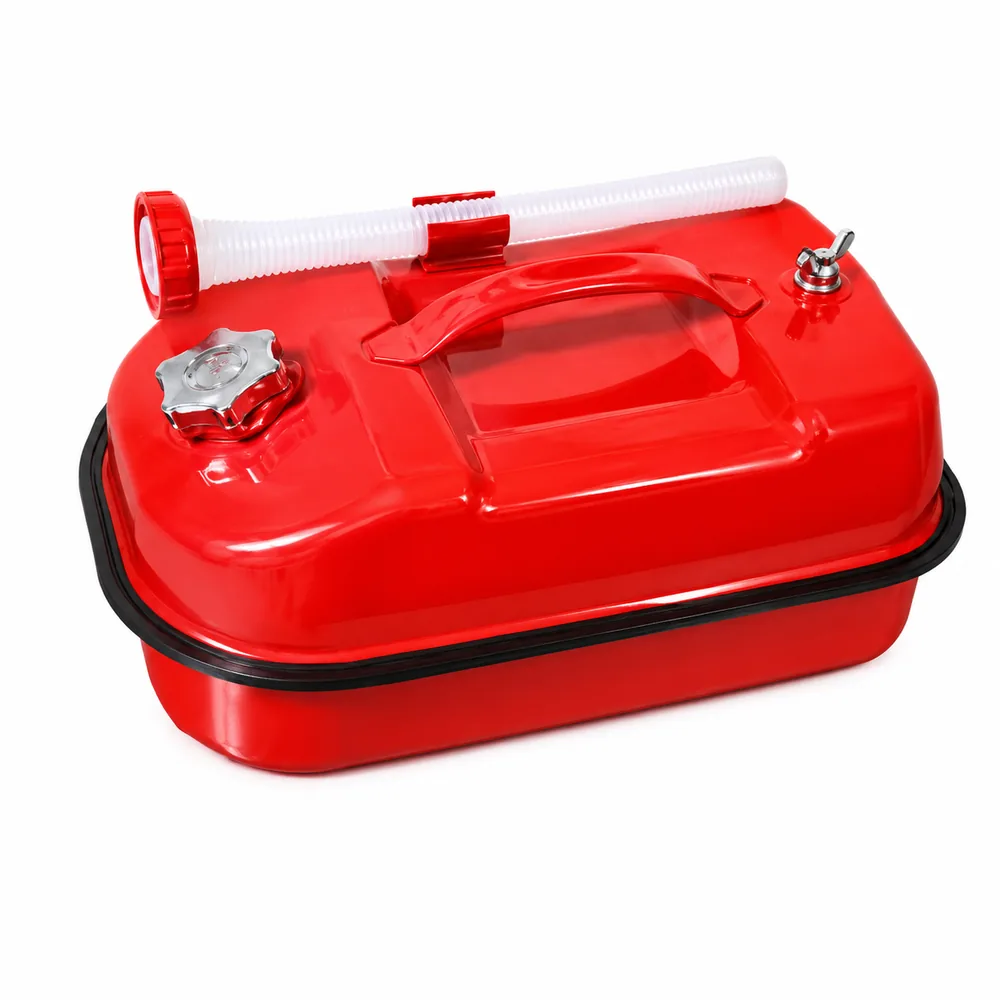 横型 亜鉛メッキ缶 — 5L / 10L / 20L 横型 亜鉛メッキ缶 — 5L / 10L / 20L |
犠牲亜鉛が錆と擦り傷に耐える。 |
| 被覆鋼製燃料缶 | 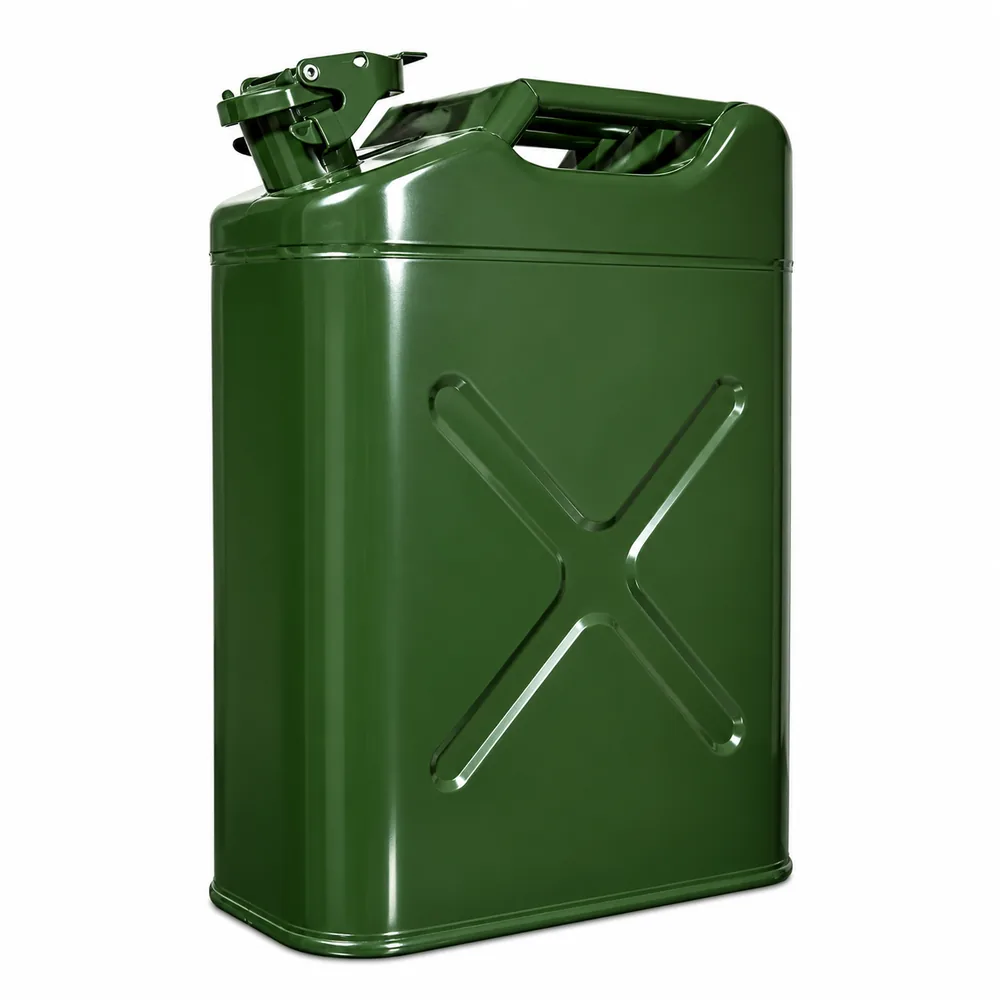 20L NATO規格 スチール燃料缶 20L NATO規格 スチール燃料缶 |
外面は亜鉛めっき、内面は炭化水素用ライニング。 |
| 維持すべき被覆なし | 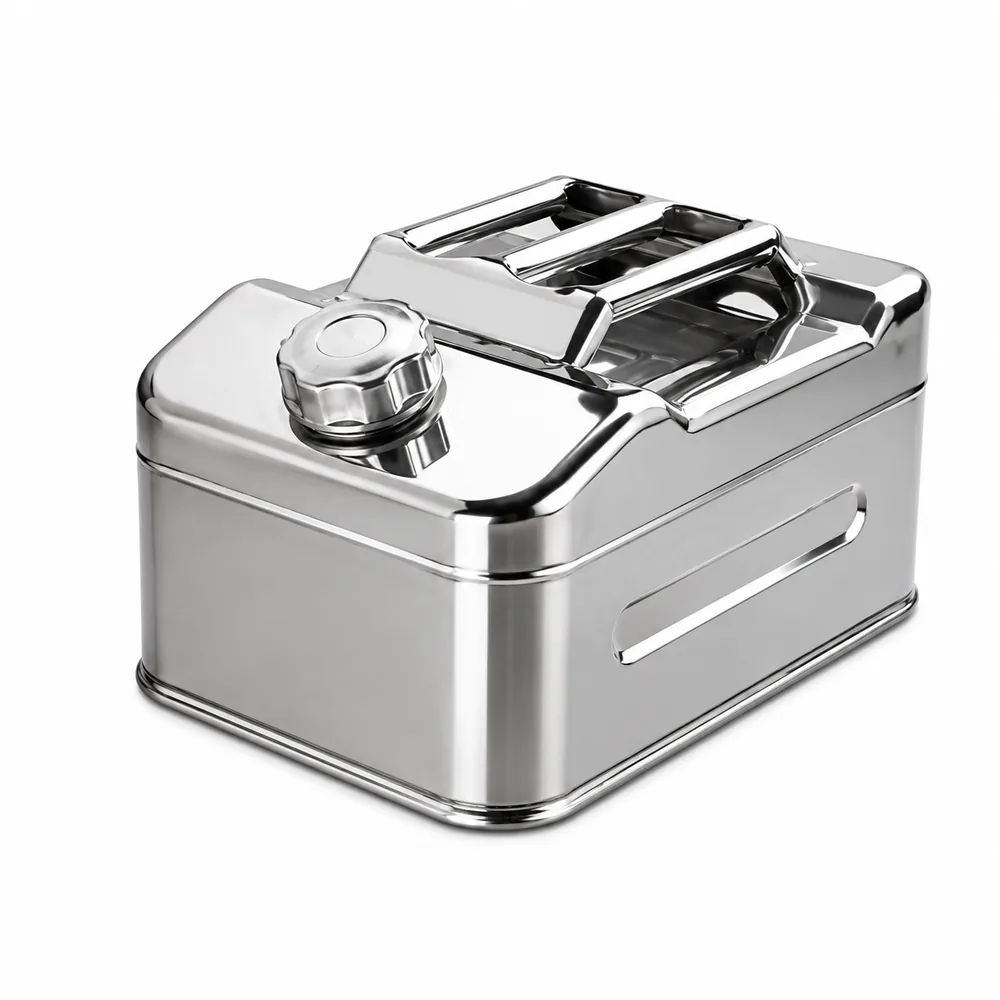 ステンレス NATO規格缶 — 10L / 20L ステンレス NATO規格缶 — 10L / 20L |
ステンレスは腐食問題を完全に回避する。 |
| 亜鉛が不適な水用途 | 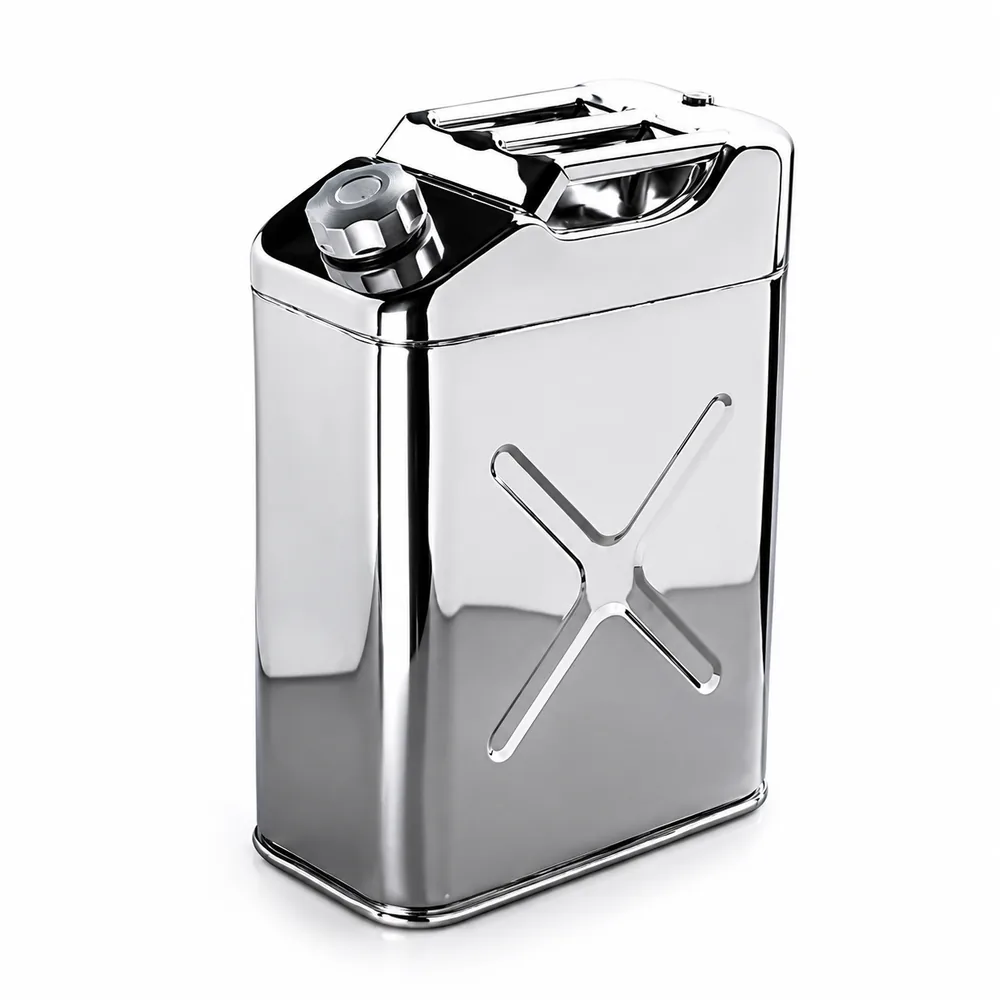 20L ステンレス給水缶 20L ステンレス給水缶 |
AISI 304ステンレス、接液部全体が食品グレード。 |
溶融亜鉛めっきは鋼を溶融亜鉛に浸漬し、厚く冶金的に結合した皮膜を形成するため、屋外での寿命がはるかに長い。電気亜鉛めっきは薄く均一な亜鉛層を電気的に析出させ、塗装下地としては優れるが耐食寿命は大きく劣る。現場で使うジェリカンには、溶融亜鉛めっきか同等の付着量が必要である。
いいえ。ステンレスは自らの不動態酸化クロム皮膜によって腐食に抵抗し、この皮膜は傷ついても自己修復する。それが塗装鋼板に対する実務上の利点である。塗装缶の深い傷は錆の起点になるが、ステンレスでは同じ傷が何も引き起こさない。
底部に水がたまり、内面塗装の点検が最も難しい場所だからである。温度変化による結露や、エタノール混合燃料が吸収した水は燃料の下に沈み、塗膜の欠陥を攻める。缶を満量で保管すること、そして長期保管の前に完全に排出することは、どちらもこれを減らす。
本ページが依拠する規格・法令を発行機関へのリンク付きで示す。市場規則を挙げている箇所については、仕様に反映する前に最新版を確認すること。
最終確認日 .