
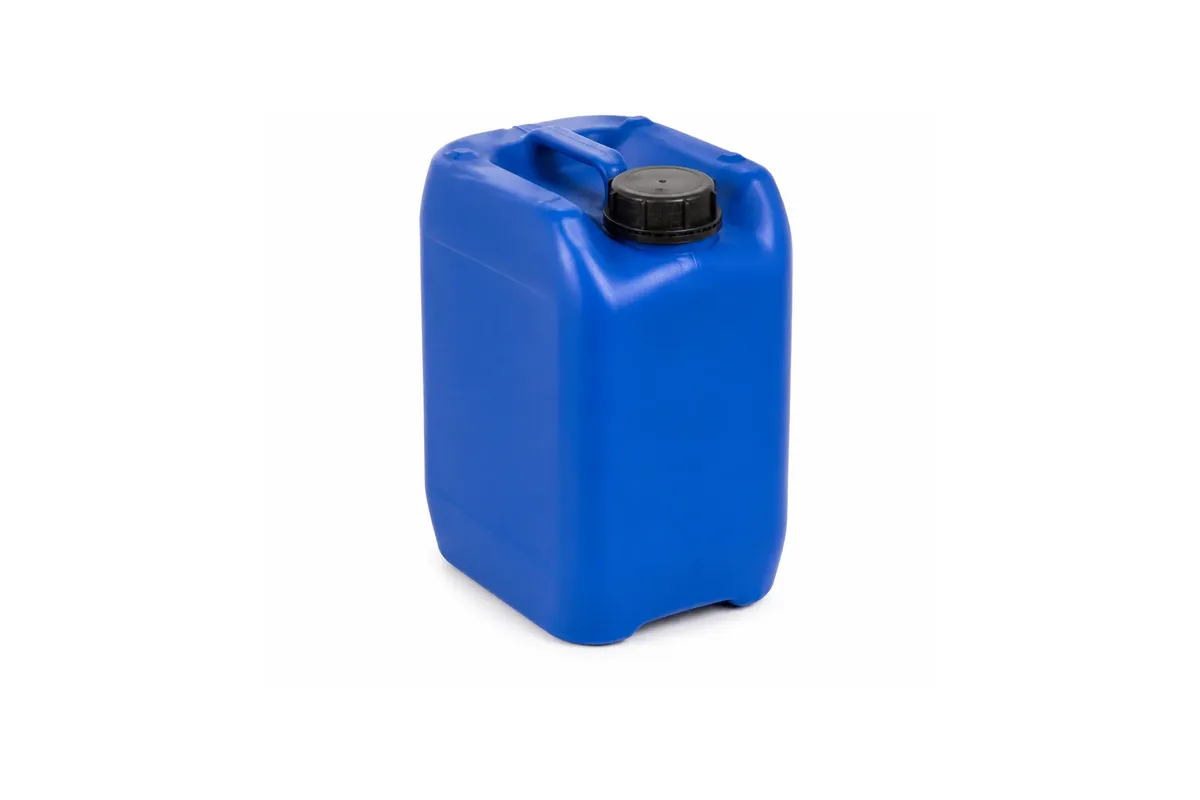
HDPEといっても缶はさまざまです。グレード、肉厚、そしてフッ素化処理と呼ばれる表面処理が、プラスチック容器が燃料・強い化学品・食品のいずれを収容できるかを決定します。
高密度ポリエチレンは、壁厚を管理しながらブロー成形され、継ぎ目のない容器になる。本体は一体で成形されるため、圧力や落下で裂ける継ぎ目がない。多くの薬品に耐え、腐食せず、軽量かつ低コストである。壁厚が構造的な荷重を担う。これによりUN認証を取得し、満缶でも潰れずに段積みできる。UN認証のHDPEジェリカンは、細口には3H1、広口には3H2のコードを持ち、 UN包装コード は、その缶が何を収容する試験を受けたかを記録する。
首部コードが、缶の充填と排出のしかたを決める。3H1の細口は、きれいで制御された流れで注ぎ、しっかり密封するため、さらさらした液体や慎重な小分けに向く。3H2の広口は上部全体が開く。細口を通らない濃い液体や粘性の高い液体、また充填の合間にすくう、計量する、洗浄する必要があるものにはこちらを選ぶ。
ネックはその缶にどんな付属品が存在するかも決め、これは購入後に効いてくる制約である。細口はねじキャップ、ねじ込み式の蛇口、標準化された寸法系列の注ぎ口を受け入れるので、何年後でも交換品が見つかる。広口は蓋とクランプを受け入れ、部品ははるかに機種固有になる。広口を選ぶのは中身がそれを要求するときであって、単に便利そうに思えるときではない。便利さは充填時にあり、コストはその後のあらゆる補給時にあるからである。
未処理の HDPE は、揮発性炭化水素に対してスポンジのようにふるまう。燃料成分がポリマー母材に溶け込み、壁の中を移動し、外面から蒸発する。したがって密閉した缶は、キャップを閉じ、どこも漏れていないのに容量を失う。壁厚にもよるが、単層の未処理 HDPE は 10 から 30 g/m²/day を失う。溶剤の中にはさらに進んで壁を膨潤させるものもあり、そうなると面が柔らかくなり、積み重ねた缶が傾く。
規制当局はこれに数値を定めた。同義のように引用される2つの値は測定対象が異なるため、区別しておく必要がある。 容器単位 これらの規制は缶を販売してよいかどうかを決め、容量 1 ガロン当たりで規定される。EPA 40 CFR 59 Subpart F は日変化による通気と透過の合計を 0.3 g/gal/day に、CARB 13 CCR 2467.2 は透過を 0.4 g/gal/day に制限している。一方、 材料単位 の基準値は壁構造を評価するもので、表面積1平方メートル当たりで規定される: 一定の 28 °C で 0.30 g/m²/日。
どちらも重要であり、互換ではない。容器規格は、Executive Orderや認証がそれに対して発行される対象であり、材料閾値は、ある壁構造がそもそもそこへ到達しうるかを成形業者に伝えるものである。本ガイドで以降に述べる数値はすべて平方メートルあたりで示す。フッ素処理と共押出はそのレベルで選択されるからである。未処理のHDPEは材料閾値をおよそ2桁分外しており、だからこそ内壁の処理は品質上の好みではなく認証上の問題である。当社の EPAおよびCARBのガイド が容器レベルの要件を扱っている。
試験手順は時間がかかる。上市を計画する前に知っておく価値がある。容器には認証燃料、通常はベンチマークガソリン 90 % にエタノール 10 % を加えた CE10 を充填し、その後、意味のある測定が始まる前に壁が定常状態の飽和に達するまで、最低 140 日保持する。透過試験のプログラムは暦の上で 5 か月の拘束であり、追加の費用で短縮することはできない。
以上は水にも大半の工業用薬品にも当てはまらない。同じ胴体が処理あり・処理なしの両方で出荷されるのはそのためである。無処理のHDPEは、水、洗剤、そして数多くの水性薬品に対して正しく、しかも安価な答えである。ガソリンに対しては誤った答えであり、その失敗は缶を秤に載せるまで見えない。
フッ素化は内面をフッ素ガスにさらし、ポリエチレン鎖の水素をフッ素原子に置換する。その結果できるのは、上に乗った被膜ではなく、壁に化学的にグラフトされた炭素・フッ素の皮膜である。フッ素は小さく、電気陰性度が高く、緻密に詰まるので、処理層は下地の HDPE より炭化水素の拡散係数がはるかに低い。バリアの深さは数マイクロメートルで、重量は増えず、外形寸法も変わらない。
既存の分子に対する化学的変化であって塗膜ではないため、剥離するものが存在しない。ガスは充満できる内面のすべてに到達するので、ハンドル、きつい曲率、ジェリカンの肩部まわりの扱いにくい形状も、平面パネルと同じように均一に処理される。処理は、ブロー成形中にガスを導入するインモールド方式か、真空チャンバー内でのバッチ工程として行うポストモールド方式のいずれかで実施し、最も深く最も均一な層が得られるのはポストモールド方式である。
フッ素化は水準で売られ、慣例として 1 から 5 まであり、水準が置換の深さと完全性を決める。これは高いほど単純に良いという品質の階段ではない。各段は内容物の種類ごとに価格が付けられ仕様化されており、家庭用洗剤を入れるために水準 5 を払うのは、ガソリンに水準 1 を指定して生産ロットを無駄にするのと同じ形の浪費である。
レベル1はごくわずかしか置換せず、帯電防止処理と同程度の働きで、香料、エッセンシャルオイル、軽度の洗浄剤における軽微な風味と臭気の移行を抑える。レベル2と3は表面の水素の一部をカーボンモノフルオリド基へ変換し、自動車用添加剤、軽度の脱脂剤、農薬に対応する。レベル4はより緻密になり、より小さな芳香族分子の拡散速度を下げる。これが炭化水素系溶剤、塗料シンナー、テルペン、腐食性の強い作物油向けの段階である。レベル5は置換を連続的なPTFE様のジフルオロカーボン表面に近いところまで進め、未処理HDPEに対して透過を最大1000分の1まで下げる。高純度ガソリン、キシレン、トルエン、アセトン、揮発性の危険物はここに属する。
各段階を 0.30 g/m²/day のバリアしきい値と並べると、構図は明快である。水準 3 は 1.5 から 2.5 g/m²/day 前後に収まる。工業用界面活性剤や農業用オイルには十分だが、エタノール混合燃料の基準には明確に不合格である。水準 5 は 0.15 から 0.25 g/m²/day に収まり、余裕をもって合格する。この 2 つの段階の間に、燃料認証に持ち込める壁構造とそうでない壁構造の差のすべてがある。
そのため当社は見積もり前に液体の種類をお伺いします。物質、充填温度、仕向け市場をお知らせいただければ、それに合わせて水準を指定します。参照: フッ素処理HDPEジェリカン であり、処理を施した本体に対して適用される。レベルを明示せずにフッ素処理済みとだけ記載した見積りは、この問いに答えていない。
同じ結果に至る第二の経路がある。表面を処理する代わりに、共押出の壁は障壁を構造そのものに組み込む。典型的には 6 層で、エチレンビニルアルコールまたはポリアミドを構造材の HDPE で挟み、接着タイ層で結合する。EVOH は炭化水素に対する気体拡散係数が入手可能なものの中で最も低い部類にあり、共押出壁は 0.05 から 0.12 g/m²/day に収まる。ここに挙げた選択肢の中で文句なく最良の数値である。
トレードオフは他のほぼすべての軸で逆に働く。共押出にはマルチマニホールドヘッド、複数の押出機、層厚制御が必要であり、金型と設備の費用は高く、この工程は標準的な単層ブロー成形機では利用できない。ハンドル部と底部シームのピンチオフが内部のEVOH層を引き伸ばしたり裂いたりして、落下試験で荷重がかかるまさにその位置に薄い箇所を作りうる。接着層の密着不良や粉砕再生材の混入は、衝撃で層を剥離させうる。フッ素処理にはこうした破損モードがなく、複雑な形状も均一に処理し、標準的な金型で流せる。だからジェリカンという形式に限れば、フッ素処理が主流である。
リサイクル性はわずかに共押出に有利だが、どちらの経路もきれいではない。フッ素化されたポリマーは通常の溶融再生処理中に微量の有毒ガスを放出しうるほか、標準的なリサイクル流を劣化させる。EVOH 層を構造用 HDPE スクラップに戻すには相溶化剤が必要である。買い手が再生材含有率や使用済み後の扱いを問うてくるとき、その拠り所となるのが EU包装規則。この点は仕様のなかで最も変化が速い部分なので、早い段階で提起すること。
ブロー成形容器は軟らかいポリマーのチューブを膨らませて作るため、材料が最も遠くまで移動した箇所で壁が薄くなる。角部、底部の R、肩部は平面部より系統的に薄く、この分布は欠陥ではなく設計上の帰結である。
これが重要なのは、UN承認が特定の肉厚分布を持つ設計に対して、重量測定と断面確認によって検証されたうえで与えられたからである。樹脂を節約するためにショット重量を下げると、まさに落下試験で着地する角の部分が薄くなる。目視検査には合格する缶が、承認の根拠となった試験には落ちることがある。
バイヤーにとって有効な代理指標は単重である。前回より急に軽くなったジェリカンは値打ち品ではなく、別設計である。UNマーク付きの製品ラインであれば、それは事故が起きた後ではなく次回発注の前に問うべき事項である。
食品グレードのHDPEは、食品接触の書類を備えた認可樹脂で作られる。樹脂と書類こそが適格性を与えるため、標準の缶が自動的に食品グレードとみなされることはない。当社の 食品グレードHDPEジェリカン は、その書類を添えて出荷する。帯電防止HDPEは静電気を放散し、これは可燃性液体を小分けする際に、適切な接地とボンディングの手順の一環として重要になる。このグレードはカーボンを添加しているため、電荷が壁にたまらずに逃げていく。ボンディングと接地を補助するものであり、それらを代替しない。詳しくは 帯電防止HDPEジェリカンを参照。グレードは液体と危険性に合わせる。
プラスチック製ジェリカンのUN承認は、ASTM D5276 に記載された方法で行う自由落下試験によって判定される。容器を充填し、前処理したうえで、定められた高さから剛性のある不撓の面に落下させる。落下は、継ぎ目と閉栓部に荷重がかかる各姿勢で繰り返される。判定は合否のみで、部分点はない。
プラスチックには、金属にはない追加の条件が課される。充填した容器は落下前に −18 °C 以下に調温される。ポリエチレンは冷えると硬くなり衝撃靭性を失うため、暖かい作業場では耐えた壁が、寒い荷役場で割れることがあるからだ。この 1 つの要件ゆえに、寒冷地市場は薄くなった角部に容赦がなく、リピート発注で注視すべき代替指標が単位重量になる。
落下高さは容器等級から決まり、容器等級は内容物の危険度によって定まる。容器等級 I は 1.8 メートル、等級 II は 1.2 メートル、等級 III は 0.8 メートルから落下させる。逆に、高さを読み取れる先は次のものである: UN包装コード その設計が何に対して証明されたのかが分かる。同じ表示のより安価な缶を提示されたとき、意味を持つのはこの数値である。
合格とは、衝撃後に胴体または閉栓システムのいずれからも、構造的な亀裂がなく、破裂がなく、漏れがないことを意味する。キャップからのにじみは、継ぎ目の裂けとまったく同じく不合格として扱われる。閉栓部が別途購入する付属品ではなく承認の一部である理由はここにある。関連する当社の解説はこちら: 危険物輸送 が試験体系の残りの部分を解説している。
プラスチック製ジェリカンを ASTM B117 の中性塩水噴霧、35 °C・塩化ナトリウム 5 % にかけても、何も起きない。鋼缶の屋外寿命を定義するその試験のもとで、HDPE は腐食も劣化もしない。消費される塗膜も、尽きる犠牲層も、反応の起点となる傷もない。したがって沿岸のヤードにあるプラスチック缶の寿命を決めるのは紫外線曝露と内容物であって、塩分ではない。
それが鋼に対するプラスチックの正直な利点であり、最初に聞こえるより狭い利点である。透過には何の効果もなく、低温での衝撃強度にも、積み重ね荷重にも何の効果もない。比較の対象に置くべきは 亜鉛めっき鋼製缶。比較は結局、貴社の運用が実際に直面する破損モードが塩害か溶剤かに帰着する。
HDPEは長期の日射で劣化する。紫外線は何年もかけてポリマーに作用するため、屋外で保管する缶が強度を保つには、適切な顔料とUV安定剤が必要になる。屋内ではほとんど問題にならない。野外、ヤード、船舶での使用には、無着色の半透明の壁ではなく、着色し安定化した壁を指定する。
繰り返される誤りが二つある。一つ目は、透過限界を通るのはフッ素処理された壁だけなのに、無処理のHDPEに燃料を入れて保つと信じることである。二つ目は、見た目がきれいだからといって、どのHDPE缶も食品グレードだと思い込むことである。どちらも成り立たない。缶が何を運べるかは、グレードとその書類が決める。
どちらの誤りも根は同じで、HDPE を単一の材料として扱っていることである。HDPE は一族である。ブロー成形グレードは分子量と耐環境応力き裂性が異なり、食品接触は樹脂と添加剤パッケージの組合せで決まり、静電対策はカーボン配合の変種であり、フッ素化は後工程で選んだ水準に応じて施す表面処理である。HDPE とだけ書いた仕様は、ポリマーを指名しただけで、缶が何を保持できるかを実際に決める 4 つの判断のいずれにも触れていない。
当社の HDPEシリーズ はフッ素化処理・食品グレード・帯電防止・広口の各缶を網羅しています。液体をお知らせいただければ、グレード、肉厚、フッ素化処理の要否を当社が仕様設定します。
グレードと処理は液体に従う。以下がHDPEラインナップである。
| 用途 | おすすめの缶 | 選ぶ理由 |
|---|---|---|
| 燃料と攻撃性の高い溶剤 | 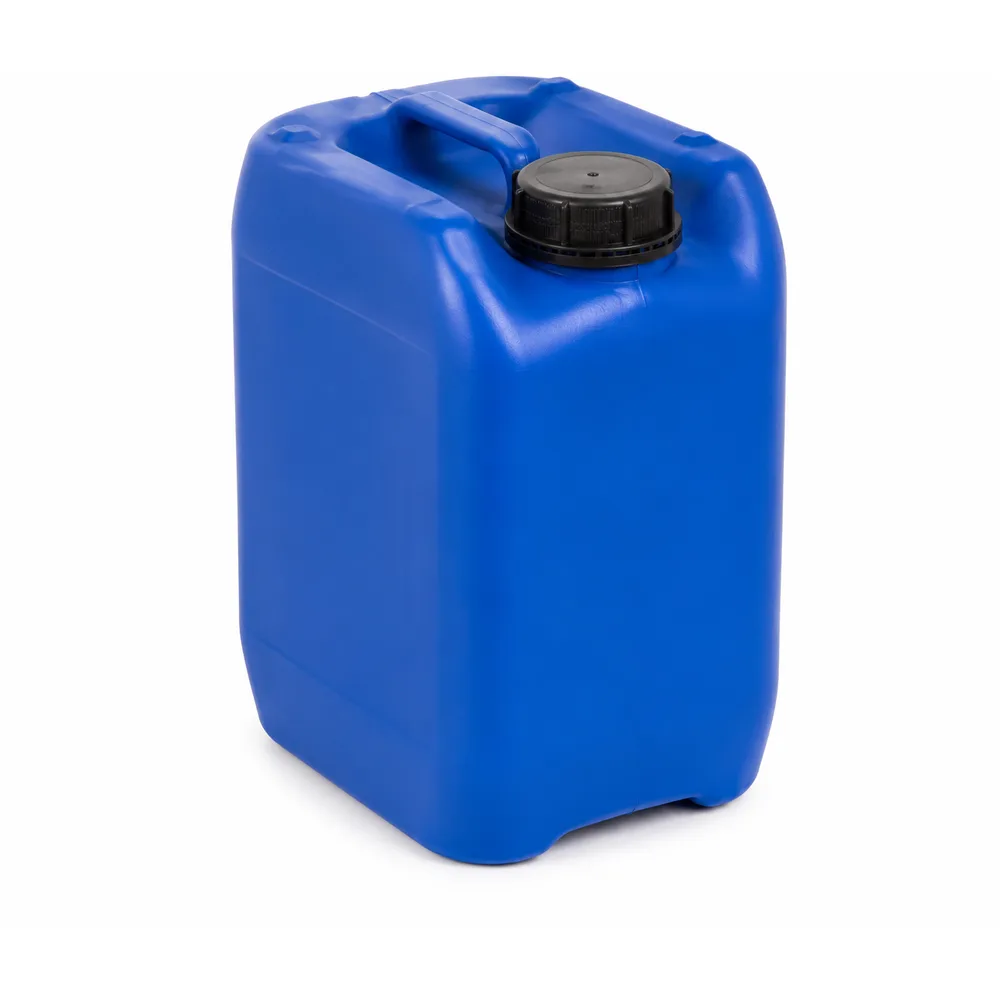 フッ素処理HDPEジェリ缶 フッ素処理HDPEジェリ缶 |
フッ素処理バリアが透過を制御する。 |
| 食品および飲用液体 | 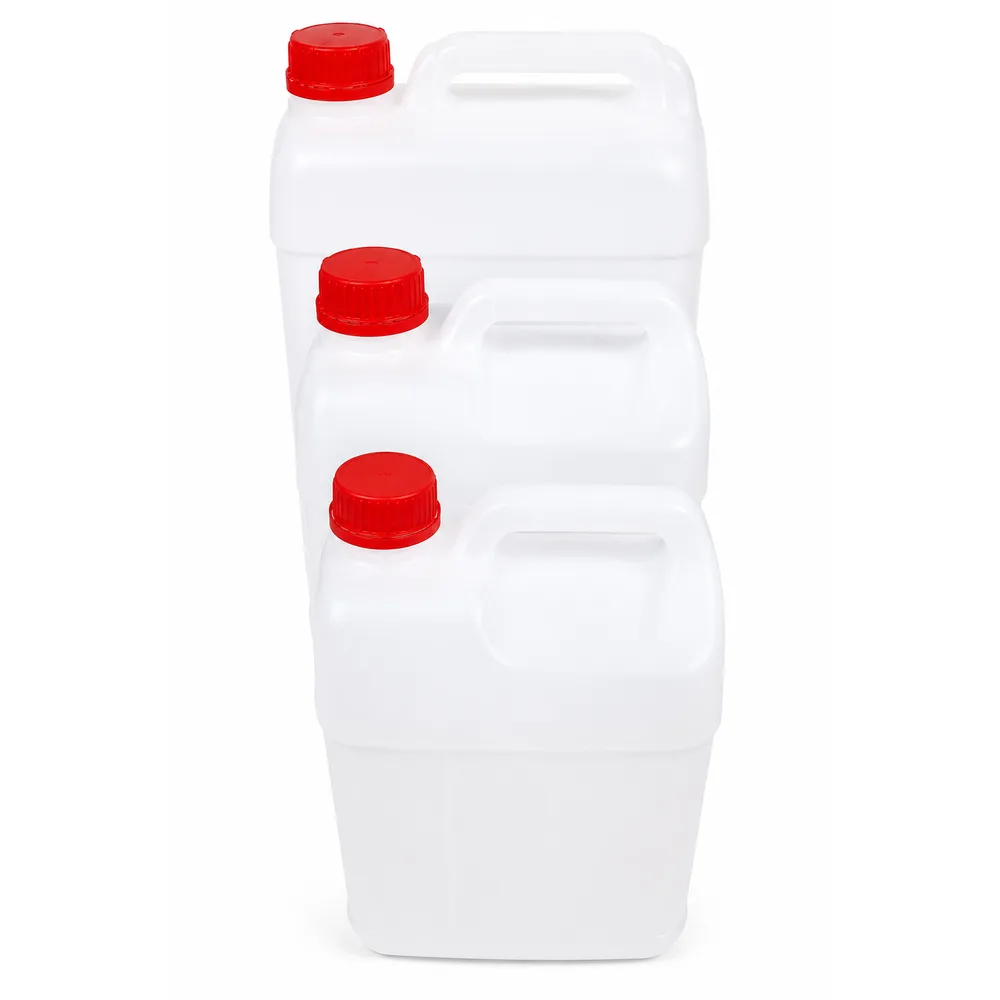 食品グレードHDPEジェリ缶 食品グレードHDPEジェリ缶 |
書類を備えた食品接触樹脂。 |
| 可燃性液体の小分け | 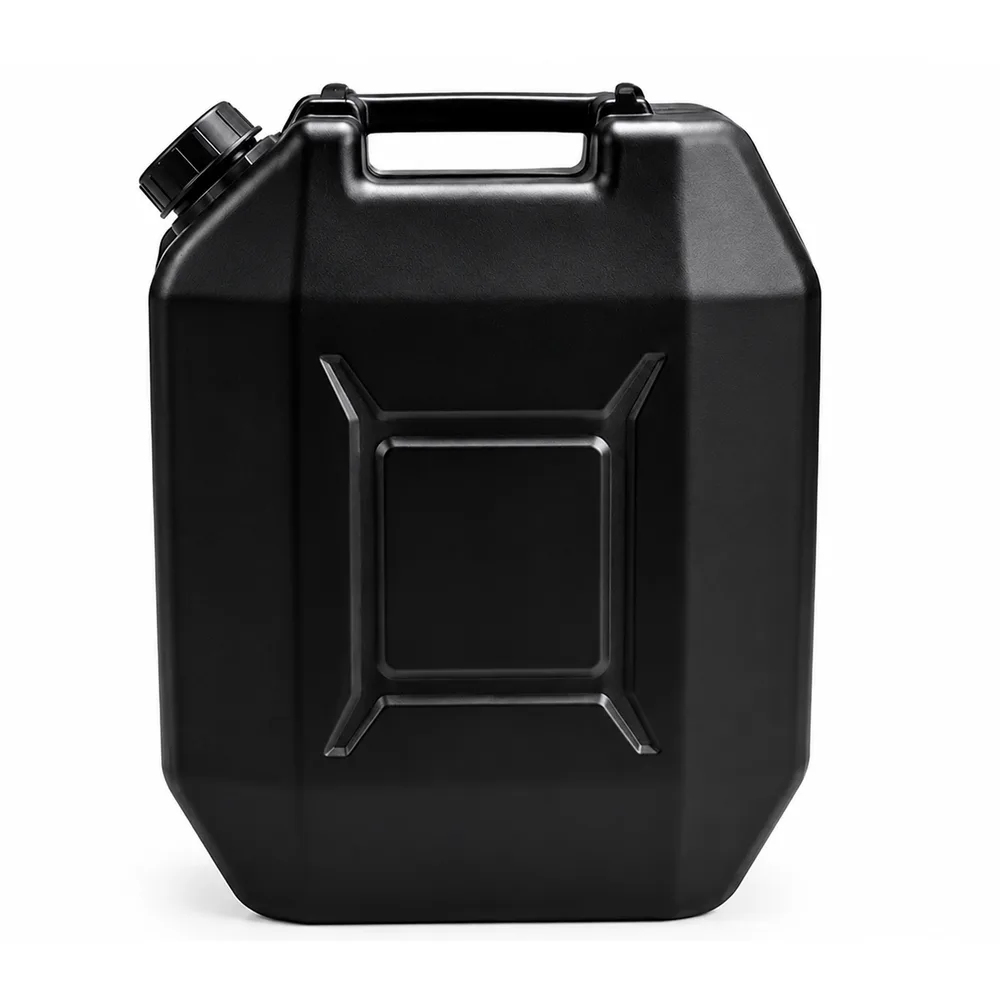 静電気対策HDPEジェリ缶 静電気対策HDPEジェリ缶 |
静電気を放散するカーボン添加。 |
| 濃い、または粘性の高い液体 | 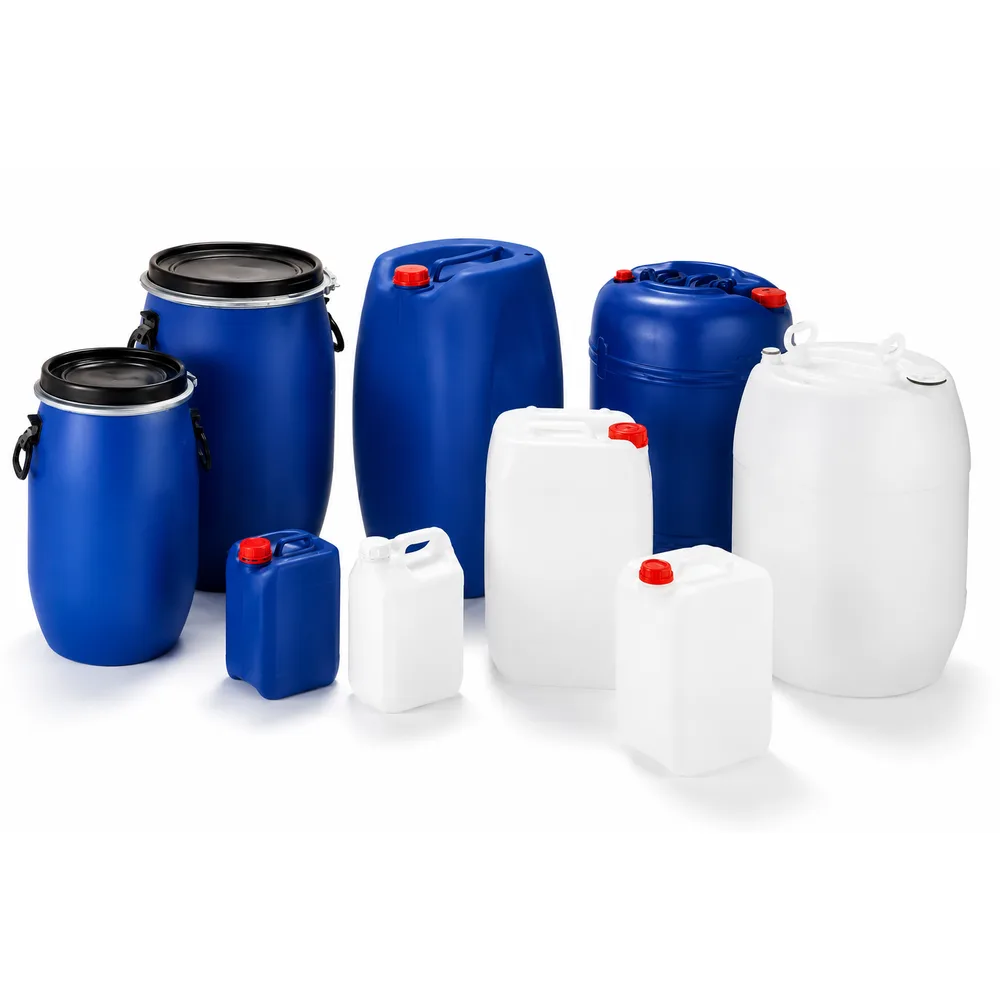 広口HDPEジェリ缶 — UN 3H2タイプ 広口HDPEジェリ缶 — UN 3H2タイプ |
充填と洗浄に適した3H2の広口。 |
| 水および一般薬品 | 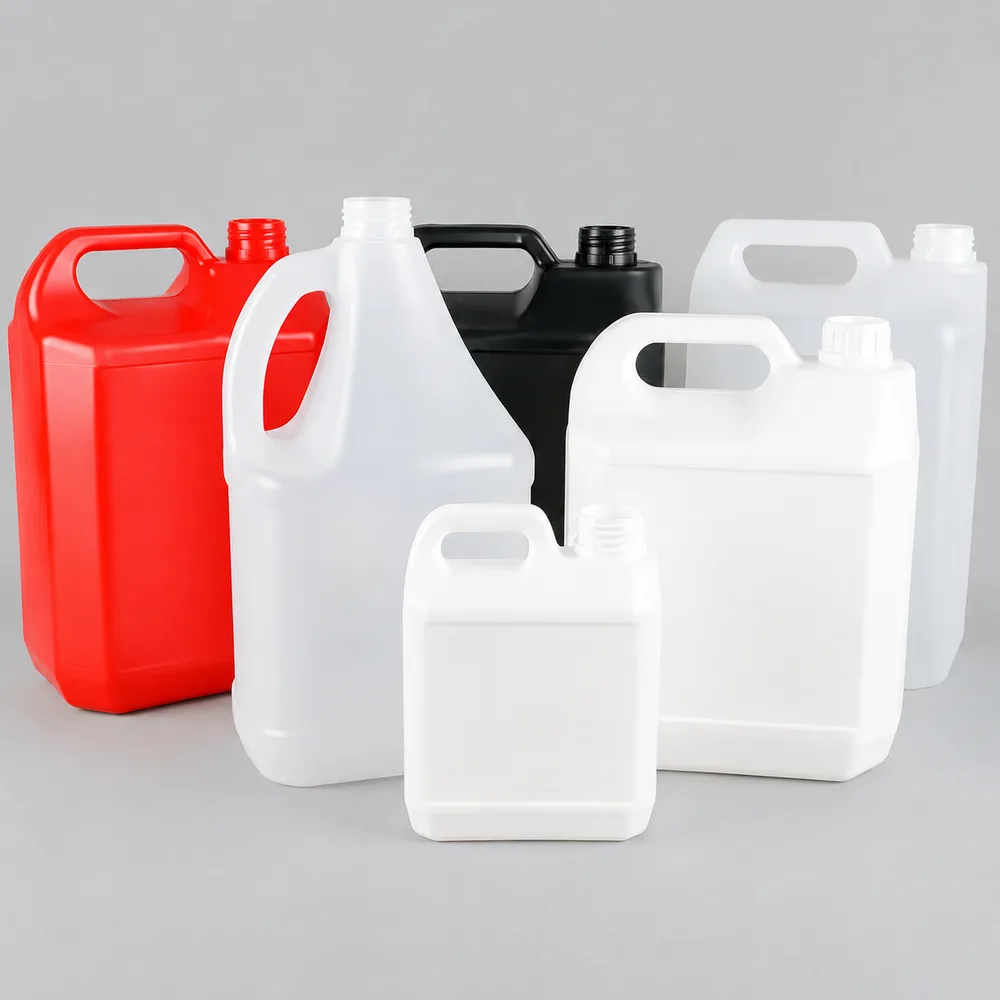 エコノミーHDPEジェリ缶 — 非UN エコノミーHDPEジェリ缶 — 非UN |
非燃料用途向けの量産ライン。 |
ブロー成形の後にフッ素ガスが内面と反応し、ポリマーの薄い層をフッ素化バリアに変える。このバリアは壁を通る炭化水素の透過を 1 桁減らし、プラスチック缶がガソリンを収めながら排出基準を満たせるようにする。
水準 3 は表面の水素の一部を置換し、1.5 から 2.5 g/m2/day 前後に収まる。工業用界面活性剤、農業用オイル、穏やかな脱脂剤に向く。水準 5 は置換を連続した PTFE 様の表面に近づけ、0.15 から 0.25 g/m2/day に収まる。燃料用途で壁構造を適格とするためのしきい値は 0.30 g/m2/day なので、エタノール混合燃料の用途では水準 3 は不合格、水準 5 は合格となる。
これに答えるのは2つの異なる測定であり、混同しやすい。缶を販売してよいかを決める容器レベルの規格は、容量1ガロンあたりで示される。EPA 40 CFR 59 Subpart Fは日周換気と透過の合計を0.3 g/gal/日に、CARB 13 CCR 2467.2は透過を0.4 g/gal/日に制限する。壁構造を適格とする材料レベルの閾値は表面積1平方メートルあたりで示される。摂氏28度で0.30 g/m2/日であり、CE10のような認証燃料を容器に充填し、測定前に定常状態の飽和に達するまで少なくとも140日保持する。未処理の単層HDPEは10から30 g/m2/日で、材料閾値をおよそ2桁分外している。
ASTM D5276 に基づく自由落下により、容器を充填した状態で、プラスチックについては事前にマイナス 18 摂氏度以下に調温して実施する。ポリエチレンは冷えると衝撃靭性を失うためである。高さは容器等級から決まる。容器等級 I は 1.8 m、等級 II は 1.2 m、等級 III は 0.8 m。合格には、本体または栓からの割れ、破裂、漏れが皆無であることが必要である。
共押出はより低い透過率に達する。レベル5のフッ素化処理の 0.15〜0.25 に対し 0.05〜0.12 g/m2/day である。ただしマルチマニホールド金型を要し、ハンドルや底部のピンチオフ部でEVOH層が伸びたり裂けたりすることがあり、低温落下衝撃では層間剥離のリスクを伴う。フッ素化処理は標準の単層ブロー成形で行え、ジェリカンの複雑な形状を均一に処理でき、既存の分子そのものを変えるため層間剥離が起こりえない。
高分子量で耐環境応力亀裂性に優れた、ブロー成形用の高密度ポリエチレングレードである。食品接触用途には該当する食品接触宣言を備えたグレードが必要であり、UN 表示付きの缶には、その承認のために試験されたグレードと肉厚が必要である。
本ページが依拠する規格・法令を発行機関へのリンク付きで示す。市場規則を挙げている箇所については、仕様に反映する前に最新版を確認すること。
最終確認日 .