
容器自体が試験に合格することは、作業全体の半分にすぎません。危険物である液体を合法的に輸送するには、貨物を分類し、輸送手段ごとの輸送規則を満たす必要があります。これは計画立案の参考となる背景情報であり、法令上の判断ではありません。輸送を予約する前に、対象となる液体と輸送経路に適用される規則を必ず確認してください。
その後のすべては分類から導かれます。各危険物液体には、UN番号(ガソリンのUN 1203のような4桁の識別番号)と危険物クラスが割り当てられています。燃料は引火性液体のClass 3です。酸およびアルカリは通常、腐食性のClass 8であり、一部の液体は副次危険性も併せ持ちます。UN番号とクラスを正しく特定すれば、残りの要件はそこから自ずと定まります。誤れば、以降のすべての書類も誤ったものになります。
クラス内では、Packing Group が危険度を等級付けします。Packing Group I が高、II が中、III が低です。ほとんどの燃料は II または III に該当します。Packing Group は形式的な書類ではありません。それは包装が証明すべき性能を定めるものであり、容器に刻印されたUN包装コードに直接結びついています。UN包装コードの X・Y・Z の格付けは、どの等級に対応するかを示します。両者を一致させてください。Y 格付けの容器は Group II と III に対応し、Z 格付けの容器は III のみに対応します。
過剰仕様は合法であり、単に費用がかさむだけである。過少仕様は法令違反である。この非対称性ゆえに、容器等級が不確かな場合や、1 つの在庫品目で複数の液体をまかなう場合には、X または Y 等級を買う価値がある。運ぶすべてを 1 つの等級で覆うほうが、3 つの等級を厳密に対応させるより管理が安く、誤った液体に誤った缶を当てるピッキングミスもなくなる。
いずれも、クラスと Packing Group ごとに、包装・表示・ラベル・書類に関する独自の規則を定めています。陸送で合法な貨物が、航空輸送でも自動的に合法となるわけではありません。
少量であれば緩和措置の対象となる場合があります。Limited Quantity(LQ)および Excepted Quantity(EQ)の規定は、燃料が定められた限度内の小型内装容器で輸送される場合に、一部の表示および書類の要件を緩和します。対象となるかどうかは、液体・梱包サイズ・輸送手段によって異なるため、確認する価値があります。一見すると全面的に規制対象に見える輸送を、簡素化できる可能性があるからです。
ジェリカンの買い手にとって、正直な答えはたいてい「いいえ」であり、早く知っておくほうがよい。少量危険物の規定は内装容器の容量を制限することで成り立ち、その上限は小さい。可燃性液体の一般的な許容量は数十リットルではなく数リットル単位なので、20 L や 25 L の缶は設計上この緩和の外にある。少量危険物は 1 L ボトルのケースのための制度であって、ジェリカンのパレットのためのものではない。
ジェリカンの積載に実際に及ぶ緩和は別のものである。ADR 1.1.3.6 は、点数のしきい値を下回る輸送単位を、運転者証明書、標識板および一部の装備要件から免除する。点数は、運搬量と輸送区分ごとに定められた係数から算出する。フル ADR 積載を前提とする前に計算しておく価値があるのはこの算術であり、詳しくは当社の 1000ポイント規則 ガイドをご覧ください。
いかなる免除規定も解除しないのが包装である。缶は依然として、正しい容器等級に対応する有効なUN容器コードを備え、表示されていなければならない。免除が扱うのは車両、運転者、そして一部の書類であって、そのどれも未承認の容器を許容するものではない。
これらすべてにおいて容器が果たす役割は、有効なUN包装コードを備え、その Packing Group に対応する落下・積み重ね・漏れ防止・圧力の各試験に合格したことを証明することです。この刻印コードこそ、運送業者や税関職員が確認する対象です。コードは貨物を分類したり書類を作成したりするものではなく、包装がその危険性に適合していることを裏付けます。当社の UN包装コードのガイド では、この表示の読み方を解説しています。
さらに、コードは缶が購入された目的の液体ではなく、実際に中に入っている液体に対して正しいものでなければならない。容器等級IIおよびIII用に認可されたY表示の鋼製缶はガソリンとディーゼルを対象とし、容器等級Iの物質は対象外である。しかも表示は誰かがそれを充填するのを止めない。これを捕まえる確認は購入時ではなく充填地点で行われる。だからこそ容器等級は、仕様書だけでなく充填作業の指示書に記載すべきである。
危険物の義務は運送人にあるという思い込みはよくあり、そして高くつく。義務の大半は荷送人、すなわち運送のために貨物を差し出す当事者にあり、パレットをフォワーダーに渡しても移転しない。
荷送人は、物質を分類し、UN承認容器をその表示された制限内で選定・充填し、包装に表示とラベルを付し、輸送書類を作成し、運送人が正しく積載・隔離するために必要な情報を提供する。そのいずれかを誤れば、路上で止められるのが運送人であっても、責任は荷送人にある。
これに付随する人員配置の義務があり、小規模の荷送人が繰り返し引っかかる。ADR 1.8.3 は、道路による危険物の荷送、またはこれに関連する収納、積込み、充填、荷卸しを事業活動に含むすべての事業者に対し、Dangerous Goods Safety Adviser の選任を求める。かつて荷送のみの事業者を対象としていた適用除外は終了した。2023 年 1 月 1 日以降、運送のために物品を提供するだけで自ら運転しない企業も、選任しなければならない。
この要件に数量のしきい値はない。義務は活動に付随するので、月にジェリカン 1 パレットを荷送する会社も、日にタンクローリー 1 台を荷送する会社と同じ条件で対象になる。アドバイザーは従業員でも外部委任でもよいが資格の保有が必要で、職務には当該事業者の危険物活動に関する年次報告も含まれる。取締りの訪問でこれに気づいた事業者は、気づくのが遅い。
その下の層が教育訓練である。ADR 1.3 は、危険物の運送に関与するすべての者に対し、その職務が必要とする水準の訓練を求め、記録と再教育も求める。この義務は、他の要件を取り除く各種の免除が適用されても残る。詳しくは当社の解説 少量危険物と1000ポイント規則 が、それらの緩和で外れるものと外れないものを説明している。
隔離がもう半分である。適合しないクラス同士は、それぞれがどれほど適切に梱包されていても同一の積荷では輸送できない。隔離表は輸送モードごとに異なり、ADR に基づく陸送で許容されるものが、IMDG に基づく海上輸送で自動的に許容されるわけではない。
危険物である液体を輸送するには、3つの要素を揃える必要があります。適切な Packing Group で正しくUNコードが付与された包装、輸送手段が求める表示とラベル、そして貨物の危険物申告書です。これらは訓練を受けた担当者が準備しなければならず、いずれか1つでも欠ければ運送業者は貨物の引き受けを拒否できます。液体の分類と輸送経路の規則は、荷役の現場ではなく、運送を予約する前に確認してください。
予約もまた、運送人の選択が中立でなくなる局面である。すべての事業者が危険物を引き受けるわけではなく、引き受ける事業者も特定のサービスで特定の分類のみを扱う。したがって、分類を申告せずに取得したレートは、誰も運ぶことに同意していない貨物のレートである。見積りの段階で UN 番号と容器等級を申告すれば、想定外の事態は、まだ安く手当てできるうちに現れる。
運送業者が確認するのはUNコード。以下がコード付きラインアップ。
| 用途 | おすすめの缶 | 選ぶ理由 |
|---|---|---|
| 燃料、UN 3A1 | 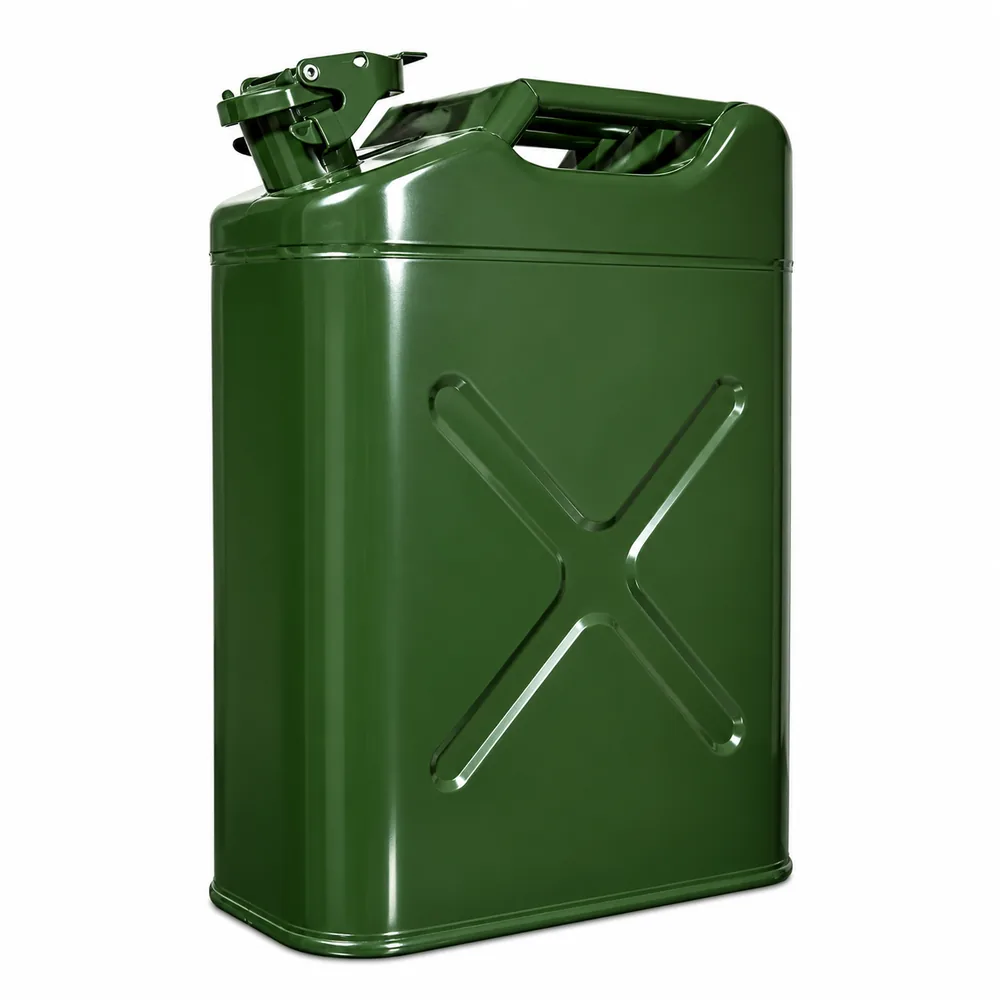 20L NATO規格 スチール燃料缶 20L NATO規格 スチール燃料缶 |
スチール製ジェリカン。輸送用にUN表示。 |
| 薬品、UN 3H1 | 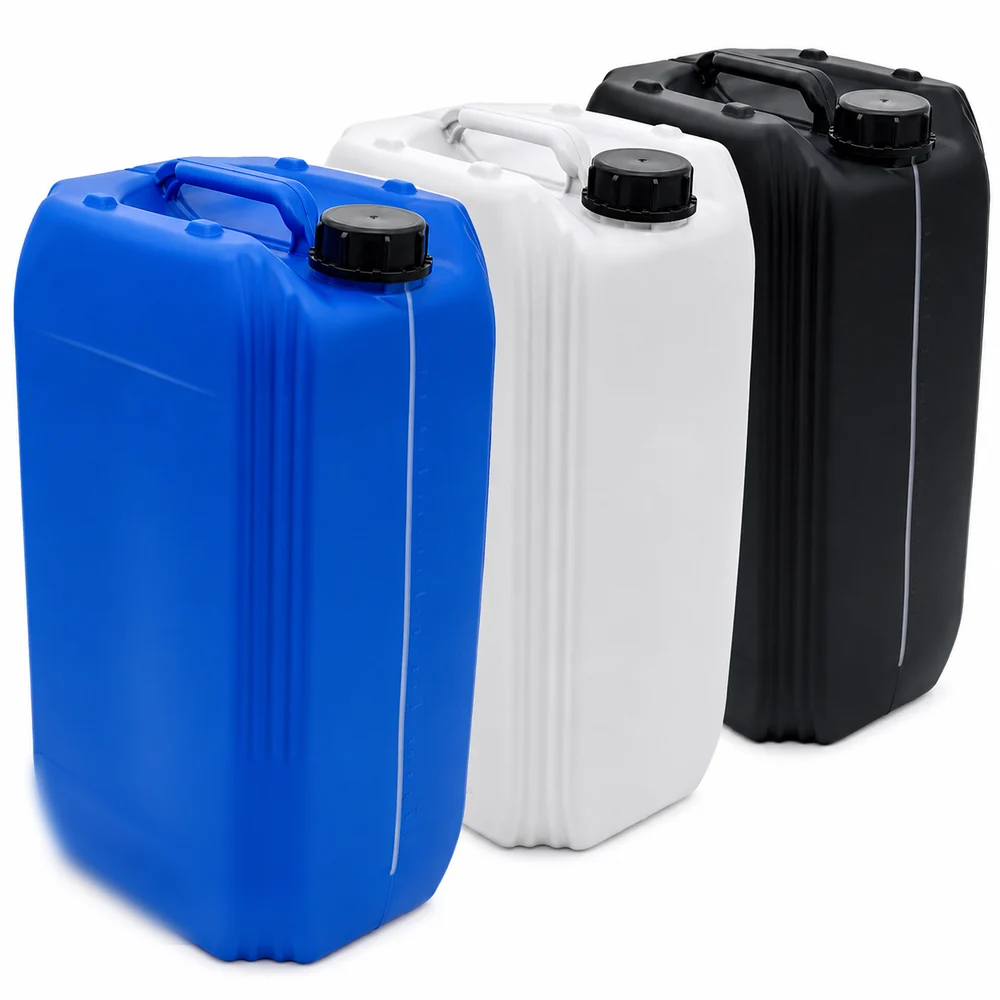 25L スタッキング式プラスチックジェリ缶 25L スタッキング式プラスチックジェリ缶 |
HDPE製ジェリカン。設計型式ごとに認証。 |
| プラスチック容器の燃料 | 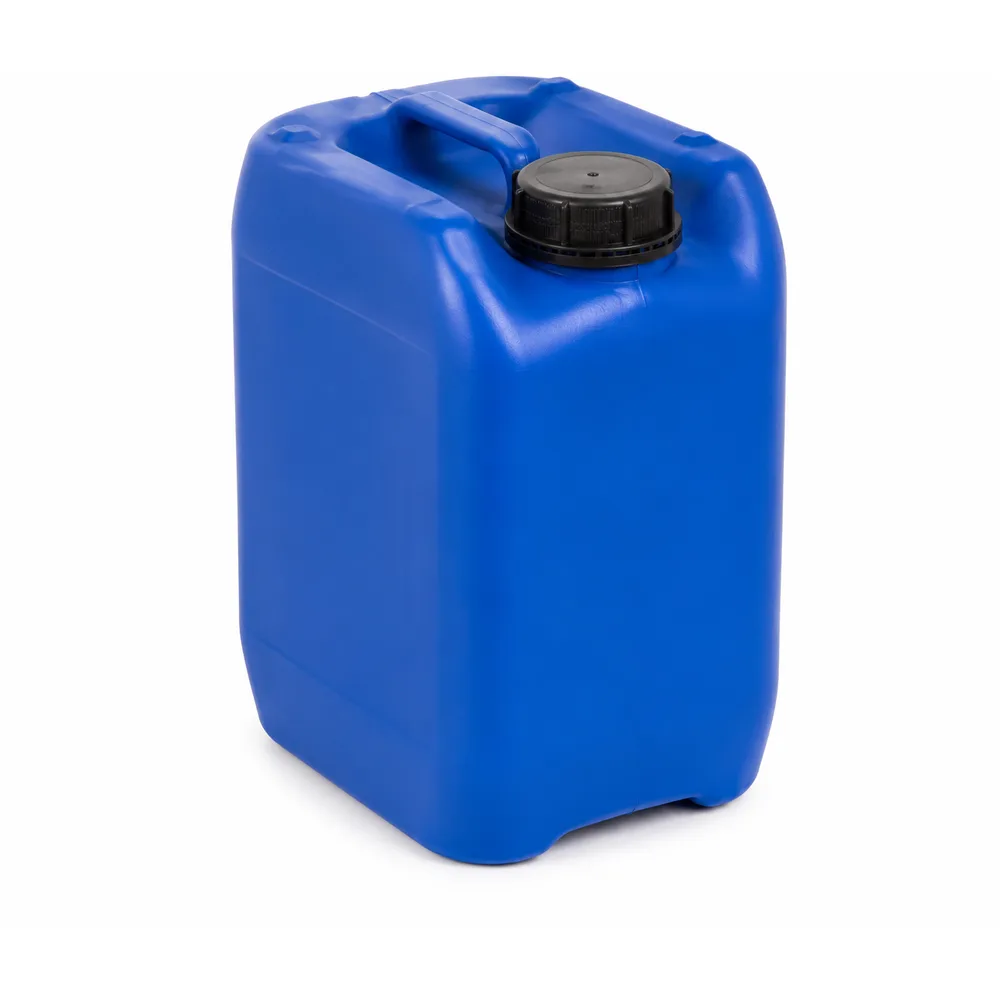 フッ素処理HDPEジェリ缶 フッ素処理HDPEジェリ缶 |
フッ素処理HDPE。低透過。 |
| 燃料、UN 3B1 | 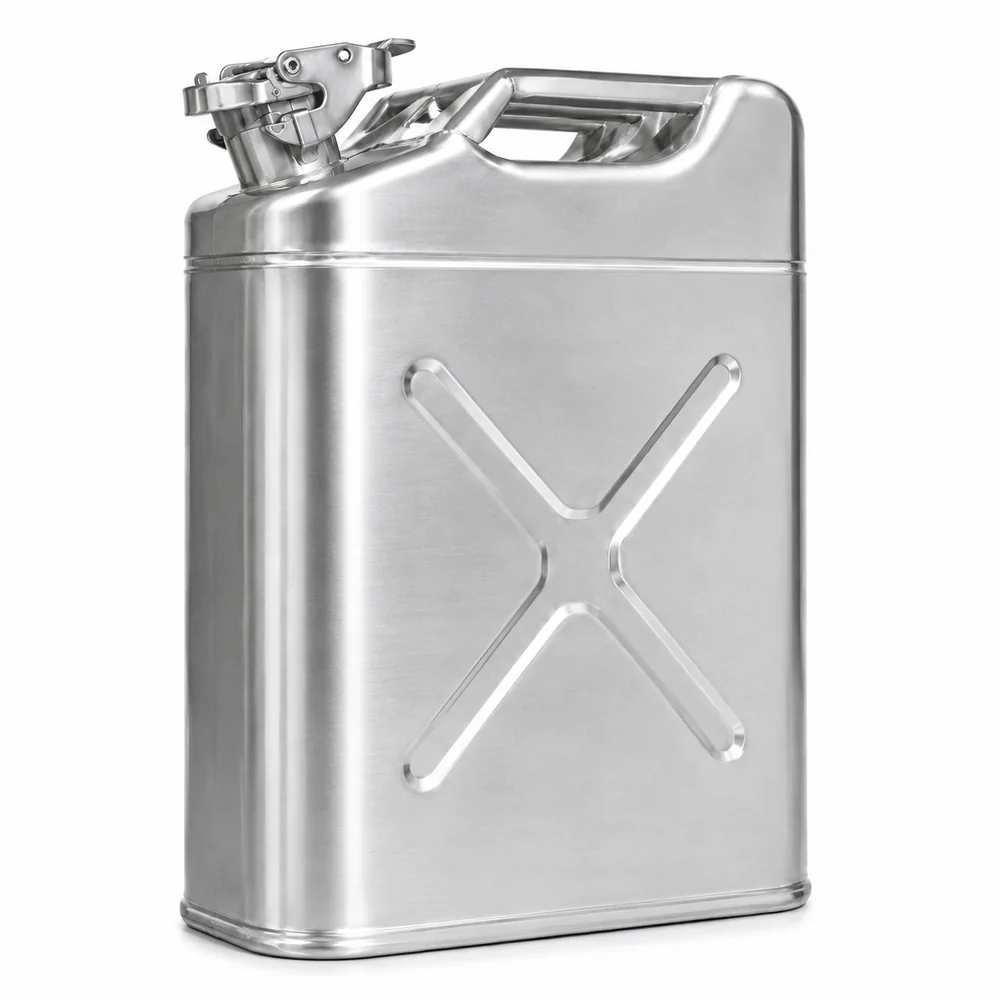 20L アルミ NATO規格缶 20L アルミ NATO規格缶 |
アルミニウム製ジェリカン。軽量重視。 |
ガソリンは UN 1203、クラス 3 の引火性液体、容器等級 II である。ディーゼルは UN 1202、クラス 3、容器等級 III である。容器等級は、包装が耐えなければならない落下試験の高さと水圧を定めるため、使用できる UN 表示容器を決定する。
通常の状況で一般貨物として輸送することはできない。クラス 3 の液体に関する IATA の規則は数量と包装について厳格であり、大半の航空会社は携行容器に入った燃料の引き受けを端から拒む。空缶は自由に輸送できるが、使用済み缶に残る蒸気は、その缶を再び危険物にする。
同じ UN の枠組みに、輸送モードが 3 つある。ADR は欧州の陸送、IMDG は海上、IATA は航空を規律する。UN モデル規則に適合して認証された容器は 3 つすべてで認められるが、各モードはその上に独自の書類、隔離、数量の規則を重ねる。
危険物を収めていた未洗浄の容器は、蒸気と残留物が残るため引き続き規制対象である。洗浄とパージが完了するまで、閉止したまま正しい表示を保たなければならない。一般貨物として輸送できるのは、洗浄済みで残留なしと証明された容器だけである。
本ページが依拠する規格・法令を発行機関へのリンク付きで示す。市場規則を挙げている箇所については、仕様に反映する前に最新版を確認すること。
最終確認日 .