
製品規格、官公庁が調達基準とする色分け表、そしてUNマーキングが両者とどう組み合わさるか。
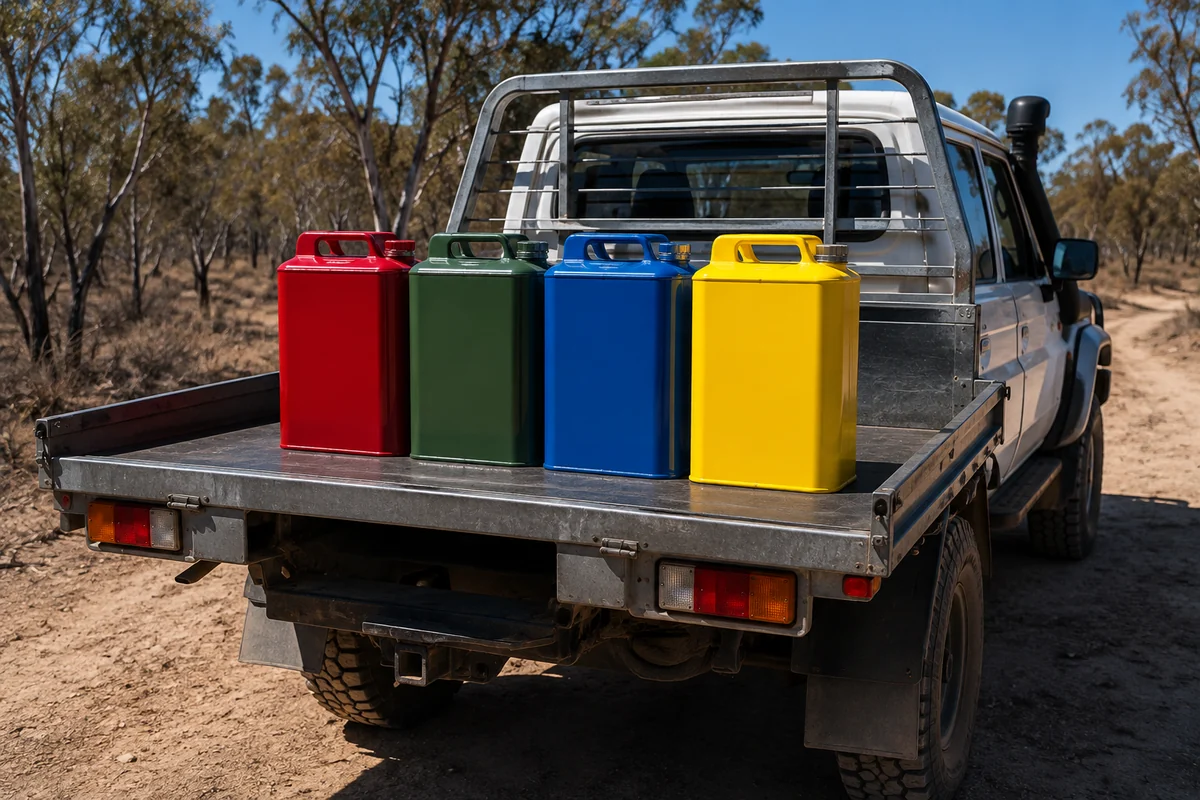
オーストラリアで燃料容器を左右する関門は2つあり、両者は別物である。AS/NZS 2906は製品規格である。AFACの色分けは、消防および土地管理の各機関が現場で燃料を見分けるための方式である。缶は前者を満たしていても、後者がなければ官庁には販売できない。
AS/NZS 2906:2001, 燃料容器 — 可搬式 — プラスチックおよび金属は、金属製又はプラスチック製の再充填可能な携行用燃料容器について、材料、設計、性能、表示の要件を定める。対象は容量が最大で 25リットル。燃料の貯蔵と輸送に用いる容器、および船舶用燃料タンクを対象とする。適用範囲は無鉛ガソリン、有鉛ガソリン、スーパーガソリン、2ストローク燃料、灯油を挙げ、レース用燃料は製造者が個別に承認した場合を除き除外している。
バイヤーにとっての実務上の帰結。30リットル容器はこの規格の適用範囲外なので、サプライヤーがこれを同規格に適合するものとして認証することはできない。試験方法も規格の一部であるため、「AS/NZS 2906に準拠して製造」と「AS/NZS 2906に認証取得」は別の主張であり、報告書が付いてくるのは後者だけである。そしてこれは 燃料 容器規格である: 水用容器には不要であり、そのため燃料用の認証が続いている間でも、水用の製品ラインはオーストラリアに投入できる。
25リットルの上限は注目に値する。性能上の境界ではなく適用範囲の境界だからである。それを超えると規格は何も語らないので、AS/NZSの意味で適合する30リットルの燃料容器は存在せず、それを生み出しうる試験報告書も存在しない。したがってオーストラリアの燃料用途で大容量の形式を指定する購買担当は、規格の外側に立つことを選んでいる。蛇口で払い出す固定式の保管なら十分に正当でありうるが、官庁入札が締め切られた後に気づく類のことではない。
認証済みと製造しただけの区別には、はっきり述べておく価値のある商業上の含みがある。規格自身の試験方法に基づく試験は、設計を特定した報告書を生み、買い手のコンプライアンスファイルが必要とするのはその報告書である。缶を規格に「準拠して製造」と表現する供給者は、意図を述べているにすぎない。両者を分ける問いは短い。誰が、いつ、どの条項に対して試験したのか、そして報告書をいただけるか。
AFAC は Australasian Fire and Emergency Service Authorities Council である。その色分けにより、隊員は缶を見ただけで燃料を識別できる。1 台の車両がガソリン、ディーゼル、比率の異なる 2 種類の混合ガソリン、ドリップトーチ用混合を同時に積むときに、これが効いてくる。各機関はこれらの色を自らの手順書に書き込んでいるので、このチャネルにおいて色は装飾ではない。仕様そのものである。
これは仕上げの判断ではなく、金型とマスターバッチの判断として扱うこと。実際そうだからだ。成形色はマスターバッチが、塗装色は粉体が決め、いずれも公表された色に合わせ、ロット間で維持しなければならない。このチャネルでは近似では納入拒否になるので、基準色、許容差、そして誰が判定するかを、初回生産の後ではなく前に合意すること。
| 色 | 内容物 |
|---|---|
| 赤 | 無鉛ガソリン |
| オレンジ | エタノール混合燃料 |
| オリーブイエロー | 軽油 |
| ボトルグリーン | 2ストローク 25:1 |
| パイプライングレー | 2ストローク 50:1 |
| シャムロックグリーン | ドリップトーチ用混合油 |
| パウダーブルー | 灯油 |
| ブライトブルー | チェーン・バーオイル |
| ブルーベルブルー | AdBlue/DEF |
| ミストブルー | 給水 |
| 黒 | オイル |
| ナットブラウン | バイオディーゼル |
一般に 5 L、10 L、20 L で供給される。色を定めるのは AFAC であって製造者ではない。色味を外せば納品は拒否されるため、ある色で生産準備に入る前に、AFAC または調達機関に現行の一覧を確認すること。
AS/NZS 2906は製品規格である。UN表示は危険物輸送の認可であり、設計型式ごと、工場ごとに付与される。両者は異なる問いに答えるものであり、いずれも他方の代わりにはならない。UN 3A1の表示を受けた缶がAS/NZS 2906を満たさないこともあり、AS/NZS適合の缶でも危険物として輸送するにはUN表示が必要である。オーストラリアの官庁および鉱業チャネルの購買担当は日常的に両方を要求し、それぞれは一般的な保証ではなく個別の書類で証明される。
重要度ではなくリードタイムで順序を決めること。どちらも試験を要するが、UN認可は指定された工場の設計型式ごとに付与され、企業にも図面にも付随しないため、第2の生産拠点が絡む場合はこちらから着手する。AS/NZSの試験は設計に紐づくため、形式や閉鎖装置がまだ動いている場合はこちらから着手する。設計が固まらないうちに両方を同時に始めれば、試験を2巡分支払うことになる。
認証について語るページが自社の認証を曖昧にしていては無価値なので、率直に申し上げます。当社は危険物用設計についてUN認証を保有し、加えてISO 9001、ISO 14001、ISO 45001を取得しています。 AS/NZS 2906の認証とAFACの色分けは、現時点で当社の標準品には付帯していません。いずれも取得可能であり、プログラムの一環としてお見積りします。 本サイトはいずれについても現在有効であるとは主張していません。当社を含め、供給者の主張は実際の報告書に照らしてご確認ください。
各ルートに実際に必要なもの:
したがって、うまくいく順序はこうです。燃料の基準は飲料水には及ばないので、食品グレードのステンレス製水用ラインは今すぐ出荷できます。認証取得済みの燃料用ラインは、試験の日程に沿って続きます。今シーズン中に AFAC 収載の缶が必要であれば、すでに保有している供給者からお買いください。来シーズンに向けたプログラムを構築中であれば、フォーマットと色をお知らせいただければ、認証の道筋、試験費用、現実的な時期をお返しします。
燃料容器の認可を待たずにオーストラリアへ投入できる製品ライン。
| 用途 | おすすめの缶 | 選ぶ理由 |
|---|---|---|
| 水用、出荷可能 | 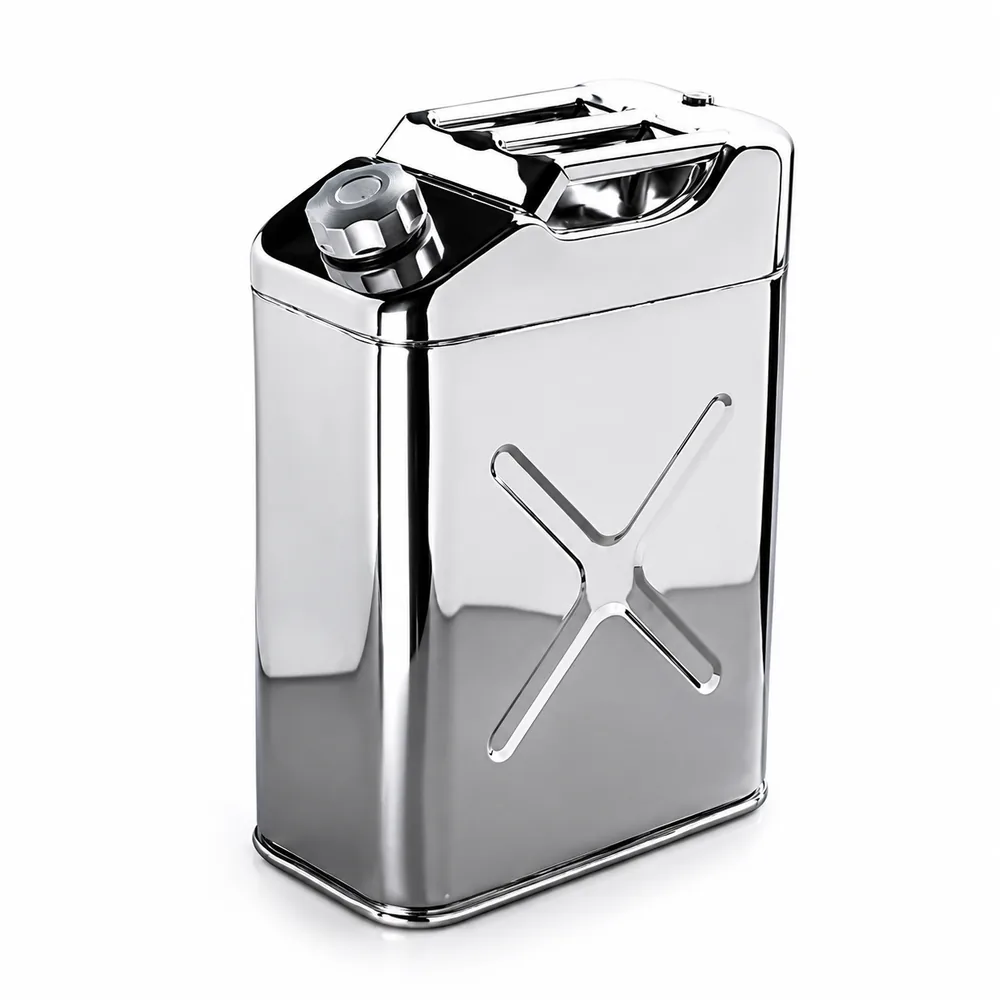 20L ステンレス給水缶 20L ステンレス給水缶 |
AS/NZS 2906の対象外。食品グレード304。 |
| NATO型キャリアでの飲料水 | 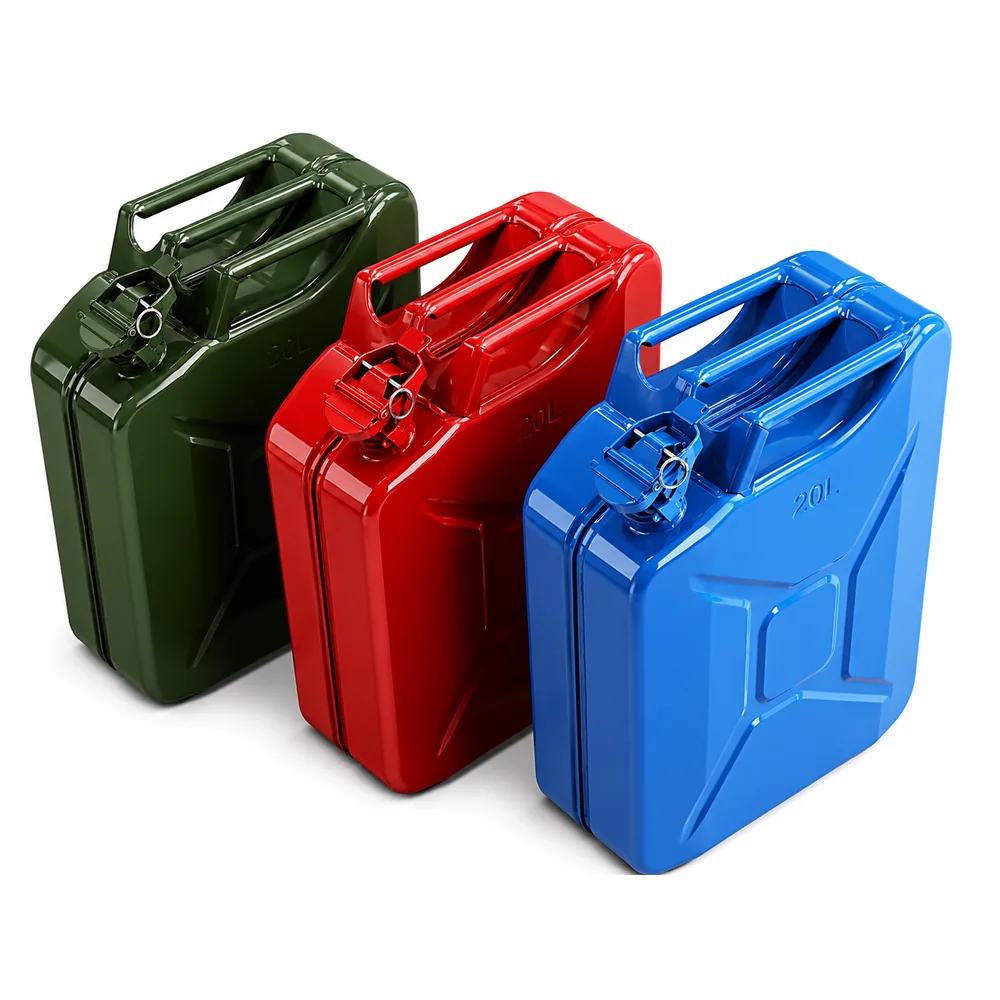 20L NATO規格 スチール給水缶 20L NATO規格 スチール給水缶 |
既存のラックやホルダーに適合します。 |
| 付属品、認証ルートなし | 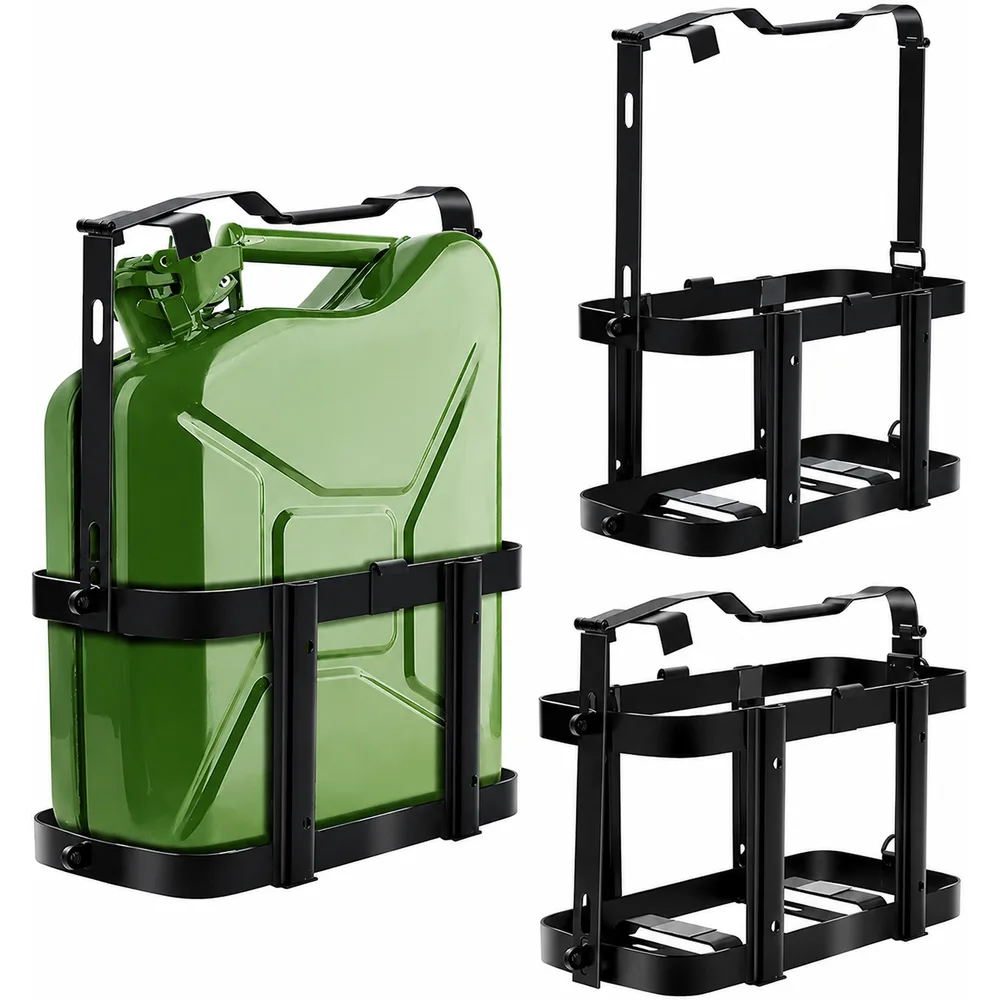 ジェリ缶ホルダー・マウント ジェリ缶ホルダー・マウント |
危険物認可は関与しない。 |
| AdBlueとDEF |  DEF缶 — ディーゼル排気処理液 DEF缶 — ディーゼル排気処理液 |
ISO 22241適合材料、ブルーベルブルーの慣行色。 |
AS/NZS 2906:2001「Fuel containers - Portable - Plastics and metal」は、25 L 以下の金属製またはプラスチック製の再充填可能な携行燃料容器に関するオーストラリア・ニュージーランド規格である。材料、設計、性能、表示の要件を定め、それを支える試験方法も含んでいる。
いいえ。これは燃料容器の規格であるため、飲料水容器は完全にその適用範囲の外にあり、代わりに食品接触および飲料水の書類を伴う。だからこそ、燃料の製品ラインが認証を受けている最中でも、水用のラインはオーストラリア市場に投入できる。
AFACは、隊員が一目で内容物を判別できるよう燃料ごとに色を定めている。無鉛ガソリンは赤、エタノールはオレンジ、ディーゼルはオリーブイエロー、2ストローク混合25:1はボトルグリーン、2ストローク混合50:1はパイプライングレー、ドリップトーチはシャムロックグリーン、灯油はパウダーブルー、チェーンソーオイルはブライトブルー、AdBlueはブルーベルブルー、水はミストブルー、オイルは黒、バイオディーゼルはナットブラウンである。
いいえ。AS/NZS 2906 は容器そのものの製品規格である。UN 表示は、設計型式ごと、工場ごとに与えられる危険物輸送の承認である。どちらも他方の代わりにはならず、オーストラリアの官公庁および鉱山の買い手は両方を求めるのが通例である。
25 L以下が対象である。30 L容器は適用範囲外であり、どのように製造されていても、この規格で認証できるサプライヤーは存在しない。証明書を求める前に容量を確認すること。
本ページが依拠する規格・法令を発行機関へのリンク付きで示す。市場規則を挙げている箇所については、仕様に反映する前に最新版を確認すること。
最終確認日 .