
欧州ポジティブリストが2027年から各国制度に取って代わる。水用容器にとって何が変わるのか、そしてなぜ英国が別建てで対応するのか。
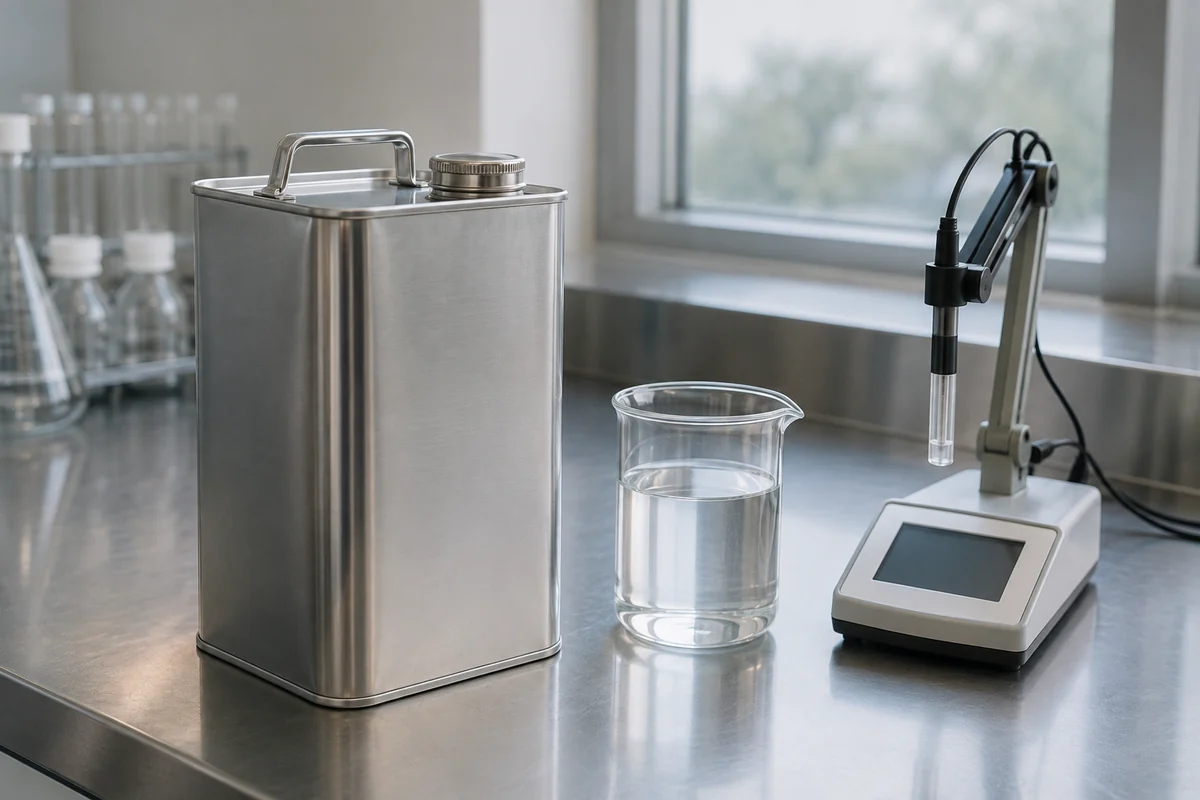
欧州で飲料水に接触してよいものを定める規則は、いま置き換わりつつある。27の各国認可制度が、改正飲料水指令第11条に基づく欧州ポジティブリストに道を譲り、切り替えは2027年1月1日から進む。いまEU向けの飲料水容器を仕様化しているなら、御社はその境界をまたいで購入していることになる。
指令(EU)2020/2184は、人の飲用に供する水と接触する材料の最低衛生要件を定め、欧州委員会に次の策定を求めている: 欧州ポジティブリスト: 飲料水との接触について安全とみなされる物質、組成および構成成分の参照リスト。
リストに載ることは書類作業ではない。最も不利な使用条件下での水への溶出を対象とするリスク評価、水の味、におい、微生物バランスへの影響を含む適合試験、そして ECHA のリスク評価委員会の意見を経る。
その試験が何を見ているかを知っておく価値はある。食品接触の書類一式がなぜ流用できないかを説明するからである。溶出量は、平均的な条件ではなく現実的な最悪条件を模した前処理の後に測定される。味と臭いは、対照水と比較する官能法で評価される。そして材料については、それが 微生物の増殖を助長するかこれは食品接触の分野にはまったく対応物のない評価項目である。微量の有機炭素を溶出する表面は、数か月かけて配管内のバイオフィルムを育てる。これは食品側に等価物のない、飲料水固有の不適合である。
この制度は材料と製品を分離しており、多くの混乱はここから始まる。ポジティブリストは物質、組成、構成成分のリストであるから、評価の対象となるのは接液面が何でできているかである。完成した容器が受け入れられるかどうかは、その材料評価に加えて、製品がどう作られどう使われるかによって決まる。サプライヤーに「この缶は認可されているか」と尋ねると、材料については真実の答えが、製品については役に立たない答えが返ってくることが多い。
| 時期 | 起こること |
|---|---|
| 2026年12月31日まで | 欧州ポジティブリストが法令として確定 |
| 2027年1月1日から | 各国規定から欧州制度への移行が始まる |
移行が完了するまでは、実務を担うのは各国の認可である。ドイツのUBAスキーム、フランスのACS、オランダのKIWAといった経路がそれにあたる。それが今日の実情であり、あるサプライヤーがある加盟国では認可を持ちながら別の加盟国では受け入れられない理由でもある。
これらの各国制度は完全に独立して発展したわけではなく、その分だけ問題は軽くなる。ドイツ、フランス、オランダ、そして離脱前の英国は、試験方法を整合させ共通の材料リストを作成する共同承認の取り組みを運用しており、欧州のポジティブリストはゼロからではなくその土台の上に築かれる。いずれかの制度で既に評価を受けたサプライヤーは、何も持たないサプライヤーより新制度に近い位置にいる。これは2027年を待つのではなく今のうちに各国の承認を取得すべき実質的な理由である。
金属に限れば、最も整備されているドイツの制度を理解しておく価値がある。ドイツ連邦環境庁は飲料水接触に衛生上適する金属材料のポジティブリストを維持しており、ある合金はそのリストに載っているか載っていないかのいずれかである。オーステナイト系ステンレス鋼はドイツで飲料水用途に受け入れられており、まさにそれが、ステンレス製水缶における材料選定が承認ルートを開いておく要点である理由である。リストは合金に紐づくので、意味を持つ書類はミルシートである。
グレートブリテンは改正指令に追随しなかった。イングランドとウェールズにおいて、公共の飲料水供給に接する製品が通る手続きは Regulation 31の承認 Drinking Water Inspectorate が運用しており、継手類については WRAS 承認が経路として広く用いられている。したがって EU のポジティブリスト上の地位は英国には持ち込めず、英国の承認も EU には持ち込めない。市場が 2 つ、書類も 2 通りである。
両方を同時に走らせるのではなく、順序を計画すること。英国の経路は現時点で安定しており、EU の経路は移行の途中なので、両方に供給する事業者は通常、要件が固まっているほうから始め、欧州のリストが確定した段階で 2 つ目を加える。まだ動いている設計に対して両方を同時に始めれば、その後変わるものの評価費用を二重に払うことになる。これは、UN と AS/NZS の試験を早すぎる段階で並行させたときに引っかかるのと同じ罠である。
この分類で最も多い仕様の誤りである。容器は EU の枠組み規則およびプラスチック規則に基づく有効な食品接触宣言を保持しながら、飲料水用としては承認されていないことがある。飲料水との接触は、長い接触時間、低栄養の水、味・臭い・微生物への影響という、異なる評価項目に対して判定されるからだ。2 つのどちらを売られているのか、そしてどの市場向けかを確認してください。
見分ける手がかりは文章ではなく書類である。適合宣言書は食品接触の規則を名指しし、飲料水認可は各国スキームまたはポジティブリスト上の位置づけを名指しする。提示された書類が食品規則を名指ししているのに、問いが飲料水についてのものだったなら、送付メールがどれほど自信ありげでも、その問いには答えられていない。
認可を扱うページである以上、率直に述べる。当社のステンレス製飲料水ラインは 接液部はすべてAISI 304、内面被膜やコーティングなしであり、飲料用途に適した材質選定である。当該グレードのミルシートは当社が提供します。 各国の飲料水承認は現時点で標準品には付帯していません。製品ごと・市場ごとに取得可能であり、プログラムの一環として当社が対応範囲を策定します。
その経路が開かれているのは材料のおかげである。認可審査は水に触れるものに紐づく。無塗装のオーステナイト系ステンレスの接液面は、併せて評価すべきライナーやコーティング系を持たない、単一で申告可能な材料である。これは、コーティング鋼や添加剤の多いプラスチック容器が提示する書類より格段に薄い。
当社の実務上の対応:
| 用途 | おすすめの缶 | 選ぶ理由 |
|---|---|---|
| 飲料水の備蓄 | 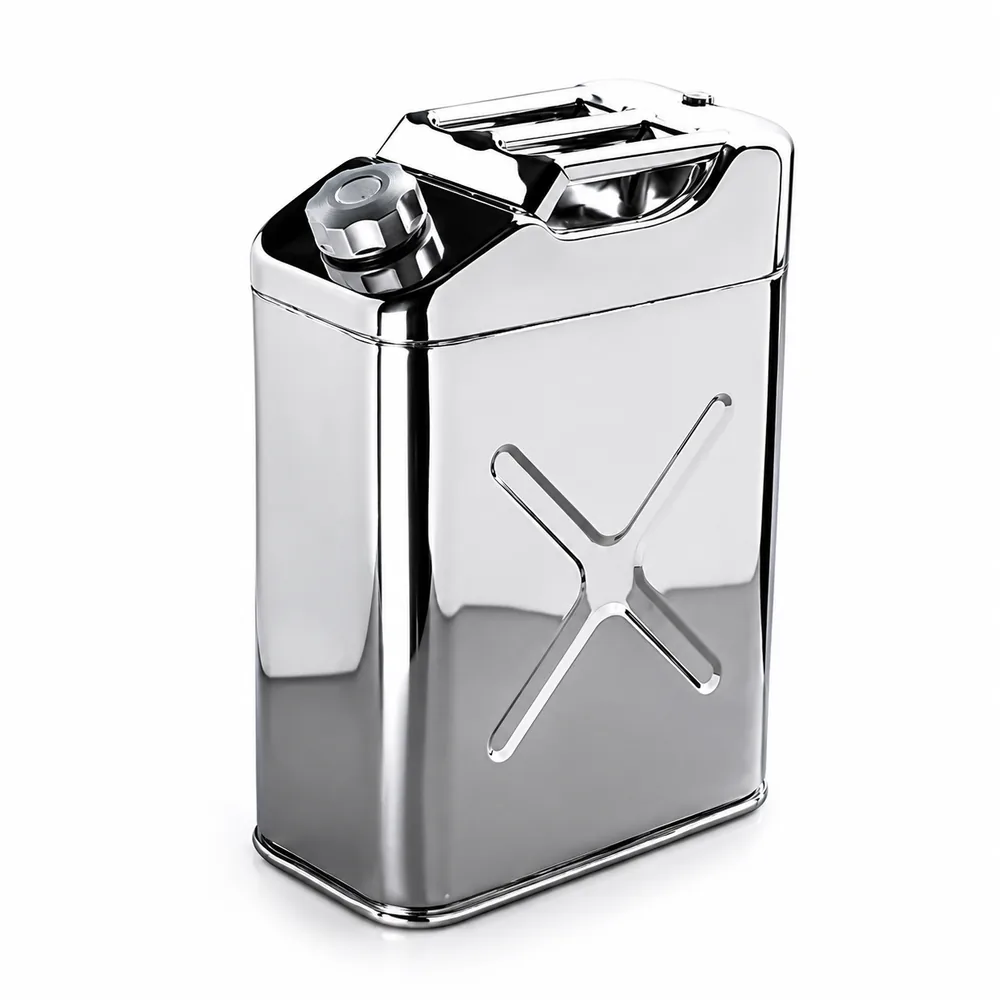 20L ステンレス給水缶 20L ステンレス給水缶 |
接液部はAISI 304、劣化する内面被膜がない。 |
| 少量の飲料水備蓄 | 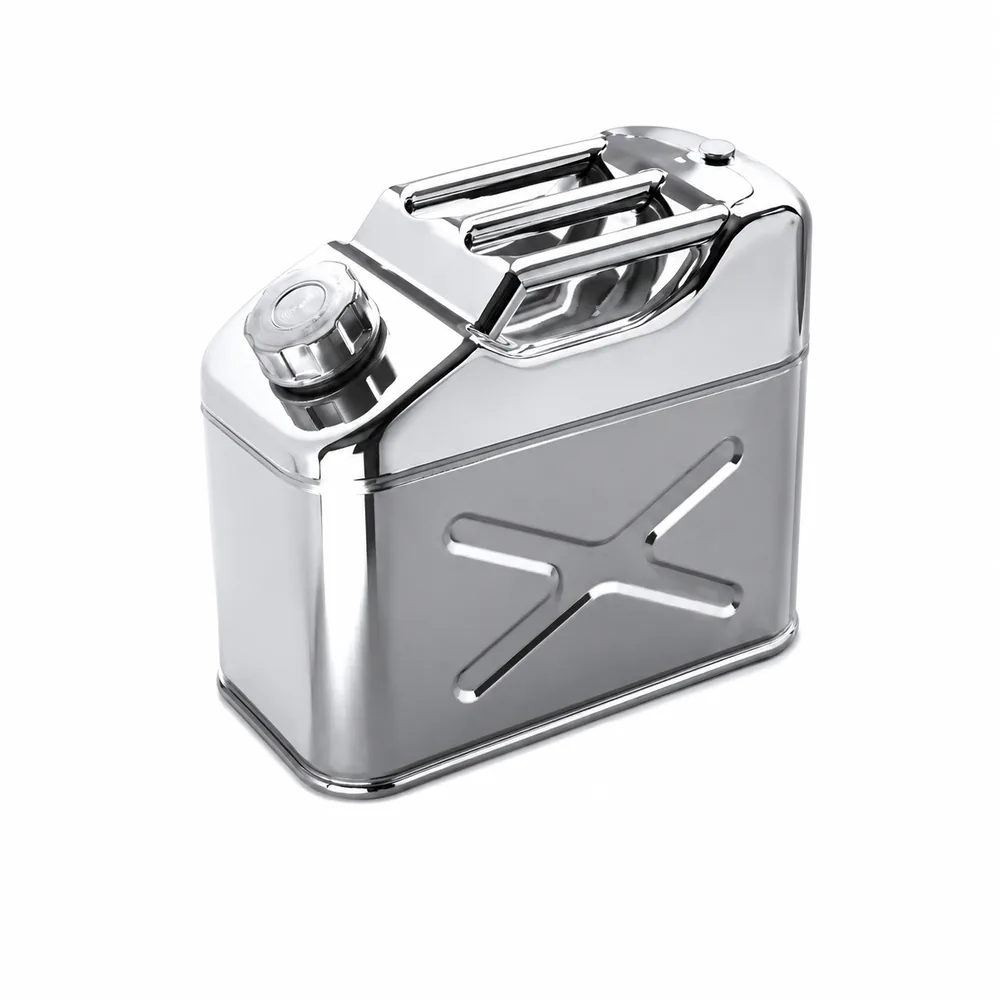 10L ステンレス給水缶 10L ステンレス給水缶 |
同一グレードで、片手での運搬がより容易。 |
| プラスチック製の食品・飲料用途 | 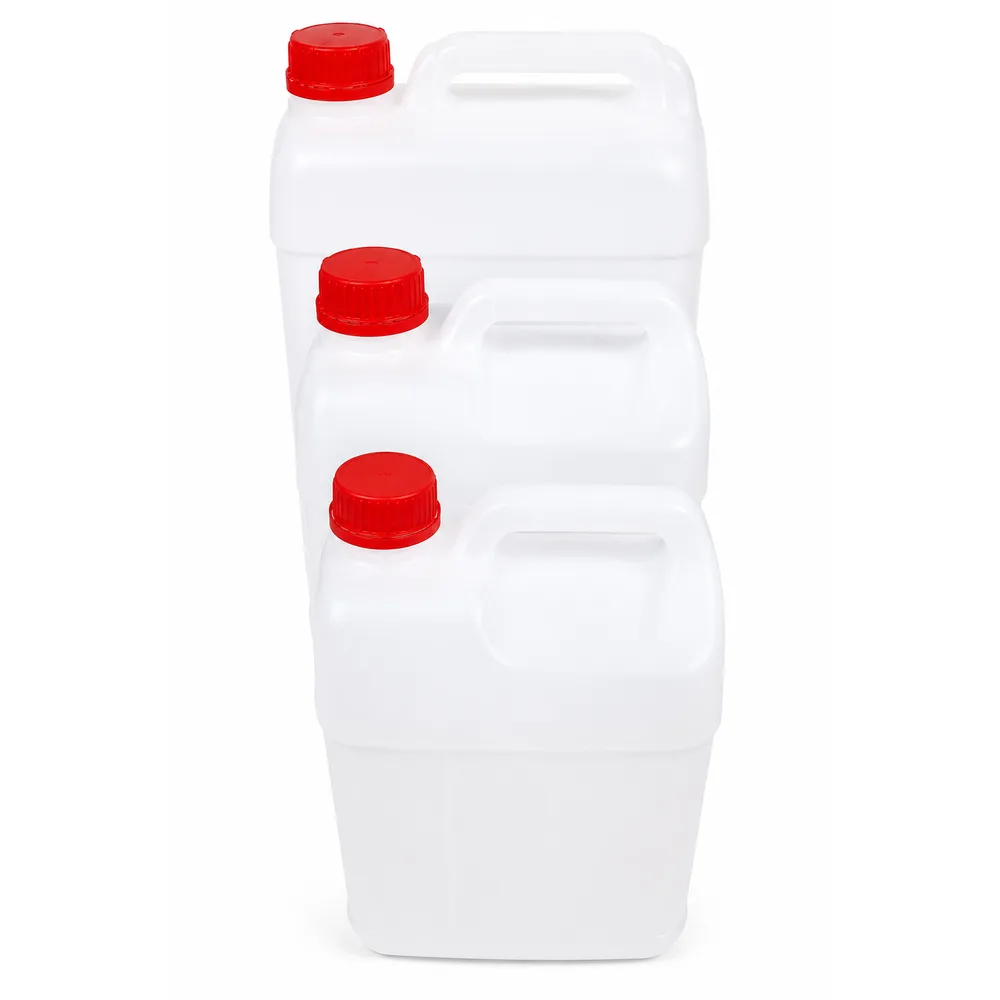 食品グレードHDPEジェリ缶 食品グレードHDPEジェリ缶 |
食品接触のルート。水の要件は別途確認のこと。 |
| 見落とされがちな点 | 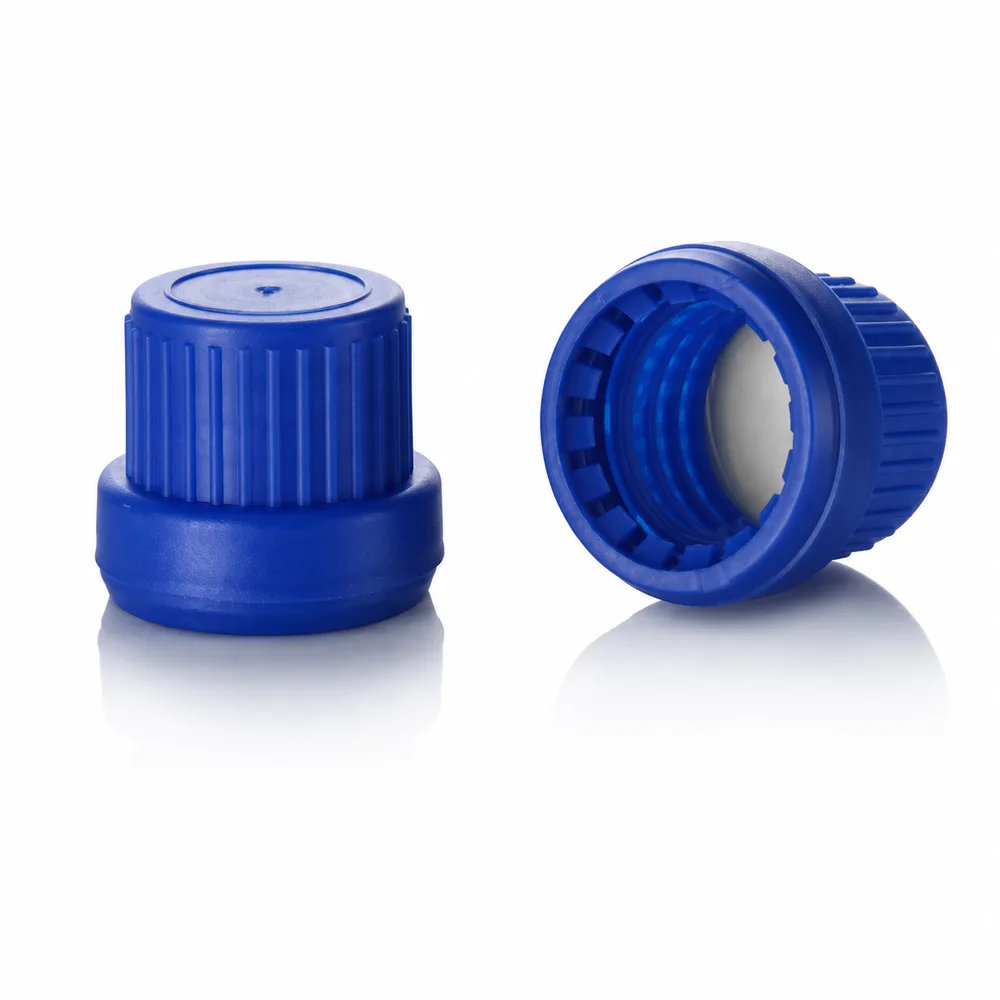 キャップ・クロージャー・ガスケット キャップ・クロージャー・ガスケット |
ガスケットも接触材料である。 |
指令 (EU) 2020/2184 第11条は、人の飲用に供する水に接触する材料の最低衛生要件を定めており、許容物質の欧州ポジティブリストがこれを支える。移行が完了するまでは、ドイツのUBAスキーム、フランスのACS、オランダのKIWAといった各国認可が引き続き市場を支配する。
これらのリストは 2026 年 12 月 31 日までに法令として確定され、各国規定から欧州制度への移行のため、2027 年 1 月 1 日から移行期間が設けられる。いま EU 向けに仕様を決める容器は、この境界をまたいで購入されることになる。
いいえ。そしてこれは、この分野で最も多い仕様上の誤りである。飲料水との接触は別の評価項目で判定される。長い接触時間、低栄養の水、そして味、におい、微生物バランスへの影響である。有効な食品接触宣言は、水の問いには答えない。
いいえ。英国(グレートブリテン)は改正指令に追随しなかった。イングランドおよびウェールズでは、公共の飲料水供給に接触する製品は Drinking Water Inspectorate が運用する Regulation 31 の承認を通る。継手類には WRAS が広く用いられている。市場が 2 つ、書類も 2 通りである。
いいえ、そしてそれこそが利点である。オーステナイト系ステンレスは自らの不動態皮膜によって腐食に耐えるため、接液経路に破損したり別途評価を要したりするライナーやコーティングが存在しない。評価は合金組成に紐づくので、材質グレードとミルシートを求めること。
本ページが依拠する規格・法令を発行機関へのリンク付きで示す。市場規則を挙げている箇所については、仕様に反映する前に最新版を確認すること。
最終確認日 .