
規模の下限なく適用され、EU 域外の製造者にも及ぶ市場禁止措置である。デューデリジェンスは調査リスクを下げるが、製品を適用除外にはしない。

EU は強制労働によって製造された製品を域内市場から禁止した。罰金ではなく禁止であり、物品は市場から回収され廃棄されうる。対象はあらゆる製品と分野で、EU 域内製か域外製かを問わず、企業規模や売上高のしきい値なしに適用される。アジアから調達し欧州で販売するなら、これは執行されるはるか前に必ず尋ねられる問いである。
Regulation (EU) 2024/3015 は、強制労働によって製造された製品を EU 市場に上市し、販売し、又は輸出することを禁止する。発効日は 2024年12月13日 全面適用は次の日から: 2027年12月14日に、調査、市場からの排除、一元申立窓口の運用が始まる。
買い手が慣れている開示制度とは2点で異なる。第一に、適用対象は EUへ輸入または域内で販売するEU域外企業。したがって域外の製造者も明確に適用範囲に入る。さらに 規模や売上高の閾値はない。したがって、報告義務にありがちな小規模輸入者の除外は適用されない。
制度の執行より先に基盤が整う。計画の基準とすべきはその日付であり、2027年ではない。 2026年6月14日 委員会は、実施ガイドラインと、地域および製品カテゴリー別の強制労働リスクに関する公開データベースを、単一のポータル上で公表しなければならない。そのデータベースができれば、買い手のリスクアセスメントは意見の問題ではなくなる。ある地域や製品カテゴリーはフラグが立っているか立っていないかのいずれかであり、フラグを無視した購買部門は、そもそもリストがなかった場合より苦しい立場になる。
そのポータルが担うもう一つの機能は、情報の提出経路である。労働組合や非政府組織を含む第三者が当局に情報を提出できるため、事案の端緒は定期監査ではなく申立人であることが多い。これは供給者が備えるべき対象を変える。想定すべきなのは、予告された監査ではない。特定の拠点に紐づいた具体的な申立てとともに届く問い合わせである。
この区別は広く誤解されているため、正確に押さえておく価値がある。本規則におけるデューデリジェンスは 任意。欧州委員会のガイドラインは、これを調査対象となるリスクを下げる仕組みとして位置付けている。実効的なデューデリジェンスを示せる事業者は、標的になりにくい。
それが果たさないのは、製品を適用除外にすることである。強制労働が存在すれば、書類がどれほど整っていても禁止は適用される。デューデリジェンスは当局に提示するものであって、認定後まで通用する抗弁ではない。
ただしこの認定は必ずしも恒久的ではない。供給者がそれにどう対応すべきかを変えるので、知っておく価値がある。当局が定める期間内に、当該製品のサプライチェーンから強制労働が排除されたことを事業者が示せば、決定は見直されうる。そして物品は廃棄ではなく解放されうる。この規則は、処罰だけを目的とせず、行動を変えるために作られている。
したがって、申し立てに対する実務上の対応は、本能的な対応の逆になる。本能は否認して待つことである。この仕組みが報いるのは、影響を受けた階層を特定し、切り離すか是正し、それを期限内に証拠として示すことである。自社のサプライチェーン階層を既に把握しているサプライヤーなら数週間でできる。自社工場より下を一度も見たことがないサプライヤーにはまったくできない。それが、他人に問われるまでこの問いを放置しておくことの実際のコストである。
バイヤーを通じて、しかも期限から想定されるより早く求められる。EUの大口購買者はすでにサプライチェーン要件を契約に盛り込んでおり、公共調達では当然のように照会される。実務上、サプライヤーが求められるのは次のとおりである:
その最下層こそ、容器のサプライチェーンの多くが見えなくなる場所である。缶メーカーは自社工場は把握していても、コイル供給元までは把握していないことがある。その旨を正直に述べるほうが、立証できない保証を出すよりよい。
この非対称性は買い手の側から理解しておく価値がある。買い手は供給者の粗探しをしようとしているのではない。質問し、回答を記録し、それに基づいて行動したことを示すファイルを作っている。正確で範囲を限定した回答を出す供給者は、広範な保証を出す供給者よりもそのファイルにとって有用である。広範な保証こそ、当局が割り引いて評価するものだからだ。
したがって最悪の回答は、裏づけのない自信に満ちた回答である。問いが鋼板コイルの製鉄所にまで及び、そこまでの可視性がないのであれば、精査に耐える回答とは、分かっていることを挙げ、分かっていないことを挙げ、その差を埋めるのに何が必要かを示すものである。
英国には同等の輸入禁止措置がない。 Modern Slavery Act 2015 は、該当する事業者に対し、サプライチェーンにおける奴隷労働および人身取引への対応として講じた措置に関する年次声明の公表を義務づけている。これは市場での禁止ではなく透明性の義務であるため、英国の輸入者は報告することで応じ、EUの輸入者は販売できなくなることで応じる。同じサプライチェーンにかかる、まったく性質の異なる2つの圧力である。
ここで曖昧に答えるのは無回答より悪いので、直接お答えします。当社の製造拠点は ベトナムと中国そして当社は、シンガポールの契約住所の陰に隠れることなく、いかなるご注文についても生産拠点を明示します。工場監査の書類は当社の UN 認証に従って提供可能であり、ISO 9001、ISO 14001、ISO 45001 を保有しています。ISO 45001 には労働安全衛生マネジメントシステムが含まれます。
自社工場より上流のトレーサビリティは、標準対応ではなくプログラム単位で範囲を定める。 厳格なデューデリジェンス制度が求める深さまで鋼材および樹脂のサプライヤーを追跡・監査することには、費用と所要期間が伴います。そのため当社は、問い詰められれば持ちこたえない包括的な保証を出すのではなく、御社のバイヤーが実際に要求する範囲に合わせて作業範囲を定めます。
お客様の顧客が何を求めているかをお知らせいただければ、その生産について当社が証拠を示せる範囲をお返しします。指定工場とその監査文書は標準で提供し、プログラムが必要とする場合はコイルおよび樹脂の段階までの上流ティアのマッピング、供給者の宣言書、第三者監査も提供します。ご要望が、ご指定の期間内に当社が証拠を示せる範囲を超える場合は、買い手からファイルを求められる時点ではなく、問い合わせの段階でそう申し上げます。
| 用途 | おすすめの缶 | 選ぶ理由 |
|---|---|---|
| 製造拠点を明示 | 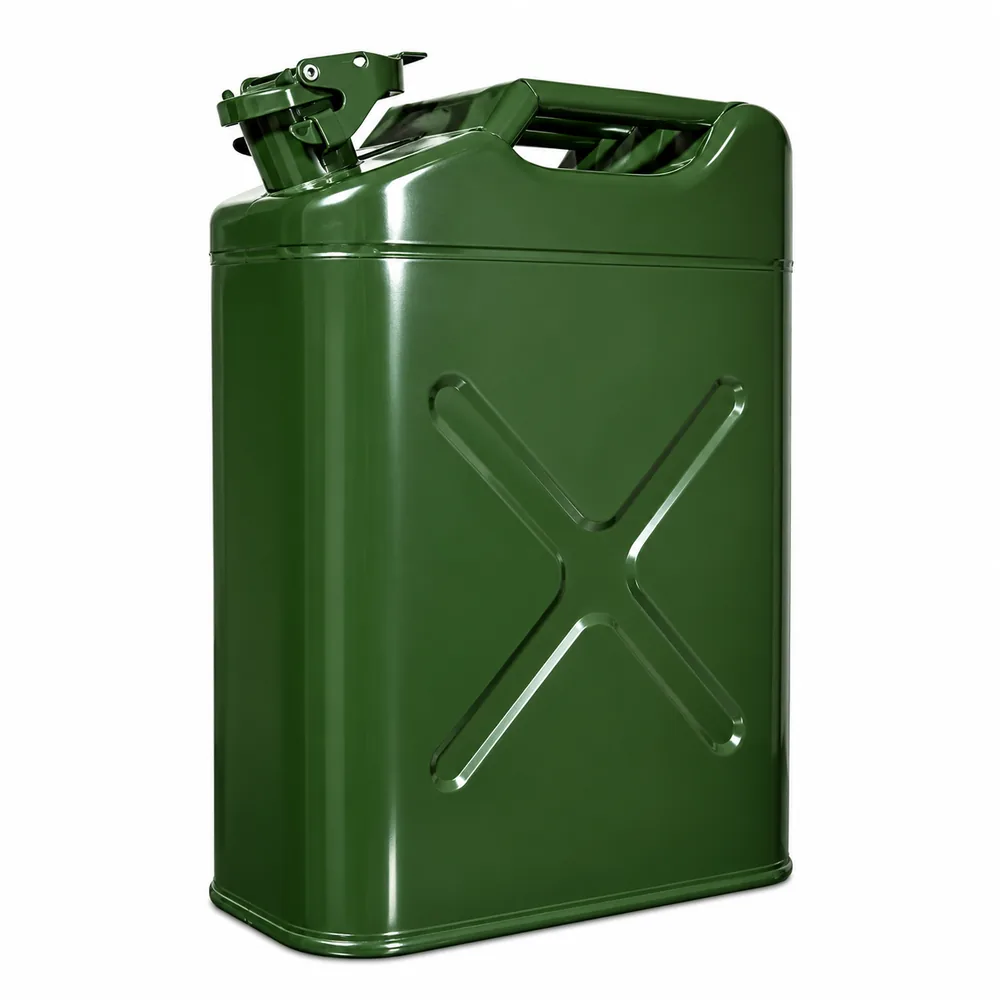 20L NATO規格 スチール燃料缶 20L NATO規格 スチール燃料缶 |
ベトナムまたは中国。ロットごとに明示。 |
| トレーサブルな材料 |  20L ステンレス給水缶 20L ステンレス給水缶 |
ステンレス鋼種のミルシート。 |
| 最も単純なサプライチェーン | 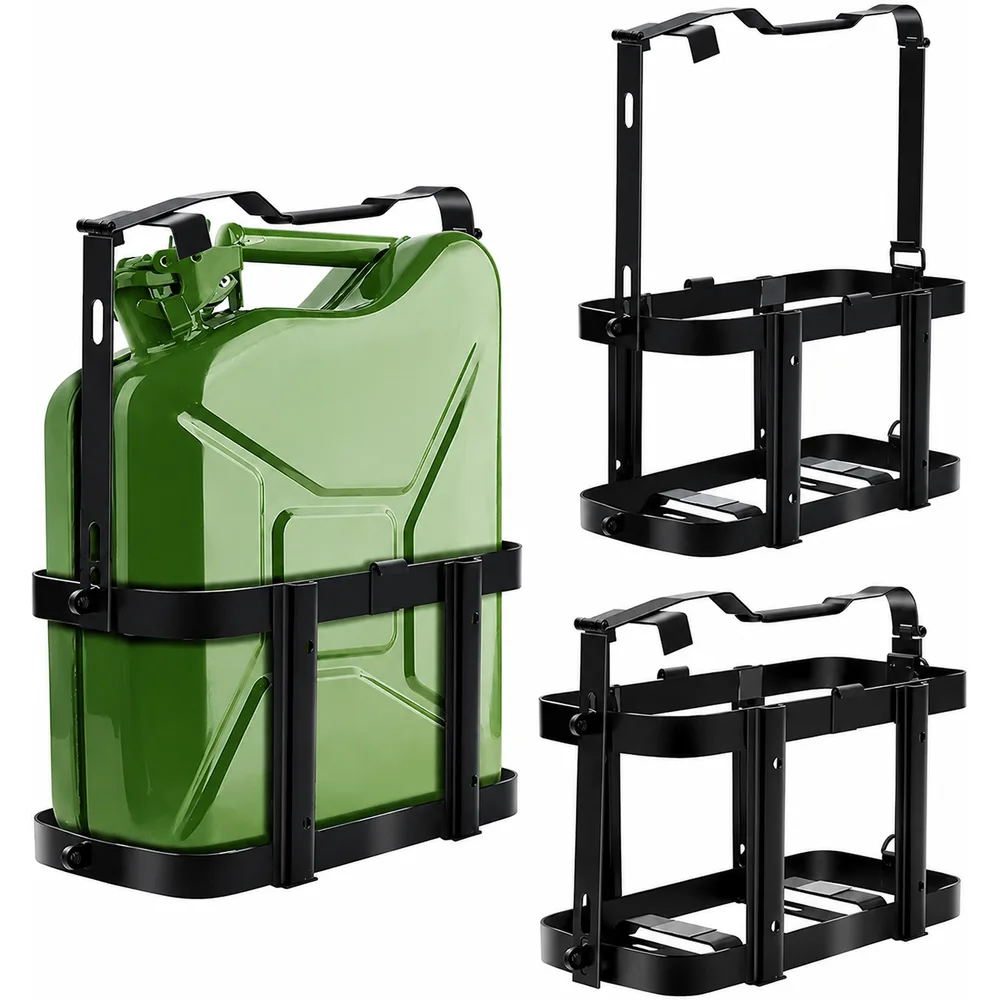 ジェリ缶ホルダー・マウント ジェリ缶ホルダー・マウント |
完成部品の背後の階層が最も少ない。 |
| 樹脂系ライニング |  エコノミーHDPEジェリ缶 — 非UN エコノミーHDPEジェリ缶 — 非UN |
上流の可視性が最も困難な領域。 |
Regulation (EU) 2024/3015 は 2024 年 12 月 13 日に発効し、2027 年 12 月 14 日から全面適用される。その時点で調査、市場からの排除、および単一の情報提出窓口が稼働する。買い手はこの期日よりかなり早い段階から、要件を契約に書き込んでいる。
はい。EU へ輸入する、または EU 内で販売する域外企業にも及び、EU 域内外のいずれで製造されたかを問わずすべての製品と分野を対象とし、企業規模や売上高の閾値を持たない。報告義務でしばしば見られるような、小規模輸入者の除外はない。
いいえ、そしてこれが最も多い読み違いである。デューデリジェンスは任意であり、調査対象になるリスクを下げる。実効的なデューデリジェンスを示せる事業者は狙われにくいからである。しかし実際に強制労働が存在すれば、禁止措置はそのまま適用される。デューデリジェンスは提示するための証拠であって、コンプライアンス上の盾ではない。
商社の所在地ではなく名指しされた生産拠点、当該生産分の生産国、工場監査の書類、鋼材や樹脂の出所といった一段下の階層の可視性、そして方針が公表されているだけでなく実際に運用されている証拠である。
いいえ。英国(グレートブリテン)に同等の市場禁止は存在しない。Modern Slavery Act 2015 は、要件に該当する事業者に対し、サプライチェーンで講じた措置に関する年次声明の公表を求めており、これは透明性の義務である。英国の輸入者は報告によって応じ、EU の輸入者は販売できないという形で応じる。
本ページが依拠する規格・法令を発行機関へのリンク付きで示す。市場規則を挙げている箇所については、仕様に反映する前に最新版を確認すること。
最終確認日 .