
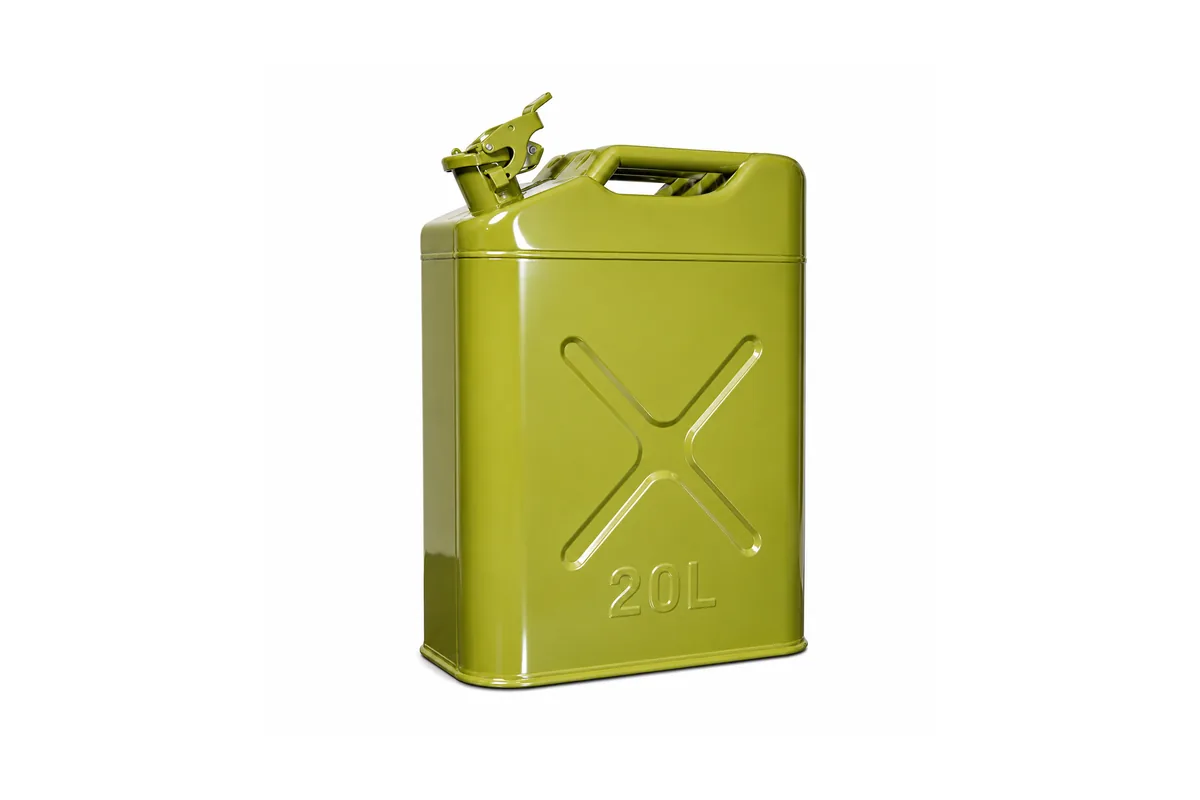
ジェリカンは、ほぼ変更されずに今なお製造されている数少ない第二次世界大戦の設計の一つです。その形状が問題を完全に解決したため、改良すれば互換性が失われてしまうからです。
ドイツの技術者は 1930 年代に Wehrmacht-Einheitskanister を設計した。3 個のハンドル、カムレバー式のキャップ、各面に打ち出した十字を備えた 20リットルのプレス鋼製缶である。連合軍は戦時中にこれを模倣し、その起源にちなんでジェリカンと名付けた。中核となる形状はそれ以来ほとんど変わっていない。機能するからである。後の各国規格および NATO パターンは寸法とキャップをより厳密に定めたが、今日兵士が満たす缶は、あの技術者が描いた缶そのものである。
模倣の部分は掘り下げる価値がある。英国も米国も既に燃料容器を持っており、どちらもより劣っていた。英国の4ガロン缶は薄く成形されすぎており、西部砂漠の兵士たちはこれをフリムジーと呼んだ。積み重ねると裂け、輸送中に漏れ、別の注ぎ口と開けるための工具を必要とした。鹵獲したドイツ製の缶は、実物を採寸のために本国へ送るほど珍重された。連合国がその後に配備した容器は改良品ではなく、ほぼ複製であった。米国版は設計した敵の呼び名までそのまま残した。Jerryは兵士たちがドイツ人を指して使った言葉だからである。
こうしてこの形式は、戦争に負けた軍を生き延び、90年を経てなおほぼ同じ寸法で成形され続けている。これほどの記録を持つ野戦装備はごくわずかである。理由は感傷ではない。この形状は運搬、密封、充填、積み重ねを同時に解決しており、そのうち1つを改良しようとする試みは、たいてい別の1つを犠牲にしてきた。なぜこの缶は古臭く見えるのかと購買担当に問われたら、誠実な答えは、どの特徴も荷重を担っているというものである。以下の各節ではそれらを1つずつ取り上げる。
そのサイズの平らな金属板はたわみやすい。満たして日中に日光で熱し、夜間に冷やせば、内部の圧力は上昇と下降を繰り返す。単純な壁面なら膨らんでは引き込まれ、折り目で割れるまで金属を疲労させる。打ち出した十字は各面を補強し、制御された動き方を与える。パネルは圧力に抗うのではなく圧力とともにたわむため、壁面は長持ちする。密閉された燃料は温まるにつれて圧力を高めるため、キャップとベントはパネルと同じくらい重要である。 ベントと圧力 に関する当社の解説が、その側面を扱っている。
原理は、自動車のドアスキンにリブを入れ、屋根材の板に波形を付けるのと同じである。厚みが担うはずの仕事を形状に担わせるのだ。面に十字を押し込むと、同じ重量の平らな金属を足すよりはるかに大きくパネルの剛性が上がる。曲げ剛性は断面高さの3乗で増えるからである。20リットルの缶をおよそ0.8 mmから1.0 mmの鋼板からプレスしながら、充填、加熱、冷却、テールゲートからの落下に何十年も耐えさせているのがこれである。
これは無料の点検道具にもなる。衝撃を受けて元に戻った十字は外観上の問題にすぎない。平らになった、あるいは恒久的な膨らみとして残った十字は、この形状が吸収できる範囲を超えて繰り返し変形させられており、たいていは密閉したまま繰り返し温められたことによる。そして折れ曲がり部の金属はすでに加工硬化を始めている。その缶は塗装がどう見えようと寿命の終わりにあり、車両に戻すのではなく廃棄の山に入るべきである。
上面を見れば、3 個のハンドルがある理由は運搬にあるとわかる。外側の 2 個をつかめば、1 人が両手に満杯の缶を 1 つずつ、釣り合いよく運べる。中央のハンドルをつかめば、2 人で 1 つの缶を分担でき、あるいは 1 人が缶を下ろさずに持ち手を替えられる。缶を列に沿って手渡していけば、それぞれの手が直前の手が離したばかりの握りを受け取るため、人の連なりがトラックから貯蔵所へ、誰も歩調を乱すことなく燃料を運ぶ。
その背後の荷重は小さくない。だからグリップはあの形をしている。ガソリン20リットルは約15 kg、ディーゼルは約17 kg、水はちょうど20 kgである。鋼製缶の約4 kgを加えると、水を満たした缶は片手で約24 kgになる。2つを同時に、外側のハンドルで運ぶと、1人に50 kg近くがかかり、それが背骨の左右に釣り合って保たれる。2缶持ちがかろうじて成立する唯一の理由がこれである。
ハンドルのバー自体が上部プレス部品の一部であり、天板と胴を接合するシームに巻き込まれているので、後付けの部品ではなく構造体である。緩むボルトも、引きちぎれるリベット留めのラグもない。これらは後からハンドルをボルト留めした缶の典型的な破損箇所である。同時にこれは、ハンドルを交換できないことも意味する。グリップに亀裂が入るか、その脇のシームが開けば、その缶は廃棄である。返却在庫を検査するときに覚えておく価値がある。
ハンドルは缶の上面に打ち出したくぼみに収まっており、そのくぼみは缶が満杯のときキャップの下に空気溜まりを残す。ここから 2 つのことが導かれる。満たした缶は沈まずに浮くため、渡河や浸水した貯蔵所で意味を持つ。そして閉じ込められた空気は、内容物が温まって膨張したときの逃げ場を与えるため、缶がキャップまでぎっしり満たされることはない。充填線、余裕空間、ベントは 3 つの別々の要素ではなく、1 つのシステムである。
ヘッドスペースの大きさは目分量ではなく計算で決まる。ガソリンは摂氏1度あたりおよそ0.1パーセント膨張するので、涼しい倉庫で20リットルまで充填した缶を日向に置いて30 °C上昇させると、行き場のない体積が約0.5リットル増える。ハンドル下のくぼみがその行き場を与える。この線を超えて充填すれば、余分な圧力は代わりにシームとキャップのガスケットへ向かう。誰も傷つけていないのに密閉した缶が閉鎖部から滲み出すのは、こうして起きる。
浮力の計算も同じくらい際どく、答えは中身によって変わる。ガソリン満量の缶は総重量で約19 kgあり、およそ22リットルの水を排除するので、余裕をもって浮く。ディーゼルはほぼ中性浮力に近い。水を満たした缶は約24 kgで沈む。つまりオーバーランドのフォーラムで繰り返される「ジェリカンは浮く」という話は、燃料については正しく、水については誤りである。渡河を計画しているなら、この区別こそが重要になる。
矩形の形状は、保管と輸送でその価値を発揮する。平らな面同士が無駄な隙間なく密着するため、パレットや車両の荷台は最小の空間で最多の缶を収められる。真っすぐな側面は角をそろえて積み重なり、動かない。この形状は、缶が何を収めていても同じように輸送でき、同じように保管できる。
数字を当てはめると優位性は明白である。標準の缶は高さ約470 mm、長さ345 mm、幅165 mmであるから、1200 × 800 mmの欧州パレットには7列2段の配置で1層14缶が載り、デッキの約83パーセントを使う。同容量の円筒は理論上でも79パーセントを超えられない。正方格子に並べた円は床面の一定割合を必ず空けるからである。実際には、転がり用のフープを考慮するとドラムはさらに悪くなる。
その差は流通の各段階で累積する。20フィートコンテナに何缶積めるか、カーテンサイダーが何パレットで満載になるか、そして空気の輸送にいくら払うかを左右する。当社の コンテナ積載数 は同じ計算を満載状態まで通して行っている。缶の形状が仕様書ではなく着地コストに現れる箇所として、ここが最も明瞭である。
NATOは外形寸法と取付インターフェースを標準化した。そのため、あるメーカーの缶が別のメーカーのキャリア、ラック、ホルダーに収まる。これが流通業者にとってのこの形状の実務的な価値であり、付属品のエコシステムが共有されるということである。同時に、付属品市場が囲い込みではなく競争的になることも意味する。ホルダー、ノズル、コックは単一メーカーのカタログではなく、互いの価格と競い合うことになる。NATO型の缶とNATO型の ホルダー は、どちらを誰が作ったかにかかわらず適合する。より範囲の広い 固定・運搬用ハードウェア も、パターンに従って作られていれば同じである。
NATOが標準化したのは製品そのものではなくインターフェースである。だからこそ、缶を「NATOの何か」として証明する文書は存在しない。同盟国の部隊が車両間で燃料を受け渡せるよう、寸法と取付形状は一致している必要があった。一方で鋼種、被膜、注入口は製造者に委ねられた。この分かれ方こそが、形状は完全に一致していながら実質的には何の基準にも作られていない缶が生じる理由であり、品質に関する意味のある問いがすべて、形状ではなく試験報告書によって答えられる理由でもある。
Fortitude21 は、燃料用にはプレス鋼、水および食品用には AISI 304 ステンレス、重量が制約となる場合にはアルミで、このパターンを製造する。外形は一定に保たれるためキャリアの互換性が維持される。内部は缶が何を収めるかに応じて選ばれる。顧客は 1 組のラックに標準化し、鋼製、ステンレス製、アルミ製の缶をそこに通して使える。
これがこのパターンの本当の商業的価値であり、明言する価値がある。この形状は製品ではなくインターフェースである。だからバイヤーは、車両にもラックにも訓練にも手を触れずに、材質、サプライヤー、容量を変えられる。装備品の調達でこれほど疎結合になっている例はきわめて少なく、この形状が改良の試みをことごとく生き延びてきた理由でもある。
見た目だけを模倣し寸法は模倣していない「ジェリー風」の缶に注意すること。そうした缶は他の缶と同様に燃料や水を運べるが、NATO ホルダーには収まらないため、顧客がすでに所有するラックやキャリアが使えなくなる。既存の取付器具に合わせて出荷する前に、缶が単にそれらしい形をしているだけでなく、パターンに従って作られていることを確認すること。
巻尺ではなくホルダーで確認すること。効いてくる公差は個々の寸法ではなく、噛み合いだからだ。顧客自身のラックへサンプルを送るか、ホルダーを取り寄せて試すこと。2 面が数ミリずれた缶は、寸法上は近くても収まりが悪い。信頼できる唯一の試験は、エンドユーザーが初日に行う試験である。
顧客がすでにジェリカンのホルダーやラックを所有している場合、NATOパターンの缶はそのまま収まるため、アップグレードに新たな取付金具は不要です。以下をご覧ください: 燃料 および 水 シリーズ。
そのことは、パターンが供給者を変更する低リスクな手段でもあることを意味する。インターフェースが専用の取付具ではなく形状そのものなので、顧客はラック、ホルダー、訓練を無駄にせずにメーカーを移ることができ、比較のあいだ 2 社を並行して使うこともできる。流通業者にとってこれは単純な論拠になる。顧客がこの製品を試すのに、下流で変更しなければならないものは何もない。
1 つの形状、3 つの内部。当社の製品ラインにおけるこのパターンを以下に示す。
| 用途 | おすすめの缶 | 選ぶ理由 |
|---|---|---|
| 燃料向け、鋼製のパターン | 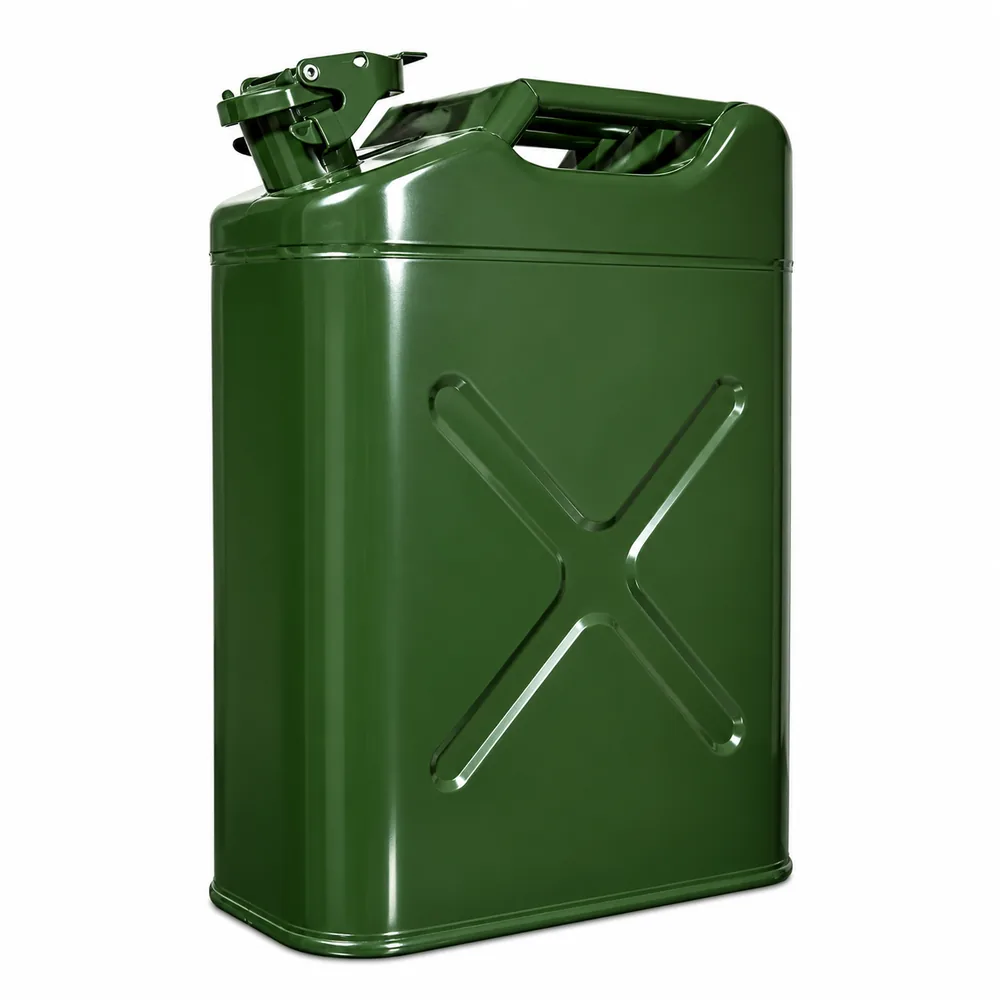 20L NATO規格 スチール燃料缶 20L NATO規格 スチール燃料缶 |
コーティングされたプレス鋼、UN マーク付き。 |
| 水向け、ステンレス製のパターン | 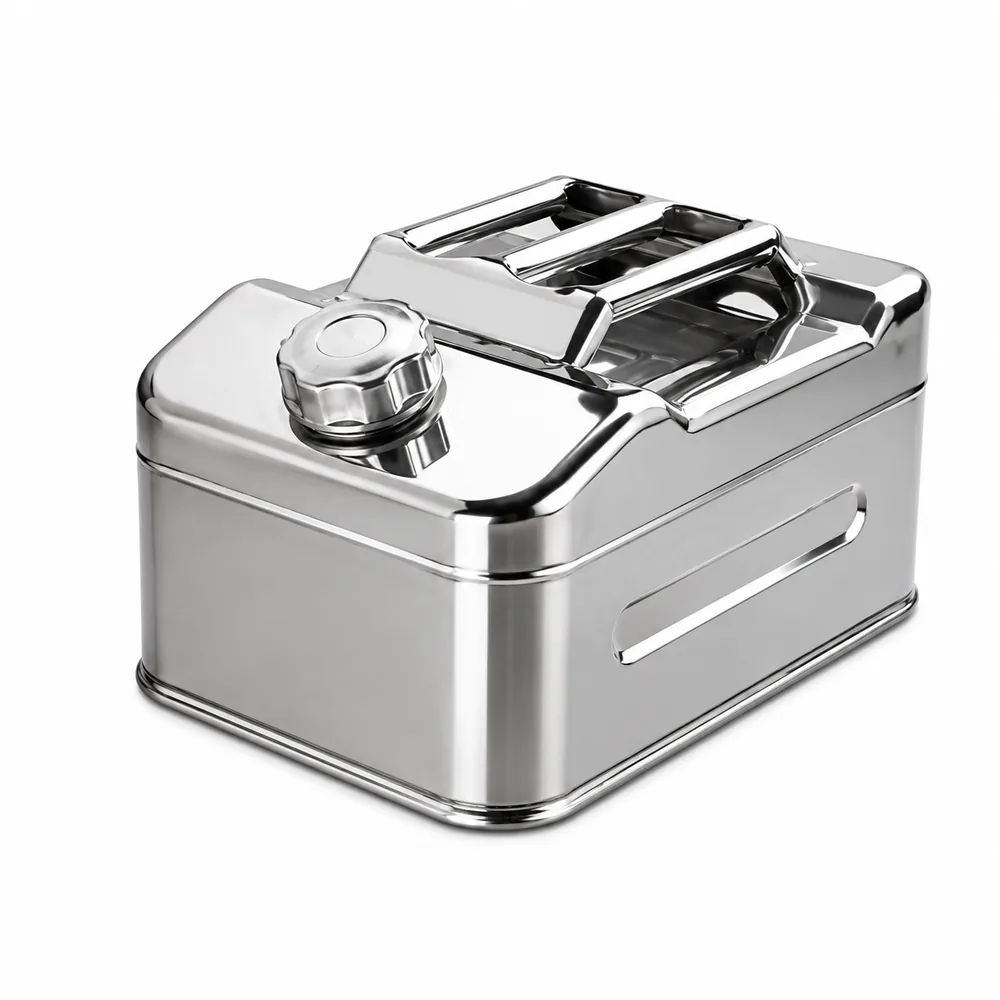 ステンレス NATO規格缶 — 10L / 20L ステンレス NATO規格缶 — 10L / 20L |
接液部全体に AISI 304 を使用。 |
| アルミ製のパターン | 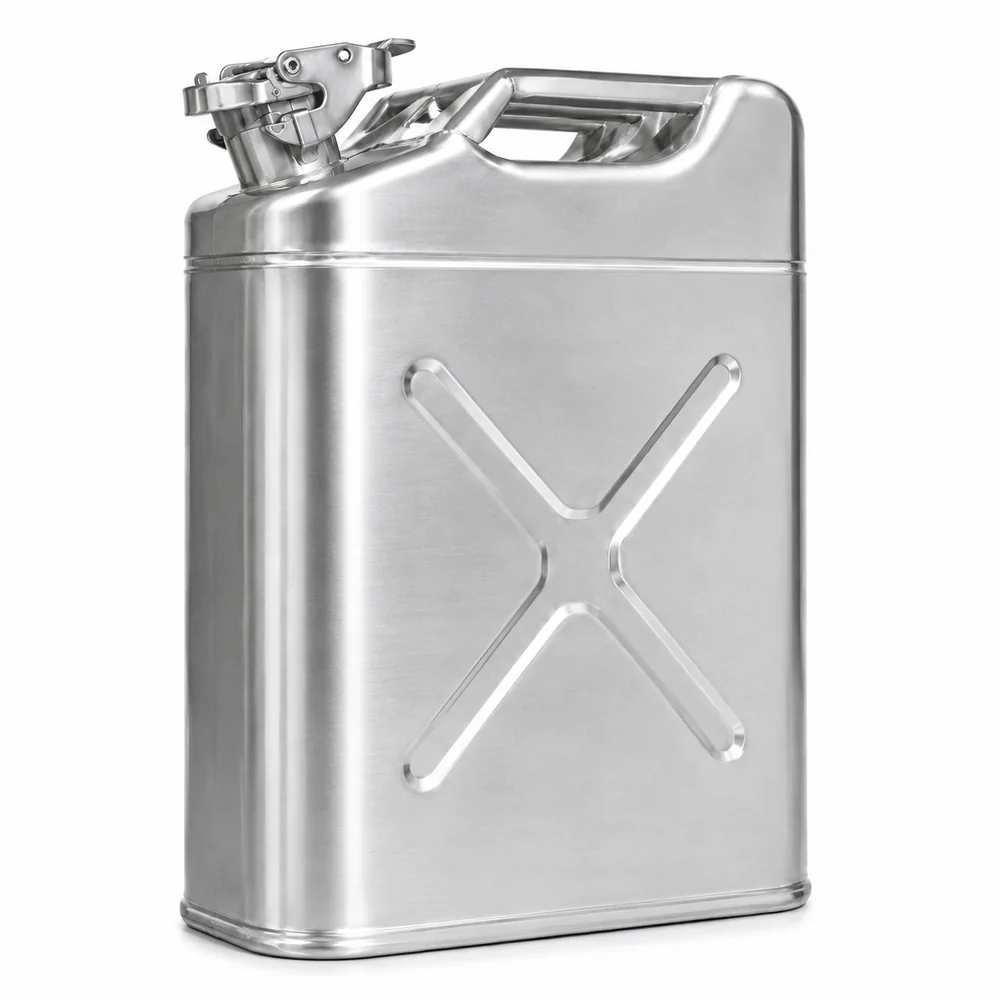 20L アルミ NATO規格缶 20L アルミ NATO規格缶 |
同じ形状で、充填時の重量はより軽い。 |
| パターンへの取付 | 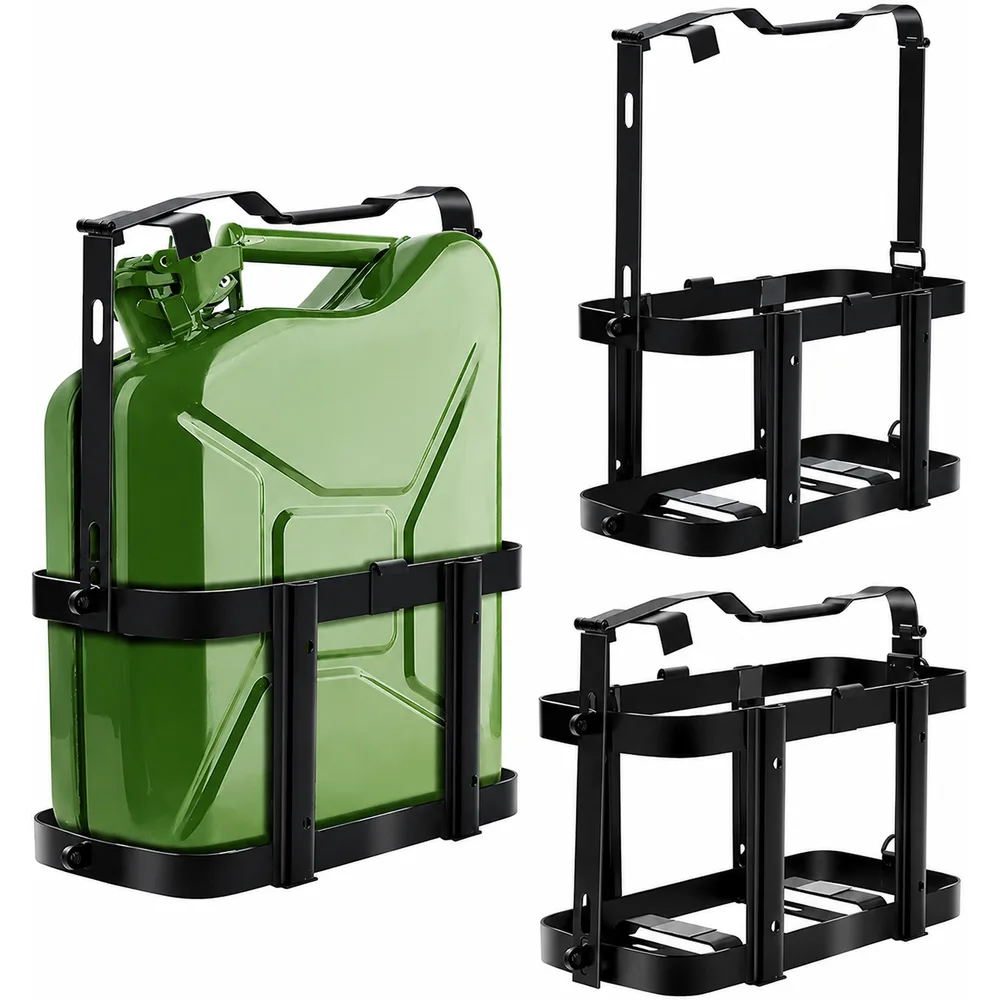 ジェリ缶ホルダー・マウント ジェリ缶ホルダー・マウント |
あらゆる NATO パターンの缶に適合するホルダー。 |
中央のハンドルは1人で満量の缶を運ぶためのものである。外側の2本は、2人で2缶を分担して運ぶことを可能にし、また列をなして満量の缶を手から手へ、どちらも持ち替えることなく受け渡すことを可能にする。これは戦時に生まれた取り扱い設計であり、いまだにこれを上回るものはない。
缶とホルダーの双方がオリジナルパターンの寸法に従っている場合は、はい。それがこのパターンの実用上の価値である。あるメーカーの缶が、別のメーカーのマウントにそのまま収まる。確認すべきはブランドではなく外形寸法である。同じ容量でもパターン外の缶は収まらないからだ。
プレス成形された凹みは、重量を増やさずに薄い鋼板の壁を補強し、内容物が温まって膨張しても缶を変形させない余地を与える。平らな背面と凹んだ前面により、缶同士や車体パネルに接して置いてもがたつかない。
本ページが依拠する規格・法令を発行機関へのリンク付きで示す。市場規則を挙げている箇所については、仕様に反映する前に最新版を確認すること。
最終確認日 .