
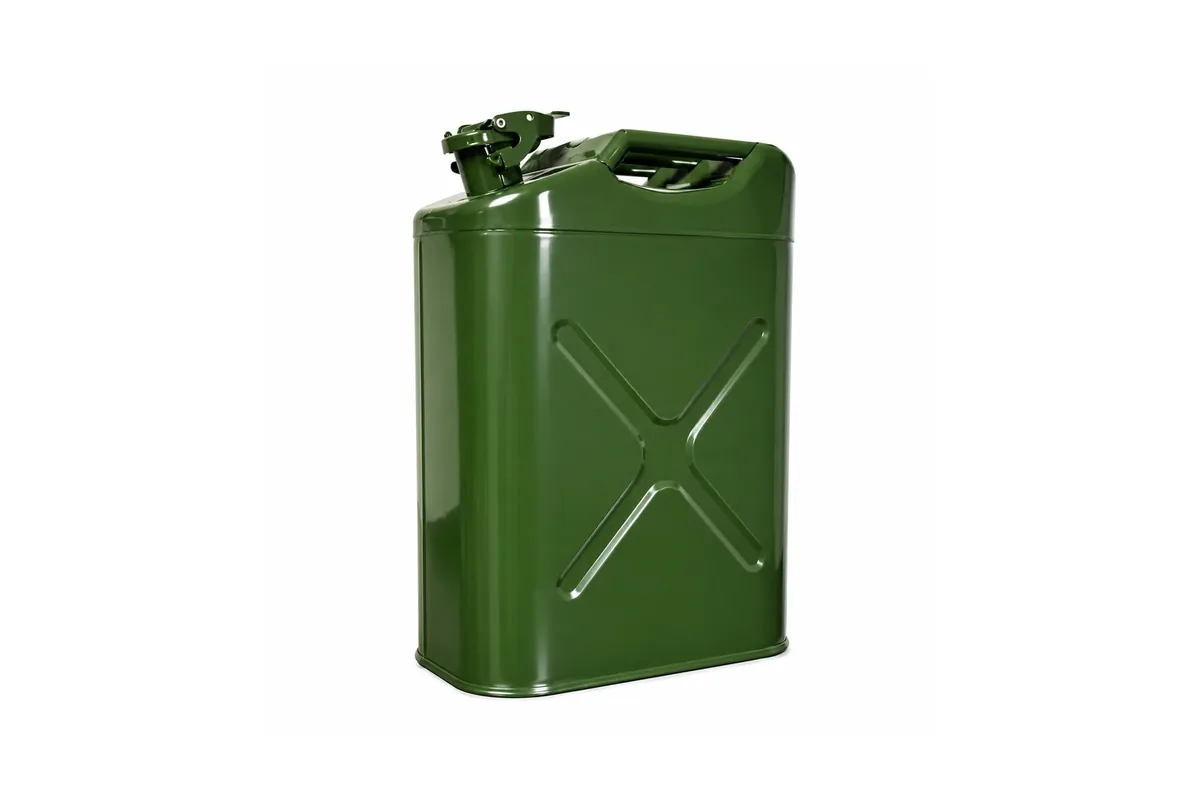
燃料や化学薬品を缶で保管することは、安全な保管の一部にすぎません。缶が漏れた場合、流出が事故に発展するのを防ぐのが二次的な流出防止設備です。これは一般的なガイダンスであり、お住まいの地域の規則をご確認ください。
二次的封じ込めとは、容器が漏れたり倒されたりして放出した液体を受け止める防液堤、トレー、または流出防止パレットを指す。容器が一次封じ込めであり、防液堤はその予備である。多くの法域では、しきい容量を超える燃料や化学品の保管に対してこれを義務付けている。要点は単純で、液体の行き先を床、排水口、地面以外に用意することにある。
規制当局が重視するのは、受け入れ側の環境が、量から想像されるよりはるかに耐性を欠くからである。数リットルのディーゼルが雨水排水に達すれば、ほぼ希釈されないまま水域に届き、広い範囲に目に見える膜として広がり、回収は高くつき遅い。漏出は小さく影響は大きいというこの非対称性ゆえに、封じ込めは判断に委ねられず、しきい値を超える場合の要件として明文化されている。
これはまた、多くの現場にある 2 つの排水系統の違いも説明する。保管場所を決める前に知っておくべき最も有用な事柄がこれである。汚水排水は処理施設へ流れる。雨水排水は通常無処理のまま、最寄りの水域へ流れる。前者への漏出は問題であり、後者への漏出は規制当局が絡む事故である。保管場所の近くのどの集水ますがどちらなのか分からないなら、防液堤を買う前にやるべき調査はそれである。
一般的な規則では、防液堤は最大の単一容器の110パーセント以上、または保管総量の一定割合のいずれか大きい方を保持する。この余裕分は、屋外防液堤への降雨と、他の容器による容積の押しのけを見込むものである。屋外防液堤には、実効容量に加えて余裕高(フリーボード)が必要であり、そうすれば降雨があてにしていた予備容量を埋めてしまうことはない。正確な数値は所管の規制当局のものを確認する。
イングランドについては、この数値は一般的な慣行ではなく規則の条文である。Control of Pollution (Oil Storage) (England) Regulations 2001は、工業、商業、または公共の施設において地上で200リットルを超える油を貯蔵する場合に適用され、最大容器の少なくとも110パーセントの二次的封じ込めを要求する。同じ防液堤に複数の容器が置かれる場合、要件は最大容器の110パーセントか、貯蔵総量の25パーセントのいずれか大きいほうである。ドラムは25パーセントの容量に設計したドリップトレイで扱う。
例で計算するとよい。2つの規則は思われているより早く入れ替わるからである。20リットルのジェリカン10個で合計200リットルになる。その10パーセントは50リットルであり、20リットル缶1個の110パーセントをはるかに上回る。したがって総量の規則が支配し、受け皿は22リットルではなく50リットルを保持しなければならない。最大容器の規則が勝つのは、大型タンク1基が少数の小型容器を圧倒する場合に限られ、ジェリカンの保管はその正反対の構成である。
スコットランド、ウェールズ、北アイルランドは、同じ構造で施行日の異なる独自の同等法令を運用している。したがって複数拠点を持つ事業者は、1回の評価でグループ全体が賄えると考えてはならない。建屋内での保管はイングランドの規則の対象外であり、1,500リットル未満の農業用地は適用免除である。この2つが、最も多く依拠され、最も多く記憶違いされる適用除外である。
屋外に置かれた開放型の防液堤には、いずれも雨水がたまる。防液堤の排水にはバルブを設けて通常は閉じておき、放流する前に、受け止めた水に油膜や汚染がないか確認する。清浄であれば排水し、燃料や化学品を含む場合は廃棄物として扱う。開いたままの排水は、封じ込めを、本来守るべき水路への直通経路に変えてしまう。
バルブの位置を目に見えるようにし、誰かの職務にすること。鍵を指名された担当者が保持する施錠されたバルブは管理である。誰も見ないバルブは、一度下されたきり放置され、いまや天候と同じ扱いになった判断である。不具合を捉える確認は、バルブが閉じているかどうかではなく、最後にいつ開けられ、何が放出されたかを誰かが言えるかどうかである。
封じ込めは容量に合わせる。缶が少数であれば、下に敷いた流出防止パレットや滴受けトレーが液だれや倒れた容器を受け止め、防液堤付きキャビネットは屋内の小規模保管に適する。容量が大きい場合は、床やタンク周りに造り込んだ固定式防液堤が必要になる。保管場所はいずれも、排水口、側溝、水路から離して配置し、防液堤を越えた流出があっても到達までに距離が残るようにする。
ジェリカンの保管に限れば、妥当な単位は造り付けの設備ではなく防液パン付きのスピルパレットである。ドラム4本用パレットは20リットル缶を実用的な数だけ収容でき、建物の床とは独立に自らの受け容量を確保し、保管場所が移るときに一緒に動かせる。打設したコンクリートの防液堤にはこれができない。屋内保管で燃料がガソリンの場合、防液パン付きキャビネットが液体の封じ込めと火災区画の分離を1つの品目でこなす。これが職場のリスクアセスメントで実際に求められる内容であることが多い。
容量設定の落とし穴が 2 つ繰り返し起きる。1 つ目は積み重ねである。缶 1 段分で容量を設計した防液堤は、誰かが 2 段目を載せた瞬間に容量不足になり、パレットにはそのことを示すものが何もない。2 つ目は、サンプが吸収材や漏斗、予備ポンプの置き場として使われ、計算が前提とした容量を静かに食っていくことである。どちらも設計上の欠陥ではなく点検で見つかる指摘であり、だから下記の点検リストは購入と同じくらい重要になる。
防液堤は、受け止める可能性のあるものに耐えなければならない。鋼製の防液堤は燃料に適する。化学品には、適合する材質で内張りするか造った防液堤が必要であり、これは容器そのものと同じ適合性の問題である。液体に侵食される防液堤は、封じ込めとして意味をなさない。次を参照: 適合性ガイド。また移し替えの際は、アダプターや継手も液体に合わせる。使用する製品は次のとおり: ドラム・IBCアダプター.
防液堤は、容器よりも悪い条件で内容物に出会う。漏れた液を原液のまま、その時点の温度で受け、蒸発を抑える栓もなく、しばしばすでに雨水が入って濃度が変わった状態で受ける。したがって、ある薬品の保管に適合すると評価された材料が、その受け止めに自動的に適合するわけではない。適合性の問いは、缶から引き継ぐのではなく、防液堤それ自体について問わなければならない。
缶が漏れたら、手順どおりに進める。防液堤で液体を封じ込め、その液体に適合する流出処理キットで吸収し、使用済みの吸収材はSDSの指示に従って処分する。キットは保管場所の近くに置き、容器には内容物と日付を表示し、漏れと腐食を定期的に点検する。整理整頓が行き届いていれば、缶がにじみ始めた段階で、空になる前に気づける。よくある誤りは、いずれも避けられるものである。容量不足の防液堤、材質が適合しない防液堤、開いたままの排水、手の届く範囲に流出処理キットがないこと。
吸収材は防液堤と同じくらい慎重に液体に合わせること。汎用パッドは油と燃料に対応するが、酸やアルカリには中和性の吸収材が必要で、誤ったものを使えば封じ込めた漏出がトレイの中での反応に変わる。キットは棚に合わせるのではなく、最大の単一容器に合わせた容量にしておくこと。途中で尽きるキットは、対応を遅らせたキットである。
屋外の防液堤は雨水で満たされ、水で一杯になった防液堤には、本来受け止めるべき漏洩のための容量が残らない。したがって排水しなければならないが、排水した瞬間にそれは環境への排出経路になりうる。防液堤が防ごうとしていたのは、まさにそれである。
通常の答えは、施錠して閉じたままにする手動バルブである。内容物を点検した後にのみ開き、汚染された水は放流せず廃棄物として処理する。自動排水は目的を無にする。雨水と同じ手軽さで燃料を排出してしまうからだ。常時開放の排水口を持つ防液堤は、二次防護にはあたらない。
防液堤は静かに機能を失う。コンクリートの微細なひび、ポリエチレン製受け皿の劣化した継ぎ目、腐食した接合部は、上から見て異常が何もないまま保有容量を失わせる。その不具合が見えるのは、受け止めるはずだった漏洩が起きたときである。
しっかり密閉された健全な容器が第一の防御線である。UN規格に適合し封止が損なわれていない缶が防液堤まで至ることはまれである。封じ込めは予備であって、本来の計画ではない。次をお読みください: 燃料の安全な保管.
これが、封じ込めより先に容器へ支出すべき論拠である。栓が健全な確かな缶は事象そのものを防ぐ。防液堤は起きた後の被害を限定する。どちらも備える価値があるが、液体を商品として保ち、床を汚さず、事故を報告書に載せずに済ませるのは一方だけである。予算が選択を迫るなら、金は先に缶と栓に入れる。
最良の封じ込めは、漏れない缶である。当社が製造するのは以下のとおり。
| 用途 | おすすめの缶 | 選ぶ理由 |
|---|---|---|
| 堅実な燃料保管 | 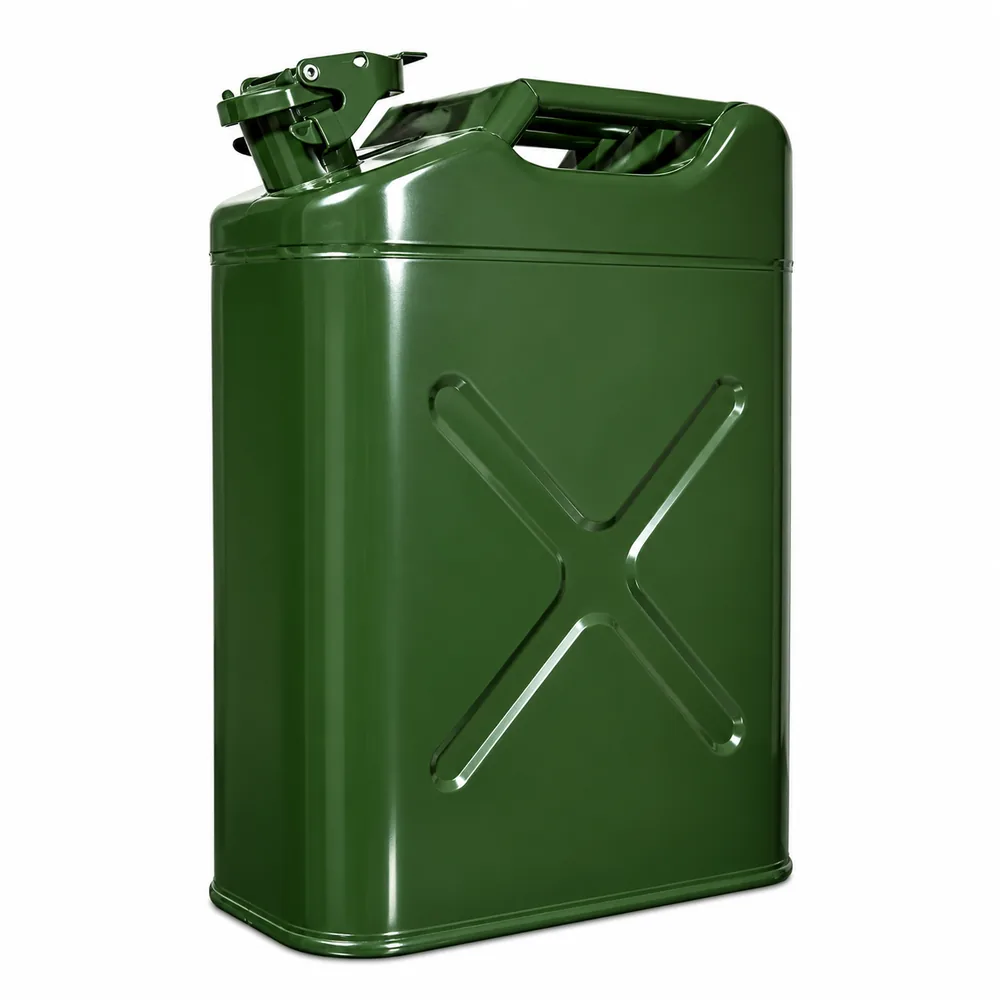 20L NATO規格 スチール燃料缶 20L NATO規格 スチール燃料缶 |
UN規格適合の鋼製で、通気機能付きの封止が健全なもの。 |
| 腐食性の強い化学品 | 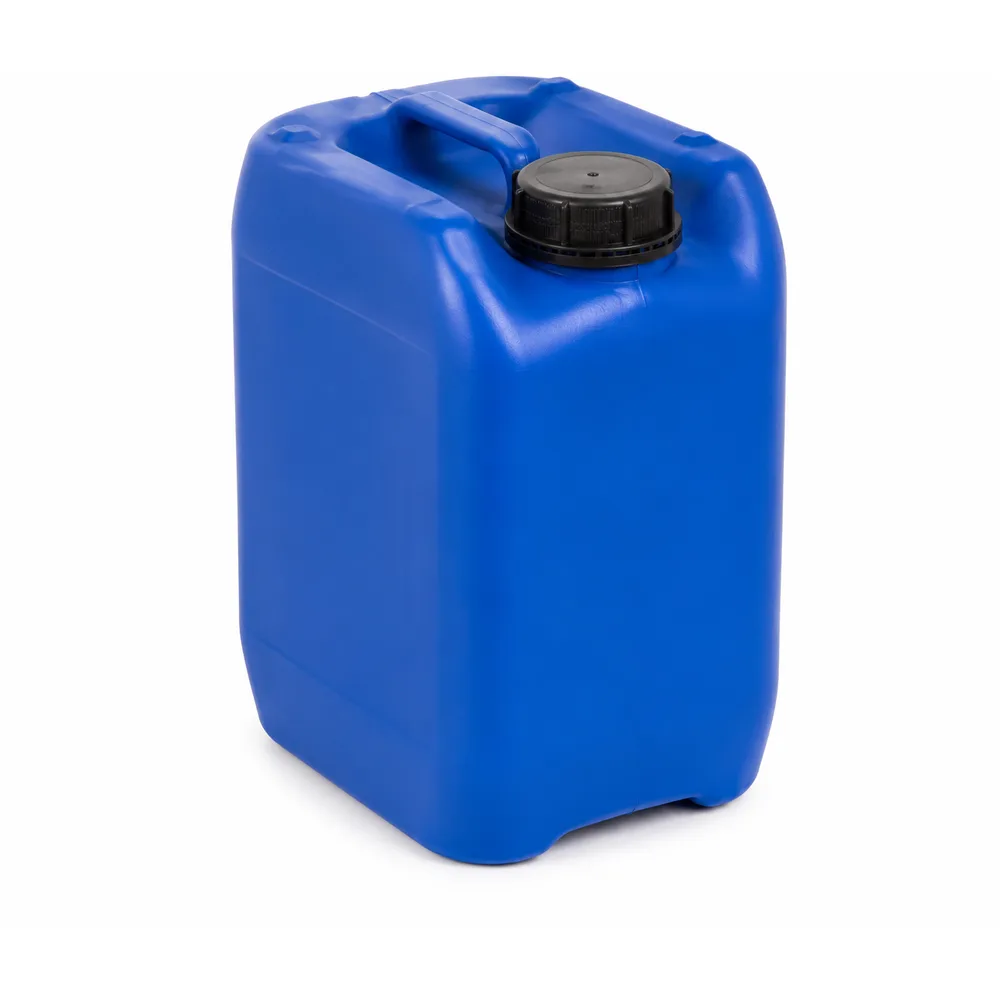 フッ素処理HDPEジェリ缶 フッ素処理HDPEジェリ缶 |
フッ素化HDPEが液体に耐え、壁の透過を抑える。 |
| 封止を確実に保つ | 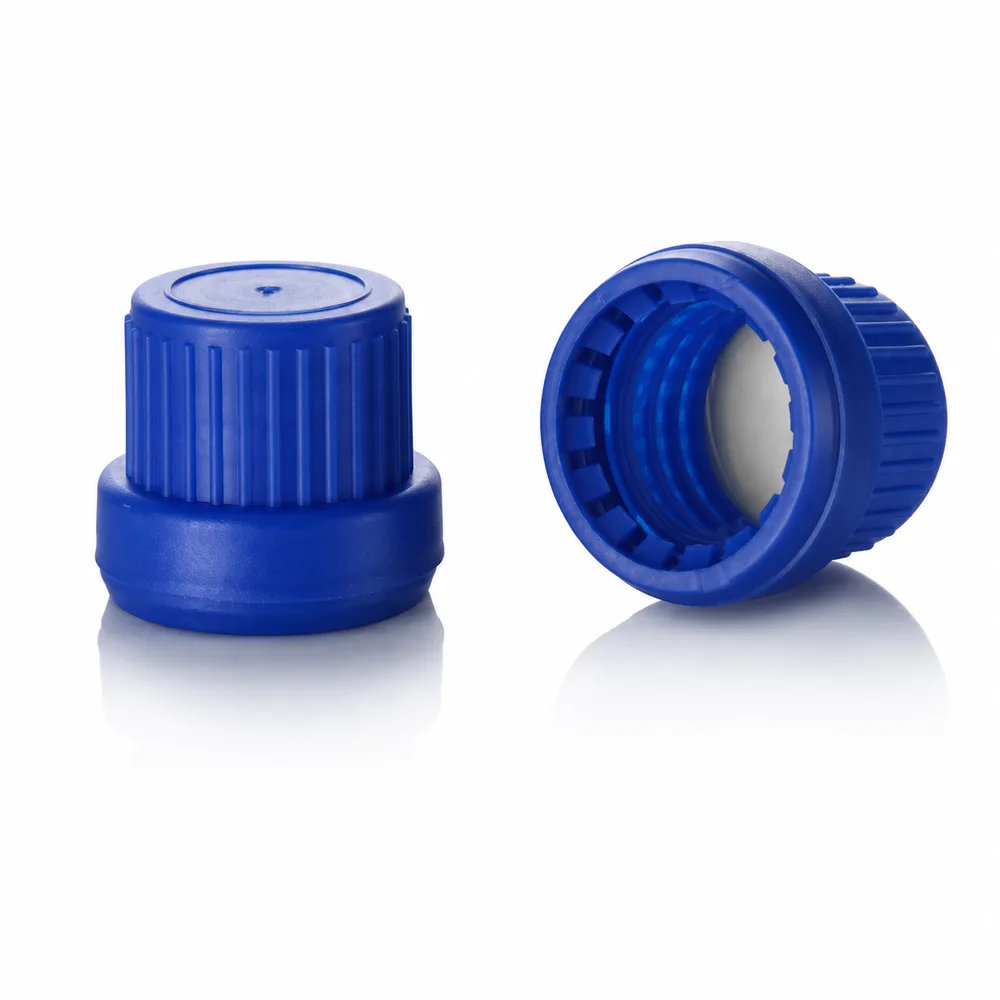 キャップ・クロージャー・ガスケット キャップ・クロージャー・ガスケット |
適切なガスケットが、液体を防液堤まで届かせない。 |
| 制御された分注 | 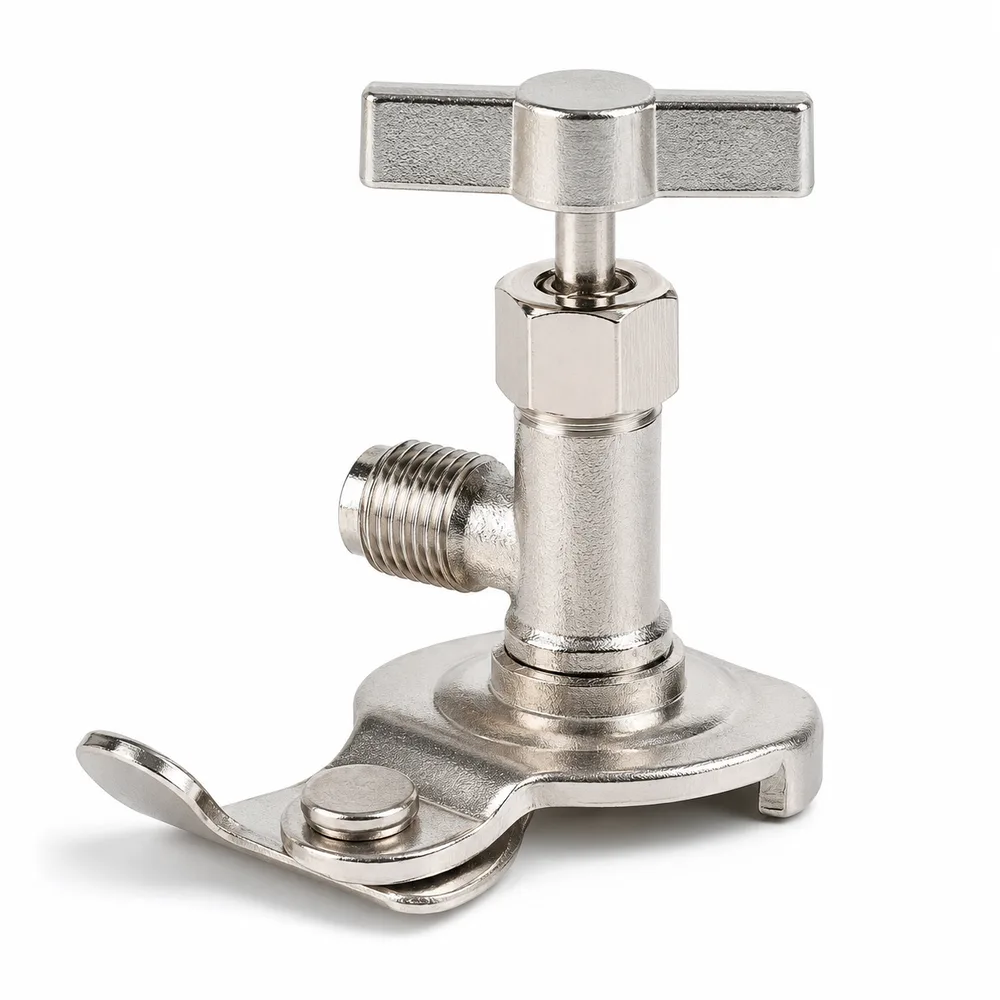 コック・分注バルブ コック・分注バルブ |
コックを使えば、ジャグから注ぐ際のような飛散なしに移し替えられる。 |
一般的な要件は、保管場所にある単一容器の最大容量に、屋外であれば降雨分の余裕を加えた容量である。法域によっては、代わりに総保管量に対する一定割合を求めるところもある。地域の規則を確認すること。大規模な保管場所では、この2つの方式が大きく異なる答えを出すからである。
労働安全および環境の規則は通常、これを下回れば防液堤が義務ではなく、上回れば義務となるしきい値を定めている。しきい値は法域によって異なり、保管場所が排水口や水路に近いかどうかによっても変わる。要件を発動させるのは、量だけでなく排水系統への近さであることが多い。
酸、アルカリ、大半の化学品にはポリエチレン、耐火性が問われ、保管する液体が炭化水素である場合は塗装鋼板または亜鉛めっき鋼板である。溶けてしまう防液堤は防液堤ではないため、容器を合わせるのと同じように、受け材の材質も保管する液体に合わせること。
本ページが依拠する規格・法令を発行機関へのリンク付きで示す。市場規則を挙げている箇所については、仕様に反映する前に最新版を確認すること。
最終確認日 .