
300リットル以下の鋼製容器はCBAMの附属書に含まれる。EU輸入者がすべきことと、その大半を免除する50トンのしきい値。
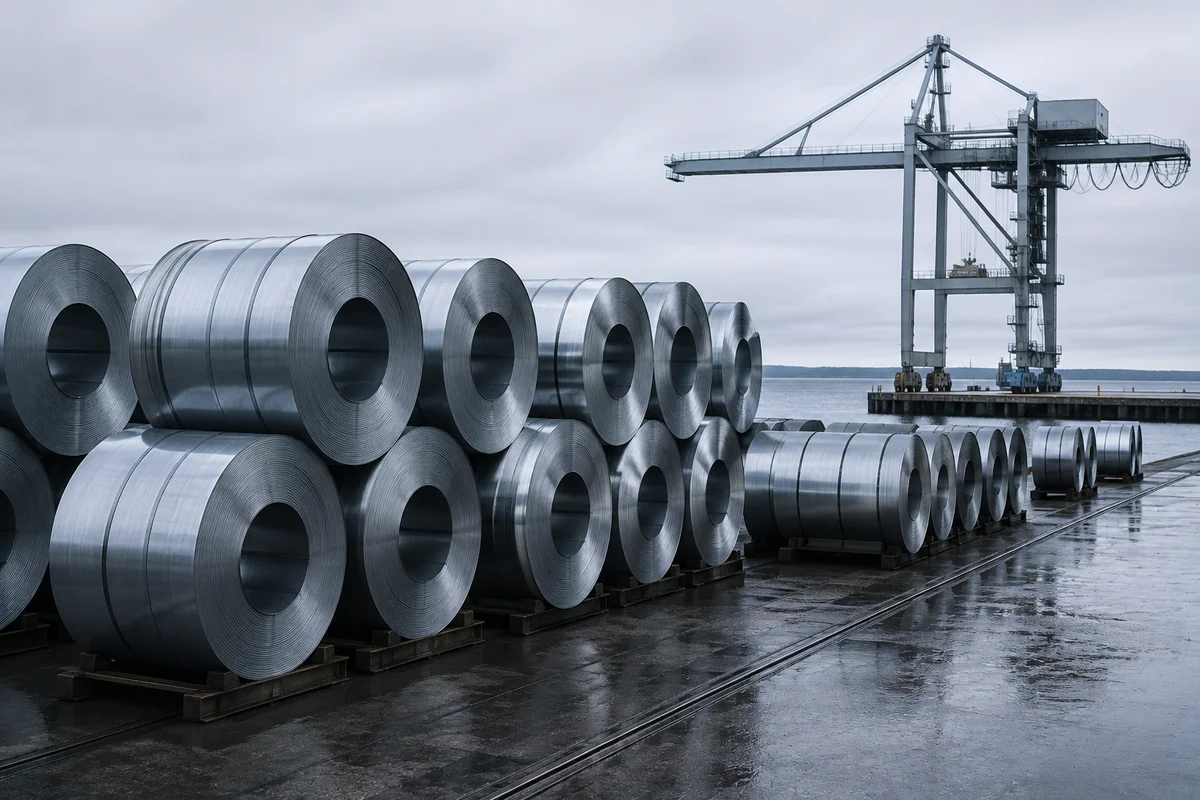
鋼製ジェリカンはCBAM対象品目である。境界事例ではない。HS 7310は容量300リットル以下の鉄鋼製のタンク、たる、ドラム、缶およびこれに類する容器を対象とし、この項はCBAMの附属書に収められている。EUに鋼製容器を輸入するなら、炭素国境調整メカニズムは御社に適用されます。そしてこの分野のサプライヤーの大半は、それに一度も触れてきませんでした。
CBAM は用途ではなく関税分類の項によって対象品目を定めており、鉄鋼製品はその一覧に含まれる。 HS 7310 は、内張りや断熱の有無を問わず、容量 300 L 以下の鋼製容器の項である。20 L のプレス鋼製缶はここに分類されるため、誰もそれを鋼材製品とは思わないにもかかわらず、他の鋼材輸入と同じ義務を負う。
プラスチック容器は対象外である。この項のアルミ包装も対象外だが、アルミ製品には別途CBAMの項目があるため、材質の系統ではなく関税項で確認すること。
ここで分類は関税の問題であることをやめ、コンプライアンスの問題になる。物理的に同じ缶が、カタログ上同じように記述されていても、申告される項によって CBAM の義務を負うか負わないかが決まり、それを申告するのは輸入者である。コードについての供給者の見解は有用な背景情報であり、保護には一切ならない。当社の 分類ガイド は、項番が実際にどう導かれるか、またそれについて拘束力のある決定をどう取得するかを示している。
関連する落とし穴が混載である。スチール缶、プラスチック缶、スチール製取付ブラケットを載せたパレットには 3 つの項の物品が含まれ、うち 2 つは CBAM 対象になりうるが、1 つはならない。義務は出荷単位ではなく明細単位で発生するので、すべてを一つの品名にまとめた請求書は申告を難しくし、しきい値との比較計算を不可能にする。合計ではなく、項ごとの明細レベルの重量を求めること。
本格運用の開始日: 2026年1月1日。同日以降、CBAM対象品をEUへ輸入するには次の資格が必要となる: 認定CBAM申告者であり、CBAMレジストリを通じて申請する。これは事後に提出する報告ではなく輸入時のゲートであり、この地位がなければ貨物は通関しない。
したがって行動すべきはタイミングの部分である。認可は宣言するものではなく申請して付与されるものなので、リードタイムがあり、最初の貨物と並行するのではなくその前に位置する。コンテナがすでに海上にある段階で要件に気づいた輸入者は、金では早く解決できない問題を抱え、資格が成立するまで貨物は止まる。
重量ベースの少額免除基準: 輸入者あたり年間50トン は少量を免除している。容器のバイヤーにとってこれは相当な本数に相当するため、規制対象と決めつける前に計算しておく価値がある。
| 形状 | 空缶重量の目安 | 50トンに達する本数 |
|---|---|---|
| 20 L NATO型 鋼製燃料缶 | ~3.1 kg | 年間約16,000本 |
| 20 L NATO型 鋼製水缶 | ~2.6 kg | 年間約19,000本 |
| 10 L NATO型 鋼製缶 | ~1.8 kg | 年間約27,000本 |
当社が公表する空重量を50 tの閾値に照らして算出したもの。参考値にすぎない。閾値は1つの製品ラインではなく、すべてのサプライヤーと項にわたるCBAM対象品の輸入総量に適用され、鋼製付属品も算入される。
実務上の読み方。年に 1、2 本のコンテナで鋼製缶を輸入する販売店は、閾値をかなり下回る。複数の製品ラインで鋼材を扱う全国規模の輸入者は、気づかないうちに超えることがある。50 トンは、対象となる輸入品すべての累計だからである。
生産者の実排出データが得られない場合、輸入者は公表されたデフォルト値を用いる。鉄鋼製品のデフォルト値は約 1トンあたり2.3トンCO₂e の貨物である。これらの既定値は所定の日程で引き上げられ、2026 年におよそ 10 パーセント、2027 年に 20 パーセント、2028 年に 30 パーセント上がる。これは意図的である。制度は、既定値に頼るのではなく、生産者から実際の排出データを取得する方向へ輸入者を押しやるよう設計されている。
調達への影響は単純である。検証済みの内包排出量データを提示できるサプライヤーは、缶の価格が変わらないまま、提示できないサプライヤーより安くなる。既定値には毎年拡大するペナルティが付くからである。
今のうちに尋ねるべき論拠は、流れの方向にある。既定値は、生産者のデータがなくても取引が成立するように存在し、設計上あえて不利な水準に置かれている。したがって既定値と検証済みの数値の差は、制度の段階的導入とともに広がる。今日、内包排出量のデータを出せない供給者は、その製品が年ごとに相対的に高くなっていく供給者であり、これは事務手続きではなく調達の問題である。
率直に申し上げます。当社は閾値計算に必要な1個あたりの空重量を公表しており、ご注文前にどの製品についても関税分類の項を確認します。 検証済みの内包排出量データは、現時点で当社の標準製品には付属していません。取得は可能であり、CBAM報告がプログラム要件となる場合には、そのデータを提供できる製鉄所から当該ロットを調達します。
それが書類上の問題ではなく調達上の判断である理由。内包排出量はプレス加工ではなく、鋼材とそれを製造した製鉄所に属する性質であり、データは上流から得るほかない。計画に織り込む価値のある帰結が 2 つある:
50トンのしきい値を下回っているなら、以上のいずれも適用されず、必要なのは上記の空重量だけです。上回っている、または上回る見込みがある場合はお知らせください。標準ルートと並べて製鉄所ルートも見積もり、データを取得する費用と既定値を使う費用を比較できるようにします。
| 用途 | おすすめの缶 | 選ぶ理由 |
|---|---|---|
| EU向けの鋼製品 | 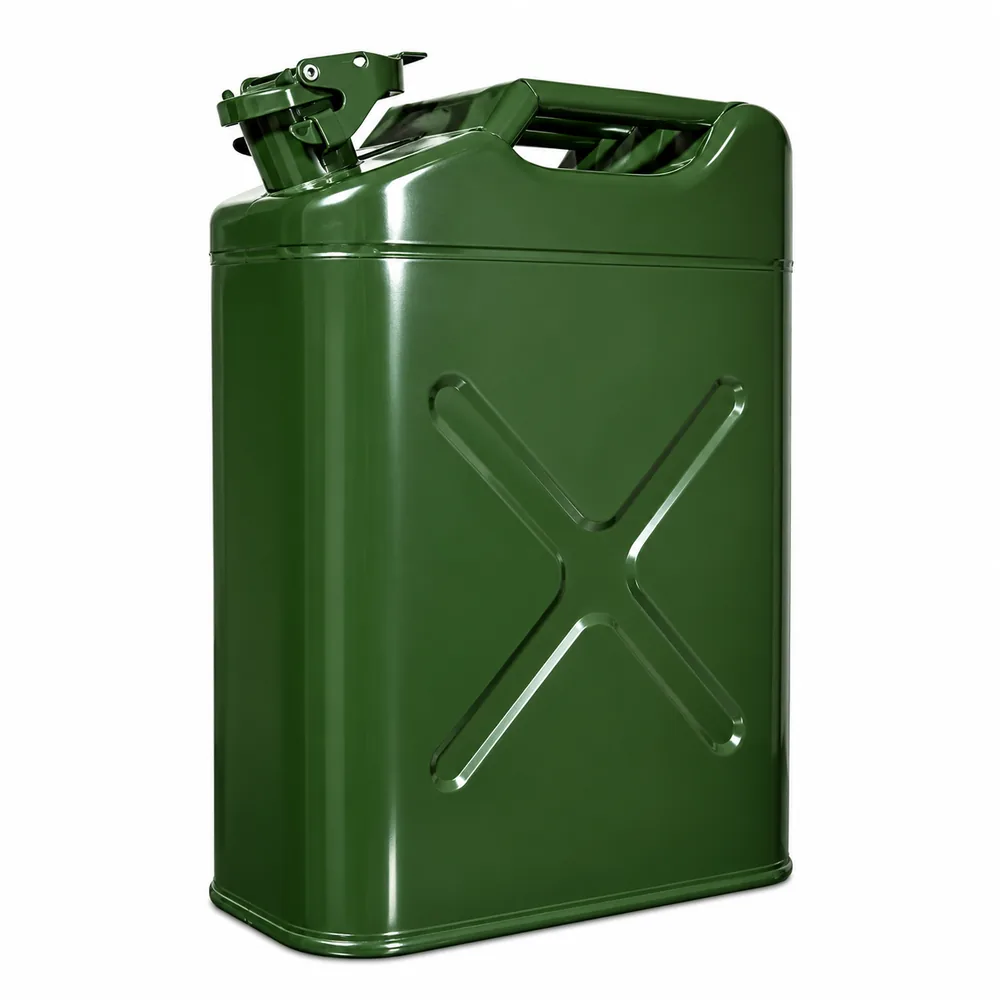 20L NATO規格 スチール燃料缶 20L NATO規格 スチール燃料缶 |
HS 7310、しきい値計算用に空缶重量を公開。 |
| ステンレスも鋼材 | 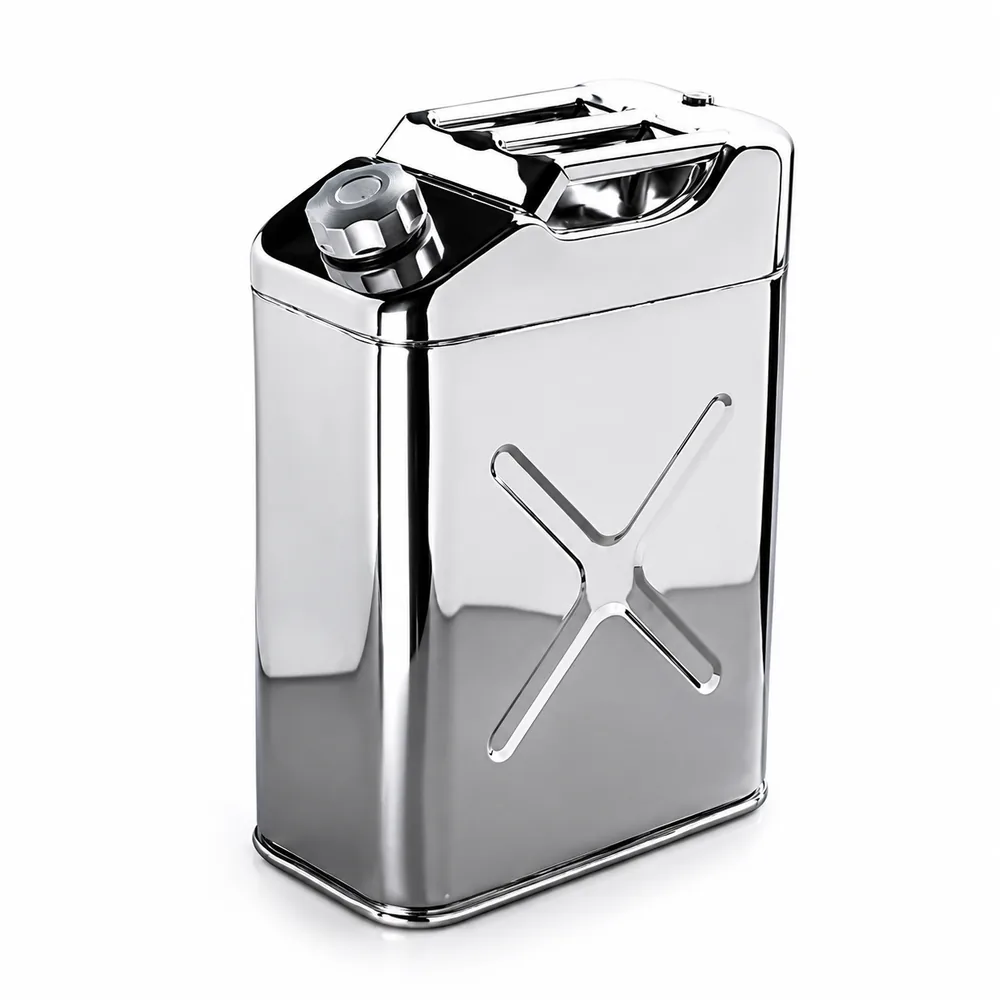 20L ステンレス給水缶 20L ステンレス給水缶 |
同じ項グループ。決めつけずに確認すること。 |
| CBAM対象外 | 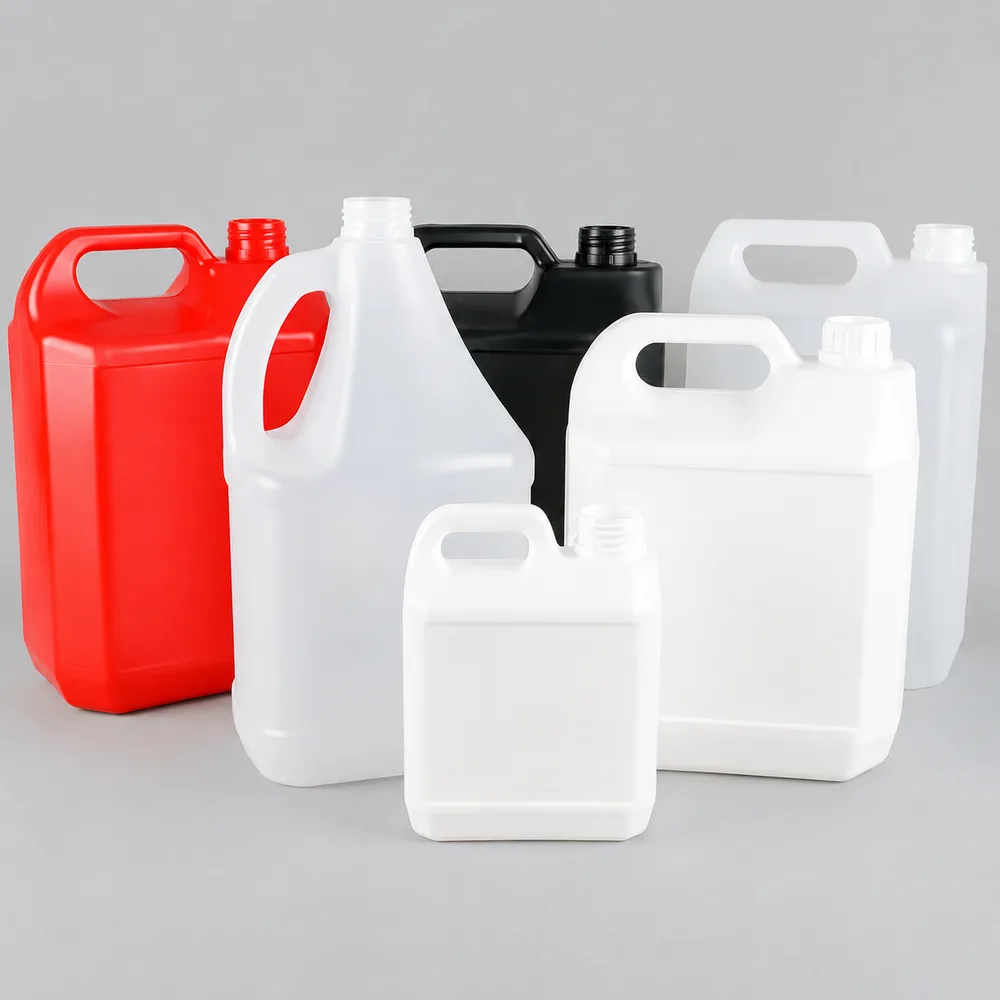 エコノミーHDPEジェリ缶 — 非UN エコノミーHDPEジェリ缶 — 非UN |
プラスチック容器は対象品目ではない。 |
| EU向けの量産プラスチック | 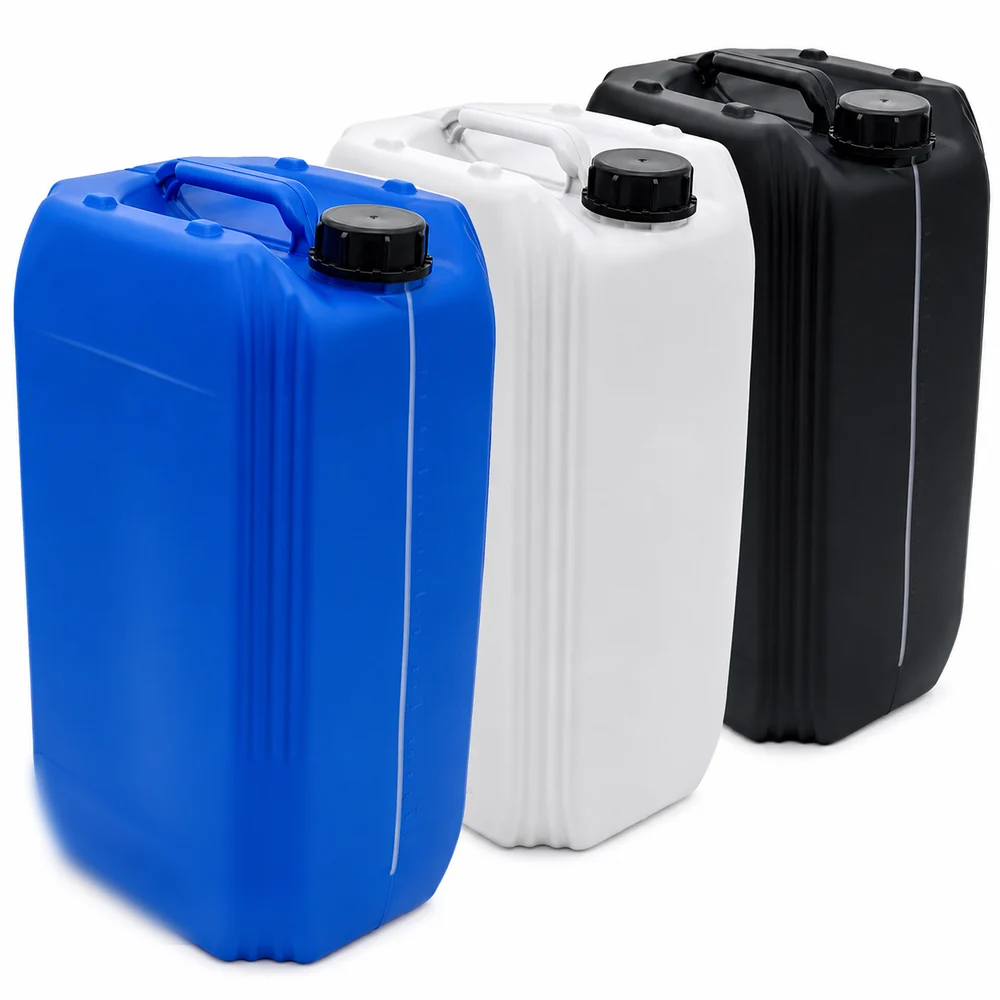 25L スタッキング式プラスチックジェリ缶 25L スタッキング式プラスチックジェリ缶 |
CBAMは対象外だが、PPWRとEPRは適用される。 |
鋼製のものは対象である。CBAMは関税分類の項によって対象品目を列挙しており、HS 7310は容量300リットル以下の鉄鋼製のタンク、たる、ドラム、缶およびこれに類する容器を対象とする。鋼製ジェリカンはここに分類されるため、他の鉄鋼輸入品と同じ義務を負う。プラスチック容器は対象品目に含まれない。
輸入前に、CBAMレジストリを通じて申請する認定CBAM申告者の資格を取得しておくこと。本格運用は2026年1月1日に始まっており、この資格は事後に提出する報告ではなく輸入の可否を左右する関門である。その後に年次CBAM申告が続き、2026年の輸入分については2027年2月から証書の提出が始まる。
はい。輸入者ごと・年ごとに 50 トンという重量ベースの少額免除がある。空重量およそ 3.1 kg の 20 L 鋼製缶では年間およそ 16,000 本に当たるが、この閾値は 1 つの製品ラインではなく、全品目分類・全サプライヤーにわたる CBAM 対象貨物すべてを数える。
実際の生産者データが得られない場合、貨物1トンあたりおよそ2.3トンのCO2換算値が適用される。この既定値は2026年におよそ10パーセント、2027年に20パーセント、2028年に30パーセント引き上げられる予定であり、輸入者に生産者からの検証済み数値の入手を促すよう設計されている。
本ページが依拠する規格・法令を発行機関へのリンク付きで示す。市場規則を挙げている箇所については、仕様に反映する前に最新版を確認すること。
最終確認日 .