
Steel containers up to 300 litres sit in the CBAM annex. What the EU importer has to do, and the 50-tonne threshold that exempts most of them.
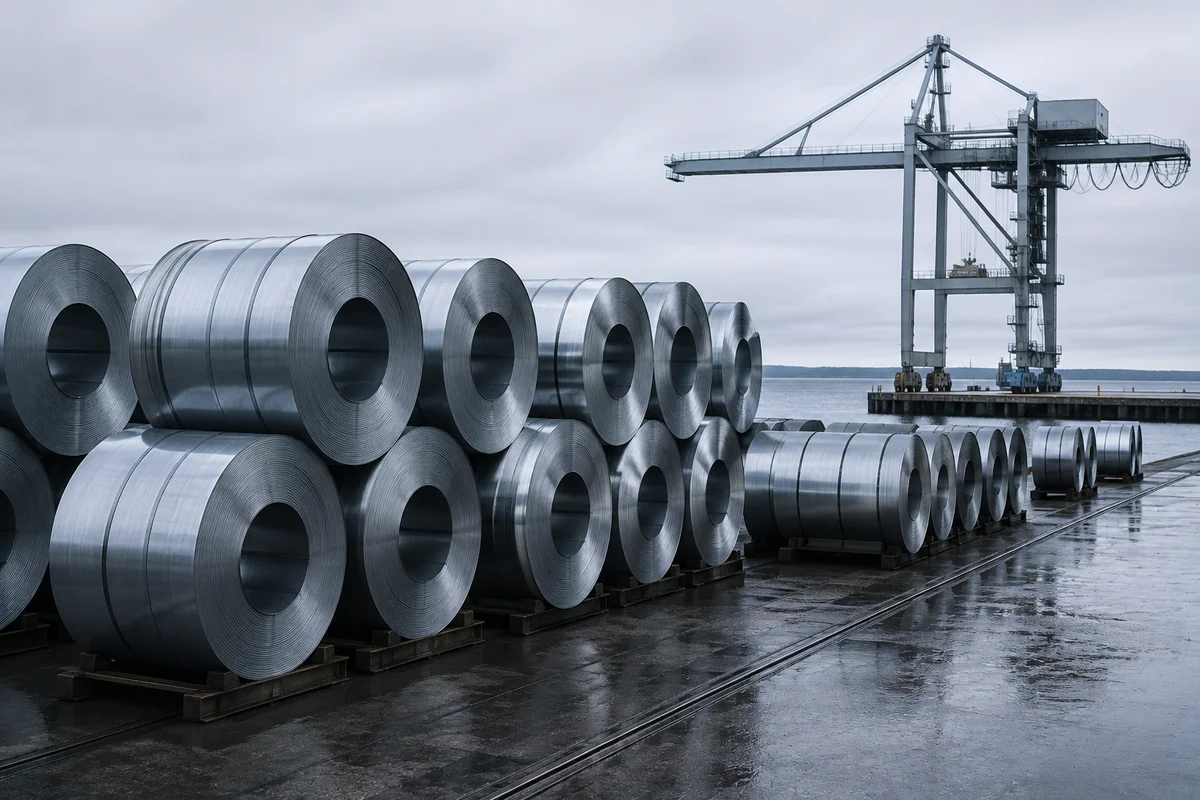
A steel jerrican is a CBAM good. Not a borderline case: HS 7310 covers tanks, casks, drums, cans and similar containers of iron or steel up to 300 litres, and that heading sits in the CBAM annex. If you import steel containers into the EU, the carbon border mechanism applies to you and most suppliers in this category have never mentioned it.
CBAM covers listed goods by customs heading rather than by end use, and iron and steel articles are on the list. HS 7310 is the heading for steel containers up to 300 litres, whether or not lined or heat-insulated. A 20-litre pressed steel can classifies there, so it carries the same obligation as any other steel import even though nobody thinks of it as a steel product.
Plastic containers are not covered. Neither is aluminium packaging under this heading, though aluminium articles have their own CBAM entries, so check the heading rather than the material family.
This is the point at which classification stops being a duty question and becomes a compliance one. The same physical can, described the same way in a catalogue, either carries a CBAM obligation or does not depending entirely on the heading it is entered under, and the importer is the party that declares it. A supplier's opinion about the code is useful background and no protection at all. Our classification guide sets out how the heading is actually arrived at and how to get a binding ruling on it.
The related trap is a mixed consignment. A pallet carrying steel cans, plastic cans and steel mounting brackets contains goods from three headings, two of which may be CBAM goods and one of which is not. The obligation attaches line by line rather than to the shipment, so an invoice that lumps everything into one description makes the declaration harder and the arithmetic against the threshold impossible. Ask for line-level weights by heading, not a total.
The definitive regime began on 1 January 2026. From that date, importing CBAM goods into the EU requires the status of authorised CBAM declarant, applied for through the CBAM registry. This is a gate on import, not a report filed afterwards: without the status, the goods do not clear.
Which makes the timing the part to act on. Authorisation is applied for and granted rather than declared, so it has a lead time and it sits in front of the first consignment rather than beside it. An importer discovering the requirement when a container is already on the water has a problem that money does not solve quickly, and the goods sit until the status exists.
A mass-based de minimis of 50 tonnes per importer per year exempts smaller volumes. For a container buyer that is a large number of cans, and it is worth doing the arithmetic before assuming you are caught.
| Format | Approximate empty weight | Units to reach 50 tonnes |
|---|---|---|
| 20 L NATO-pattern steel fuel can | ~3.1 kg | ~16,000 per year |
| 20 L NATO-pattern steel water can | ~2.6 kg | ~19,000 per year |
| 10 L NATO-pattern steel can | ~1.8 kg | ~27,000 per year |
Calculated from our own published empty weights against the 50-tonne threshold. Indicative only: the threshold applies to your total CBAM-goods imports across all suppliers and headings, not to one product line, and steel accessories count too.
The practical reading. A distributor bringing in a container or two of steel cans a year sits well under the threshold. A national importer running steel across several lines can cross it without noticing, because the 50 tonnes is cumulative across everything they import in scope.
Where actual producer emissions data is not available, importers use published default values. For steel products the default is around 2.3 tonnes CO₂e per tonne of goods. Those defaults are set to rise on a schedule, by roughly 10 per cent in 2026, 20 per cent in 2027 and 30 per cent in 2028, which is deliberate: the design pushes importers towards obtaining real emissions data from the producer rather than defaulting.
The consequence for sourcing is straightforward. A supplier who can give you verified embedded-emissions figures becomes cheaper than one who cannot, without changing the price of the can, because the default carries a penalty that grows every year.
The direction of travel is the argument for asking now rather than later. Default values exist so that trade is possible without producer data, and they are set to be unattractive by design, so the gap between a default and a verified figure widens as the mechanism phases in. A supplier who cannot produce embedded-emissions data today is a supplier whose goods get relatively more expensive every year, and that is a sourcing question rather than an administrative one.
Stated plainly. We publish empty weights per unit, which is what you need for the threshold arithmetic, and we confirm the customs heading for any product before you order. Verified embedded-emissions data is not attached to our standard range today. It is obtainable, and where CBAM reporting is a programme requirement we source the run from a mill that can supply it.
Why that is a sourcing decision rather than a paperwork one. Embedded emissions are a property of the steel and the mill that made it, not of the pressing operation, so the data has to come from upstream. Two consequences worth planning around:
If you are under the 50-tonne threshold, none of this applies and the empty weights above are all you need. If you are over it, or expect to be, tell us and we will quote the mill route alongside the standard one so you can see what the data costs against what the default costs.
| Your use case | Recommended can | Why this one |
|---|---|---|
| Steel into the EU | 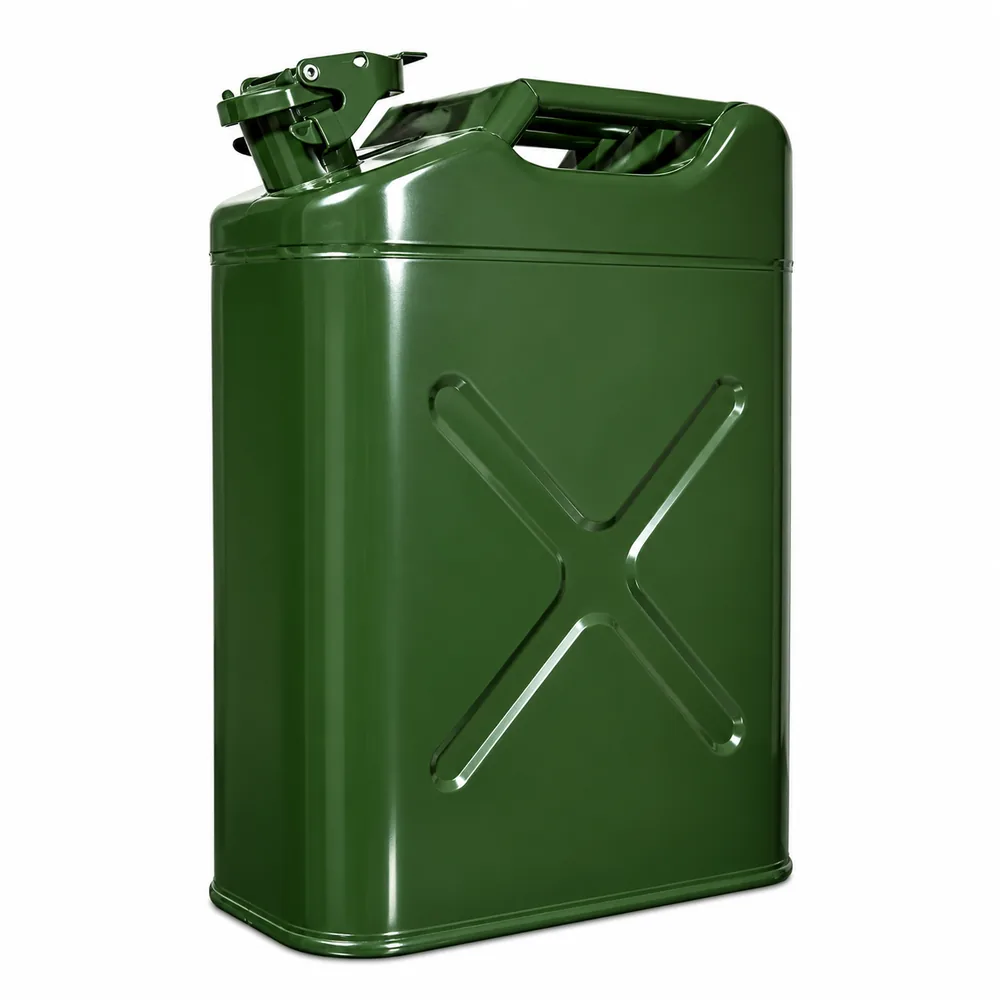 20L NATO Steel Fuel Can 20L NATO Steel Fuel Can |
HS 7310, empty weight published for threshold maths. |
| Stainless, still steel | 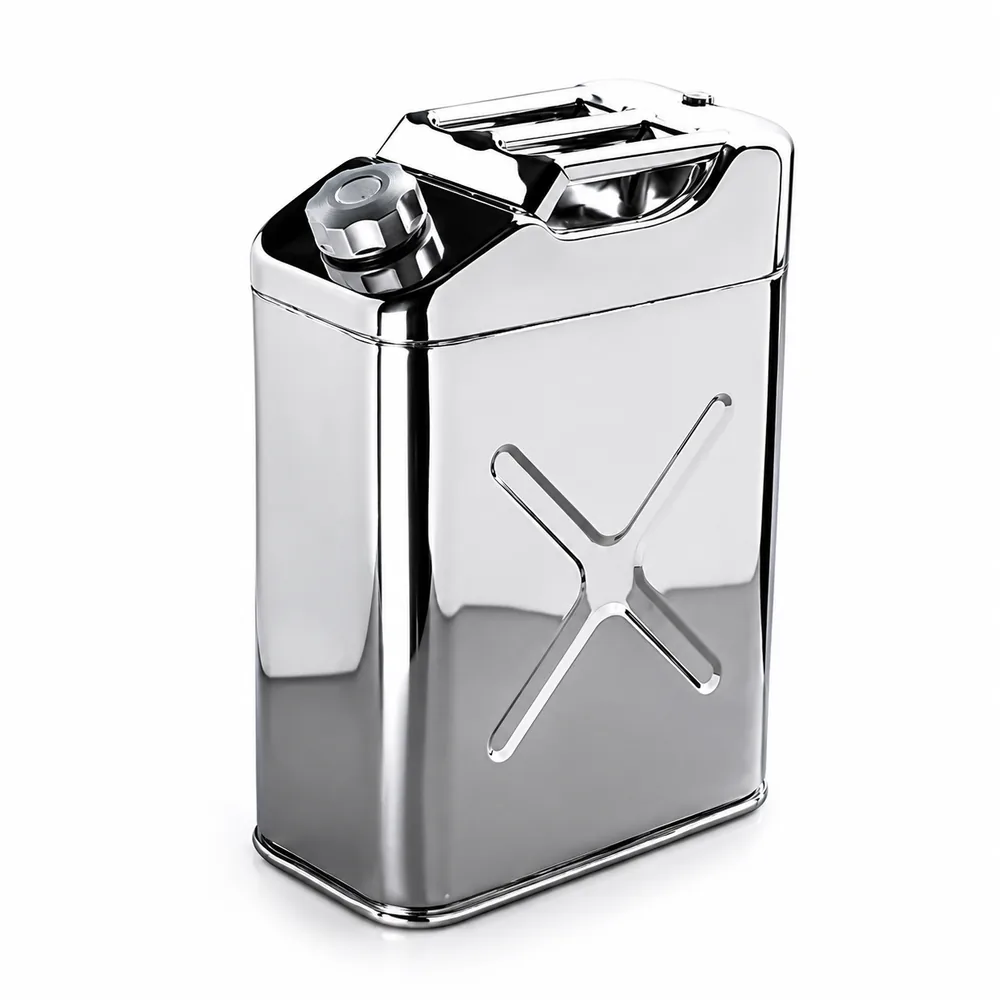 20L Stainless Steel Water Can 20L Stainless Steel Water Can |
Same heading family; check before you assume. |
| Outside CBAM entirely | 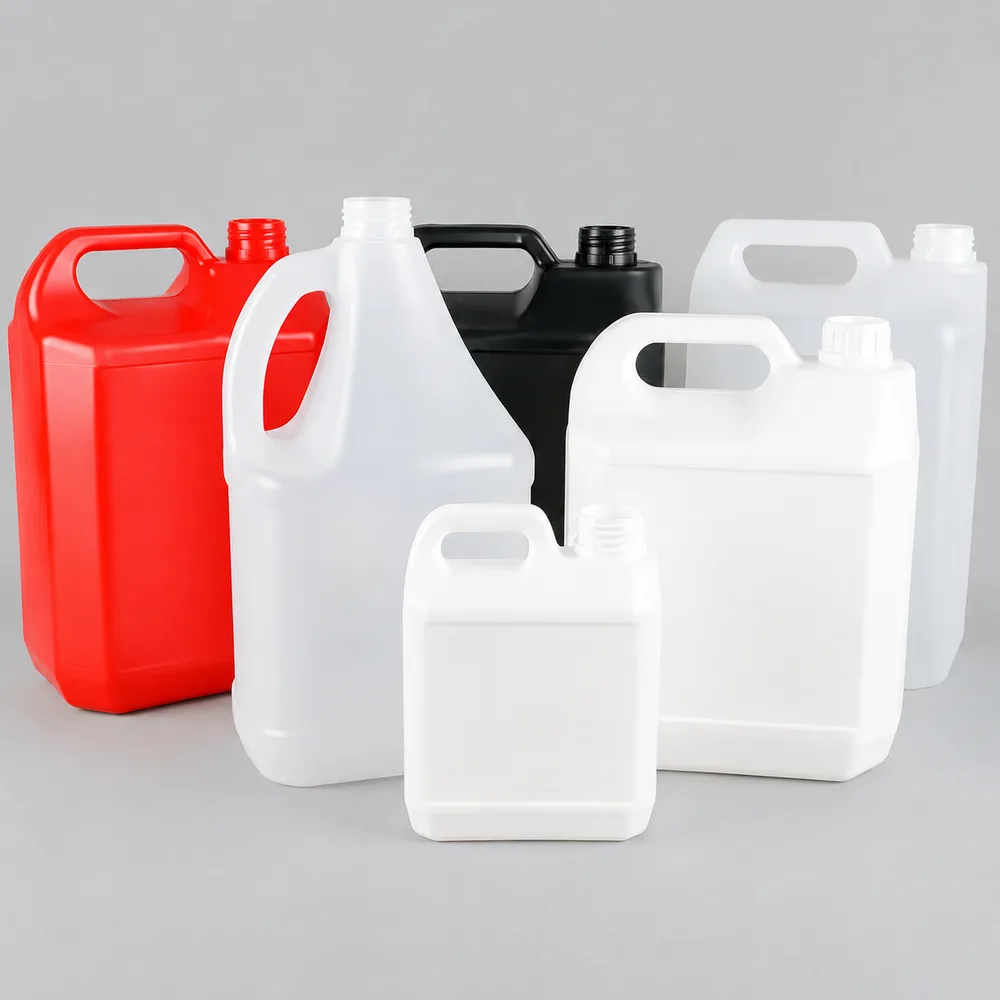 Economy HDPE Jerrycan — non-UN Economy HDPE Jerrycan — non-UN |
Plastic containers are not listed goods. |
| Volume plastic for the EU | 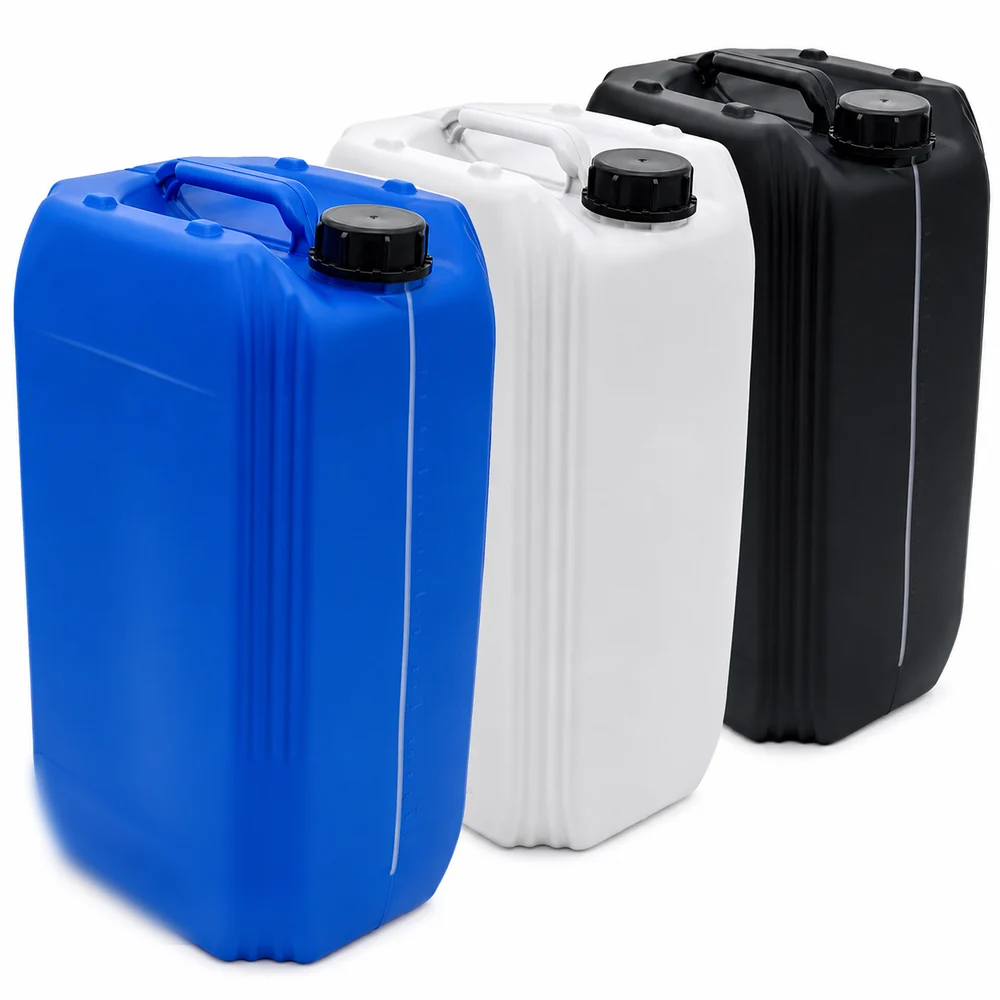 25L Stackable Plastic Jerrycan 25L Stackable Plastic Jerrycan |
No CBAM, but PPWR and EPR still apply. |
Steel ones are. CBAM lists goods by customs heading, and HS 7310 covers tanks, casks, drums, cans and similar containers of iron or steel up to 300 litres. A steel jerrican classifies there, so it carries the same obligation as any other steel import. Plastic containers are not listed goods.
Hold authorised CBAM declarant status, applied for through the CBAM registry, before importing. The definitive regime began on 1 January 2026 and the status is a gate on import rather than a report filed afterwards. An annual CBAM declaration follows, with certificates surrendered from February 2027 for 2026 imports.
Yes, a mass-based de minimis of 50 tonnes per importer per year. For 20 litre steel cans at roughly 3.1 kg empty that is about 16,000 units annually, but the threshold counts all your CBAM goods across every heading and supplier, not one product line.
Around 2.3 tonnes of CO2 equivalent per tonne of goods where actual producer data is not available. The defaults are scheduled to rise by roughly 10 per cent in 2026, 20 per cent in 2027 and 30 per cent in 2028, which is designed to push importers towards obtaining verified figures from the producer.
The standards and regulations this page relies on, at their issuing body. Where a market rule is named here, check the current revision before you specify against it.
Last reviewed .
Tell us your market, your fuel and your volumes. We come back with a specification sheet and a quotation.