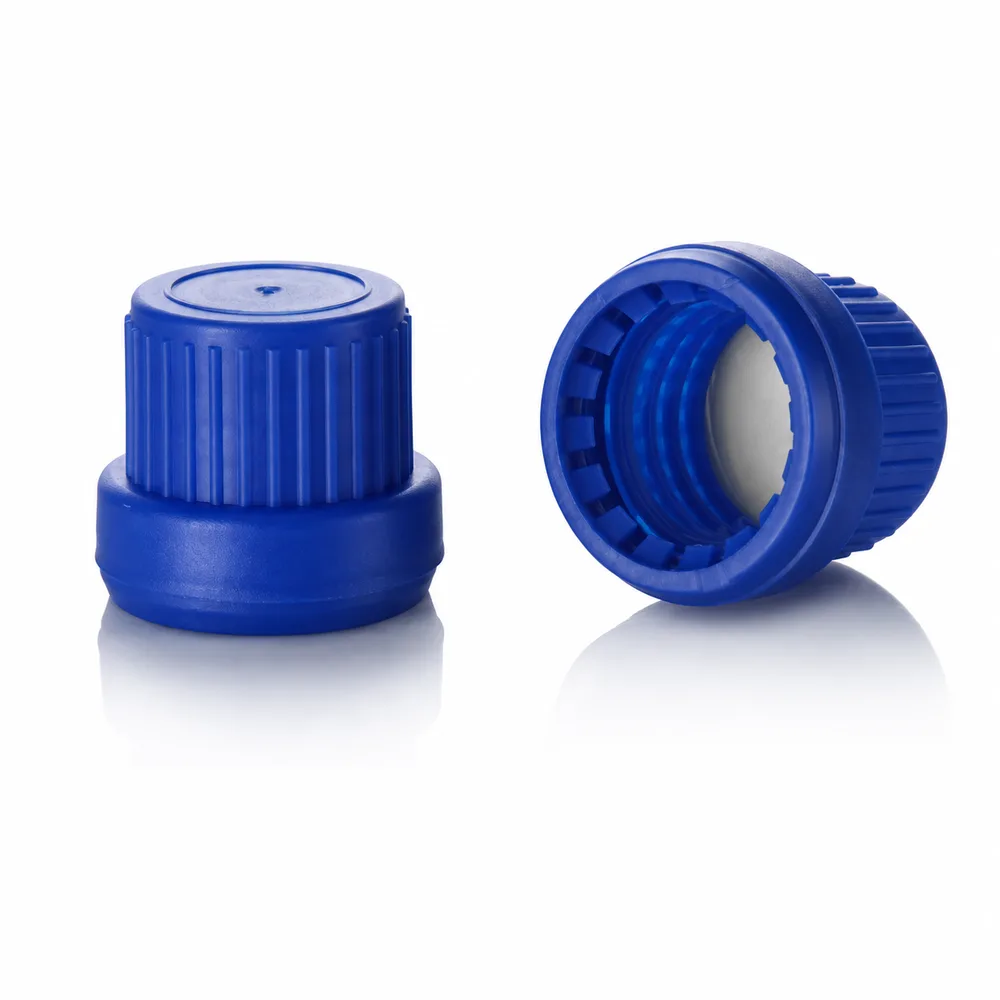
Accessory · Sealing
Caps, Closures & Gaskets
F21-ACVented and non-vented caps in DIN 45, 51 and 61, tamper-evident closures, cap liners and replacement gaskets.

The seal path, sold as wear parts
The joint between the neck and the cap is the part of a container that wears. The gasket hardens, the thread picks up grit, the vent blocks. Replacing a closure costs a fraction of replacing the can, which is why this is the line a distributor reorders most often. Everything here is matched to a thread standard rather than sold as a universal fit, because a cap that almost seals fails in a way an obviously wrong cap does not.
Guides for buyers: Closures and capsVenting and pressureHow to use a jerry can
Vented and non-vented caps in DIN 45, 51 and 61, tamper-evident closures, cap liners and replacement gaskets.

Child-resistant closures for portable fuel containers, the closure the United States requires on petrol, kerosene and diesel cans.
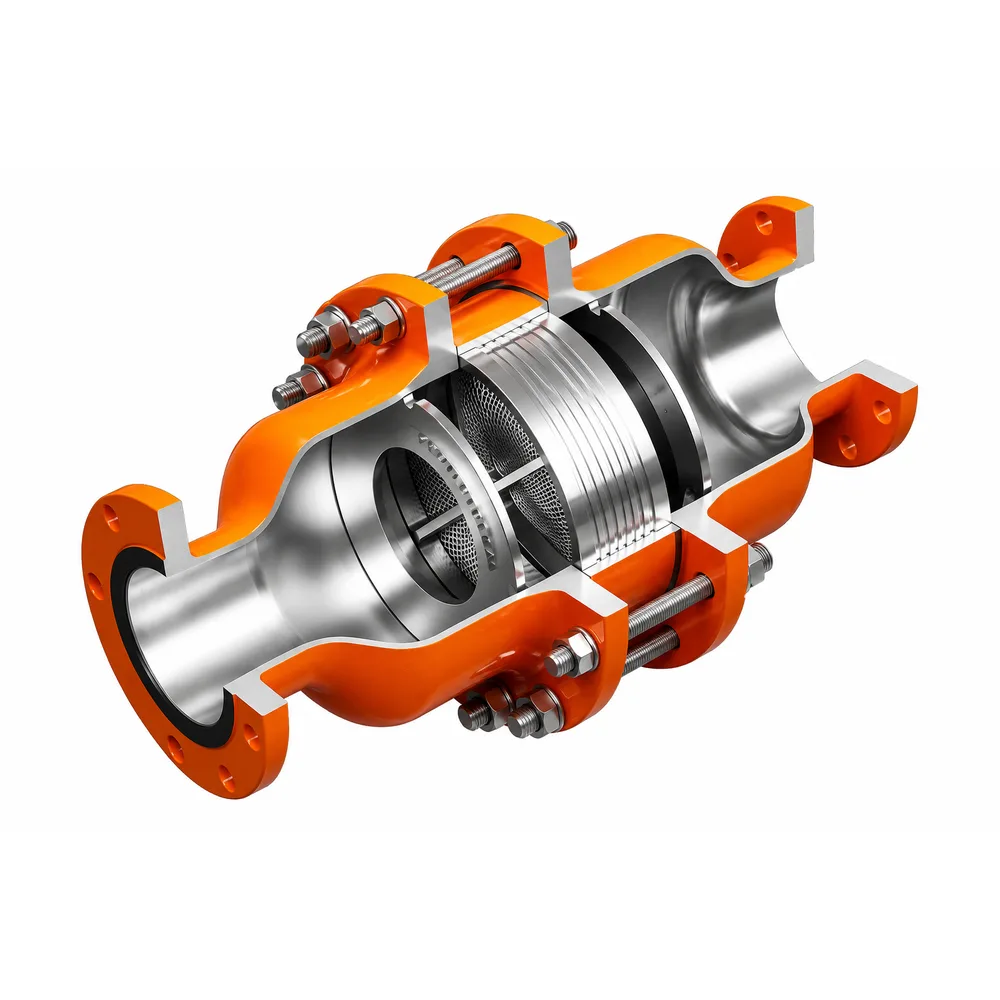
Flame arresters for portable fuel containers, the second component the United States requires and the one a standard NATO can does not have.
Yes. We supply distributors, wholesalers, retailers and own-brand buyers, export packed. The minimum order is quoted per model and customisation, and each product page lists the carton quantity and, where we have it, the container load.
About one month for a standard production run, with samples in 7 to 15 days, confirmed against your specification at quotation.
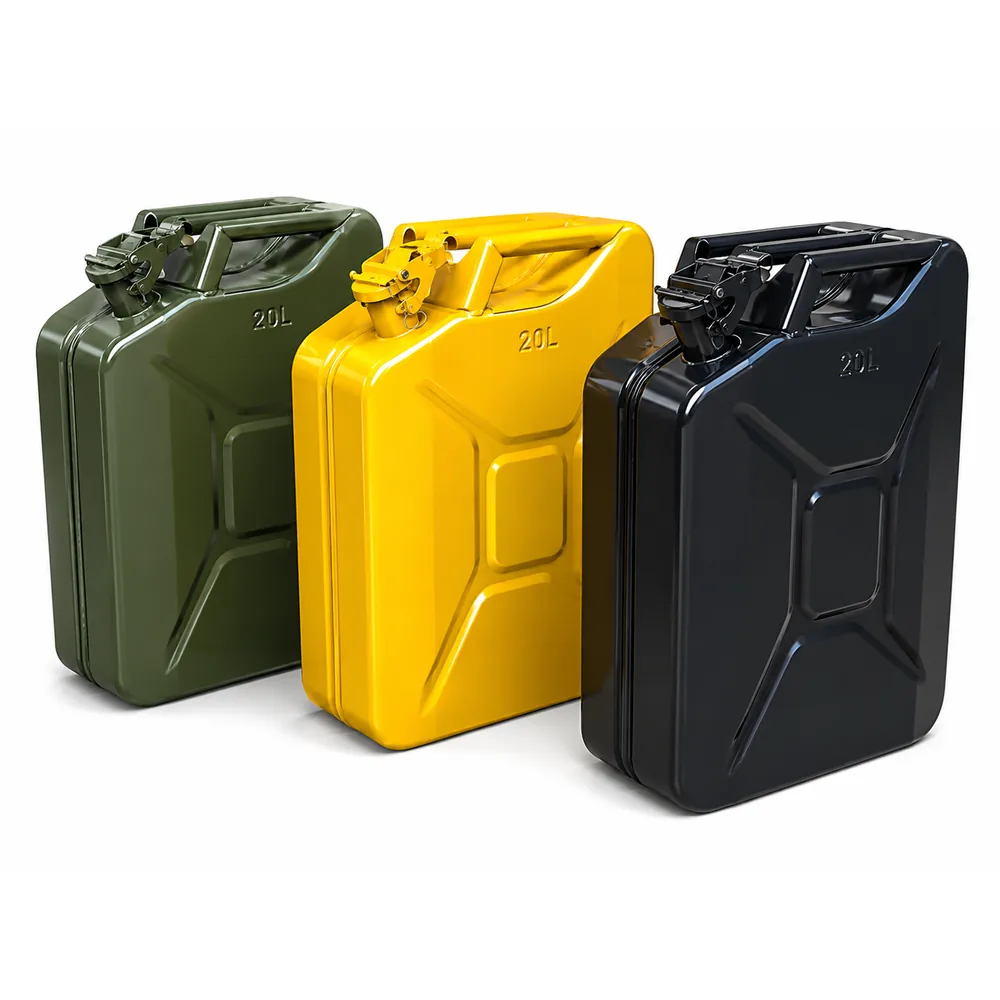
The classic NATO-pattern pressed can. Three handles, stackable profile, and the geometry that fits the carriers, racks and holders already in the field.
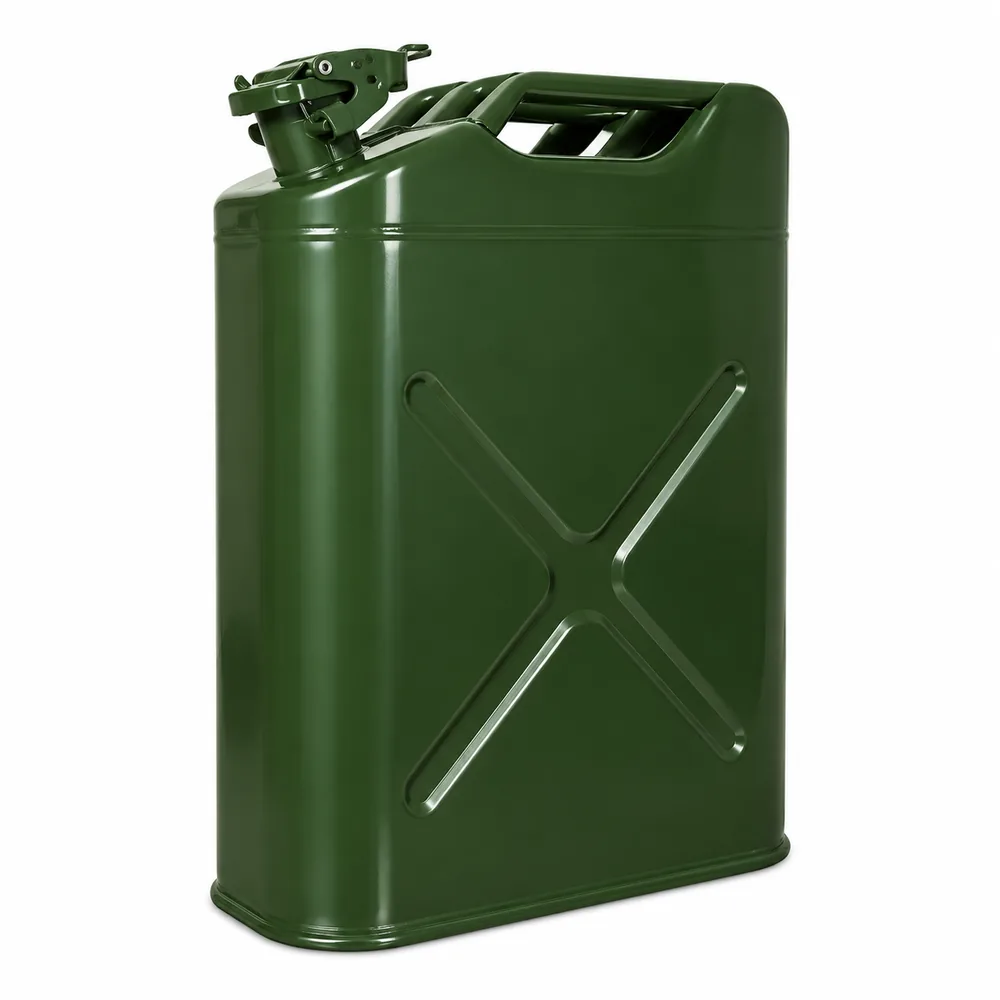
Upright and horizontal steel fuel containers outside the NATO pattern, including tap-fitted tanks, agricultural formats and compact cans.
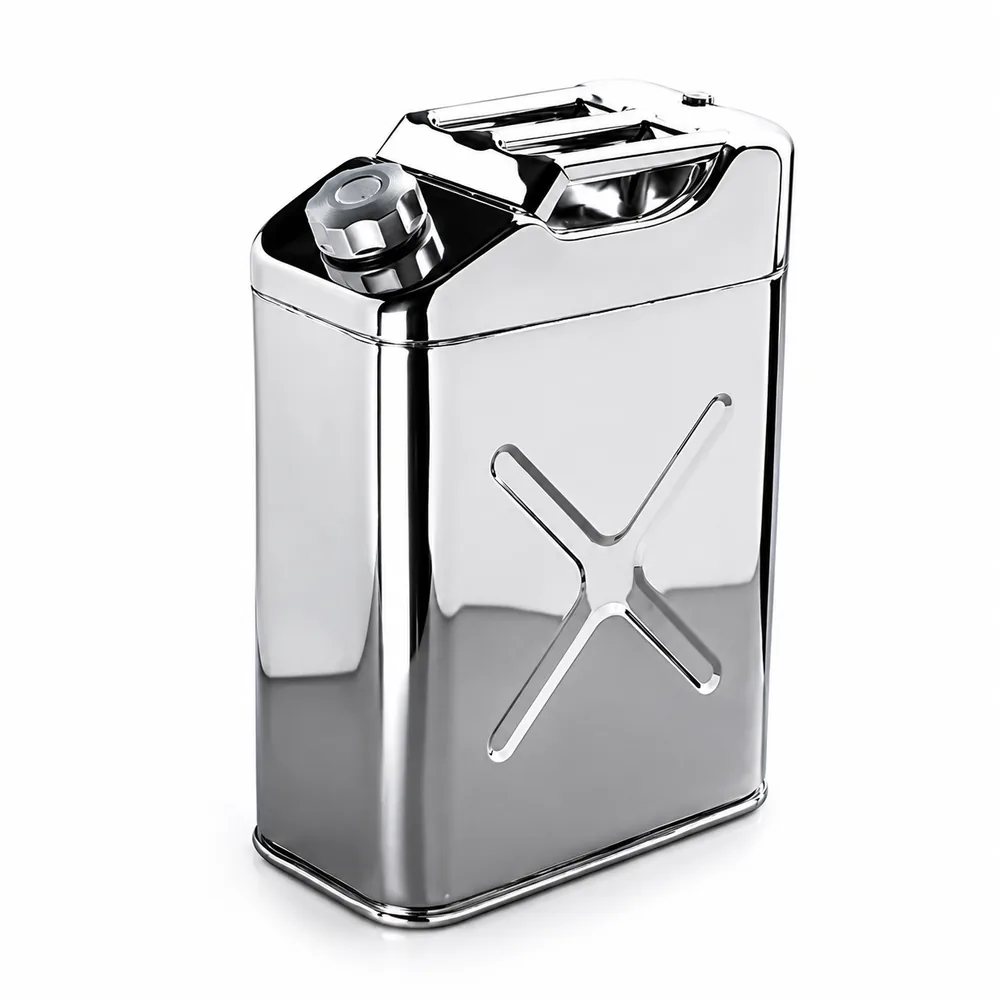
Containers specified for food and potable contact from the first drawing. Stainless where the can is kept and refilled, HDPE where it ships at volume.
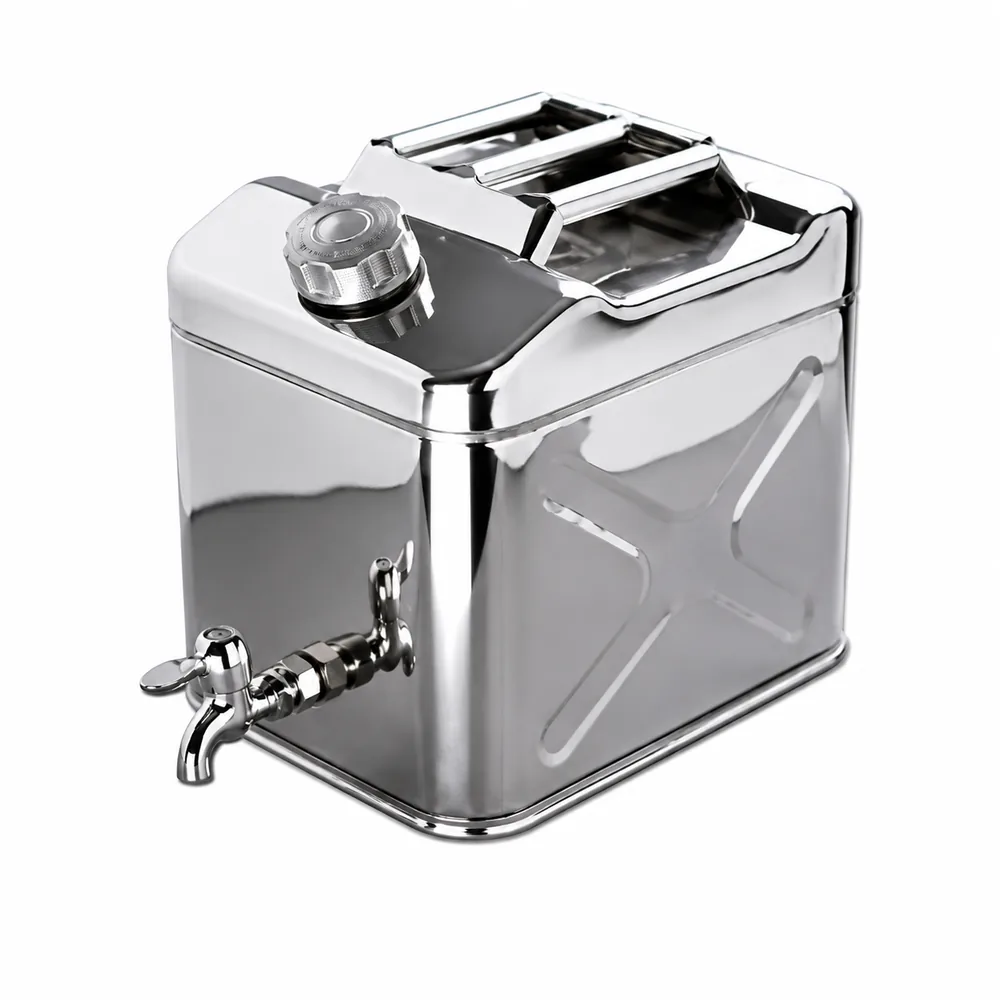
Tap-fitted and upright dispensing cans for lubricants, oils and workshop fluids, where controlled decanting matters more than portability.
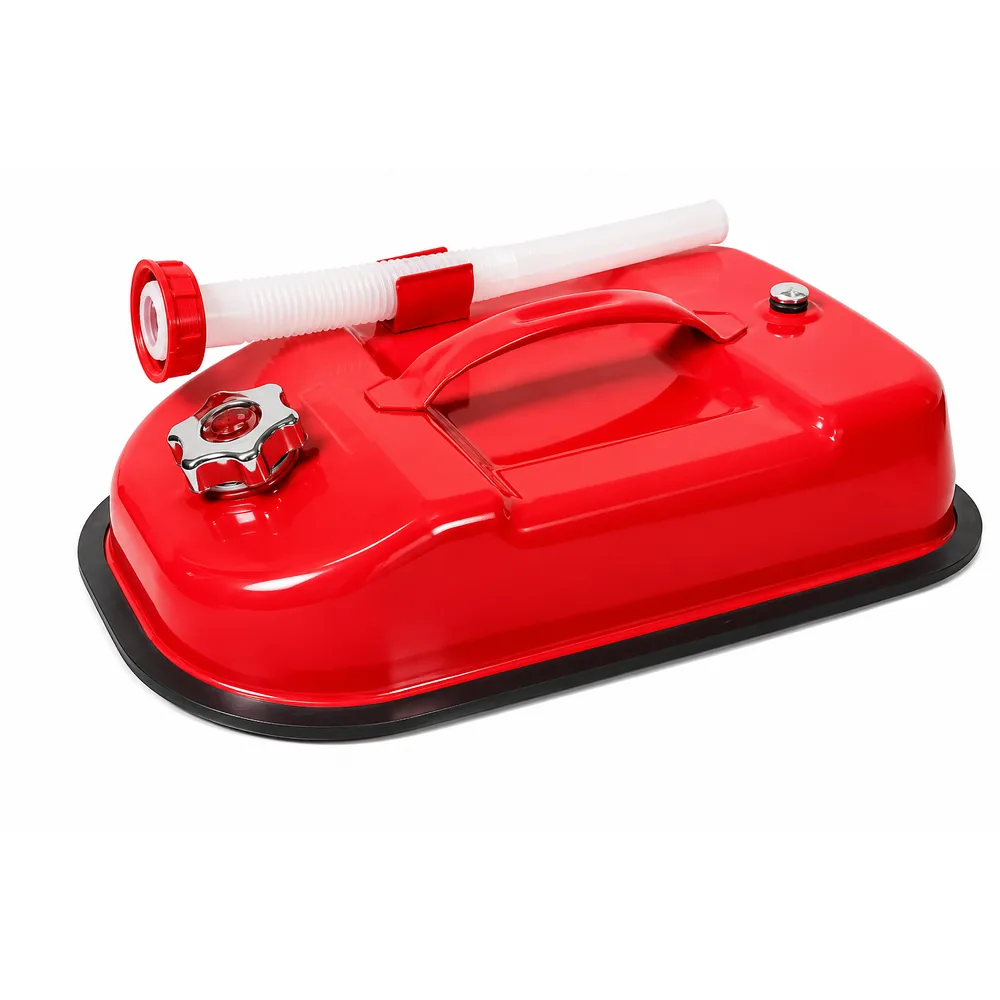
Low-profile horizontal cans in 5, 10 and 20 litre, galvanised or stainless. They slide under a boat seat, into a locker or onto a machine frame where a NATO upright has nowhere to go.
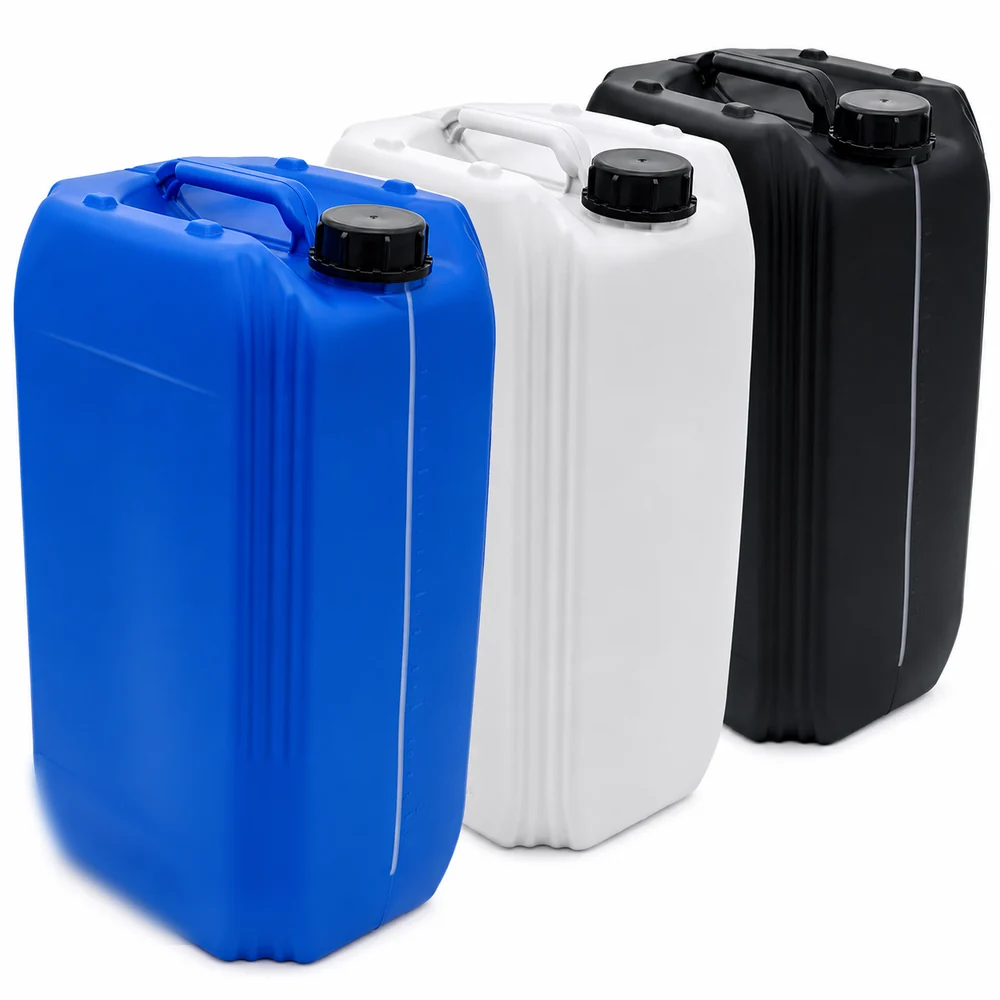
Stackable HDPE jerrycans and dedicated diesel exhaust fluid containers for decanting, distribution and automotive fluids.
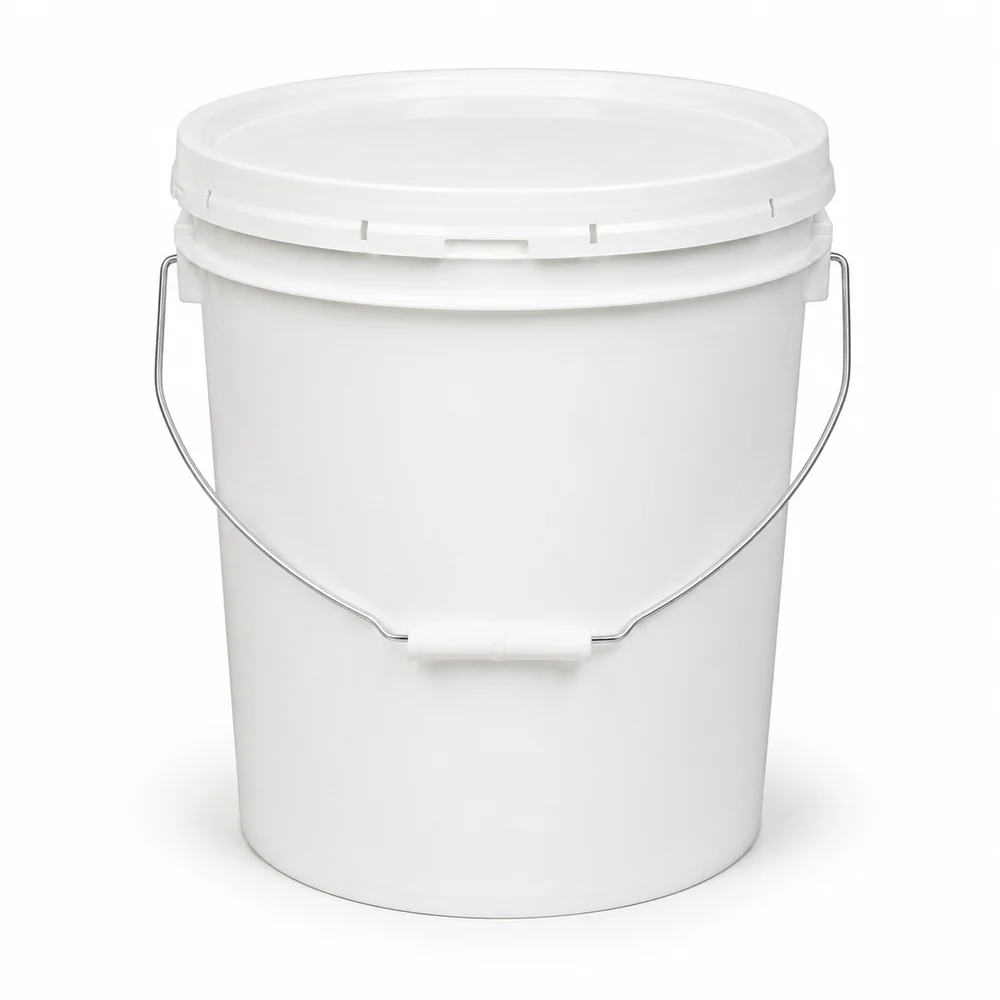
Open-head pails in polypropylene and tinplate steel, 2.5 to 35 litres. Lever-lock rings, flower lids and tamper-evident closures, sized to the pallet rather than to the shelf.
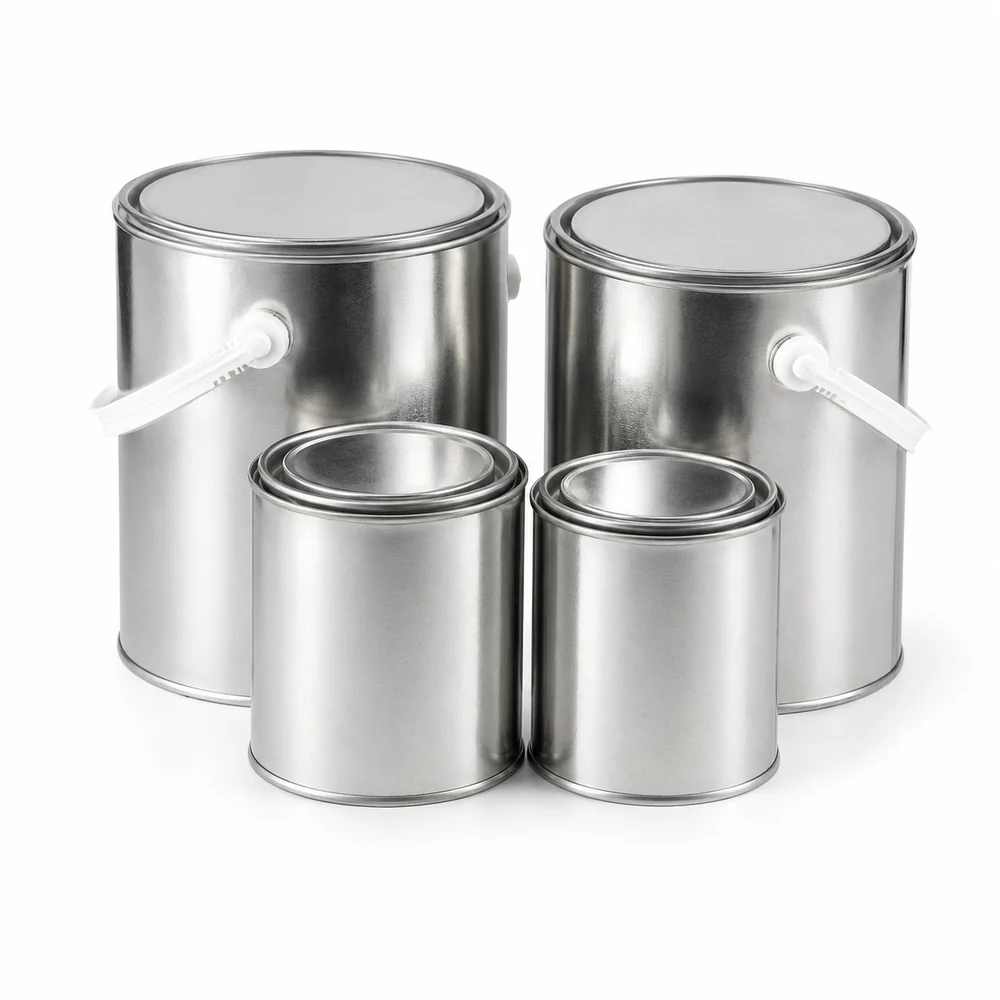
Tinplate cans from 50 ml to 6 litres: round and square bodies, cone tops, and dauber and brush-in-cap cans for adhesives and solvent cements.
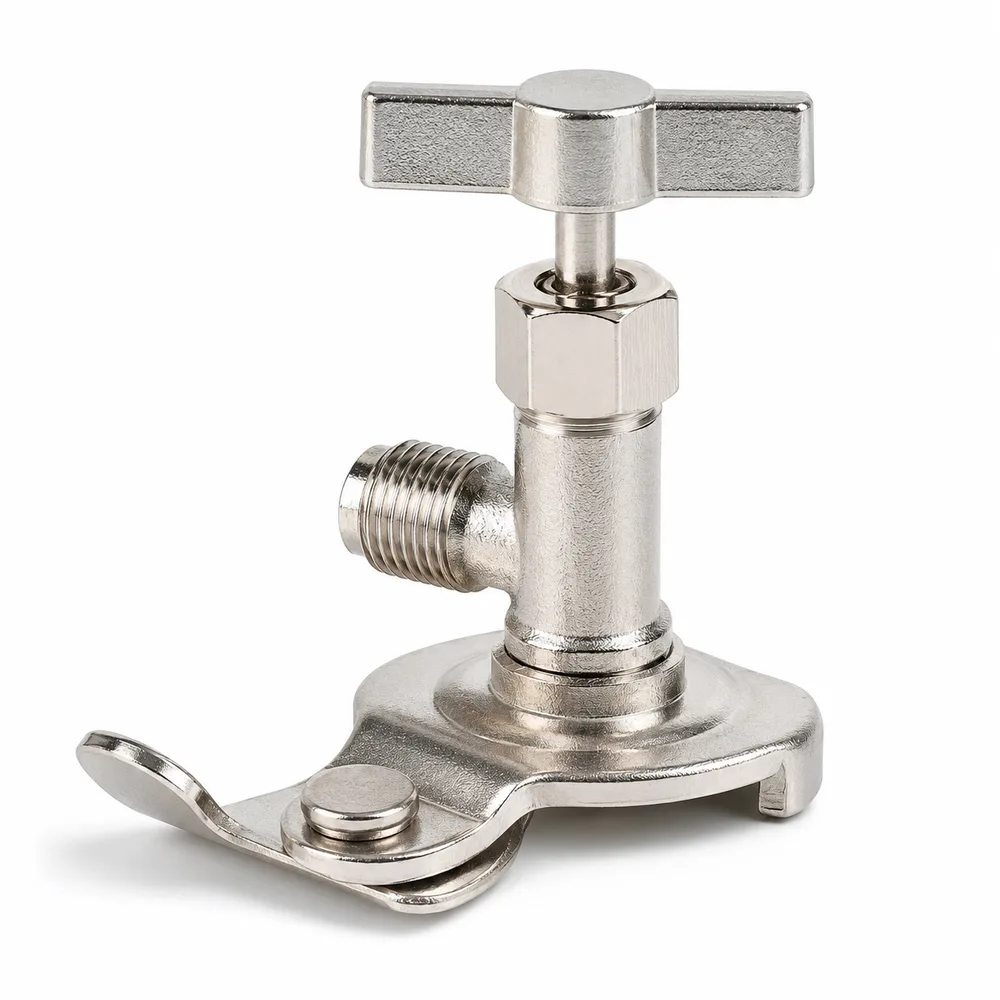
Pouring spouts, taps, dispensing valves and the adapters that bring a drum or an IBC down to a can: the parts that move liquid from one container to the next.
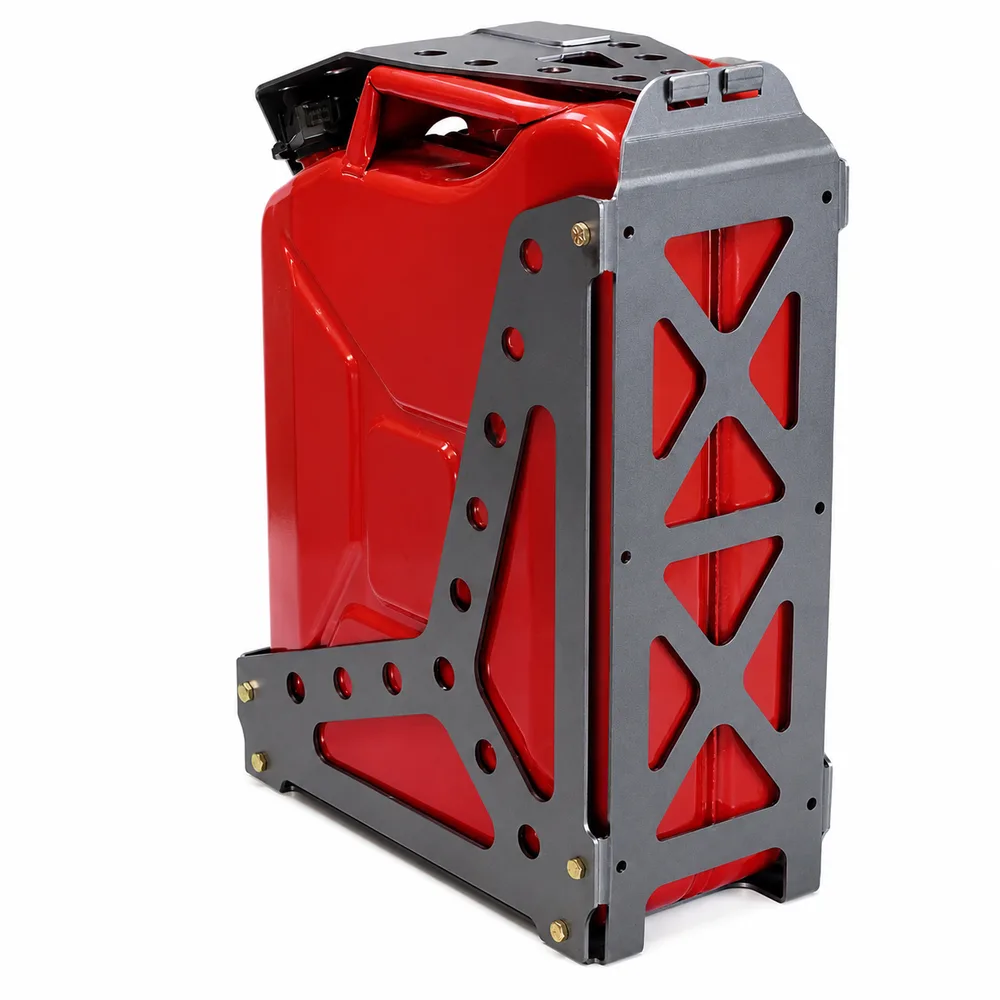
Vehicle holders, brackets and retention for cans, and the ramps, cradles and dollies that move a 200 litre drum without anyone lifting it.
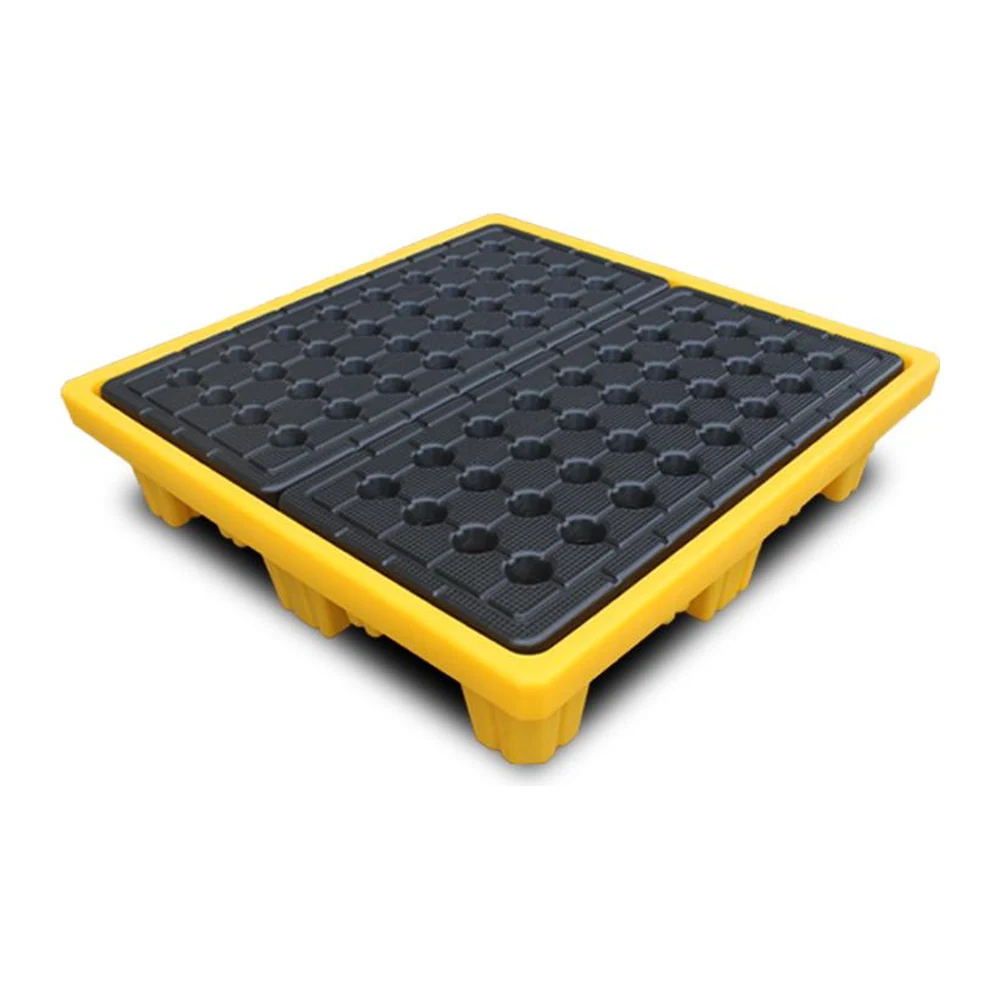
Spill decks, drum and IBC pallets, steel bunds, bench and drip trays, salvage drums and emergency eyewash: the containment that sits under the containers.
Tell us which product, your destination market and your volumes.