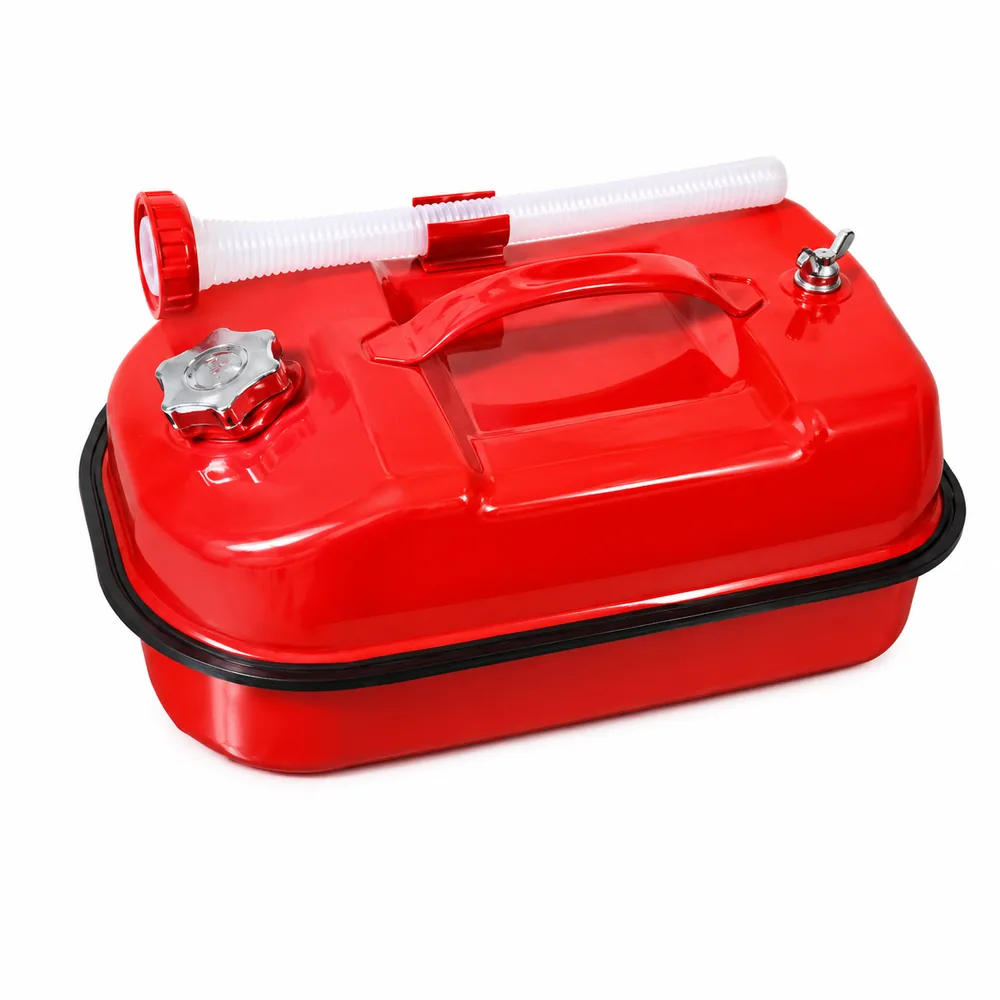
Horizontal · Galvanised
Horizontal Galvanised Can — 5L / 10L / 20L
F21-HG-05 / -10 / -20Low-profile galvanised steel can with top carry handle and stowed flexible spout. Three sizes, UN approved, built to lie flat and stay put.

For where an upright can will not fit
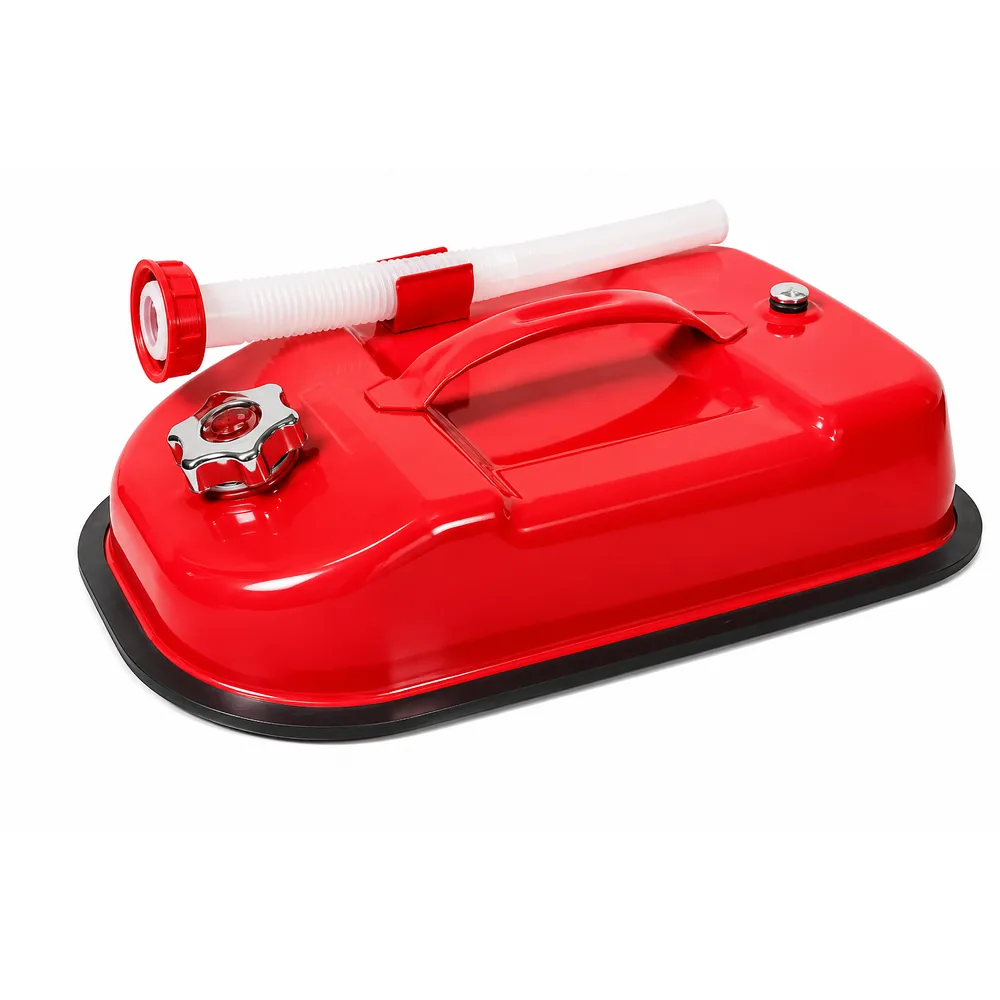
A large share of jerry can demand is not for the tall NATO shape. Boats, jet skis, ATVs, tractors, generators and vehicle lockers all need fuel carried lying down, low and stable. These cans are built for exactly that: a wide flat body, a top carry handle, an end filler cap and a stowed flexible spout. Lower centre of gravity than an upright, and they stack.
Before you order: These are fuel containers and carry a dangerous goods certification regime that varies by destination market. Confirm requirements with us before importing.
Guides for buyers: Marine and dockside containersOverland and expeditionAgricultural fuel storageFuel cans by jobFuel stabiliserJerry can mounts by vehicle
Low-profile galvanised steel can with top carry handle and stowed flexible spout. Three sizes, UN approved, built to lie flat and stay put.
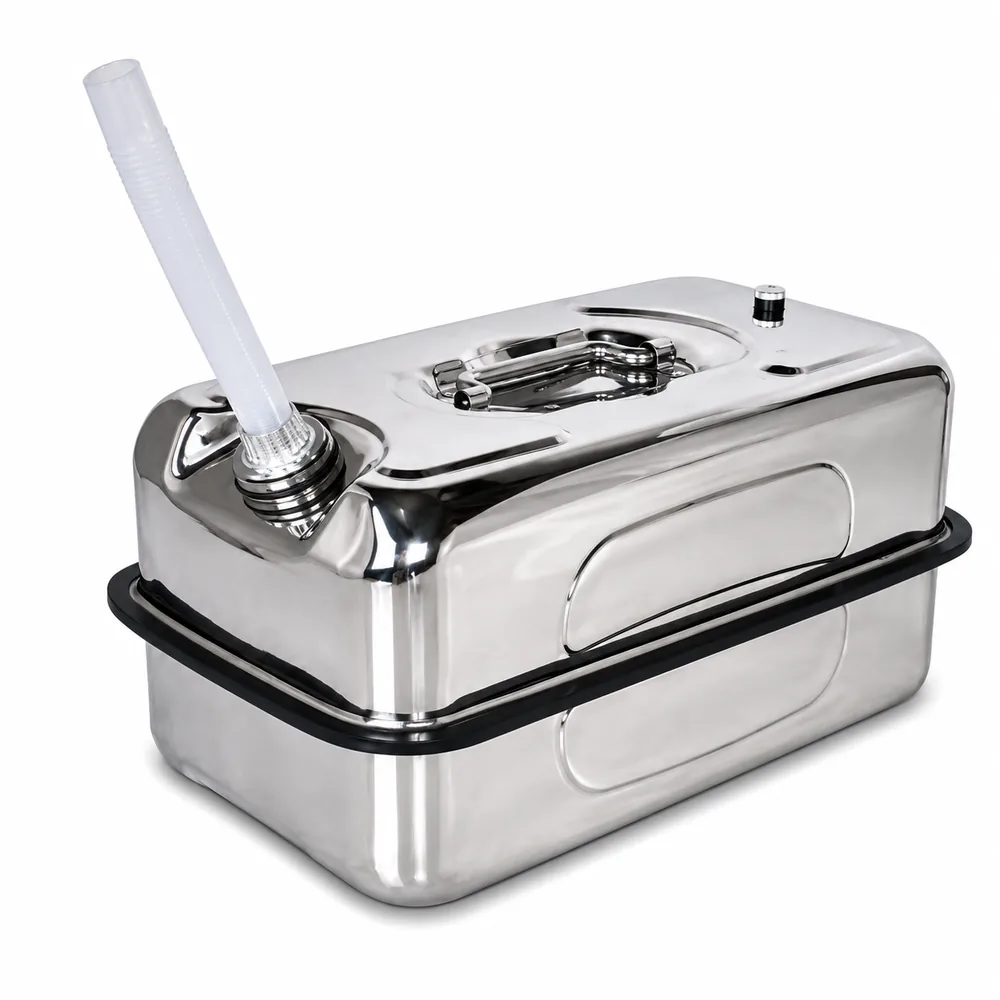
The stainless build of the horizontal format in 5, 10 and 20 litre. For marine, coastal and wash-down environments where galvanised steel eventually loses.
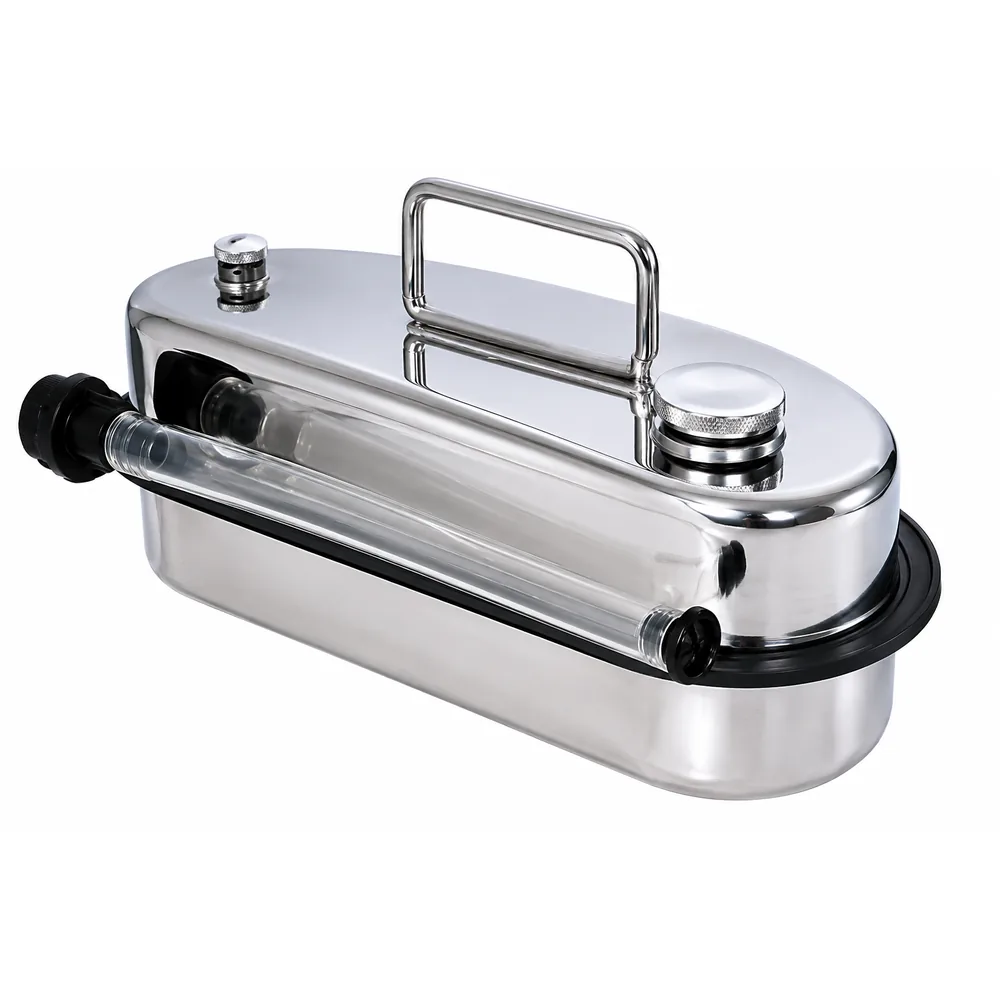
Three litre reserve can in galvanised or stainless, with an optional tap and hose. Sized for a motorcycle pannier, an ATV rack or a topbox.
A manufacturer. We make horizontal jerry cans at our production bases in Vietnam and China, to one specification managed from Singapore. You deal with the maker, so the drawing, the material and the finish stay the same from the first sample to every repeat order.
Yes. We supply distributors, wholesalers, retailers and own-brand buyers, export packed. The minimum order is quoted per model and customisation, and each product page lists the carton quantity and, where we have it, the container load.
Yes. The marking and colour options depend on the material: laser etching or embossing, RAL powder coat on steel, masterbatch colour in plastic. Own-brand minimums are quoted with the specification.
About one month for a standard production run, with samples in 7 to 15 days, confirmed against your specification at quotation.
The UN-marked designs do. Each ships with the certificate and test report for the exact design you order, and the specification table on each product page shows which designs carry a UN mark.
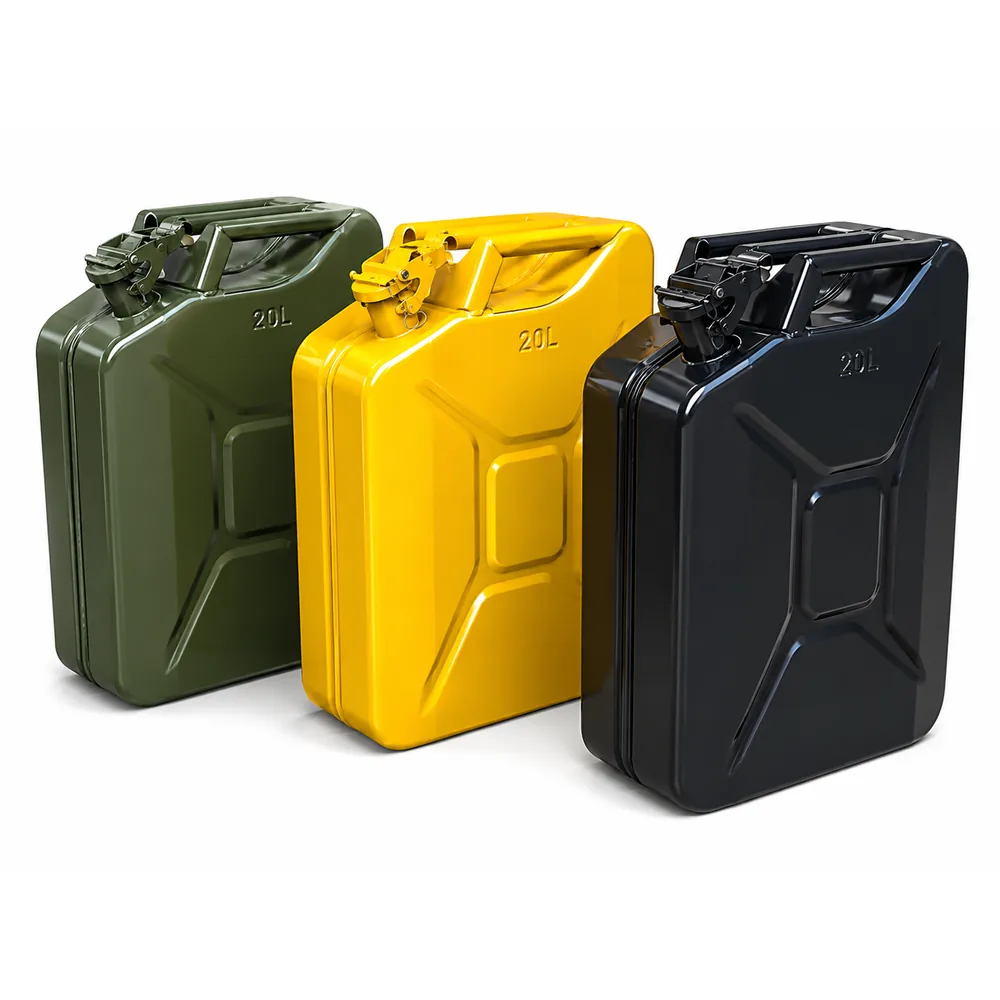
The classic NATO-pattern pressed can. Three handles, stackable profile, and the geometry that fits the carriers, racks and holders already in the field.
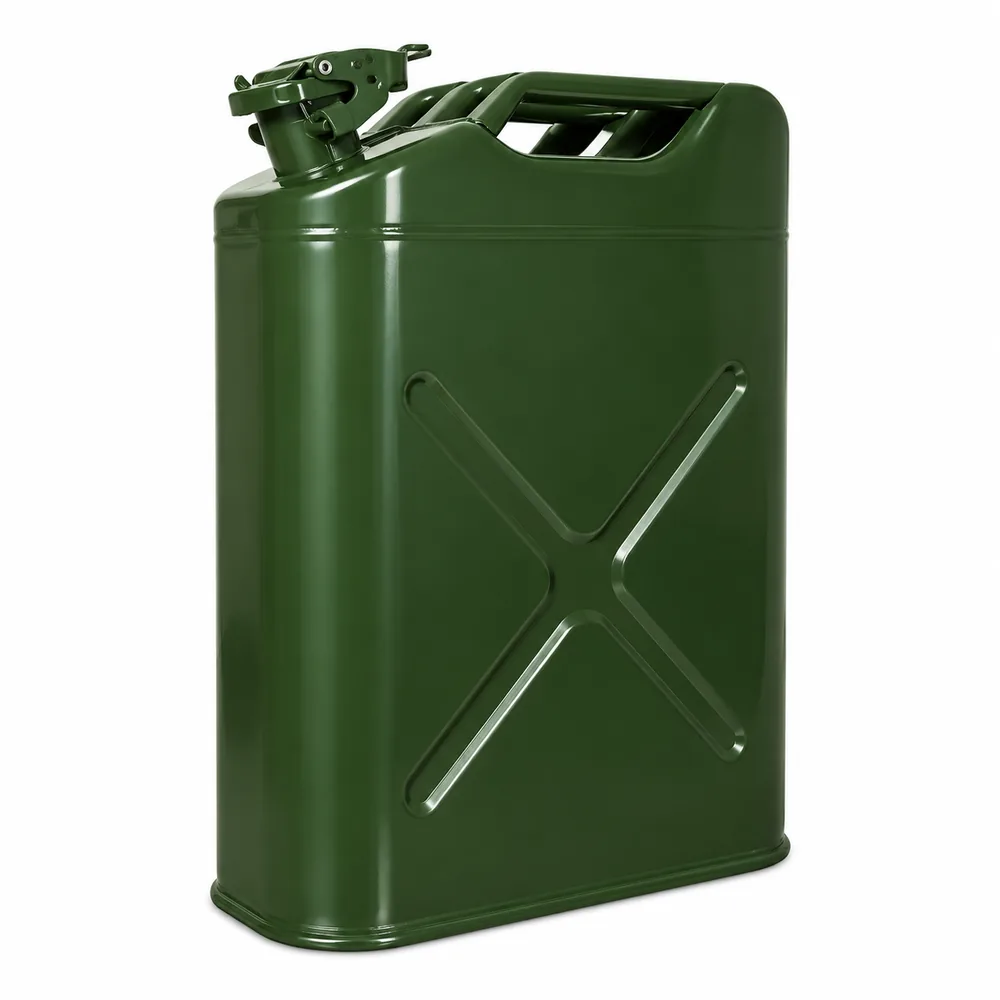
Upright and horizontal steel fuel containers outside the NATO pattern, including tap-fitted tanks, agricultural formats and compact cans.
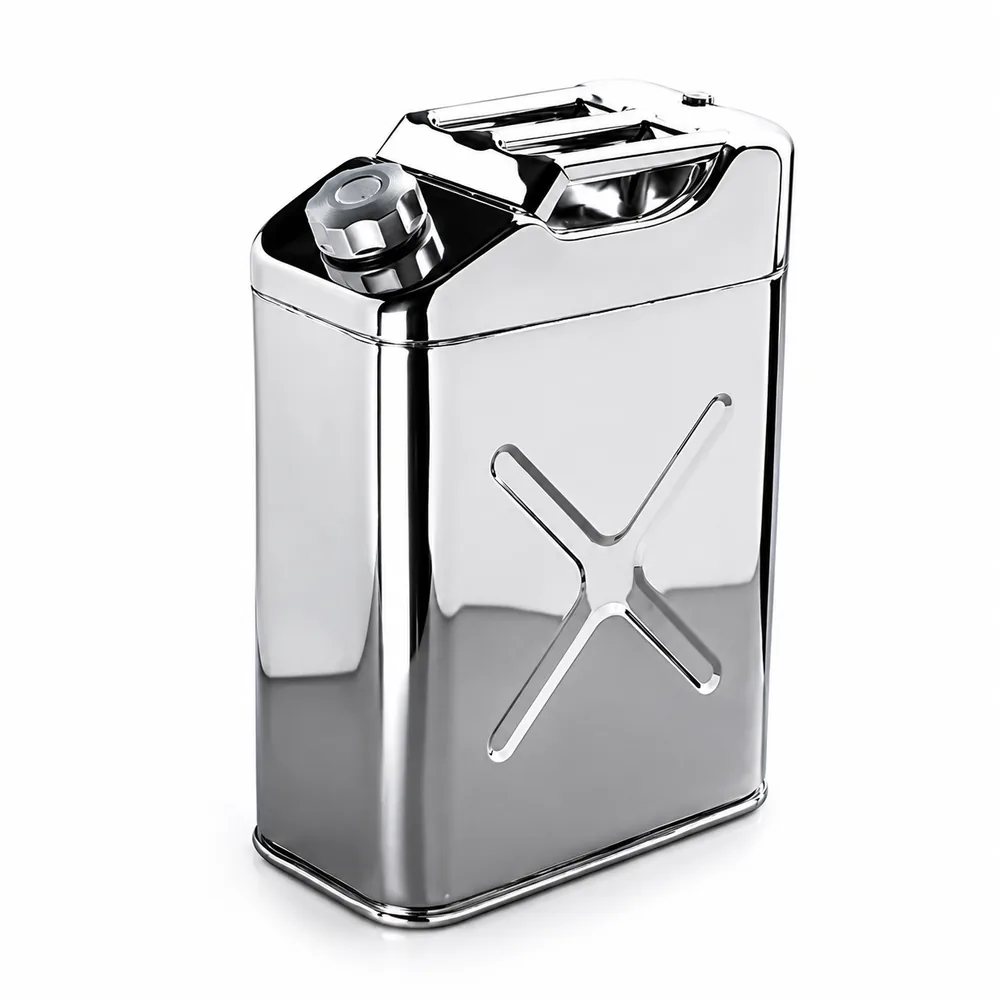
Containers specified for food and potable contact from the first drawing. Stainless where the can is kept and refilled, HDPE where it ships at volume.
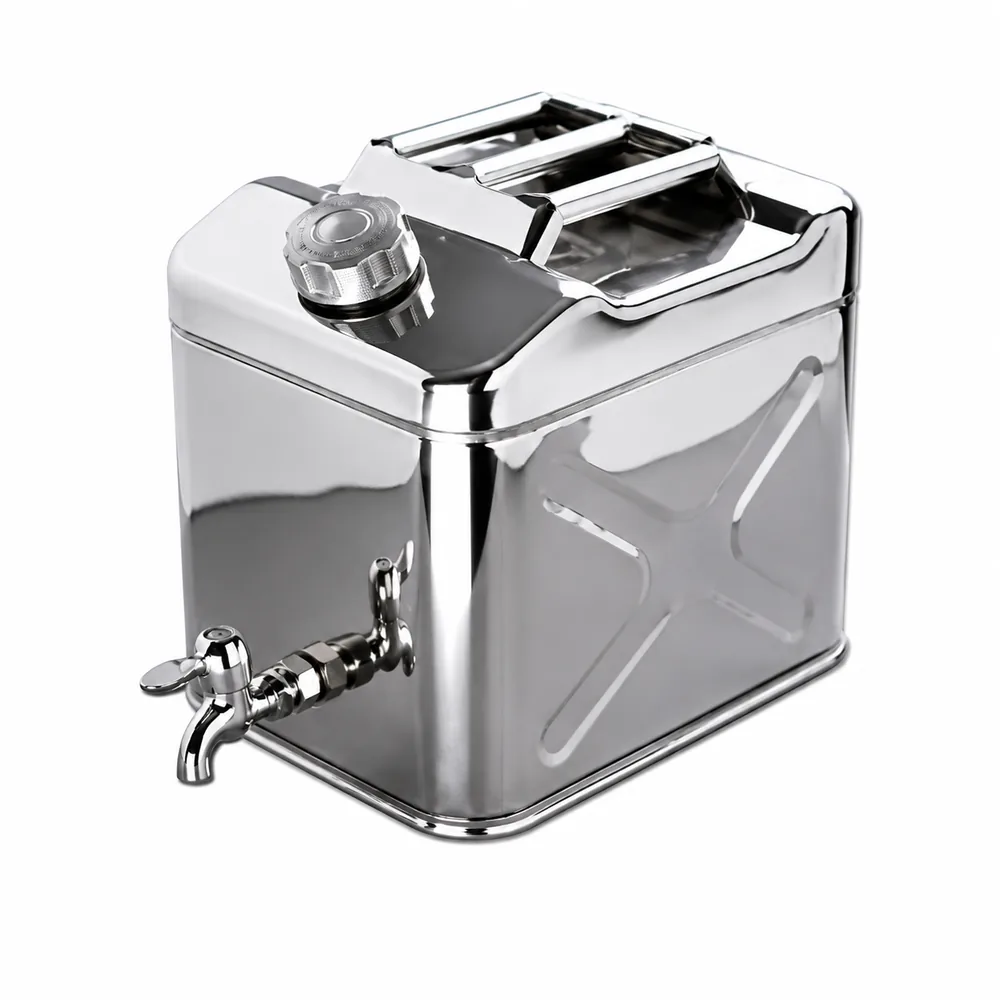
Tap-fitted and upright dispensing cans for lubricants, oils and workshop fluids, where controlled decanting matters more than portability.
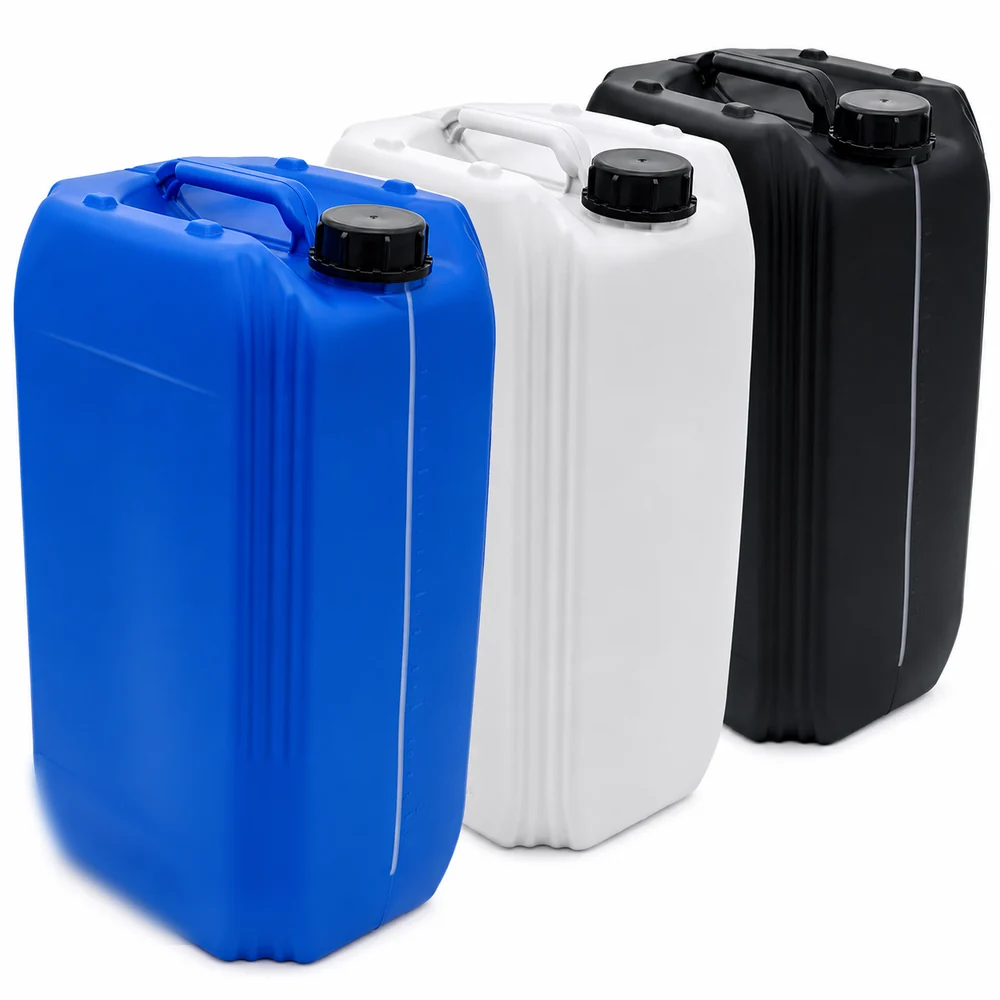
Stackable HDPE jerrycans and dedicated diesel exhaust fluid containers for decanting, distribution and automotive fluids.
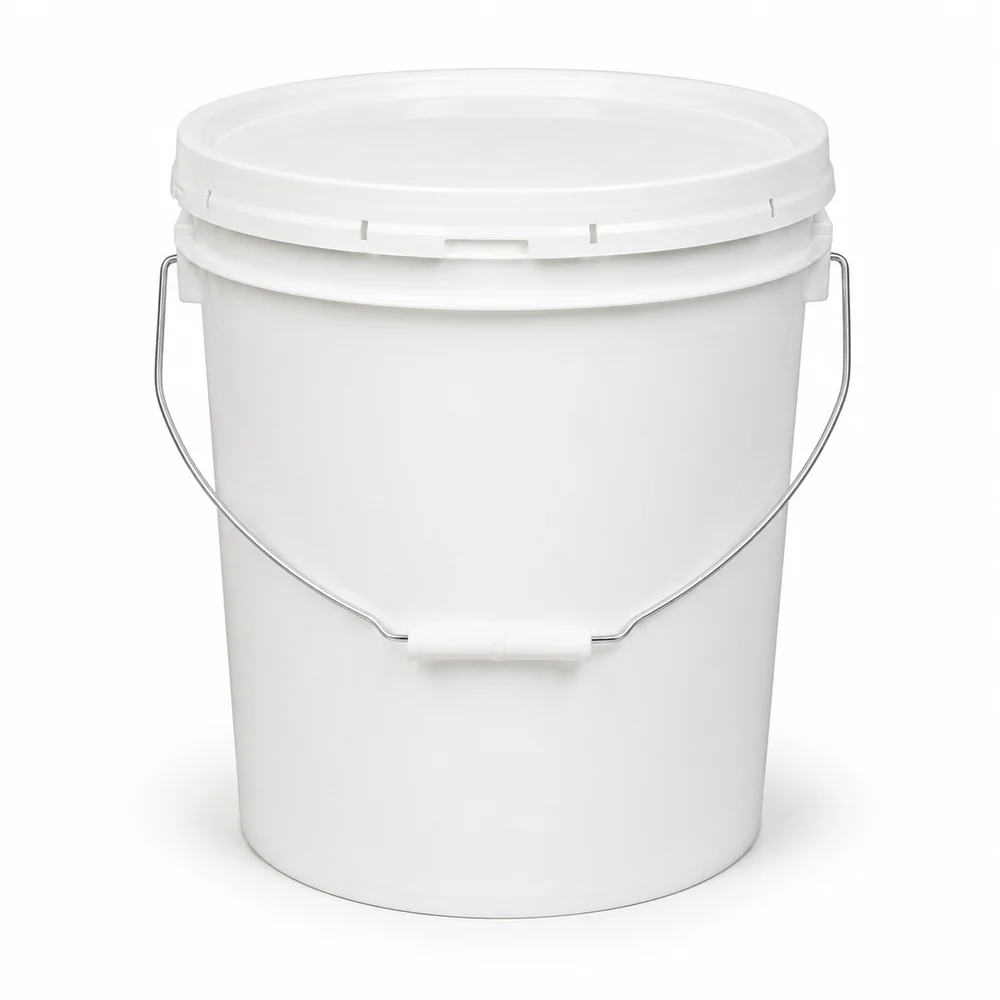
Open-head pails in polypropylene and tinplate steel, 2.5 to 35 litres. Lever-lock rings, flower lids and tamper-evident closures, sized to the pallet rather than to the shelf.
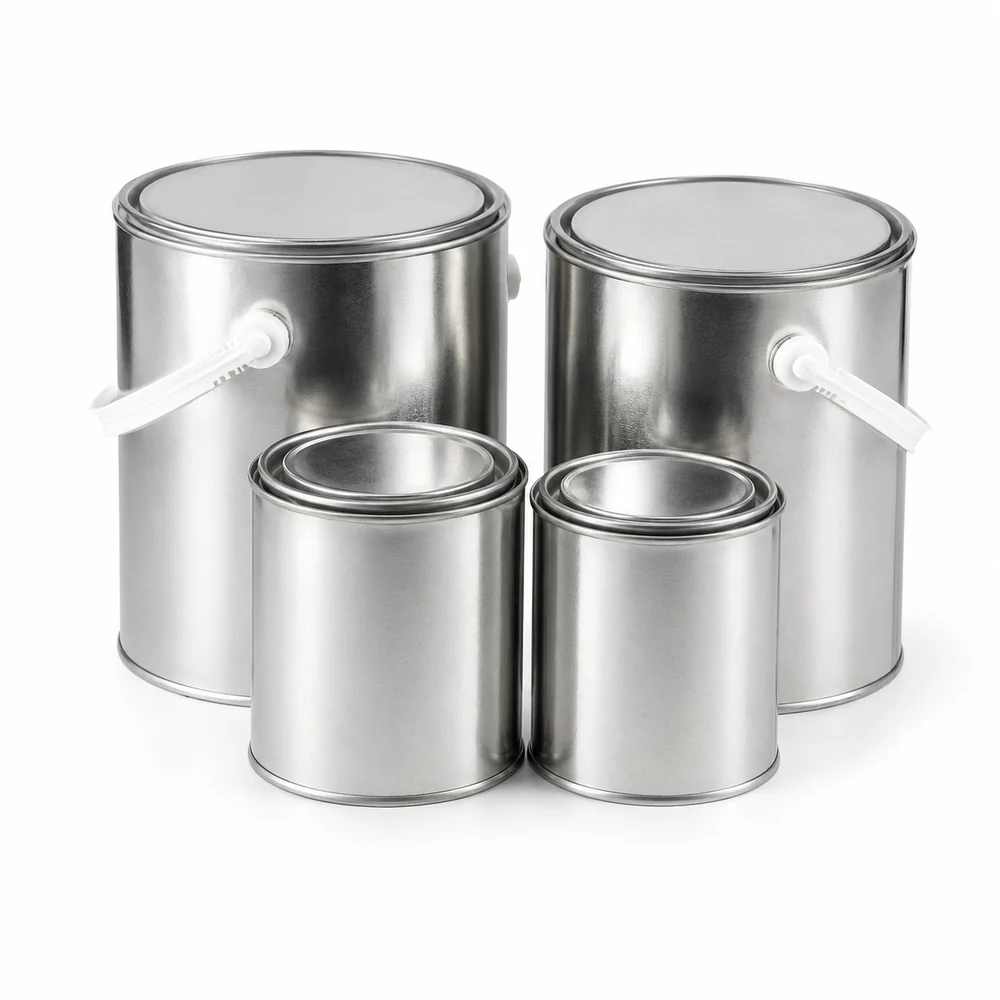
Tinplate cans from 50 ml to 6 litres: round and square bodies, cone tops, and dauber and brush-in-cap cans for adhesives and solvent cements.
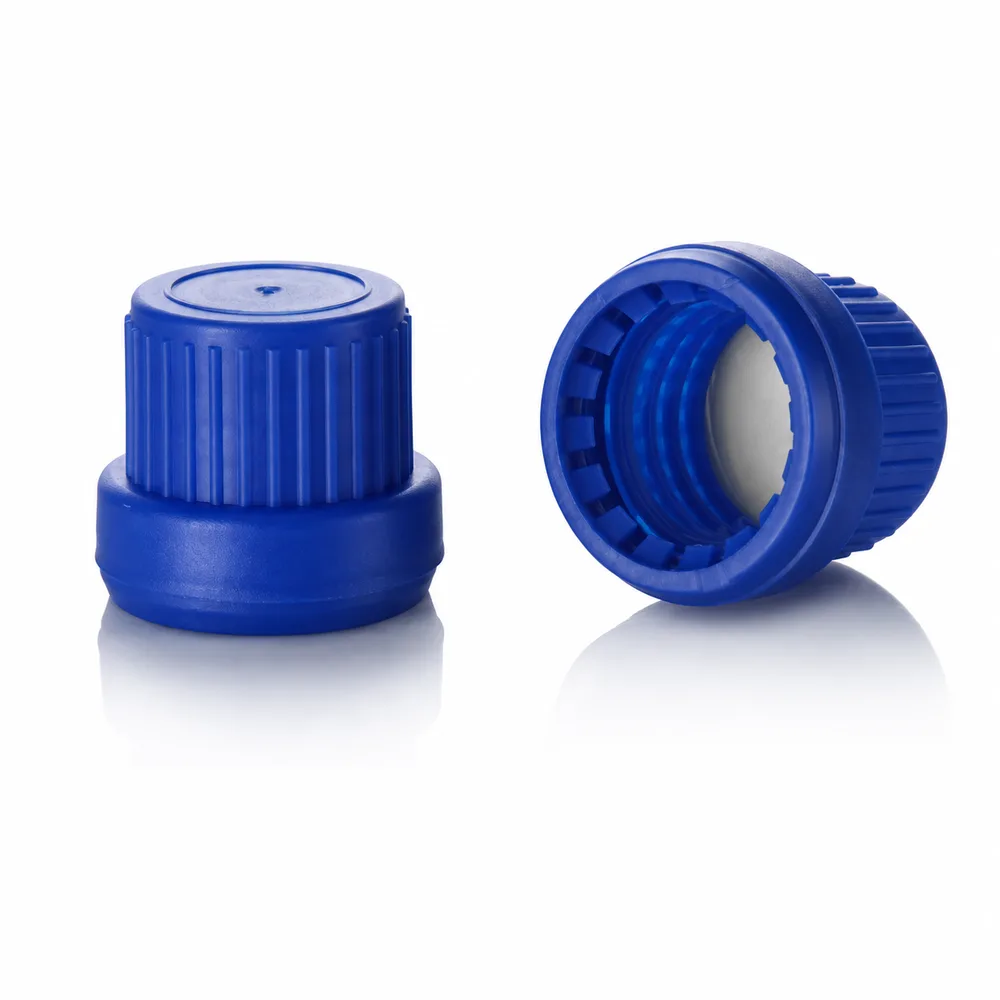
Caps, gaskets, vented and non-vented closures, child-resistant caps and flame arresters. The parts that fail first and cost least to replace.
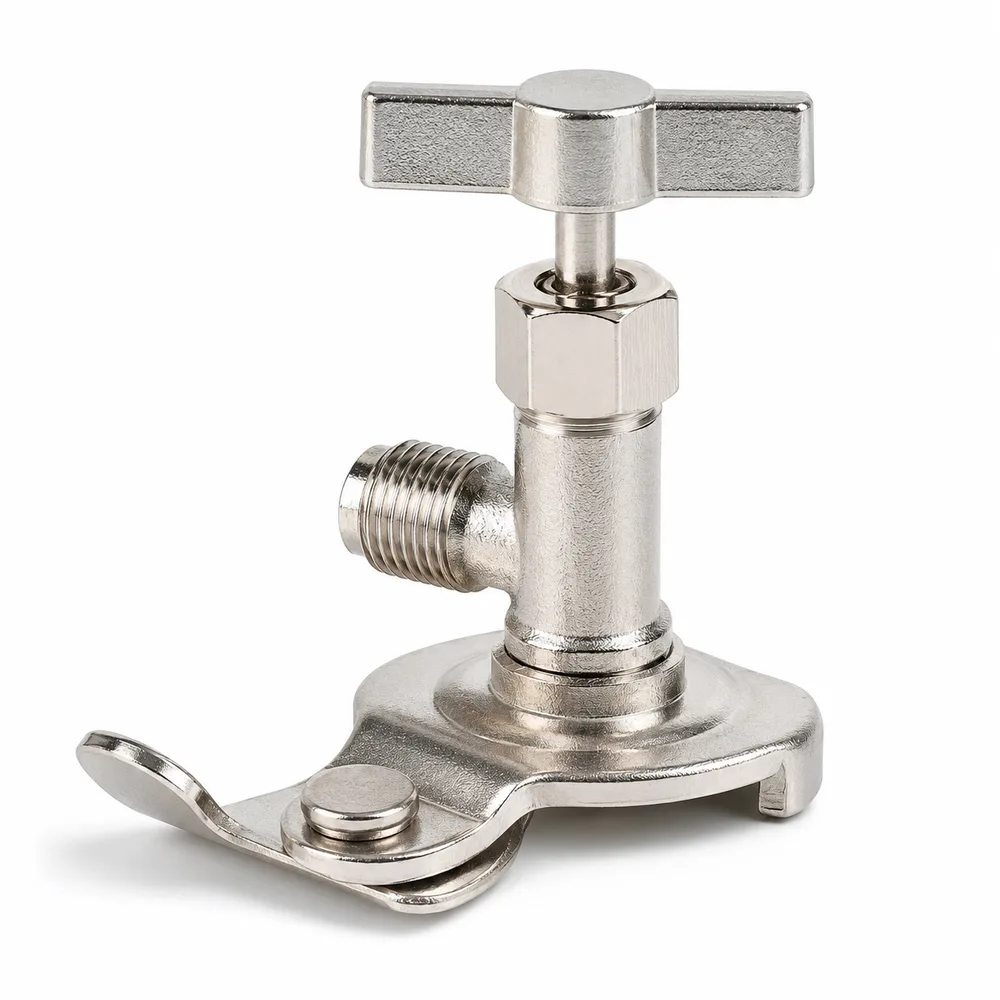
Pouring spouts, taps, dispensing valves and the adapters that bring a drum or an IBC down to a can: the parts that move liquid from one container to the next.
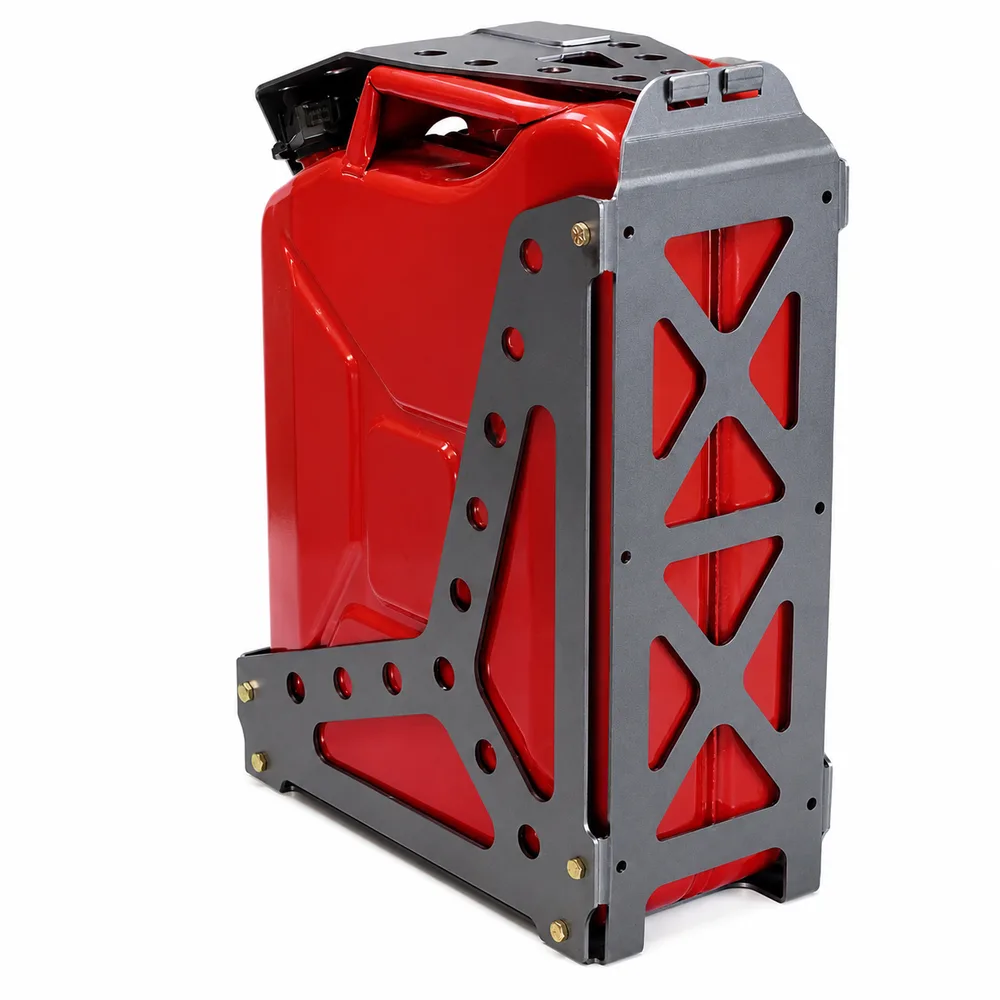
Vehicle holders, brackets and retention for cans, and the ramps, cradles and dollies that move a 200 litre drum without anyone lifting it.
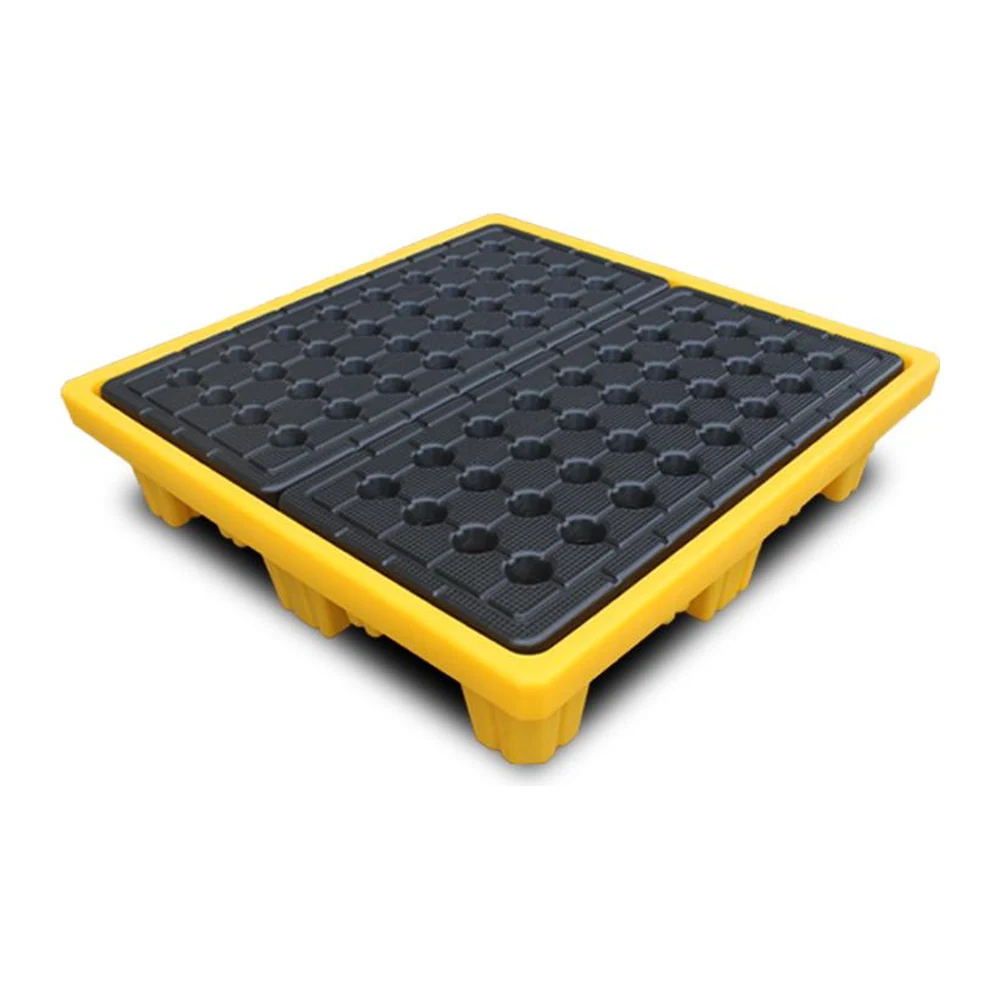
Spill decks, drum and IBC pallets, steel bunds, bench and drip trays, salvage drums and emergency eyewash: the containment that sits under the containers.
Tell us which product, your destination market and your volumes.