Guides, comparisons, regulations and tools for specifying the right container.
Which material to choose on permeation, durability, cost and emissions compliance.
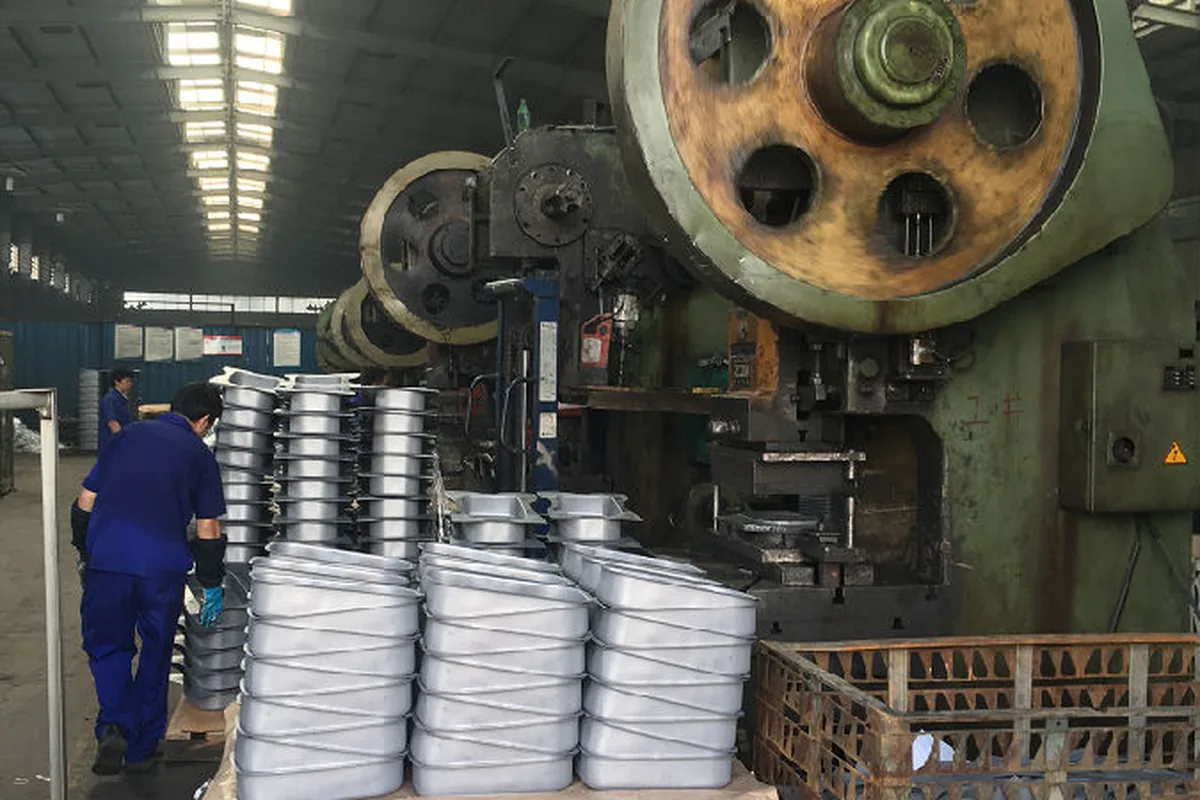
When weight decides: payload, toughness, corrosion and cost.
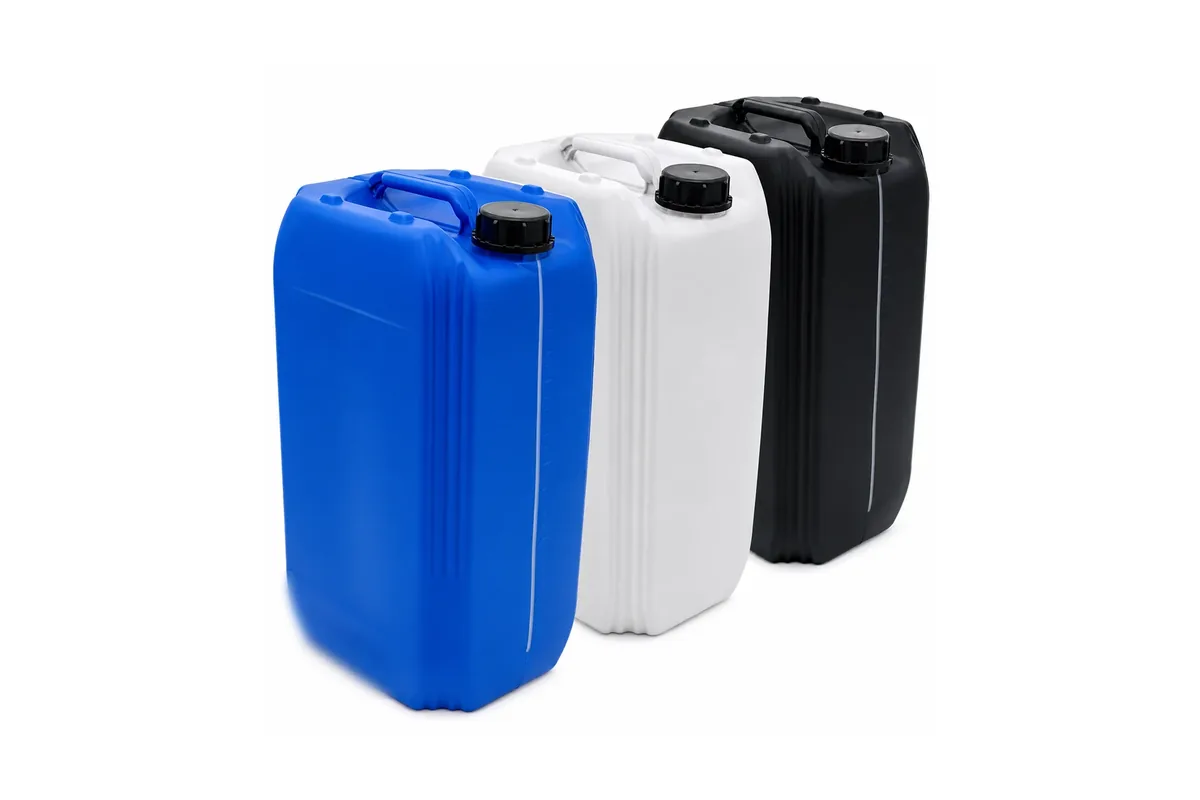
Match the container format to volume and how the liquid is used.
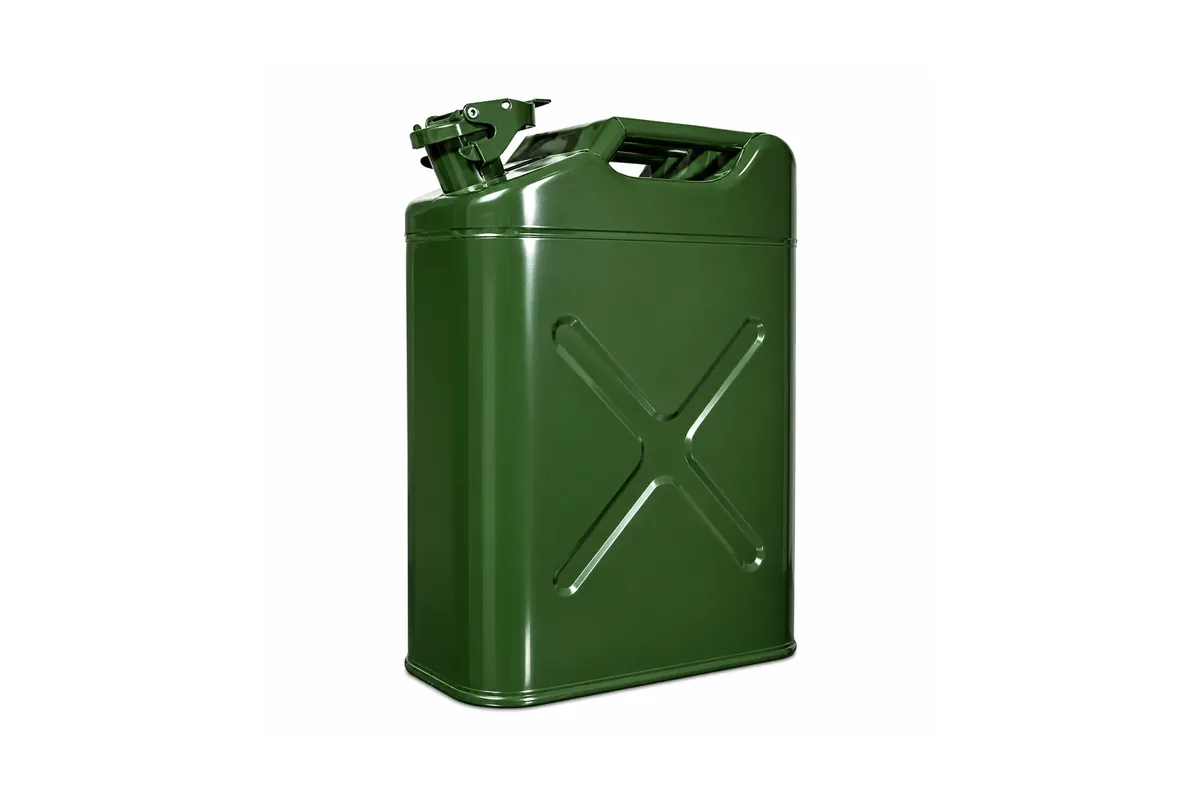
Read a UN 3A1 or 3H1 marking, and know what to request from a supplier.
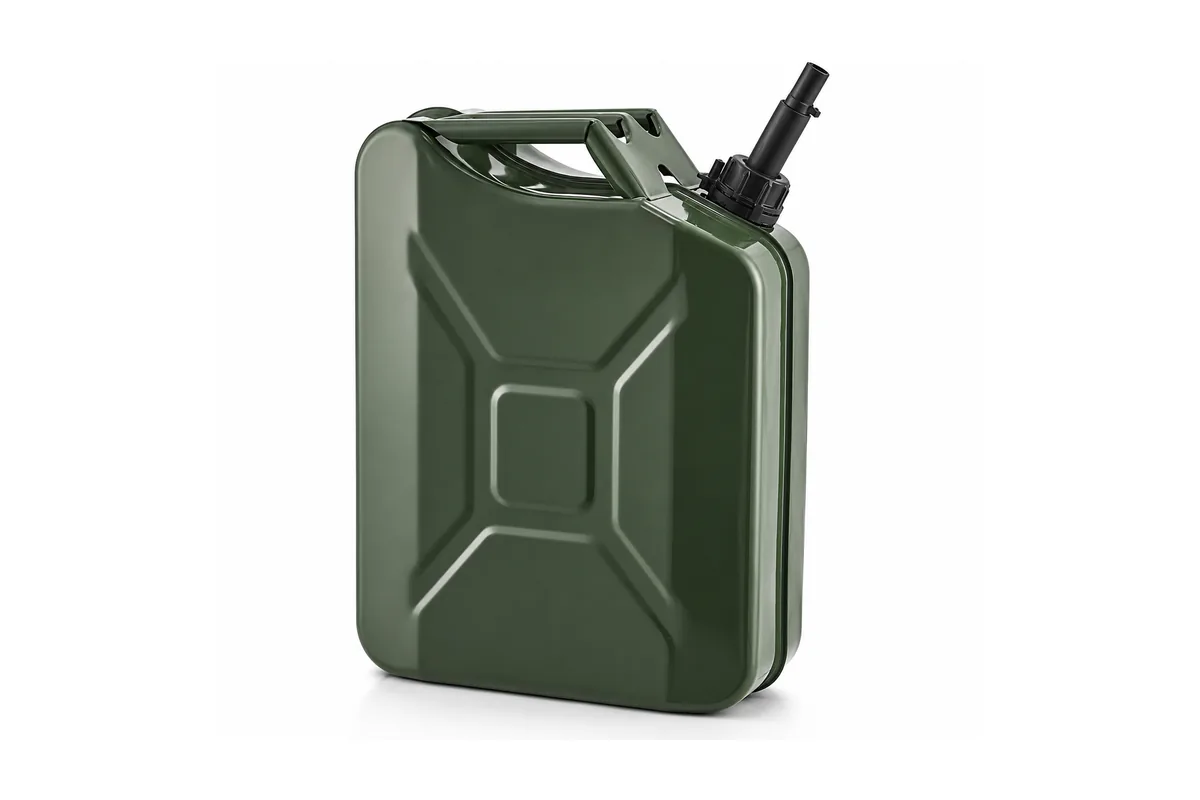
What a fuel can must meet to sell in the US and California.
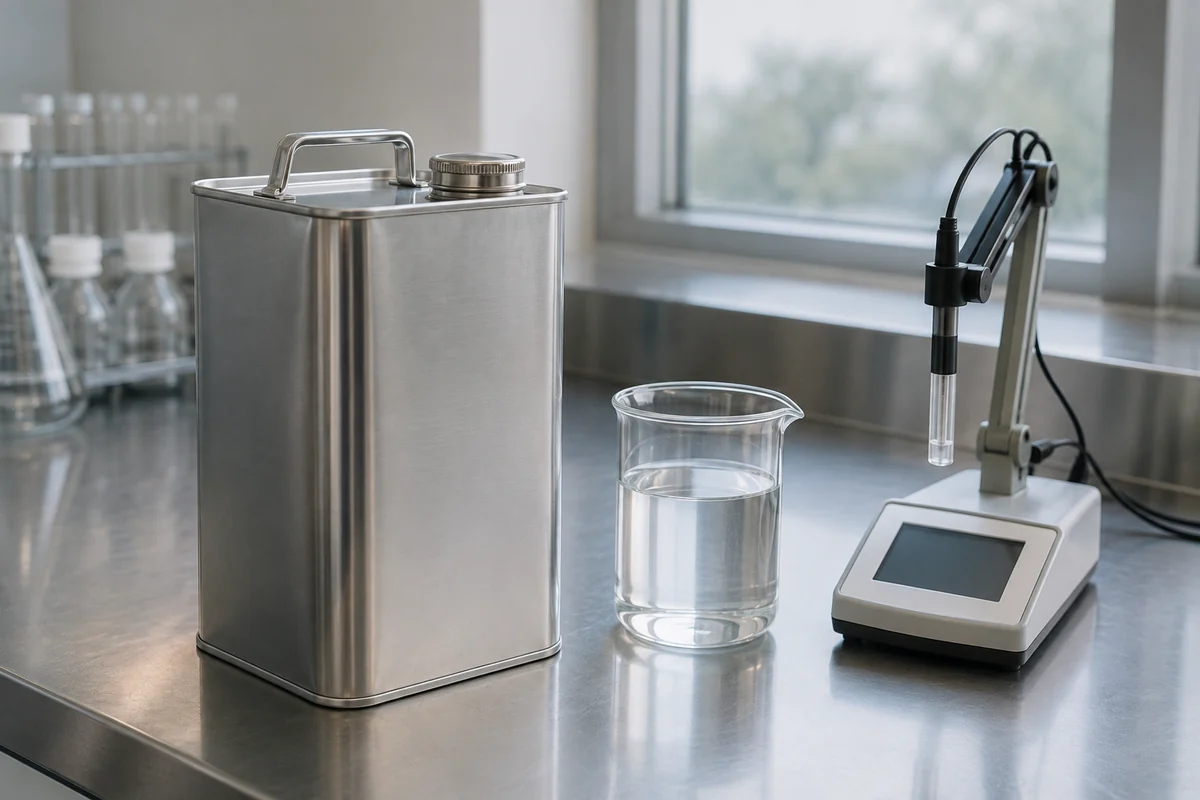
European Positive Lists replace national regimes from 2027.
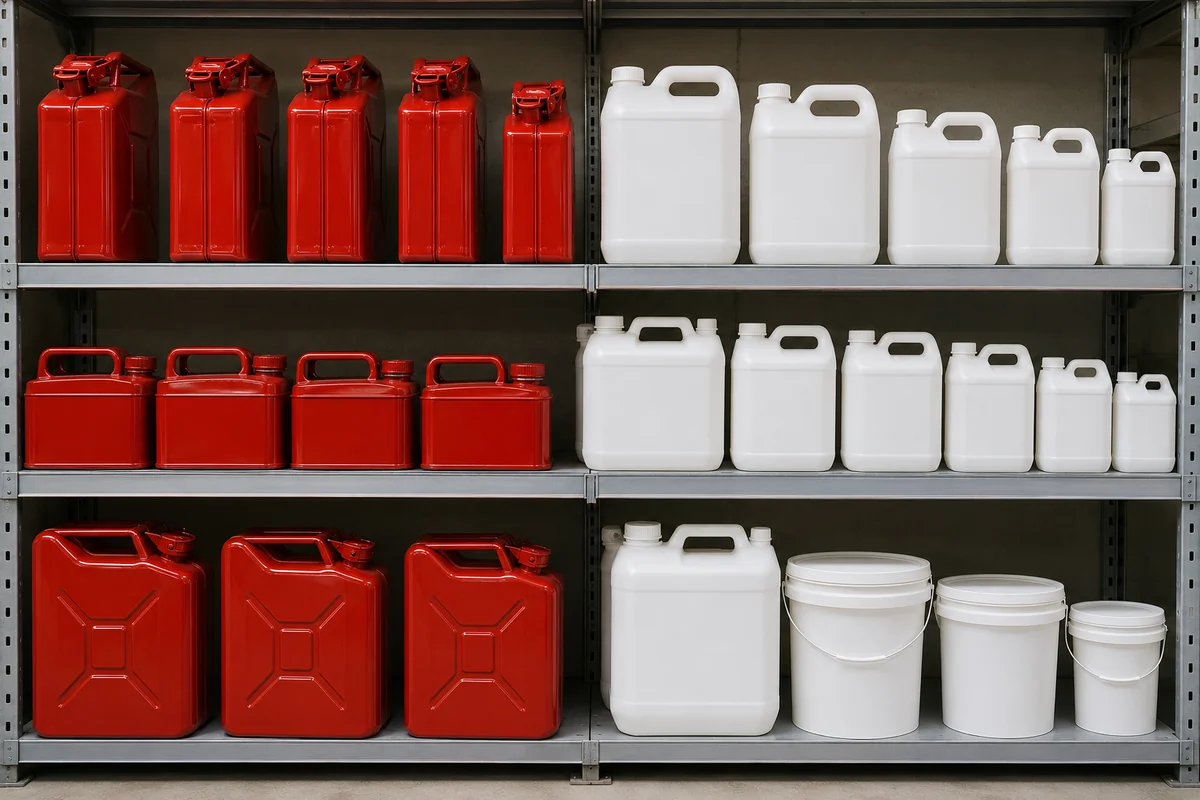
No EU-established operator, no lawful consumer sale.
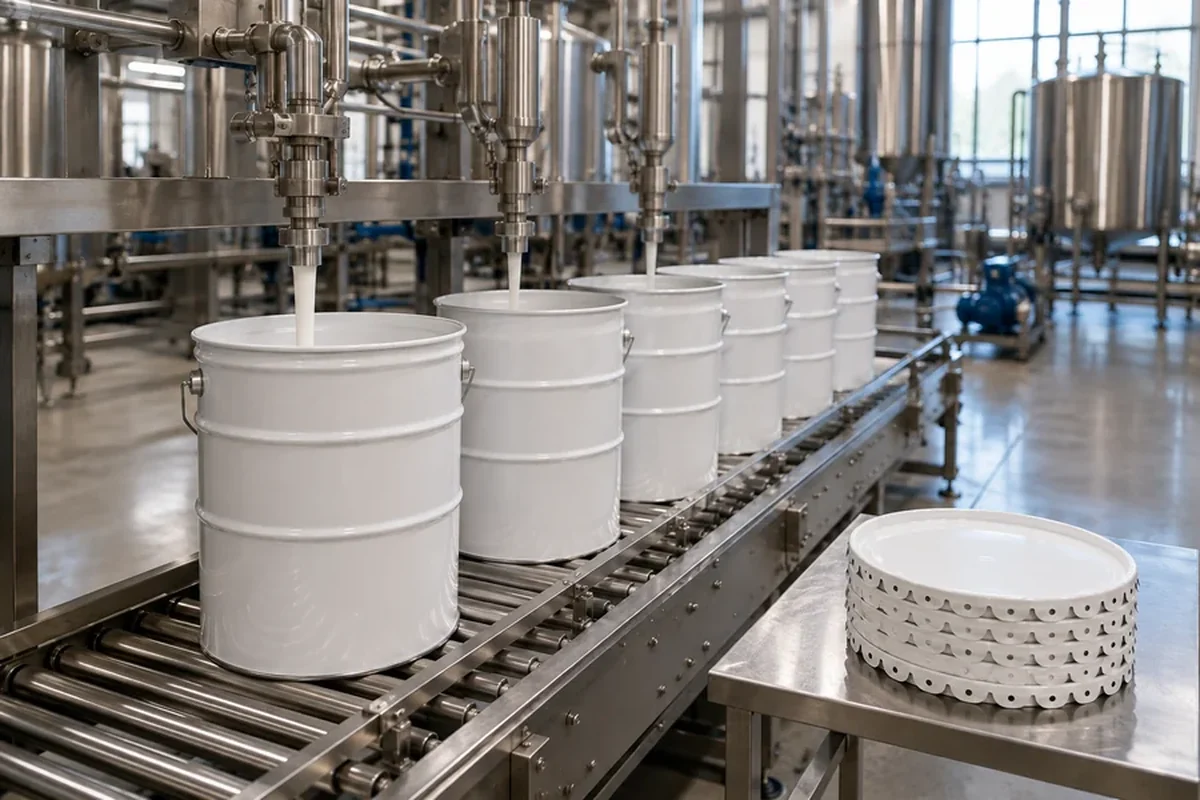
A round pail is a drum; a square tin is a jerrican.
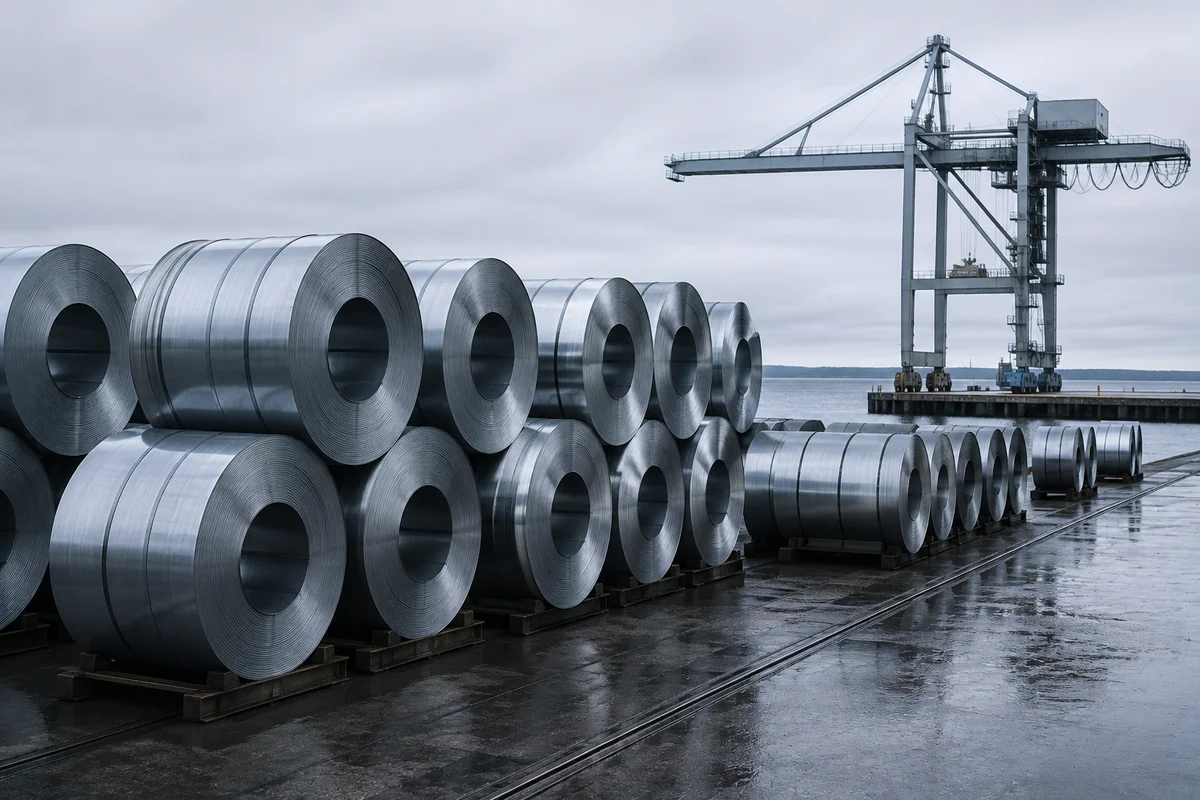
HS 7310 is a listed good. What the EU importer must do.
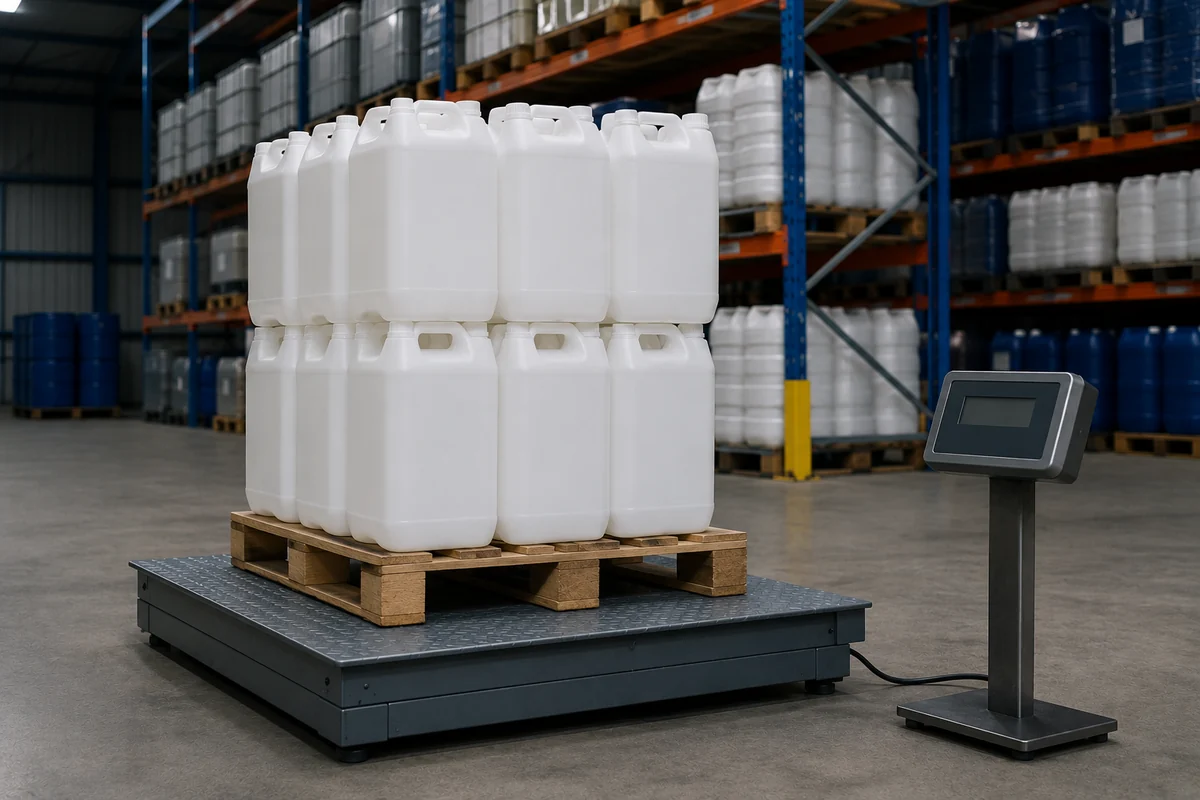
Charged by weight below 30% recycled content, on the importer.
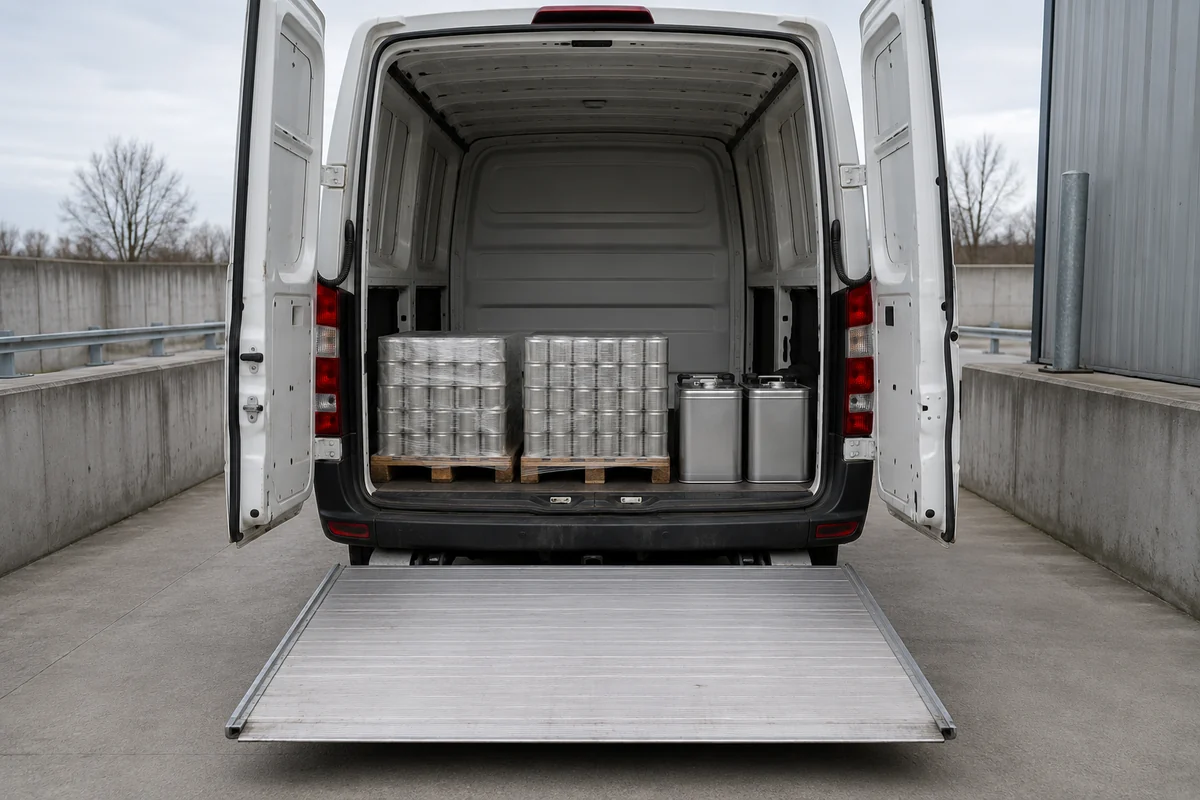
Limited quantities and the thousand-point rule, properly.
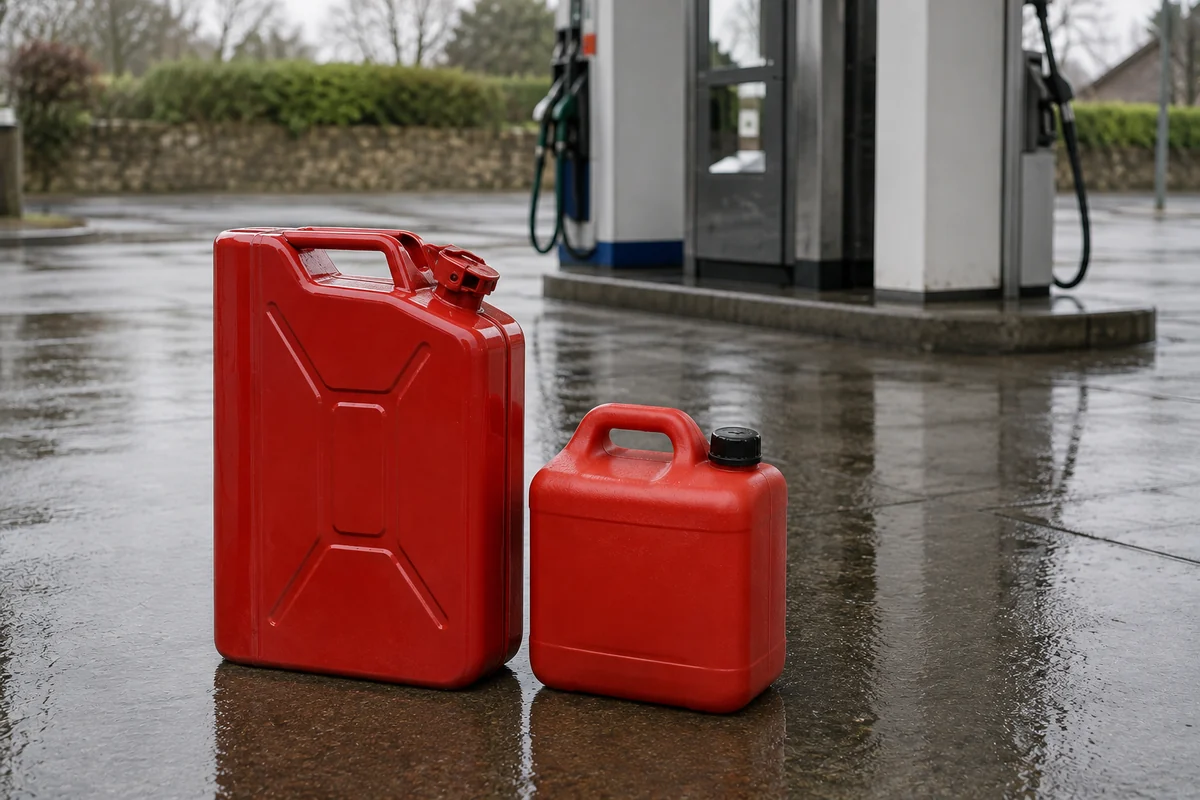
A portable petrol container is capped at 10 L plastic, 20 L metal.
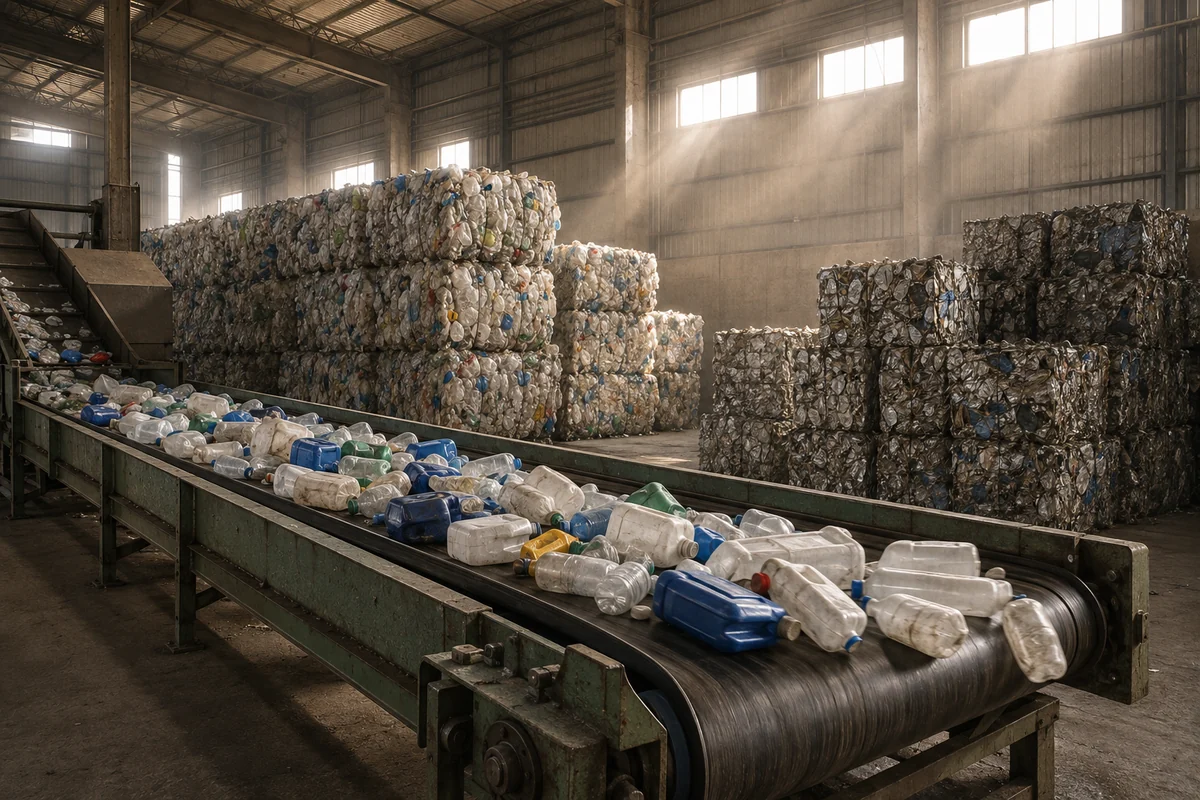
PPWR makes the importer the producer. Registration, fees and the technical file.
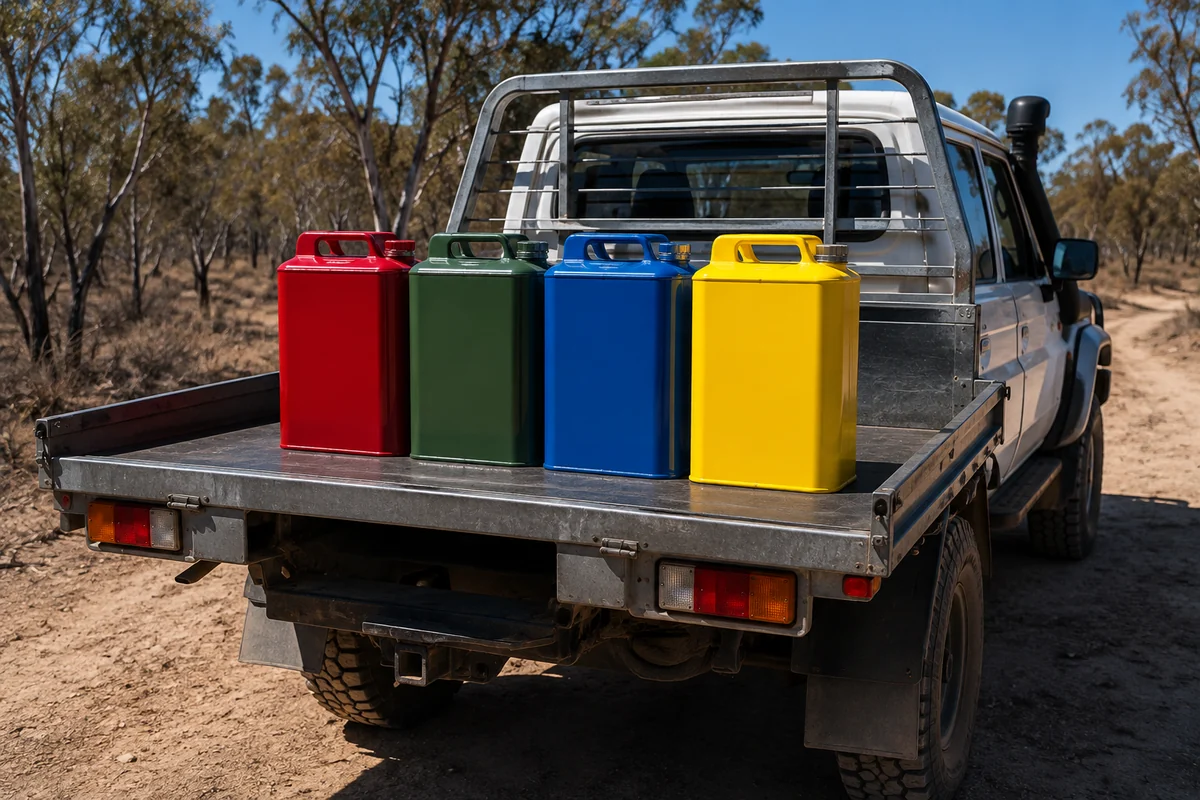
The product standard, and the colour schedule agencies buy to.
Hazard classes, packing groups and the ADR, IMDG and IATA rules.
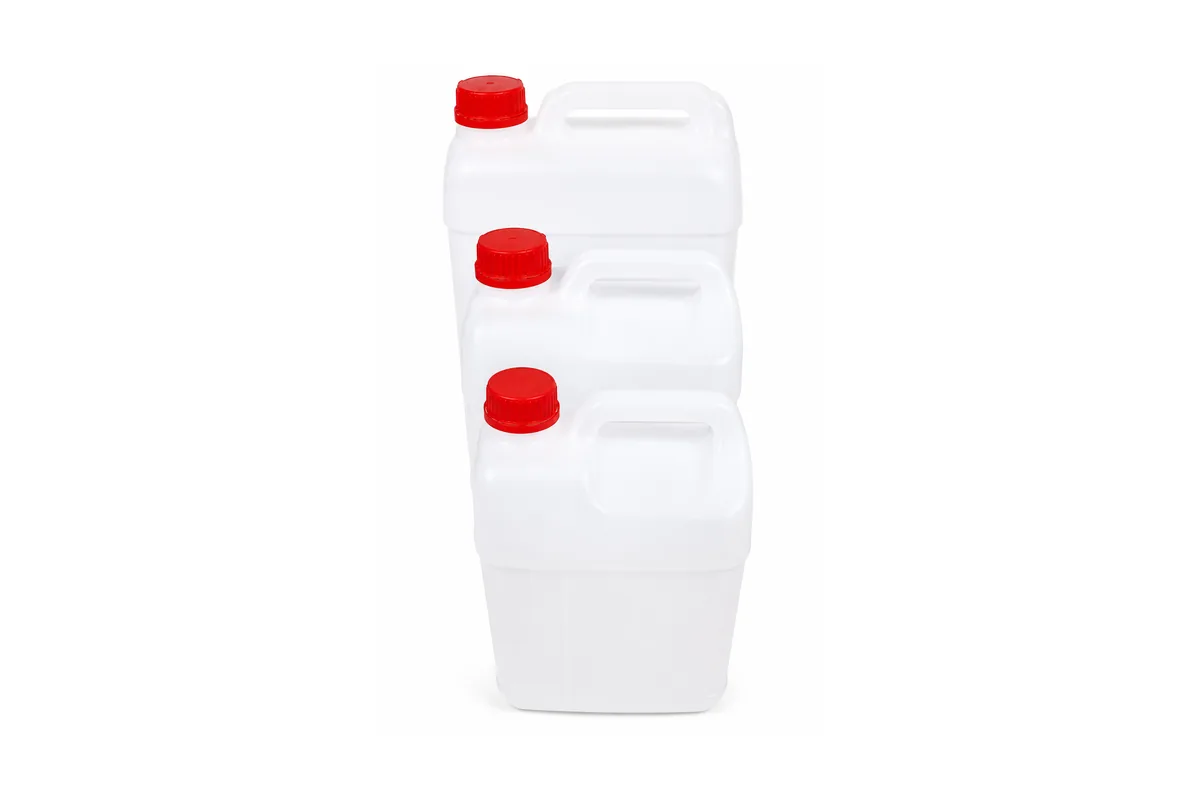
FDA, EU, WRAS and NSF: what a water or food container must document.
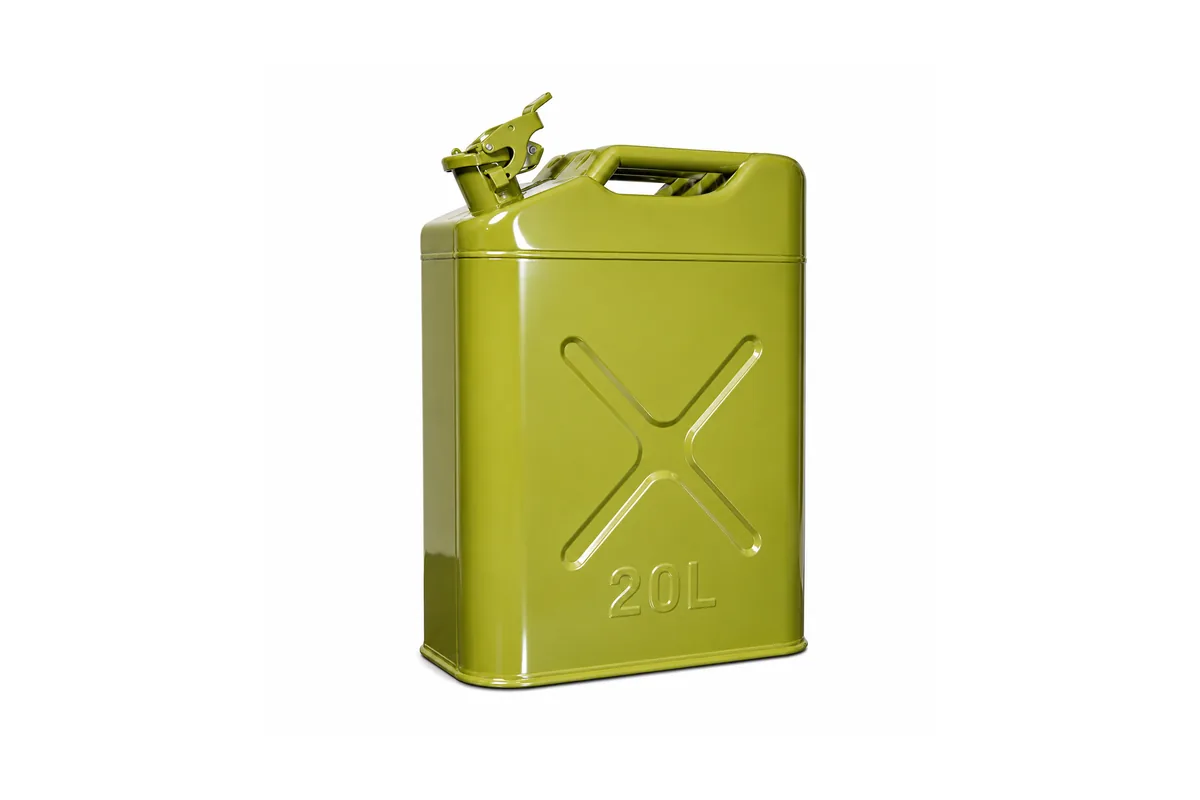
Why the pattern still sets the shape, and why holders are interchangeable.
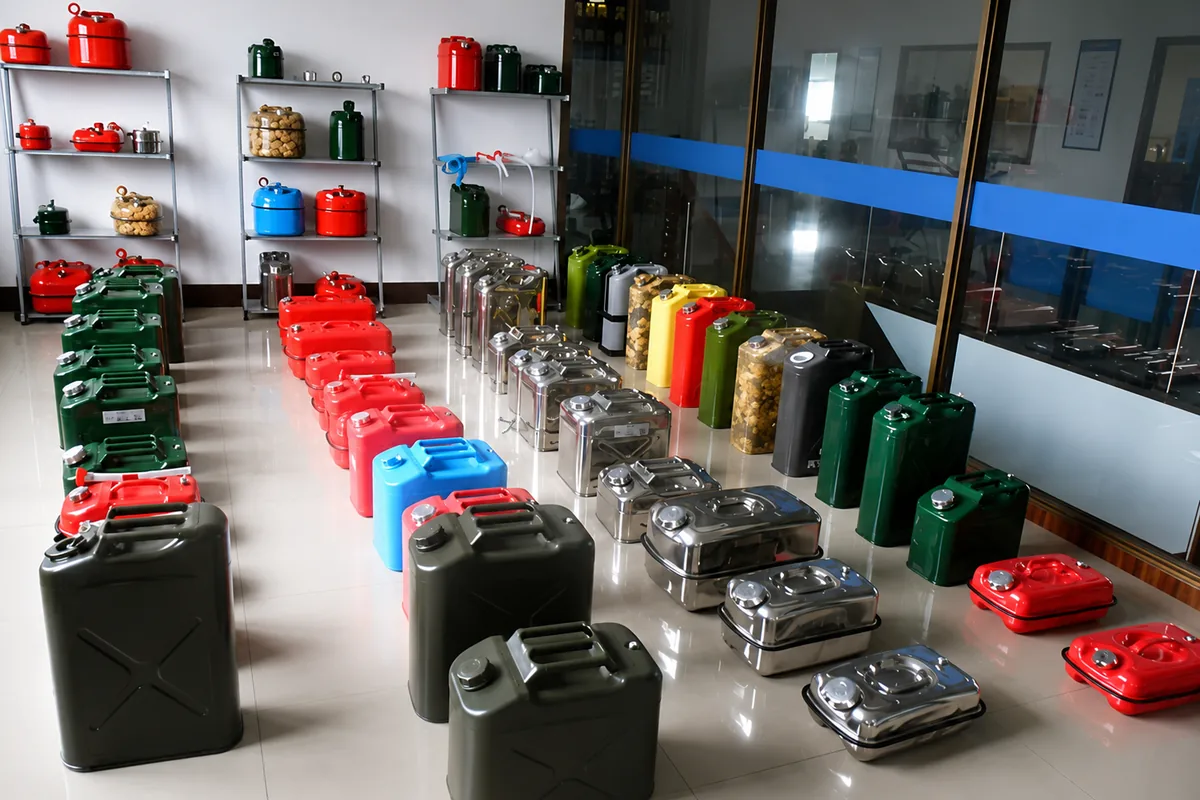
Match galvanized steel, stainless, HDPE and aluminium to your exact liquid.
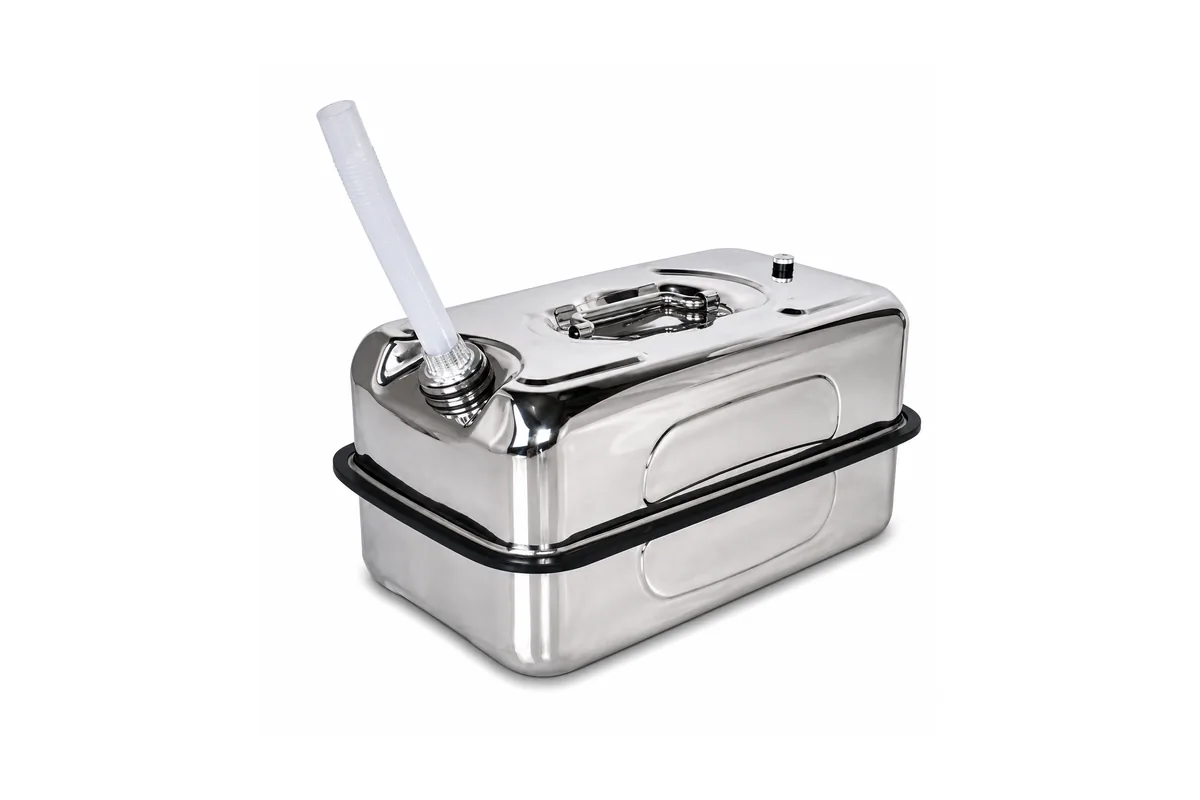
The molybdenum difference, and when to pay for 316.
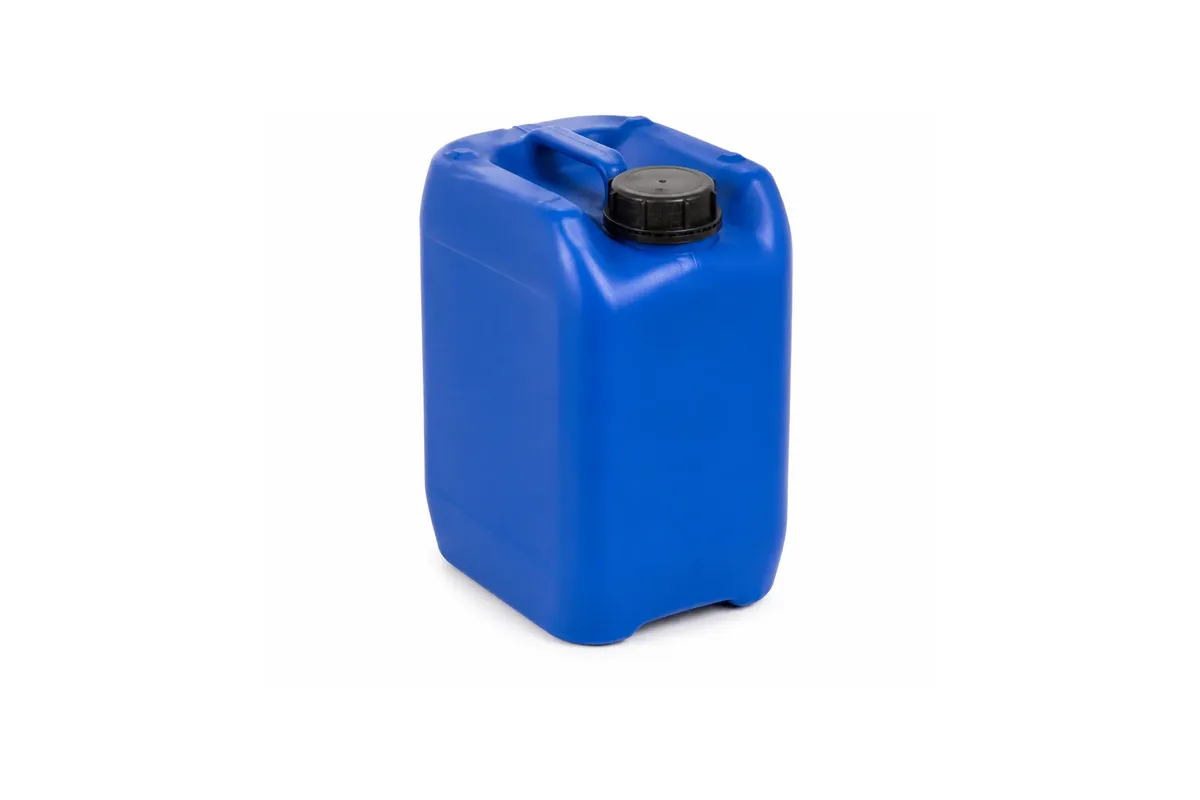
Grades, blow moulding, and what fluorination does for fuel and solvents.
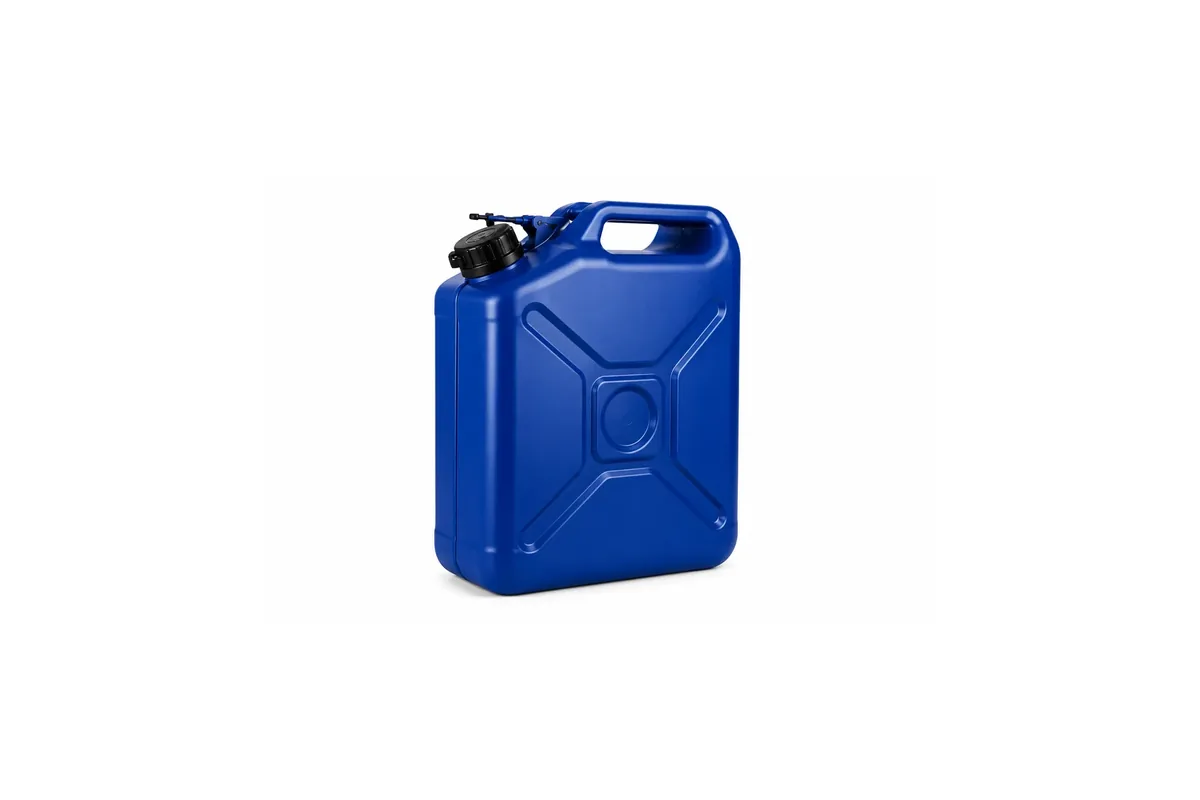
Why diesel exhaust fluid needs a dedicated container.
How a steel can is protected from rust, and what each finish trades off.
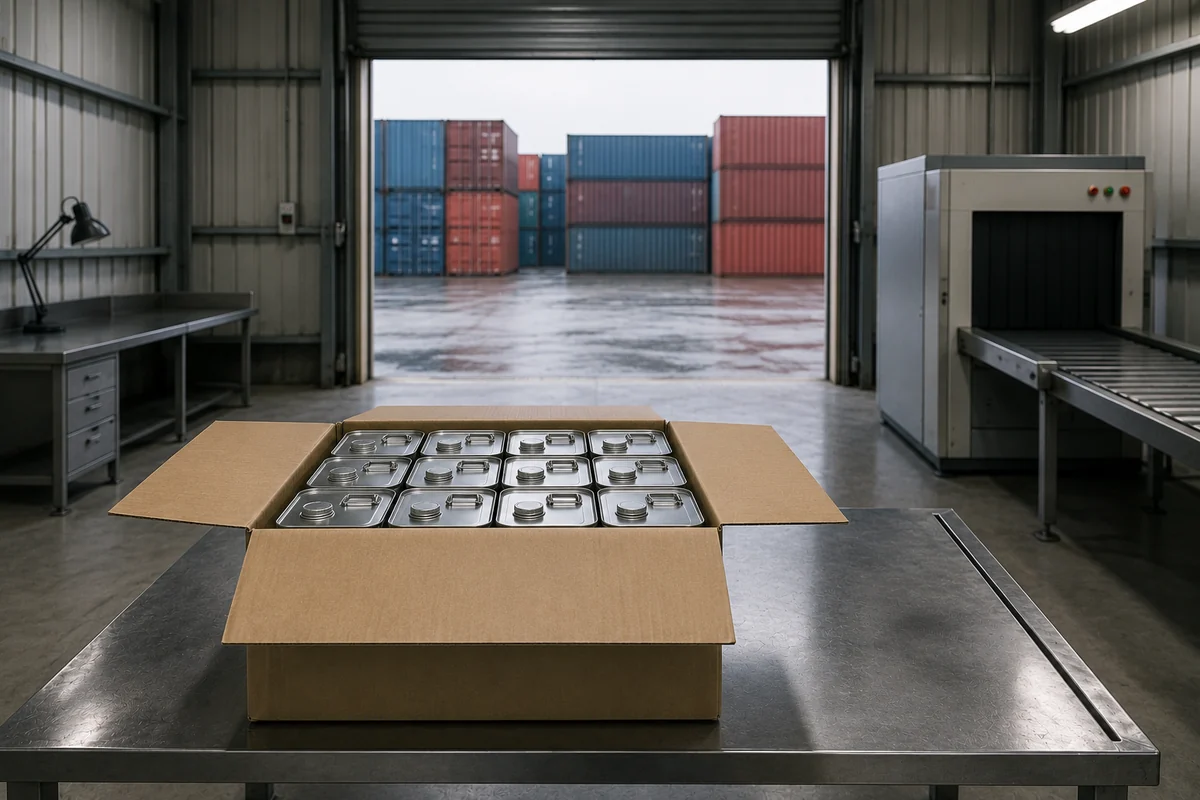
The code sets the duty, decides CBAM and pulls in trade measures.
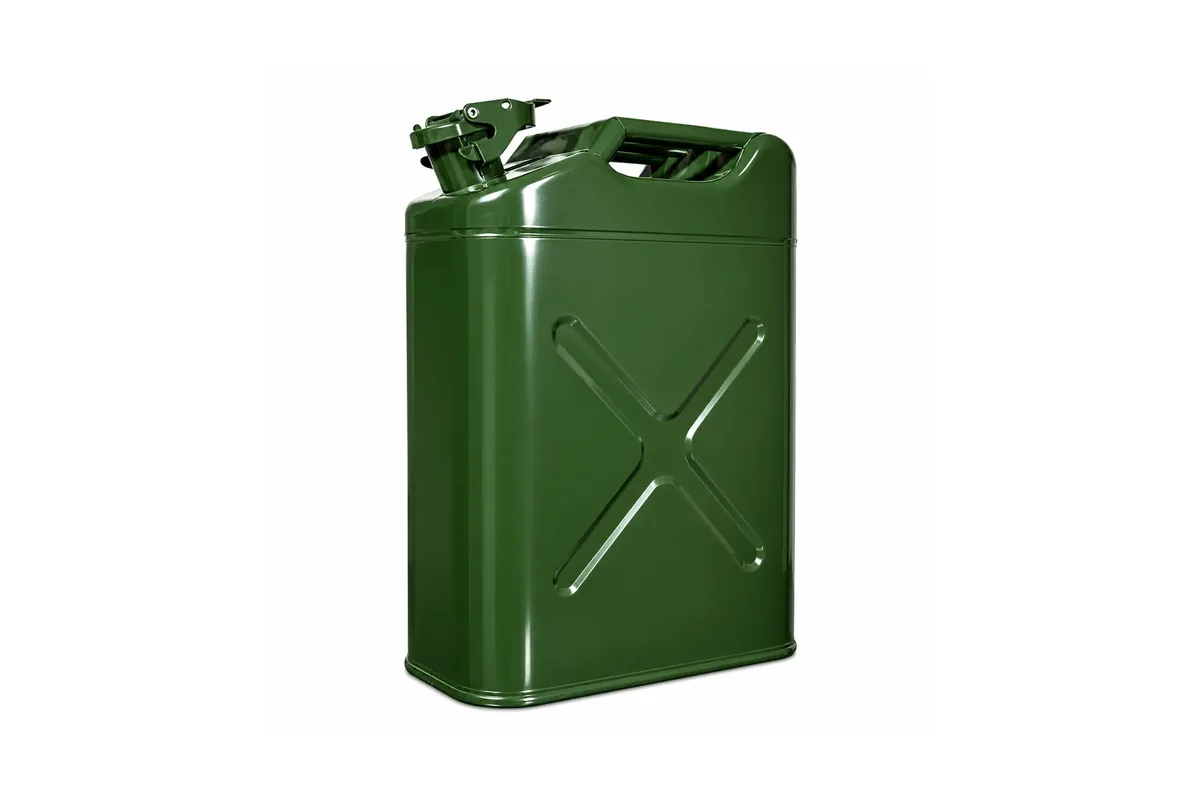
Shelf life, ethanol, stabilisers, the right container and quantity limits.
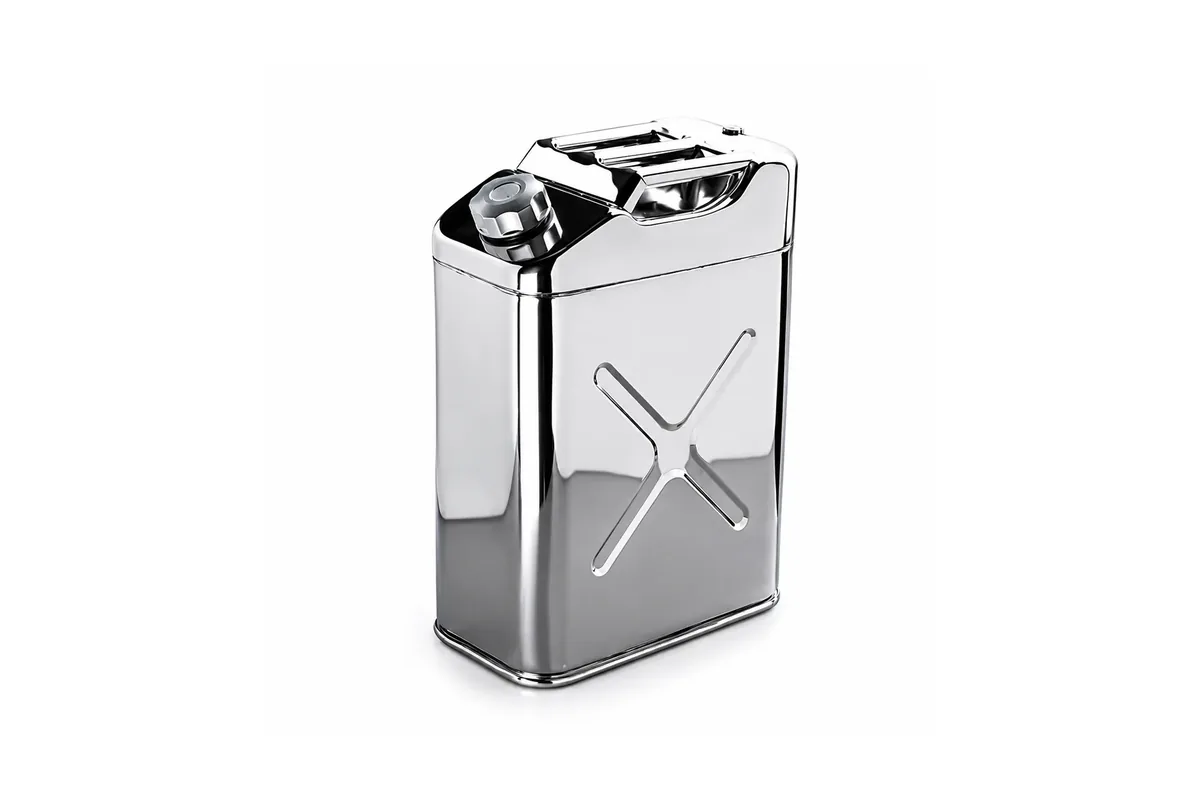
How much water to store per person, and the container that keeps it safe.
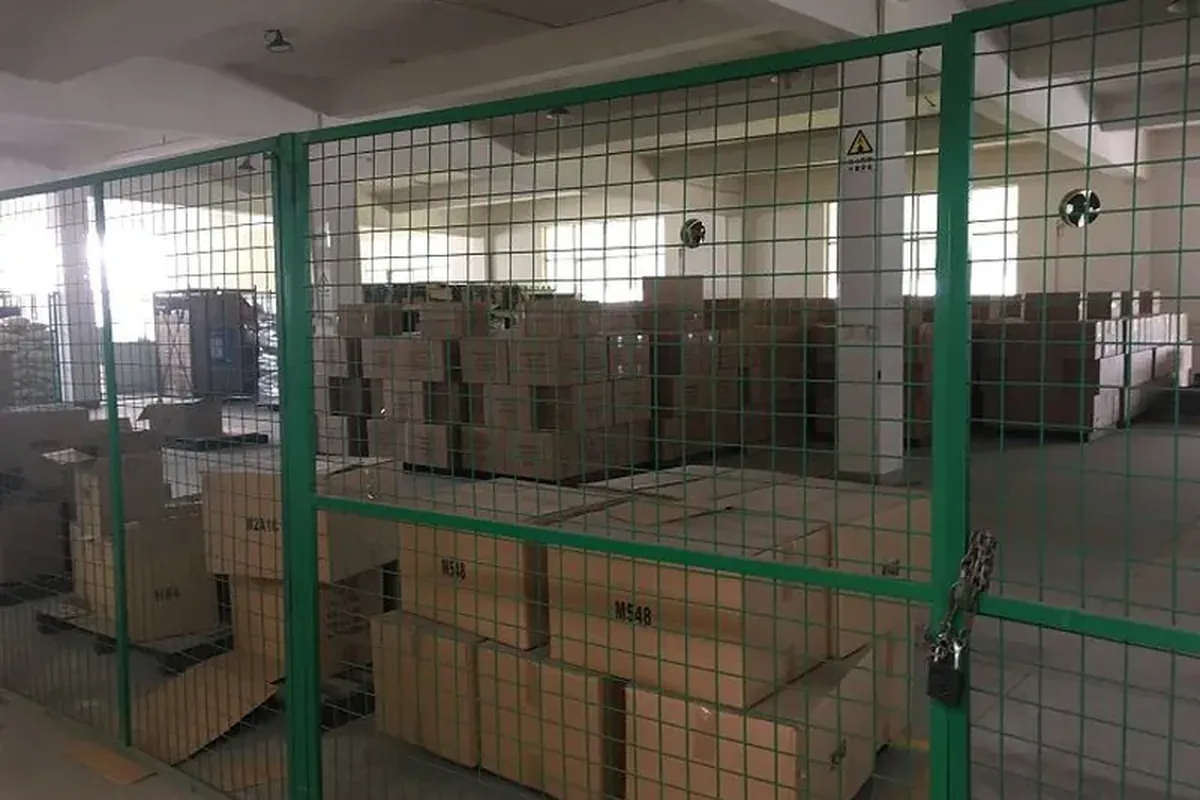
How cans are packed, palletised, container-loaded and stored.
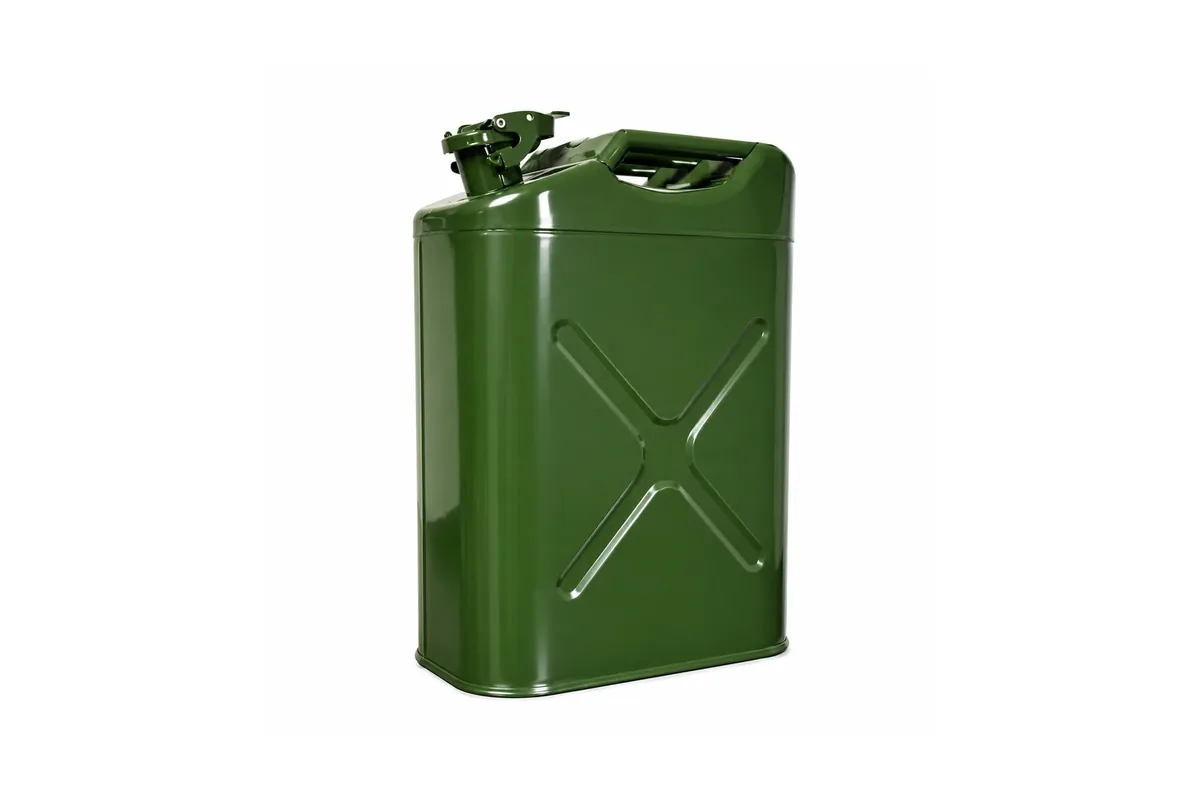
Secondary containment for stored fuel and chemicals, and how to size it.
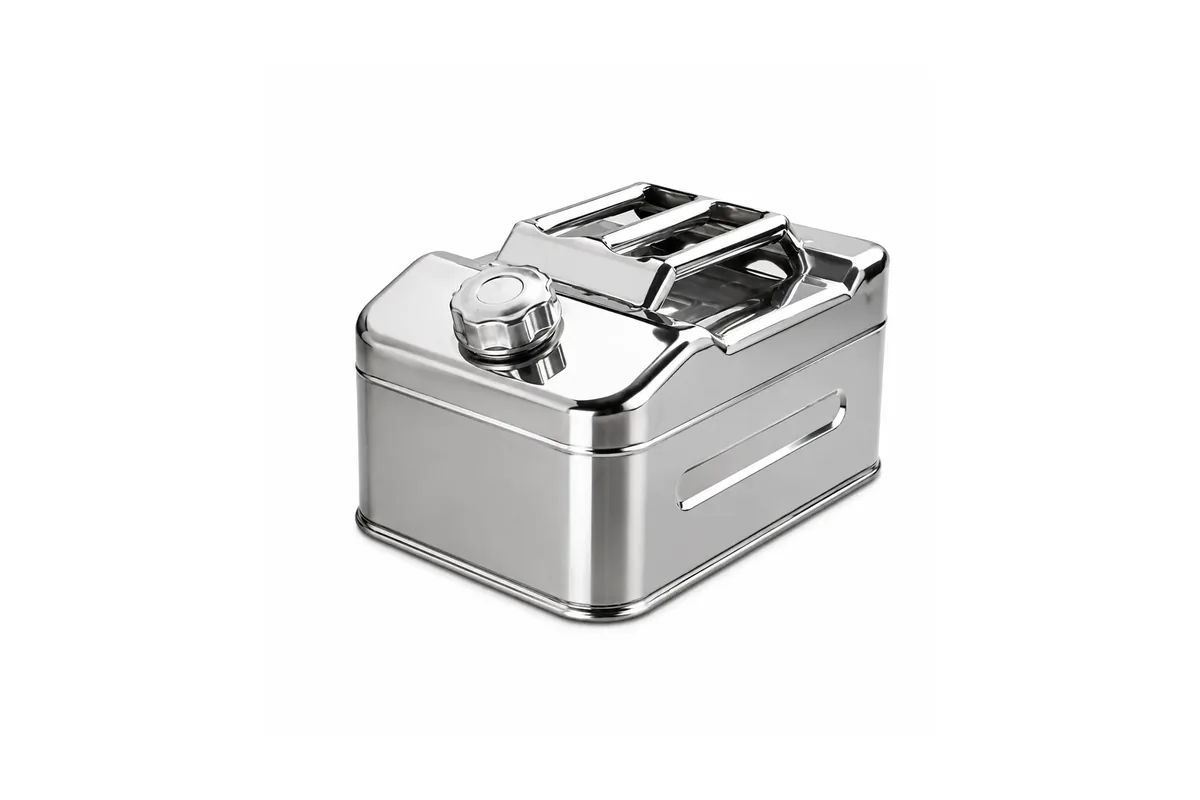
How to return a can to service safely, and when to retire it.
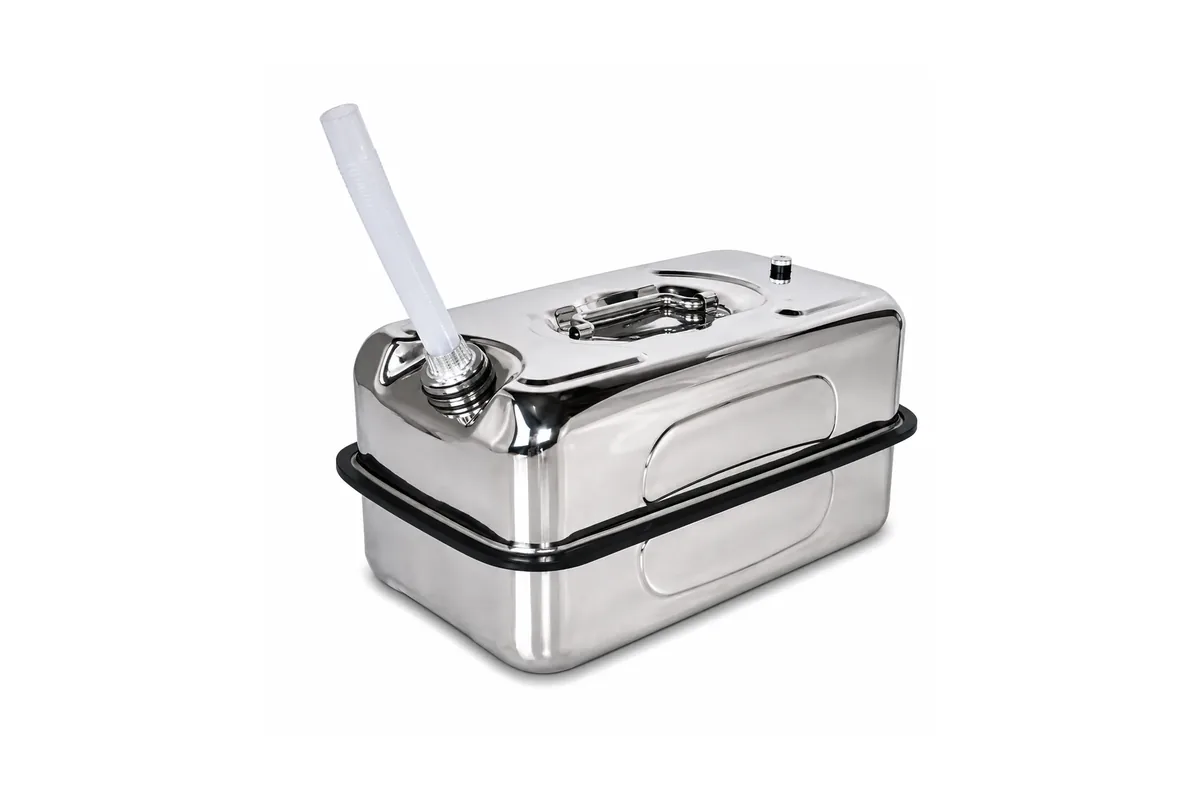
Why salt air changes the material, and what survives a pontoon.
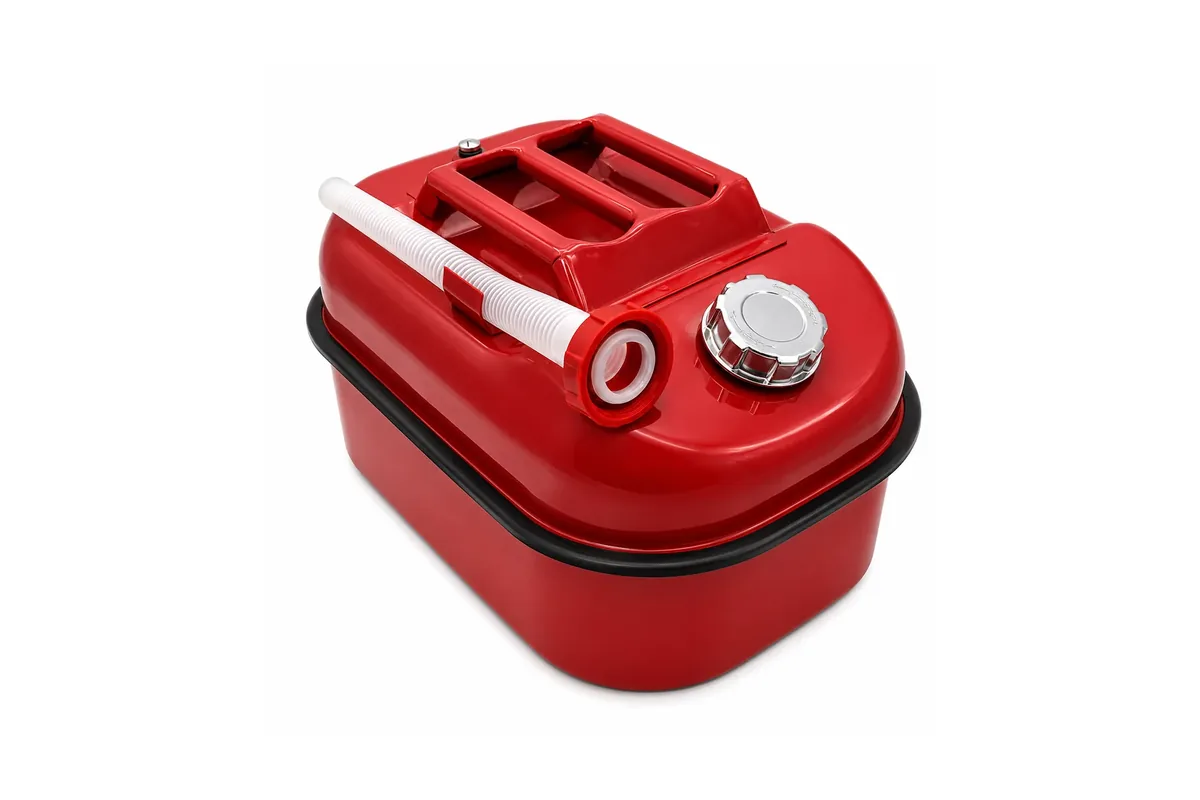
Carrying and storing diesel on a farm, and the container for the field.
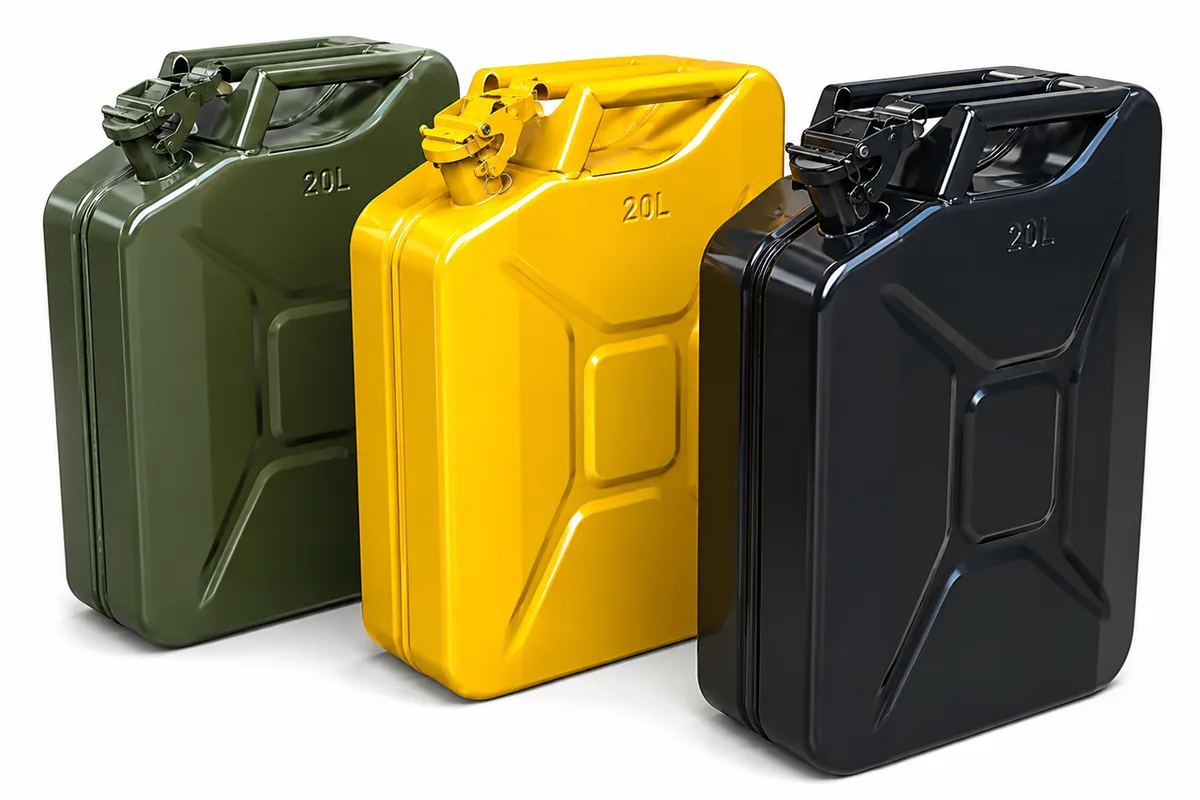
Enough water and fuel for the distance, in cans that mount to the vehicle.

A market prohibition with no size threshold, reaching non-EU makers.
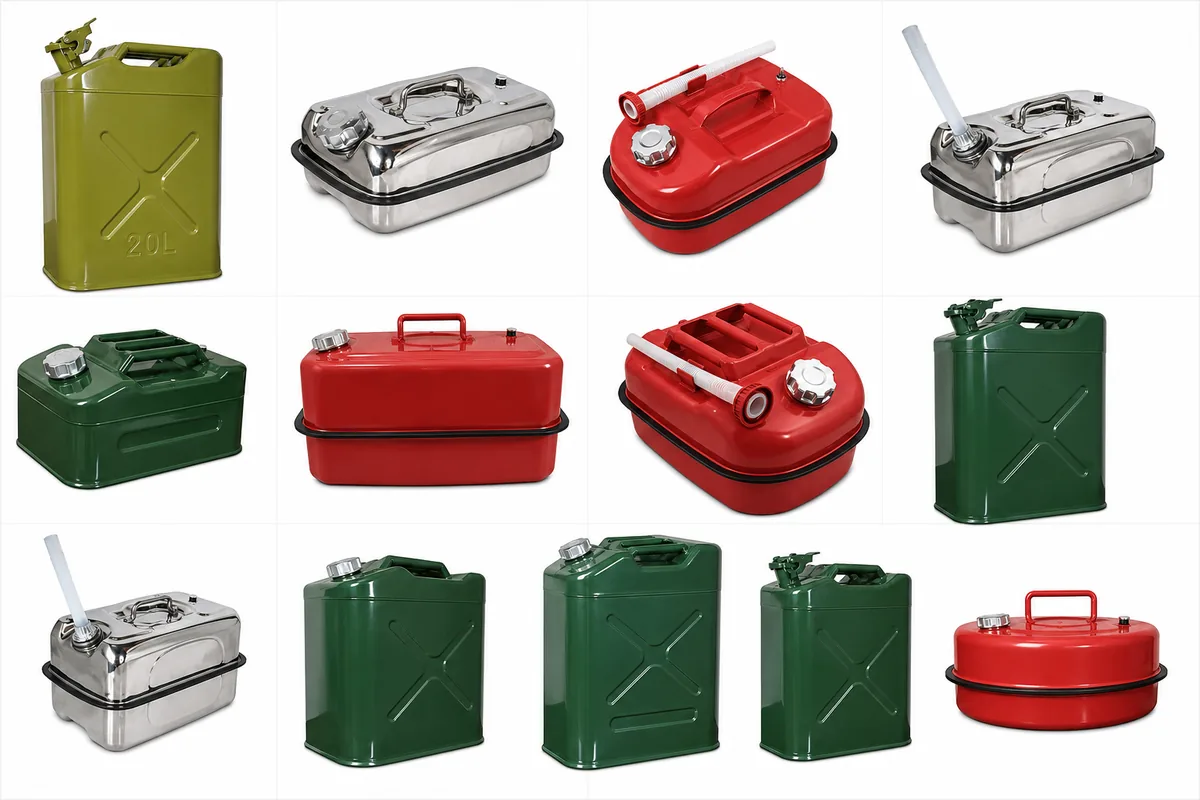
Six steps from the liquid you carry to the exact specification.
Marking, colour, tooling and minimums for an own-brand run.
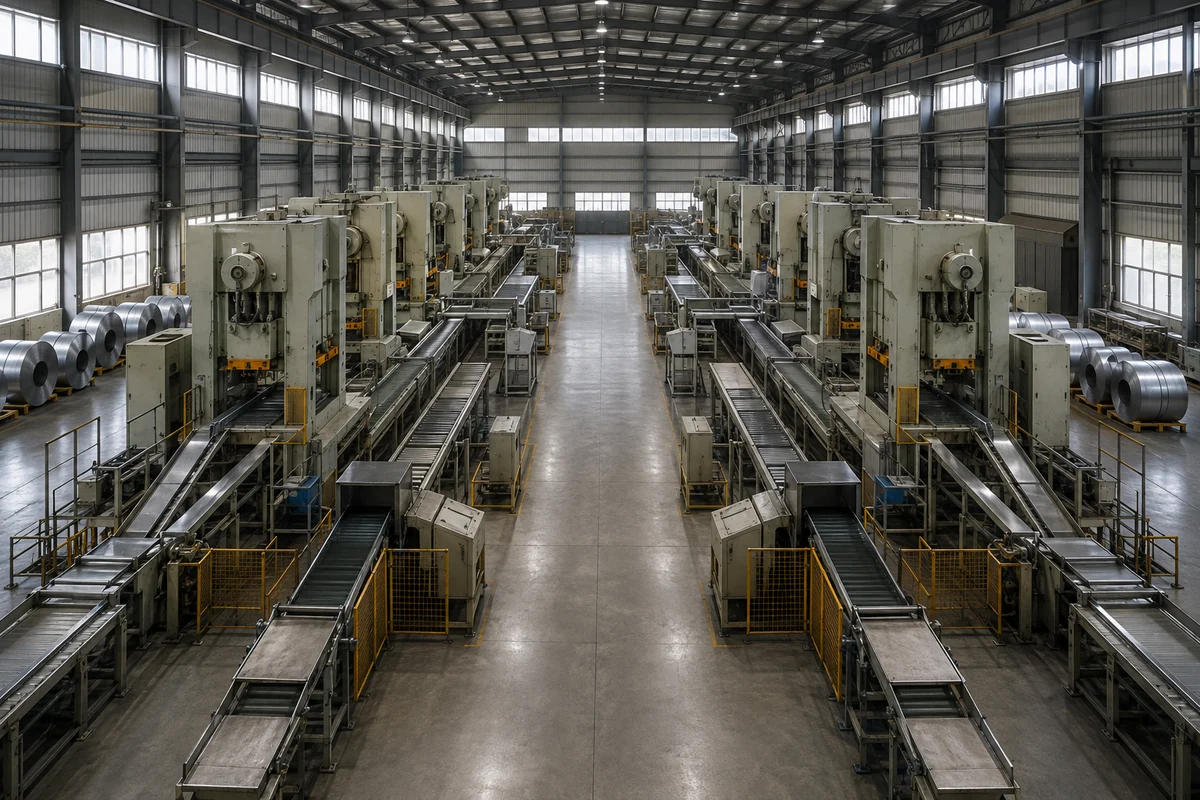
Why a second factory is not a second source until it is certified as one.
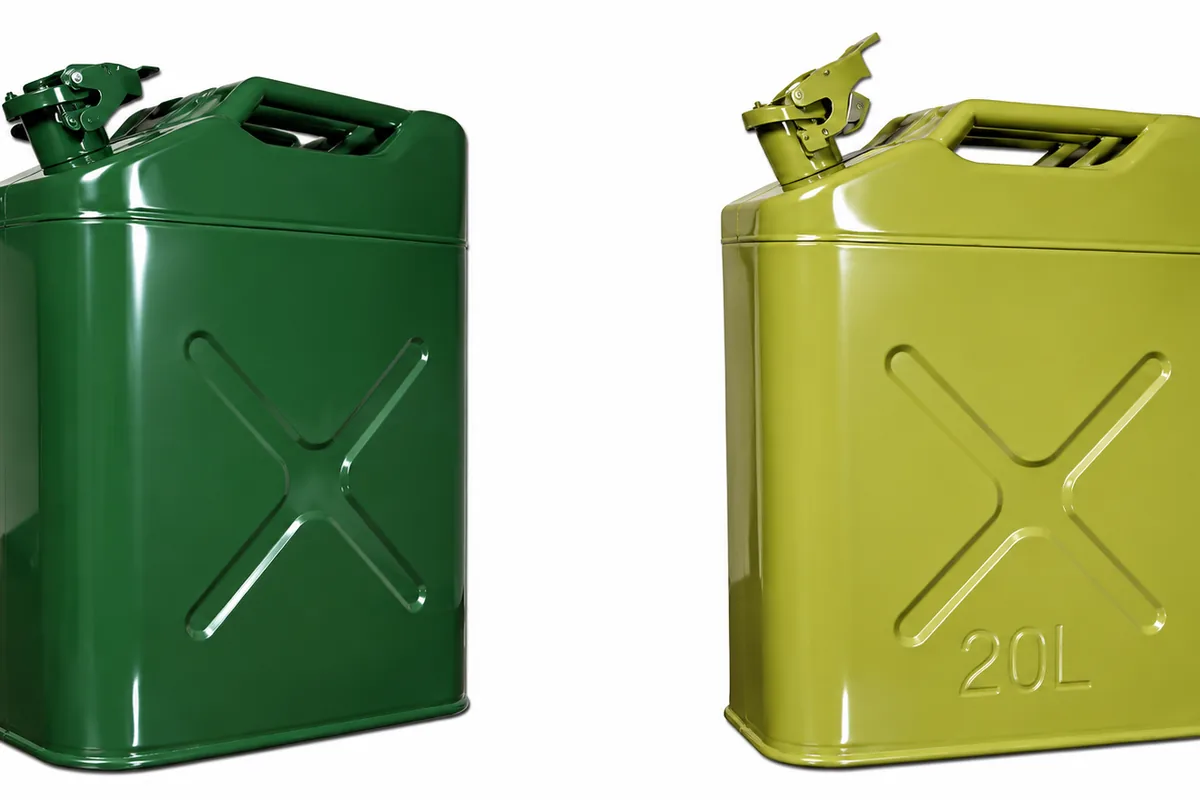
Buying to a fixed specification, with documentation and reorder cycles.
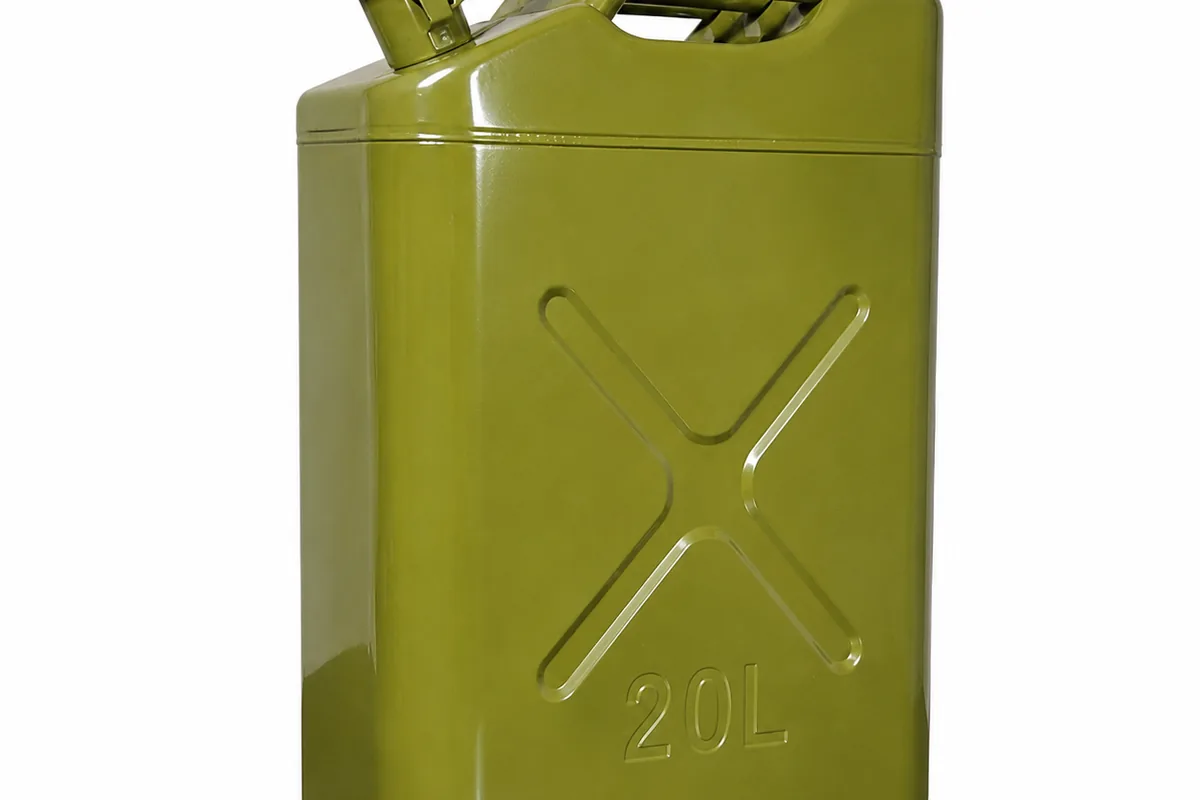
What each size from 3 to 30 litres is for, and why filled weight matters.
We supply these against a specific design and order rather than as generic downloads, so the figures match the drawing you receive. Ask for any of them with your enquiry.
Dimensions, weight, material and closure for the exact design, off the current production drawing.
The UN 3A1 or 3H1 certificate, the test report behind it and the stamped marking for the design.
Send the exact liquid, concentration and temperature and we confirm the material and closure.
Mill certificate or food-contact declaration for stainless and food-grade lines.
Marking, colour, tooling and minimum quantities for an own-brand run.
The current range in one document, prepared for your market and language.
We come back with the right container, its documentation and a quotation at your volume.