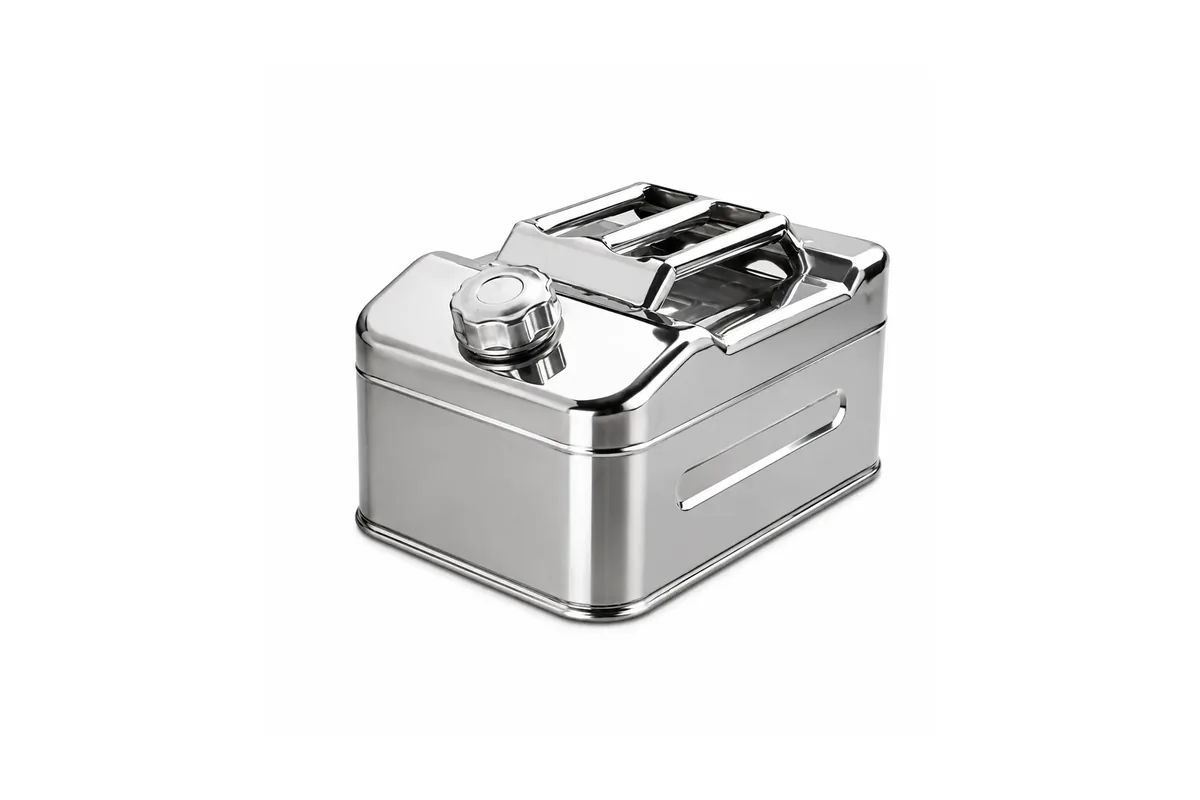
A metal jerry can is built to be reused for years, but only if it is cleaned correctly and retired when it should be.
Reuse depends on the material and the contents
Stainless steel can be scrubbed, sterilised and stored wet without holding odour, which is why it suits water and food indefinitely. A steel fuel can is reusable for fuel, but do not repurpose a fuel can for water or food; residue and the interior coating make that unsafe. Match the reuse to what the can was built for.
An "empty" fuel can is the most dangerous
An empty fuel can is not a safe fuel can. The vapour ignites, not the liquid, and a container that looks drained still holds a fuel-air mixture that one spark can set off. Never apply heat, an open flame, a grinder or steam to a used fuel can. Those are the exact tools that ignite residual vapour. If a fuel can needs work of that kind, retire it instead of repairing it.
Fuel to food is a one-way rule
A fuel can never becomes a water or food can. Hydrocarbons soak into the interior coating and into every seam and thread, and rinsing does not draw them back out. The taint stays, and the coating was never made for potable contact. The common mistake is to rinse a fuel can with water and refuel it, or to hand an old fuel can over for drinking water. Keep water and food in stainless built for the job, and see food-contact and water certification.
Cleaning by contents
- Water and food, stainless. Wash with hot water and a food-safe detergent, rinse, and sterilise for potable use. Dry or store sealed.
- Fuel, steel. Drain fully, and do not introduce water into a can you will refill with fuel. Never expose a fuel can to a spark or flame; residual vapour is the hazard.
- Chemicals, HDPE. Follow the chemical's safety data sheet for decontamination, and confirm the next contents are compatible before reuse.
For a chemical can, triple-rinse and neutralise exactly as the safety data sheet directs, then confirm the next liquid is compatible with both the residue and the plastic before you refill.
The gasket is a wear part, not a write-off
A seal that has gone hard, flattened or cracked is a part to replace, not a reason to bin the can. Gaskets, spouts and caps wear out before the body does, and swapping them restores a tight closure on an otherwise sound can. Keep the right spares on hand and read caps, closures and gaskets.
Inspect before every refill
Check the closure and gasket seal, the spout or tap, and the body for corrosion, dents and swelling. A weeping seam or a corroded seat is a reason to retire the can, not to refill it. Run the same short check every time:
- Closure and gasket seal.
- Spout or tap.
- Seams for weeping or rust.
- Interior coating for breaches.
- Body for dents and swelling.
Reused packaging carries rules
UN-certified packaging has requirements for reuse and reconditioning, and a can that carries dangerous goods must still meet them after it goes back into service. A plastic can also has a service life that dates from its manufacture, not from its first fill. Track both, and do not stretch a can past either one.
When to retire a can
Retire a can with internal corrosion, a coating breached to bare rusting metal, a split or deep dent, or a closure that no longer seals. A plastic can also has a service life from its date of manufacture. Read HDPE grades on plastic service life. When you are unsure, retire it.
Match the can to the job
Reuse follows the material. Here is what earns a long service life.
| Your use case | Recommended can | Why this one |
|---|---|---|
| Water and food, reused for years | 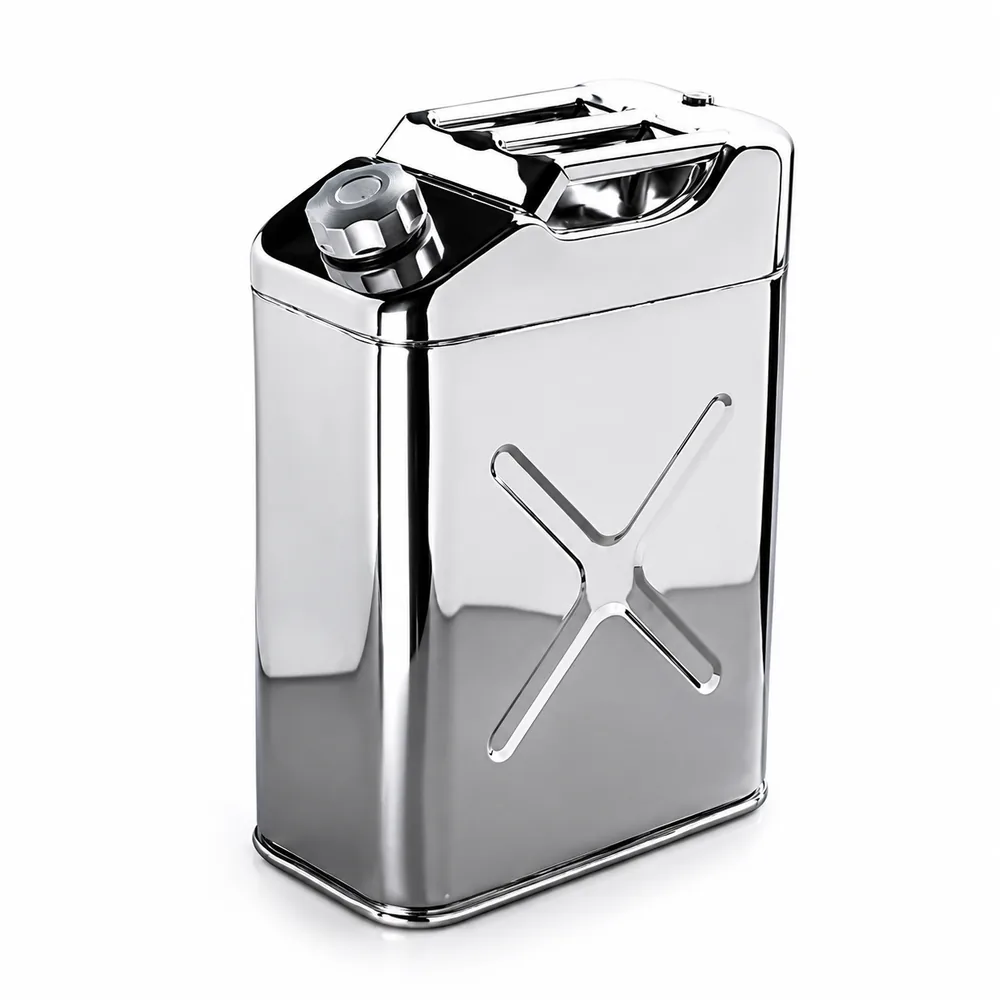 20L Stainless Steel Water Can 20L Stainless Steel Water Can |
Stainless scrubs, sterilises and holds no odour. |
| Fuel, reused for fuel only | 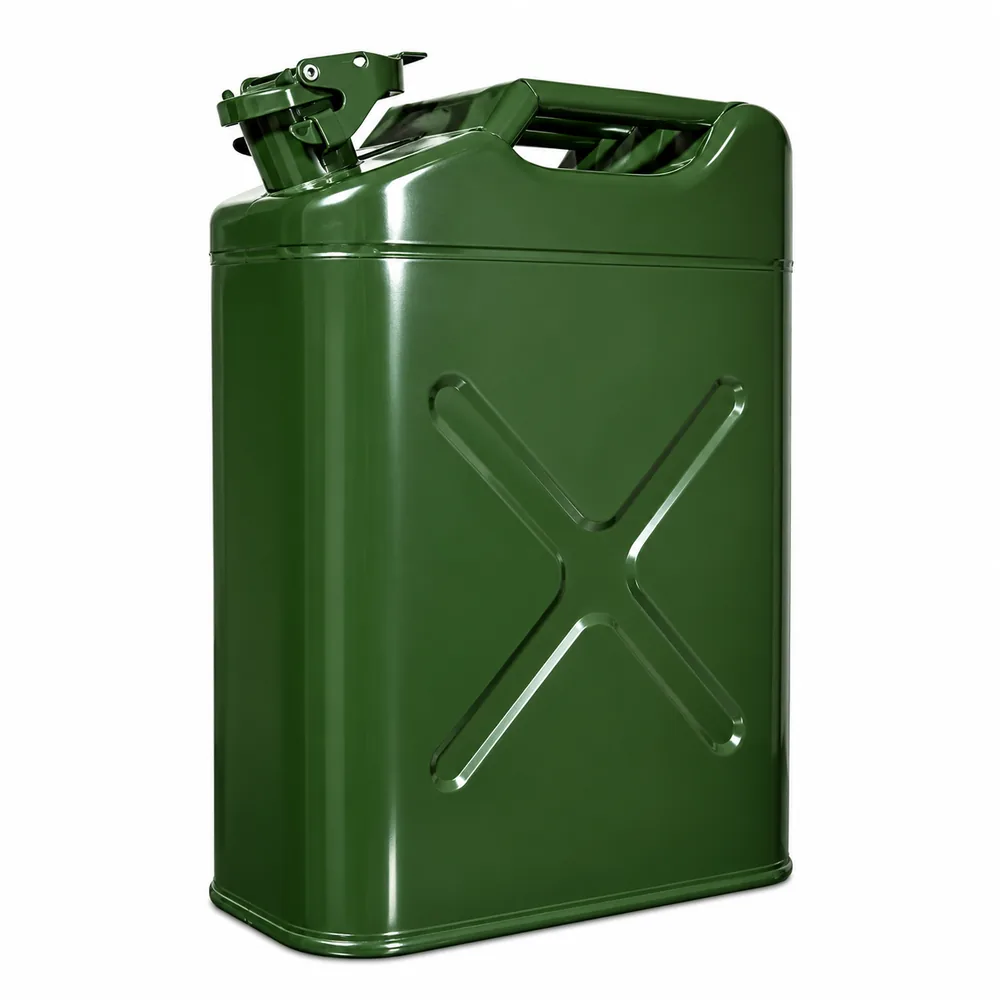 20L NATO Steel Fuel Can 20L NATO Steel Fuel Can |
Coated steel; never repurpose it for water. |
| Food and potable liquids | 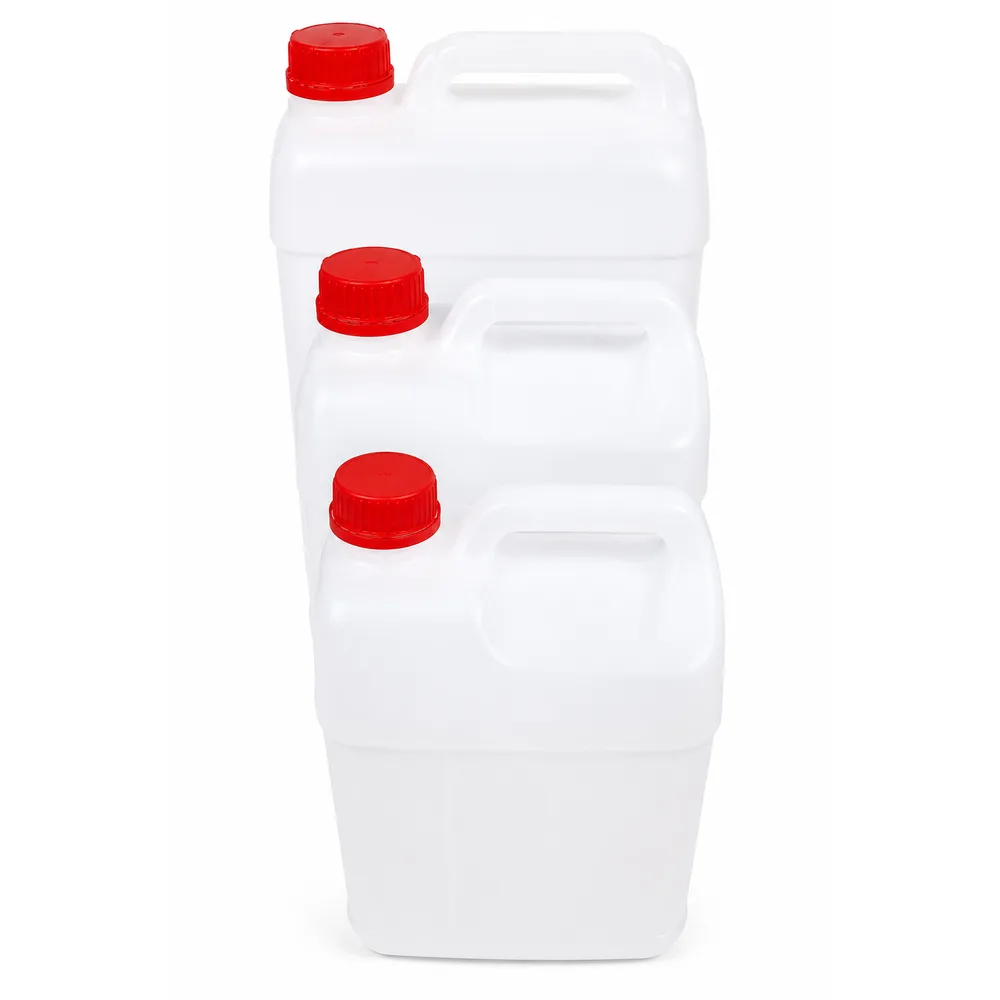 Food-Grade HDPE Jerrycan Food-Grade HDPE Jerrycan |
Food-grade HDPE with documentation. |
| Replacing a worn seal | 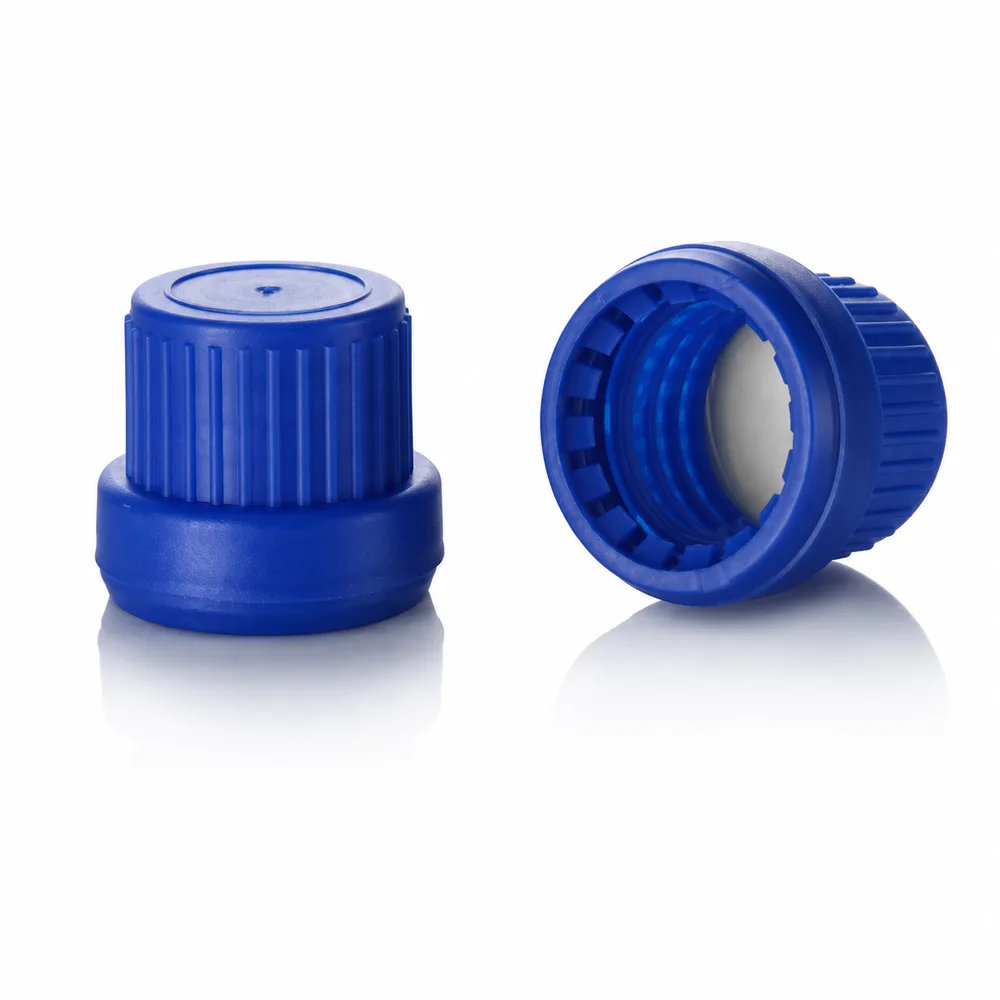 Caps, Closures & Gaskets Caps, Closures & Gaskets |
A gasket is a wear part, not a write-off. |