
How long petrol and diesel last in a can, and how to store them without creating a hazard.
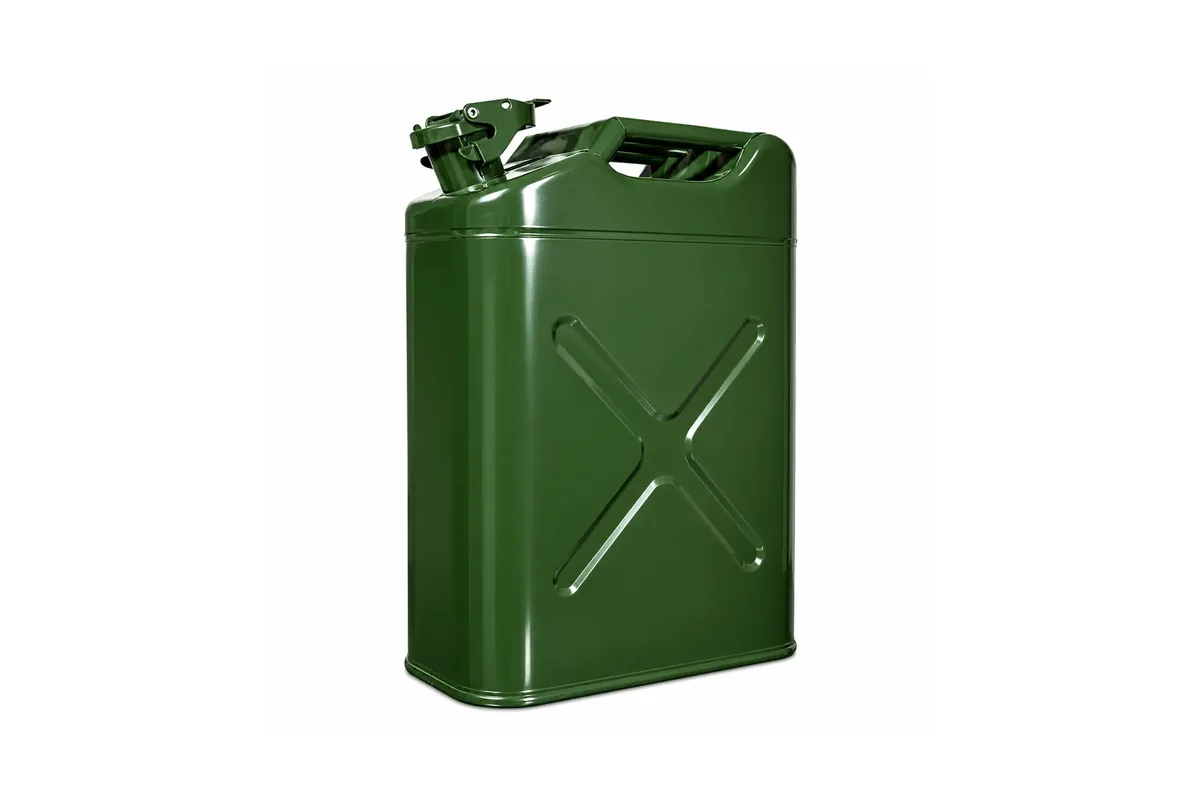
Fuel degrades, and stored fuel is both a fire risk and a regulated one. This covers how long common fuels keep, what shortens their life, and the storage basics. Confirm the quantity and licensing rules for your own jurisdiction; this is general guidance, not a compliance ruling.
As a rough guide, petrol keeps three to six months in a sealed container, less once it contains ethanol. Diesel keeps six to twelve months, longer if kept cool, dry and treated. Kerosene stores longer still. Heat, air and water all shorten these times, so a full, sealed can in a cool dark place lasts longest.
What is actually happening is oxidation. Petrol is a blend of light hydrocarbons, and the lightest fractions evaporate first while the rest react with dissolved oxygen to form gums and varnishes. The fuel goes darker, smells sour and leaves a lacquer in carburettor jets and injectors. Nothing about that is reversible, which is why a stabiliser goes into fresh fuel and does nothing for old.
Diesel fails by a different route and on a longer clock. It oxidises slowly, but its real enemy is water, which arrives by condensation in the headspace as the container breathes through the day. Water settles under the fuel and the interface between the two is where microbial growth lives, the sludge the trade calls diesel bug. That growth blocks filters and is why a diesel store is kept full, sealed and drained of any water bottom rather than simply kept cool.
So the storage rules follow from the chemistry rather than from habit. Full limits the oxygen and the condensing surface. Sealed keeps water vapour out. Cool halves the reaction rate for every ten degrees you take off. Dark keeps ultraviolet out of the equation entirely. Do all four and the figures above are conservative; skip one and they are optimistic.
Petrol blended with ethanol, at E10 and above, draws moisture from the air and can phase-separate, leaving water and ethanol at the bottom of the can. It also attacks some seals and coatings. For longer storage, use ethanol-free fuel where available, or a stabiliser rated for ethanol blends, and confirm the container is rated for the blend.
Phase separation is worth recognising because it is irreversible and looks like nothing at all until the can is disturbed. Water absorbed from the air stays in solution up to a point and then drops out, taking most of the ethanol with it into a distinct layer at the bottom. The petrol above is now low on octane and the layer below is not fuel. Stirring does not recombine them, so a can that has separated is a disposal question rather than a treatment one.
A fuel stabiliser slows oxidation and can extend usable life to a year or more. It does not reverse degradation, so add it to fresh fuel, not old. Follow the dose on the product.
What a stabiliser cannot do is worth stating alongside what it can. It slows oxidation and does nothing about water, so it will not help a container that breathes moist air, and it does not address ethanol's tendency to draw water in. Nor does it recover fuel that has already gummed. A stabiliser buys time on fuel that is fresh, dry and sealed, which means it works alongside the storage discipline rather than instead of it.
A fire around stored fuel rarely starts in the liquid. Petrol gives off vapour that is heavier than air, so it sinks, pools along the floor and travels until it reaches an ignition source across the room. Pouring fuel builds a static charge, and one spark will light that vapour. Keep the nozzle touching the container as you transfer, so any charge bonds and drains instead of jumping a gap. Never fill a can in the back of a vehicle or on a plastic liner: the insulated surface lets static build with nowhere to go. Set the can on the ground and fill it there.
The numbers behind that are worth knowing because they explain why petrol and diesel are not the same problem. Petrol has a flash point around −40 °C, so it gives off ignitable vapour at any temperature you will ever store it at. Diesel's flash point is above 55 °C, so at ambient it does not. That single figure is why a petrol store is a fire compartment question and a diesel store is largely a pollution one.
Petrol vapour ignites between roughly 1.4 and 7.6 per cent by volume in air. Below that it is too lean and above it too rich, which produces the counter-intuitive result that the most dangerous container is a nearly empty one: a full can has a headspace too rich to burn, and a drained can sits right in the middle of the range. An empty fuel can is not a safe fuel can, and it is the one people carry into a workshop.
The vapour is also three to four times denser than air, so it does not disperse upward the way intuition suggests. It runs downhill along a floor, pools in a pit or an inspection channel and finds a pilot light or a switch several metres away. That is the whole argument for ventilation at low level and for keeping a store away from anything with a flame or a spark in it.
A UN-marked, fuel-rated can is designed and tested to hold fuel; a random jug or reused bottle is not. In some markets the can itself must meet emissions rules on permeation and spouts, covered in EPA and CARB compliance.
Filling nearly full does a job: less air means less oxygen to oxidise the fuel and less room for moisture to condense as the temperature swings. The tension is expansion. Fuel swells as it warms, so a can brimmed on a cool morning can bulge or weep by the afternoon. Leave a small gap for that movement. A vented cap manages the pressure and temperature swings for you, letting the can breathe rather than deform or force fuel past the seal. See venting and pressure.
Mark the fill line rather than judging it, because the right level is not obvious by eye and gets rushed at the pump. Around ninety-five per cent full is the target on a fuel can: enough to limit the oxygen and the condensing surface, with enough space left for the fuel to expand into on a hot day. A can filled to the neck is the failure case, and it is the one a helpful attendant produces.
Three habits cause most of the trouble. Storing petrol in an attached garage puts its vapour near water heaters and other ignition sources, so a detached, ventilated space is safer. Topping up old fuel with fresh dilutes the fresh and does nothing for the old, dragging the whole can down to its weakest part. And sealing fuel in a rigid, non-vented container lets it swell and deform in heat, then draw a vacuum and collapse as it cools. Keep old and new stock separate, and match the container to the fuel.
Dating is the discipline that makes the rest work, and it costs a marker pen. A can with its fill date on it can be rotated, judged and retired on evidence; a can without one is judged on memory, and memory always concludes the fuel is newer than it is. Write the date on the can rather than on a list, because the list and the can get separated and the can is what somebody picks up.
Most jurisdictions cap how much fuel you may store without a licence, and set rules on container type and location. In Singapore, storage of petroleum and flammable materials is licensed by the Civil Defence Force. Check your local limit before you stockpile.
For the UK the figures are public and specific rather than a matter for enquiry. Petrol at domestic premises is capped at 30 litres before you must notify the local Petroleum Enforcement Authority, and 275 litres before a licence is required, with the container itself limited to 10 litres in plastic and 20 litres in metal. Diesel sits outside those size rules entirely. Our UK petrol container regulations guide works through what each threshold actually obliges you to do.
A separate regime catches the environmental side, and it is the one most businesses miss. The Control of Pollution (Oil Storage) (England) Regulations 2001 apply to more than 200 litres of oil stored above ground at industrial, commercial or institutional premises, and the definition of oil includes petrol. Storage inside a building is outside the scope, as is an agricultural site holding under 1,500 litres. Above the threshold the requirement is secondary containment, and our spill containment guide carries the sizing arithmetic.
Workplace storage brings a third layer. In Great Britain, DSEAR requires an employer to assess the risk from a dangerous substance, control ignition sources and classify hazardous areas where an explosive atmosphere may occur; the EU equivalent runs through the ATEX workplace directive with equipment covered separately. None of that changes the container you buy. All of it changes where you may put it and what may be switched on nearby.
Fuel-rated, vented and labelled. Here is what we would store it in.
| Your use case | Recommended can | Why this one |
|---|---|---|
| General fuel storage | 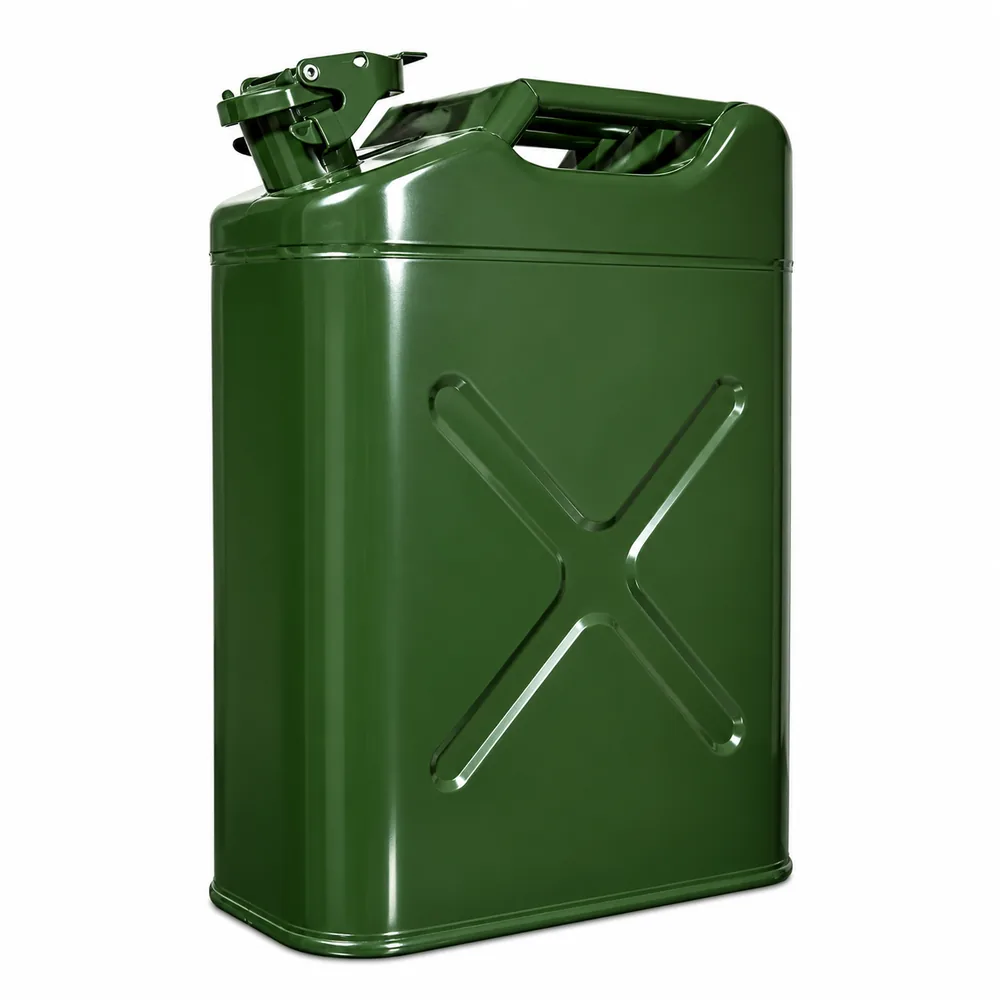 20L NATO Steel Fuel Can 20L NATO Steel Fuel Can |
Coated steel, UN-marked, with a vented cap. |
| A plastic fuel can | 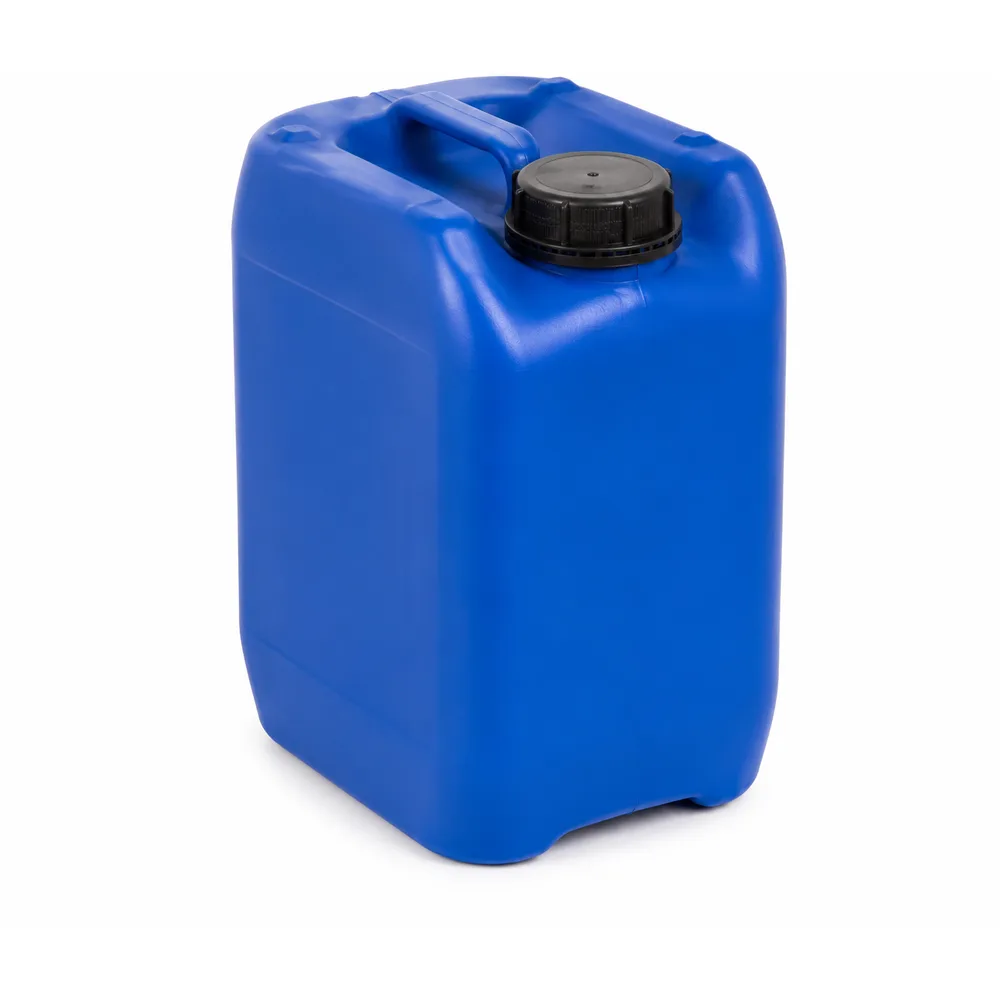 Fluorinated HDPE Jerrycan Fluorinated HDPE Jerrycan |
Fluorinated HDPE to control permeation. |
| Light fuel storage | 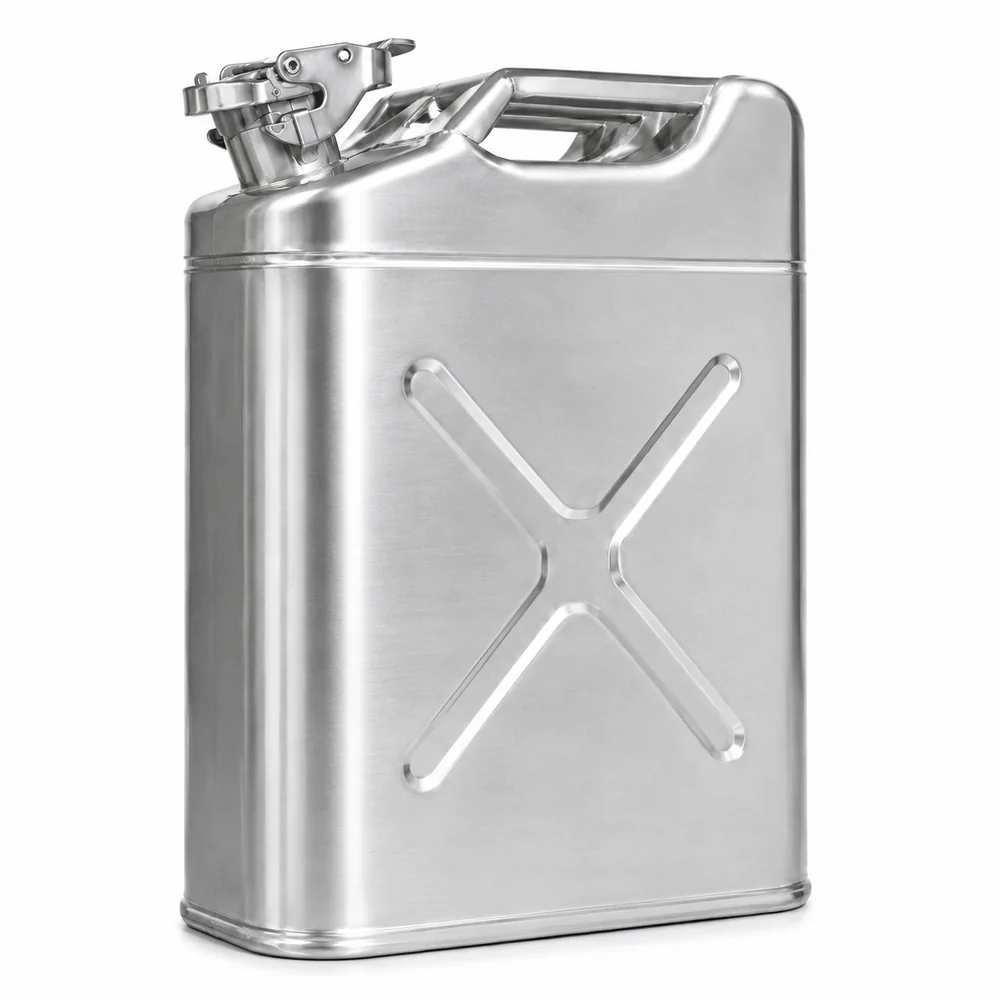 20L Aluminium NATO Can 20L Aluminium NATO Can |
Aluminium where weight matters more than cost. |
| US-market fire safety | 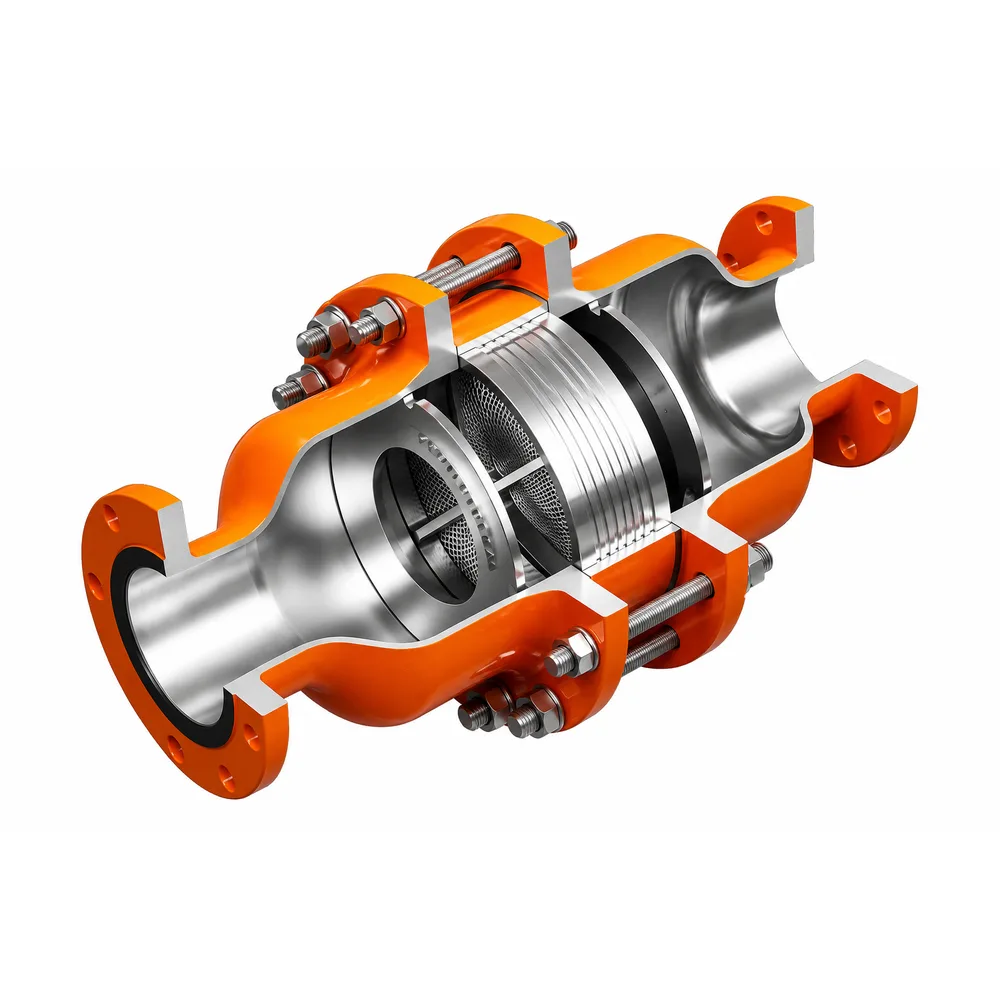 Flame Mitigation Devices Flame Mitigation Devices |
A flame arrestor for markets that require one. |
| US consumer sale |  Child-Resistant Closures Child-Resistant Closures |
A child-resistant cap to the CPSC pattern. |
Untreated petrol degrades noticeably within three to six months, faster in heat and faster still with ethanol blends that absorb water. With a fuel stabiliser, in a sealed metal can kept cool and dark, twelve months or more is realistic. Diesel stores longer but grows microbial contamination if water enters.
Ethanol is hygroscopic: it pulls water out of the air through any vent or imperfect seal. Once enough water is absorbed the blend separates, leaving a water-alcohol layer at the bottom that will not burn and will corrode the container and the fuel system.
Cool, shaded, ventilated, away from any ignition source and away from living space. Heat drives the pressure cycling that stresses seals and vents vapour. Keep quantities within the limits your local fire code sets for a domestic or workplace store, which are usually well below what people assume.
Full. A full can has little air space, so there is less oxygen to oxidise the fuel and less room for condensation to form as temperature swings. A part-full can degrades its own contents faster and corrodes from the inside at the fuel line.
The standards and regulations this page relies on, at their issuing body. Where a market rule is named here, check the current revision before you specify against it.
Last reviewed .
Tell us your market, your fuel and your volumes. We come back with a specification sheet and a quotation.