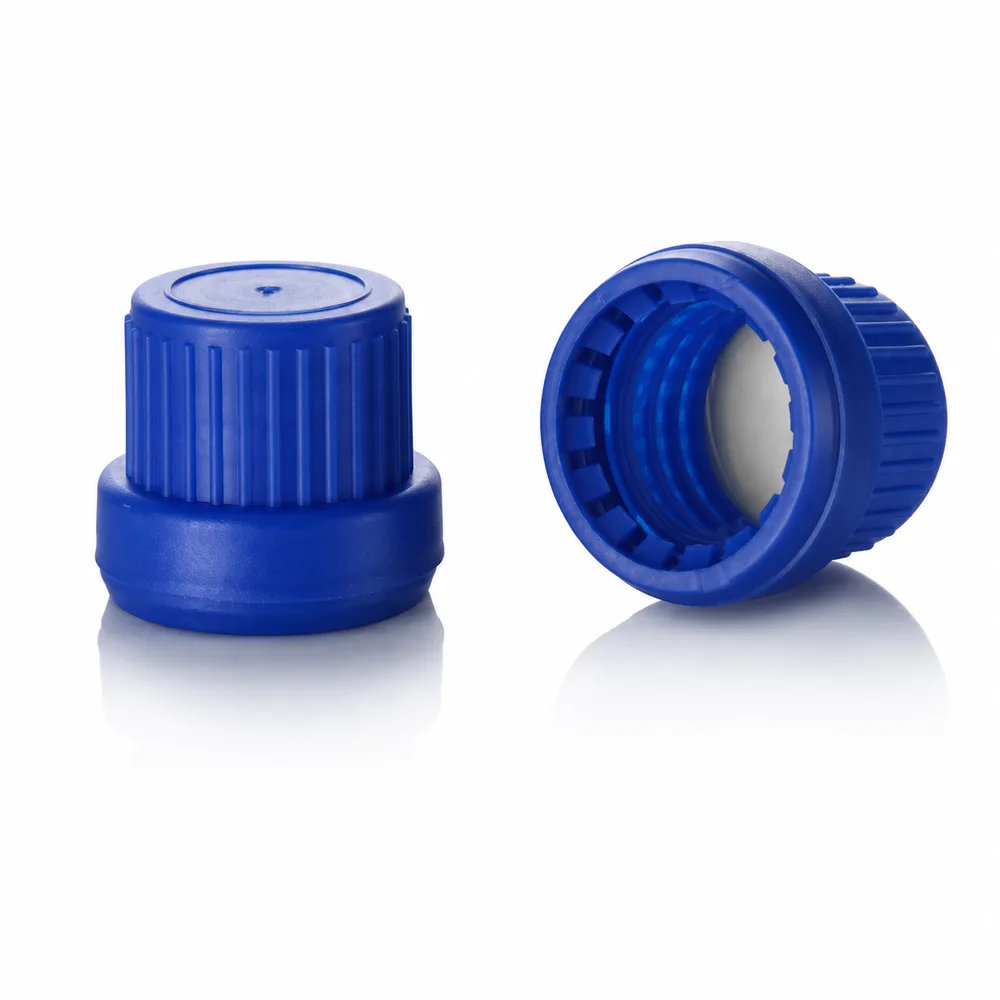
Accessory · Sealing
Caps, Closures & Gaskets
F21-ACVented and non-vented caps in DIN 45, 51 and 61, tamper-evident closures, cap liners and replacement gaskets.

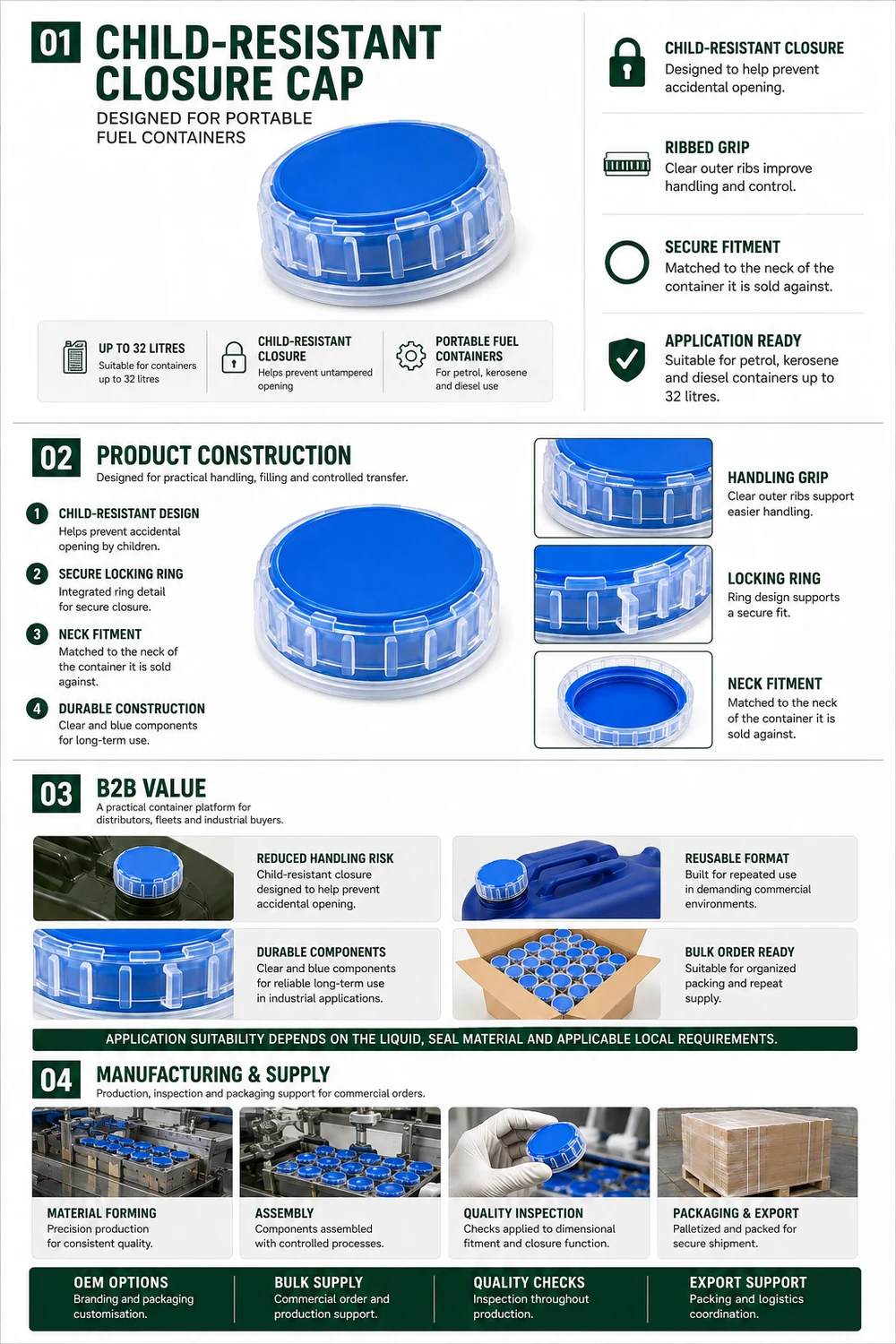
Product code F21-ACR
A compliance component rather than an accessory. The United States requires a child-resistant closure on portable fuel containers, and without one the fuel range cannot be sold there.
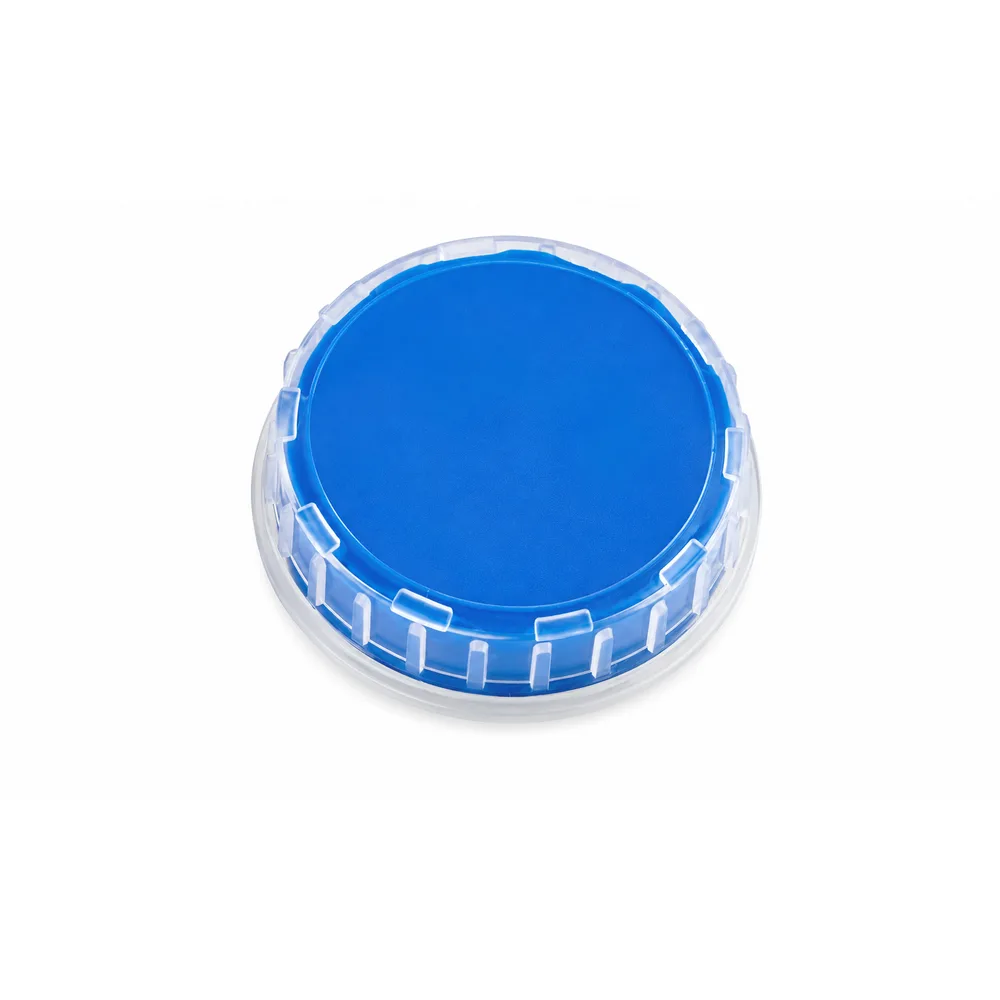
| Product code | F21-ACR |
|---|---|
| Purpose | Child-resistant closure for portable fuel containers |
| Reference requirement | United States: 16 CFR Part 1460, which adopts ASTM F2517 |
| Scope of the requirement | Petrol, kerosene and diesel containers up to 8.45 US gallons (32 litres) |
| Fitment | Matched to the neck of the can it is sold against |
| Lead time | Approximately one month for a standard production run; samples in 7–15 days. Confirmed against your specification at quotation. |
These depend on your order, your market or the certificate that covers your run, so we quote them rather than publish one figure that would be wrong for most buyers. Ask and you get the number for your specification.
Before you order: Compliance is certified per closure and per container design. We will tell you exactly what we hold and what we do not before you commit to a US programme.
Without a compliant closure a fuel can cannot lawfully be sold into the United States. It is the gate, not an upgrade.
The requirement is a mechanical design that a child cannot open and an adult can. It has to be engineered and tested, not declared.
Any manufacturer facing the same requirement needs the same part. The closure is a product in its own right.
Compliance attaches to a specific closure on a specific can. Confirm the certificate covers your combination before importing.
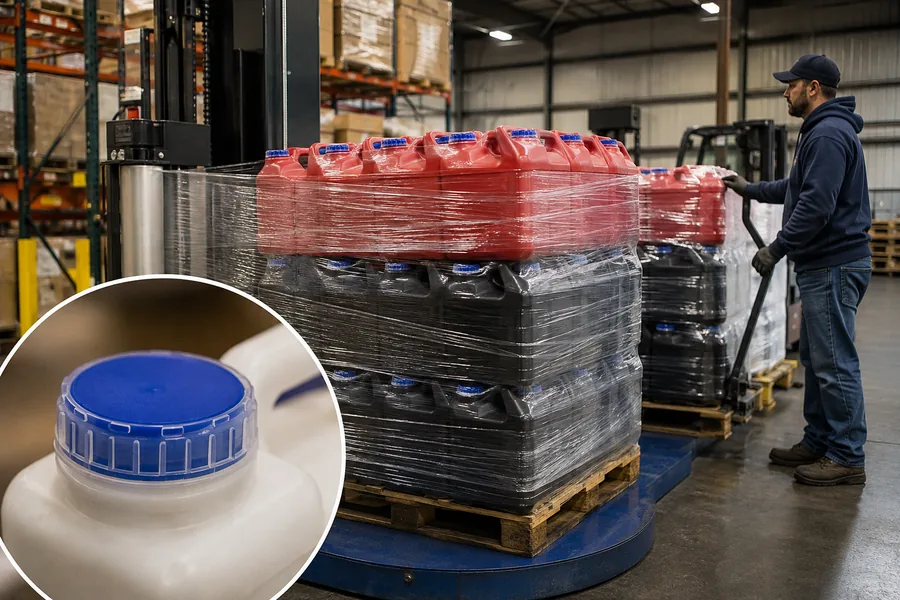
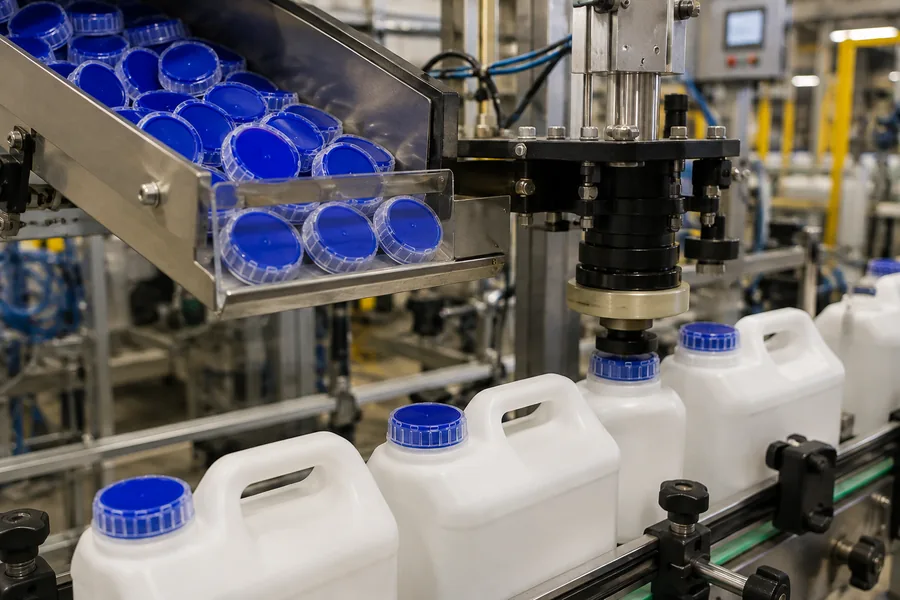
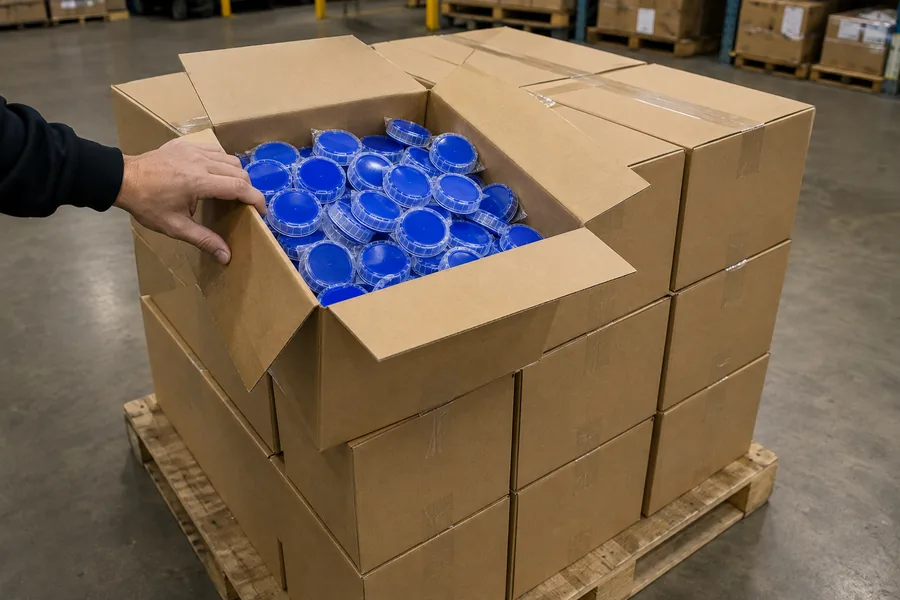
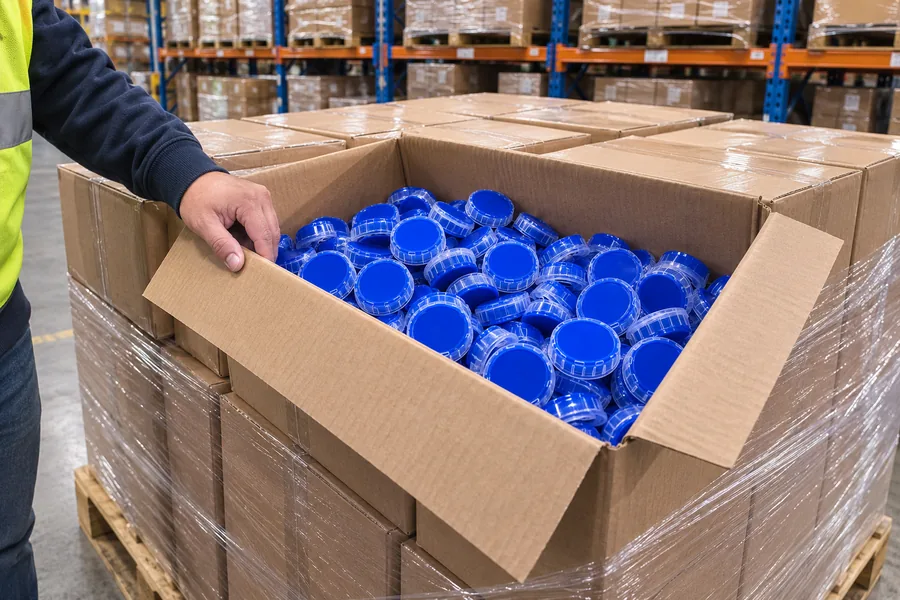
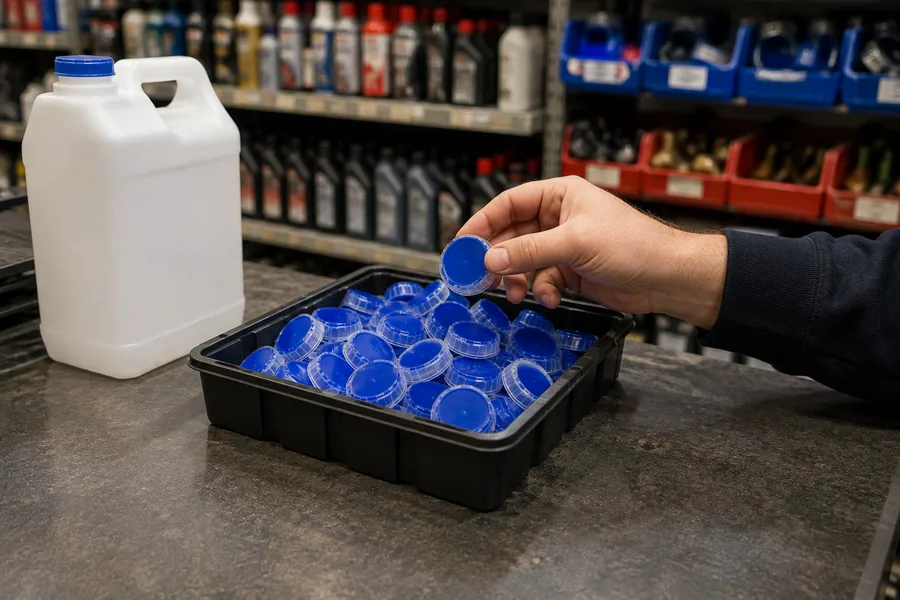
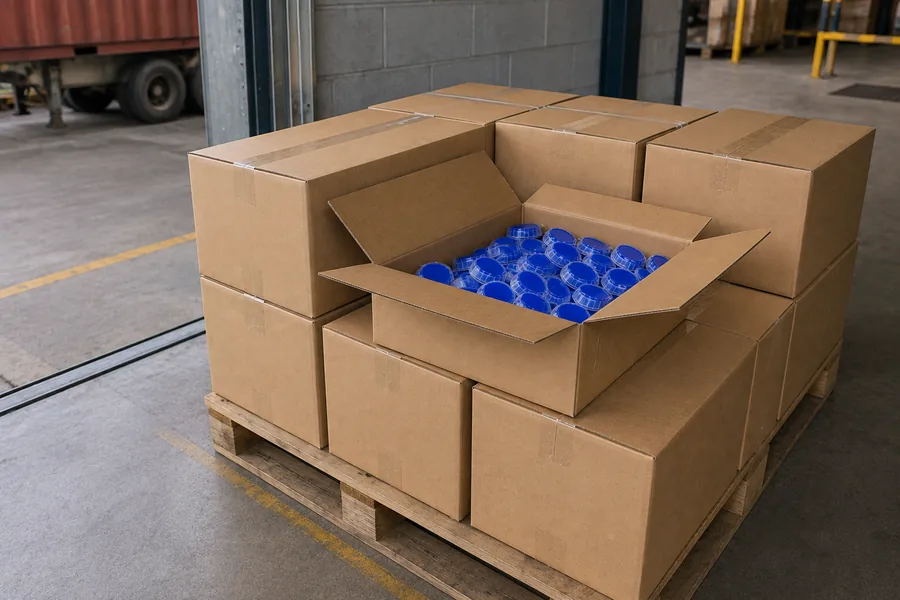
The same breakdown our distributors put in front of their own buyers.
The regimes that apply to this type of container in each market we ship to, with the detail behind each one a click away. This is what the market asks for; what this particular design already holds is in the specification above.
Orientation for specification, not legal advice, and not a statement that this design holds a given approval. Requirements turn on the exact design, contents and destination, and they change. Tell us the market at enquiry and we confirm what applies to your specification, what we hold and what we would need to obtain.
It is the closure the United States requires on portable fuel containers, built to resist opening by young children. It is a functional closure, not a printed warning.
The reference requirement is 16 CFR Part 1460, which adopts the ASTM F2517 test method. We confirm what we hold for your specific design before you commit.
Petrol, kerosene and diesel containers up to 8.45 US gallons, which is 32 litres, under the US scope. Above that, tell us the container and we will advise.
The closure is matched to the neck of the can it is sold against. Send the neck detail, including for a third-party can, and we will confirm fit.
Certification is held per closure and per container design, so we state exactly what is certified and what is not for your combination before you order. We will not claim an approval the data does not support.
Yes, they are sold to third-party fuel cans as well as our own. The certified status still depends on the specific closure and container pairing.
The US regime treats the child-resistant closure and the flame arrester as separate requirements. Ask us and we will map both to your programme.
Branding options depend on keeping the certified design intact. Tell us the programme and we will confirm what is possible without affecting compliance.
Confirmed on quotation for your closure type, quantity and destination.
In our Vietnam and China plants, coordinated from Singapore.
Vented and non-vented caps in DIN 45, 51 and 61, tamper-evident closures, cap liners and replacement gaskets.
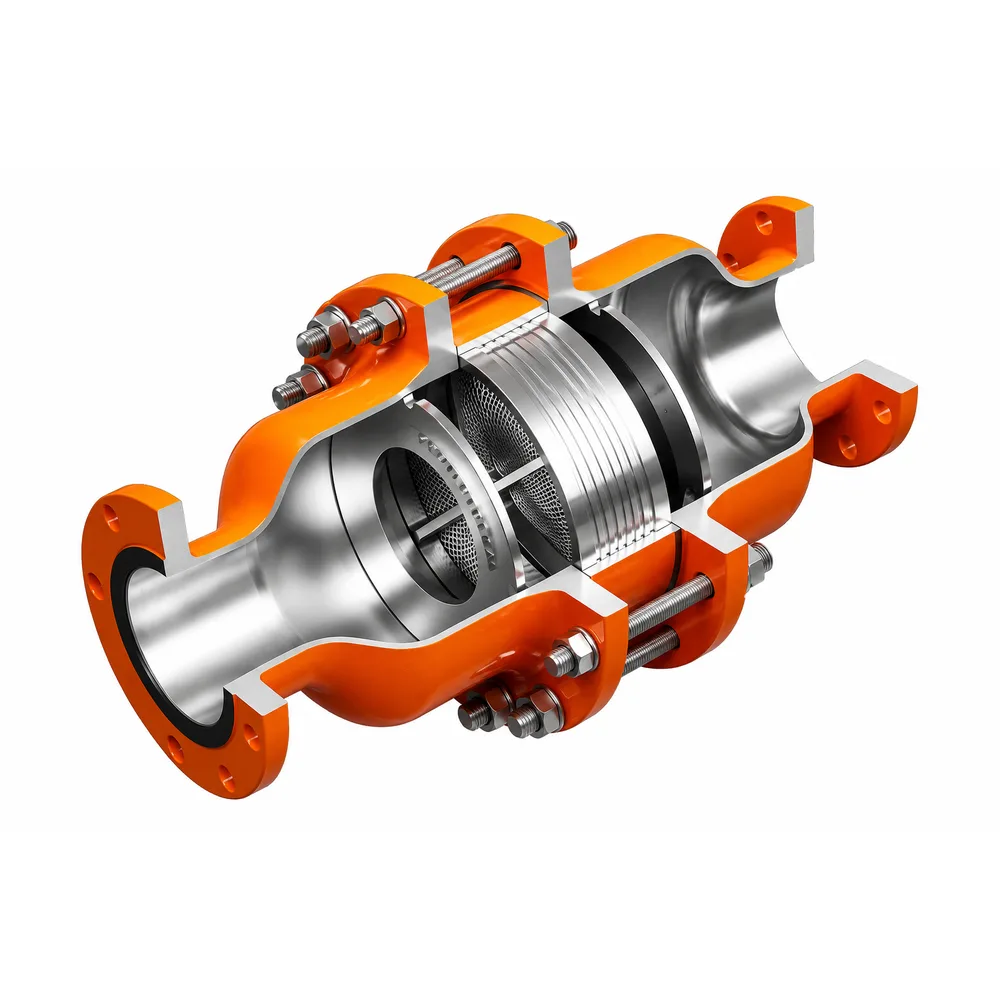
Flame arresters for portable fuel containers, the second component the United States requires and the one a standard NATO can does not have.
Tell us your destination market, target volumes and whether you need private labelling.