Accessory
Jerry Can Holders & Mounts
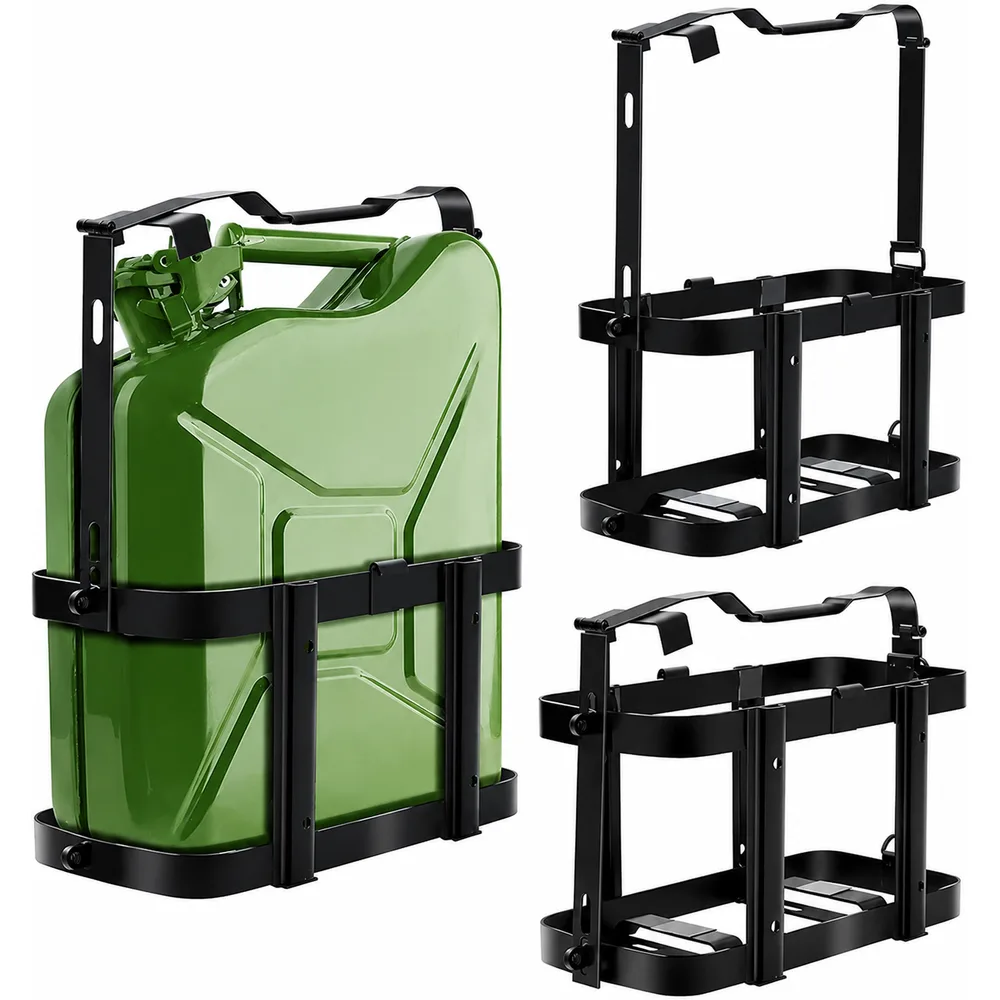
F21-AHSteel holders, brackets and strap systems tooled to our own can geometry, for vehicle, trailer and wall mounting.

Holding it still, and moving it safely
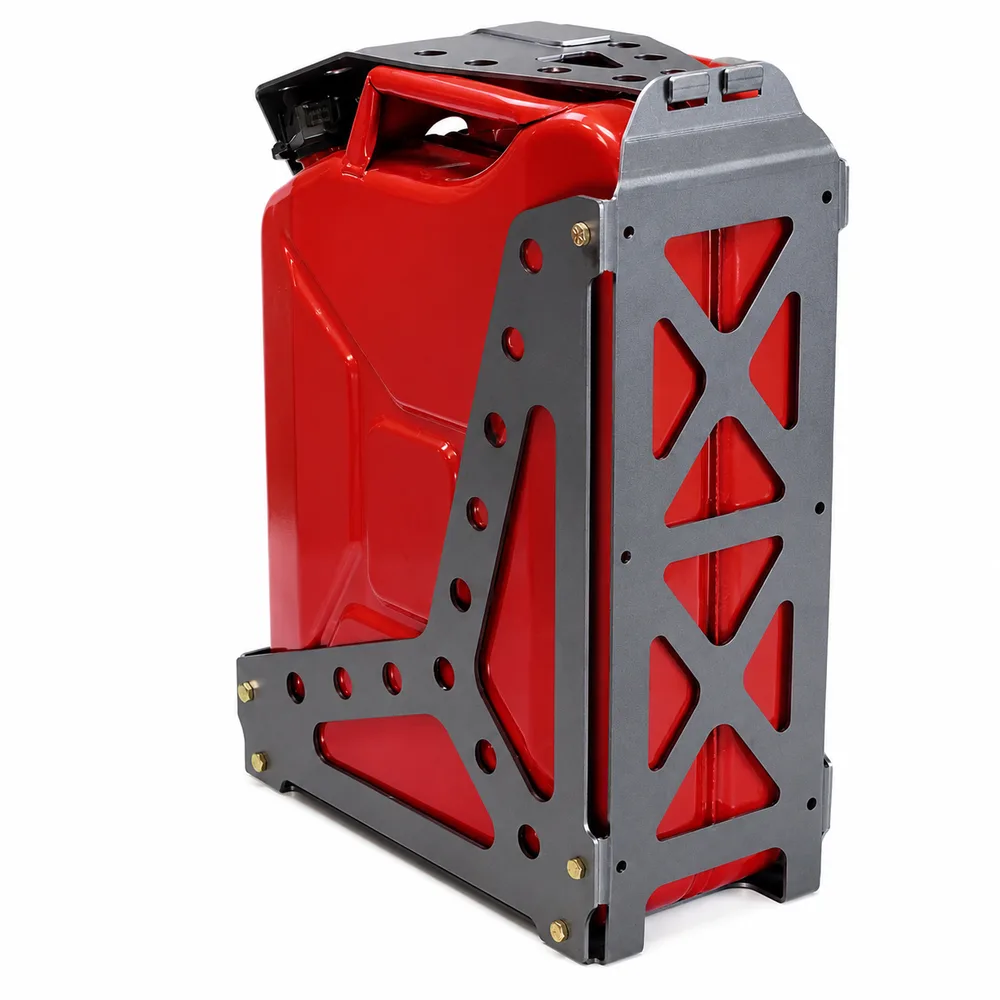
A filled 20 litre can weighs over 20 kilograms and behaves like a projectile once it works loose, so mounting hardware is a safety component before it is an accessory. We tool holders and retention to our own geometry and to the NATO pattern, which means a customer already running NATO-pattern racks can add our cans without buying new brackets. The same job at the other end of the range is a full drum: 200 kilograms that has to get onto a spill pallet, lie down to be tapped, and cross a yard. Ramps, cradles and dollies are how it does that without a back injury or a dropped drum.
Guides for buyers: Spouts, pumps and holdersDrum storage requirementsDrum bungs and fittingsOverland and expedition205 L and 55 gallon drumsHow to use a jerry canDrum pumps and handlingJerry can mounts by vehicle
Steel holders, brackets and strap systems tooled to our own can geometry, for vehicle, trailer and wall mounting.
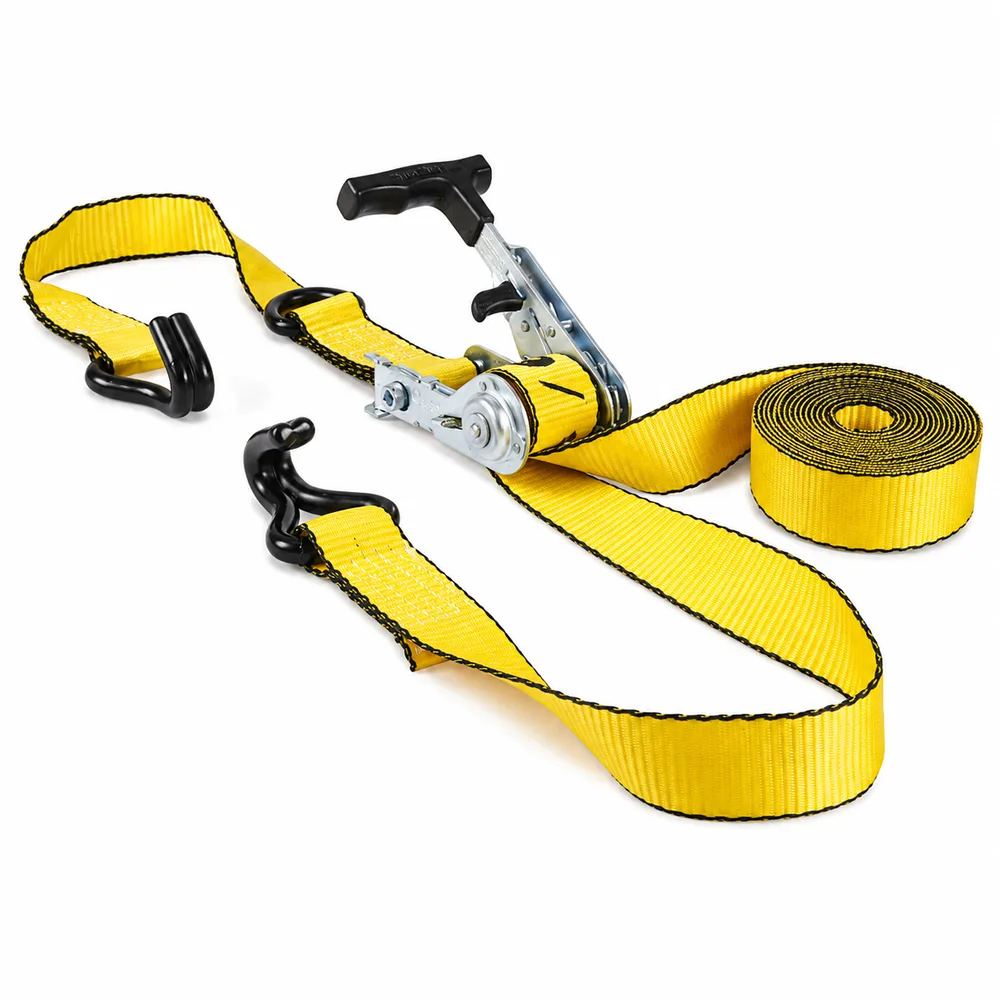
Strap, buckle and ratchet kits that hold a can in its holder over rough ground, sold to our own holder geometry.
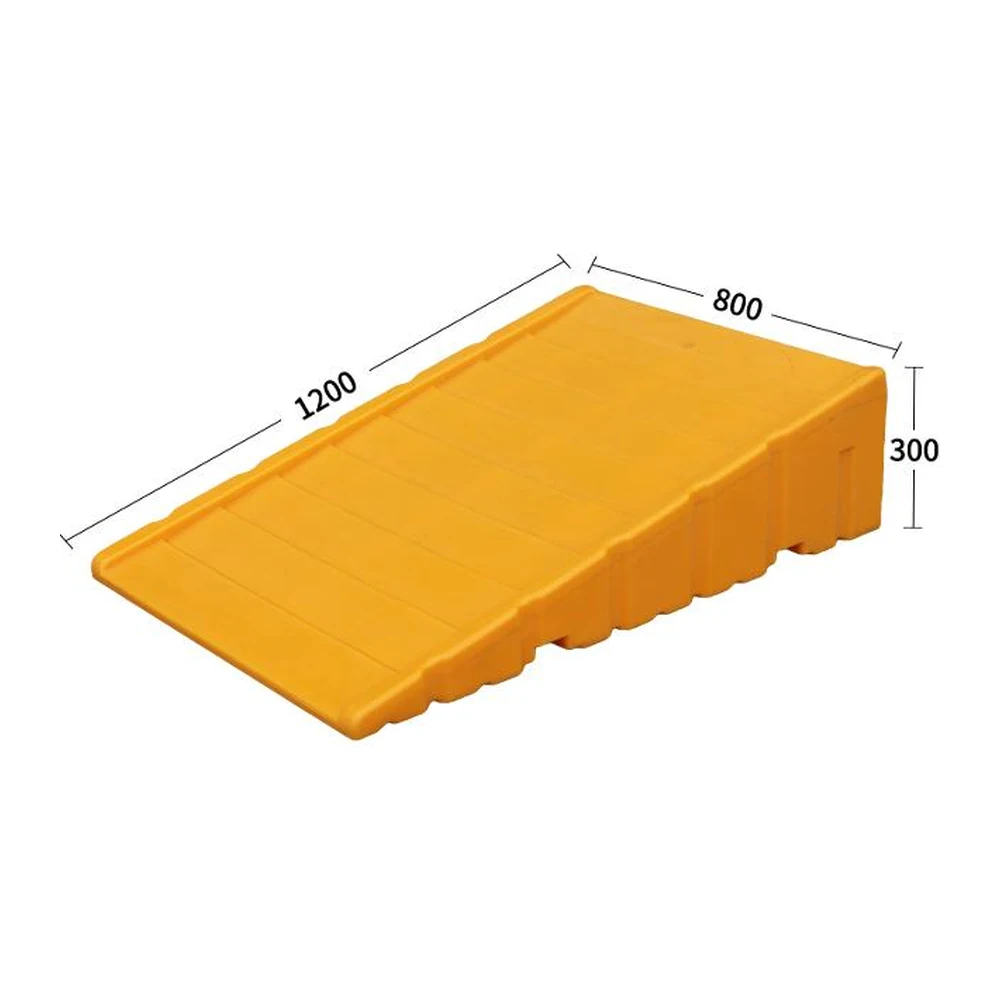
Single-piece and two-piece polyethylene ramps for loading drums onto a spill pallet or tray, sized to pallet heights from 10 to 30 cm.
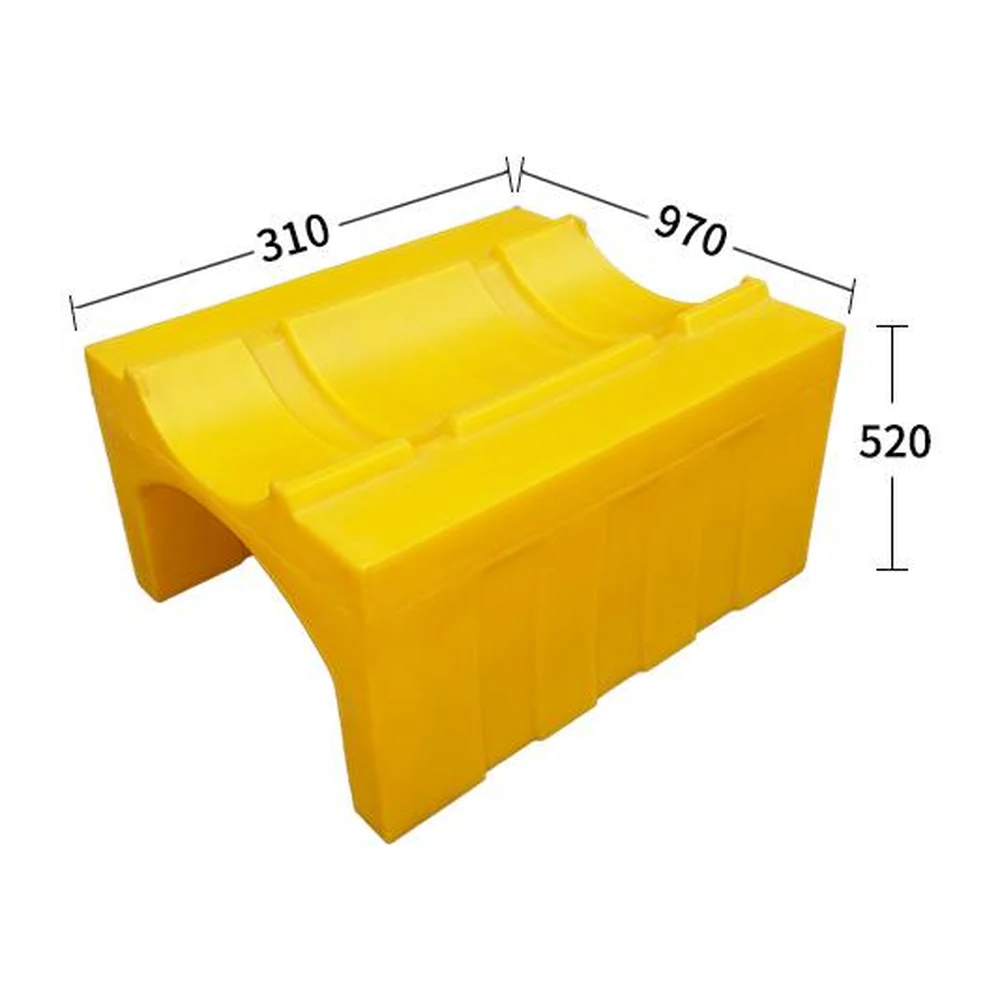
Stackable cradles that hold a drum horizontally for tapping, a drum rack dispensing base with a 380 litre sump, and a small container stacker.
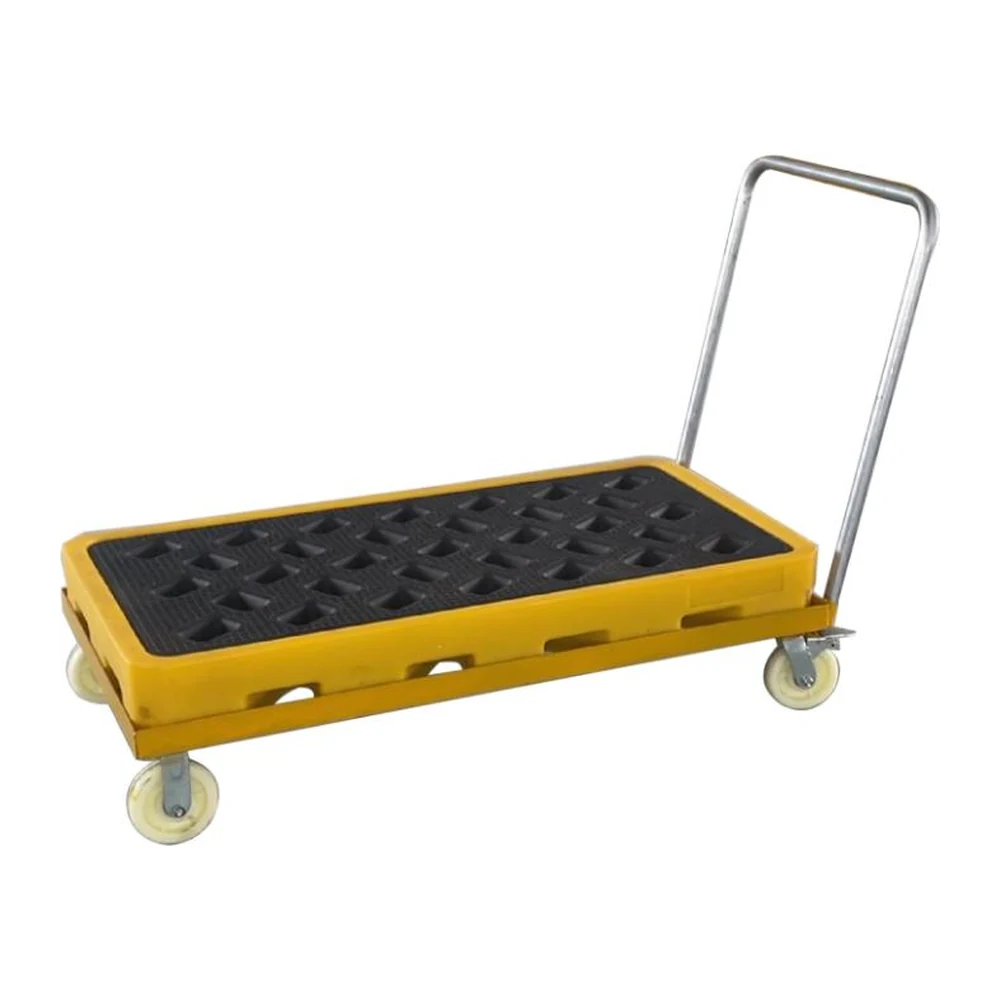
Poly drum dollies with integral sumps of 20 and 300 litres, a two-drum containment trolley, roll plastic pallets and a tilt truck.
Yes. We supply distributors, wholesalers, retailers and own-brand buyers, export packed. The minimum order is quoted per model and customisation, and each product page lists the carton quantity and, where we have it, the container load.
About one month for a standard production run, with samples in 7 to 15 days, confirmed against your specification at quotation.
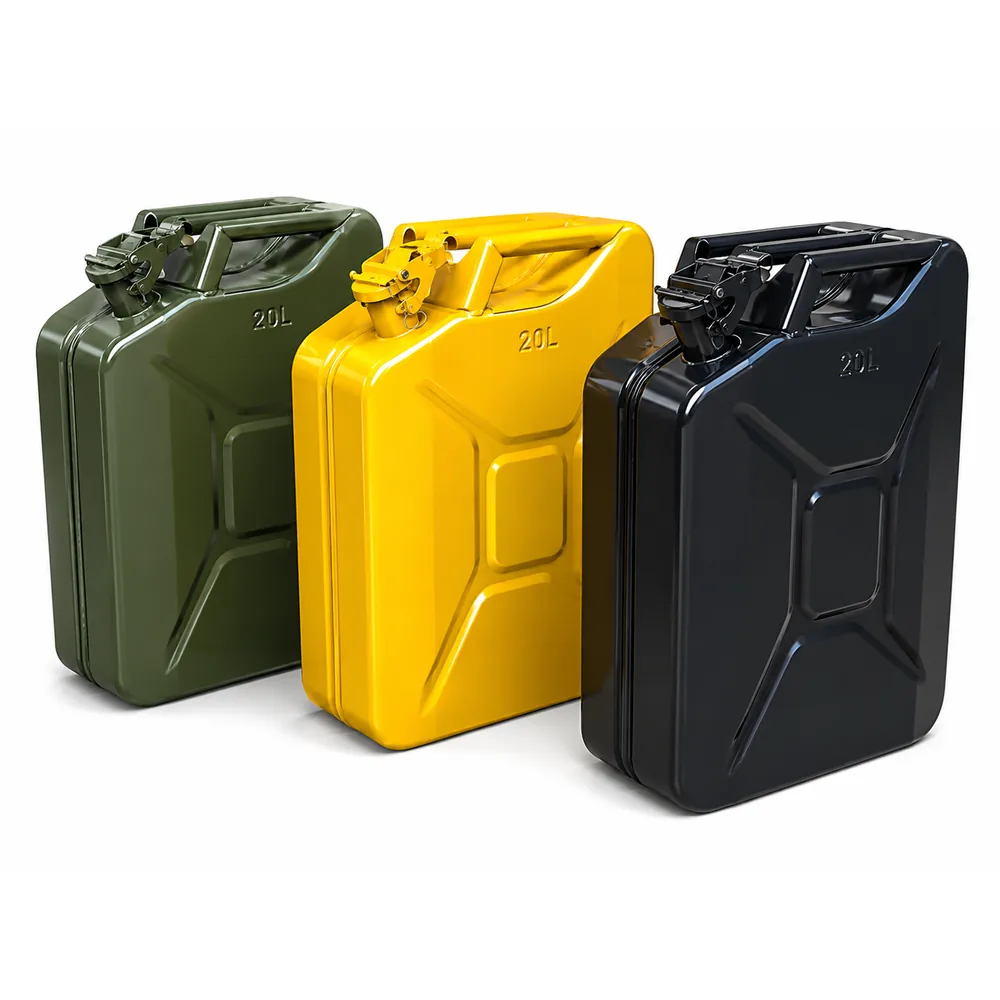
The classic NATO-pattern pressed can. Three handles, stackable profile, and the geometry that fits the carriers, racks and holders already in the field.
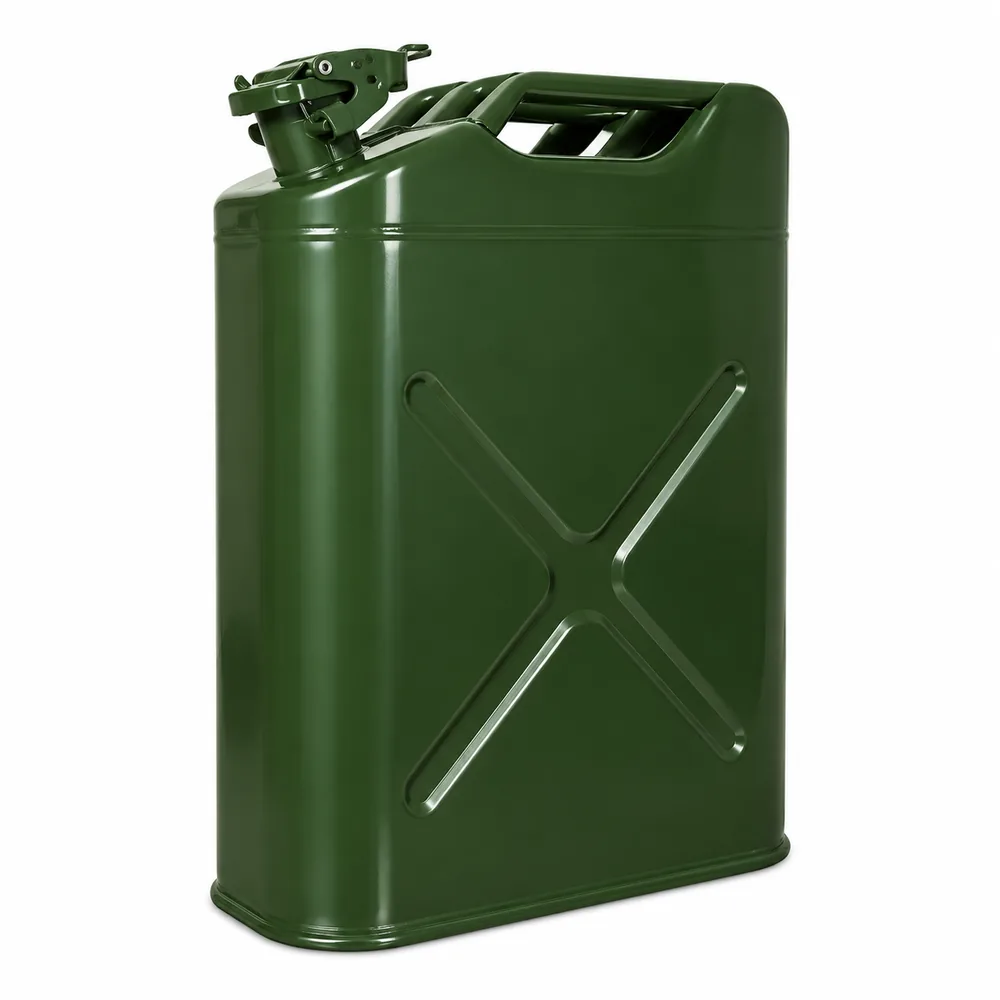
Upright and horizontal steel fuel containers outside the NATO pattern, including tap-fitted tanks, agricultural formats and compact cans.
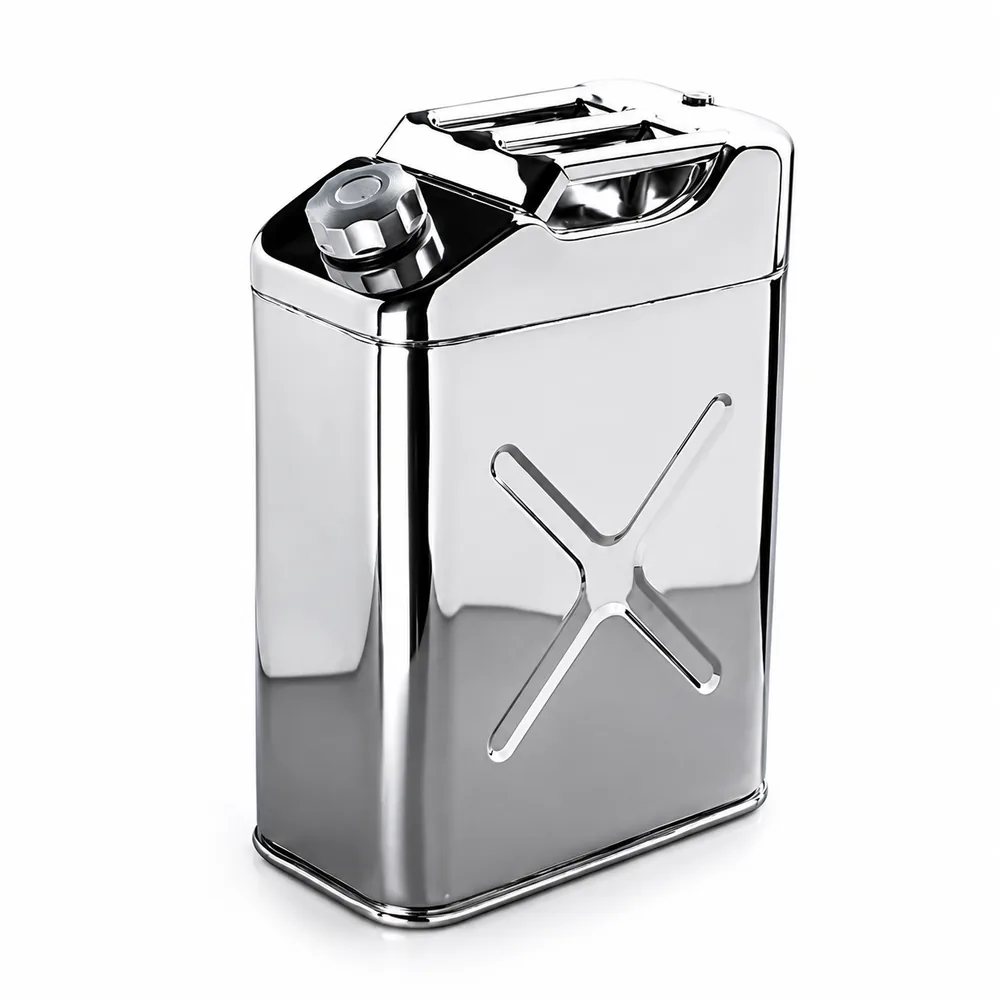
Containers specified for food and potable contact from the first drawing. Stainless where the can is kept and refilled, HDPE where it ships at volume.
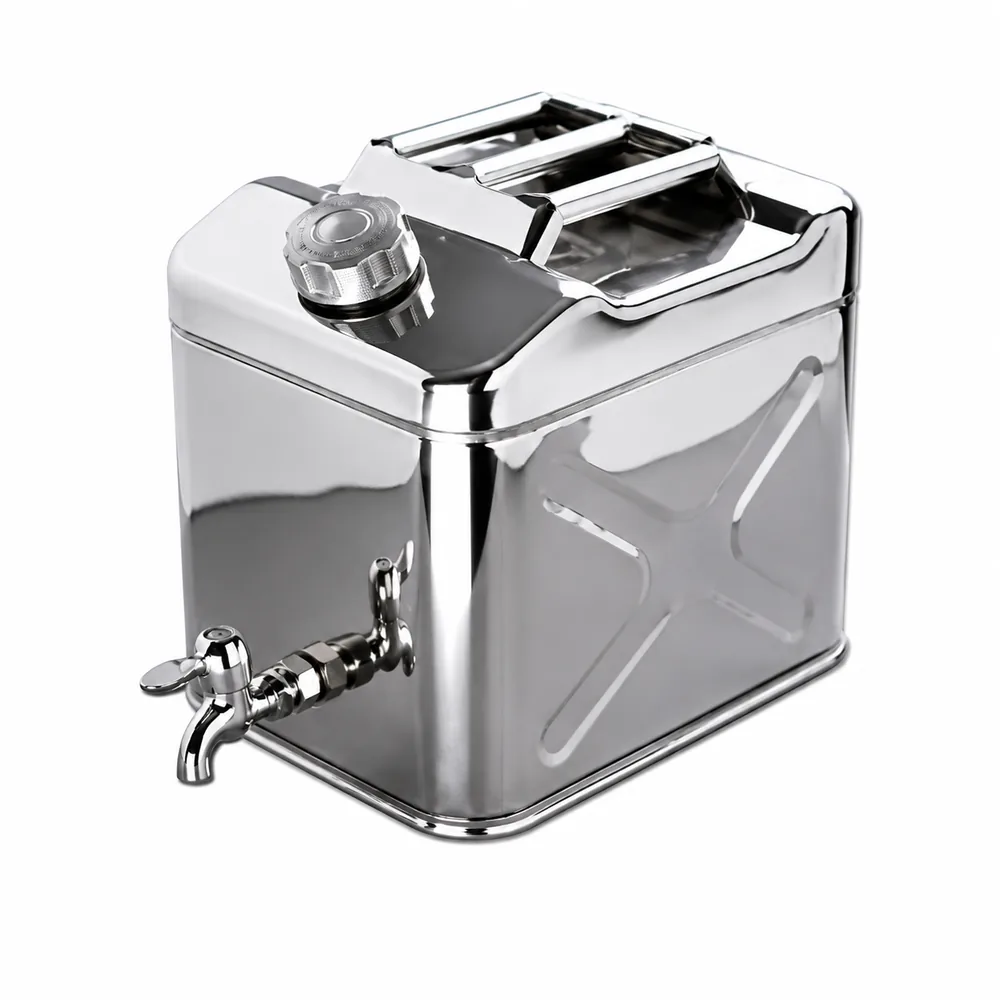
Tap-fitted and upright dispensing cans for lubricants, oils and workshop fluids, where controlled decanting matters more than portability.
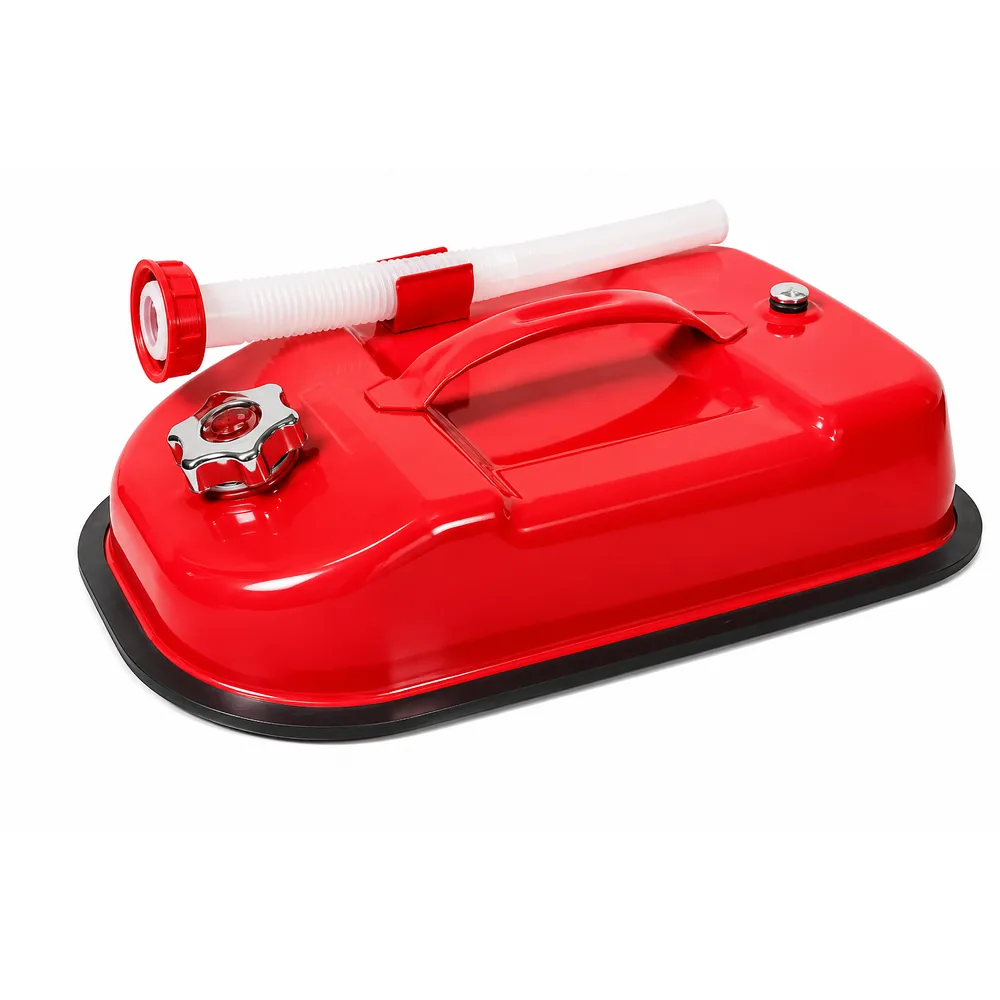
Low-profile horizontal cans in 5, 10 and 20 litre, galvanised or stainless. They slide under a boat seat, into a locker or onto a machine frame where a NATO upright has nowhere to go.
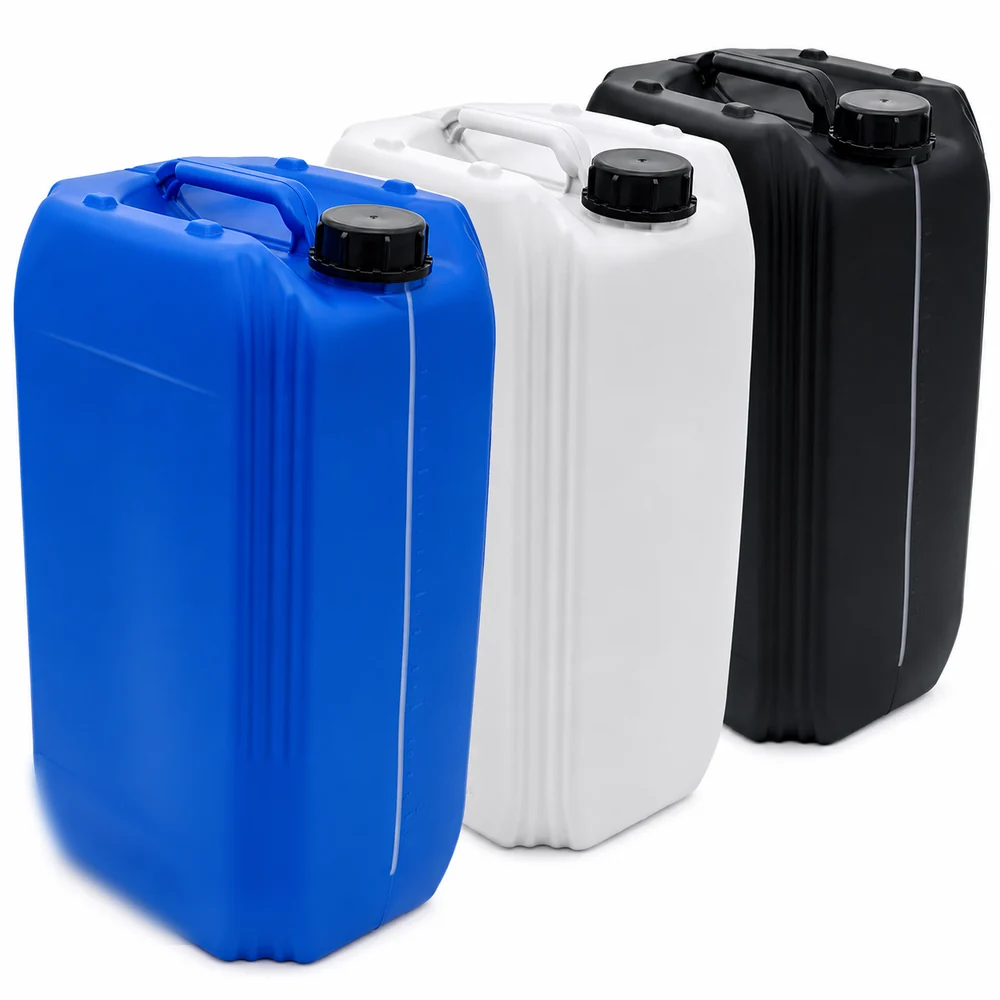
Stackable HDPE jerrycans and dedicated diesel exhaust fluid containers for decanting, distribution and automotive fluids.
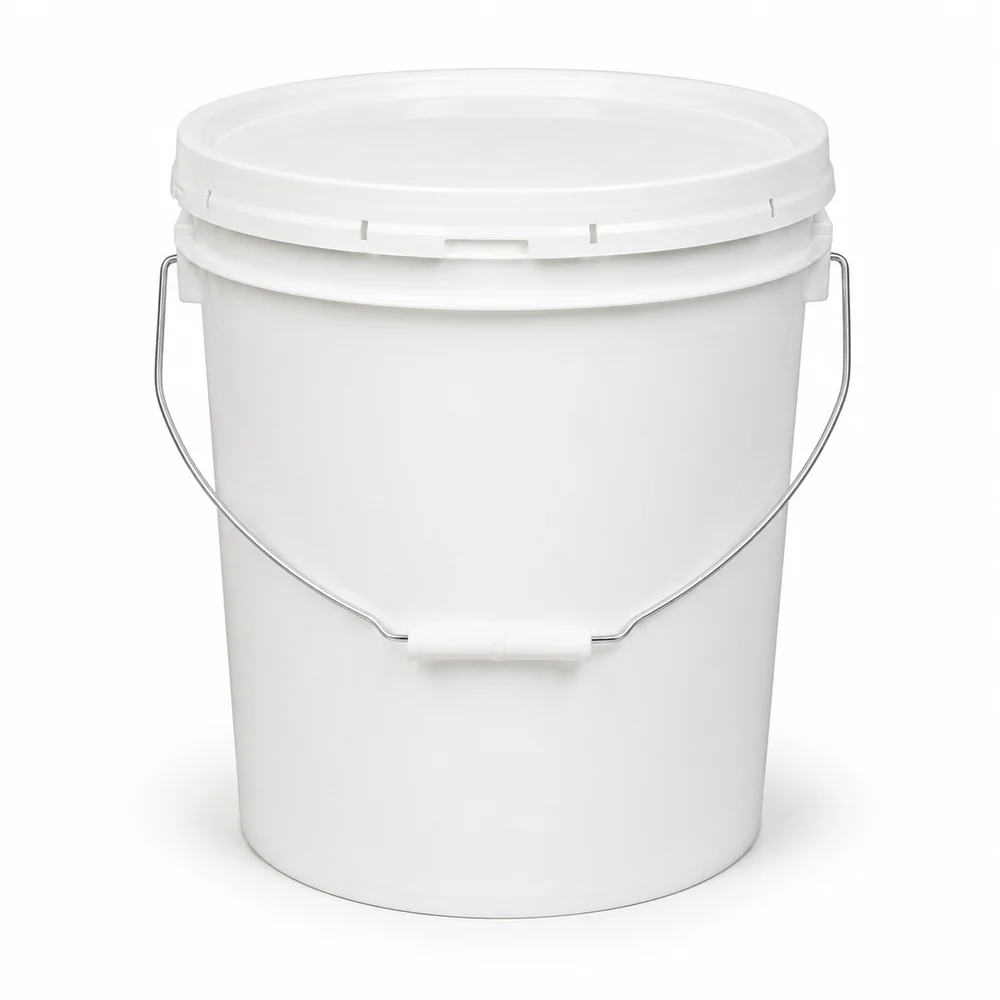
Open-head pails in polypropylene and tinplate steel, 2.5 to 35 litres. Lever-lock rings, flower lids and tamper-evident closures, sized to the pallet rather than to the shelf.
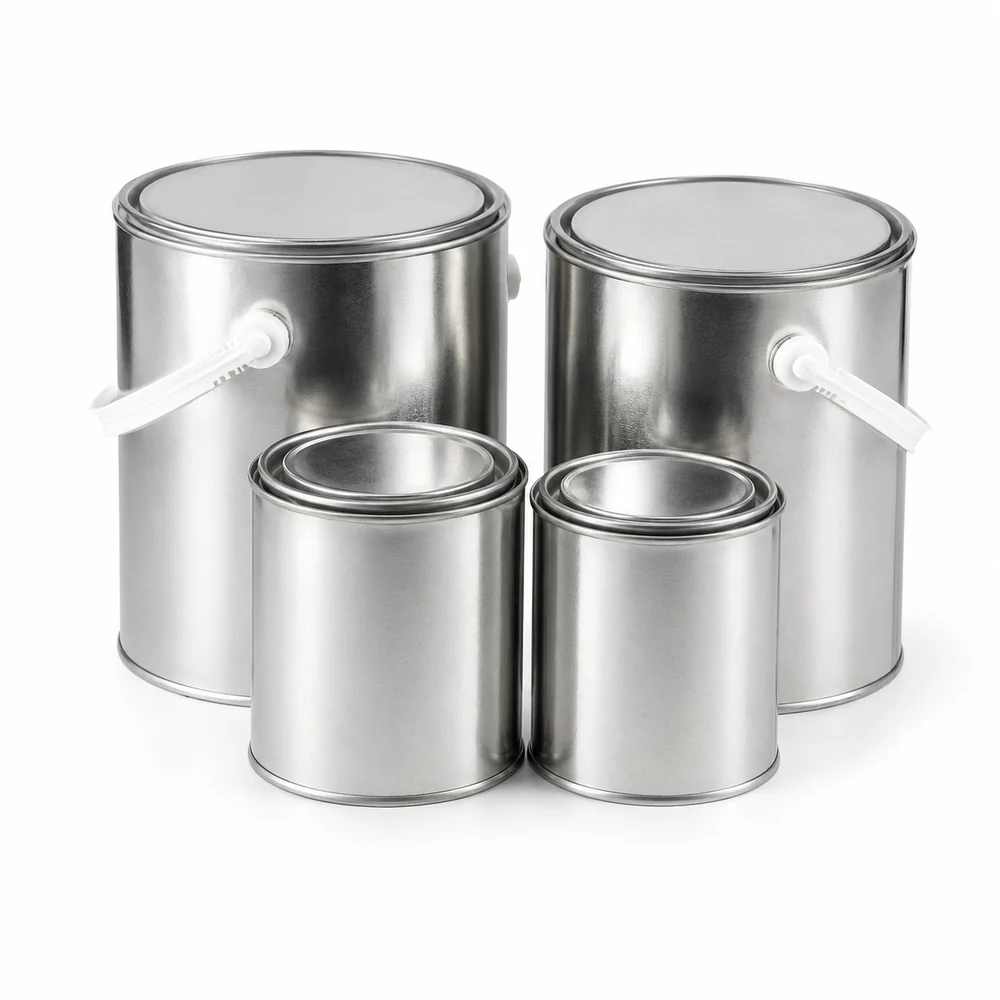
Tinplate cans from 50 ml to 6 litres: round and square bodies, cone tops, and dauber and brush-in-cap cans for adhesives and solvent cements.
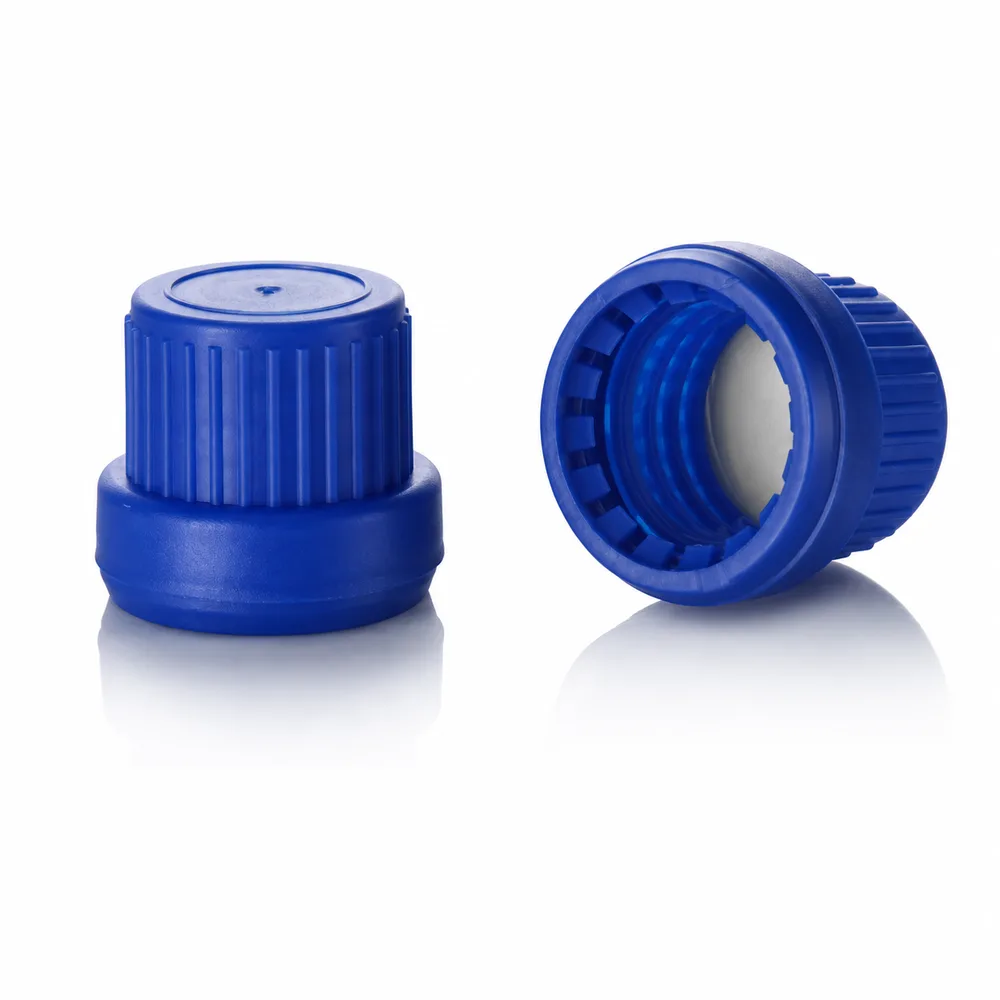
Caps, gaskets, vented and non-vented closures, child-resistant caps and flame arresters. The parts that fail first and cost least to replace.
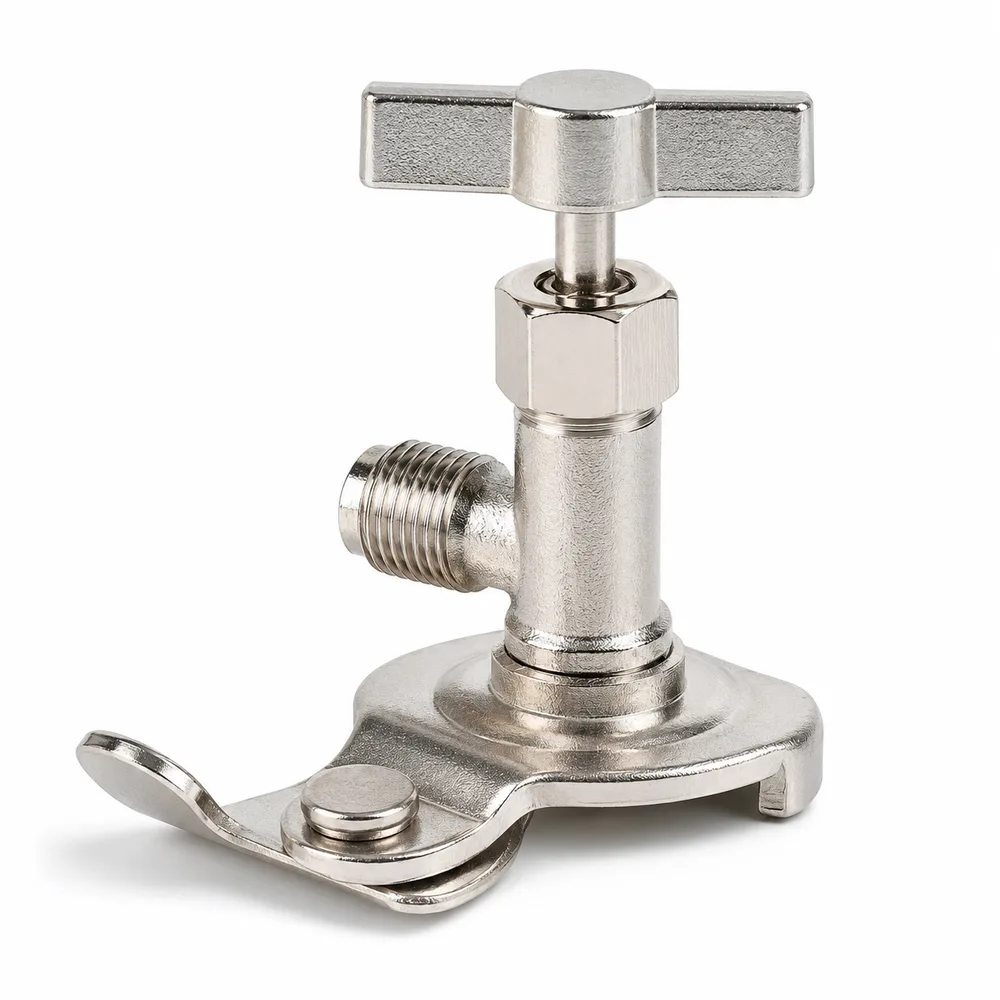
Pouring spouts, taps, dispensing valves and the adapters that bring a drum or an IBC down to a can: the parts that move liquid from one container to the next.
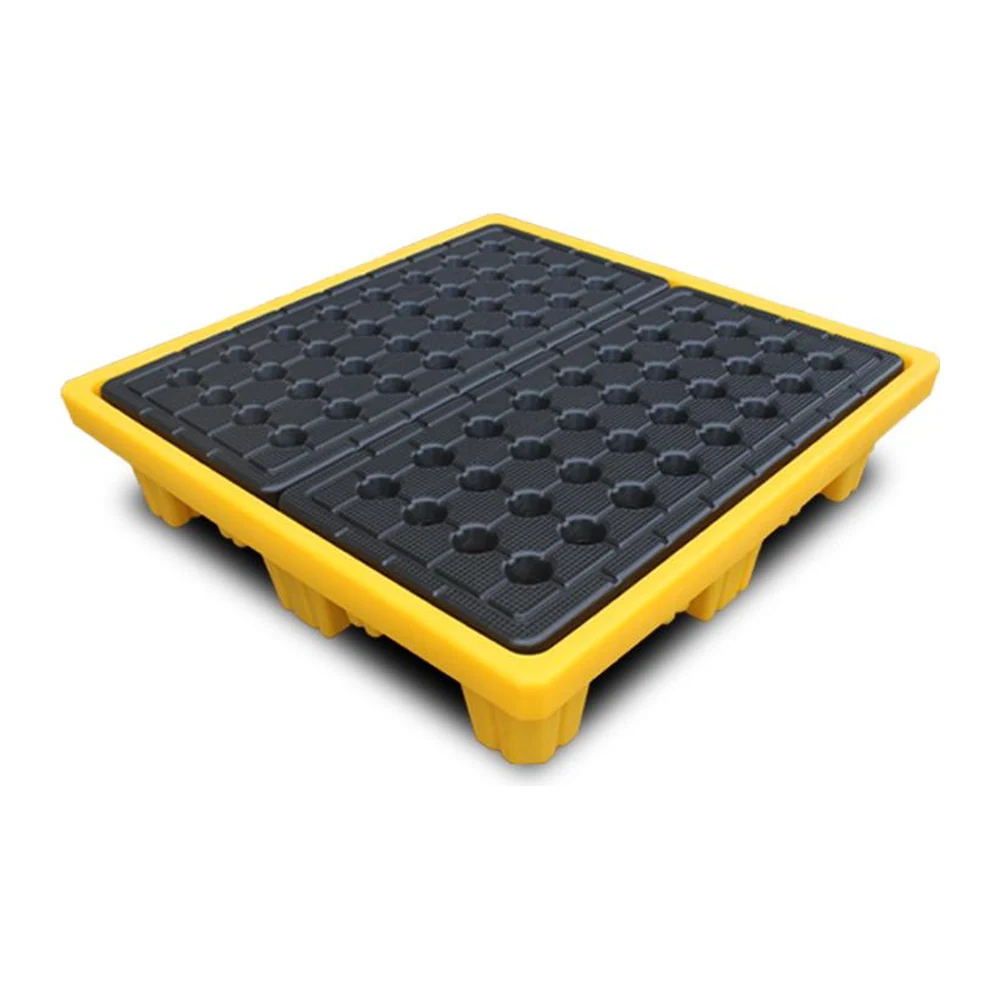
Spill decks, drum and IBC pallets, steel bunds, bench and drip trays, salvage drums and emergency eyewash: the containment that sits under the containers.
Tell us which product, your destination market and your volumes.