
The steps in order for opening, filling, venting, pouring, closing, locking, storing and cleaning a jerry can, with the law marked.
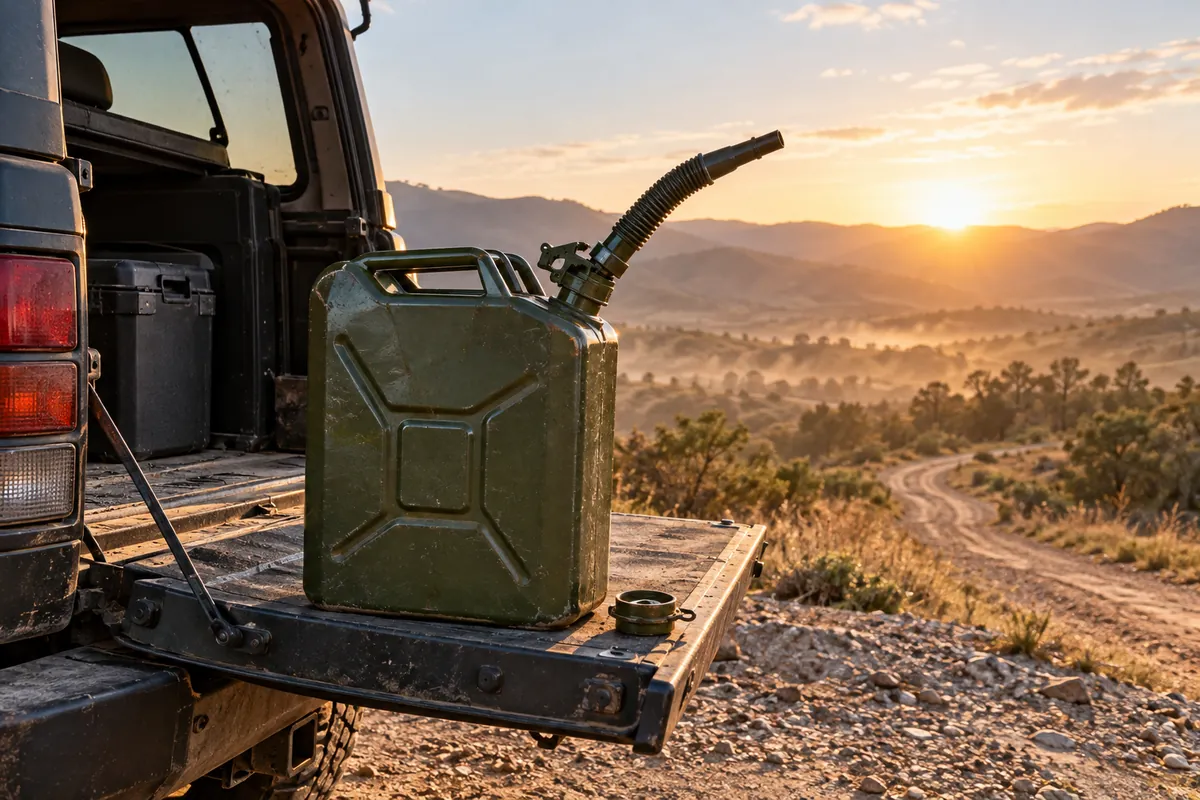
Fill a jerry can on the ground with the nozzle touching the neck, and stop at the marked capacity so the air space the can was built with stays empty. Ease the cap on a warm can before you pour, close it after, strap it upright and lock it in its holder. In Great Britain a petrol can holds at most 20 litres in metal or 10 in plastic.
Quick answer: How do you use a jerry can safely?
Stand the can on the ground to fill it, keeping the nozzle touching the neck so static drains, and stop at the marked capacity. Ease the cap on a warm can, and pour in the open air with the engine off and cool. Close the can straight after, strap it upright and lock it in its holder.
Ten steps cover a can from the first turn of the cap to retirement. The table marks each step as law or practice, and the sections below give the reasons.
| Step | What to do | Law or practice |
|---|---|---|
| 1. Open | Outdoors, away from ignition. Ease a warm can first. | Practice |
| 2. Fit the spout | Match the spout to the neck thread, gasket seated. | Practice. US: the spout is part of the certified container (40 CFR 59.611(b)) |
| 3. Fill | On the ground, nozzle touching, stop at the marked capacity. | Practice (NIOSH, HSE, CPSC). Great Britain fixes the can by law (Schedule 3) |
| 4. Relieve pressure | Loosen the cap a little, let the hiss settle. Drill no vent. | Practice. A US vent must close by itself (40 CFR 59.611(c)(1)(ii)) |
| 5. Pour | Engine off and cool, open air, no flame or spark near. | Practice (HSE, CPSC). US construction: no ignition source within 50 ft (29 CFR 1926.152(f)(3)) |
| 6. Close | Cap on straight after, gasket clean. | Law on US construction sites (29 CFR 1926.152(f)(1)) |
| 7. Carry | Upright and strapped. | Great Britain: 30 L in two containers in a vehicle (Schedule 2). Strapping is practice |
| 8. Lock | Lock the can to its holder. | Practice |
| 9. Store | Cool, shaded, ventilated, cap on, away from living space. | Great Britain: the 30 and 275 L thresholds and the storage place |
| 10. Clean | Never heat a fuel can. Retire a rusted can. | Practice. Plastic dangerous-goods cans: five years (ADR 2025, 4.1.1.15) |
Open it outdoors, with the opening pointed away from you and from other people. The closure decides the method.
On a warm can, ease the closure first. Fuel expands as it warms and gives off vapour, so a can left in the sun holds pressure. Loosen the cap a little, let the hiss settle, then finish the turn. If the cap will not move, the can may be under vacuum after cooling. Warm it instead of levering the cap, and replace a gasket you forced, because a torn gasket reseals and weeps on the next warm day. Closures and caps and venting and pressure give the reasons.
Take the cap off and screw the spout onto the same thread with its gasket in place. Tighten until the gasket seats flat: too loose and the joint weeps under vibration, too tight and a plastic neck deforms. Match the spout to the neck standard. Jerrican necks follow designations such as DIN 45, 51, 61 and 71, where the number approximates the outer thread diameter in millimetres. A DIN 51 spout fits a DIN 51 neck only, and DIN 61 is the most common on 20 litre UN jerricans.
Check the gasket compound against the fuel: nitrile or FKM suits hydrocarbons, and EPDM swells in them and leaks. An auto-shutoff spout cuts the flow when the receiving tank fills, which saves a clean-up on a boat or a generator. Store a spout clean and dry, and replace a gasket that has hardened, cracked or swollen. On a US consumer can, the federal rule counts the spout and cap as part of the container (40 CFR 59.611(b)), so fit the maker’s own.
Stand the can on bare ground outdoors, touch it with the nozzle before you open the cap, and keep the nozzle in contact with the neck while the fuel runs. NIOSH traced fires to static: a plastic bed liner or a carpeted car floor insulates the can, so the charge from flowing petrol cannot reach earth and jumps to the grounded nozzle. Ungrounded metal cans were the most hazardous, and plastic cans were involved too (NIOSH Publication 98-111). HSE says containers must be placed on the ground when filling, and CPSC gives the same instruction.
Open air keeps vapour away from ignition. Petrol vapour burns between about 1.4 and 7.6% in air. Its flash point of −45 °F (−43 °C) means it gives off ignitable vapour at any storage temperature (NIOSH Pocket Guide). Read UK petrol container regulations for the can limits and steel vs HDPE fuel cans for the material.
Fill it to the marked capacity and stop. A can filled to the neck on a cool morning bulges or weeps by the afternoon. On a petrol can sold in Great Britain, the air space is part of the specification. Total capacity must sit 10 to 15% above nominal capacity, and nominal capacity is the volume the can is meant to hold at 20 °C (Petroleum (Consolidation) Regulations 2014, Schedule 3, paragraphs 1 and 2). A 20 litre can brims at 22.0 to 23.0 litres, and filling to 20 leaves 2.0 to 3.0 litres of air under the cap.
Carriage for a business sets a ceiling. ADR 2025, 4.1.1.4 asks for enough ullage that expansion causes no leak or permanent distortion, and bars filling a packaging to the brim at 55 °C. At a 15 °C filling temperature, unless a specific provision says otherwise, it caps the filling degree by the liquid’s boiling point: 90% of capacity below 60 °C, rising to 98% from 300 °C. NIOSH lists petrol’s boiling point at 102 °F (39 °C), which is the lowest band. Take your own product’s figure from its safety data sheet. The jerry can sizes page works the rule into can counts, and storing fuel safely explains why a part-empty can ages its fuel faster.
A can needs a way to equalise pressure, and the design decides which way. A vented cap breathes on its own: it lets air in as fuel pours out and relieves pressure as the can warms. A plain screw cap is vented by hand. Loosen it a little before the full pour and let the hiss settle. A US-compliant can has no separate vent, because its spout carries an internal air path that opens only while you pour.
Do not drill a vent hole. A hole is an open path for vapour, and the federal rule allows a vent the user can open only if it closes by itself, without operator involvement (40 CFR 59.611(c)(1)(ii)). The EPA and CARB guide covers the US rule.
Switch the engine off and let it cool first. CPSC says to wait at least two minutes after turning off power equipment before refuelling (Publication 5140). HSE asks you to let a petrol mower cool, to fill machines in the open air away from buildings, and to dismount from a motorbike first. On US construction sites the rule is no open flame or other ignition source within 50 ft of the operation (29 CFR 1926.152(f)(3)).
Rest the spout on the filler neck and tilt the can until the spout sits lowest. A glugging pour means air and fuel are taking turns through one opening, so ease the cap or use a vented spout. Keep the spout touching the neck, for the same reason as at the pump. If fuel spills, stop, close the can, keep ignition sources away, ventilate and dispose of the absorbent without delay (29 CFR 1926.152(f)(2)). The spill kits guide covers kit choice and use.
Close the can straight after use. CPSC advises never leaving a fuel container open, and on US construction sites Category 1, 2 and 3 liquids stay in closed containers when not in use (29 CFR 1926.152(f)(1)). On a cam-lever can, check that the gasket sits clean in the cap, swing the cap onto the neck and press the lever down until it goes over centre and locks. On a screw cap, turn until the gasket seats flat.
A full 20 litre can is heavy. Petrol has a specific gravity of 0.72 to 0.76 (NIOSH), so 20 litres in a 3.1 kg steel can weighs about 18 kg, and water in our 2.6 kg steel water can weighs about 23 kg. HSE’s filter at knuckle height is 16 kg for women and 25 kg for men, with the load close to the body and carried no further than about 10 m without a rest (INDG143).
Stand cans upright and strap them into a holder. In Great Britain, petrol in a vehicle counts towards your storage total: up to 30 litres in no more than two suitable containers (Schedule 2, paragraph 1). Private road carriage of fuel in refillable receptacles falls outside ADR up to 60 litres per receptacle and 240 litres per vehicle (ADR 1.1.3.1(a); DfT Guidance Note 23). Business carriage follows ADR: see dangerous goods transport.
Lock the can to its holder. The over-centre latch version of our retention kit takes a padlock, which secures a full can against theft as well as movement. A tamper-evident ring on the cap shows that someone has opened a can, which matters when fuel is decanted and resold.
Store it closed and upright, cool, shaded and ventilated, away from anywhere people live. HSE says to keep petrol out of direct sunlight and out of any house or flat, and CPSC says never to store gas cans in a house or basement or near fuel-burning appliances. In Great Britain the storage place must not be living accommodation. Unless it is in the open air, it needs a direct exit to the open air and ventilation to it, and you must prevent ignition sources (Schedule 2, paragraph 3). Inside a building, it must also be fire-separated from the rest of the building and from any exit route (paragraph 1). Keep empty cans the same way, because residual fumes make them unsafe (HSE).
Quantity brings in the law. At home or other non-workplace premises you may keep up to 30 litres of petrol without telling anyone. From 30 to 275 litres you notify the local Petroleum Enforcement Authority in writing, before you start and every January. Above 275 litres you need a licence (Schedule 2, paragraphs 1, 2 and 4; HSE). A workplace comes under DSEAR instead: see DSEAR and ATEX. Shelf life is in storing fuel safely.
Treat a drained fuel can as full. The vapour burns, and a drained can holds a mixture inside the flammable range: petrol burns between 1.4 and 7.6% in air (NIOSH). Use no heat, flame or grinder on a used fuel can. Never rinse a fuel can and fill it with water or food, because hydrocarbons absorb into the coating and gasket and keep coming out. Drain it and refill it with fuel only, or retire it.
A water can is easier. CDC advises washing the container with soap and rinsing it, then sanitising: 1 teaspoon (about 5 ml) of unscented household bleach, 5–9% sodium hypochlorite, in 1 US quart (about 0.95 litre) of water. Close the container, shake it so the solution reaches every inside surface, wait at least 30 seconds, pour it out and let the container air-dry. Fill it with clean water, close it with a tight lid, label it with the date and replace the water every six months.
Before every refill, check the closure and gasket, the spout or tap, the seams for weeping or rust, the interior coating, and the body for dents and swelling. Retire a can with internal corrosion, a coating worn to bare rusting metal, a split or deep dent, or a closure that will not seal. A plastic jerrican has five years of use for dangerous goods from its date of manufacture (ADR 2025, 4.1.1.15). Cleaning and reusing jerry cans has the full routine.
The 20 litre NATO-pattern steel fuel can has a vented screw cap with a gasket, an interior coated for hydrocarbons and a UN mark for dangerous goods transport. Spouts come rigid, flexible or auto-shutoff, each matched to the neck of the can it ships with. Caps, closures and gaskets come in DIN 45, 51 and 61, with tamper-evident rings. Steel holders are tooled to our own can geometry, with strap, ratchet or over-centre latch retention.
Fortitude21 holds UN certification for its dangerous-goods jerrican designs, and its factories hold ISO 9001, 14001 and 45001. We hold no EPA or CARB certification, so a US consumer programme starts with the spout, closure and flame-mitigation parts that rule requires. Flame mitigation devices ship as a component, and compliance is certified per device and per container design, so confirm what covers your combination. Tell us the fuel, the machine and the destination, and we specify can, closure, spout and holder as one set. The jerry can sizing calculator turns a refuelling plan into a can count.
| Your use case | Recommended can | Why this one |
|---|---|---|
| The can itself, for petrol, diesel, kerosene and JP-8 | 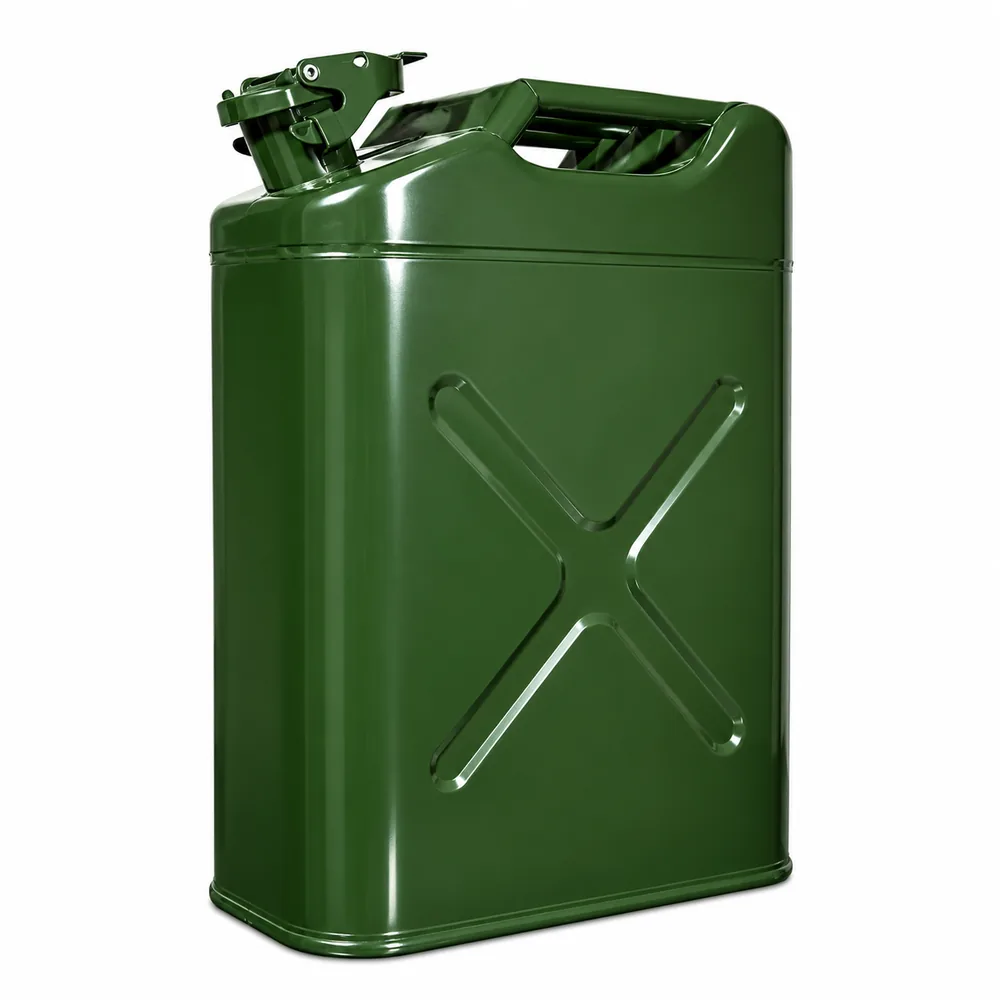 20L NATO Steel Fuel Can |
Pressed steel with a vented screw cap and gasket, an interior coated for hydrocarbons and a UN mark. |
| Fitting a spout and pouring into a filler neck | 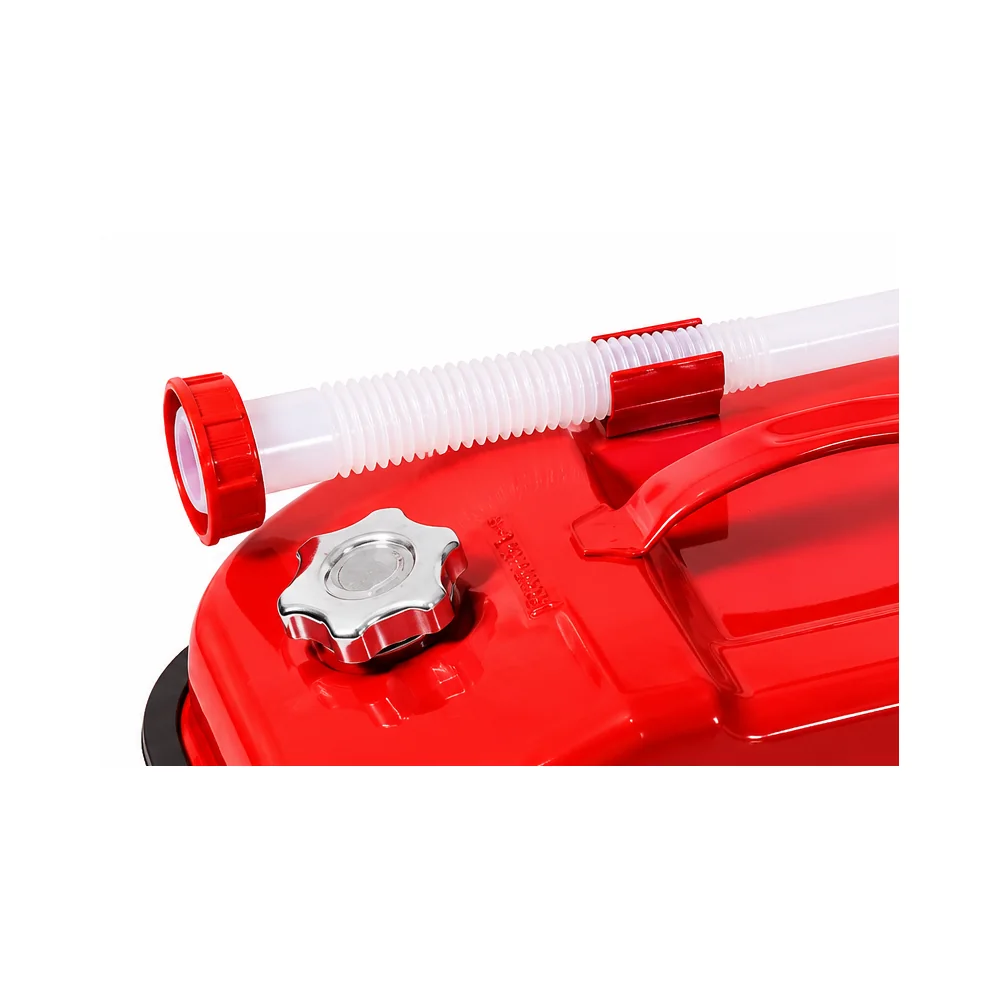 Pouring Spouts & Nozzles |
Rigid, flexible and auto-shutoff spouts, each matched to the neck of the can it ships with. |
| Replacing a cap, a vent cap or a worn gasket | 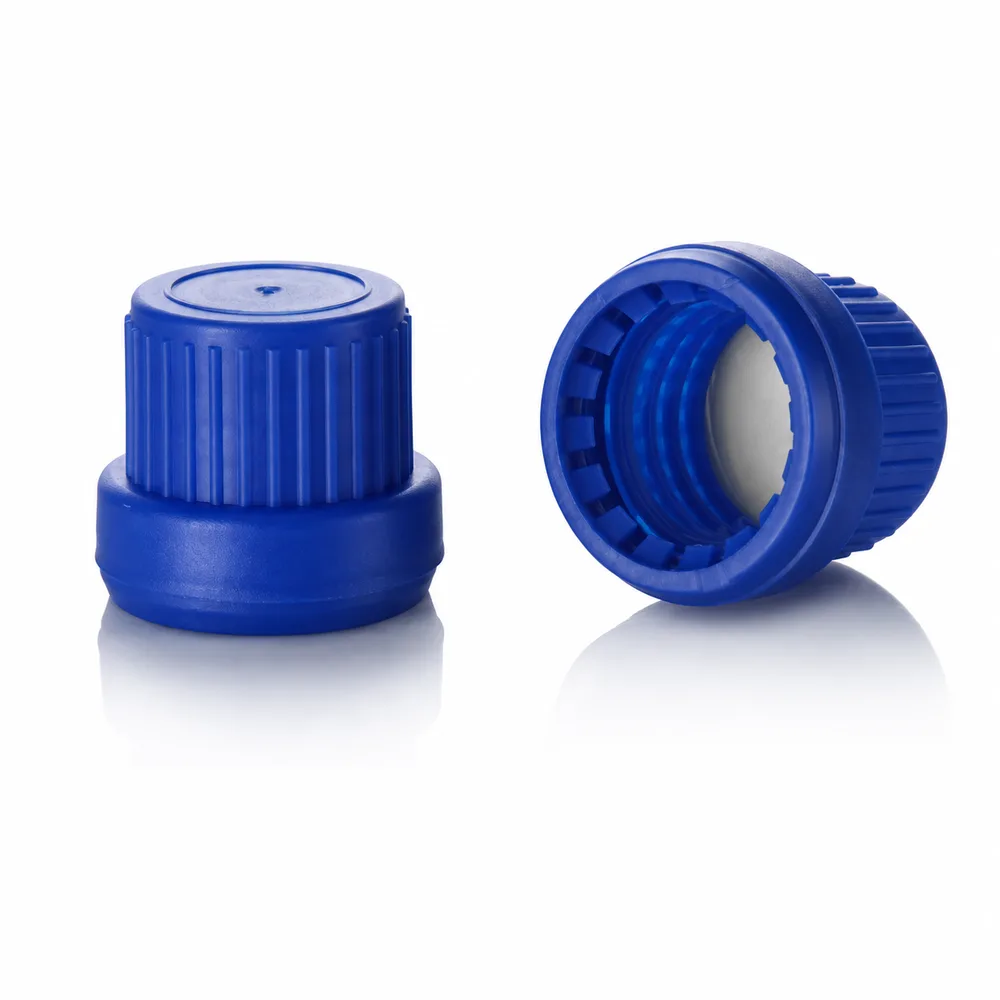 Caps, Closures & Gaskets |
Vented and non-vented caps in DIN 45, 51 and 61, gaskets per can family and tamper-evident rings. |
| Carrying a full can on a vehicle, trailer or wall | 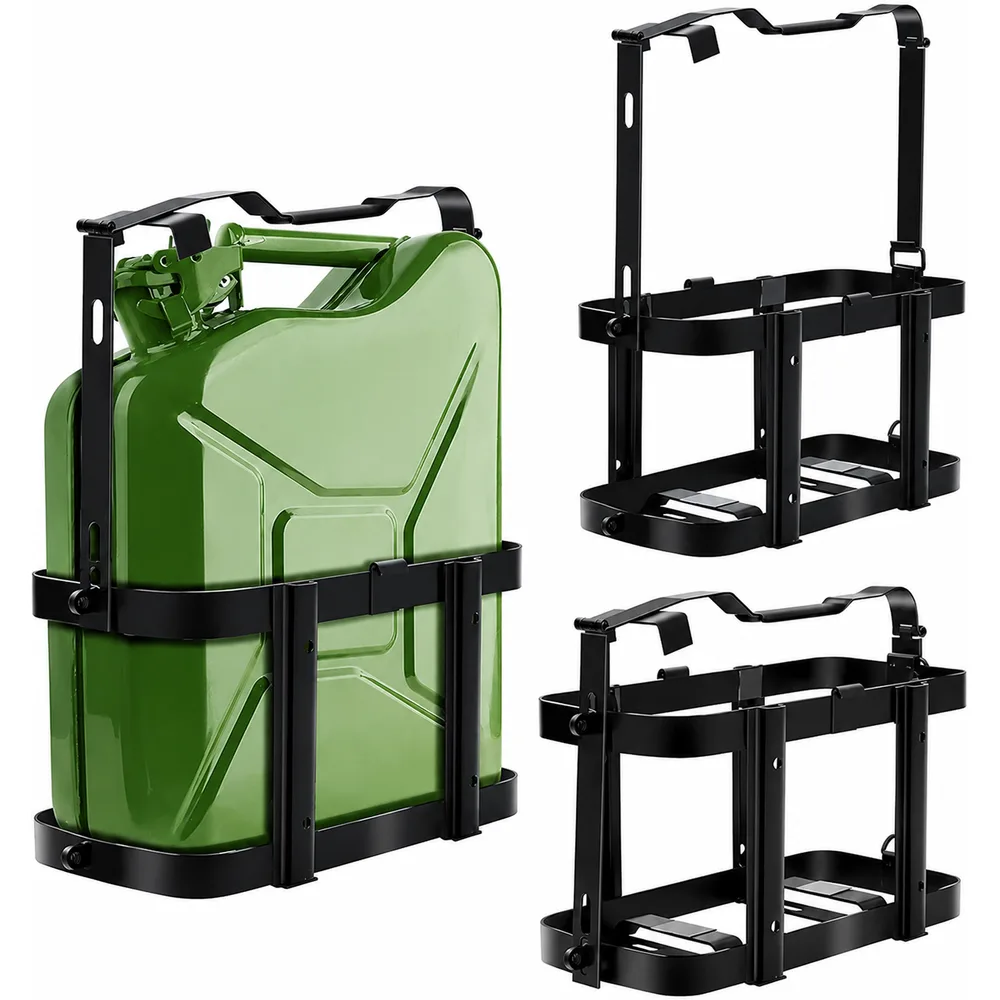 Jerry Can Holders & Mounts |
Steel holders tooled to our own can geometry, so the can seats in it. |
| Holding the can in its holder and locking it | 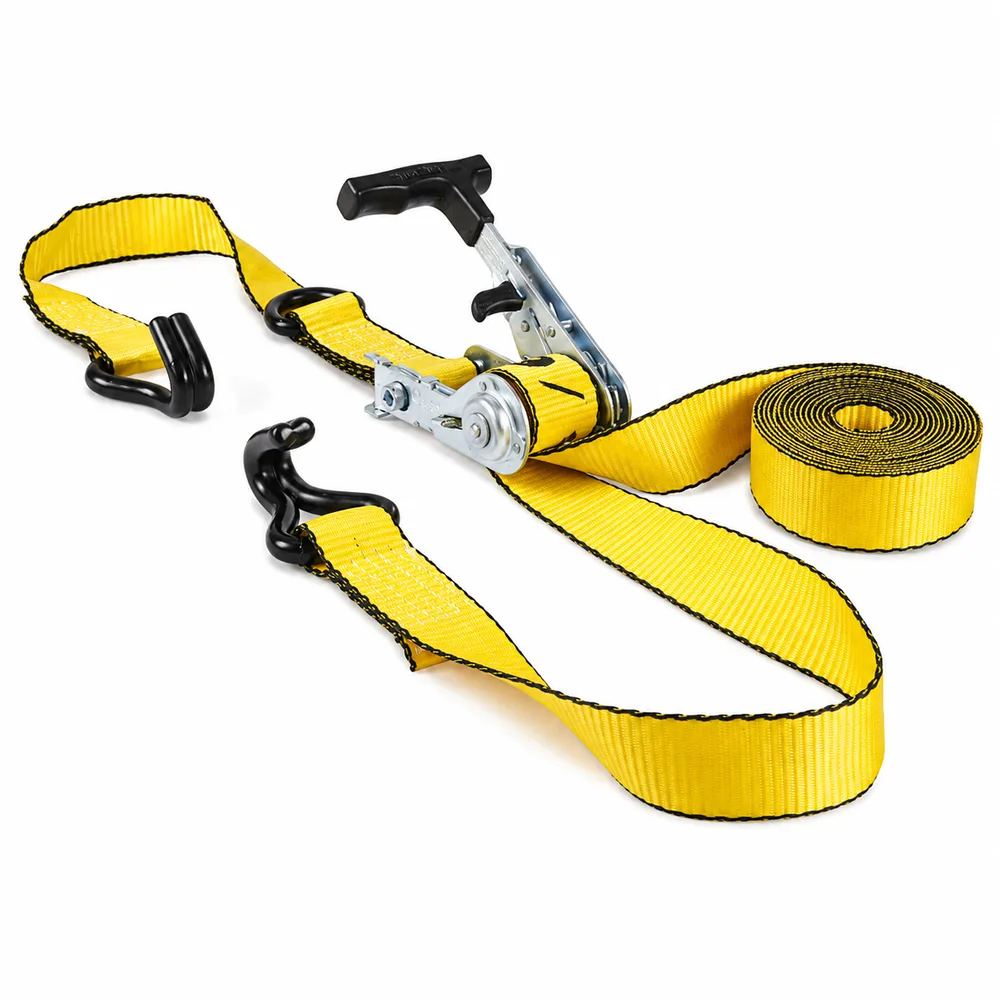 Tie-Downs & Retention Straps |
Strap, ratchet and over-centre latch kits; the latch version takes a padlock. |
| Selling or using a fuel can in the United States | 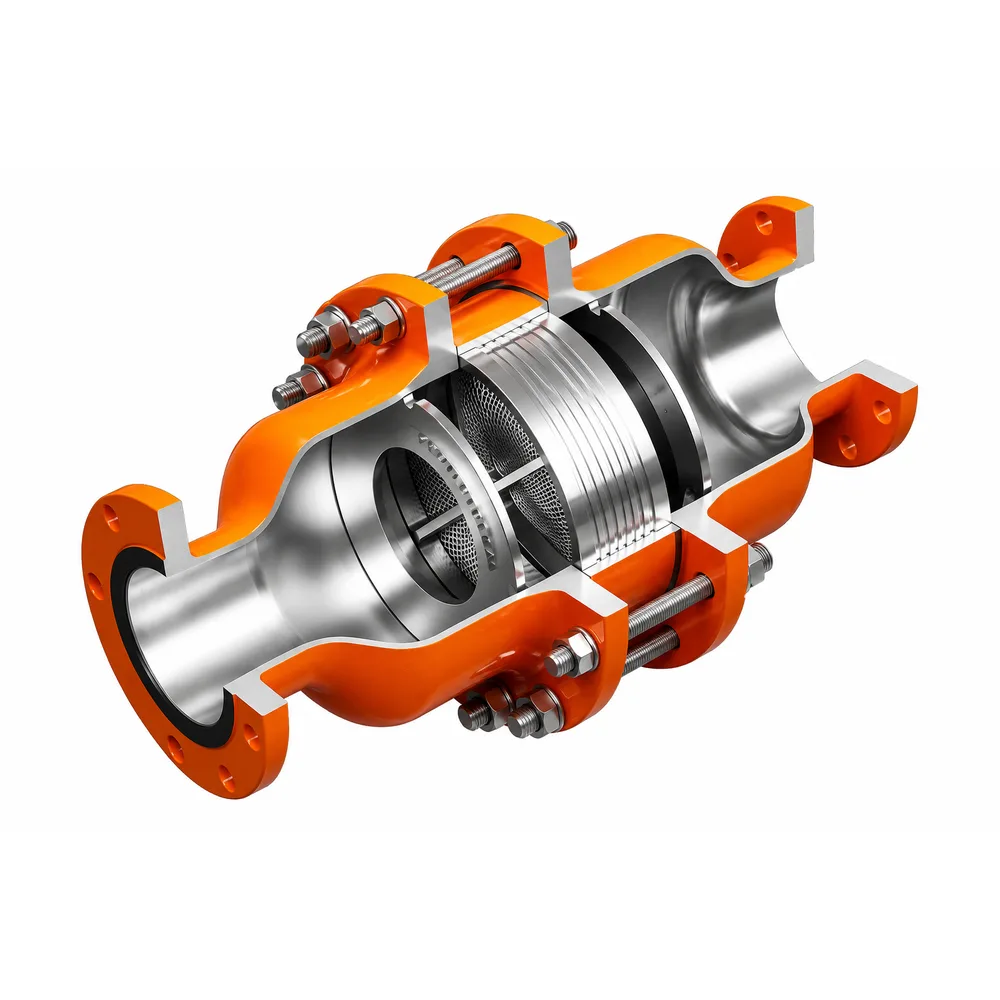 Flame Mitigation Devices |
A neck-mounted flame arrester, matched to the can it is sold against. |
| US consumer fuel containers |  Child-Resistant Closures |
Child-resistant closures for portable fuel containers. |
| Water, where the can is sanitised and refilled for years | 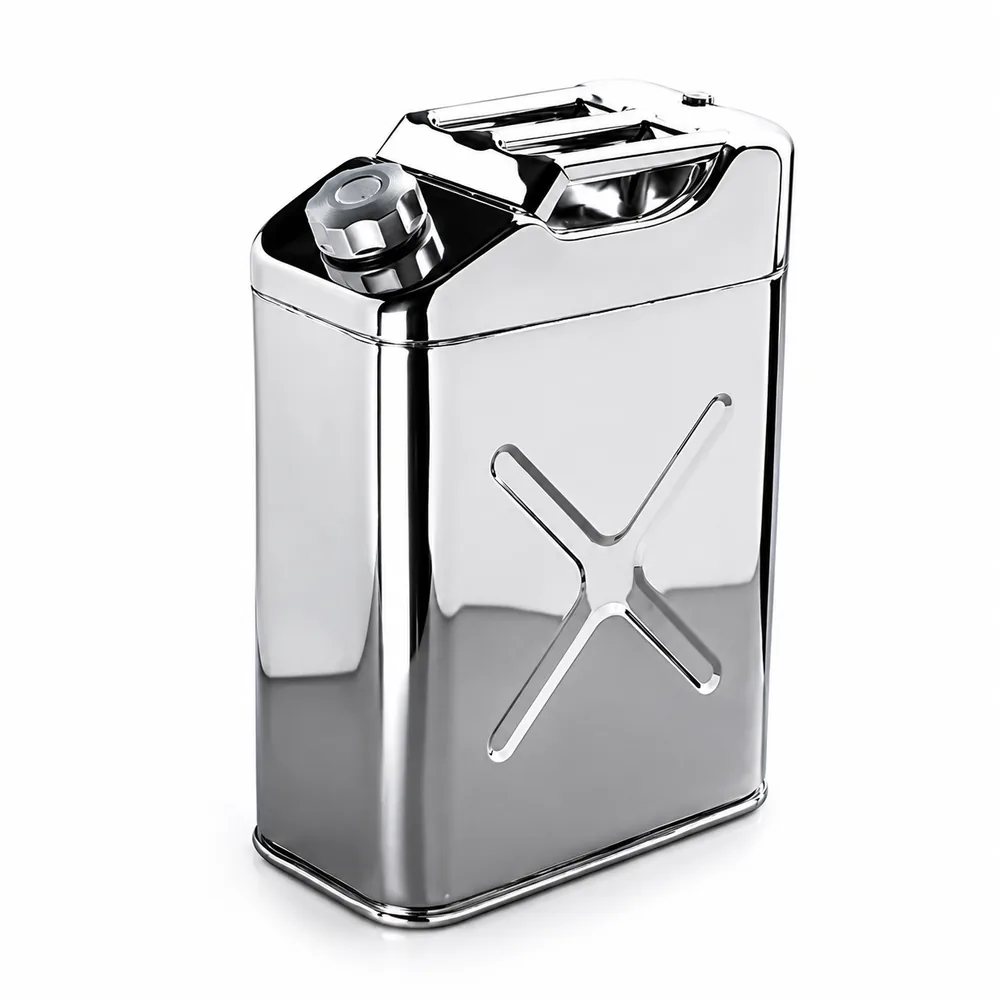 20L Stainless Steel Water Can |
AISI 304 food-grade stainless that scrubs and sanitises without holding odour. |
Yes, if the can is a suitable portable container. Regulation 12(1)(b) of the Petroleum (Consolidation) Regulations 2014 lets a forecourt dispenser fill one. Schedule 2, paragraph 6 defines it as in good repair, secure from leaking, not degraded and steady on a level surface. The definition also requires it to meet Schedule 3 (or the older standards it preserves): metal up to 20 litres or plastic up to 10, marked PETROL and HIGHLY FLAMMABLE. Nobody under 16 may operate a dispenser. Put the can on the ground to fill it (HSE).
Replace a vent cap with one made for the neck of your can. The cap must match the thread, such as DIN 45, 51 or 61, and carry a gasket in the right compound, so a part from another maker may weep. In the US the federal rule treats the spout, cap and gasket as part of the container, and a vent the user can open has to close by itself (40 CFR 59.611). Drill no hole.
Liquid leaving a can has to be replaced by air. With one opening, air and fuel take turns through it and the pour glugs. A vented cap, or a spout with an internal air path, lets air in while fuel leaves and gives a smooth stream. Tilt the can until the spout sits lowest, and leave the body undrilled. A US-compliant can pours otherwise by design: its air path opens only during the pour.
For filling at a pump, stand the can on the ground and keep the nozzle touching it; NIOSH says this gives static a path to drain. On a US construction site, 29 CFR 1926.152(e)(2) requires the containers to be bonded when Category 1, 2 or 3 flammable liquid passes from one to another. In a Great Britain workplace, DSEAR asks you to control ignition sources, and the DSEAR guide sets out how.
Retire a fuel can with rust inside it. Internal corrosion, or a coating worn to bare rusting metal, is a reason to retire a can, and no heat, flame or grinder should touch a used fuel can, because the vapour left inside can ignite. If the rust is only on the outside, check the inside before you refill: look at the seams for weeping and at the interior coating.
Stop the source, close the can and keep ignition sources away. Ventilate, cover the spill with non-combustible absorbent, collect it with non-sparking tools and bag it. Dispose of spilled fuel and used absorbent without delay (29 CFR 1926.152(f)(2) on US construction sites). Use a kit only on a spill you can control from a safe position, and call the emergency services if fuel may reach a drain. The spill kits guide covers kit type and training.
Stand the drum upright, fit a bung wrench that matches the plug and turn it anticlockwise so any pressure vents before the thread lets go. Loosen the smaller vent bung first, then the filling bung. Use a non-sparking wrench if the drum held a flammable liquid, and avoid a screwdriver and hammer, which can split the plug. The drum guide covers bungs and codes.
Take off the seal foil or the cap on the outlet, connect your hose or adapter, release the lever lock and turn the handle. A quarter turn takes a butterfly or ball valve from shut to open. Loosen the lid or open its vent so air can replace the liquid, and close the valve and refit the cap afterwards. The IBC tote guide covers valve types and threads.
Drain it, wash it through the lid, rinse, dry and inspect it. An empty tote that held a dangerous good is regulated as if it were full (ADR 2025, 4.1.1.11). Tilt the tote towards the valve to drain it, wash with a rotating cleaning head and a cleaner that dissolves the residue without attacking HDPE, and take the valve off to clean its body and gasket. Check leaktightness when the valve goes back on.
Only where the risk assessment finds vapour building up inside, as with fuming acids. COSHH does not write ventilation, locking, earthing or colour into a cabinet; each falls to the assessment. A vent changes a fire cabinet, because the duct has to keep the cabinet’s fire rating, so ask the maker before you drill. The COSHH storage guide sets out the sources.
Yes, within limits. In Great Britain you may keep up to 30 litres of petrol in no more than two suitable containers in a vehicle, and that counts toward the 30 litres you may hold without telling the local Petroleum Enforcement Authority (HSE). Diesel sits outside that petrol rule. Strap each can upright with the cap on. Fuel gives off vapour as it warms, so a can left in a sunlit car holds pressure; ease the cap before you pour.
The standards and regulations this page relies on, at their issuing body. Where a market rule is named here, check the current revision before you specify against it.
Last reviewed by Clarence Cheang, Co-Founder.
Tell us your market, your fuel and your volumes. We come back with a specification sheet and a quotation.