Water · Flagship
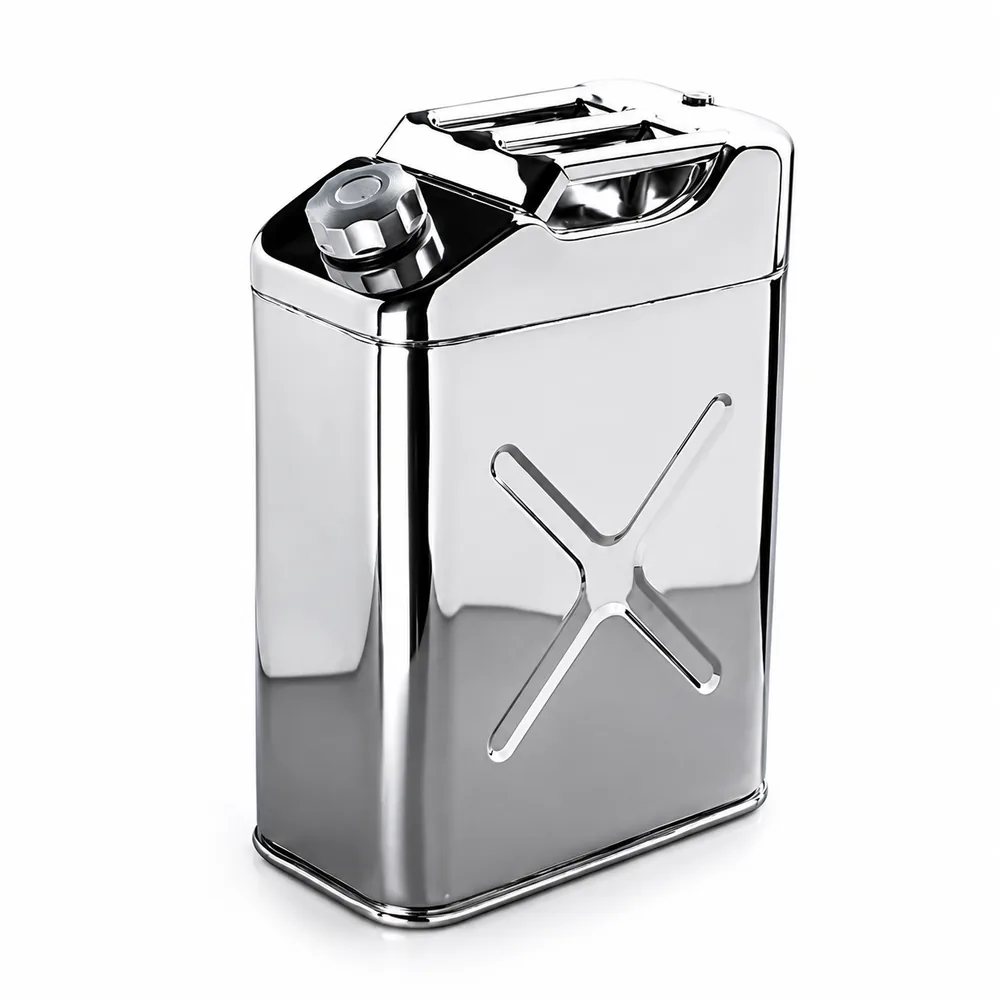
20L Stainless Steel Water Can
F21-UX-20WAISI 304 food-grade stainless, NATO-style form factor, screw cap. Purpose-built for potable water rather than adapted from fuel tooling.

Specified for food and potable contact
Food-grade means the material itself is safe, with no coating applied over something that is not. The stainless line is AISI 304 across the wetted path with no internal liner to chip, blister or leach. Specified where the can is kept, cleaned and refilled for years. The HDPE line does the same job at a fraction of the weight and cost, which is what you want when the container ships with the product rather than coming back. Both stay outside the fuel certification regime entirely, which shortens lead times and thins your compliance file.
Guides for buyers: Emergency water storageStainless vs plastic water containersStainless 304 vs 316Food-contact certificationWRAS approval explainedNSF/ANSI 61 explained
AISI 304 food-grade stainless, NATO-style form factor, screw cap. Purpose-built for potable water rather than adapted from fuel tooling.
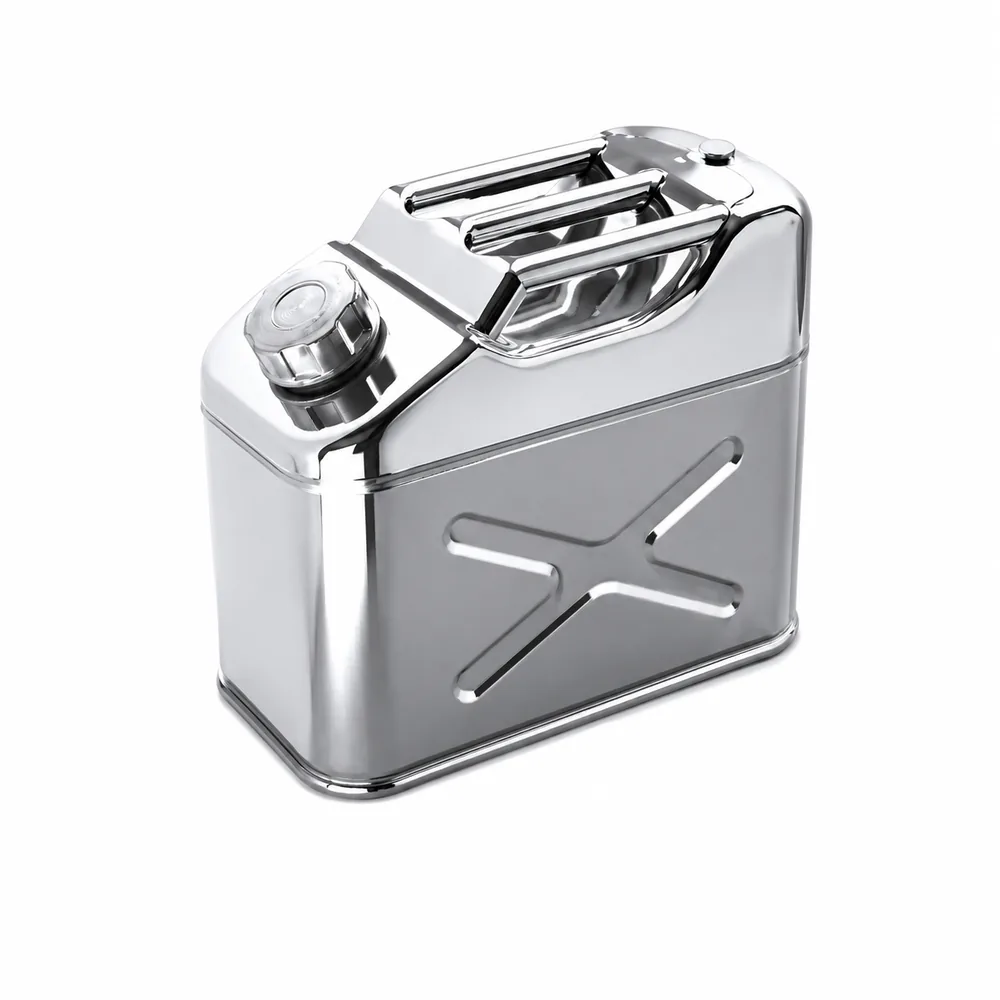
Ten litre AISI 304 food-grade stainless can. Anti-rust and weather resistant, and light enough full for one person to carry.
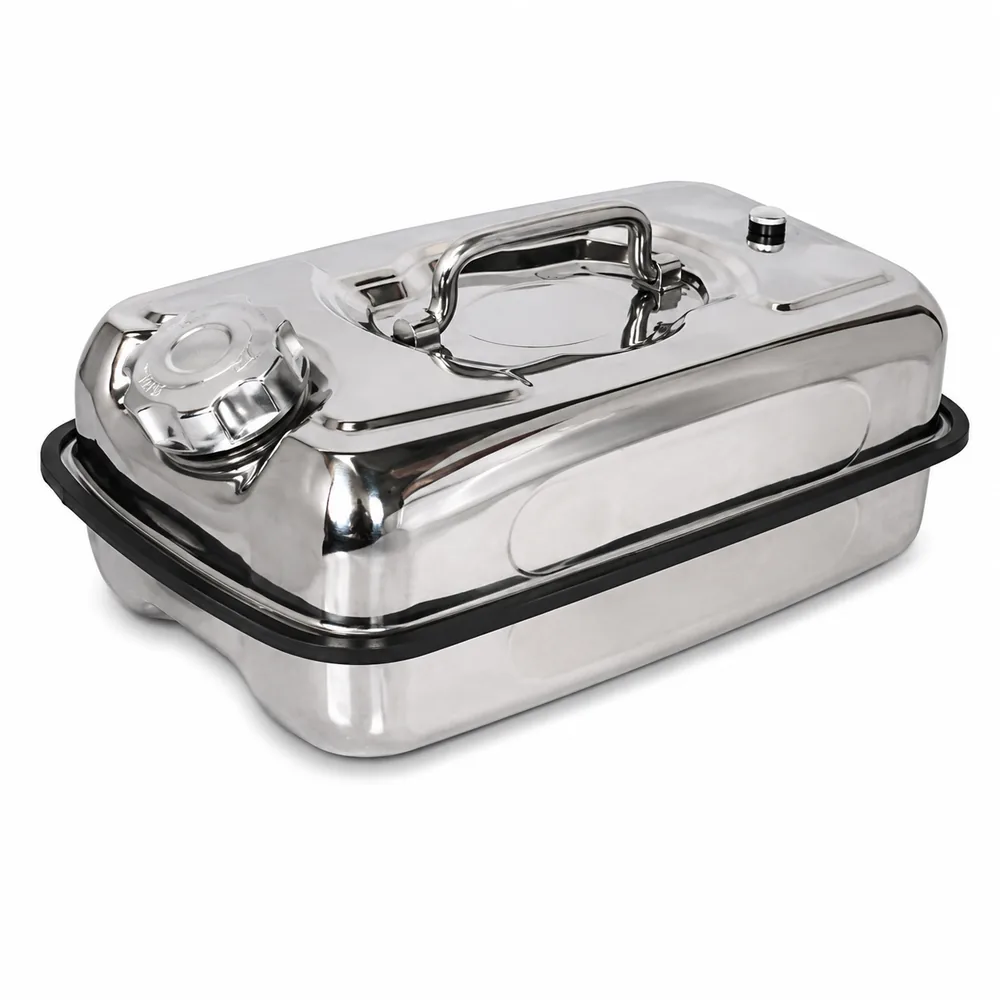
Five litre AISI 304 stainless can for day use, sampling and retail gift packs, in the same food-grade specification as the full range.
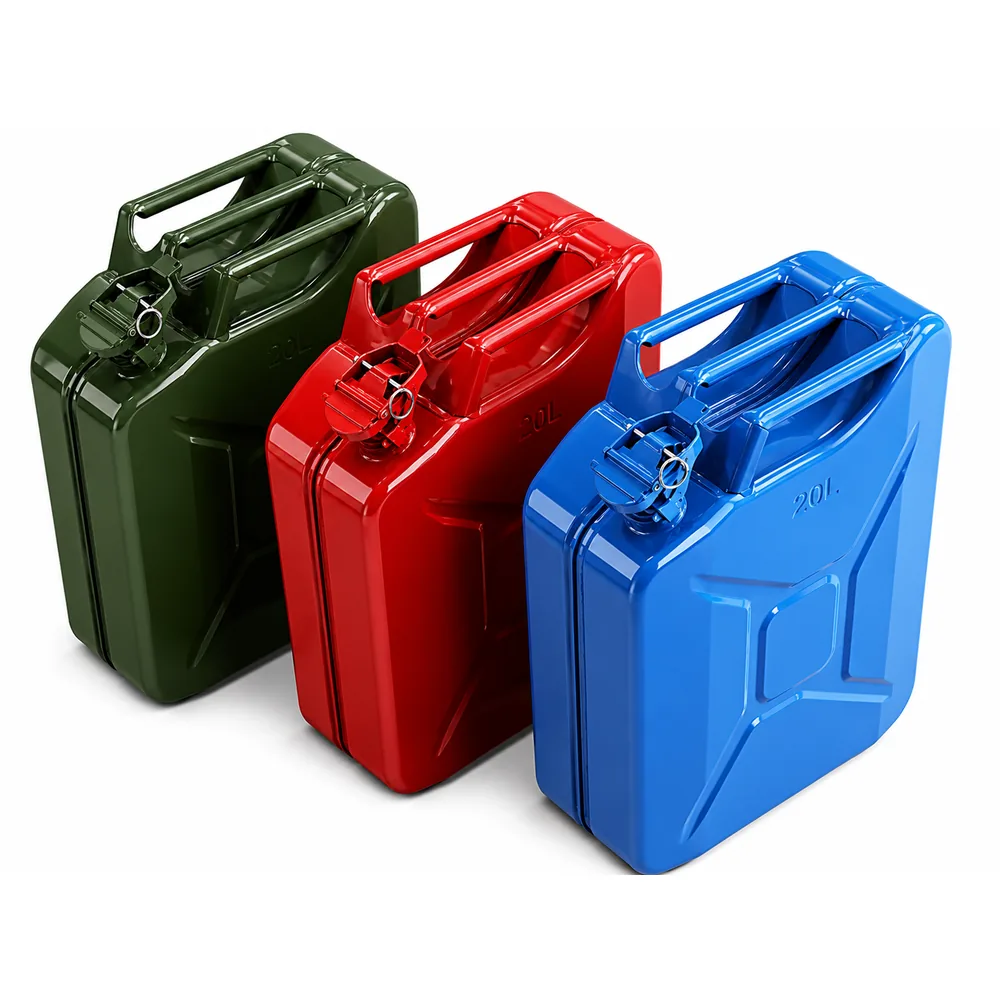
NATO-pattern pressed steel can finished and marked for water, in the blue many buyers choose for water.
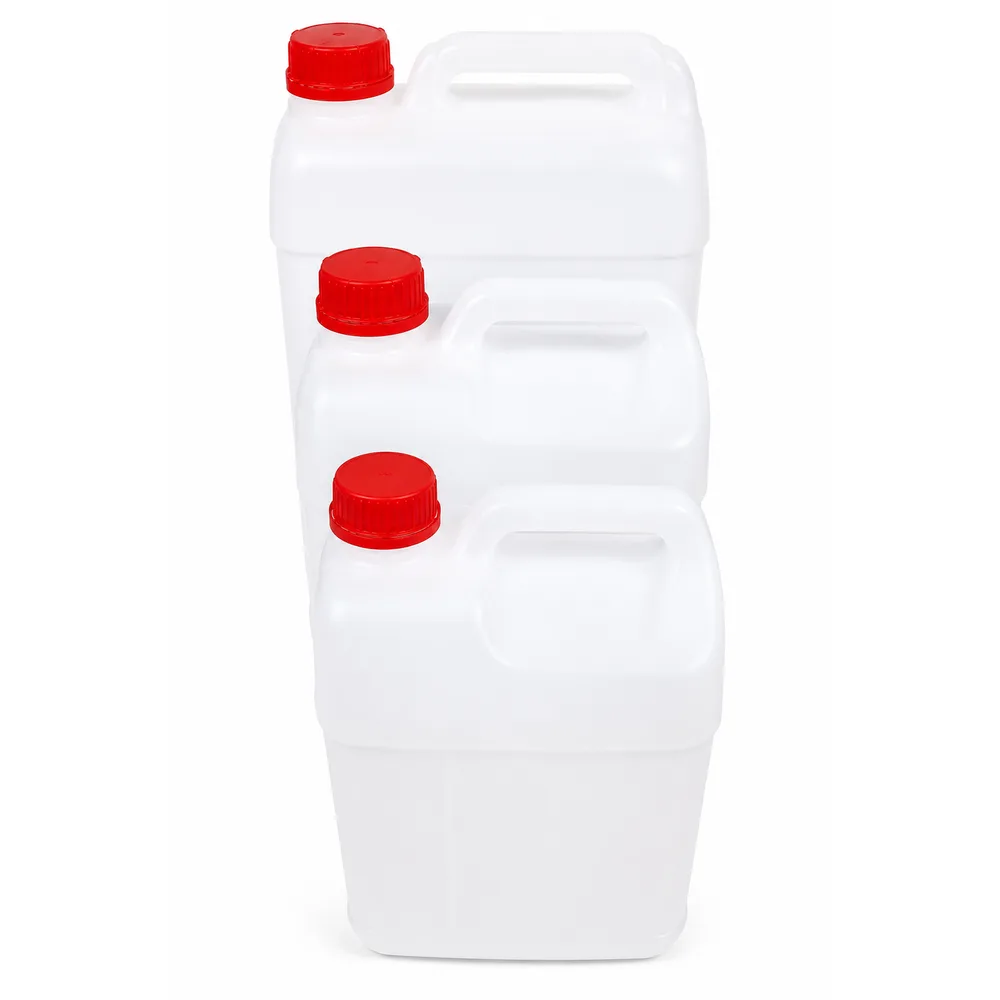
Natural HDPE for food, beverage and potable applications, with the wetted path specified for food contact rather than assumed.
Stainless for a can you keep, clean and refill for years; food-grade HDPE where the can ships with the product. Weights are empty, and container counts are unpalletised.
| Product | Capacity | Material | Empty weight | External size | Per carton | Per 20ft | Per 40ft HC |
|---|---|---|---|---|---|---|---|
| 5L Stainless Steel Water Can | 5 litres | AISI 304 stainless steel, food grade | ~1.9 kg | 40.7 × 24.3 × 14.2 cm | 8 | 1,589 | 3,631 |
| 10L Stainless Steel Water Can | 10 litres | AISI 304 stainless steel, food grade | ~2.8 kg | 35.2 × 18 × 29 cm | 4 | 1,300 | 2,964 |
| 20L Stainless Steel Water Can | 20 litres | AISI 304 stainless steel, food grade | ~3.8 kg | 35.2 × 18 × 47.5 cm | 4 | 852 | 2,000 |
| 20L Stainless Dispensing Can with Tap | 20 litres | Stainless steel | ~3.8 kg | 35.2 × 18 × 47.5 cm | 4 | On request | On request |
| 20L NATO Steel Water Can | 20 litres | Pressed steel with potable-water interior specification | ~2.6 kg | 34 × 16 × 46 cm | 4 | 900 | 2,100 |
| Food-Grade HDPE Jerrycan | 5, 10, 20, 25 and 30 litres | Natural HDPE, food-contact grade | On request | On request | On request | On request | On request |
Figures come from the current production specification. Confirm against the drawing issued with your order. Choosing a material? Read stainless steel vs plastic water containers.
Stainless: the mill certificate for the AISI 304 grade, which states the composition food-contact rules assess. HDPE: a declaration of compliance under EU Regulation 10/2011, or resin compliance with FDA 21 CFR 177.1520 for the US. Tell us your market and we confirm what we hold for your run. See food-contact certification.
Minimum order is quoted per model and customisation. Approximately one month for a standard production run; samples in 7–15 days. Confirmed against your specification at quotation.
Order samples of the sizes and finish you want to test. We laser etch or emboss your mark and powder coat the stainless cans in your colour. See private label and OEM manufacturing.
Yes. The 5, 10 and 20 litre cans are AISI 304 stainless steel across the wetted path, with no liner or coating to chip or leach. The document that proves the grade is the mill certificate for the steel. Tell us your market and we confirm the food-contact paperwork we hold for your run before you order.
852 of the 20 litre cans fit a 20ft container and 2,000 a 40ft high cube. The 10 litre can loads 1,300 and 2,964, and the 5 litre 1,589 and 3,631. The counts are unpalletised, from the factory specification.
We quote the minimum order per model and customisation, because a plain stainless can and a powder-coated, laser-etched private-label run set different minimums. Send your target volume and we give you the number for that specification.
Yes. Samples take 7 to 15 days, and a standard production run about one month, confirmed against your specification at quotation. Tell us the sizes and finish you want to test and where to send them.
Yes. We laser etch or emboss your mark on the stainless cans and supply them raw or powder coated in your colour. Private-label minimums are quoted with the specification.
No. Drinking water is not a dangerous good, so a water can carries no UN mark. It needs food-contact documentation for the market it is sold in, such as the mill certificate for a stainless grade or a declaration of compliance for a plastic.
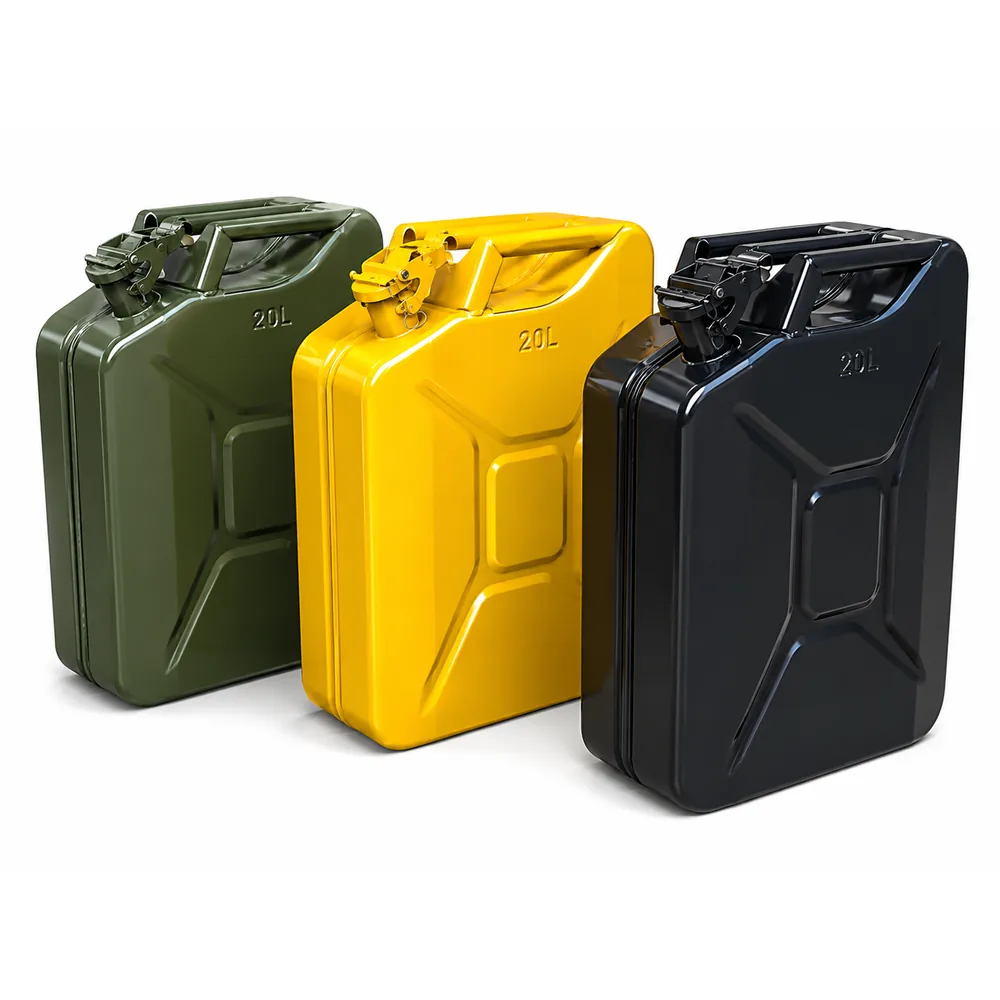
The classic NATO-pattern pressed can. Three handles, stackable profile, and the geometry that fits the carriers, racks and holders already in the field.
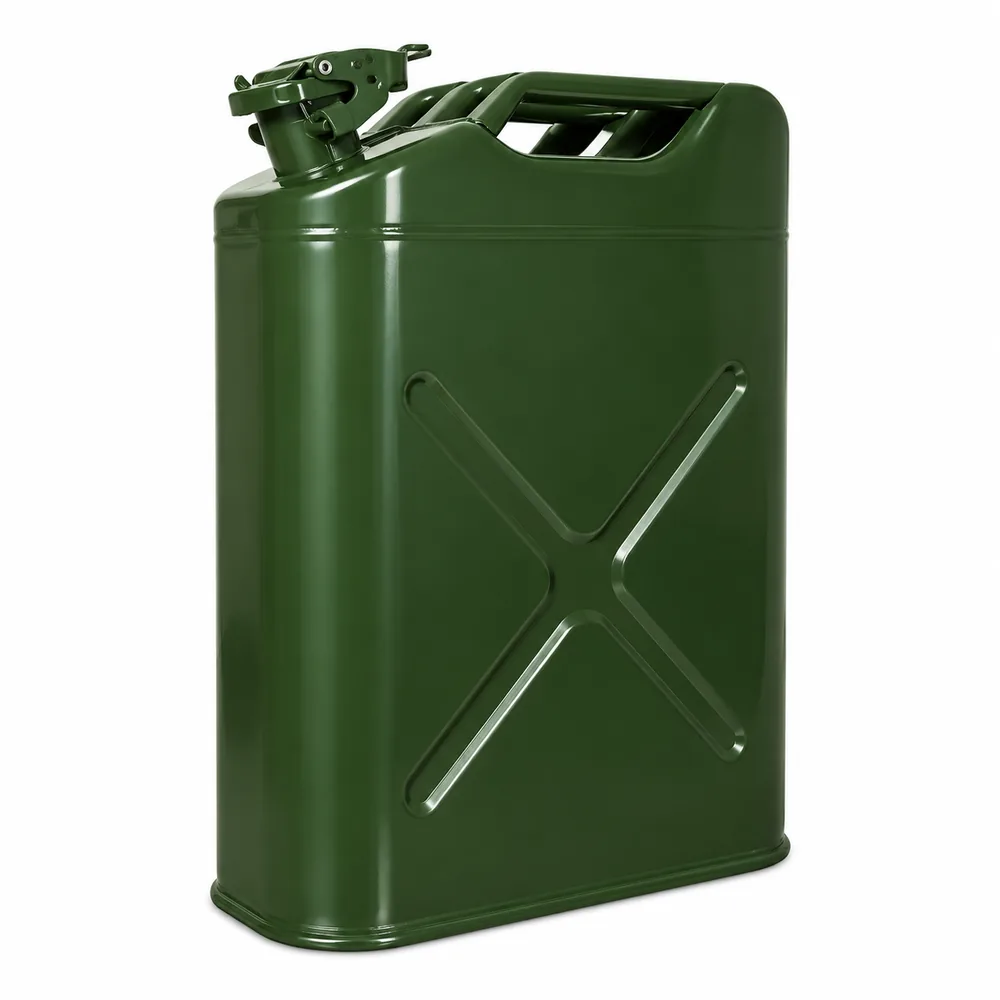
Upright and horizontal steel fuel containers outside the NATO pattern, including tap-fitted tanks, agricultural formats and compact cans.
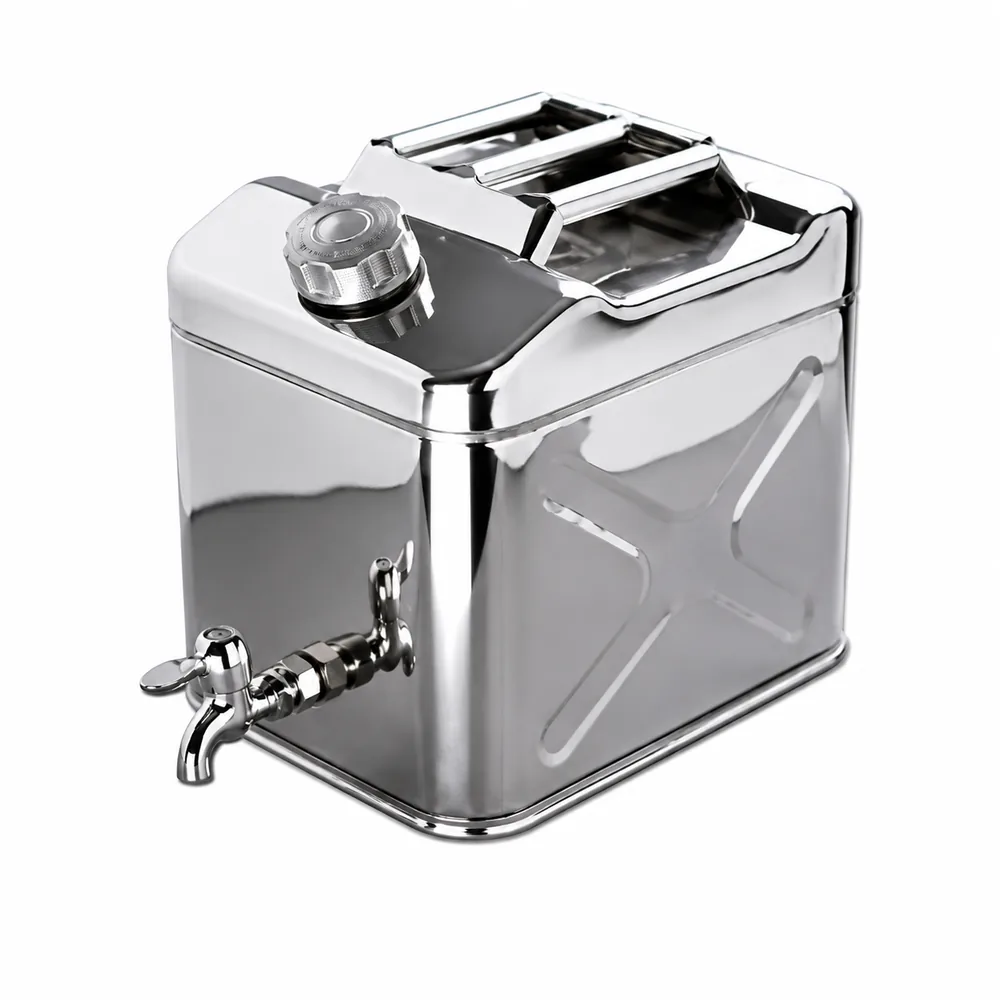
Tap-fitted and upright dispensing cans for lubricants, oils and workshop fluids, where controlled decanting matters more than portability.
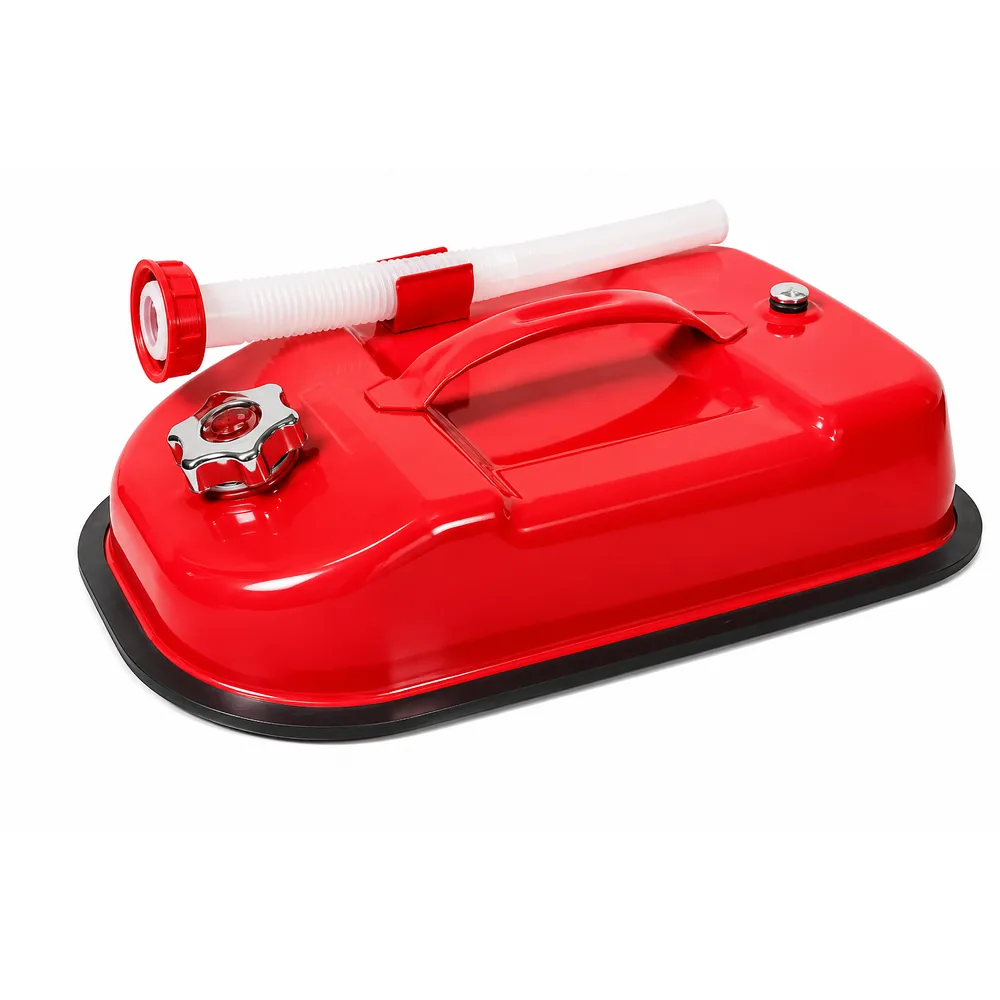
Low-profile horizontal cans in 5, 10 and 20 litre, galvanised or stainless. They slide under a boat seat, into a locker or onto a machine frame where a NATO upright has nowhere to go.
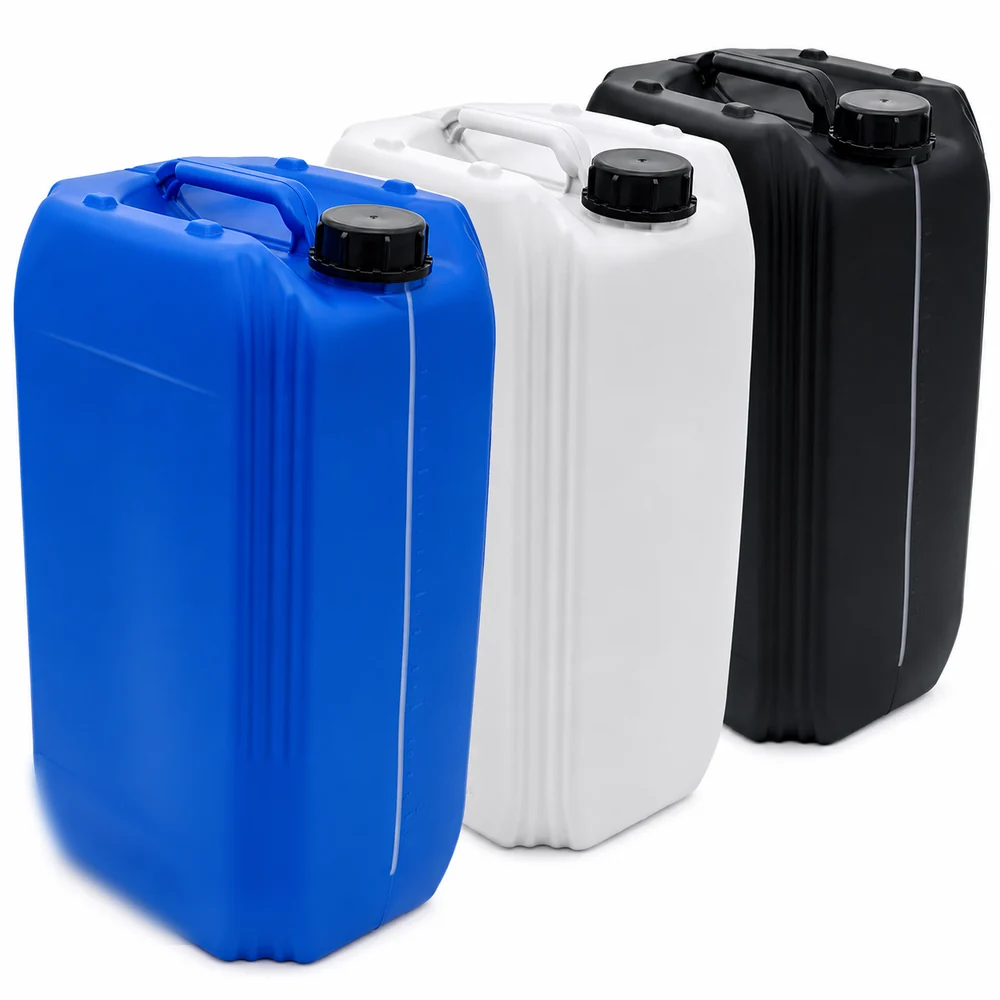
Stackable HDPE jerrycans and dedicated diesel exhaust fluid containers for decanting, distribution and automotive fluids.
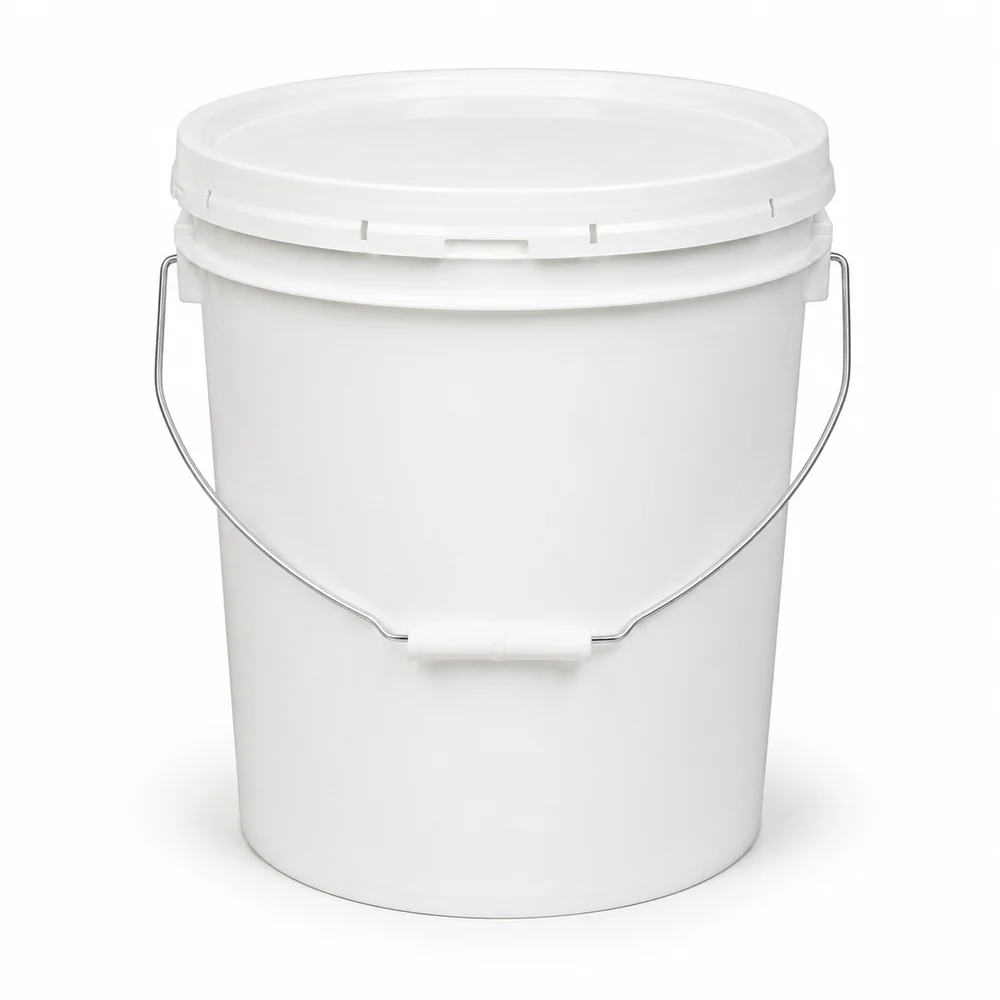
Open-head pails in polypropylene and tinplate steel, 2.5 to 35 litres. Lever-lock rings, flower lids and tamper-evident closures, sized to the pallet rather than to the shelf.
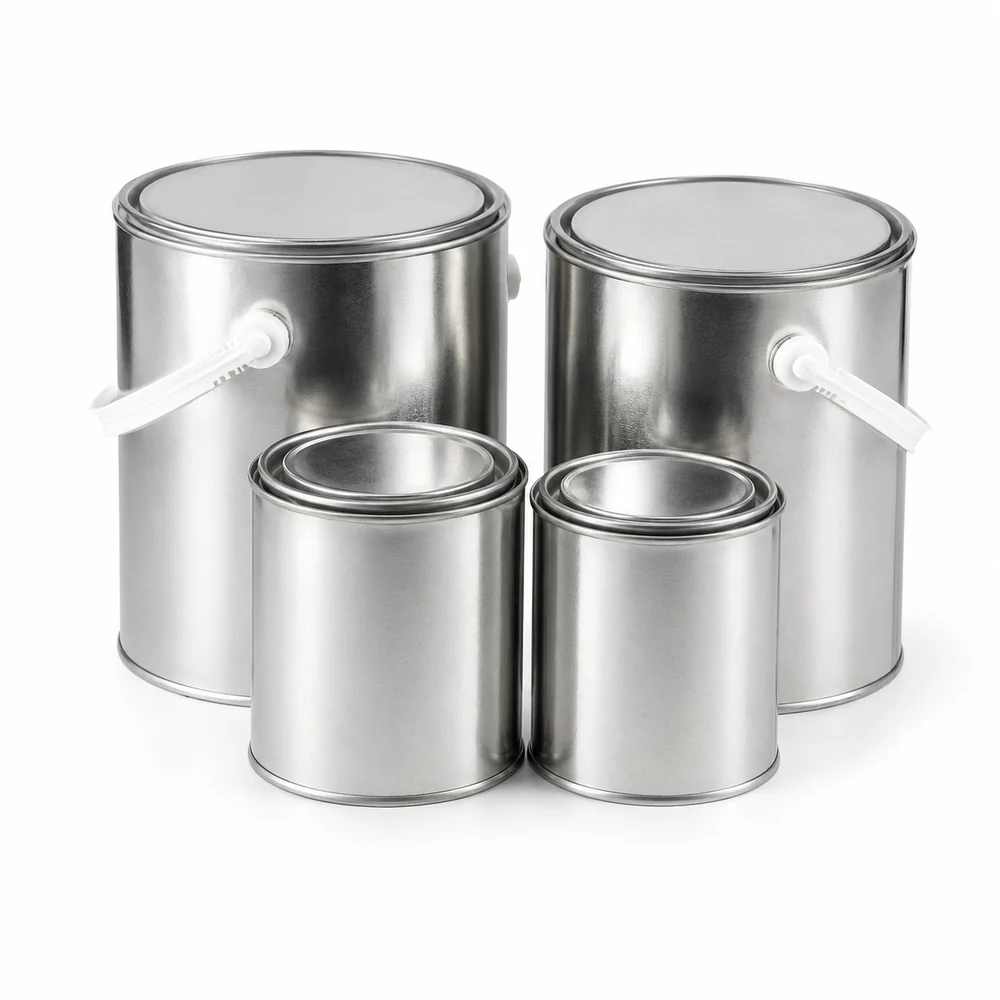
Tinplate cans from 50 ml to 6 litres: round and square bodies, cone tops, and dauber and brush-in-cap cans for adhesives and solvent cements.
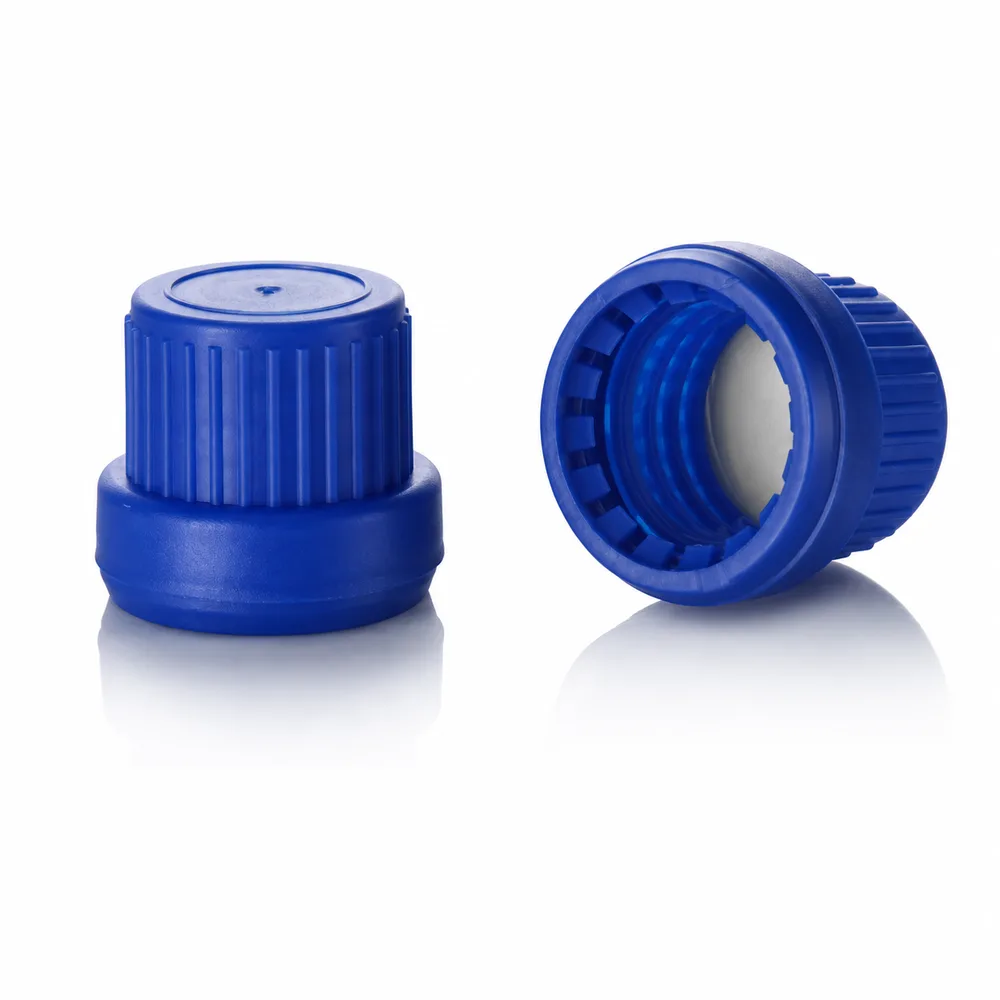
Caps, gaskets, vented and non-vented closures, child-resistant caps and flame arresters. The parts that fail first and cost least to replace.
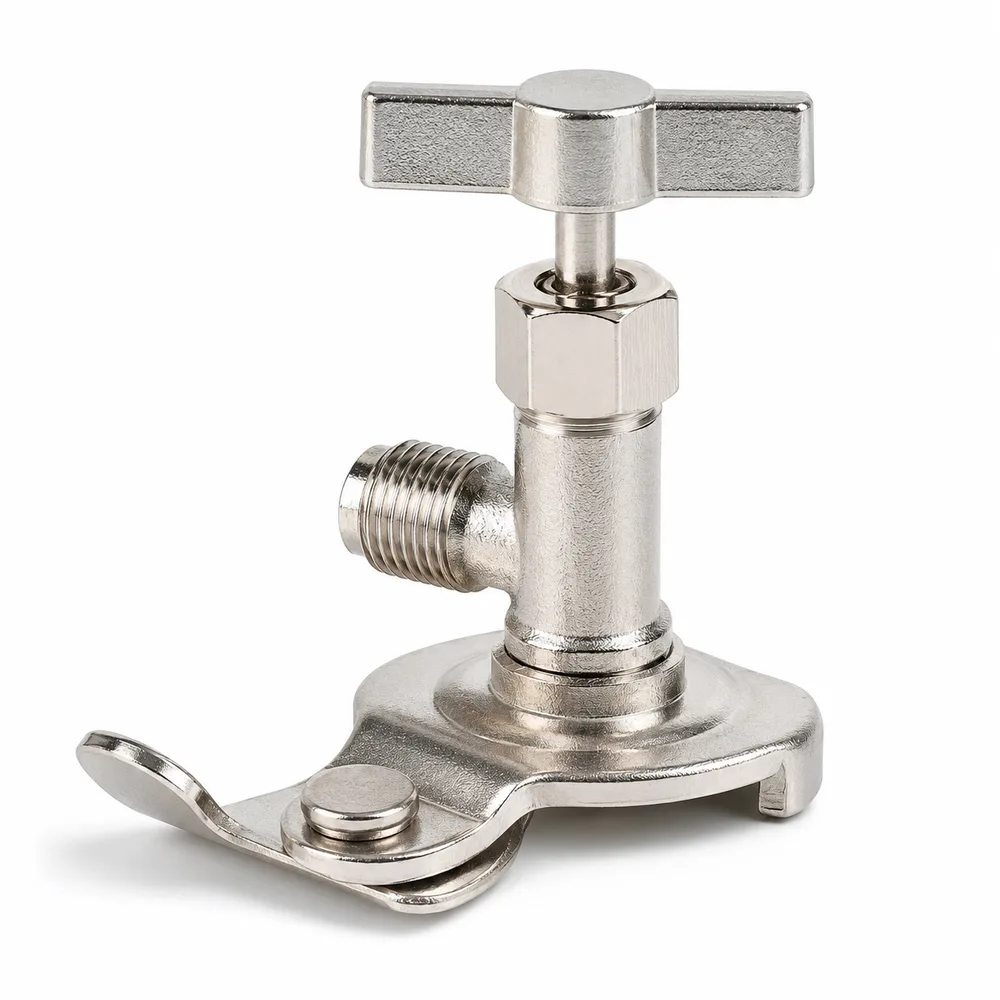
Pouring spouts, taps, dispensing valves and the adapters that bring a drum or an IBC down to a can: the parts that move liquid from one container to the next.
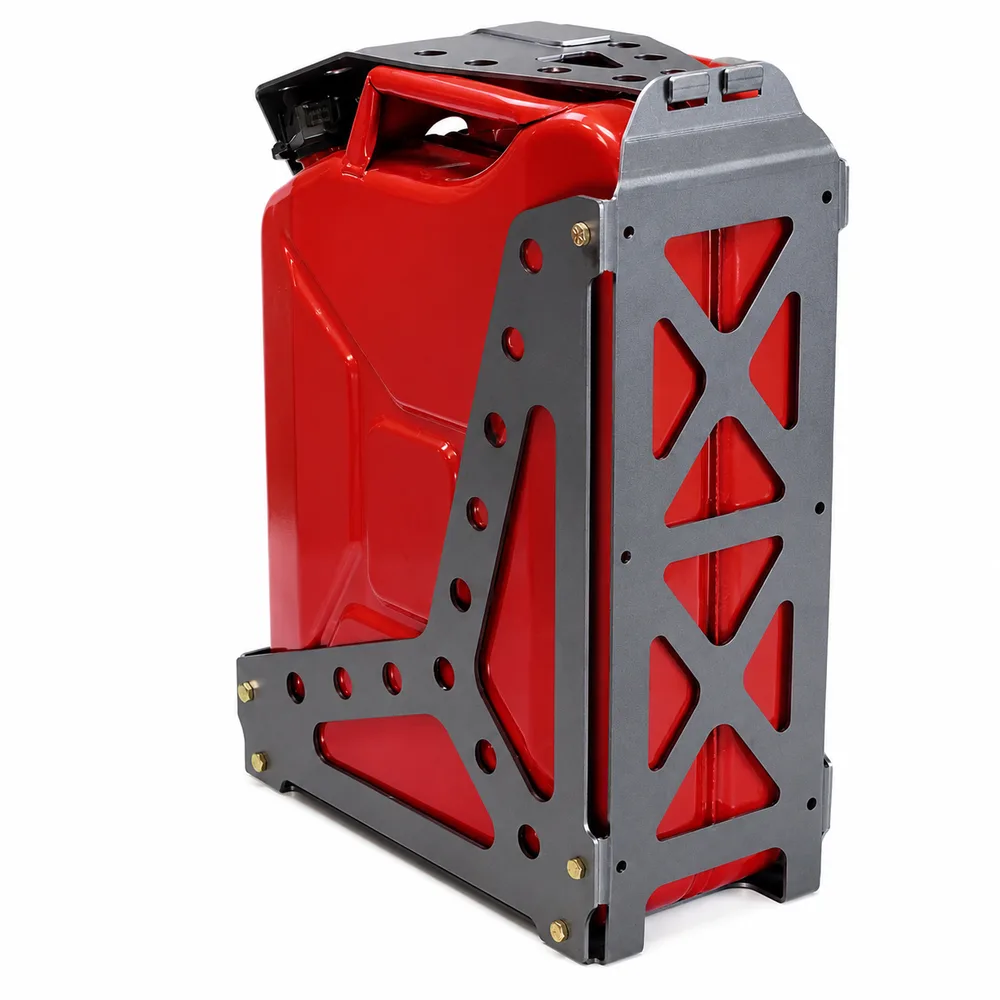
Vehicle holders, brackets and retention for cans, and the ramps, cradles and dollies that move a 200 litre drum without anyone lifting it.
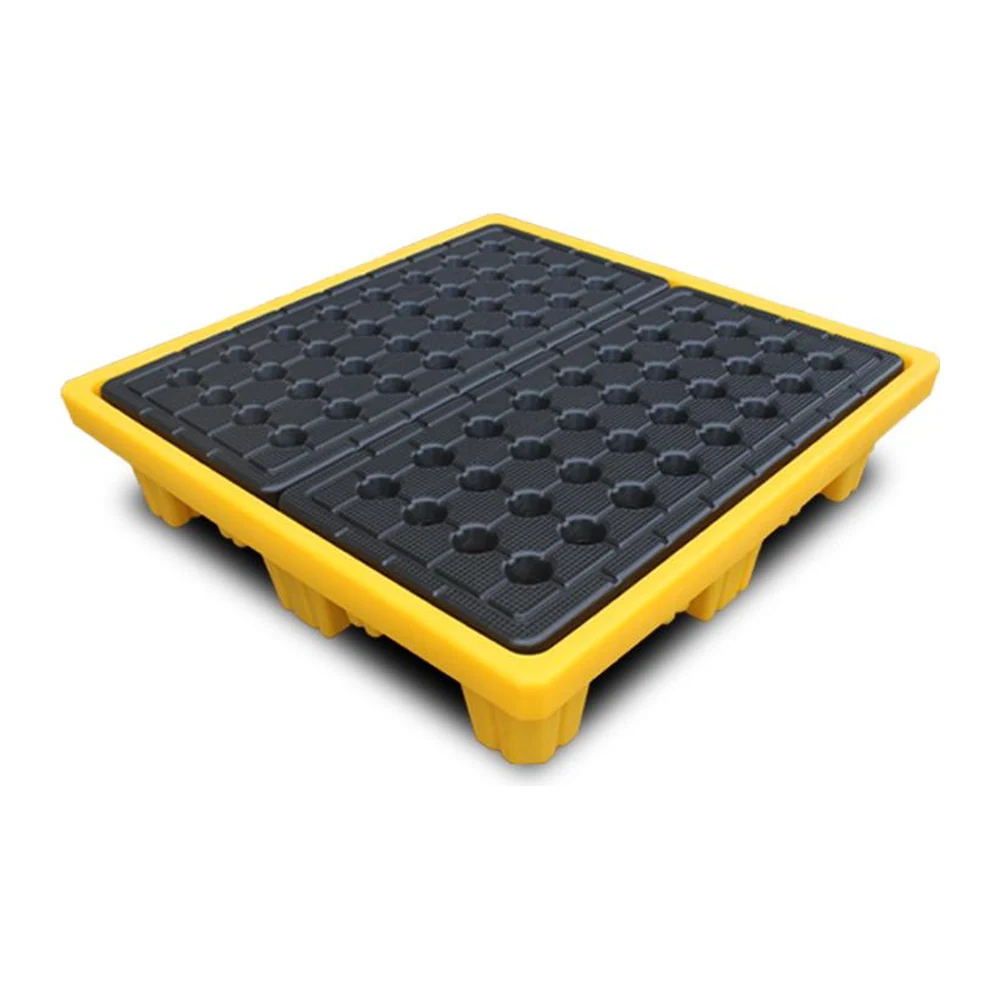
Spill decks, drum and IBC pallets, steel bunds, bench and drip trays, salvage drums and emergency eyewash: the containment that sits under the containers.
Tell us the sizes, the finish, your destination market and your volumes. Samples take 7 to 15 days.