Industrial
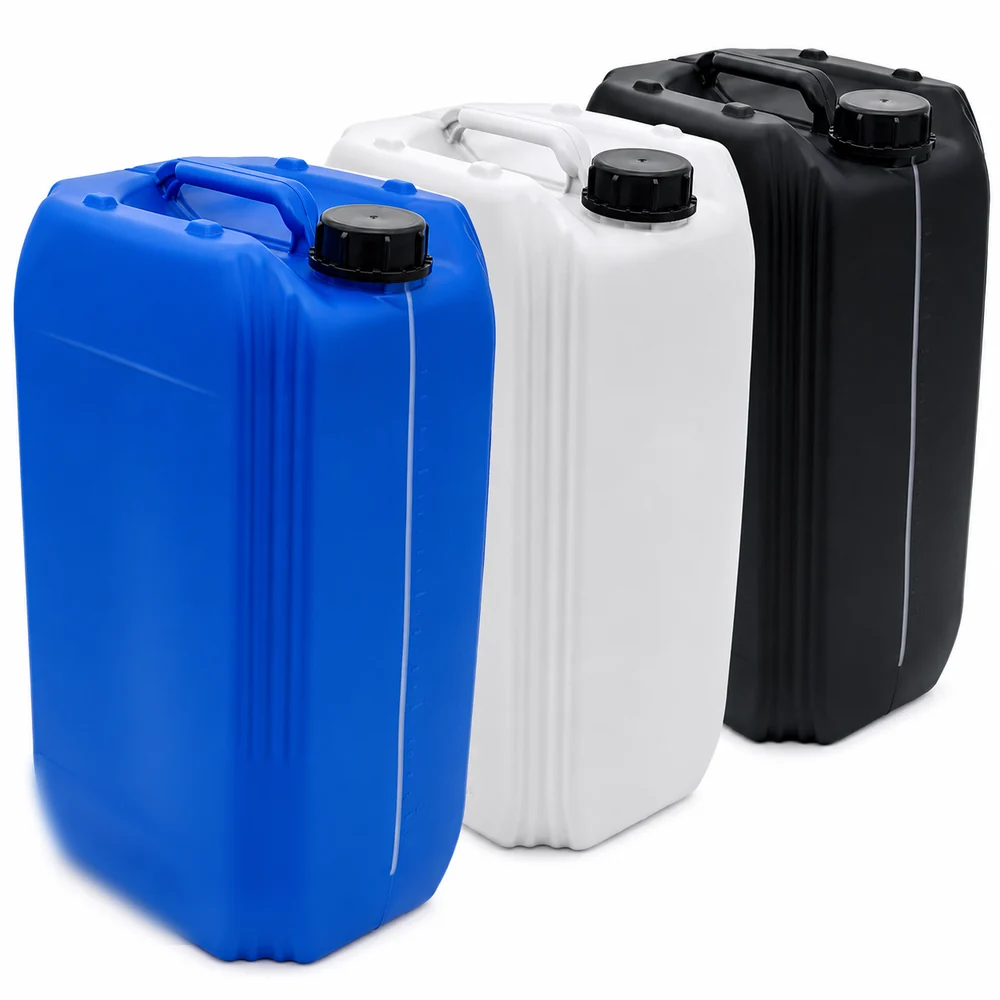
25L Stackable Plastic Jerrycan
F21-IP-25L-ring stackable HDPE jerrycan, 25 litres, natural. The industrial workhorse for decanting, storage and distribution.

UN-rated HDPE at pallet volume
HDPE tolerates a wide chemical range, the L-ring geometry stacks under load, and the square footprint fills a pallet without wasted deck space. DEF sits here too, because it is a contamination-sensitive fluid with its own container convention rather than a general-purpose liquid.
Before you order: UN ratings are specific to contents, packing group and fill weight. A rating does not transfer automatically to your product.
Guides for buyers: HDPE propertiesHDPE grades and fluorinationHDPE vs other plasticsChemical storage best practiceSPCC rule explainedIATA and IMDG basicsChemical compatibilityPacking groups explainedDEF and AdBlue containersUN specification packagingUN numbers explainedADR transport categories
L-ring stackable HDPE jerrycan, 25 litres, natural. The industrial workhorse for decanting, storage and distribution.
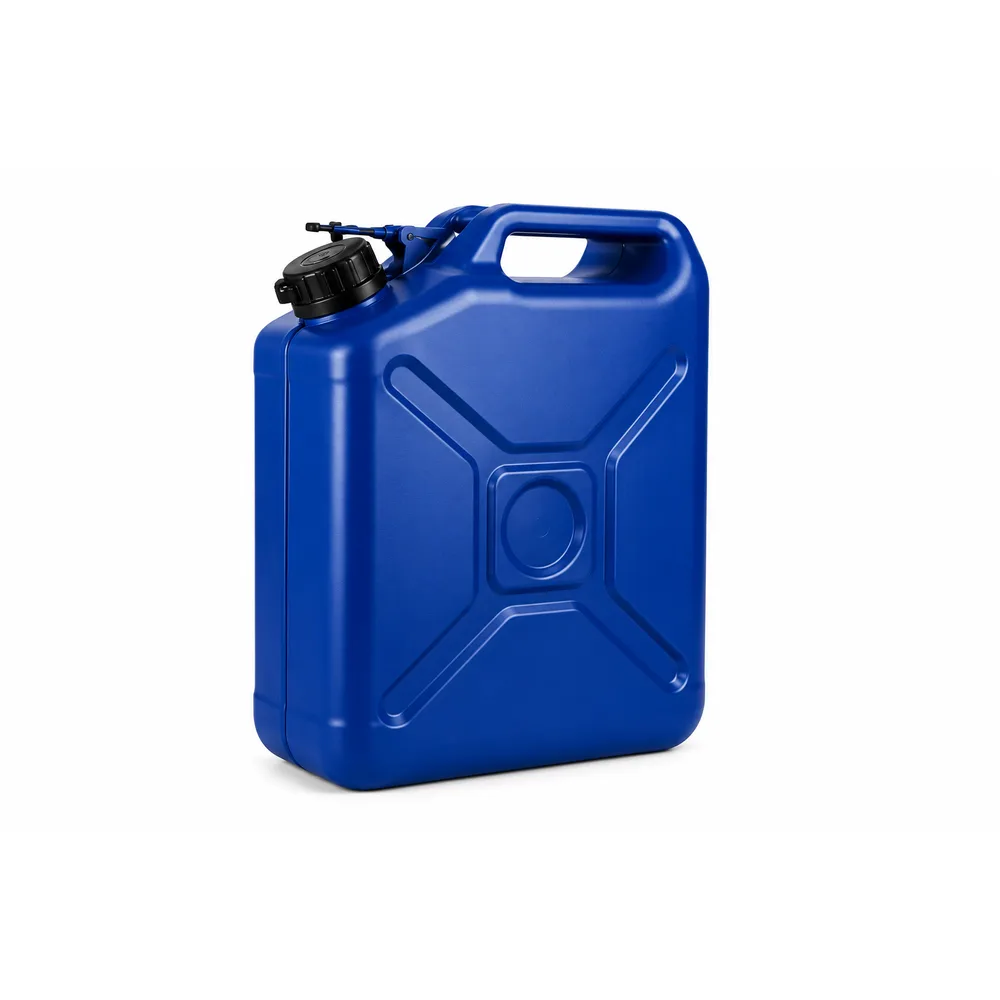
Empty HDPE cans for diesel exhaust fluid, 10 and 20 litre, blue cap, with a misfueling-resistant spout. Packed by the carton.
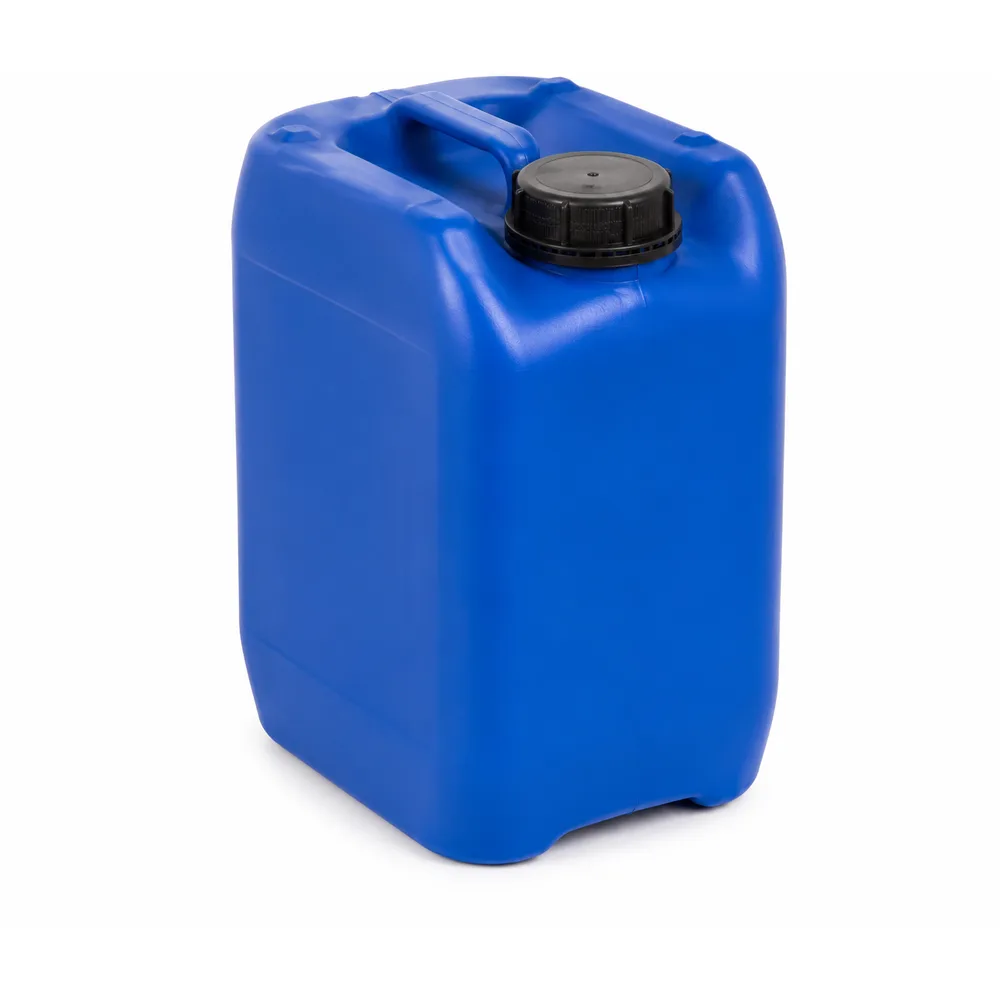
Barrier-treated HDPE for solvents, agrochemicals and hydrocarbons. The fluorinated interior stops permeation and the panelling that follows it.
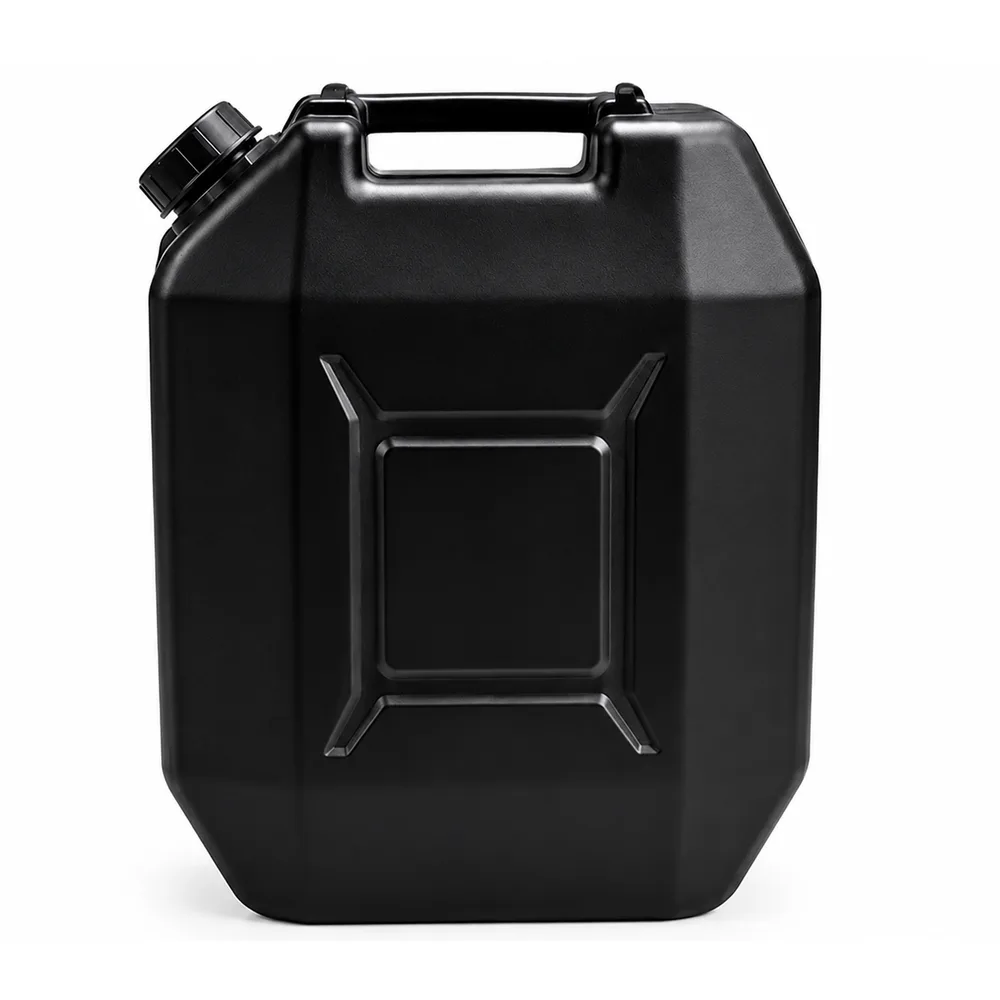
Carbon-loaded conductive HDPE for flammable liquids, where static build-up on an insulating wall is the hazard.
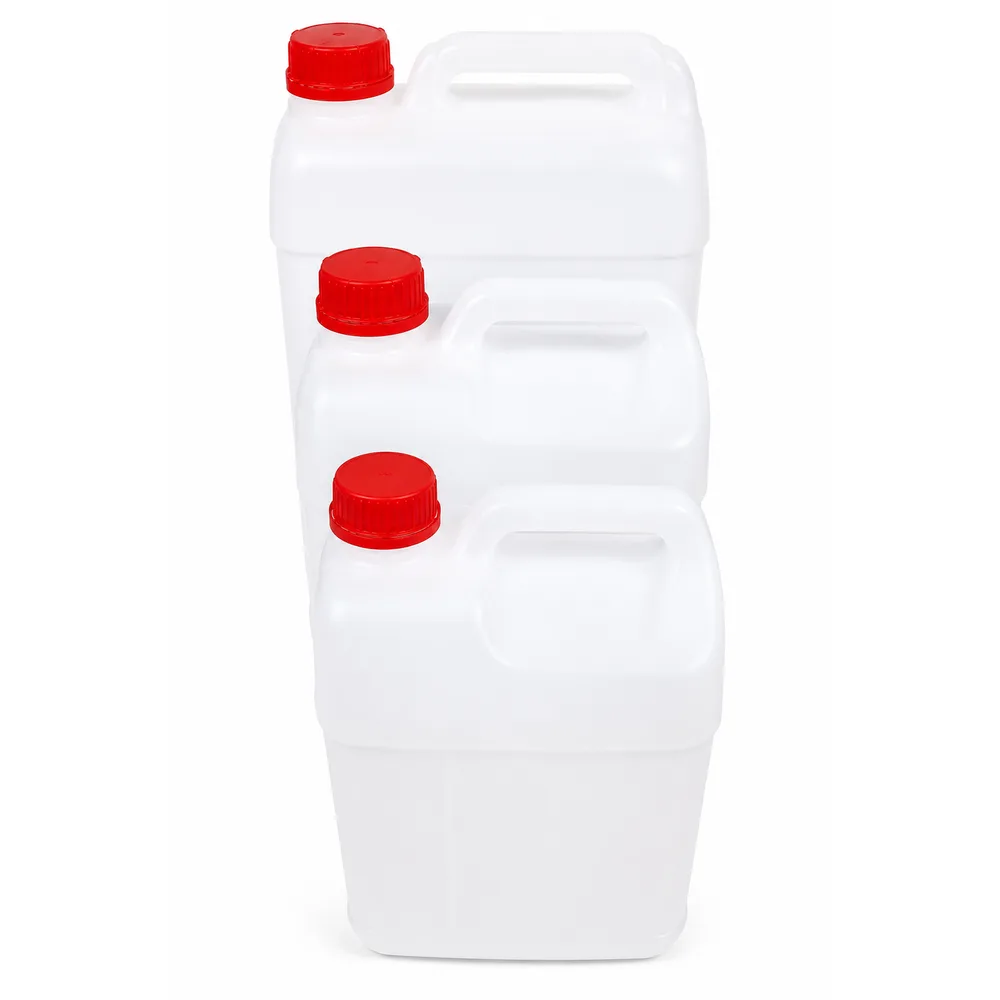
Natural HDPE for food, beverage and potable applications, with the wetted path specified for food contact rather than assumed.
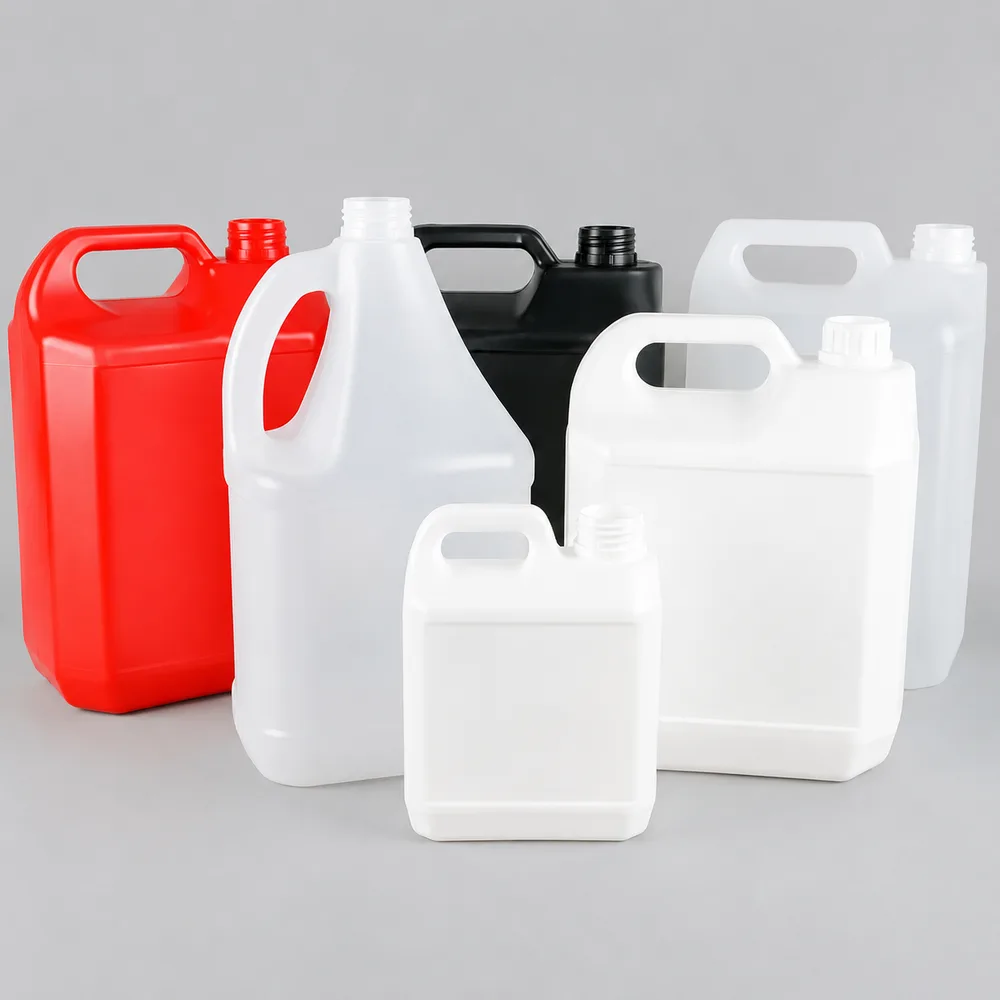
The same stackable body without a dangerous-goods approval, for non-hazardous liquids. Faster to supply and lower in cost.
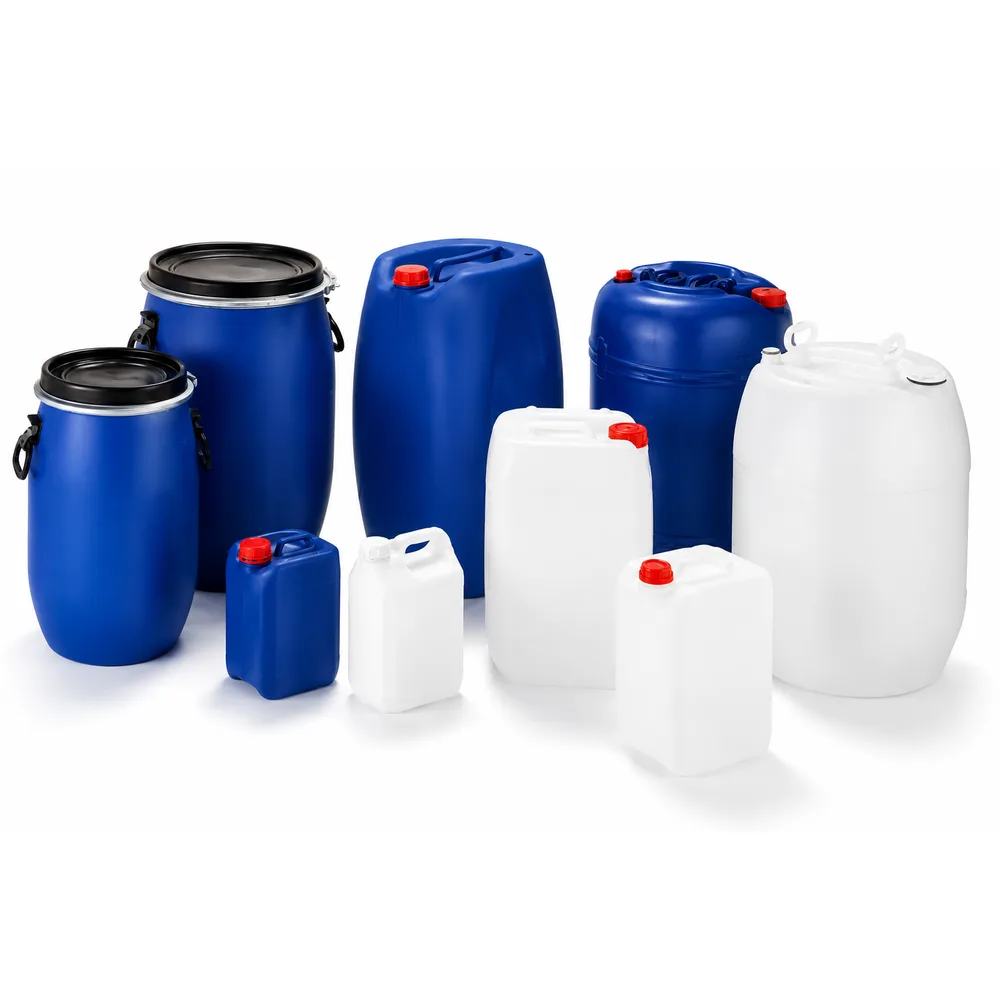
Removable-head HDPE for pastes, powders, gels and viscous product that will not pour through a narrow neck.
A manufacturer. We make HDPE jerrycans at our production bases in Vietnam and China, to one specification managed from Singapore. You deal with the maker, so the drawing, the material and the finish stay the same from the first sample to every repeat order.
Yes. We supply distributors, wholesalers, retailers and own-brand buyers, export packed. The minimum order is quoted per model and customisation, and each product page lists the carton quantity and, where we have it, the container load.
Yes. The marking and colour options depend on the material: laser etching or embossing, RAL powder coat on steel, masterbatch colour in plastic. Own-brand minimums are quoted with the specification.
About one month for a standard production run, with samples in 7 to 15 days, confirmed against your specification at quotation.
The UN-marked designs do. Each ships with the certificate and test report for the exact design you order, and the specification table on each product page shows which designs carry a UN mark.
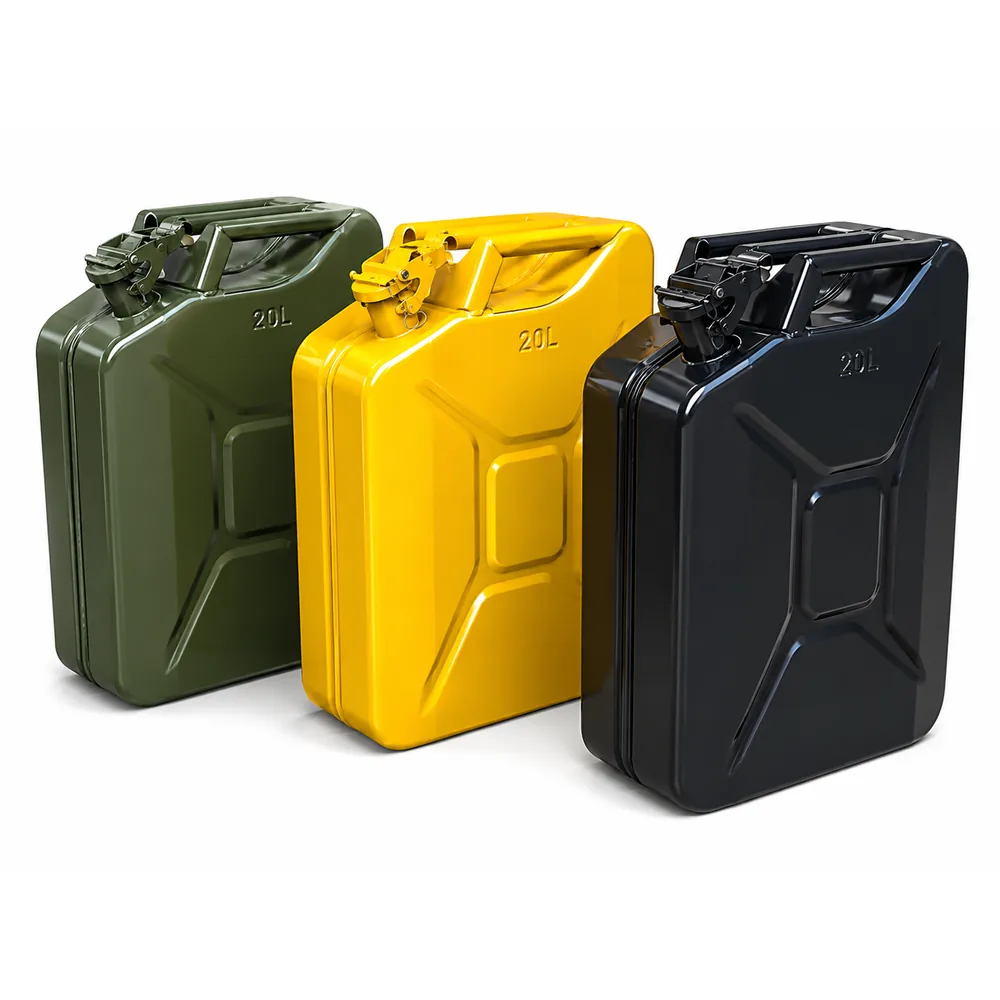
The classic NATO-pattern pressed can. Three handles, stackable profile, and the geometry that fits the carriers, racks and holders already in the field.
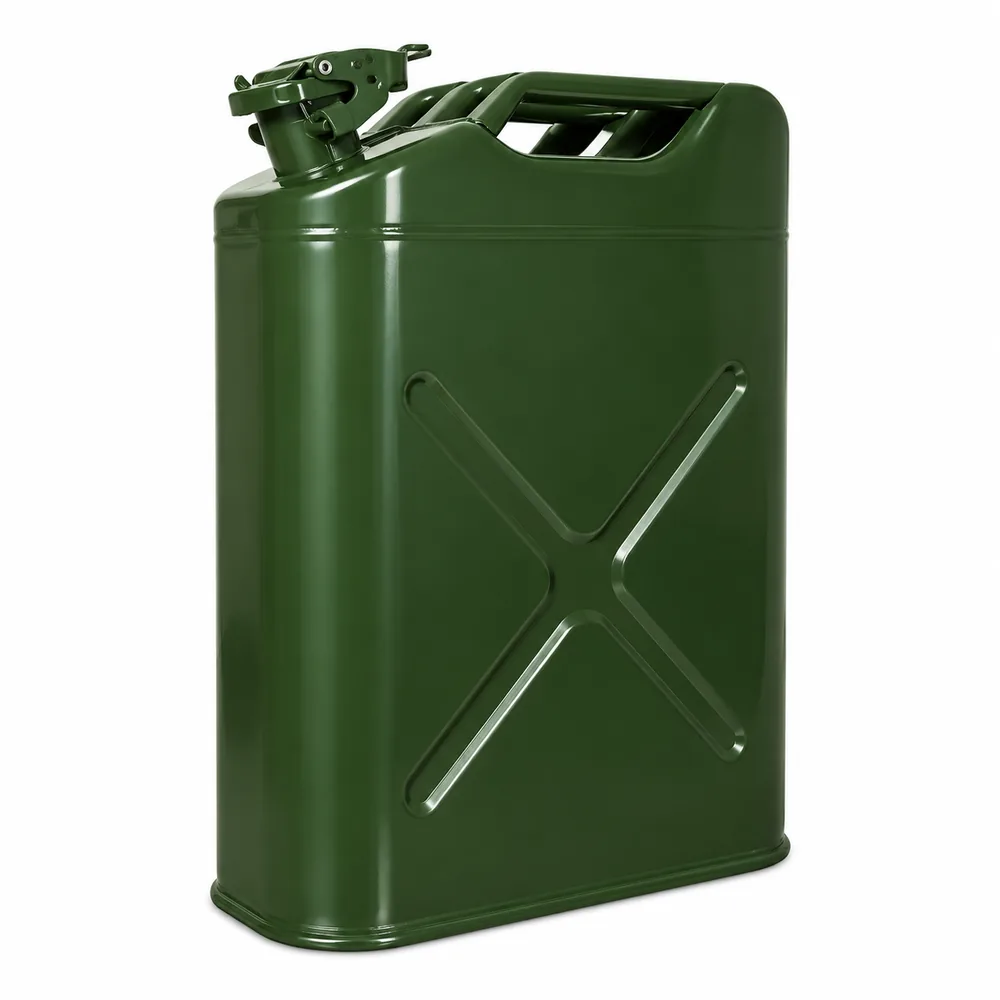
Upright and horizontal steel fuel containers outside the NATO pattern, including tap-fitted tanks, agricultural formats and compact cans.
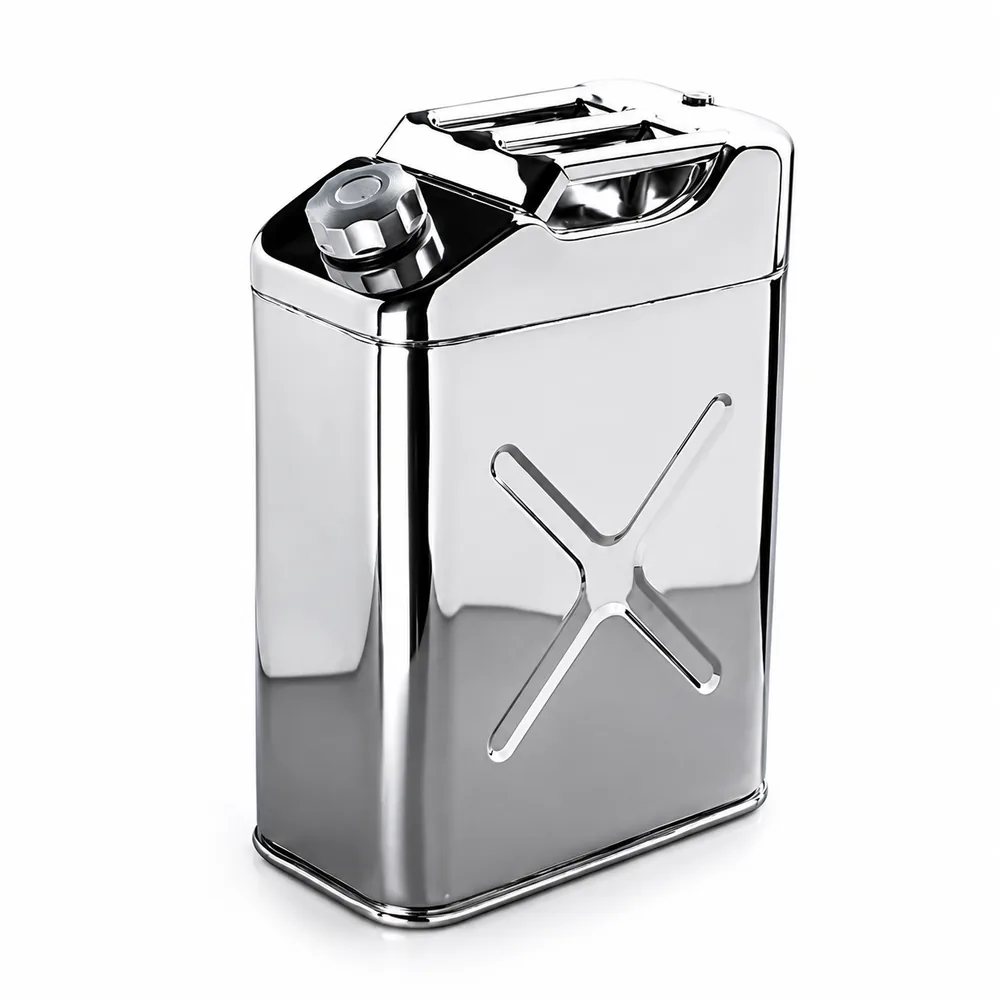
Containers specified for food and potable contact from the first drawing. Stainless where the can is kept and refilled, HDPE where it ships at volume.
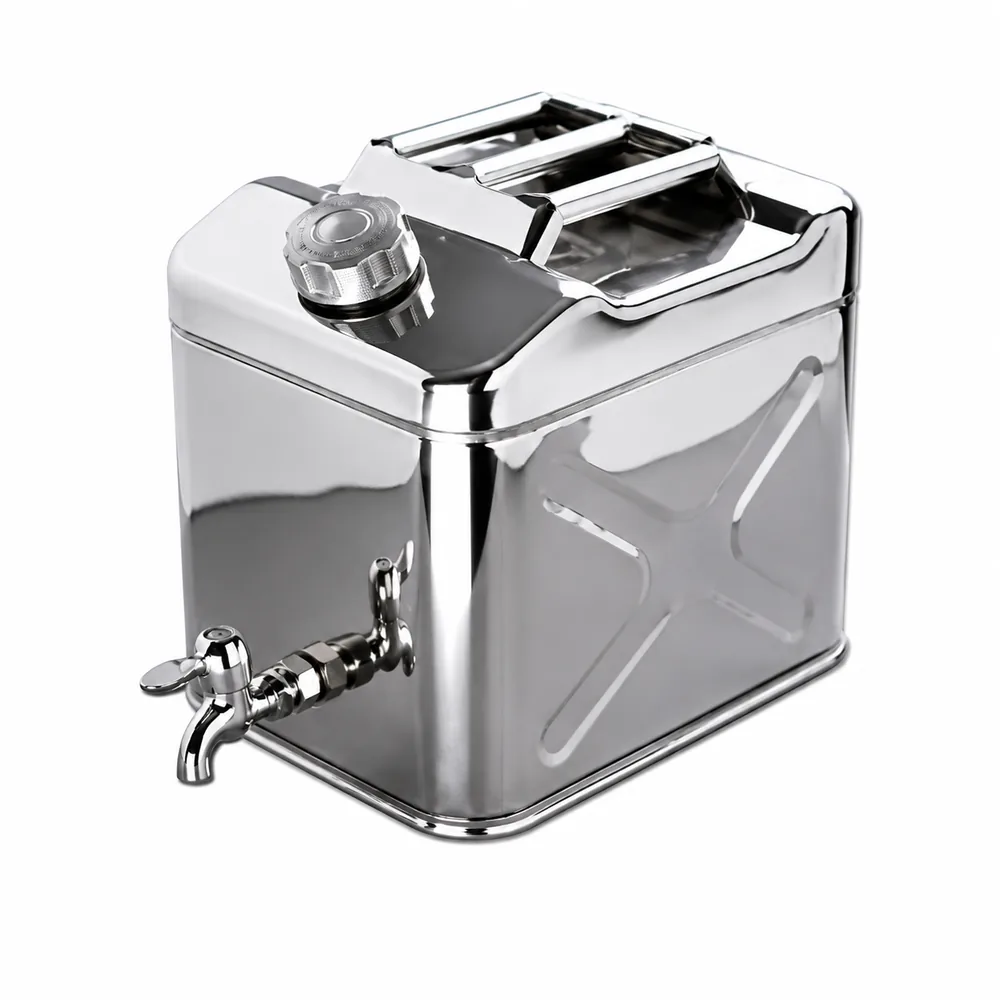
Tap-fitted and upright dispensing cans for lubricants, oils and workshop fluids, where controlled decanting matters more than portability.
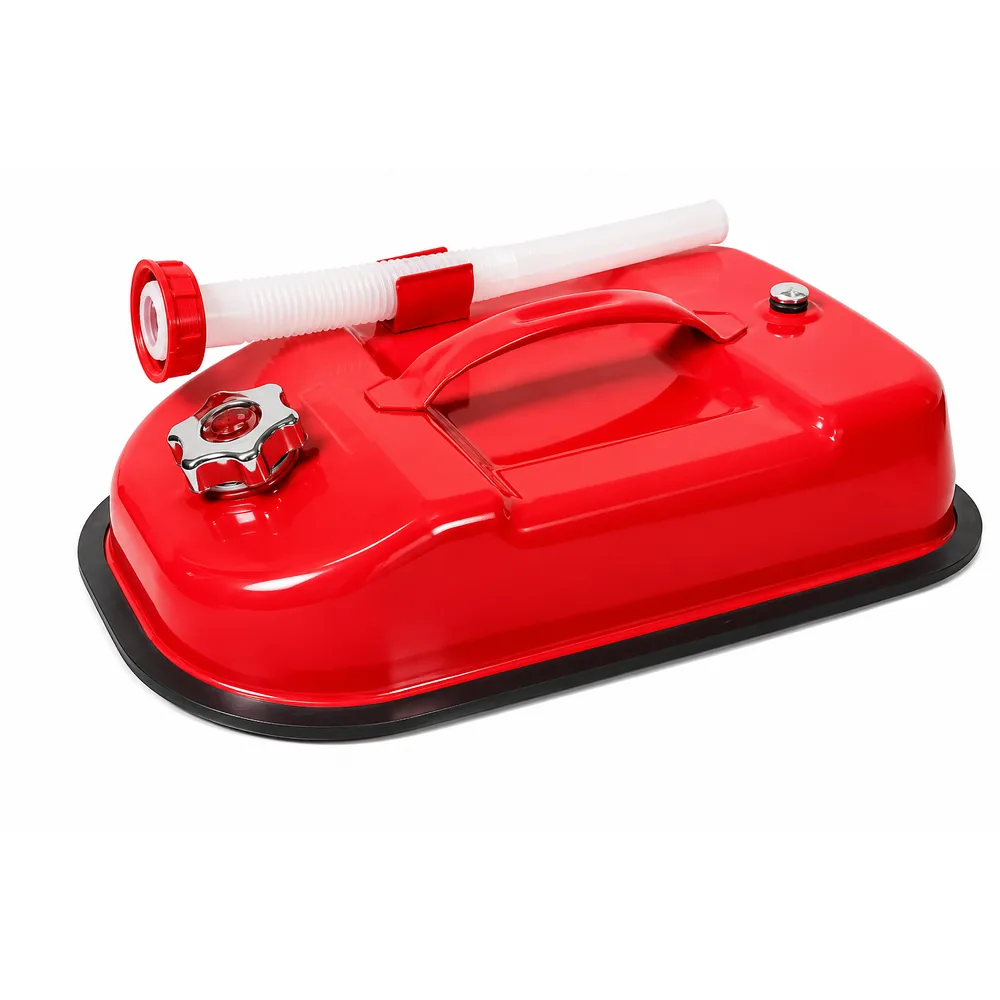
Low-profile horizontal cans in 5, 10 and 20 litre, galvanised or stainless. They slide under a boat seat, into a locker or onto a machine frame where a NATO upright has nowhere to go.
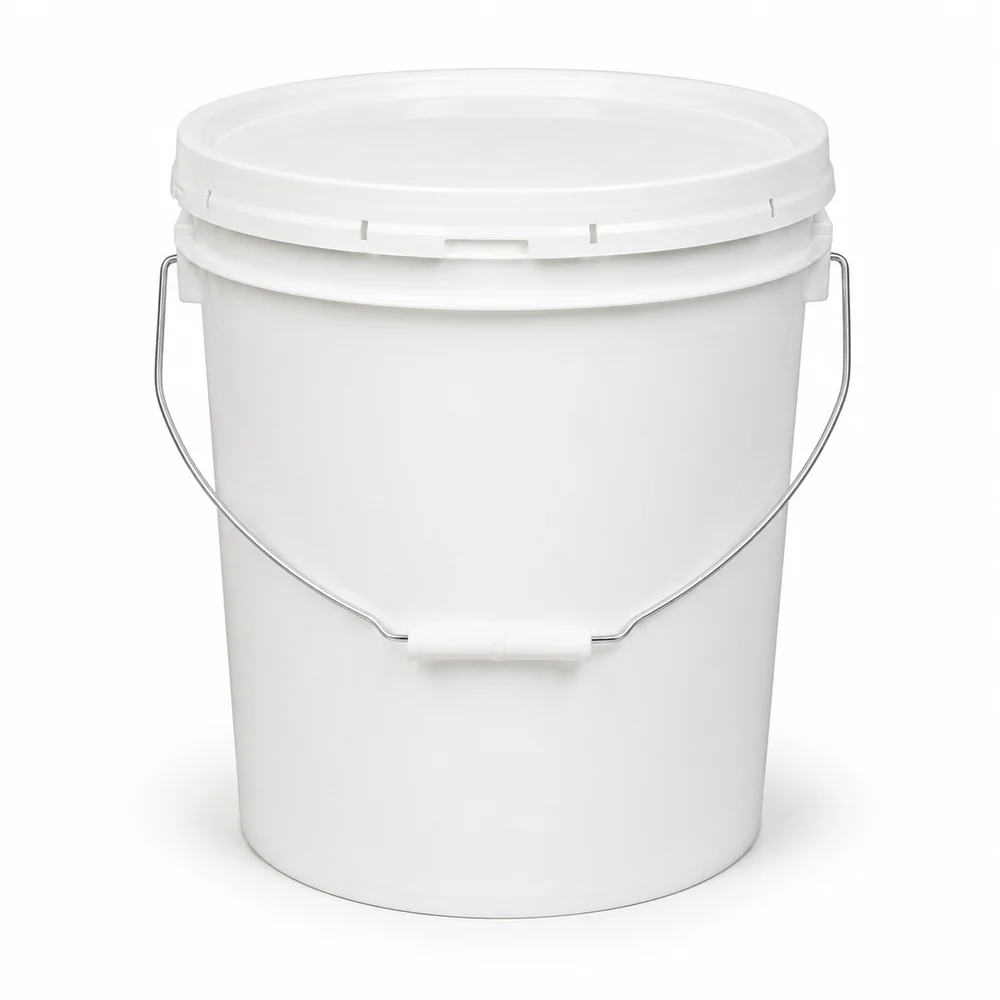
Open-head pails in polypropylene and tinplate steel, 2.5 to 35 litres. Lever-lock rings, flower lids and tamper-evident closures, sized to the pallet rather than to the shelf.
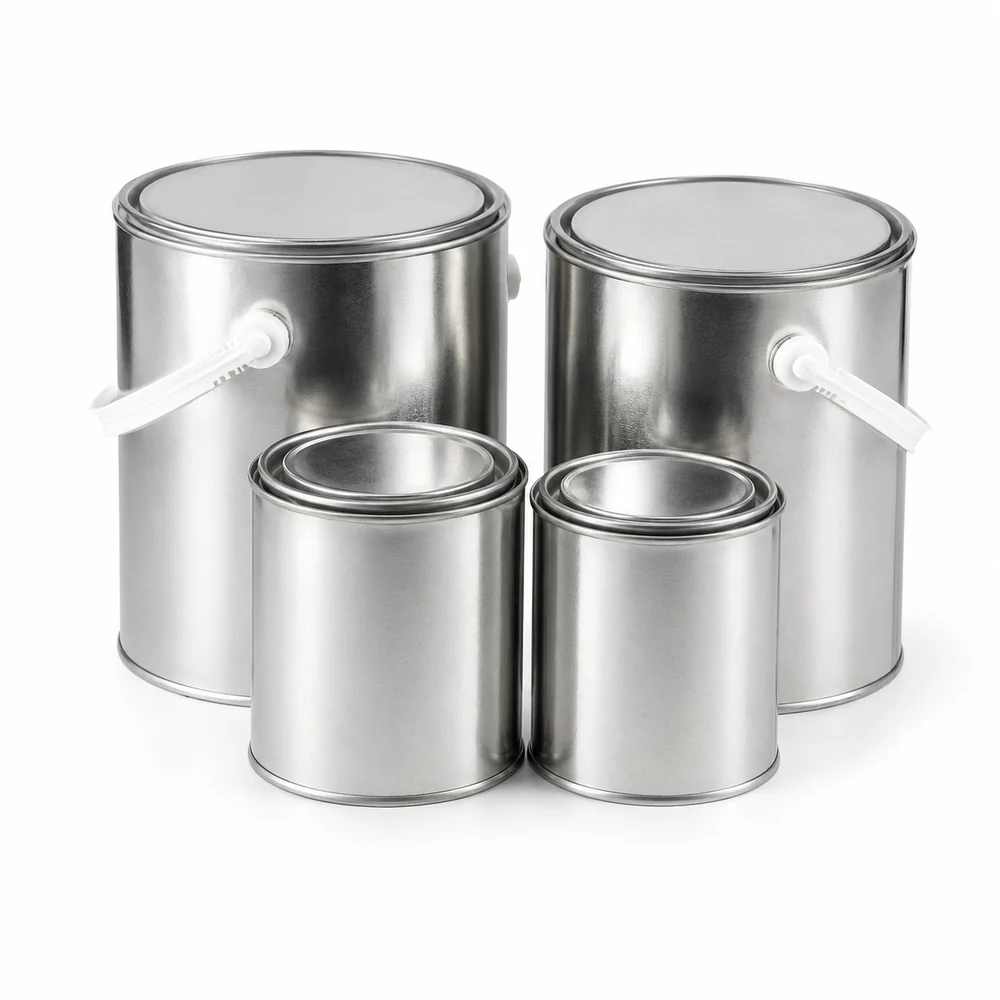
Tinplate cans from 50 ml to 6 litres: round and square bodies, cone tops, and dauber and brush-in-cap cans for adhesives and solvent cements.
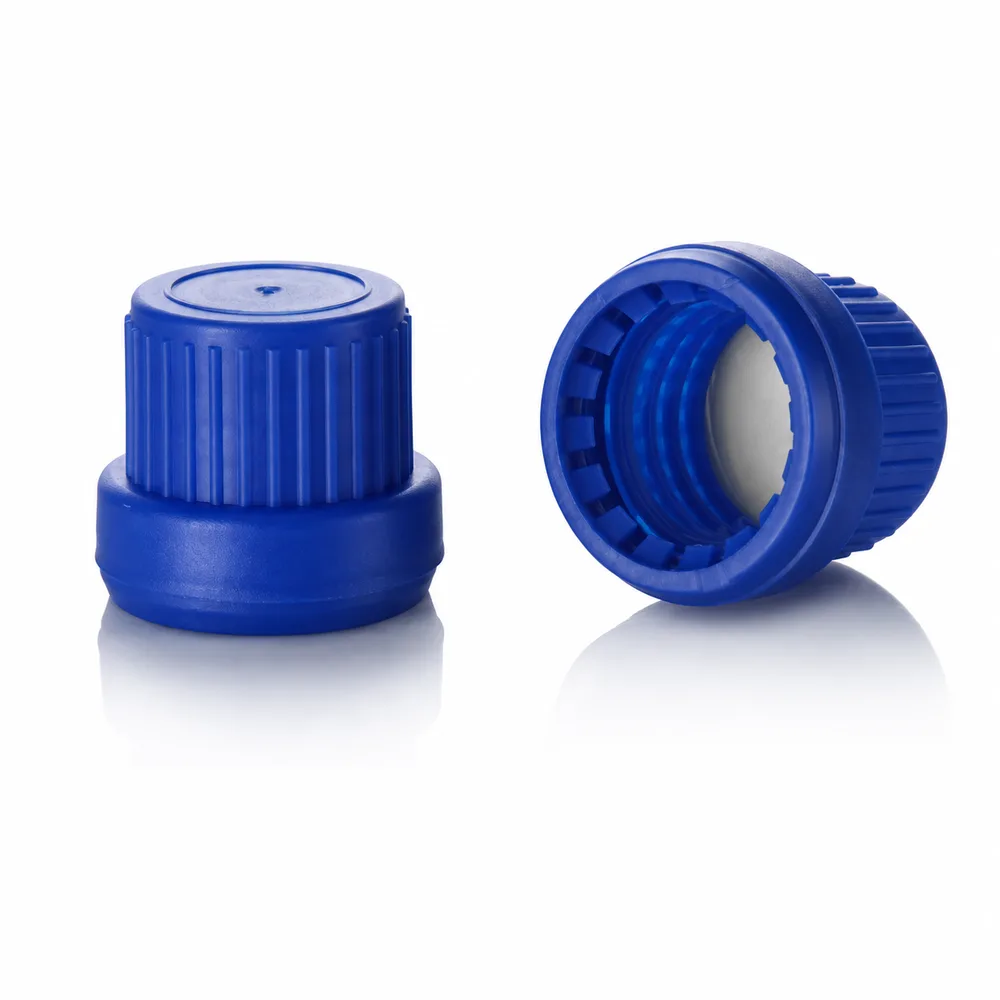
Caps, gaskets, vented and non-vented closures, child-resistant caps and flame arresters. The parts that fail first and cost least to replace.
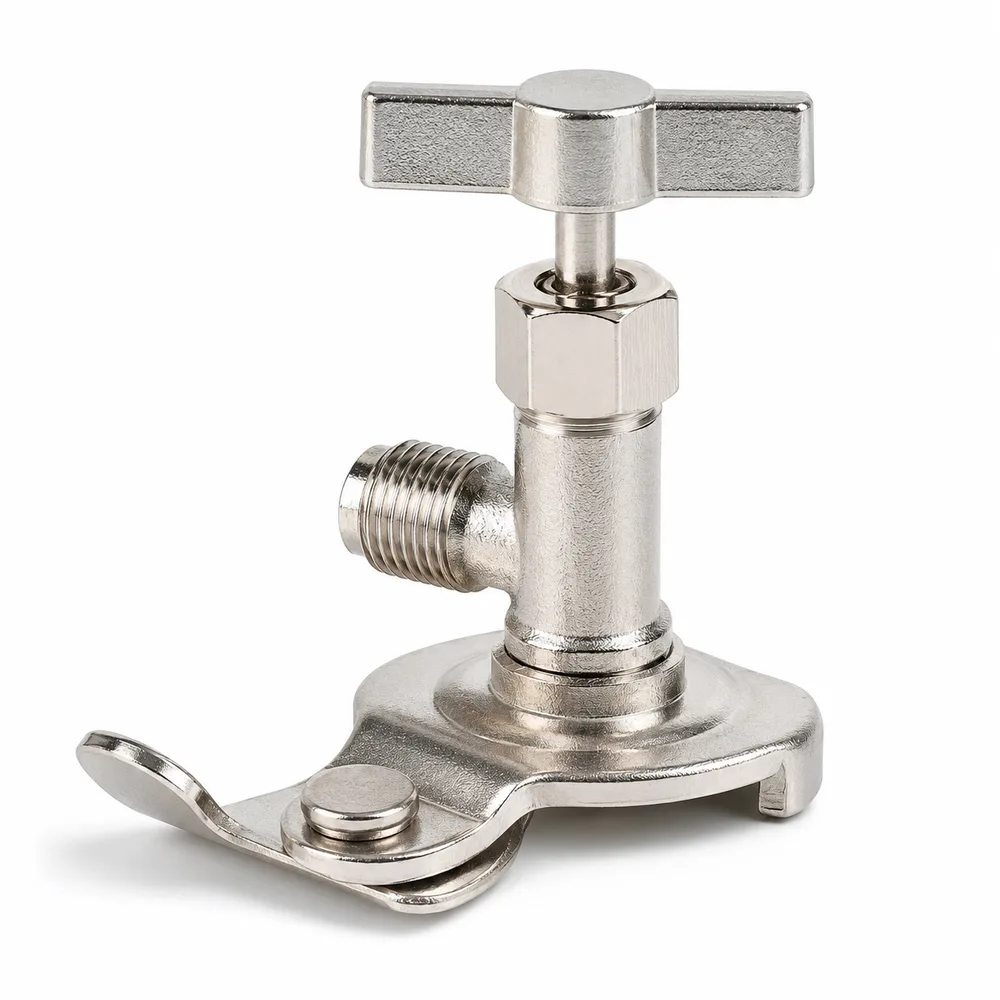
Pouring spouts, taps, dispensing valves and the adapters that bring a drum or an IBC down to a can: the parts that move liquid from one container to the next.
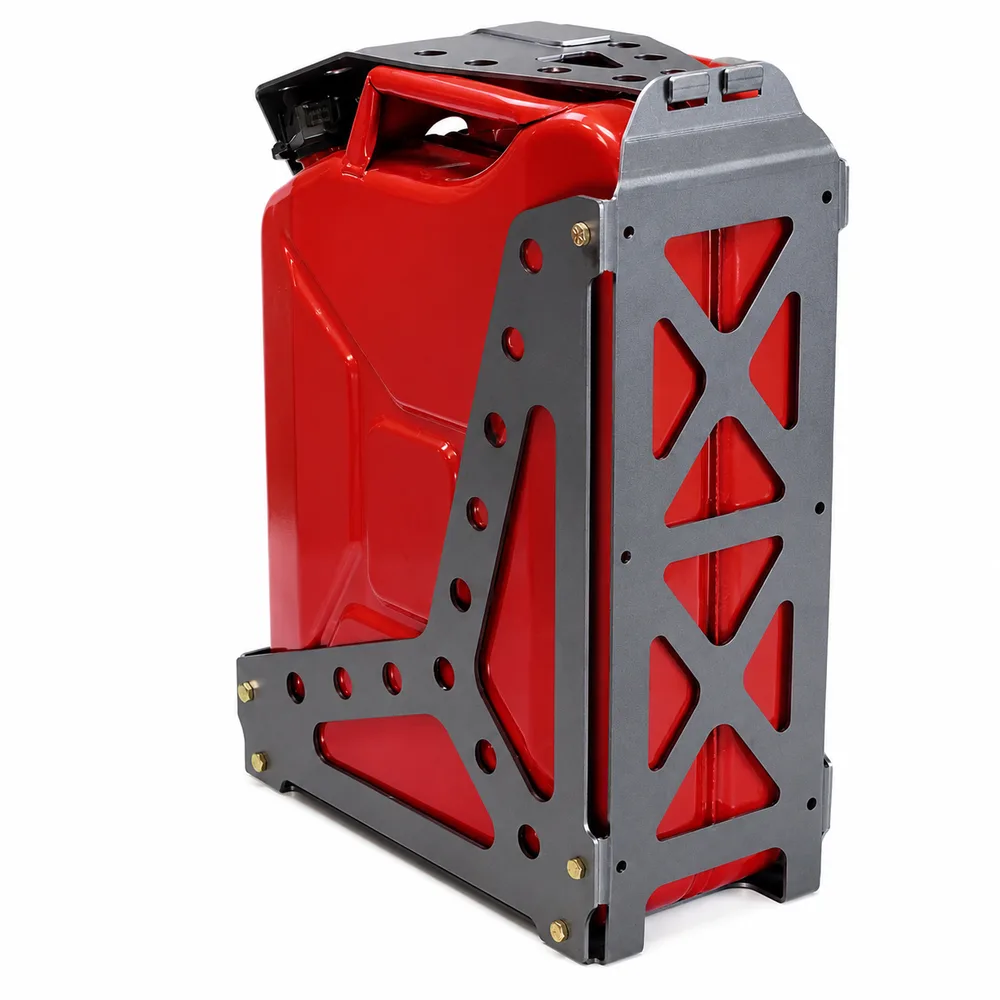
Vehicle holders, brackets and retention for cans, and the ramps, cradles and dollies that move a 200 litre drum without anyone lifting it.
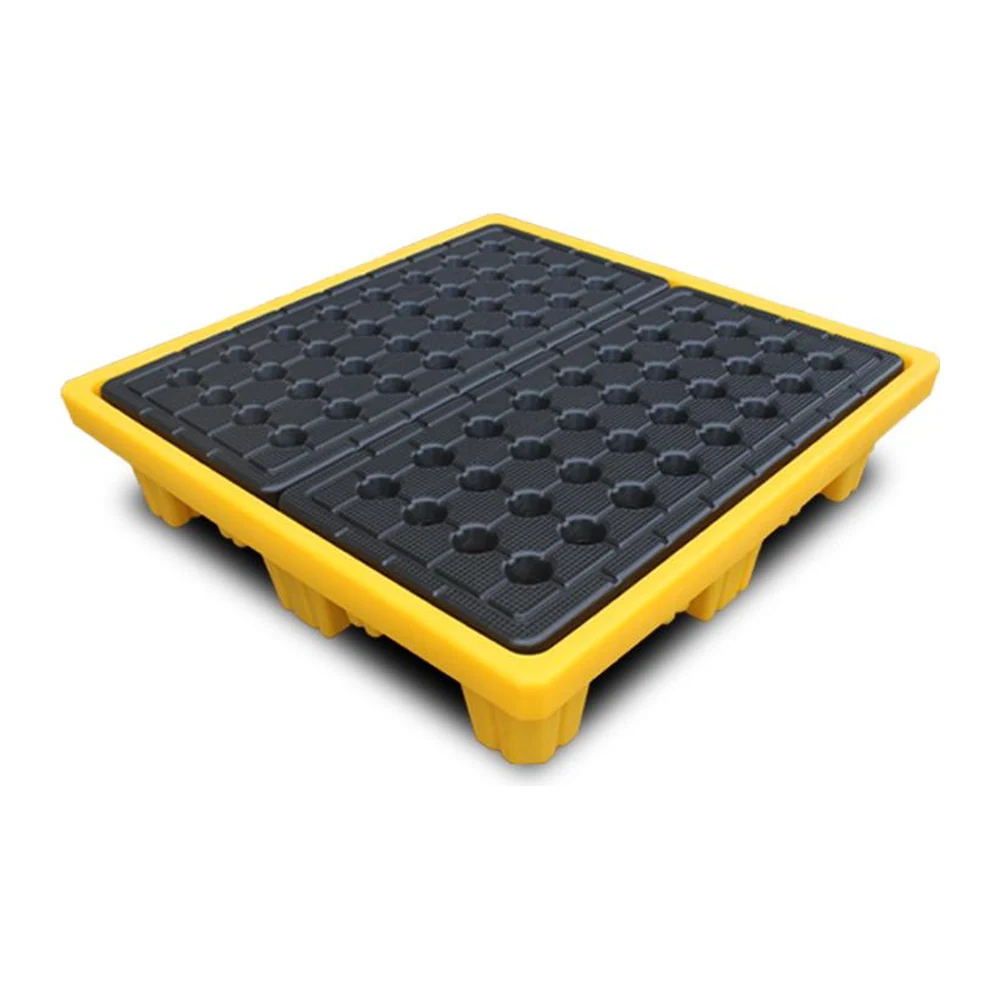
Spill decks, drum and IBC pallets, steel bunds, bench and drip trays, salvage drums and emergency eyewash: the containment that sits under the containers.
Tell us which product, your destination market and your volumes.