
Why diesel exhaust fluid needs a dedicated container, and what it must and must not touch.
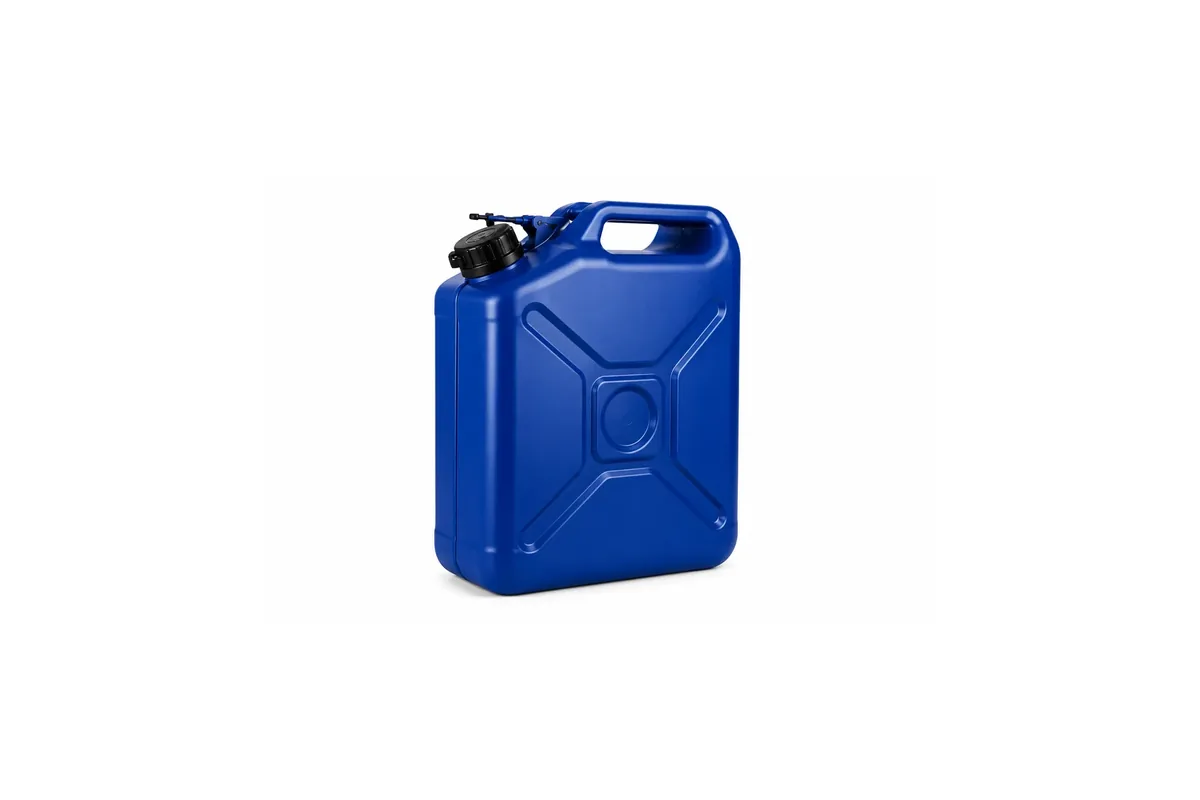
Diesel exhaust fluid is a precision consumable, not a fuel. It is a 32.5% urea solution to ISO 22241, sold as AdBlue, and it is ruined by contamination. The container matters as much as the fluid.
DEF is a 32.5% solution of high-purity urea in deionised water, made to ISO 22241. AUS 32 is the specification name and AdBlue is the common trade name for the same fluid. It is not a fuel and it does not burn. It feeds the SCR (selective catalytic reduction) system, where it converts NOx in the exhaust into nitrogen and water. The purity that makes this work is fragile, so the fluid and its container are held to the same standard.
ISO 22241 comes in parts, and knowing which part governs what saves an argument with a supplier. Part 1 sets the quality requirements for the fluid itself. Part 2 gives the test methods. Part 3 covers handling, transportation and storage, which is the part a container buyer actually needs. Part 4 defines the refilling interface and Part 5 a field test method. A supplier who cites the standard without a part number has not told you which requirement they are meeting.
The 32.5 per cent concentration is not a rounded-off convenience. It is the eutectic composition of urea in water, the mixture with the lowest freezing point and, more usefully, the one that freezes and thaws as a single phase. A weaker or stronger solution separates as it freezes, so the top and bottom of a thawed container hold different concentrations. At 32.5 per cent it comes back exactly as it went in, which is why the specification survives a Nordic winter and why anyone diluting it has broken more than the ratio.
DEF is dosed into a vehicle's exhaust to cut NOx, and the dosing system is sensitive to contamination. A trace of the wrong metal or a residue of fuel can put a vehicle into a fault state. A DEF container is defined by what it must not contain as much as what it holds.
That inverts the usual specification conversation. For fuel or a chemical the question is whether the container survives the contents. For DEF the container is not at risk in any meaningful sense: stainless or HDPE holds a mild urea solution indefinitely. What is at risk is the fluid, and through it the vehicle downstream. The container is specified to protect what is inside it rather than itself, which is why a specification read across from a fuel can misses the point.
DEF is compatible with HDPE, polypropylene and certain stainless steels (304 and 316). It is corroded or contaminated by carbon steel, zinc, copper, brass and aluminium. That rules out a galvanized steel fuel can, and it rules out a brass tap or fitting. A DEF container is HDPE or stainless throughout, with no incompatible metal in the wetted path.
Read that as the whole wetted path rather than the body, because the exclusions catch fittings far more often than shells. A brass tap, a galvanised funnel, a copper strap touching the fluid, a steel spring inside a valve: each is a small part in a large container and each is enough. The audit worth running lists every component the fluid touches, names its material, and checks the list rather than the can.
The incompatible metals are usually explained as a corrosion problem, and that undersells the risk. The reason a copper or brass fitting is excluded is not mainly that the fitting degrades, but that trace metal enters the fluid and poisons the catalyst in the vehicle downstream.
That changes what counts as a failure. A container can look perfect, pass every visual inspection and still have ruined its contents, and the damage shows up as a fault code on a truck rather than as a leak on a shelf. The cost sits with the vehicle owner, not the container.
It is also why dedication matters as much as material. A correctly specified HDPE can that previously held diesel carries hydrocarbon residue in the wall, and hydrocarbon in DEF is its own contamination route. One fluid, one container, marked as such from new.
The banned metals corrode in contact with the urea solution and leach ions into it. Those ions poison the SCR catalyst and foul the dosing injector, which is the sensitive part that meters fluid into the exhaust. Carbon steel and zinc corrode outright. Copper, brass and aluminium leach into the fluid. A few parts of the wrong metal are enough to ruin a tank of DEF and to trigger the fault state, so every wetted surface, closure and fitting stays HDPE, PP or 304/316 stainless.
The catalyst is why the tolerance is so low. Selective catalytic reduction relies on a coated substrate to convert ammonia and nitrogen oxides, and the metals above deactivate that coating rather than merely fouling it. The damage is cumulative and not reversible by flushing, so a small contamination repeated over a season does the work of a large one, and neither shows until the emissions system starts logging faults.
DEF has a working temperature window. It freezes at about minus 11 degrees Celsius, and prolonged storage above roughly 30 degrees shortens its shelf life. The published guidance is specific about the cost of heat: at a constant temperature at or below 30 °C the fluid holds its specification for at least twelve months, and shelf life falls by roughly six months for every 5 °C above that. A container left on a sunlit yard in a hot climate can lose most of a year of shelf life in a season.
The mechanism is chemical rather than a marketing caution. Urea in solution slowly hydrolyses back towards ammonia and carbon dioxide, and heat accelerates it. The result is a fluid that still looks clear and still pours, and is no longer AUS 32 by the numbers that matter to a dosing system. Nothing about that is visible in a yard inspection, which is why date marking and stock rotation carry the weight here rather than a visual check.
So the storage brief is short. Keep it sealed, keep it shaded, keep it between about −11 and 25 °C, and rotate on date rather than on how full the drum looks. An opaque container helps: light does the fluid no favours and an opaque wall also stops the algae growth that a translucent one invites. Keep it sealed, out of direct sun, and within the range in the ISO 22241 handling guidance. Shelf life is driven by temperature: cooler storage extends it, and heat shortens it.
DEF expands as it freezes. A rigid container filled to the brim has nowhere to take that expansion and can split, so leave headspace before storing it cold. Freezing itself does no harm. The fluid thaws without damage and is designed to, so a frozen and thawed container of DEF is still good. The split from a brimmed container is the failure, not the freeze.
The number to design around is roughly seven per cent. That is how much the fluid expands as it crystallises, so a twenty-litre container brimmed to the closure needs about 1.4 litres of somewhere to go and has nowhere. Rigid HDPE is strong enough to resist that pressure for a while and then fails at its weakest point, which is usually a seam or the neck rather than a panel.
Which is why the practical instruction on a cold site is to fill to the marked level and not past it, and to leave a partly used container partly used rather than topping it up to save a trip. A vehicle's own DEF tank is designed with that headspace built in and with a heater to thaw it; a jerrican is not, and the headspace is the only protection it has.
Use dedicated dispensing equipment for DEF, never a spout or pump shared with fuel or another chemical. Cross-contamination from a shared fitting is a common cause of a ruined tank of fluid. Airborne dust and topping up from a dirty jug contaminate it just as fast, so keep the container sealed between uses and pour only through clean, compatible taps and dispensing valves. The common mistakes are consistent: a brass or galvanised tap or funnel, a shared diesel spout, or a container brimmed full that then freezes and splits. On a farm or worksite this sits alongside your agricultural fuel storage, and it must stay strictly separate from it.
Separation works best physically rather than procedurally. Colour-code and label, but also store DEF where a diesel nozzle does not reach, and keep its funnel, tap and jug somewhere other than the fuel kit shelf. Procedures fail on a wet evening at the end of a shift. A layout that makes the wrong reach inconvenient does not.
Our DEF can is built for AUS 32 urea solution, in a compatible material with a compatible closure. Do not substitute a steel fuel can or a brass-tapped dispenser. Send us your volumes and we specify the right container and fittings.
Compatible throughout, dispensed clean. Here is the DEF kit.
| Your use case | Recommended can | Why this one |
|---|---|---|
| DEF / AdBlue storage | 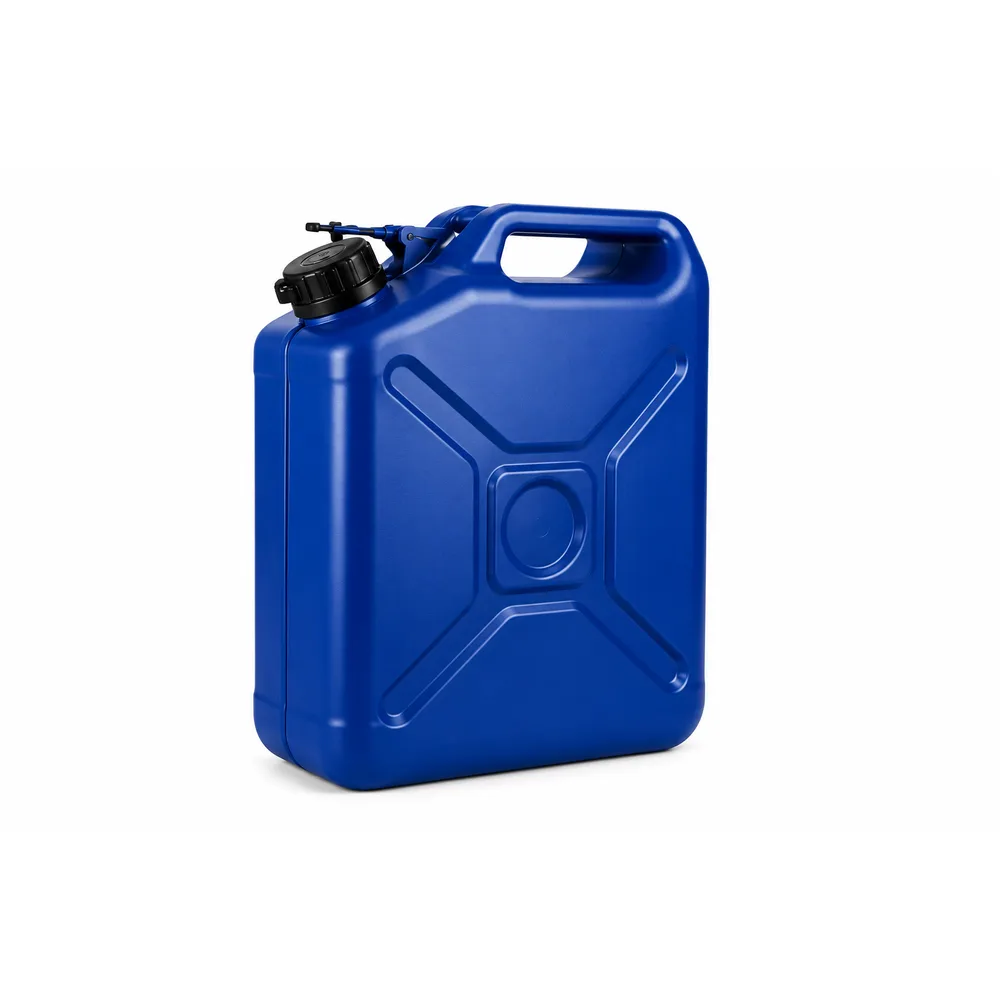 DEF Can — Diesel Exhaust Fluid DEF Can — Diesel Exhaust Fluid |
Built for AUS 32, compatible material and closure. |
| Dedicated DEF dispensing | 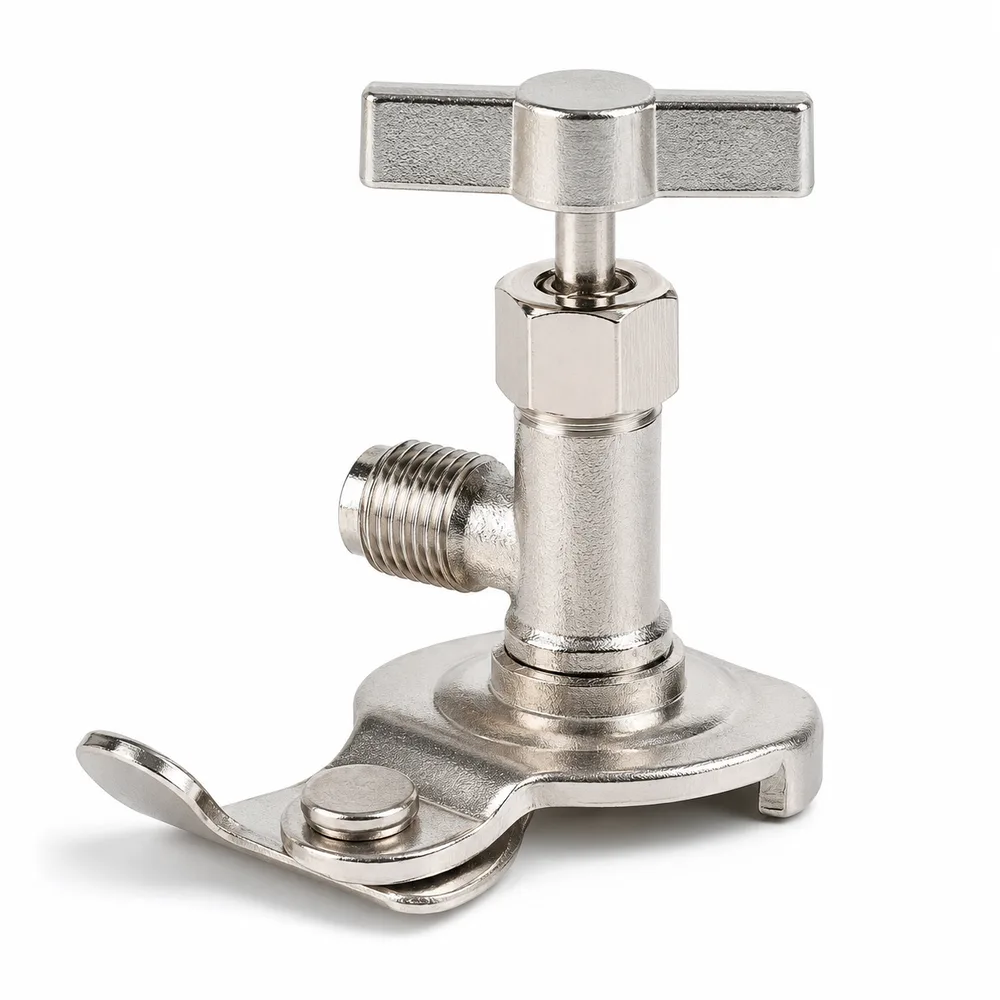 Taps & Dispensing Valves Taps & Dispensing Valves |
A compatible tap, never shared with fuel. |
| A stainless option | 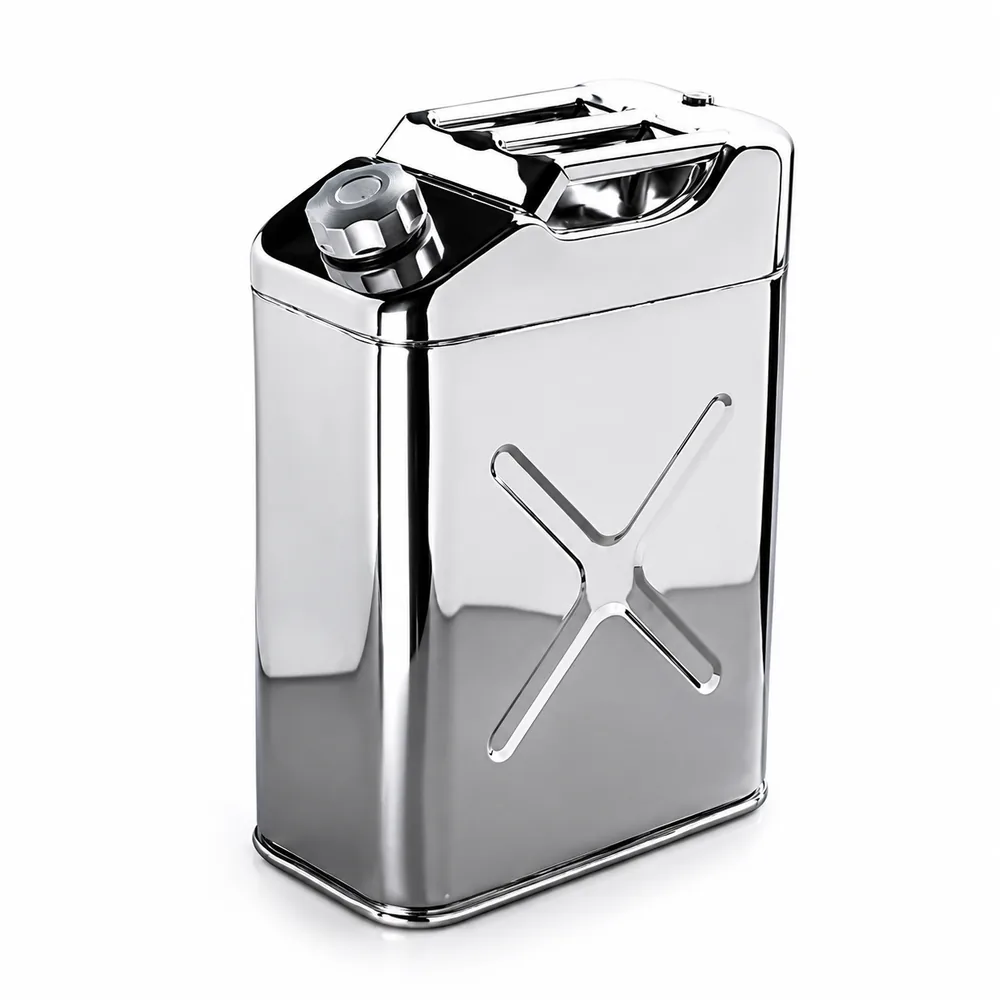 20L Stainless Steel Water Can 20L Stainless Steel Water Can |
AISI 304/316 stainless is DEF-compatible throughout. |
| Decanting from a DEF drum or IBC | 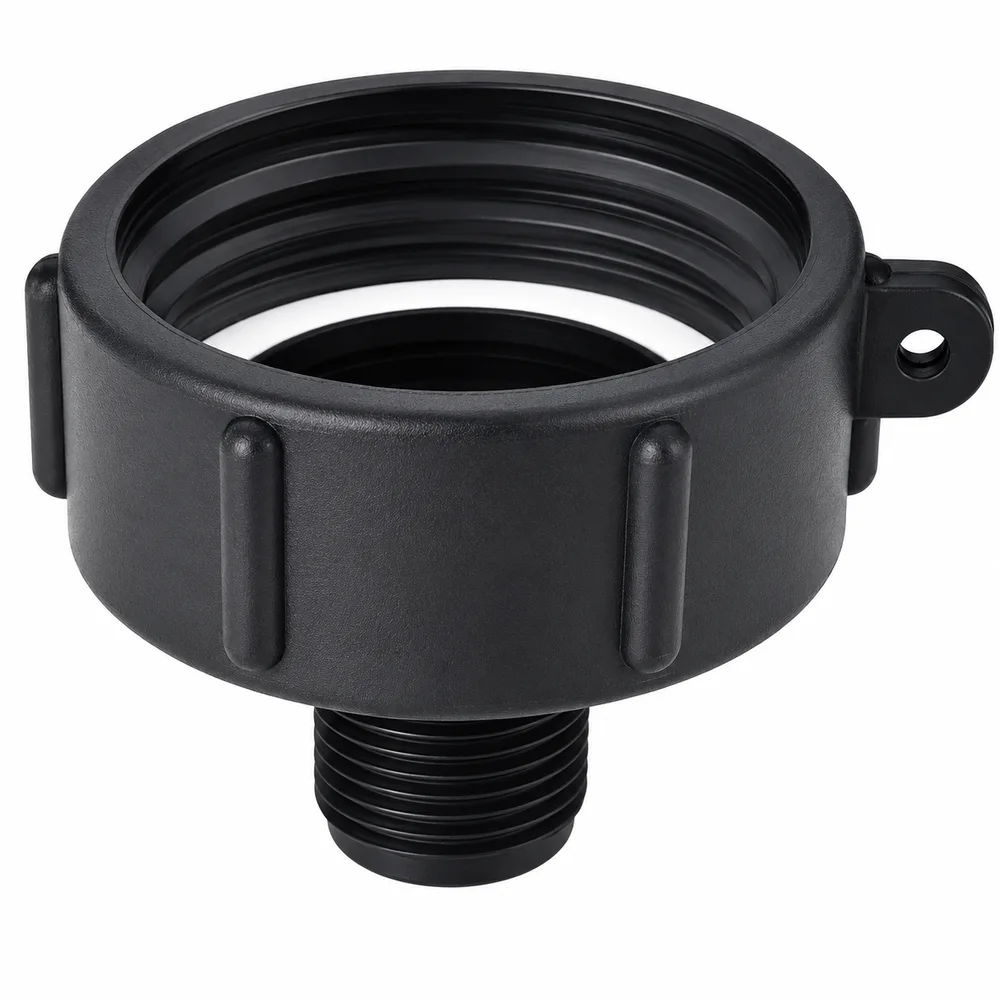 Drum & IBC Adapters Drum & IBC Adapters |
Adapters to fill cleanly without a shared spout. |
Diesel exhaust fluid is a urea solution that corrodes carbon steel, copper, brass, aluminium and zinc, and picks up contamination that damages the vehicle SCR system. It needs stainless or a compatible HDPE, dedicated to DEF only, because trace fuel or oil contamination is enough to cause a fault.
ISO 22241 defines the AUS 32 fluid, its handling, and the materials that may contact it. Packaging that touches DEF should be verified against the material list in that standard rather than assumed compatible because it handles other liquids well.
No. A used fuel can leaves hydrocarbon residue that contaminates the fluid, and a coated steel fuel can is not a compatible material. Use a container dedicated to DEF from new, marked as such, and never rotate it back into fuel service afterwards.
The standards and regulations this page relies on, at their issuing body. Where a market rule is named here, check the current revision before you specify against it.
Last reviewed .
Tell us your market, your fuel and your volumes. We come back with a specification sheet and a quotation.