Drum Spill Decks
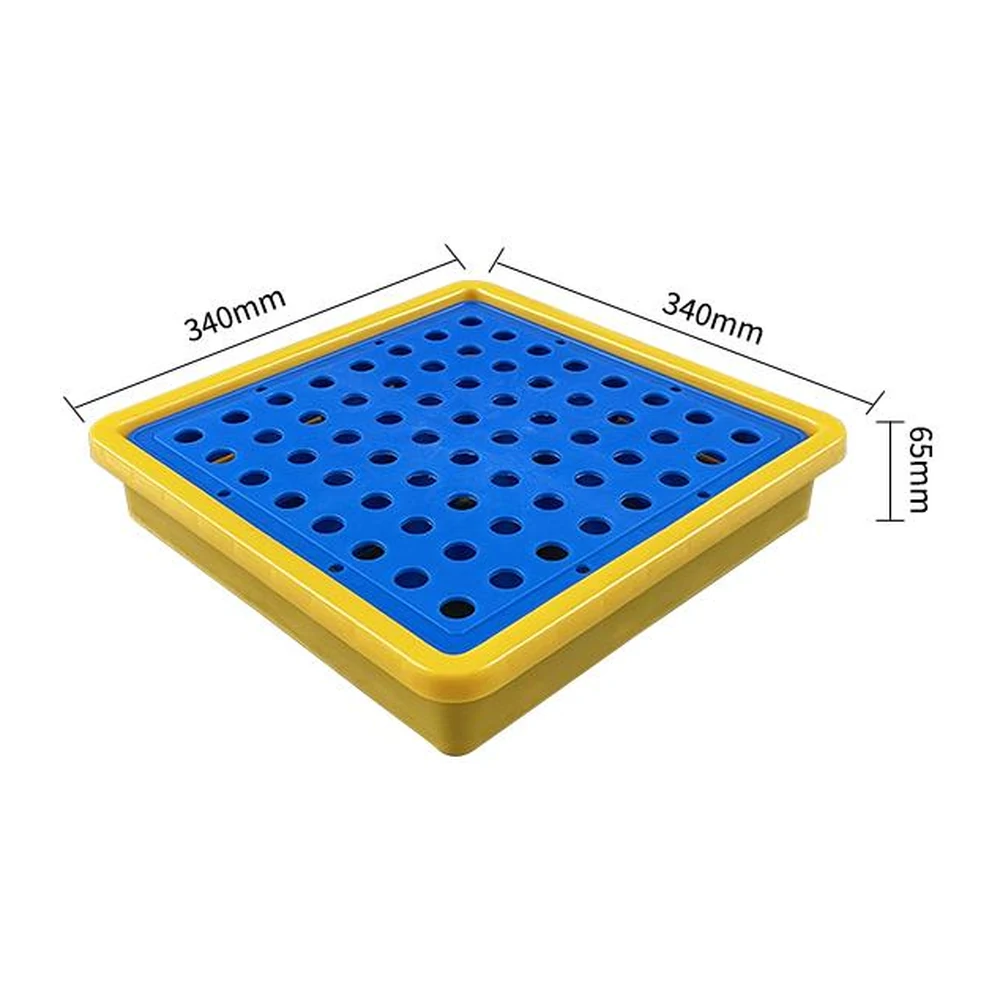
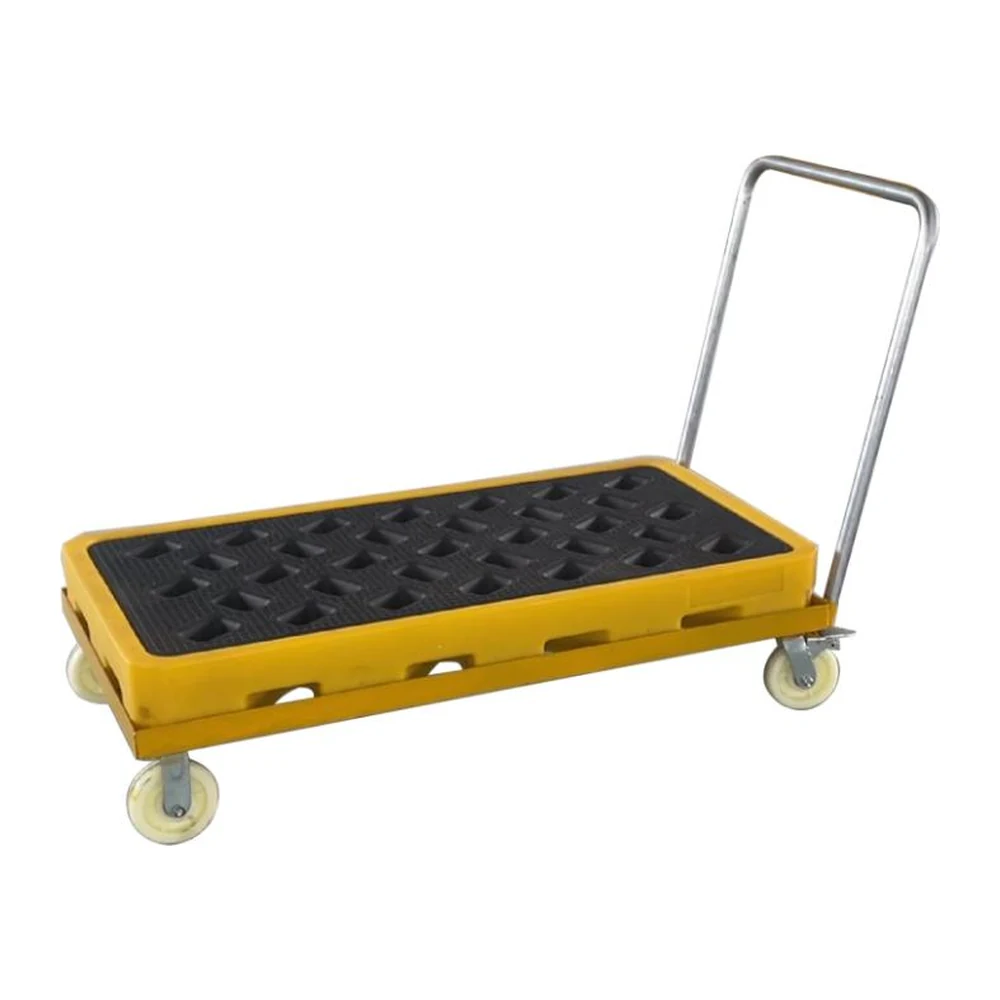
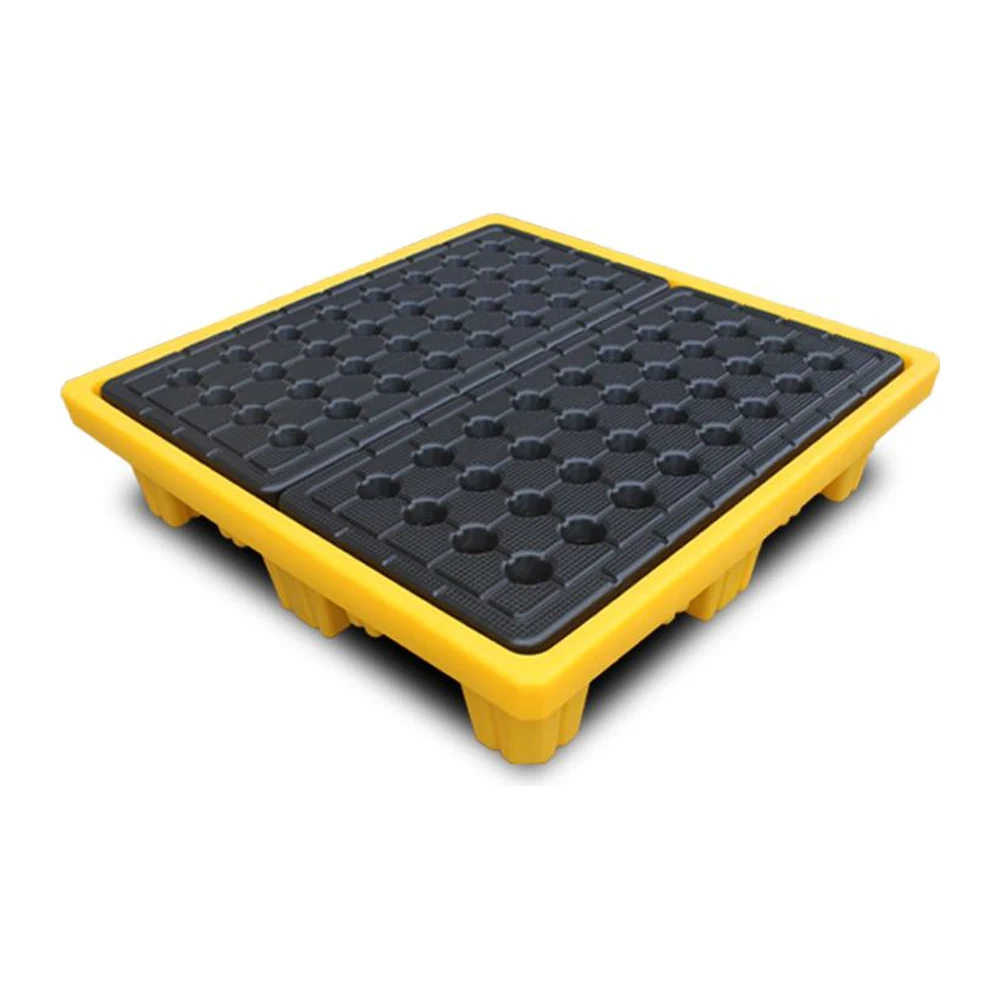
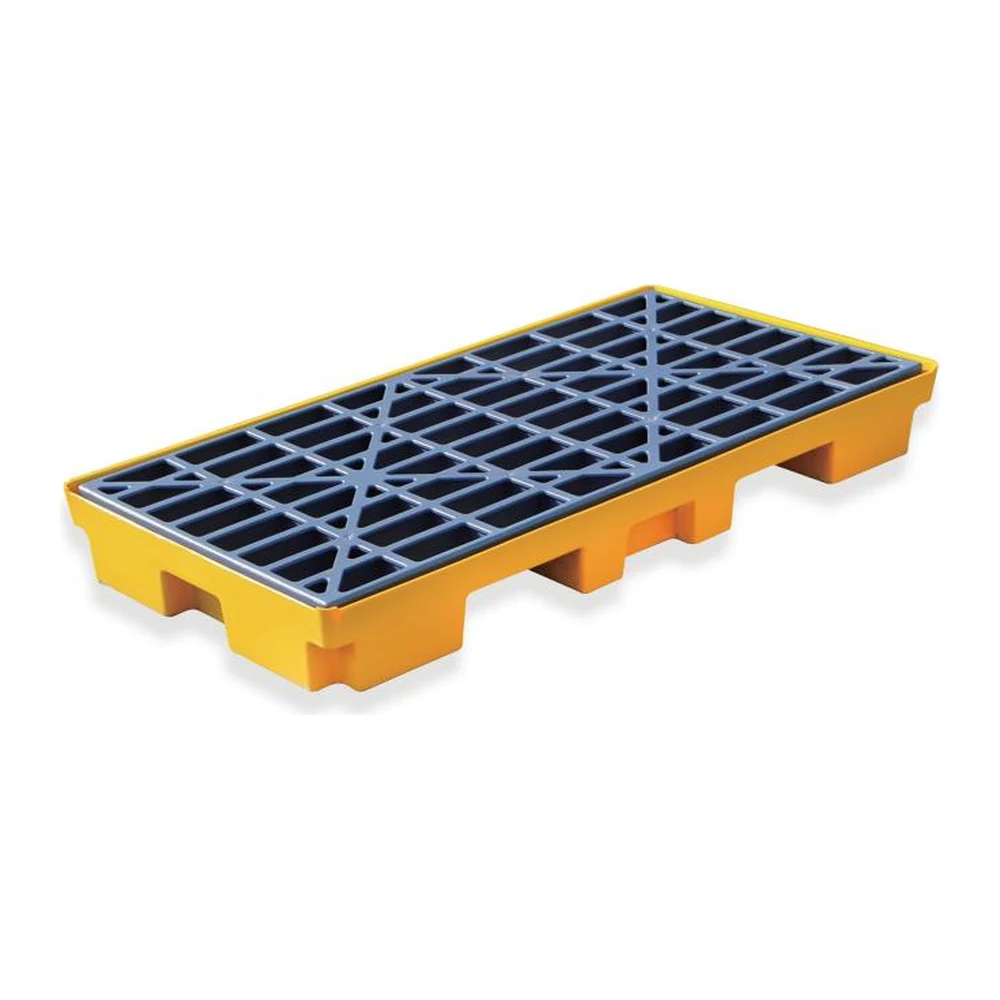
F21-SD-101 / -102 / -201 / -202 / -301 / -401Low-profile polyethylene decks for drums in use, with open grates that make a leak visible before it becomes a loss. Thirteen models from one drum to four.
Where the liquid goes when the container fails

Every other category on this site sells the primary container. This one sells the backup. A sump under a drum turns a split seam into a cleaning job instead of a reportable discharge, and in most markets it is not optional above a threshold volume. Two numbers decide which unit you need. The first is sump capacity, set by the rule your regulator writes rather than by the size of the pallet, and the two rules cross over sooner than buyers expect: a store of small containers is usually governed by a percentage of total volume, not by the largest single container. The second is load, quoted as static and dynamic, because a pallet standing still and a pallet lifted full are different tests. Polyethylene covers most acids, alkalis and water-based chemicals and will not rust; steel is for sites that want non-combustible storage. Tell us the liquid and the floor space and we size it.
Before you order: Sump capacity is set by your jurisdiction, not by the pallet. Some markets ask for 110 per cent of the largest container, others for a percentage of the total stored volume, and an outdoor bund needs freeboard for rainfall on top of whichever figure applies. Send us the containers and the market and we will size it against the rule that governs you.

Low-profile polyethylene decks for drums in use, with open grates that make a leak visible before it becomes a loss. Thirteen models from one drum to four.

Deeper-sump polyethylene pallets for drums in storage, from one drum to four, with sumps from 42 to 488 litres and rackable and modular versions.

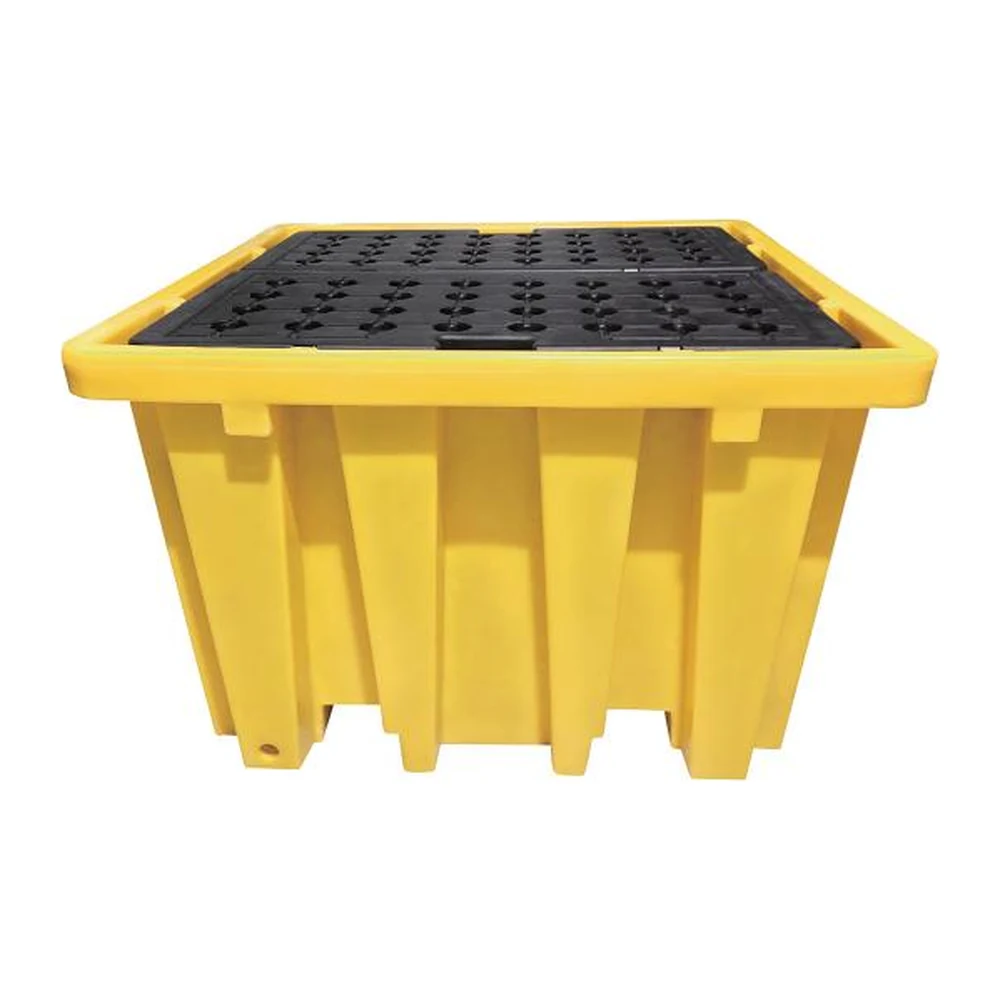
Spill pallets and low-profile decks for one, two or three IBC tanks, with sumps from 120 to 1,600 litres, plus linkable and rackable versions.

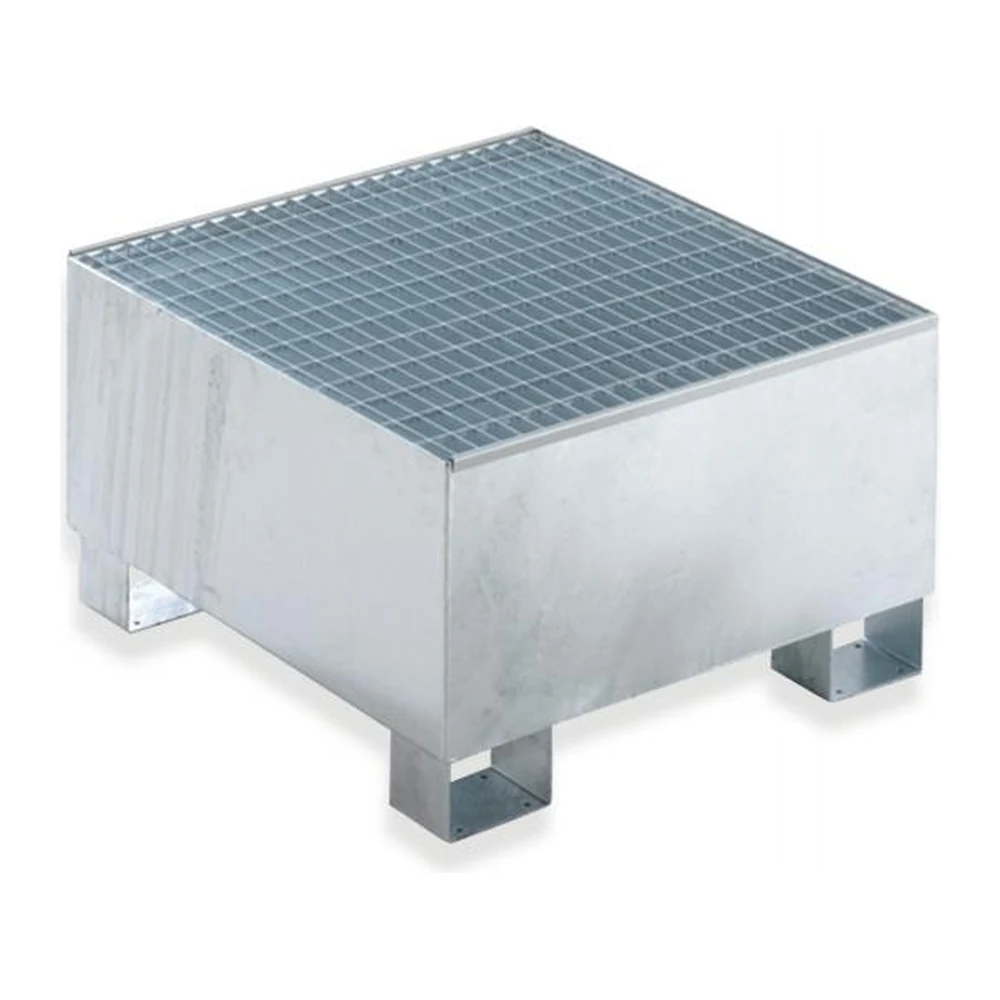
Double-layer 3 mm sheet steel spill pallets for one to four drums or one to two IBC tanks, powder coated or hot-dip galvanised, for sites that need non-combustible storage.

Containment for the lab bench, the workshop counter and pallets of 20 litre pails: tabletop trays from 4 litres, open drip trays to 150 litres, and pail pallets.

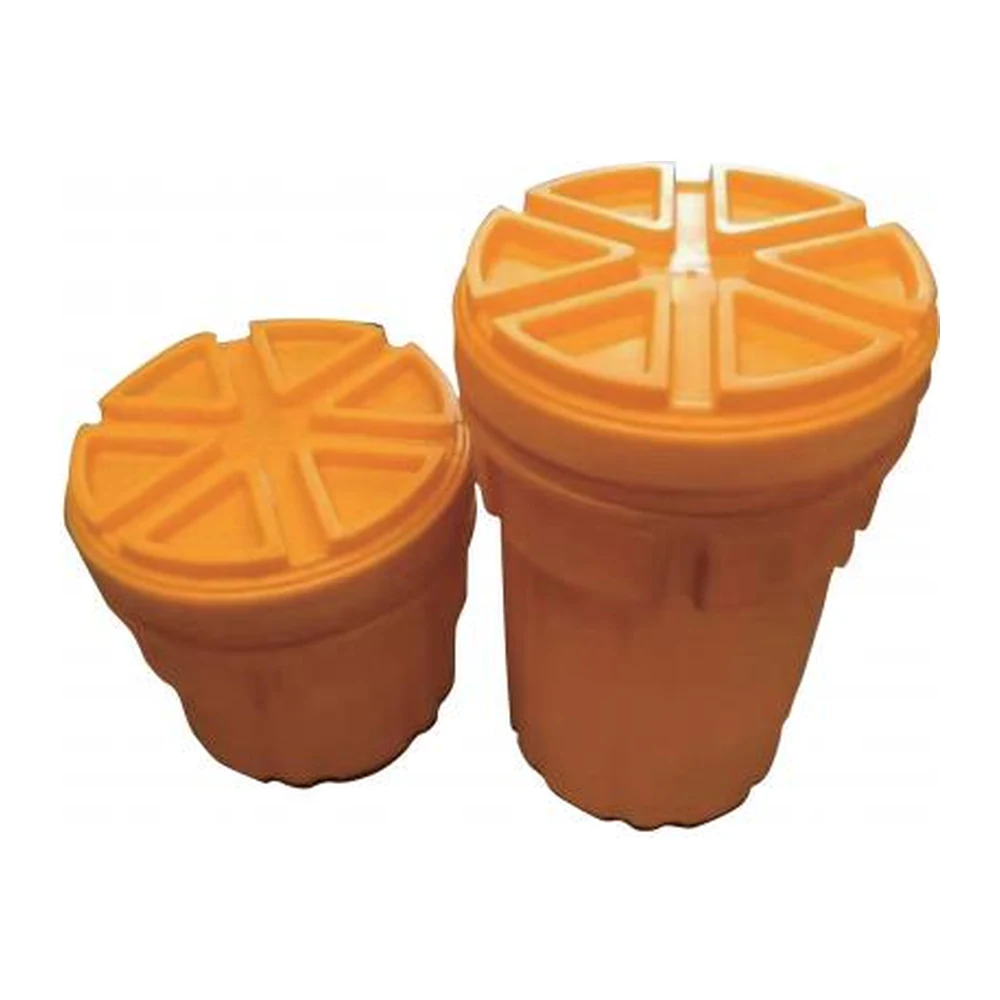
Polyethylene salvage overpack drums from 20 to 95 gallons, wheeled or static, plus cabinets, carts and boxes that keep the spill kit at the point of use.

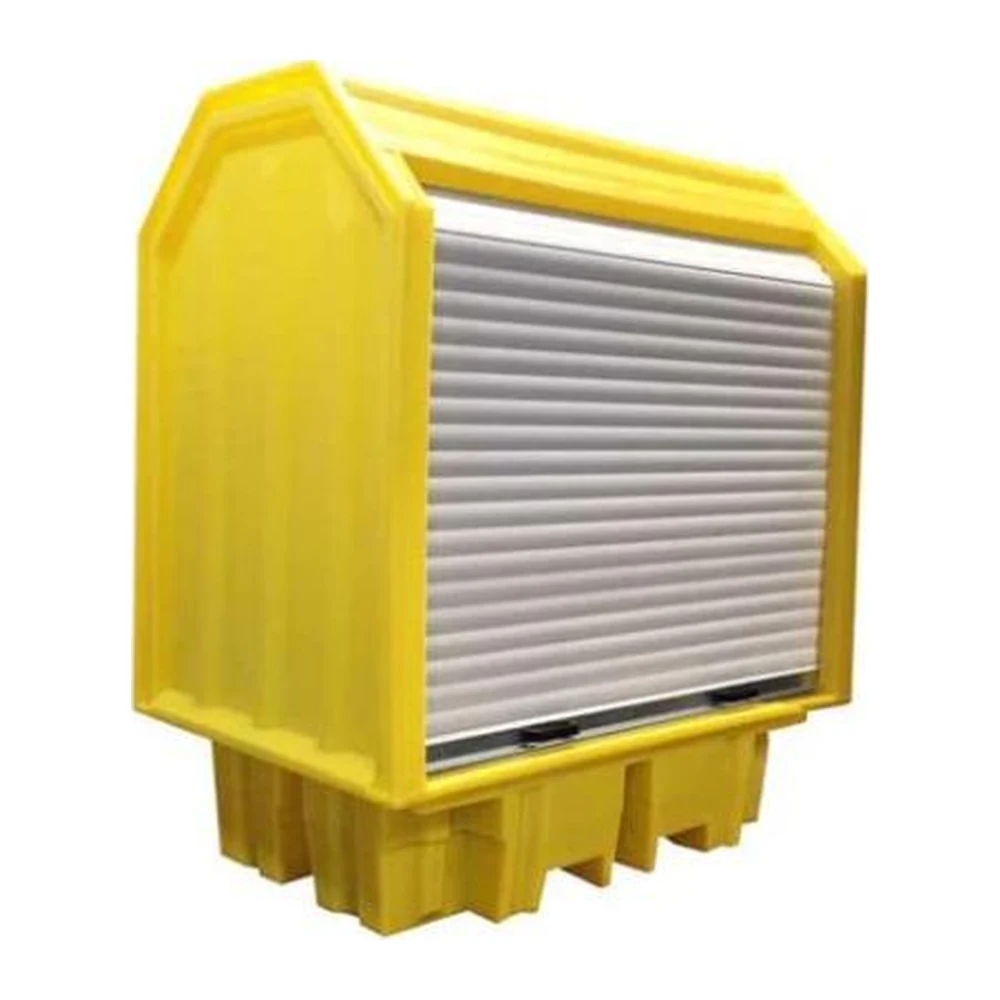
Spill pallets with an integrated roller shutter or hard cover, and PVC tarp covers sized to the two-drum, four-drum, single IBC and double IBC pallets.

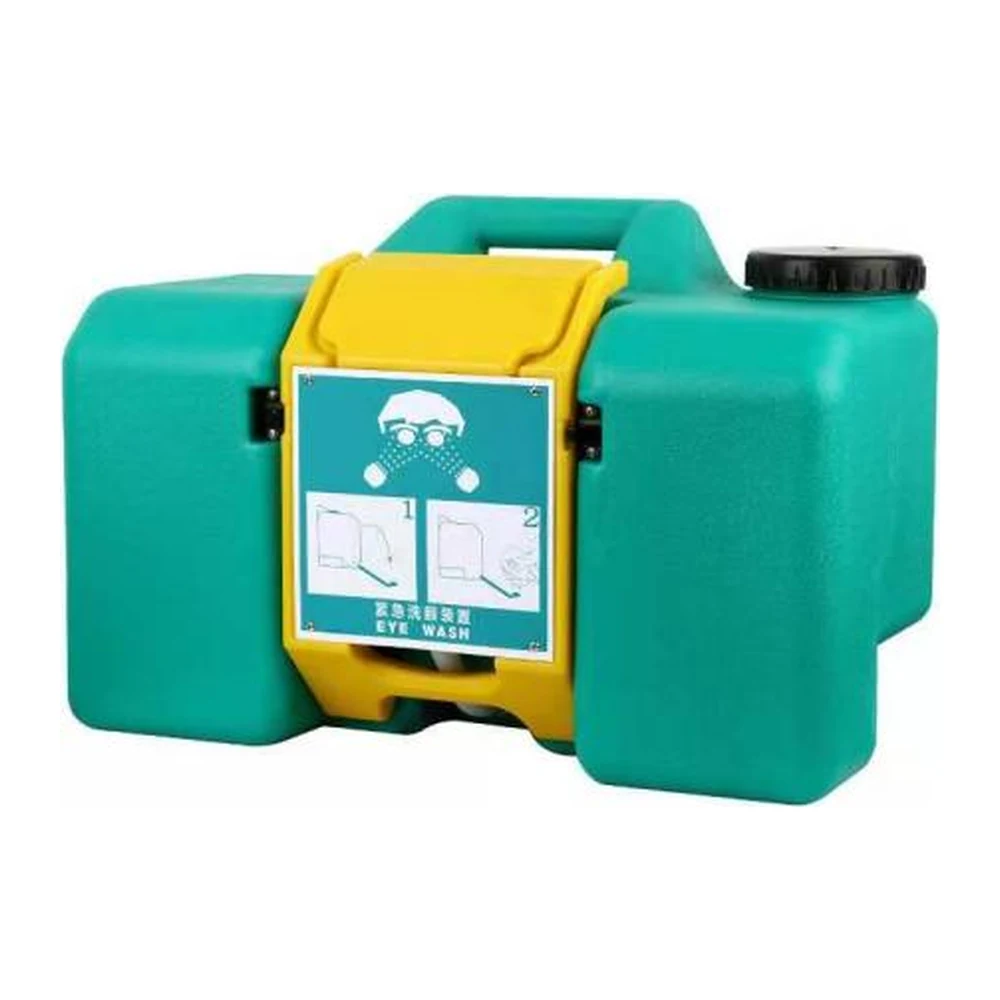
Self-contained portable eyewash units in 30 and 53 litres, and a floor-standing 304 stainless combination eyewash and safety shower for a plumbed supply.

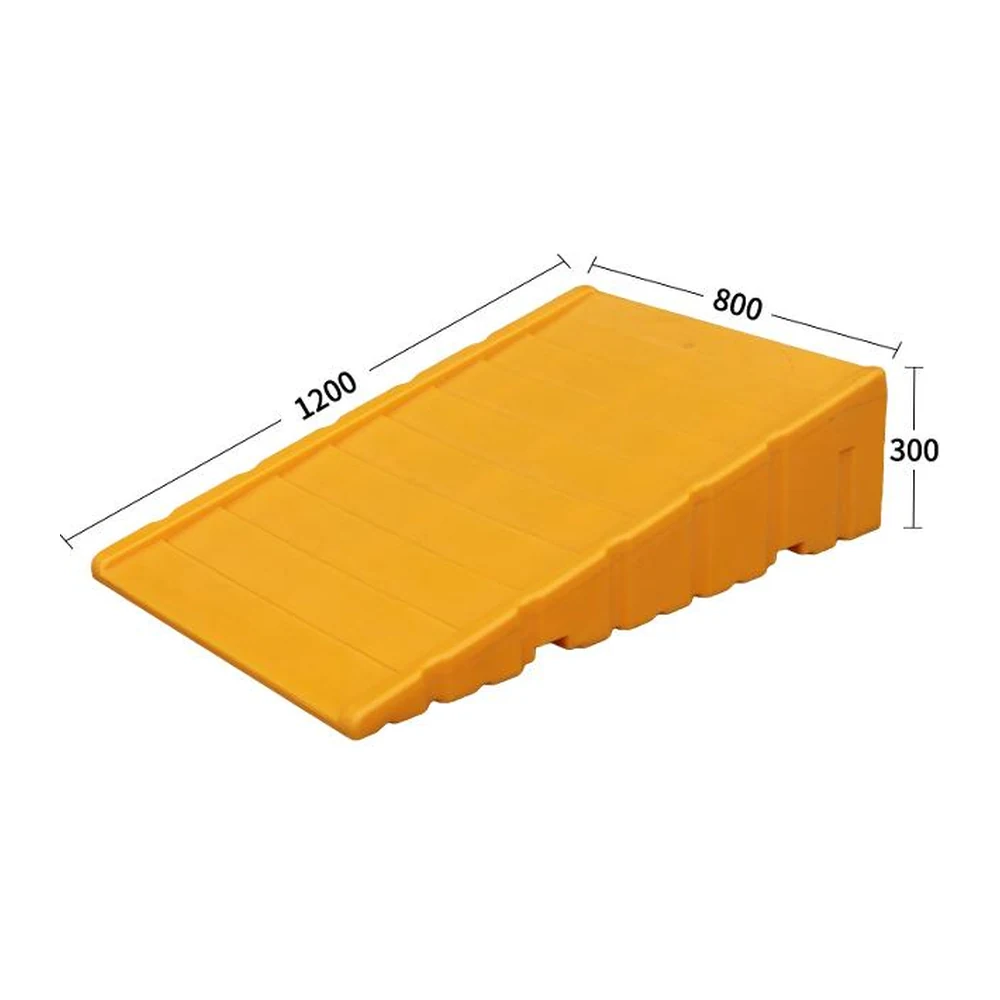
Single-piece and two-piece polyethylene ramps for loading drums onto a spill pallet or tray, sized to pallet heights from 10 to 30 cm.

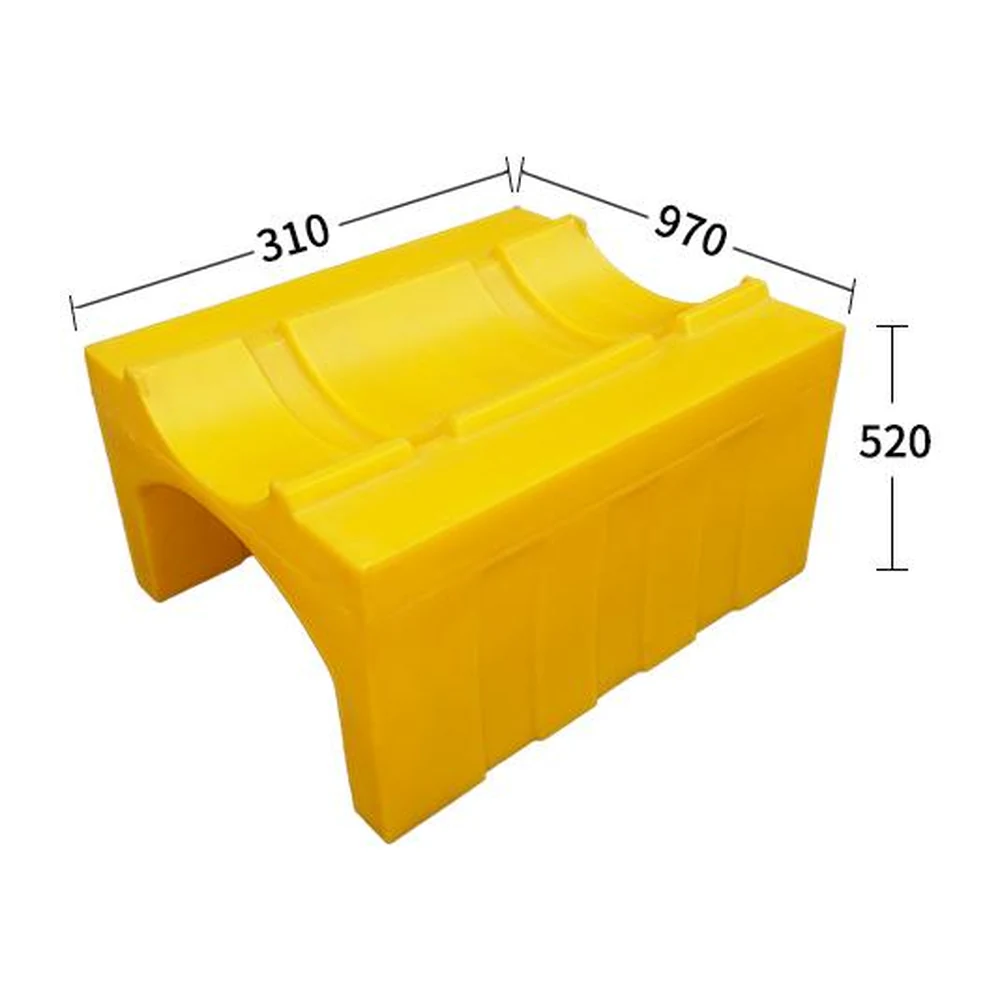
Stackable cradles that hold a drum horizontally for tapping, a drum rack dispensing base with a 380 litre sump, and a small container stacker.

Poly drum dollies with integral sumps of 20 and 300 litres, a two-drum containment trolley, roll plastic pallets and a tilt truck.

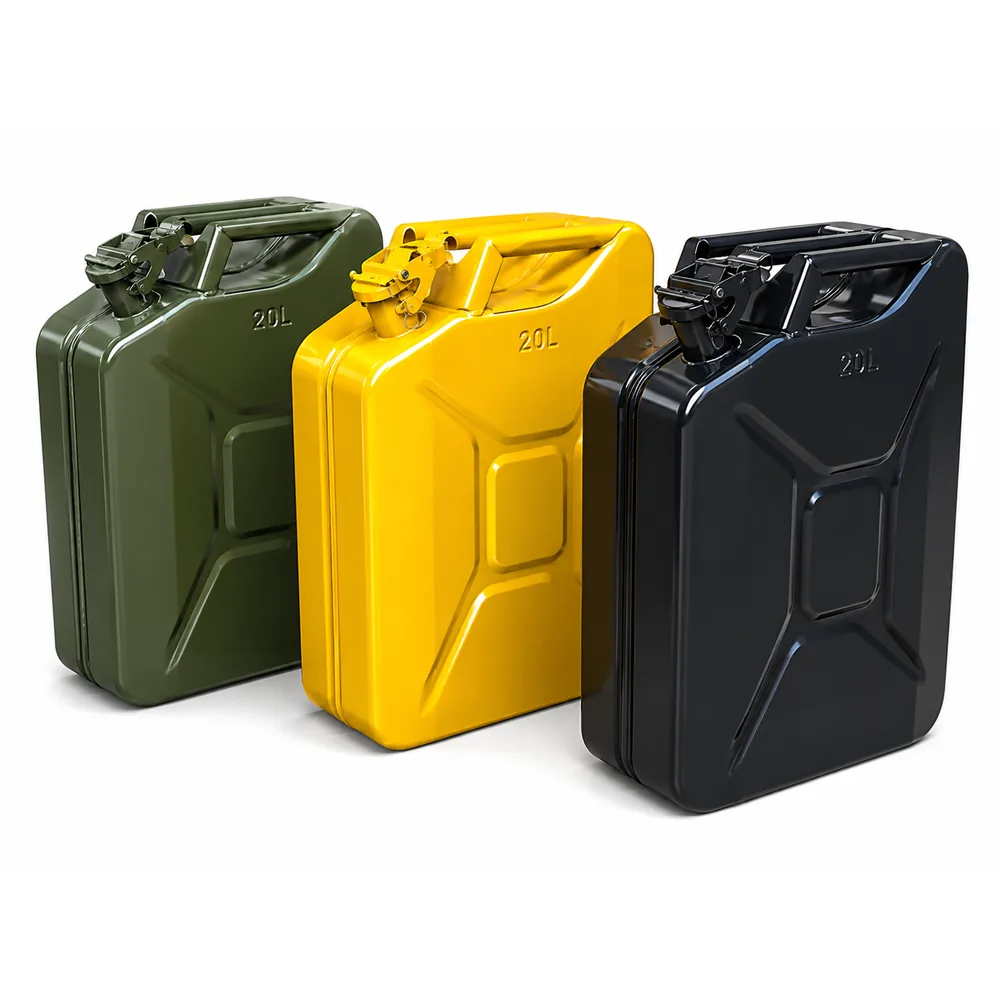
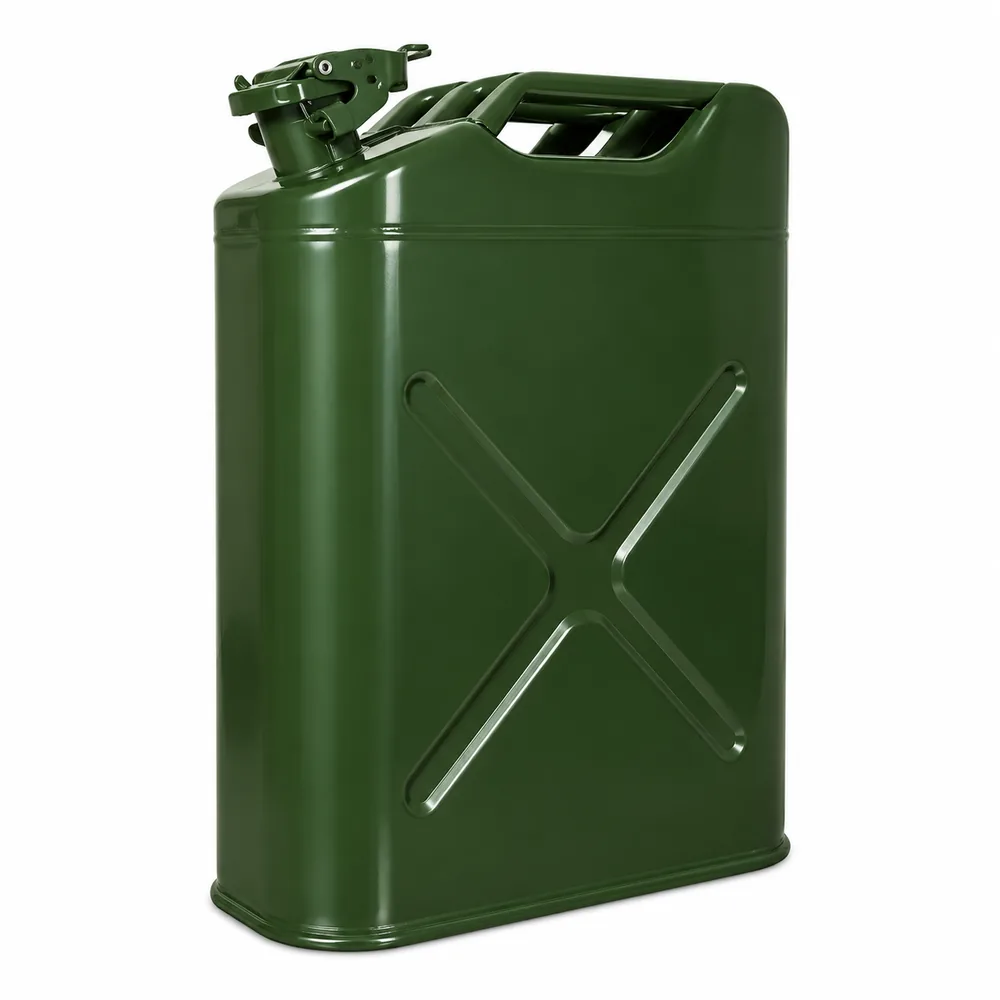
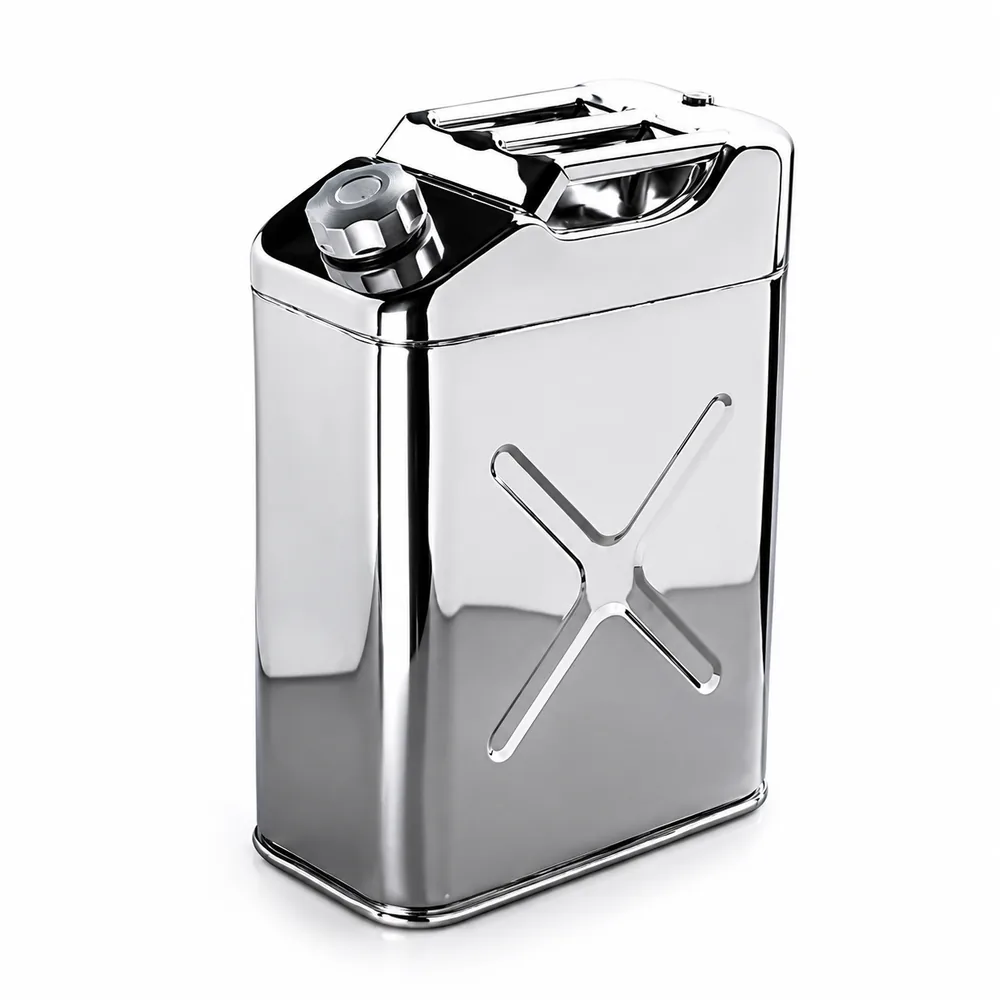
The classic NATO-pattern pressed can. Three handles, stackable profile, and the geometry that fits the carriers, racks and holders already in the field.

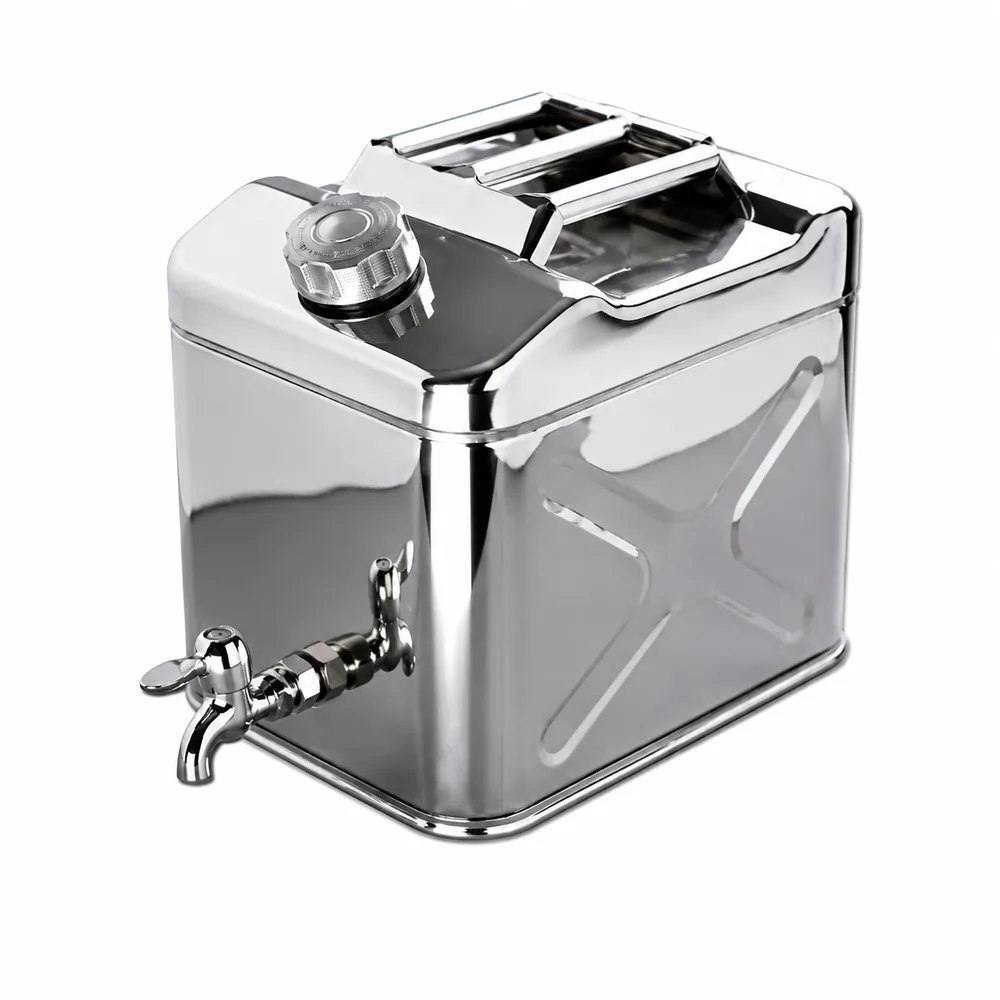
Upright and horizontal steel fuel containers outside the NATO pattern, including tap-fitted tanks, agricultural formats and compact cans.

Containers specified for food and potable contact from the first drawing. Stainless where the can is kept and refilled, HDPE where it ships at volume.

Tap-fitted and upright dispensing cans for lubricants, oils and workshop fluids, where controlled decanting matters more than portability.

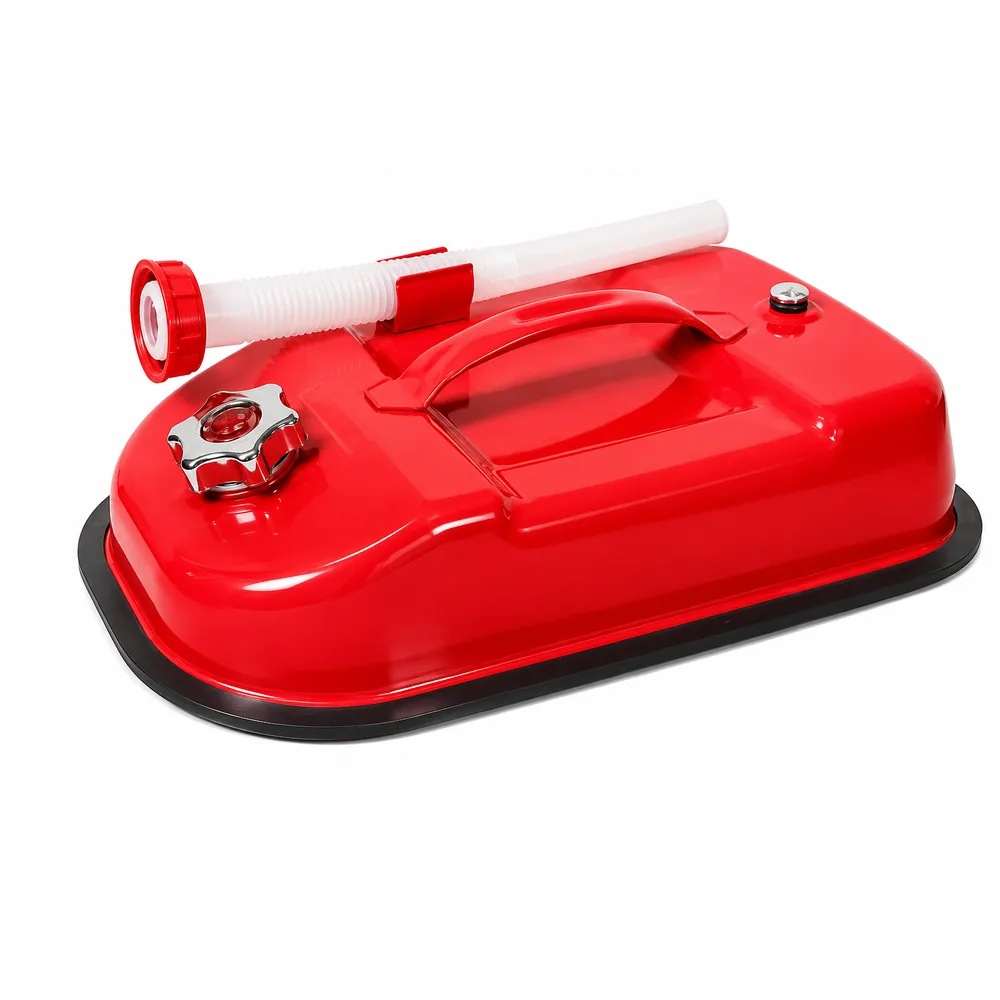
Low-profile horizontal cans in 5, 10 and 20 litre, galvanised or stainless. They slide under a boat seat, into a locker or onto a machine frame where a NATO upright has nowhere to go.

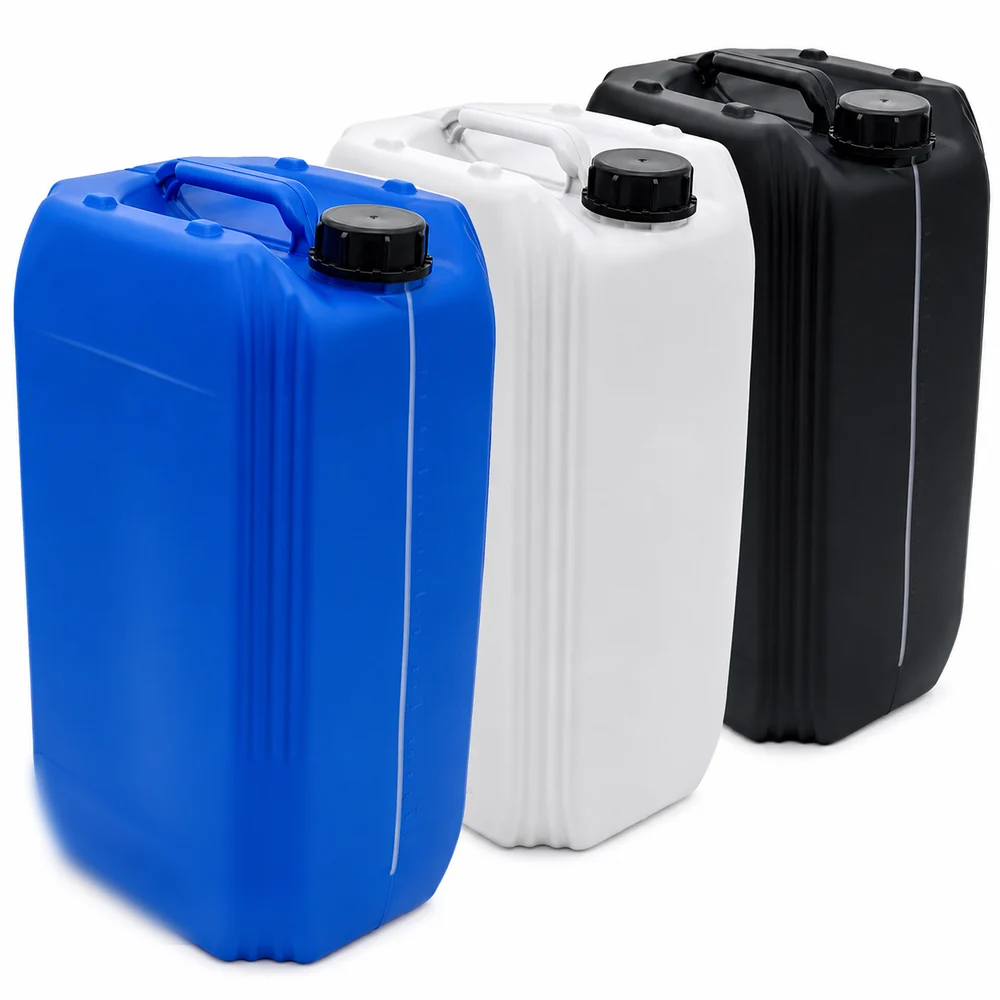
Stackable HDPE jerrycans and dedicated diesel exhaust fluid containers for decanting, distribution and automotive fluids.

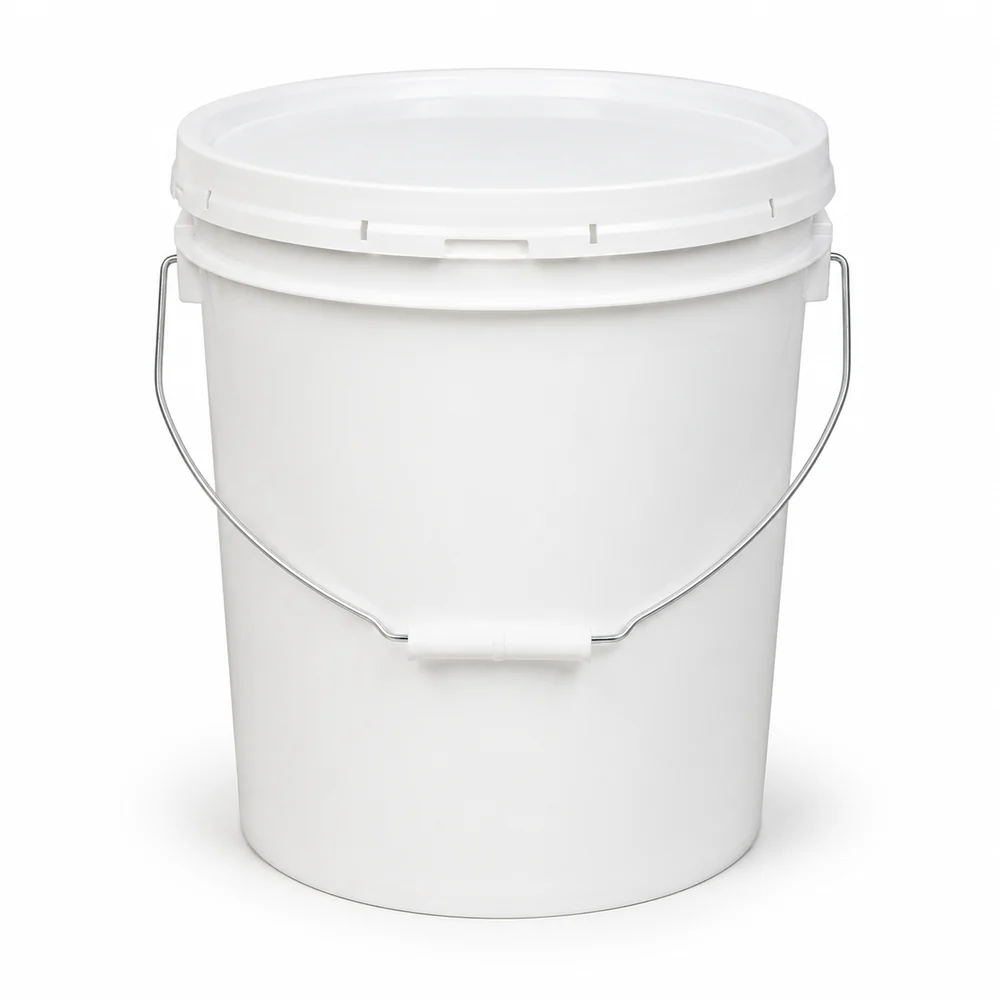
Open-head pails in polypropylene and tinplate steel, 2.5 to 35 litres. Lever-lock rings, flower lids and tamper-evident closures, sized to the pallet rather than to the shelf.

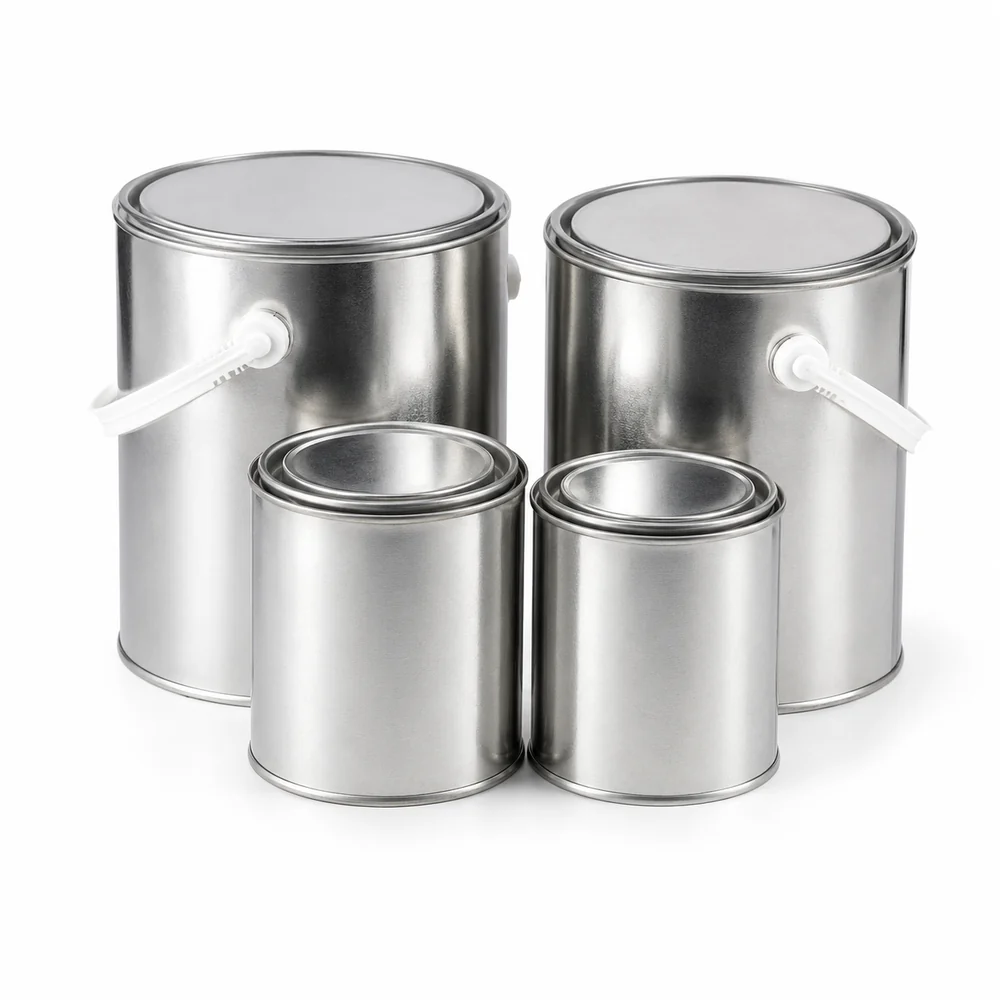
Tinplate cans from 50 ml to 6 litres: round and square bodies, cone tops, and dauber and brush-in-cap cans for adhesives and solvent cements.

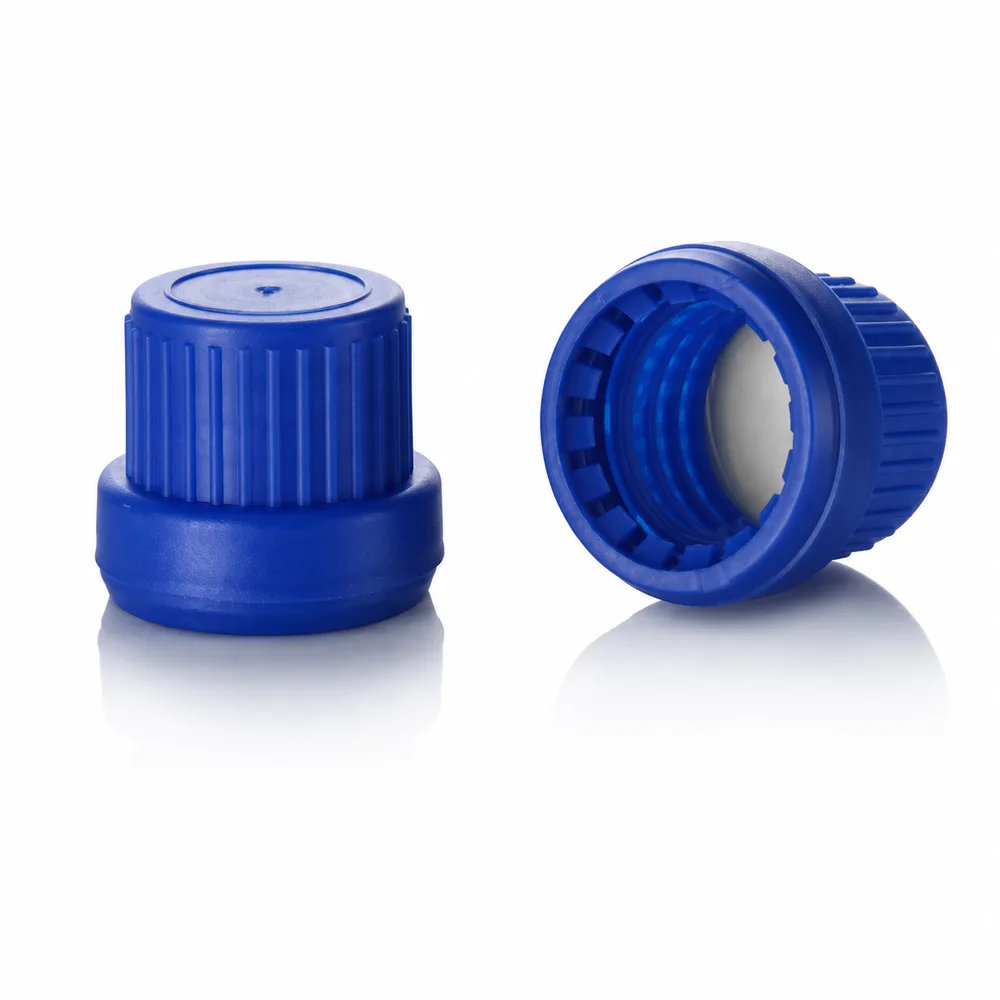
Caps, gaskets, vented and non-vented closures, child-resistant caps and flame arresters. The parts that fail first and cost least to replace.

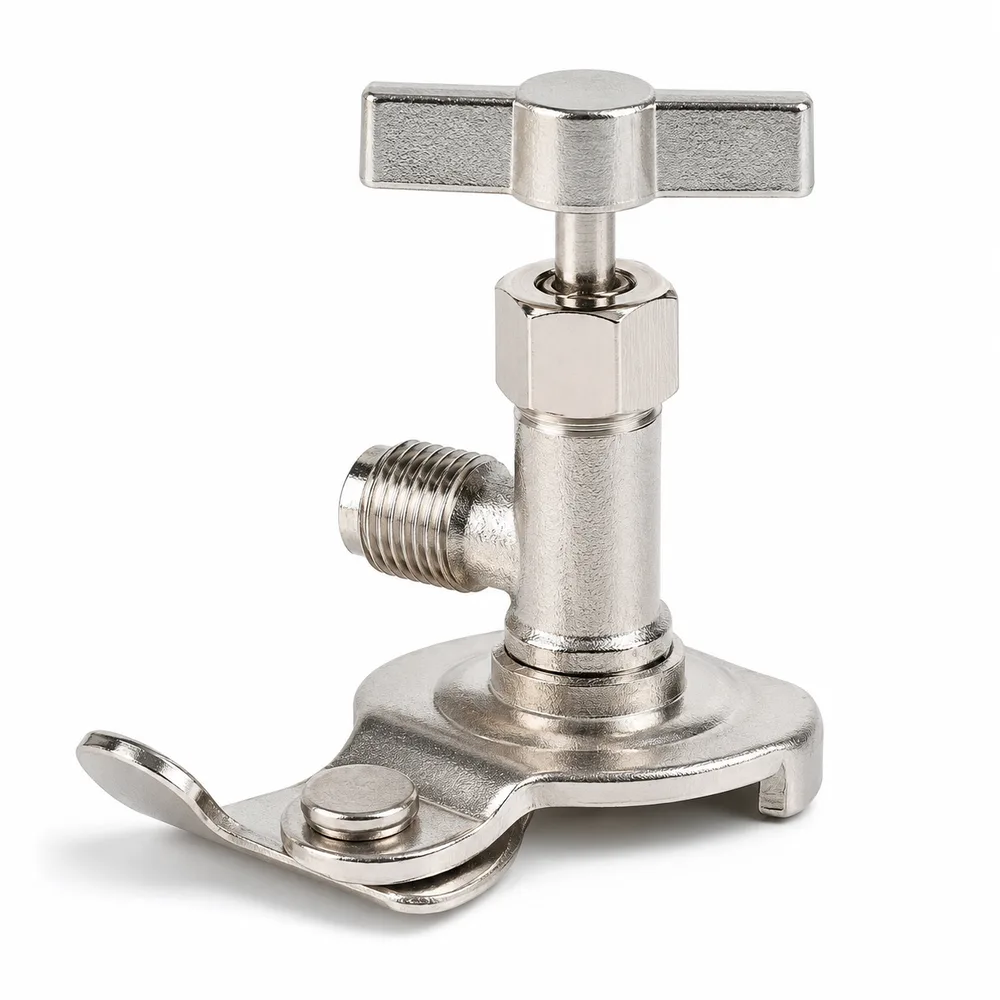
Pouring spouts, taps, dispensing valves and the adapters that bring a drum or an IBC down to a can. The half of the job where the spill happens.

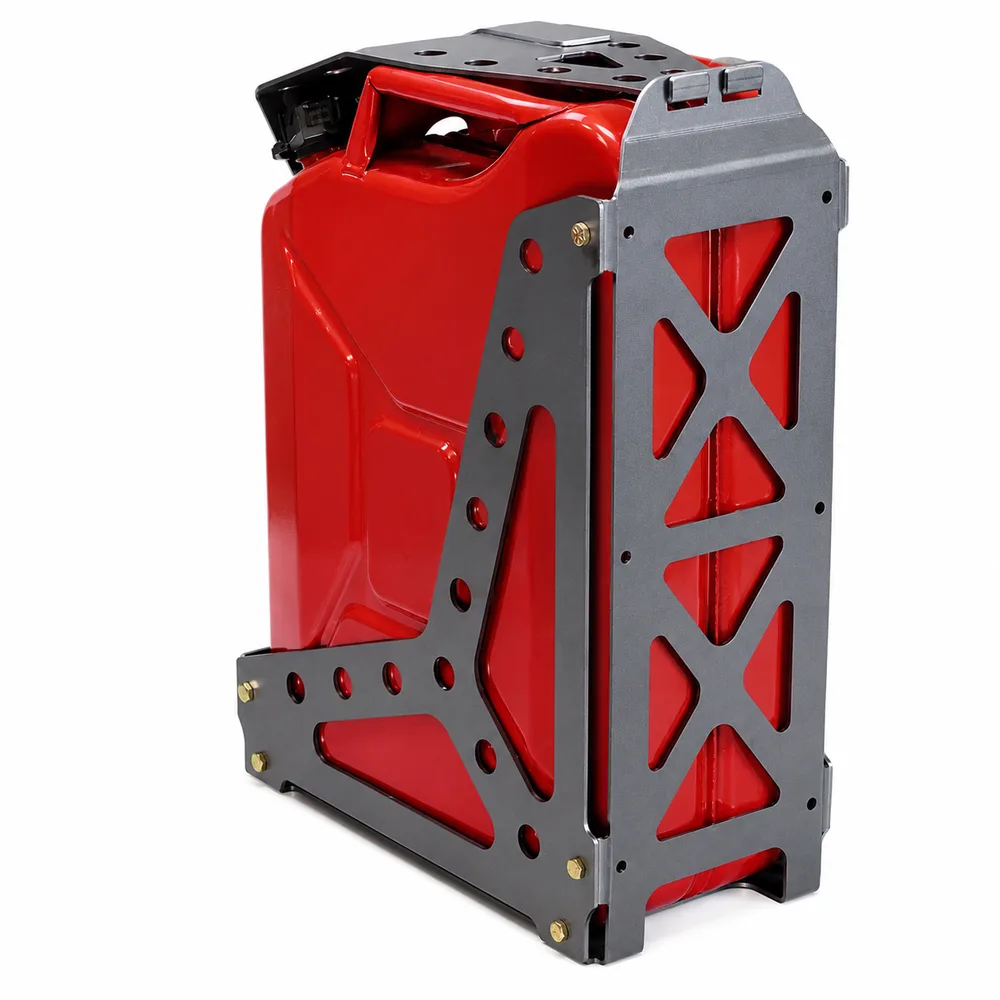
Vehicle holders, brackets and retention for cans, and the ramps, cradles and dollies that move a 200 litre drum without anyone lifting it.
Tell us which product, your destination market and your volumes.