
What a full drum weighs, how to move it on a dolly, truck or lifter, how to open it, why cutting one can kill, and which drum pump suits which liquid.
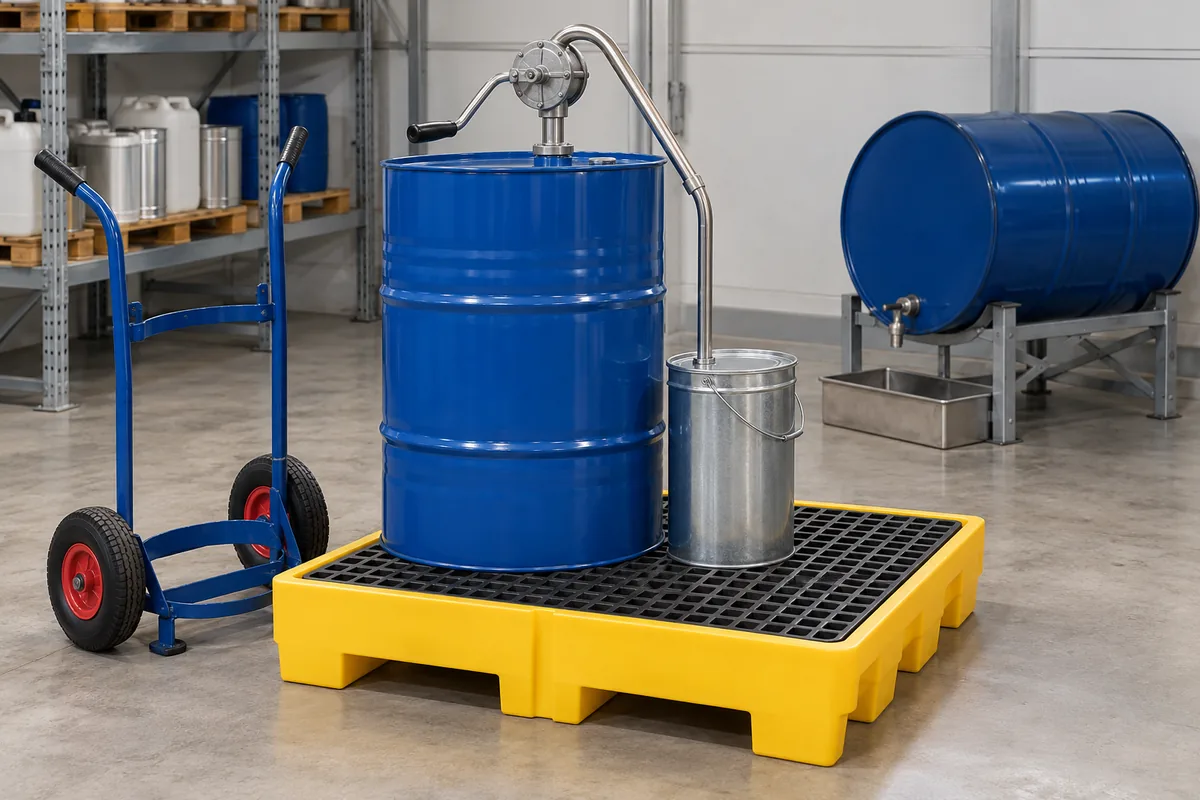
A full 205 litre drum weighs about 189 kg with diesel, 221 kg with water and 386 kg with 96% sulphuric acid, far past HSE’s 25 kg lifting filter. Move it on a drum truck, dolly or lifter. Open it at its bungs or lid ring, never with a cutter, and empty it with a drum pump or a self-closing tap over a drip tray.
Quick answer: How much does a full 205 litre drum weigh?
With diesel, a full 205 litre drum comes to about 189 kg; with water, 221 kg; with 96% sulphuric acid, 386 kg. Each is far past HSE’s 25 kg filter for lifting by hand. The empty drum accounts for 15.6 kg in steel or 8.5 kg in plastic. Use a drum truck, dolly or lifter rated for the full weight.
Work it out
Multiply the liquid’s density by 205 litres and add the drum: 15.6 kg for an empty steel drum and 8.5 kg for a 220 litre plastic one, on the data sheets in our 205 litre and 55 gallon drum guide.
| Contents | Density | 205 L of liquid | Drum | Full weight |
|---|---|---|---|---|
| Diesel | 0.845 kg/L, EU maximum (Directive 98/70/EC) | 173 kg | Steel, 15.6 kg | 189 kg |
| Water | 1.00 kg/L | 205 kg | Steel, 15.6 kg | 221 kg |
| Sulphuric acid, 96–98% | 1.84 kg/L (NIOSH) | 377 kg | Plastic, 8.5 kg | 386 kg |
A 386 kg acid drum is over the 260 and 300 kg ratings of our single-drum dollies and cradles, so read every rating against the full weight. To carry the acid as dangerous goods, the drum needs a design tested at a relative density of 1.84 or more, which its UN mark states (49 CFR 178.503).
The Manual Handling Operations Regulations 1992, regulation 4(1), make an employer avoid hazardous manual handling so far as is reasonably practicable. Otherwise the employer assesses it, cuts the risk to the lowest level reasonably practicable and tells staff the weight of each load. The regulations set no weight limit. HSE’s INDG143 filter treats lifting as low risk up to 25 kg for men and 16 kg for women, held close to the body between knuckle and elbow height.
For pushing, HSE’s L23 gives 20 kg of force to start a load and 10 kg to keep it moving for men, and 15 and 7 kg for women (Table 1). It prefers rolling or sliding a load to lifting it, and asks handlers to test a drum that looks empty by raising one end (paras 194 and 195). OSHA sets no drum weight limit; on hazardous waste sites it wants drums inspected before they move and nobody standing on one (29 CFR 1910.120(j)(1)(iii) and (j)(2)(vii)).
Move a full drum on a trolley, cradle or powered equipment, as HSE’s HSG140 asks (para 114). NetRegs GPP 26 notes that many drum spills happen during handling, forklift damage among them (section 6).
| Aid | How it carries the drum | Best for |
|---|---|---|
| Drum truck | Two wheels and a hook on the top chime | Upright drums across a site |
| Drum lifter | A clamp under a hoist, crane or forklift | Lifting onto pallets and racks |
| Forklift drum grab | A clamp on the forks for one or more drums | Loading and racking |
Roll a drum on its hoops only on a level, clear floor, fingers off the chimes, and never down a slope: L23 warns that uncontrolled rolling injures people and that trapped hands are common (paras 127 and 128). Tipping a drum takes the most force. It pivots on its rim about 290 mm from its centre, so a push at the top, 880 mm up, starts near a third of its weight, about 70 kg for a drum of water. A drum truck’s long handle supplies that force.
Under LOLER 1998 a drum lifter hung from a hoist is a lifting accessory, marked with its safe working load. Where exposed to wear it is thoroughly examined at least every 6 months or to an examination scheme (regulations 7 and 9(3)). A forklift drum clamp changes the truck’s capacity, so HSG76 asks the truck maker or dealer to de-rate the truck and plate it for the pair (paras 395 to 397). OSHA requires the maker’s approval and a matching marking (1910.178(a)(4) and (a)(5)).
A drum dolly is a low round or square platform on castors that an upright drum stands on, so one person can push it across a smooth floor; some carry a sump that takes a leak along with the drum. Get the drum onto it without lifting: place the dolly before filling, or lower the drum on with a truck or lifter. Push with your hands between hip and shoulder height and your body upright, pausing within about 20 m (HSE’s INDG143 push filter), and slow down at thresholds.
| Check before you buy | Why it matters |
|---|---|
| Load rating | The dynamic figure must exceed the full drum, up to 386 kg for acid |
| Fit | The rim must clear the hoops: about 585 mm on European steel drums, up to 596 mm on US ones |
| Castors and handle | Wheels for your floor, and a handle that steers and keeps hands off the drum |
| Sump | Containment that travels with oils and chemicals |
A ramp turns the climb onto a spill pallet into a push that grows with the slope. HSE’s L23 adds 2 kg of push per 100 kg of laden trolley on a 1° slope, 9 kg on 5° and 17 kg on 10° (Table 2).
Our ramp for a 15 cm pallet runs 120 cm, a 7° climb that adds about 27 kg for a 221 kg drum of water, past L23’s 20 kg starting figure before the level push. The 30 cm ramp climbs at 14°, beyond the table, so assess it with HSE’s RAPP tool or load high pallets by forklift or lifter; a 10 to 15.5 cm spill deck cuts the climb for drums in use. Choosing a spill pallet and drum spill pallet size cover the sump.
Read the label first, and leave a bulging drum where it stands. A tight-head drum opens at its bungs: the 3/4 inch vent bung first so pressure escapes, then the 2 inch, with a bung wrench that fits the plug (drum bungs and fittings). HSE’s HSG140 says drums should be opened so they can be closed again, never by punching holes in the cap or the wall (para 199), so a hammer and screwdriver are out.
An open-head drum needs no lid removal tool, because the ring is the closure. On a lever ring, cut any seal through the eyelets, release the latch and swing the lever open. On a bolt ring, undo the nut and any jam nut until the ring ends part. OSHA asks for drums to be opened so excess pressure is relieved safely (1910.120(j)(2)(vi)), so ease the ring on a drum that has stood in the sun. To reclose, one drum maker taps the ring round with a non-sparking mallet and tightens the bolt to a gap of 1/4 inch (6 mm) or less, using only the lid, ring and bolt from the UN design test.
Never cut a drum that held anything flammable until it has been emptied, cleaned and tested. HSE’s INDG314 counts welding, cutting, grinding and sawing as hot work and warns that such a drum can explode violently under a torch or powered cutter; heated, a teaspoon of petrol left inside can be enough. HSE alert FOD 8-2010 followed two deaths in North East Scotland among workers cutting up drums. It lists engine oil, anti-freeze, thinners and diesel among the liquids that make a drum dangerous to cut, and warns that a label may not show what a drum last held.
INDG314 and HSG140 (paras 85 to 92) set the order: replace rather than cut, and cut cold with hydraulic shears or a pneumatic chisel. Where hot work is unavoidable, use a specialist, or drain, clean and gas-free the drum, test it with a gas detector and work under a permit. Gas freeing alone is not enough, because residues in seams give off vapour when heated (para 86). Cold cutting carries risk too: chisels can strike friction sparks, and grinders and disc cutters throw enough sparks to light vapour (paras 90 and 92).
Cutting a 55 gallon drum in half, or a plastic drum at home, is hot work too in HSE’s definition, which includes sawing. Find out what it held first, and never make a chemical, oil or fuel drum into a water or food container; the CDC advises against any container that held toxic substances.
A drum pump, also sold as a barrel pump or drum transfer pump, goes in through the 2 inch bung and lifts liquid up a suction tube, so the drum stays upright and closed. Tube length follows the container: one maker lists 500 to 700 mm for canisters, 1,000 mm for a 200 litre drum and 1,200 mm for an IBC.
| Drum pump | How it works | A maker’s rating |
|---|---|---|
| Lever | A lever drives a piston | 0.42 L a stroke; oils to 40 weight |
| Lift (piston) | A T-handle pulled up and pushed down | 0.63 L a stroke; gear oil to 140 weight |
| Rotary | A crank turns a vaned rotor | 28–38 L per 100 turns; diesel, petrol, light oils |
| Siphon | A bulb or shaker valve starts flow, then gravity | Set by the drop to the outlet |
| Electric | A motor drives an impeller at the tube foot | Up to 240 L/min and 1,200 mPa·s |
| Eccentric screw | A screw rotor turning in a stator | Up to 30,000 mPa·s on one model |
The figures come from three makers and vary by model. At those rates a lever pump needs about 487 strokes to empty a 205 litre drum and a rotary pump 542 to 722 turns, while an electric pump at 240 L/min clears a thin liquid in under a minute. Where each draw must be measured, a flow meter fits at the outlet.
Choose by viscosity first. On the figures above, a lever pump stops at 40 weight oil, a lift pump at 140 weight gear oil and an impeller pump at 1,200 mPa·s. Thicker products need an eccentric screw pump, and grease needs a grease pump with a follower plate.
Then match every wetted part to the liquid. One maker builds polypropylene tubes for acids and alkalis, PVDF for concentrated acids, aluminium for petroleum products and stainless steel with an air motor for highly flammable liquids. The chemical compatibility guide rates the seals: EPDM or PTFE for acetone, where nitrile and FKM fail, and PTFE for concentrated sulphuric (sulfuric) acid. The same maker quotes its top flow for liquids up to 1.3 kg/L, so 1.84 kg/L acid needs a motor sized for it.
A drum in a cradle empties by gravity through a tap in its 2 inch bung, turned to the bottom of the head, with the 3/4 inch bung at the top opened or vented so air replaces the liquid. HSG140 warns that gravity flow is hard to control except from cans and small drums (para 172), and asks for self-closing taps of non-combustible material on flammable drums (para 202). OSHA allows gravity draw-off of flammable liquids indoors only through an approved self-closing valve (1910.106(e)(2)(iv)(d)).
Put containment under every tap. In England any valve on an outdoor oil drum over 200 litres must sit within its bund or drip tray. A drip tray for drums holds 25% of them (Oil Storage (England) Regulations 2001, regulations 3(3) and 3(5)). Size the tray with drip trays and spill trays, keep a spill kit at the dispensing point, and assess corrosive or toxic liquids under COSHH.
Decant flammable liquids away from the store, in the open air or a ventilated room, with the containers bonded together and earthed before liquid flows (HSG140, paras 73 and 200). HSG140 wants pumps that fit closely in the bung yet relieve pressure in a fire, with conducting hoses (para 203). OSHA bars dispensing Category 1 or 2 liquids, or Category 3 below 37.8 °C, unless nozzle and container are electrically interconnected (1910.106(e)(6)(ii)). Petrol (UN 1203) and acetone (UN 1090) flash below 23 °C; HSE treats diesel as flammable too.
Never push liquid out with compressed air on the drum: OSHA prohibits it ((e)(2)(iv)(d)) and HSG140 warns it can form an explosive mixture (para 171). An air-operated pump is another matter, since the air turns its motor and never enters the drum. In a zoned area HSG140 asks for electrics built for the zone (para 69). ATEX Directive 2014/34/EU covers air motors as well as electrics, and Directive 1999/92/EC, Annex II, calls for category 2 or better in zone 1 and 3 or better in zone 2 (DSEAR and ATEX). US classified locations need electrical equipment that is intrinsically safe, approved or safe for the location (1910.307(c)).
We make what moves, holds and contains a drum. That means poly dollies rated 260 and 300 kg with 20 and 300 litre sumps, a 600 kg two-drum trolley, cradles rated 260 to 600 kg and ramps for 10 to 30 cm pallets, plus spill pallets and decks with sumps of 30 to 488 litres. We also make brass, stainless and polymer taps with breather valves, and adapters for common drum and IBC threads.
We do not make drum pumps, drum trucks, drum lifters or bung wrenches. Our dangerous-goods jerrican designs carry UN certification per design type, made under quality assurance the competent authority accepts, in factories holding ISO 9001, 14001 and 45001. Send us the drum, its liquid and the bung thread, and we check the fit.
| Your use case | Recommended can | Why this one |
|---|---|---|
| Moving a full drum | 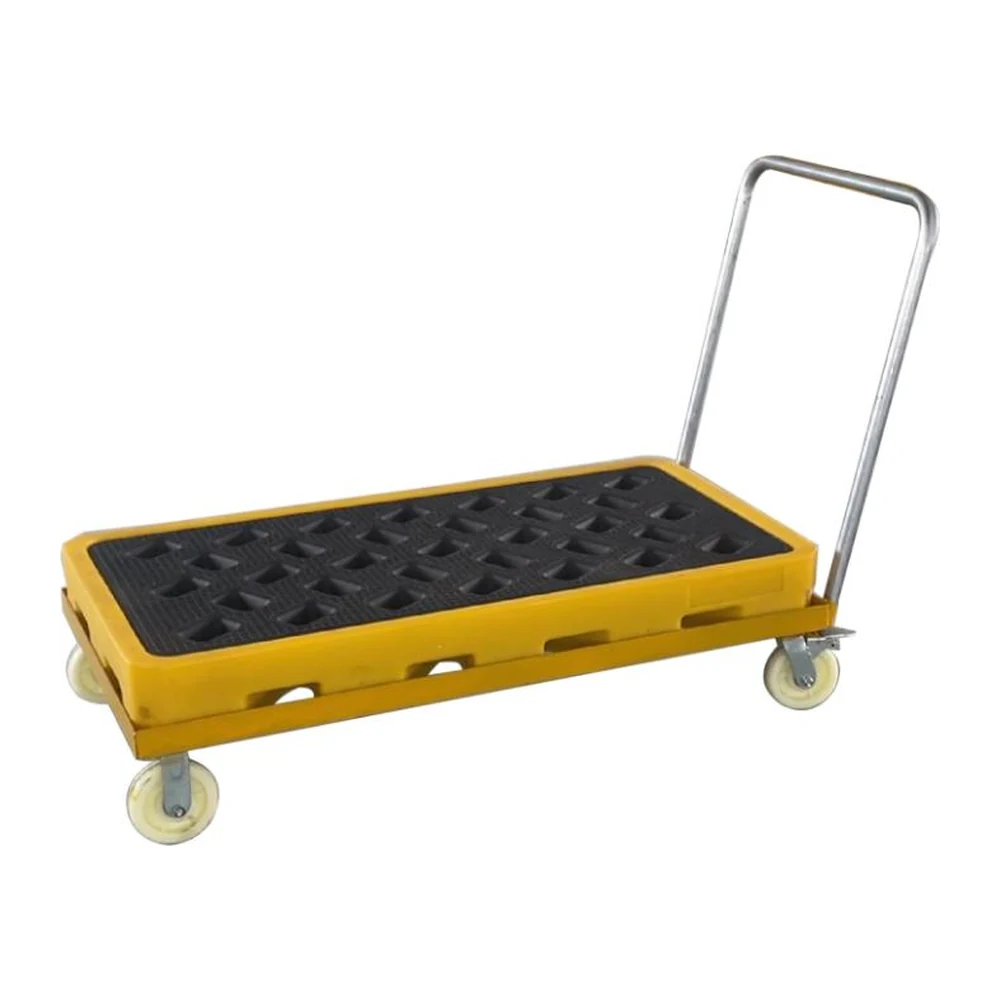 Drum Dollies & Trolleys |
Dollies rated 260 and 300 kg with 20 and 300 litre sumps, and a two-drum trolley for 600 kg. |
| Tapping a drum on its side | 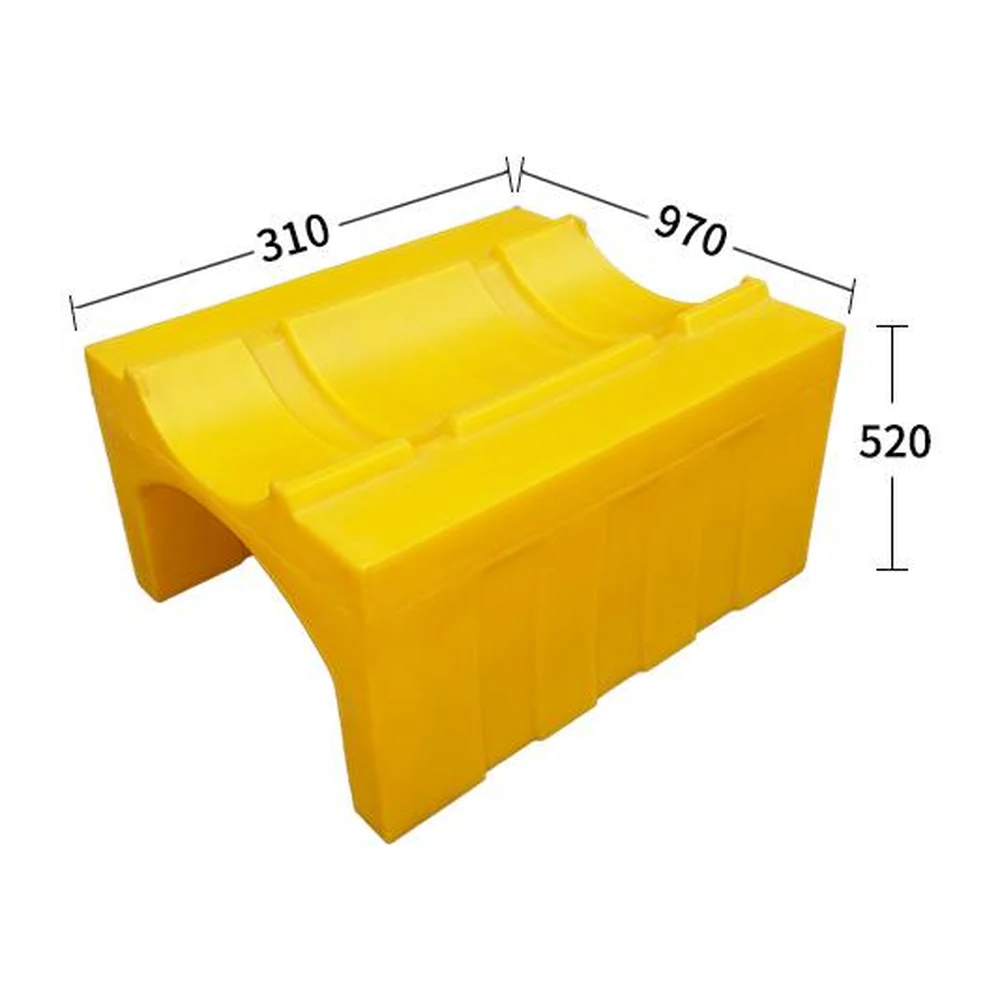 Drum Cradles & Dispensing Stands |
Cradles rated 260 to 600 kg; the dispensing base adds a 380 litre sump. |
| Loading a spill pallet | 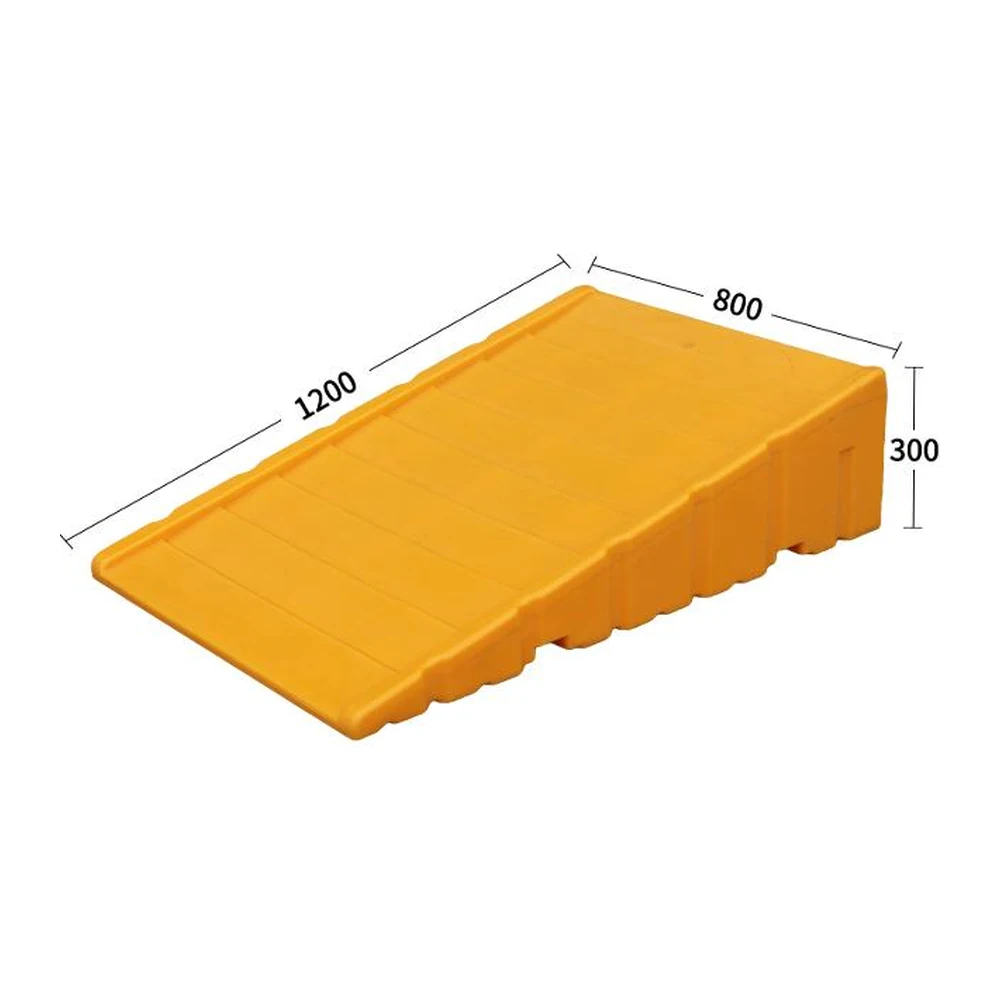 Spill Pallet Ramps |
Ramps 100 or 120 cm long for pallet heights of 10 to 30 cm, matched to the pallet. |
| Drums being dispensed | 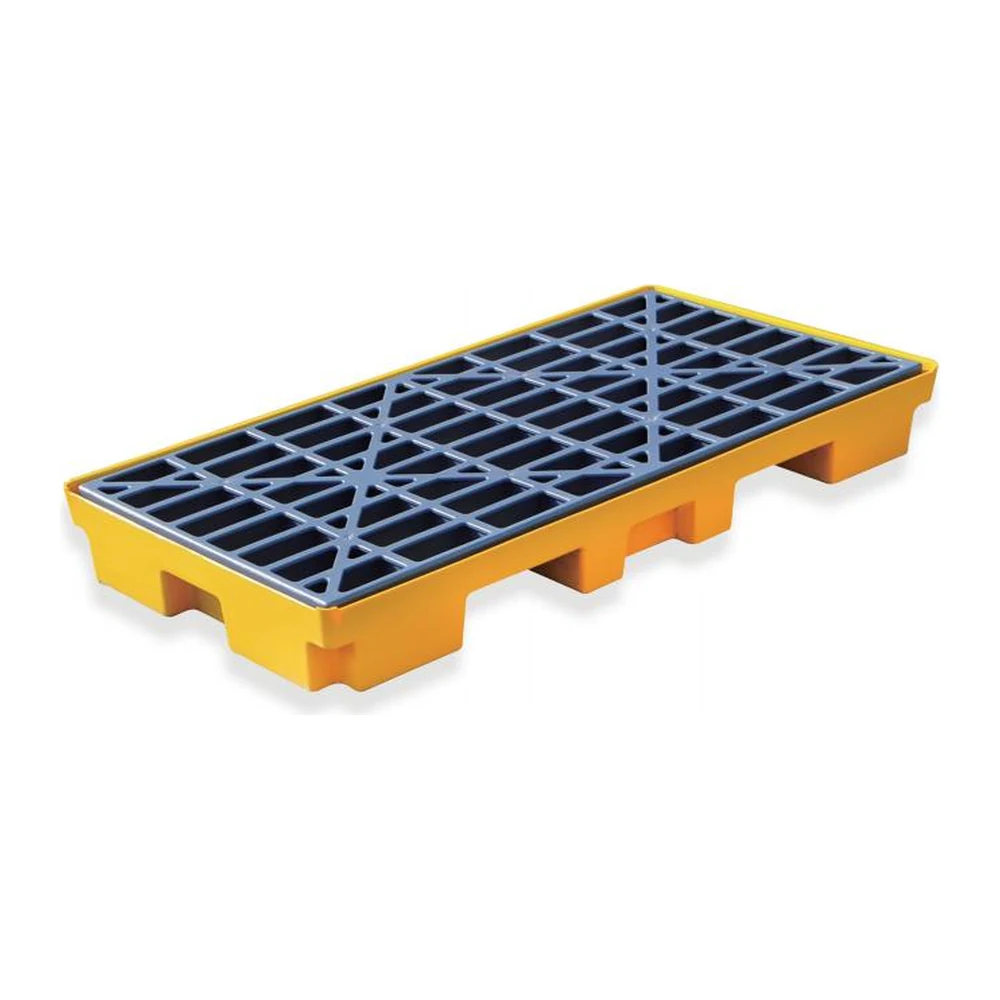 Drum Spill Decks |
Decks 10 to 15.5 cm high with 30 to 170 litre sumps, a short climb from the floor. |
| Drums in storage | 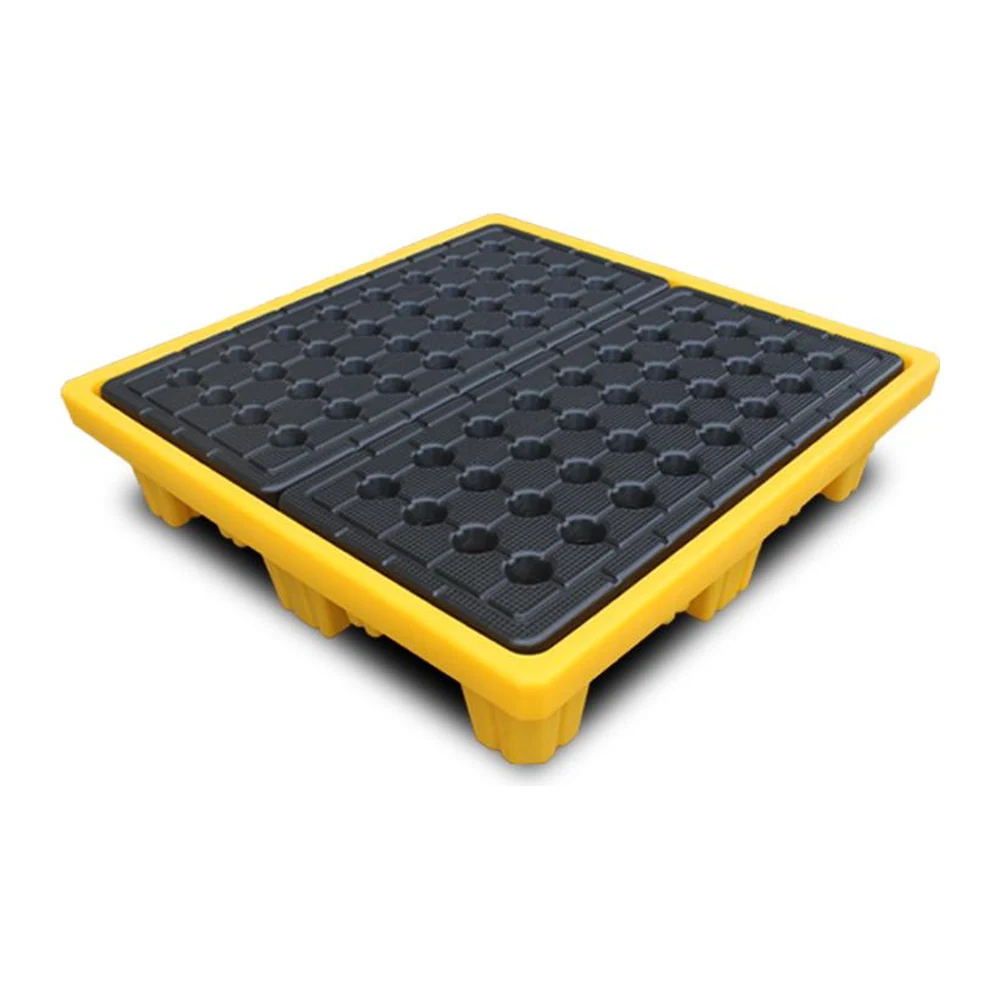 Drum Spill Pallets |
One to four drums over sumps of 42 to 488 litres, with forklift entry. |
| Gravity draw-off | 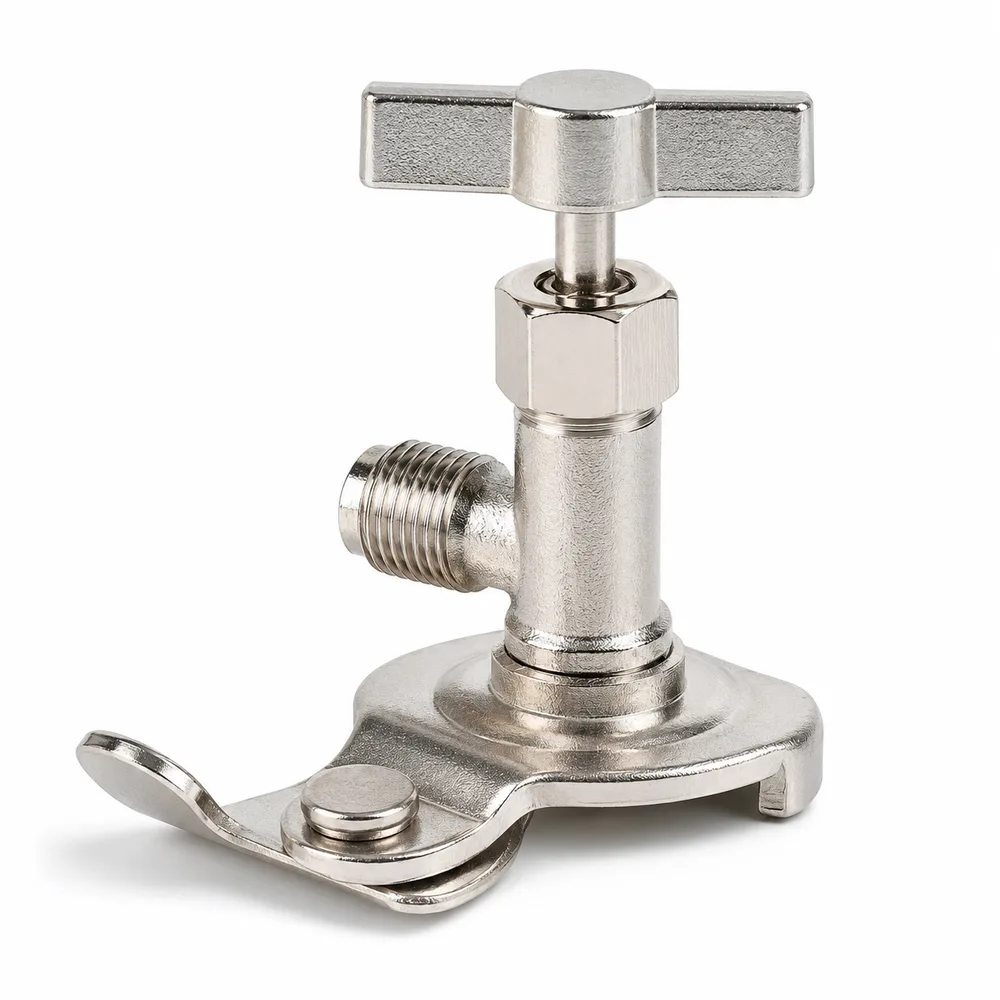 Taps & Dispensing Valves |
Brass, stainless and polymer taps with breather valves, the material matched to the liquid. |
| Drum to jerry can | 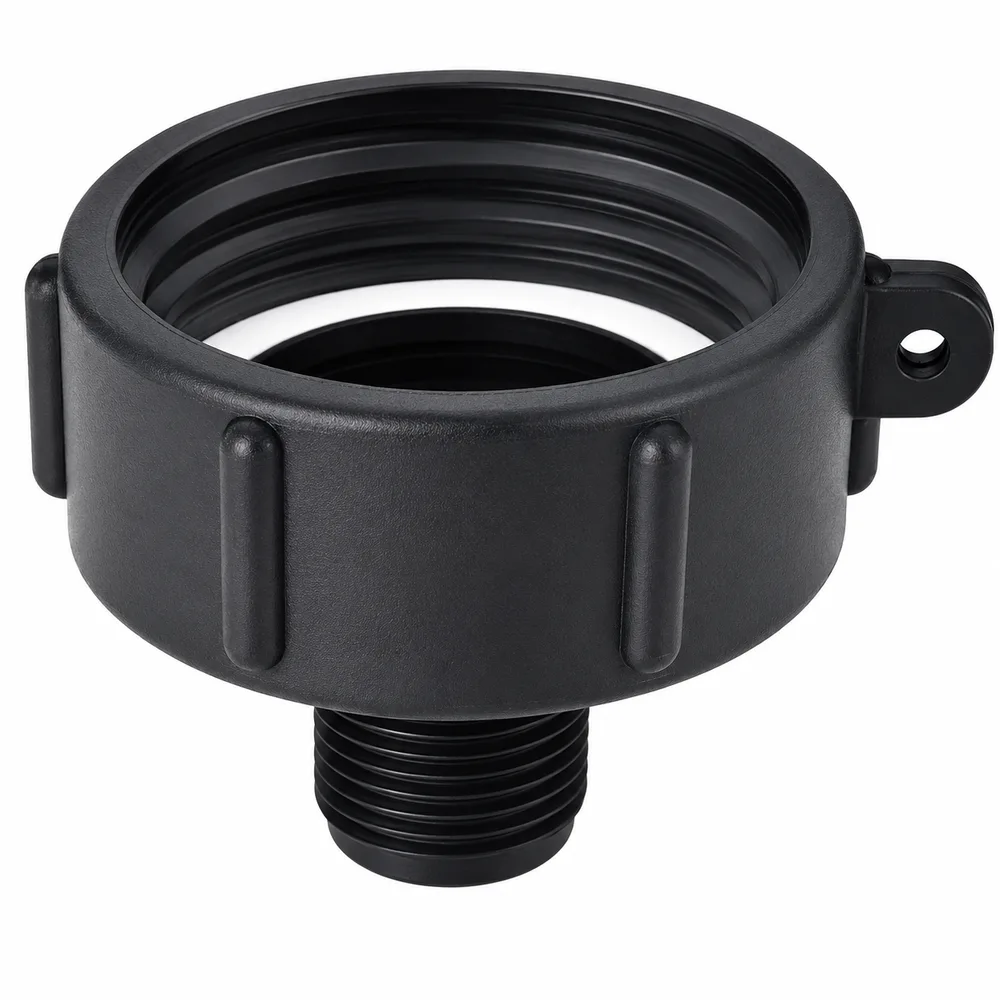 Drum & IBC Adapters |
Polymer or stainless adapters for common drum and IBC threads, in place of a funnel. |
A barrel pump is another name for a drum pump. It is a hand or powered pump with a long suction tube that goes through the 2 inch bung and lifts the liquid out through the top, so the drum stays upright and closed. The same pump with a shorter tube serves a canister, and with a 1,200 mm tube an IBC.
A pump that starts a siphon and then lets gravity do the work. A squeeze bulb or a shaker valve draws liquid up the tube and over the rim, and flow continues while the outlet sits below the liquid level in the drum. It slows as the two levels close and stops when they meet. It suits thin liquids into a lower container. Never start a siphon by mouth.
A hand pump that screws into the 2 inch bung and is turned by a crank. A vaned rotor sweeps liquid through the housing in a steady stream, where a lever pump delivers in pulses. One maker rates its rotary pumps at 28 to 38 litres per 100 turns and lists diesel, petrol, mineral spirits, light oils and kerosene. For petrol, bond the drum to the receiving can before you start.
For engine or hydraulic oil drawn a few litres at a time, a lever or rotary hand pump; one maker rates its lever pump to 40 weight oil. For gear oil, a lift pump rated for it, such as one maker’s to 140 weight. For daily volume, an electric drum pump, and past about 1,200 mPa·s an eccentric screw pump. Oil thickens in the cold, so size the pump for your coldest working day.
A pump built for flammable liquids. Acetone is UN 1090 in packing group II, so it flashes below 23 °C. Use a hand pump with conducting parts or a powered pump marked for the zone, with EPDM or PTFE seals, because nitrile and FKM fail in acetone. Bond and earth drum, pump and receiving container before liquid flows, and decant away from the store (HSE HSG140, paras 73 and 200).
One whose tube, rotor and seals are rated for the strength you hold. One maker builds polypropylene tubes for acids and alkalis and PVDF tubes for concentrated acids, and our chemical compatibility guide lists PTFE seals for 96% sulphuric acid. At 1.84 kg/L the acid is far denser than water, so specify the motor for the density and the dolly or cradle for a drum weight near 386 kg.
Only with a shorter tube. One maker lists a 1,000 mm tube for a 200 litre drum and 500 to 700 mm for canisters, so a drum tube on a 20 litre container bottoms out or stands too tall to use. Pick a pump or siphon sized for the container and its neck thread. Our guide to jerry can spouts, pumps and holders covers pumps for cans.
Tip it so the remaining liquid gathers at the pump inlet or the tap. A pump tube leaves a heel below its inlet; one maker’s emptying pump leaves under 0.05 litres in a 200 litre drum. Under the US EPA rules a drum that held hazardous waste is empty once everything pumpable has gone and no more than 2.5 cm (1 inch) of residue, or 3% by weight, remains (40 CFR 261.7(b)(1)).
No. The CDC advises storing water only in food-grade containers that have never held toxic substances, and cleaning does not turn a chemical, oil or fuel drum into a food-grade one. Buy a new food-grade drum for water. HSE adds a warning for any reuse: a drum’s label may not show what it last held, so treat an unknown drum as hazardous.
A two-wheeled hand truck shaped for drums, with a curved back and a hook or clamp that catches the top chime. You tip it back until the drum balances over the axle, then wheel it. The long handle supplies the force to tip a full drum, which by hand would take a push of about a third of its weight. Check the rated load against the full drum.
Yes. Any drum pump whose parts resist water will move it, and electric drum pumps reach their top flow on thin liquids like water. For drinking water or food, choose a pump whose wetted parts the maker declares fit for food contact, under EU Regulation 1935/2004 or the US FDA rules, and keep it for that use. Never move drinking water through a pump that has handled chemicals or fuel.
The standards and regulations this page relies on, at their issuing body. Where a market rule is named here, check the current revision before you specify against it.
Last reviewed by Clarence Cheang, Co-Founder.
Tell us the containers, the liquid and where the store is. We come back with the pallet or bund, its load rating and a quotation.