
What size a drum bung is, which thread it takes, which gasket and vent to fit, how to open and torque it, and what an IBC valve connects to.
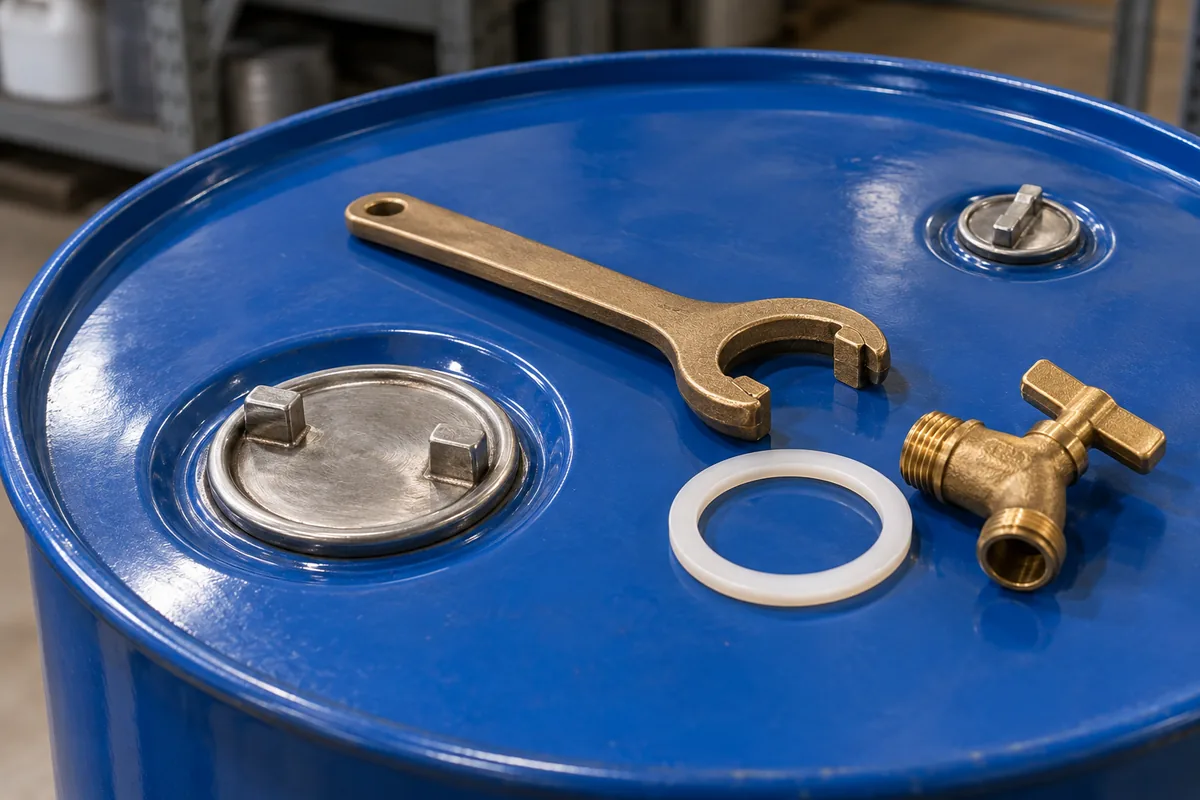
A drum bung is the threaded plug that closes a hole in a drum’s head. A tight-head steel drum has two: a 2 inch (51 mm) bung for filling and emptying and a 3/4 inch (19 mm) bung that lets air in. Steel drums take NPS or G 2 threads, plastic drums 56 × 4, 70 × 6 mm and others, and an IBC valve is DN50 or DN80.
Quick answer: What are the standard drum bung sizes?
A tight-head steel drum carries two bungs opposite each other in its head: a 2 inch (51 mm) filler plug for filling and emptying, and a 3/4 inch (19 mm) vent plug. Plastic drums under ISO 20848-3 keep both sizes and add metric bungs of 70, 56 and 38 mm. Several threads share the 2 inch size.
Work it out
A drum bung, or drum plug, screws into a threaded flange in the head of a tight-head (closed-head) drum; the hole it closes is the bunghole. The US federal drum specification, PPP-D-729E, sets a 2 inch (51 mm) filler plug and a 3/4 inch (19 mm) vent plug opposite each other in the head (3.5.3.1). Liquid goes in and out through the large bung; the small one lets air replace it, and is the one to ease first when a drum may hold pressure.
ADR 2025 caps every opening in a tight-head drum at 7 cm across; a wider one makes it an open-top drum (6.1.4.1.5 for steel, 6.1.4.8.5 for plastic). Closures must stay secure and leakproof in carriage, sealed with a gasket unless leakproof by design. The 205 litre drum guide compares tight-head and open-top drums and their UN codes, 1A1 and 1H1 among them.
The standard drum bung sizes are 2 inch and 3/4 inch, and a 205 litre or 55 gallon oil drum carries one of each. ISO 20848-3, the standard for bungs in plastic drums of 113.6 to 220 litres, keeps both sizes and adds metric bungs of 70, 56 and 38 mm. The 2 inch bung takes the pump, tap or adapter; nothing that size passes the 3/4 inch vent.
An IBC has its openings on the bottle. One IBC maker lists filling openings of DN150 (6 inch) or DN225 (9 inch) under a screw cap, and outlet valves of DN50 (2 inch) or DN80 (3 inch). The lid can carry a 2 inch plug of its own, and that maker’s screw caps vent one way or both ways through a filter.
Several threads share the 2 inch size, and a plug, tap or adapter fits only its own. ISO 15750-3:2022 sets three flange systems for steel drums: type A on an octagonal base, type B on a serrated base and type C on an octagonal G 2 and hexagonal G 3/4 base. G is the ISO 228-1 parallel pipe thread sold as BSP. US drum data sheets list the same openings as NPS. For plastic drums, ISO 20848-3:2018 sets six bung systems by diameter and pitch.
| Opening | Thread systems in use | Source |
|---|---|---|
| Steel drum | G 2 and G 3/4 on three flange bases | ISO 15750-3, types A to C |
| Steel drum, US | 2 in and 3/4 in NPS fine thread | US makers’ data sheets |
| Plastic drum, 113.6–220 L | 70 × 6, 56 × 4 and 38 × 6 mm; G2 × 5, G2 × 11.5 and G3/4 × 14 | ISO 20848-3, Annexes A to F |
| IBC lid, DN150 or DN225 | Screw cap, vented or plain; may carry a 2 in plug | IBC makers’ data |
| IBC outlet, DN50 or DN80 | S60x6 coarse thread, NPS, or a 2 in camlock | IBC and valve makers’ data |
Treat a 2 inch BSP fitting and a 2 inch NPS bung as different threads. The standards name them apart, ISO 15750-3 using the ISO 228-1 G thread and ISO 20848-3 giving two other 2 inch threads annexes of their own, and trade names blur the rest: catalogues call more than one system “buttress”. A plug in the wrong thread can start, sit proud and load its gasket unevenly. Order by diameter and pitch from the drum maker’s data sheet, or fit an adapter made for the pair.
Every bung seals on its gasket, and ADR 2025 requires every part in contact with dangerous goods to resist them (4.1.1.2). Makers offer polyethylene, EPDM, nitrile (Buna), FKM and PTFE. PPP-D-729E allows polyethylene gaskets only for products other than hydrocarbons (3.5.1). EPDM suits water, ketones and alkalis and swells in fuels and oils. Nitrile suits diesel and oils and fails in acetone, FKM takes petrol and many solvents, and PTFE resists the widest range.
Check the liquid in the chemical compatibility guide. Gaskets also take a set under compression with age, as the jerry can closures guide explains for can caps. ADR replaces every removable gasket when a drum is reconditioned (1.2.1), and one drum maker’s closing sheet asks the filler to inspect each gasket before closing and replace a defective one with a part sold with the original drum.
A sealed drum breathes with the temperature. Warm air in the headspace raises the pressure and a volatile liquid adds its vapour pressure, as fuel-can venting and pressure shows for cans. HSE’s HSG51 asks for ullage to absorb expansion at the highest temperature the container will meet, and warns that sunlight warms containers (paras 69 and 70). A drum that has stood in the sun can spray when opened.
In carriage, ADR 2025 allows a vent only where the gas released would cause no danger through its toxicity, flammability or quantity (4.1.1.8), as does 49 CFR 173.24(g), so a drum of petrol or solvent travels sealed. In use, a vented bung or pressure-vacuum vent in the 3/4 inch opening lets air in as a tap draws. For flammable liquids, HSE’s HSG140 pairs self-closing drum taps with safety vents that stop pressure or vacuum building, keep flame from flashing back and make a drum less likely to burst in a fire (paras 201 and 202).
Know what the drum holds before you touch the bung. OSHA’s hazardous waste rules ask for drums to be opened so that excess pressure escapes without harm, with tools that cannot ignite a flammable atmosphere (29 CFR 1910.120(j)(2)(v) and (vi)). A bulging drum stays where it stands until the cause is known ((j)(5)(v)). The US EPA’s drum sampling procedure stands the drum with its bung on top and turns the wrench in a slow, steady pull (SOP 2009, 7.4).
Loosen the 3/4 inch bung first so air or vapour can move, then the 2 inch bung. Keep each gasket with its plug and look at it before it goes back. HSG140 says drums should be opened so that they can be closed again, never by punching a hole in the cap or the drum wall (para 199), which rules out a hammer and screwdriver. Drum storage requirements covers bung position in storage and the weekly check.
A drum bung wrench, also sold as a bung spanner, drum key or bung opener, is a bar with jaws or lugs shaped to the plug. It has to fit your plugs: 2 inch and 3/4 inch steel plugs with round or hexagon heads, and plastic 2 inch, 56 mm and 70 mm plugs. Universal bung wrenches carry fittings for nearly all common bungs (US EPA SOP 2009, 5.0). For flammable contents use a non-sparking wrench: the EPA lists brass, bronze-manganese and aluminium alloys, and warns that such a wrench lowers the chance of a spark without removing it.
A bung socket is the same fitting for a square-drive ratchet or torque wrench, the plug wrench adaptor of ISO 15750-3, Annex D. A cap seal is a steel or plastic cover crimped over the closed plug and flange with a hand or pneumatic sealing tool. It has to be broken to come off, which shows tampering, and the sealing tool must match the plug head and size.
Tighten a bung to the drum maker’s figure. ADR 2025 requires packagings to be closed as the manufacturer’s information says (4.1.1.1), and makes the maker and each later distributor describe the closures and gaskets the drum needs to pass its tests (6.1.1.5). The US drum closure requirements match: 49 CFR 173.24(f)(2) wants closure and gasket closed as the maker’s notice says. 178.2(c) makes that notice ensure the drum is “closed in the same manner as it was tested.” One drum maker’s closing sheet gives 2 inch plugs 12 to 44 ft-lb (16 to 60 N·m) and 3/4 inch plugs 5 to 22 ft-lb (7 to 30 N·m), with a torque wrench calibrated at least once a year.
The closure is part of the tested design: a UN design type is defined by its design, size, material, construction and packing, and the tests repeat after any change to design, material or construction (ADR 6.1.5.1.2 and 6.1.5.1.4). The drop test’s second drop aims at the weakest part, a closure for example, and the leakproofness test holds drum and closures at 20 kPa, or 30 kPa for packing group I (6.1.5.3 and 6.1.5.4). A plug or gasket the maker does not list can take a UN-marked drum outside its design type, and that maker’s sheet says such a change voids the certification. UN certificates and test reports shows where the closures appear in the paperwork (6.1.5.8).
A drum tap, or faucet, screws into the 2 inch bung, or the 3/4 inch for a slower flow. Lay the drum in a cradle with the tapped bung at the bottom of the head and the other at the top, open or fitted with a vent, so air replaces the liquid. Brass suits oils and water; copper alloys are wrong for AdBlue. For flammable liquids inside a building, OSHA allows gravity draw-off only through an approved self-closing valve (1910.106(e)(2)(iv)(d)). HSG140 recommends self-closing taps of non-combustible material (para 202), which leaves plastic drum taps for non-flammable contents. Put a deck or sump under any tapped drum.
A drum pump goes in through the 2 inch bung: lever, piston or rotary hand pumps for occasional draws, electric pumps for volume. For flammable liquids, HSG140 asks for a pump that fits the drum closely yet relieves pressure in a fire, conducting hoses, and electrics built to a suitable explosion-protection standard (para 203). Bond and earth drum and receiving container (para 200; OSHA 1910.106(e)(6)(ii) below a 37.8 °C flash point). Never pressurise a drum with compressed air to push liquid out: OSHA bans it, and HSG140 warns it can form an explosive mixture (para 171). See DSEAR and ATEX for zones and jerry can spouts and pumps for cans.
An IBC valve is the tap at the base of the tote’s bottle, and most are DN50, a 2 inch bore, with DN80 (3 inch) for faster or thicker flows. One IBC maker builds butterfly valves in DN50 and DN80 with a polyethylene gasket, cylindrical valves in DN50 with EPDM or FKM, and ball valves in DN50 with PTFE; the last two can be set part-open to regulate flow. ADR asks for a bottom valve that can be secured closed, a lever that cannot open by accident and shows its position, and a second seal on the outlet such as a blank cap (6.5.3.1.8).
The outlet thread decides what connects. European valves often end in S60x6, a coarse thread 60 mm across with a 6 mm pitch, and the same maker supplies one butterfly valve with metric or NPS threads or an integrated 2 inch camlock. Read the thread off the valve before you order a cap, adapter or hose. The IBC tote guide and UN 31HA1 cover the tote itself.
To change an IBC valve, drain and clean the tote, undo the valve’s ring nut or flange with an IBC valve wrench, fit a valve and gasket to the tote maker’s specification, and check for leaks. ADR 2025 counts this as routine maintenance only when the parts conform to the original manufacturer’s specifications and the IBC’s leaktightness is verified (1.2.1). Anyone other than the owner then marks the IBC near its UN mark with their State and name (4.1.2.4), and where closures sit in series, the one nearest the contents closes first (4.1.1.7.1).
The lid has a torque figure too: one US drum and IBC supplier closes a 6 inch fill cap at 100 ft-lb (136 N·m) and the 2 inch plug in it at 15 ft-lb (20 N·m). To run a hose, fit an adapter from the outlet thread to a hose tail, with a seal that suits the liquid. Our drum and IBC adapters fit common drum and IBC threads and can be cut to a non-standard one. Check a used tote’s plate dates in the IBC inspection date checker before refilling.
We do not make drums, IBCs, bung plugs, IBC valves or bung wrenches. We make what sits either side of them: drum and IBC adapters in polymer or stainless, and brass, stainless and polymer taps with breather valves. For the drum itself we make polyethylene cradles rated 260 to 600 kg for tapping it, spill decks with 30 to 170 litre sumps, dollies, and salvage drums of up to 360 litres for one that fails.
At the receiving end we build steel and plastic jerry cans with DIN 45, 51 and 61 caps and gaskets matched to the contents. Our dangerous-goods jerrican designs carry UN certification per design type, made under quality assurance the competent authority accepts, in factories holding ISO 9001, 14001 and 45001. Send us the drum or IBC thread and the liquid, and we check the fit.
| Your use case | Recommended can | Why this one |
|---|---|---|
| Drum or IBC to jerry can | 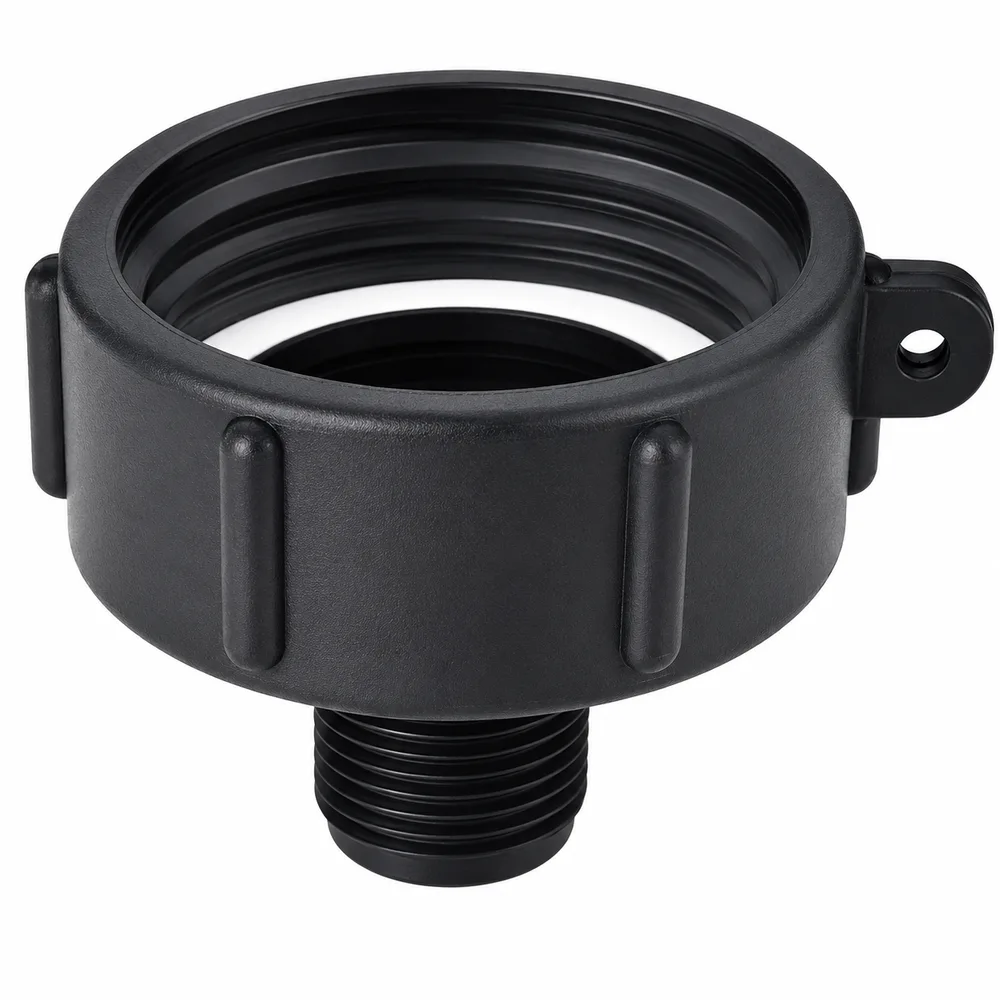 Drum & IBC Adapters |
Polymer or stainless adapters for common drum and IBC threads; send us yours and we confirm the fit. |
| Tapping a container | 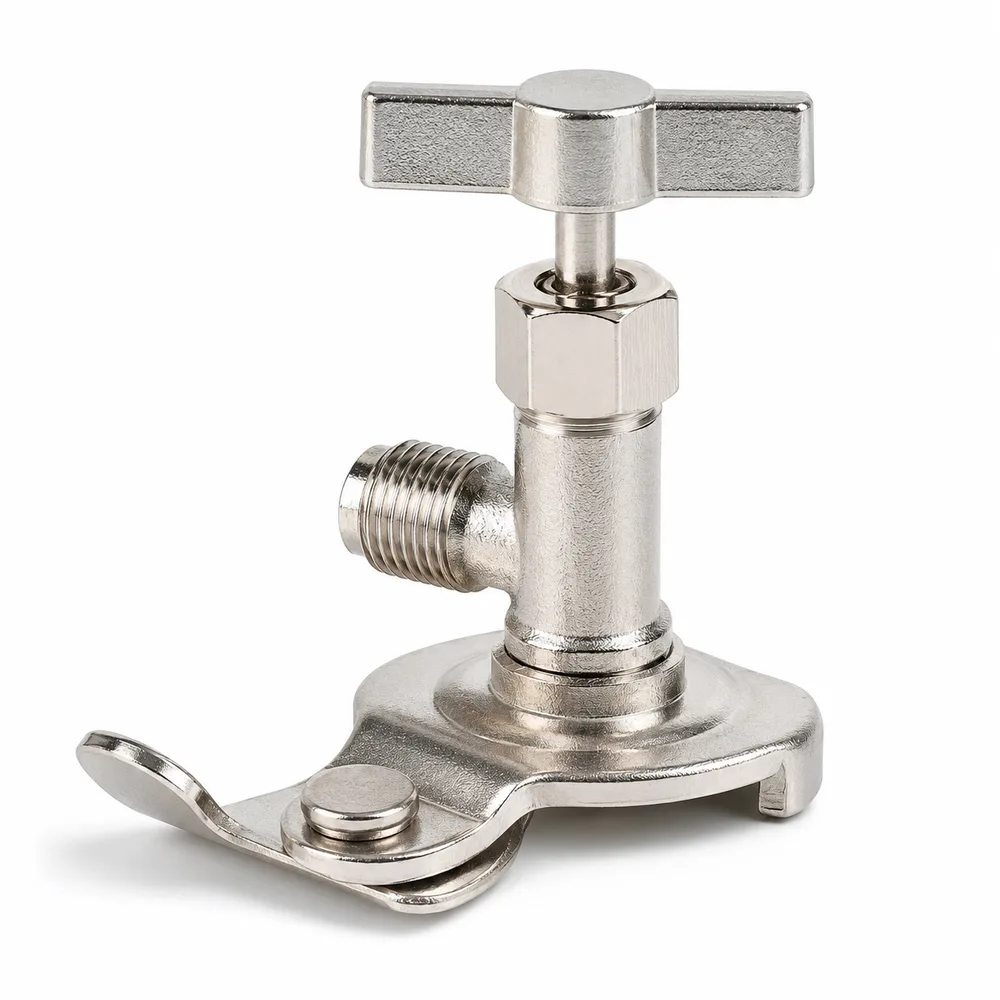 Taps & Dispensing Valves |
Brass, stainless and polymer taps with breather valves, threaded to the container they serve. |
| Dispensing by tap | 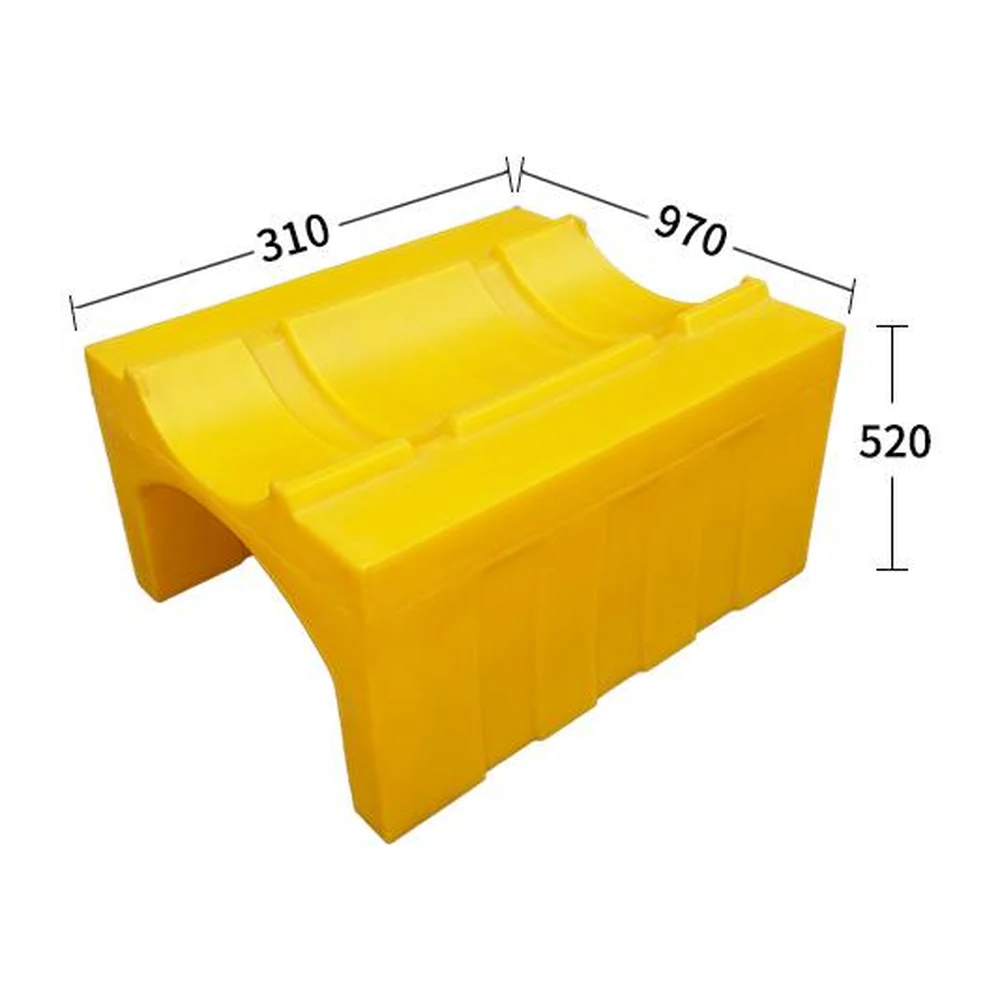 Drum Cradles & Dispensing Stands |
Cradles rated 260 to 600 kg hold a full drum on its side; the dispensing base adds a 380 litre sump. |
| Drips at the tap | 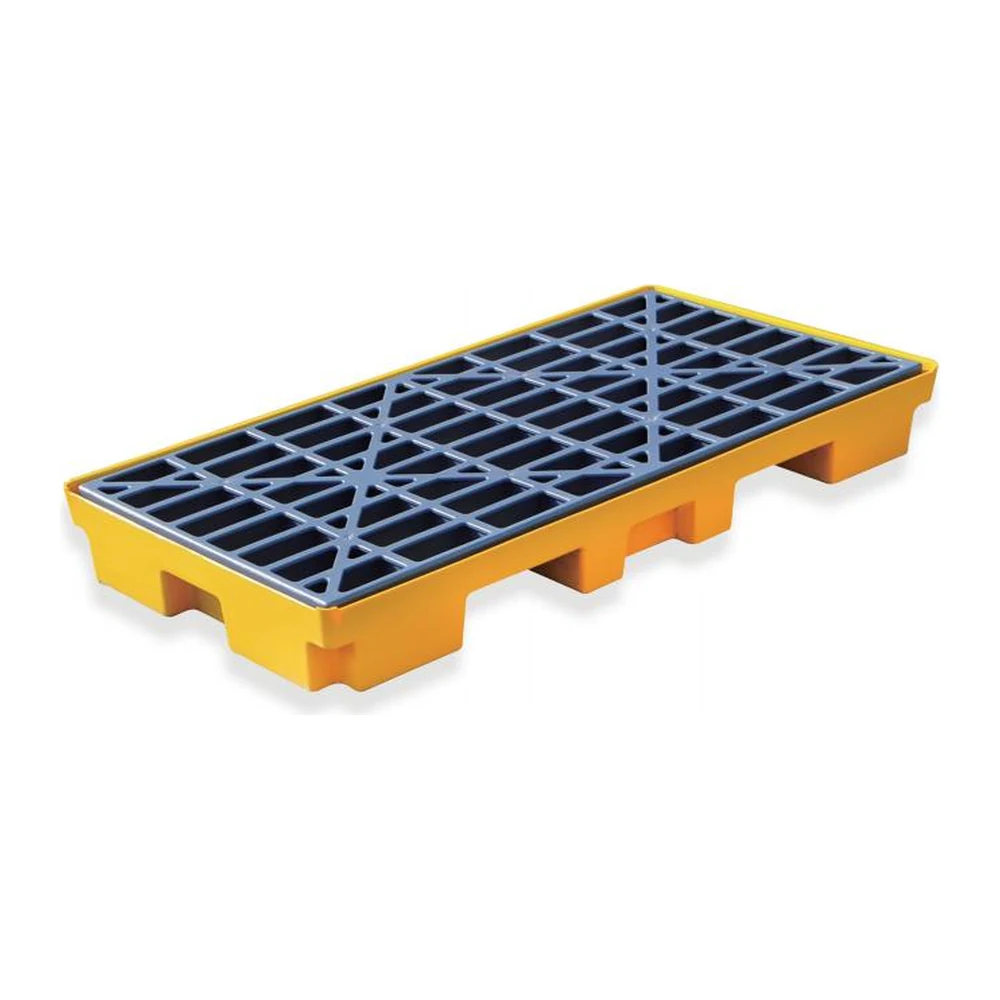 Drum Spill Decks |
Low decks with 30 to 170 litre sumps and an open grate under drums in use. |
| Moving a full drum | 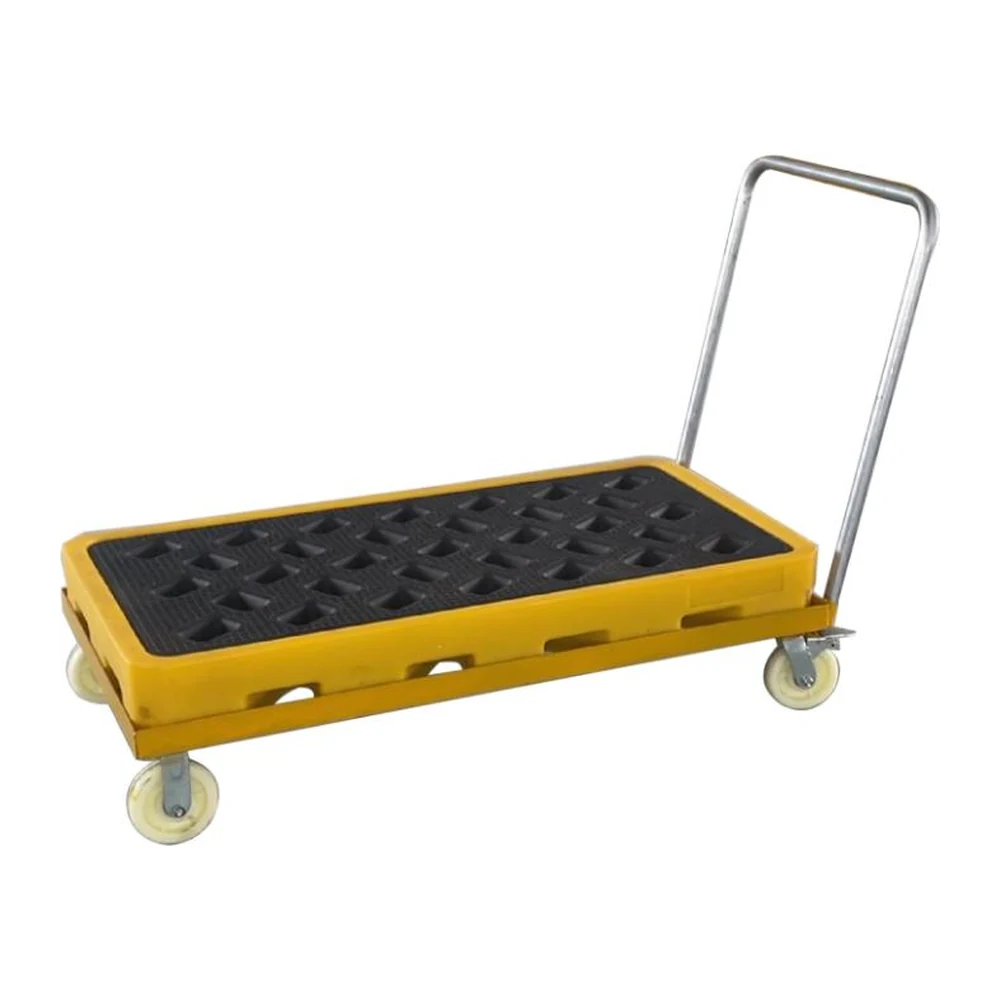 Drum Dollies & Trolleys |
Dollies with 20 and 300 litre sumps carry the containment with the drum. |
| A failed bung or flange | 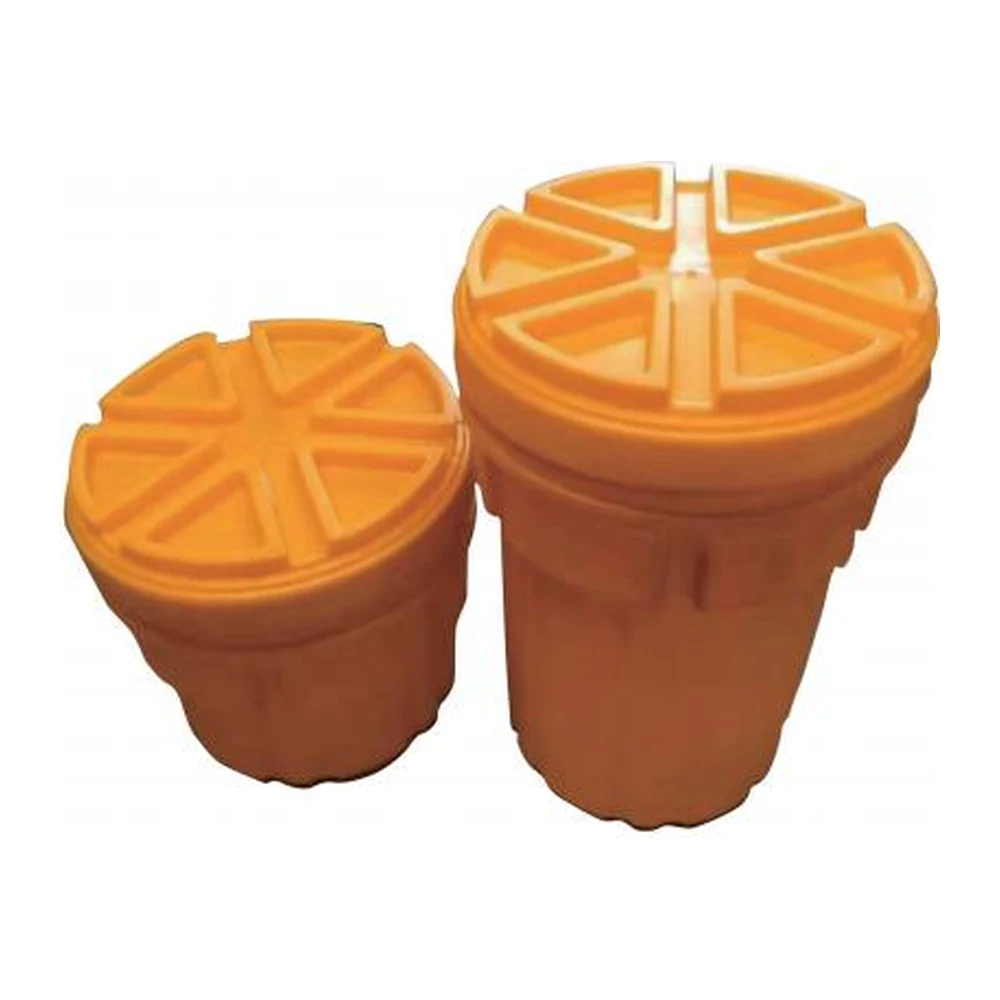 Salvage Drums & Spill Response Storage |
Overpacks of 75 to 360 litres take a leaking drum; ask us what approval a salvage drum carries. |
| The jerry cans you fill | 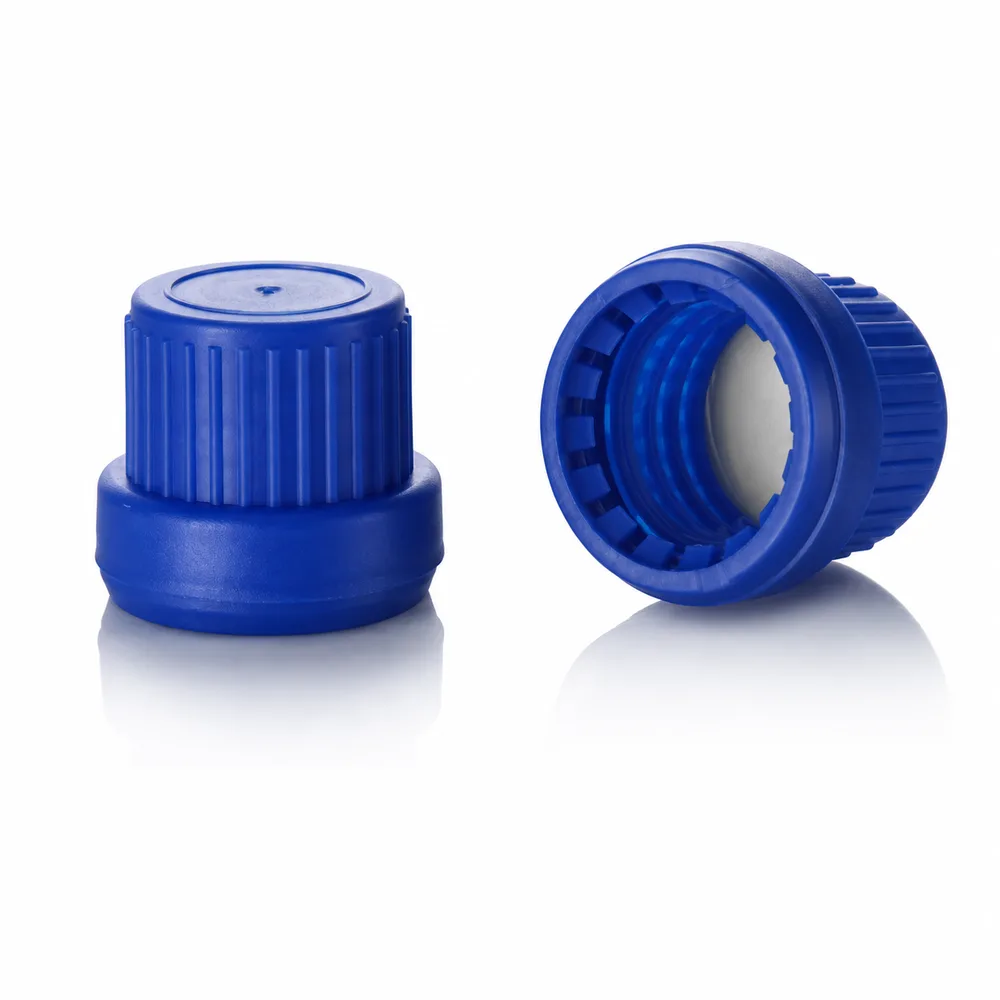 Caps, Closures & Gaskets |
Vented and plain DIN 45, 51 and 61 caps and replacement gaskets matched to the contents. |
Peel off the seal foil or unscrew the outlet cap, connect your hose or adapter, then release the lever lock and turn the handle; a quarter turn opens a butterfly or ball valve. Loosen the lid or open its vent so air can replace the liquid as it drains. To close, turn the handle back, refit the outlet cap, which ADR requires as a second seal, and tighten the lid.
Use a bung wrench. A screwdriver and hammer chew the plug’s lugs, dent the flange the gasket seals on and can strike a spark. HSE’s HSG140 says drums should be opened so that they can be closed again, never by punching holes in the cap or the drum wall (para 199). Where flammable vapour may be present, OSHA asks for tools that cannot ignite it.
A bung hole (tight-head) drum for thin liquids and anything flammable; an open-top drum for solids, pastes and viscous products you scoop, mix or pour in. HSE’s HSG140 says drums with large removable ends are not normally suitable for flammable liquids (para 199), and under the UN rules an open-top drum may not carry a thin packing group I liquid at all.
A spanner shaped to grip the large ring nut that holds the valve to the IBC bottle; some also fit the lid or the outlet cap. The nut and its lugs differ between tote makers, so buy the wrench for the totes you run. Use it to free a stuck nut or to seat a new gasket evenly, and stop there: overtightening deforms a plastic thread.
With an adapter that has the valve’s outlet thread on one side and your hose fitting on the other. Read the outlet first: S60x6 coarse thread is common in Europe, North American valves often use 2 inch NPS, and some end in a 2 inch camlock. Step down from the 2 inch outlet to the hose size in one fitting, and match its seal to the liquid.
A fitting that screws into a drum bung and turns its thread into another: a hose tail, a pump, a tap or a jerry can neck. One side must match the bung thread and the other your equipment, and the material must suit the liquid. An adapter changes nothing about what the drum is approved for: on a UN drum, refit the original plug and gasket before it travels.
Only if it is clean, whole and still springs back, and look at it every time the bung comes out. A gasket that is cracked, flattened, swollen or hard will not seal. ADR replaces every removable gasket when a steel or plastic drum is reconditioned (1.2.1), and one drum maker’s closing sheet asks fillers to swap any defective gasket for a new part sold with the original drum.
Find the leak path first. A drip from the outlet with the handle shut points to the valve seat. A weep where the valve meets the bottle points to the ring nut or the gasket behind it, and a cracked body can follow a frost with water left in the valve. Drain the tote, replace the gasket or valve with parts to the original maker’s specification, and check for leaks before you refill.
On an upright drum both bungs sit on top, above the liquid. On a drum stored on its side, NetRegs GPP 26 recommends turning the bungs level, at 3 and 9 o’clock, so a weeping bung drains the drum only to its own level. A drum being tapped in a cradle turns the other way: the 2 inch bung and its tap at the bottom, the 3/4 inch bung at the top as the vent.
A bung and a plug are the same part, the threaded stopper. The flange is the threaded socket fixed in the drum head that the plug screws into, and the gasket seals between the two. A cap seal is a thin steel or plastic cover crimped over the closed plug and flange, which has to be broken to open the drum and so shows tampering.
The standards and regulations this page relies on, at their issuing body. Where a market rule is named here, check the current revision before you specify against it.
Last reviewed by Clarence Cheang, Co-Founder.
Tell us the containers, the liquid and where the store is. We come back with the pallet or bund, its load rating and a quotation.