
Which spout fits which neck, what a fuel pump needs before it touches petrol, and what a holder must do to keep a full can on the vehicle.
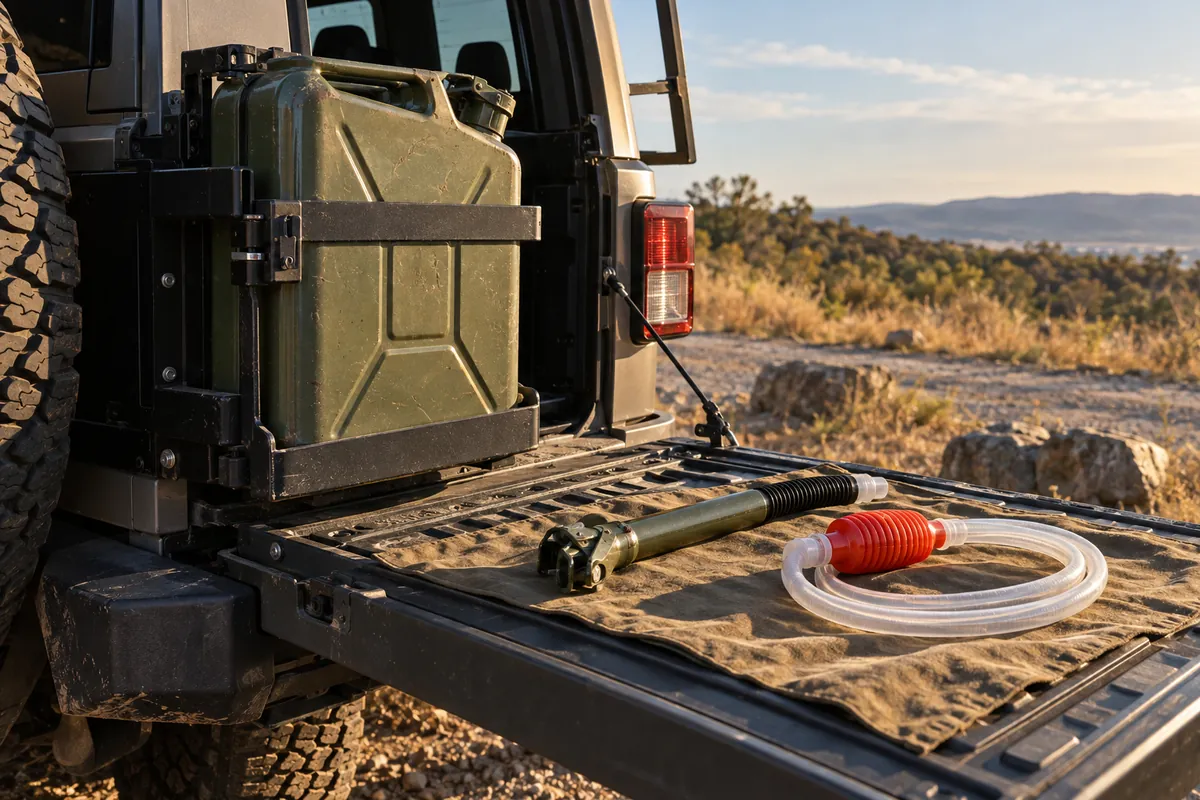
A jerry can spout fits by its neck. A screw spout must match the neck size, such as DIN 51 or DIN 61, a cam-lever NATO can takes a spout made for that neck, and a US consumer can keeps the spout certified with it. A holder must lock a full can of 18 to 23 kg in place against braking forces of 80 to 100% of its weight.
Quick answer: Do jerry can spouts fit every can?
No. A spout fits one neck. Screw necks follow designations such as DIN 45, 51, 61 and 71, the number approximating the outer thread diameter in millimetres; DIN 61 is the most common on 20 litre UN jerricans, and a DIN 51 spout on it cross-threads and weeps. A cam-lever NATO neck takes a spout made for it.
No. A spout fits one neck, and jerry cans use several. A screw neck takes a spout cut to the same thread. Jerrican necks follow designations such as DIN 45, 51, 61 and 71, where the number approximates the outer thread diameter in millimetres, and DIN 61 is the most common on 20 litre UN jerricans. A DIN 51 spout on a DIN 61 neck cross-threads or sits proud, and the joint weeps.
A cam-lever neck, the classic NATO pattern closure, has no thread for a spout to screw onto, so its spout is made to fit that neck in place of the cap. A US consumer can carries a spout certified with that can family. A thread adapter adds a second joint and a second gasket to keep sealed.
| Neck | How the spout fits | What to order |
|---|---|---|
| Screw neck, DIN 45, 51, 61 or 71 | Screws on in place of the cap, gasket between | A spout of the same DIN size, gasket to suit the fuel |
| Cam lever (classic NATO) | Fits the neck in place of the cap | A spout made for the NATO cam-lever neck |
| US consumer can | Certified with the can as one system | The spout sold for that can family |
| US military 20 L can | Threads onto the external thread of the filler neck (A-A-59592A, 3.4.3) | The spout bought to the same description |
Our 20 litre NATO-pattern steel fuel can has a vented screw cap, so its spouts thread on.
A spout narrows the pour into a stream you can aim at a filler neck, and it lets air into the can as fuel leaves. With one opening, air and fuel take turns and the pour glugs. A vented spout, often sold as a spout with a breather, gives the air its own path. A US self-closing spout adds a valve: California requires it to close by itself when removed from the target tank, seal, and stay shut when not dispensing (CARB CP-501, 2.6). Venting and pressure explains the trade-off.
| Spout | Choose it for | Check |
|---|---|---|
| Rigid | Wide, open fillers on generators, mowers and plant | Reach: a short spout means tipping the can further |
| Flexible long-nose | A filler behind a wheel arch, under a deck or in a tight bay | Length, bend angle and the filter mesh |
| Auto-shutoff | Boats and generators, where an overfill means a spill | The model’s datasheet for how it senses a full tank |
| Vented or breather | A smooth pour from a full can | That the air path seals when capped |
| US self-closing | Consumer sale in the US and California | Only the spout certified with the can |
The US description for its 20 litre military fuel can sets a benchmark for a flexible spout: at least 60° of flex without binding, 18 in ± 2 in long (about 460 mm), and no wider than 1.5 in (38 mm). It must empty the can in under three minutes, through a filter no coarser than 100 mesh (A-A-59592A, 3.2.13 and 3.2.13.1).
In Great Britain the rule judges the whole container. A portable petrol container must prevent the escape of liquid or vapour and let petrol be poured safely (Petroleum (Consolidation) Regulations 2014, Schedule 3, paragraph 1(d)). No spout pattern is named, so a replacement passes if it seals on the neck and pours without spilling. UK petrol container rules gives the size limits.
In the United States the spout is part of the certified product. The EPA rule counts the spouts, caps and gaskets provided with a container as part of it (40 CFR 59.611(b)), and a vent the user can open must close by itself (59.611(c)(1)(ii)). The CPSC rules define a portable fuel container to include “any retrofit or aftermarket spout” (16 CFR 1460.2 and 1461.2). A replacement spout sold for a consumer can therefore sits inside the child-resistance rule (1460.3) and the flame-mitigation rule (1461.3).
The best gas can spout replacement is the one sold for your can family. For any other can, check the neck size, a nitrile or FKM gasket for fuel, a vent path and the reach. The EPA and CARB guide covers certification; Fortitude21 holds no EPA or CARB approval.
The US buys its 20 litre military fuel can to Commercial Item Description A-A-59592A. It gives the spout its own identification number, AA59592 with the letter C for “spout only” (7.1), and makes the can fit the size envelope of the A-A-52513 bracket assembly (3.4.1).
An NSN identifies one codified item. It has 13 digits: the first four are the NATO Supply Classification, the next two name the country that codified the item (99 is the United Kingdom), and the rest identify the item (UK National Codification Bureau). A-A-59592A sits in supply class 7240. A tender that quotes an NSN wants the item codified under that number, and a lookalike part does not carry it. See defence and government procurement and genuine vs fake NATO cans.
Look for a pump rated for the fuel, a conductive hose, a bond wire with a clip and a nozzle that closes by itself. Never start a siphon by mouth: UKHSA warns that petrol inhaled into the lungs while siphoning can cause pneumonitis, a severe form of lung damage.
| Feature | Why it matters | Source |
|---|---|---|
| Bond wire and clip | Containers bonded and earthed before fuel flows | HSG140 paras 73 and 200; 29 CFR 1926.152(e)(2) and 1910.106(e)(6)(ii) |
| Conductive hose | A drum pump’s flexible hose must conduct | HSG140 para 203 |
| Explosion-protected motor | An electric pump must suit the hazardous zone | HSG140 paras 69 and 203 |
| Self-closing nozzle or valve | Pumped transfer runs through an approved self-closing valve | 29 CFR 1926.152(e)(3) |
| No air pressure | Pressurising a container to push fuel out is prohibited | 29 CFR 1926.152(e)(3) |
A plastic can has no metal for a clip, so keep it on the ground with the nozzle touching the neck while fuel runs. NIOSH traced fires to cans filled on plastic bed liners and carpet, and says to take the can out of the vehicle and set it on the ground first (Publication 98-111). A US consumer can carries a flame-mitigation device in its opening (16 CFR 1461.3), and a mesh in the neck stops a pump tube; taking it out leaves the can without the device the rule requires.
To drain a vehicle tank in a garage, HSE recommends a proprietary fuel retriever with earthing straps, and metal containers above 10 litres (INDG331). Decanting from a drum or an IBC follows the same rules through a bung adapter or outlet coupling (drum guide, IBC tote guide). In a zoned workplace, DSEAR and ATEX set the equipment category.
A tap turns a can into a draw-off point on a bench or a tailgate. Draw from a sealed can and the flow glugs, then stops, so the tap needs a breather valve to let air in. Material follows the contents. Brass suits oil and water, and diesel exhaust fluid corrodes copper alloys, so a DEF can takes stainless or polymer (DEF containers).
For drinking water, ask for a tap whose wetted parts meet a lead-free figure. The US defines lead free as a weighted average of no more than 0.25% lead across the wetted surfaces of a fitting (40 CFR 143.12), with certification such as NSF/ANSI 372. A 12 V pump for a water can needs wetted parts suited to drinking water, a cap adapter cut to the can’s neck, and a hose kept for water. WRAS approval and NSF/ANSI 61 explain the approvals; Fortitude21 holds neither.
A jerry can holder is a bracket that carries a can upright on a vehicle, a trailer or a wall. It has to hold a full can through braking and corrugations, lock it, and stop it rubbing through its finish.
In Great Britain the law sets the outcome. A load must be secured so that it cannot fall or move and cause danger, by physical restraint other than its own weight if necessary (Road Vehicles (Construction and Use) Regulations 1986, regulation 100(2)). DVSA asks a securing system to withstand the whole weight of the load forwards and half of it to the sides and rear. Australia’s guide for vehicles up to 4.5 tonnes asks for 80% forwards, 50% sideways and rearwards, and 20% upwards where the load is not fully contained. US cargo rules for commercial vehicles use the same 0.8 g and 0.5 g figures (49 CFR 393.102).
Twenty litres of petrol in our 3.1 kg steel can weighs about 18 kg (specific gravity 0.72 to 0.76, NIOSH), and water in our 2.6 kg steel water can about 23 kg. DVSA warns that rope and bungee cords will not secure a roof-rack load; use a ratchet strap or a clamping latch. A latch that takes a padlock stops theft too, and a rubber pad stops the can shifting and chafing. An aluminium holder saves weight; on a coastal vehicle, insulate it from a steel can and stainless fasteners, because galvanic attack starts at the contact (marine containers).
Mount the can low and between the axles where you can, and treat the roof and the rear overhang as the last choice. The overland storage guide works through payload.
| Position | What it suits | What to check |
|---|---|---|
| Roof rack | Space when the tray is full | The maker’s roof-rack limit, counting rack and full cans; ratchet straps or clamping (DVSA) |
| Ute tub, tray or truck bed | Low weight near the axles | Lift the can out and fill it on the ground (NIOSH 98-111); bolt the holder to the tub |
| Rear bar, tailgate or swing-out carrier | Easy reach | Weight behind the rear axle lightens the front; keep the number plate and lights in view |
| Caravan rear bar | Spare capacity on the van | NSW asks for about 60% of the load ahead of the axle and 5–10% of trailer mass on the coupling |
| Caravan or trailer drawbar | Weight ahead of the axle | The tow-ball rating and clearance to the tow vehicle on full lock |
A mount made for one vehicle, such as a Jeep tailgate or a Land Cruiser rear bar, comes from the vehicle or rack maker, so check the rated load of that mounting point in the handbook. On a caravan, the drawbar keeps the can ahead of the axle, where NSW wants the weight.
Bolt it through structure rated for the full can, and fit the strap or latch before the first drive.
To fit a holder to a car without drilling, use the fixing points that the rack, tow bar or tub maker rates for load.
The gasket fails first. Nitrile suits diesel and oils, FKM adds ethanol petrol, aromatics and many solvents, and EPDM suits water and swells in fuel. The best gas can cap is cut to your neck size with a gasket in the right compound: vented if the can lives on a vehicle through daily temperature swings, sealed for transport. Closures and caps covers both.
Carry a spare cap, gasket and spout on a long trip, because those parts strand a can far from a shop. On a UN-marked can, replace like with like, because the closure is part of the tested design.
We make the accessories to fit our own cans. Spouts come in rigid European pattern, flexible long-nose or auto-shutoff, each matched to the neck of the can it ships with. Taps come in brass, stainless or polymer with breather valves, and caps in DIN 45, 51 and 61 with gaskets per can family.
Our steel holders are powder coated and tooled to the 20 litre NATO-pattern cans in our range, for vehicle, trailer or wall mounting. Retention kits come as strap and buckle, ratchet or over-centre latch, and the latch takes a padlock. For another maker’s can, send us the can or its neck detail and we confirm fit before you order.
Fortitude21 holds UN certification for its dangerous-goods jerrican designs, and its factories hold ISO 9001, 14001 and 45001. We hold no EPA, CARB, WRAS or NSF approval. Flame mitigation devices ship as a component, certified per device and per container design, so confirm what covers your combination.
| Your use case | Recommended can | Why this one |
|---|---|---|
| Replacing or adding a spout | 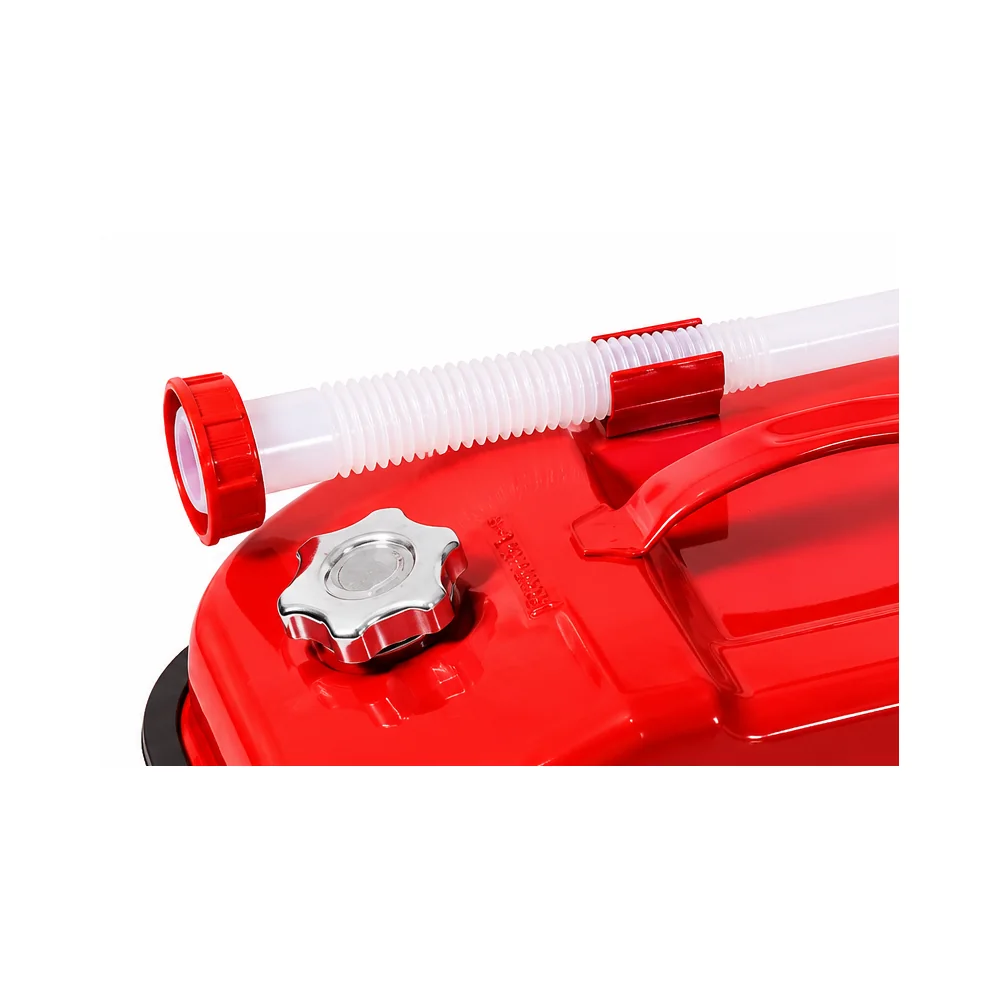 Pouring Spouts & Nozzles |
Rigid European pattern, flexible long-nose and auto-shutoff spouts, each matched to the neck of the can it ships with. |
| Mounting a 20 L can on a vehicle, trailer or wall | 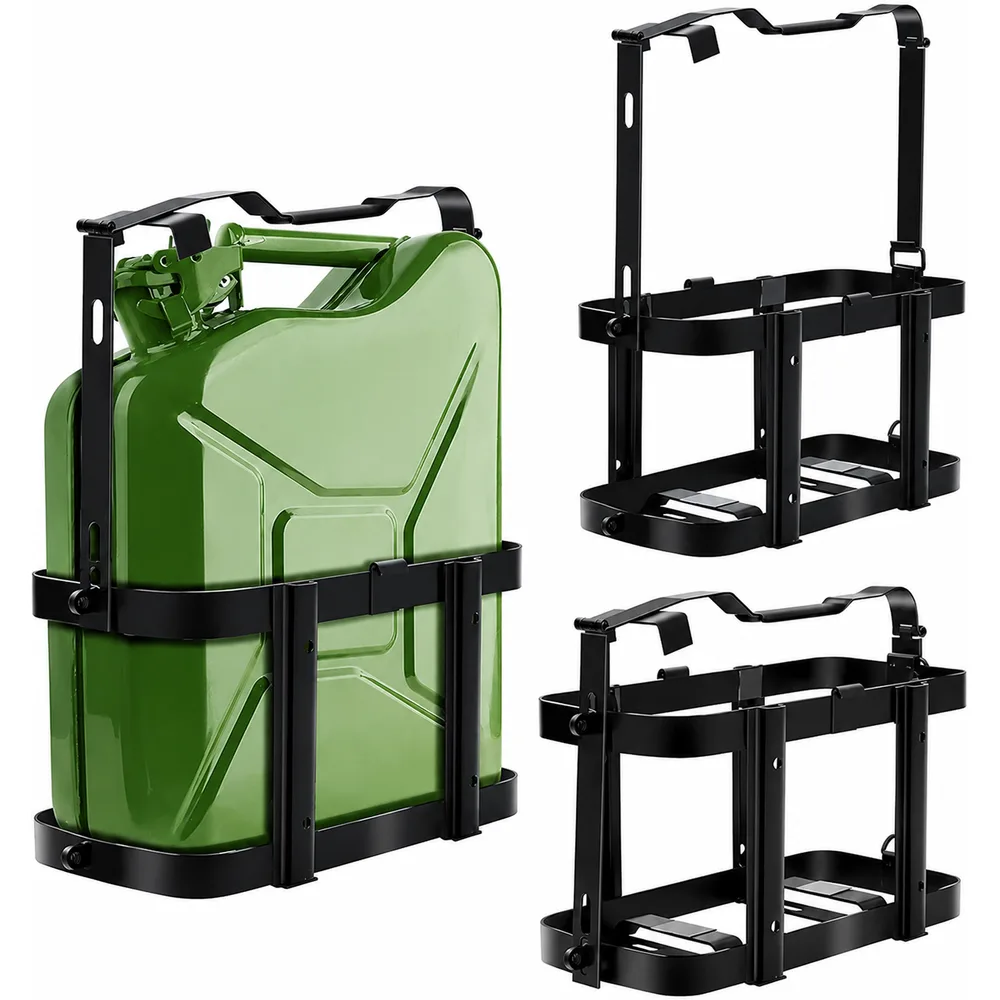 Jerry Can Holders & Mounts |
Powder-coated steel holders tooled to the NATO-pattern 20 L cans in our range. |
| Holding the can in its holder and locking it | 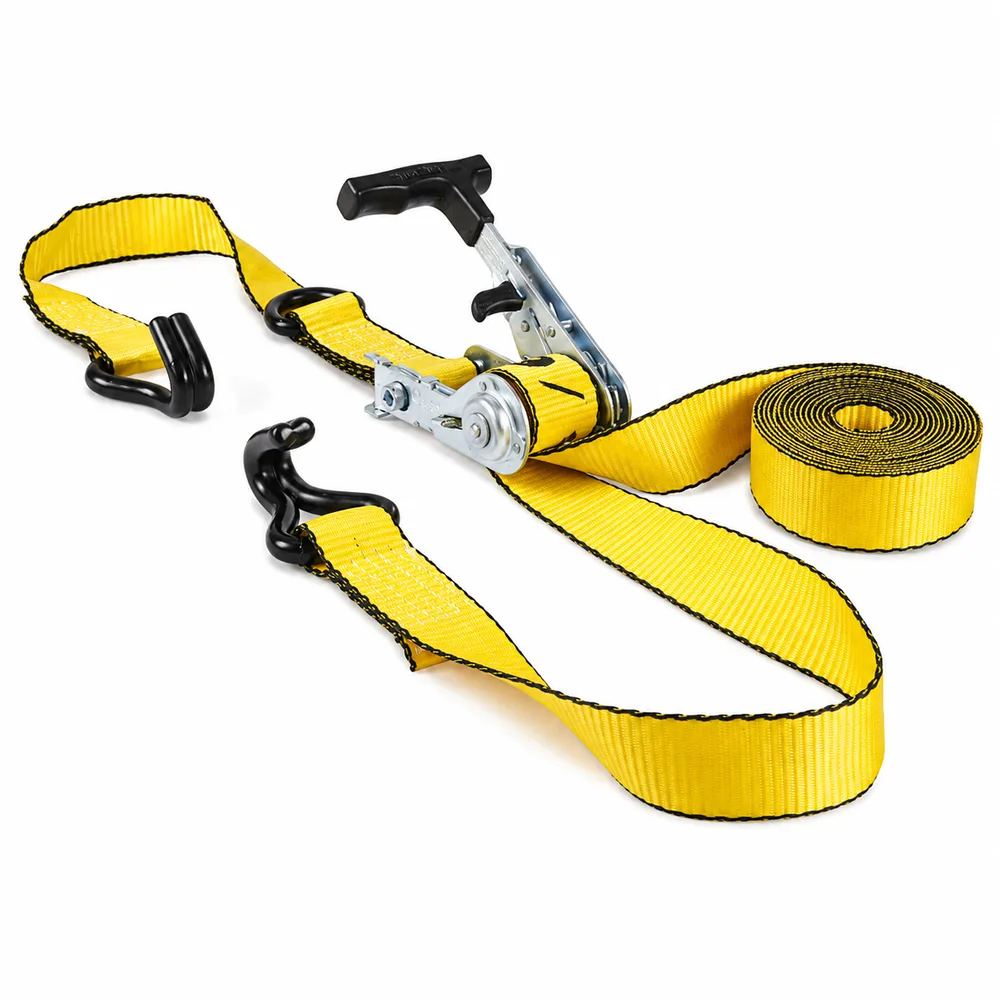 Tie-Downs & Retention Straps |
Strap and buckle, ratchet or over-centre latch kits; the latch takes a padlock. |
| Drawing water, oil or DEF from a can that stays put | 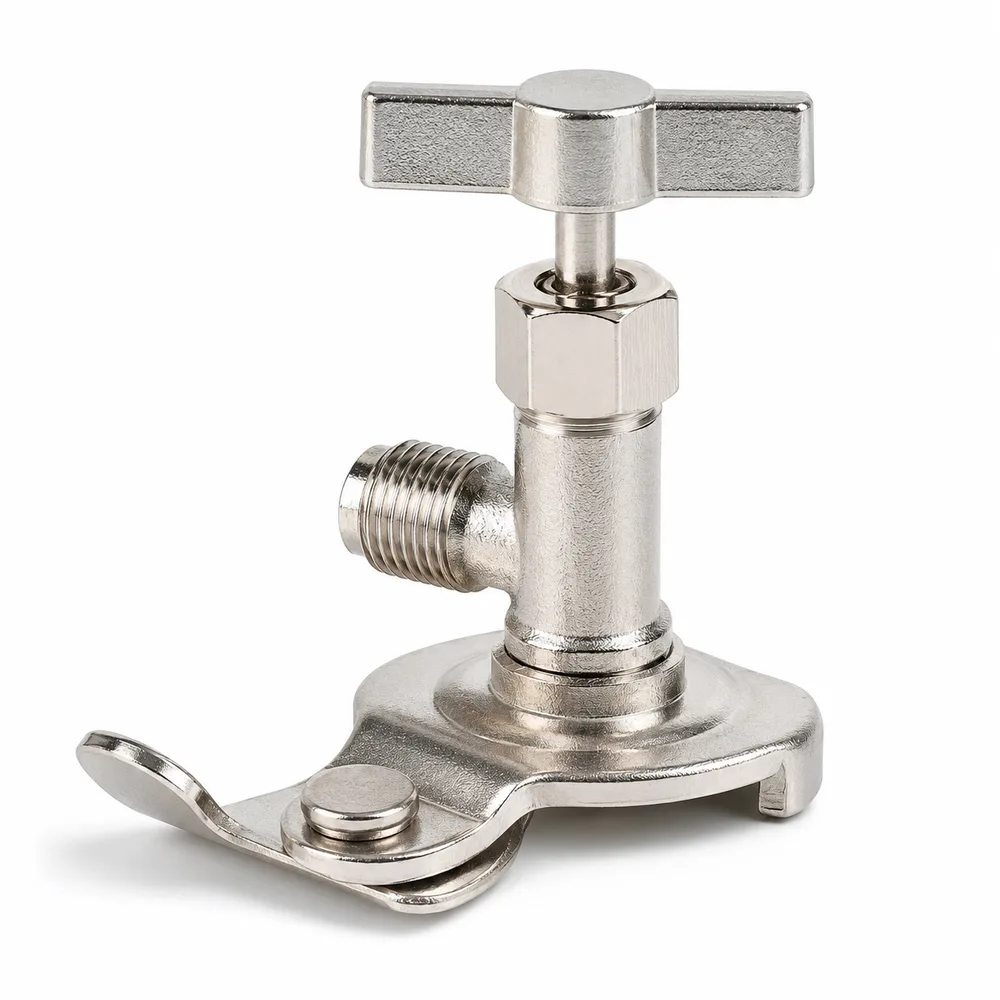 Taps & Dispensing Valves |
Brass, stainless or polymer taps with breather valves, threaded to the can they are sold against. |
| Spare caps and replacement gaskets | 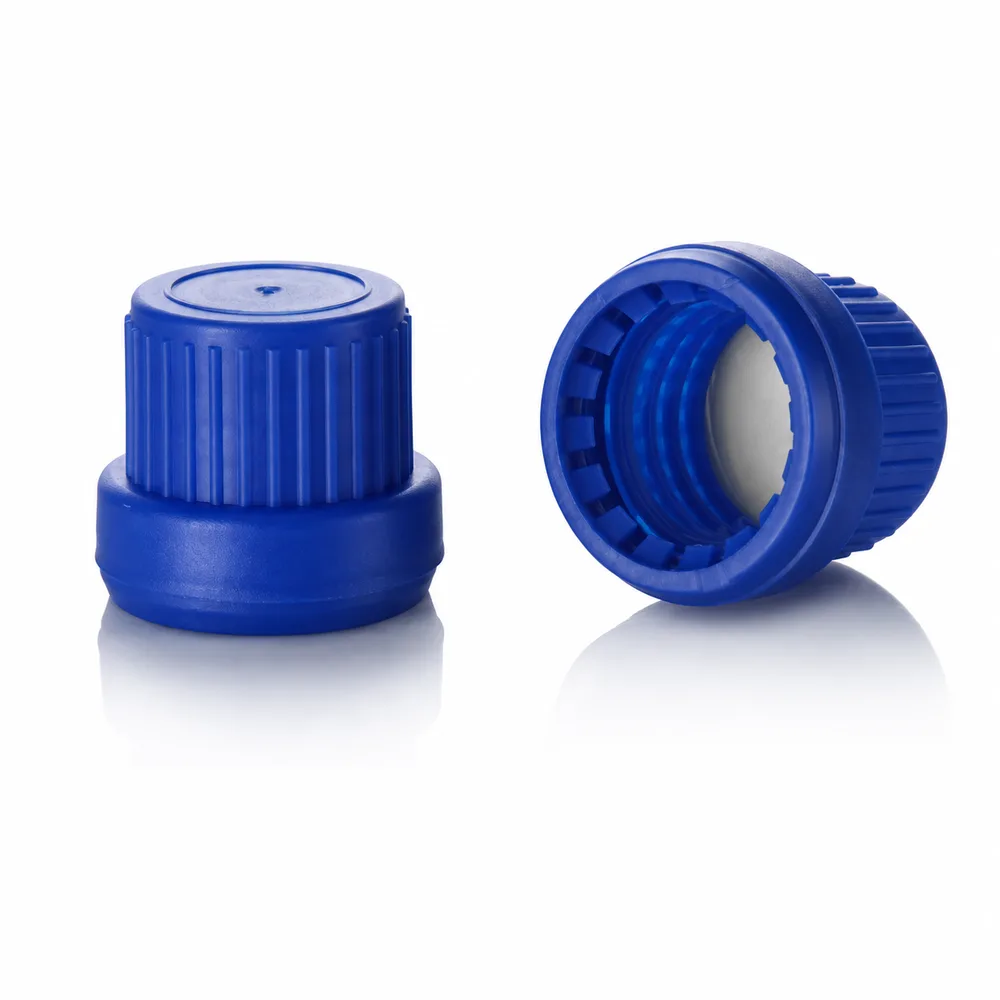 Caps, Closures & Gaskets |
Vented and non-vented caps in DIN 45, 51 and 61, gaskets per can family and tamper-evident rings. |
| Decanting from a drum or IBC into a can | 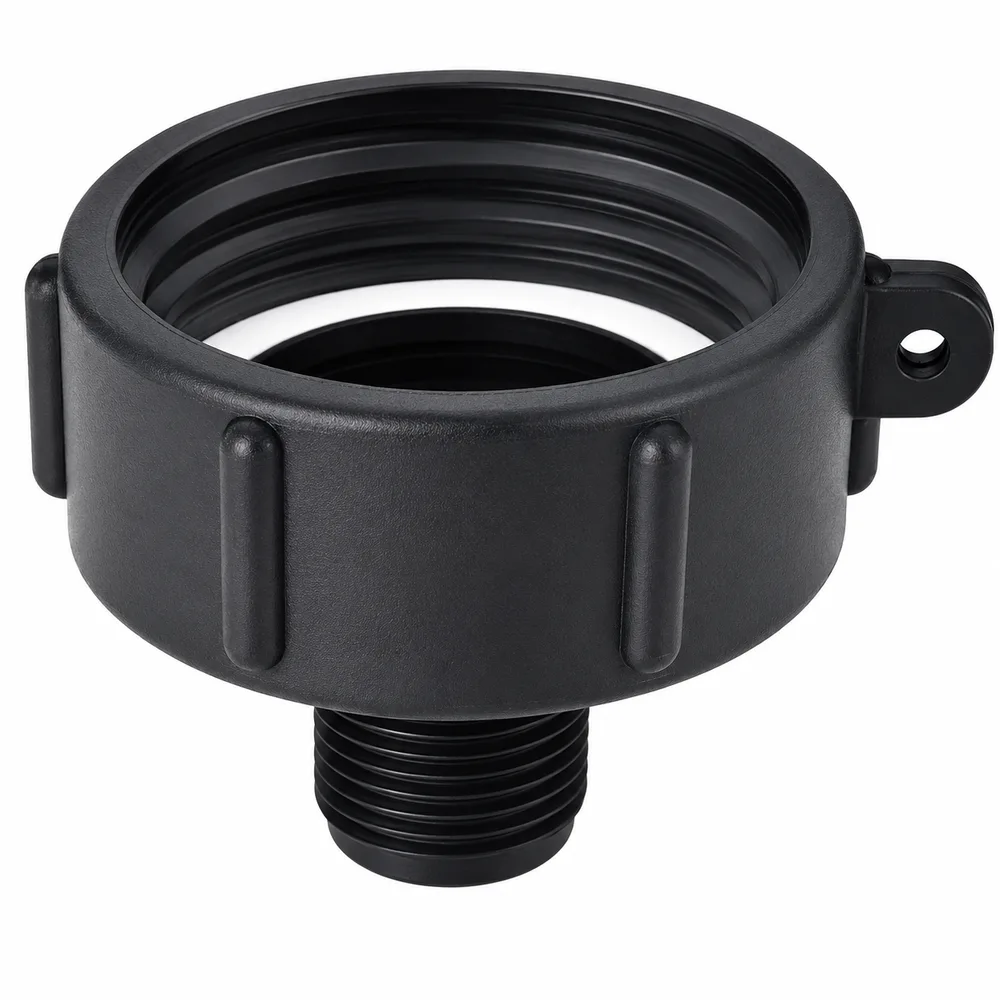 Drum & IBC Adapters |
Drum bung adapters, IBC outlet couplings and transfer nozzles in polymer or stainless. |
| Fuel cans for US consumer sale | 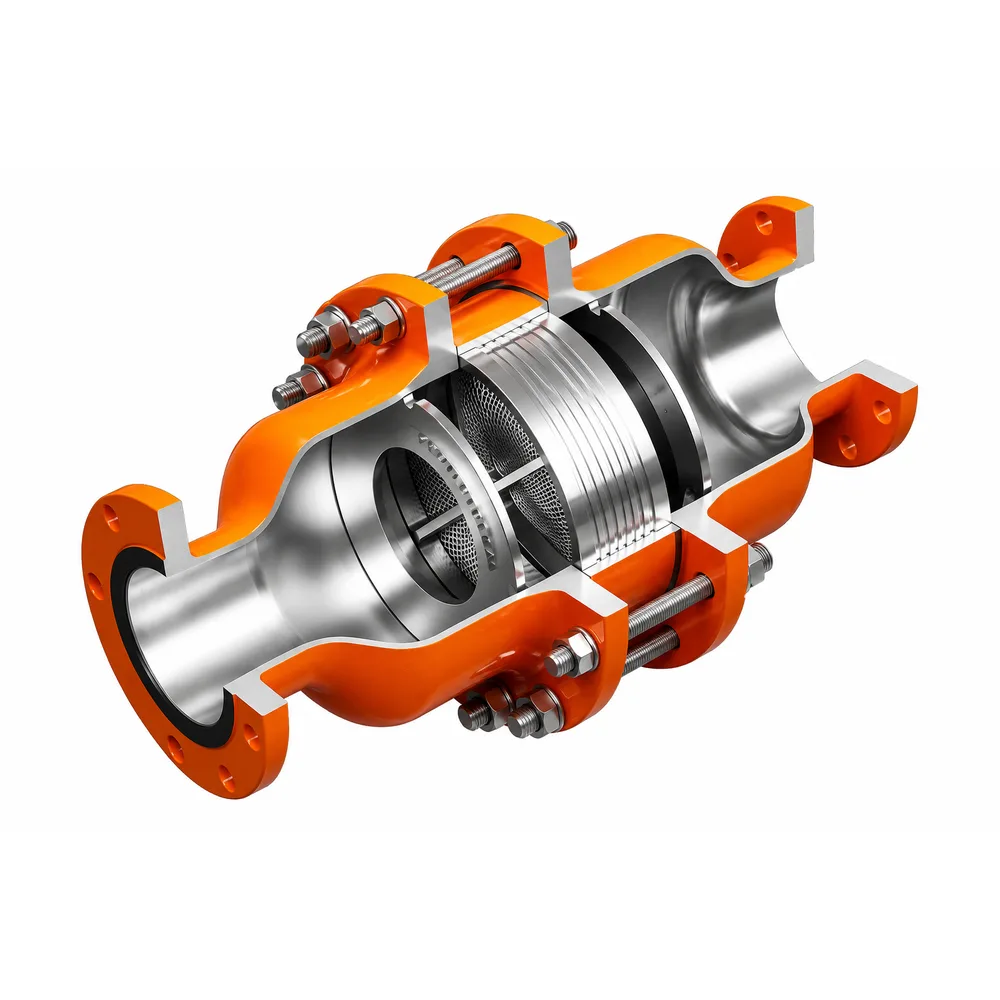 Flame Mitigation Devices |
A neck-mounted flame arrester matched to the can; compliance is certified per device and container design. |
| The can the holders are tooled to | 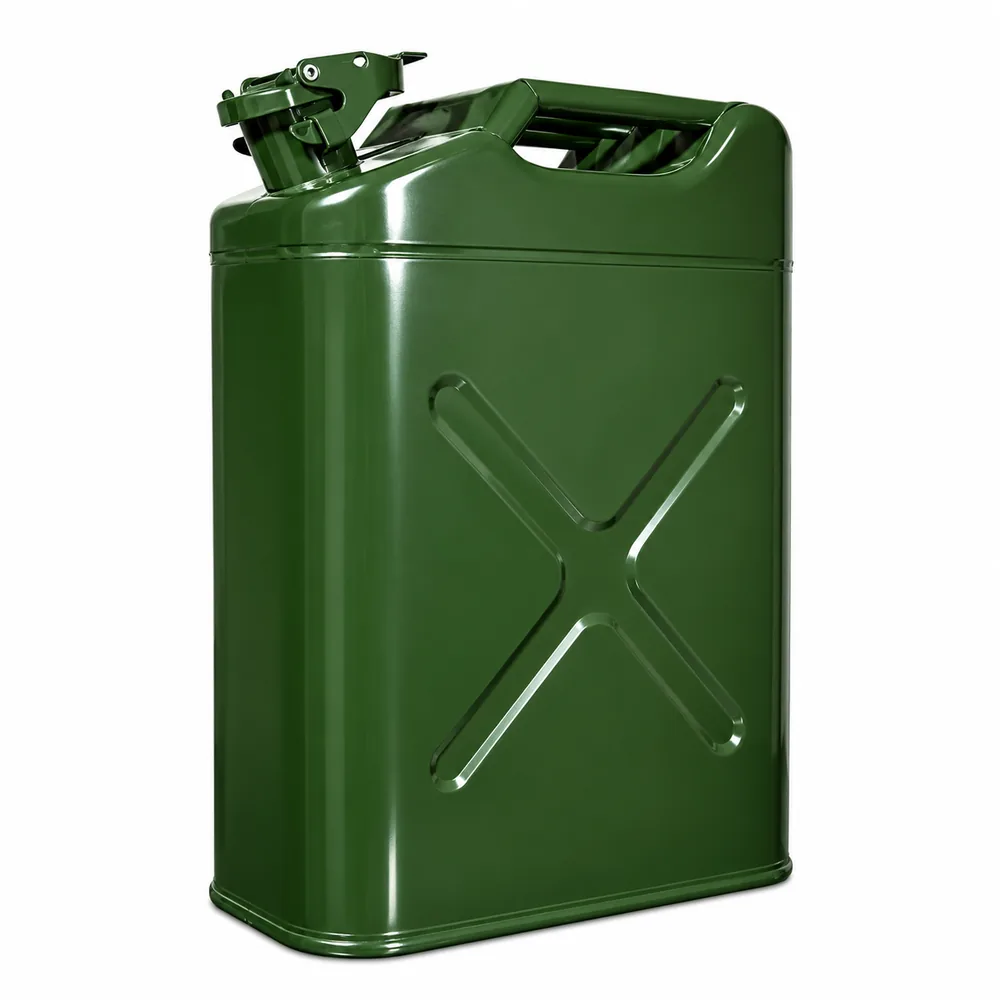 20L NATO Steel Fuel Can |
Pressed steel, 34 x 16 x 46 cm, with a vented screw cap, a gasket and a UN mark. |
Take the cap off, check the gasket sits in the spout collar, and screw the spout onto the neck until the gasket seats flat. Too loose and the joint weeps under vibration; too tight and a plastic neck deforms. A cam-lever can takes a spout made for that neck, fitted in place of the cap as its maker shows. How to use a jerry can covers the pour.
Follow the maker’s steps, because the release differs by model. A US consumer can must resist opening by young children (16 CFR 1460.3, ASTM F2517-22e1), and in California its spout must close by itself when lifted out of the target tank and stay shut when not dispensing (CARB CP-501, 2.6). So the valve opens only while you hold it in the release position.
Clean and dry, off the can, capped or bagged so grit stays out of the bore, somewhere cool and dark. Keep fuel and water spouts apart and marked, because a spout that has carried fuel never goes back on a water can. Check the gasket before refitting and replace one that has hardened, cracked or swollen. Stow a flexible spout without a tight kink.
The gasket or the size, in most cases. A spout of a different DIN size cross-threads or sits proud. A missing, hardened or swollen gasket will not seal, and EPDM swells in fuel. Over-tightening deforms a plastic neck, and under-tightening lets vibration open the joint. Replace the gasket before you replace the spout; closures and caps compares the compounds.
Keep the water kit separate. Once a spout, hose or pump has carried fuel, hydrocarbons stay in its seals and walls, so it never goes back into drinking water. Between petrol and diesel, a shared spout invites misfuelling, which is why colour-coded cans exist. A pump rated for diesel may not be rated for petrol vapour, so read the rating before it touches petrol.
Build it to the targets a bought one meets. The frame and fixings must hold a full 20 litre can, about 18 to 23 kg, against a forward force equal to its whole weight (DVSA) or 80% of it (Australia’s light-vehicle guide). Add a strap or latch under tension, a rubber pad against chafe, drainage so water cannot pool, and a padlock point. Bolt it through structure, never to trim.
Only if it is made for both. Our 10 litre NATO steel can shares the 34 × 16 cm footprint of the 20 litre can but stands 26.5 cm tall against 46 cm, so a strap set for the taller can will not clamp it. Our holders are confirmed for the 20 litre NATO pattern; tell us the size you carry and we advise what fits.
Twenty litres for the standard NATO pattern. The US military can is specified at 20 litres, plus 1 and minus 0, measured at 23 °C (A-A-59592A, 3.2.2). A US 5 gallon can holds about 18.9 litres. In Great Britain a petrol can is limited to 20 litres in metal and 10 in plastic. Jerry can sizes lists cans from 3 to 30 litres with dimensions.
No. It is a common noun, written in lower case except at the start of a sentence, and dictionaries list it as jerrican or jerry can. The name comes from Jerry, the wartime soldier’s word for a German, because the Allies copied a German can. Names and history covers the spellings.
Use a small can on a rack or bracket rated for the load, low, inside the vehicle’s width and clear of the exhaust. Count the full can and the holder against the rack rating in the handbook. Strap it with a ratchet strap or a latch: DVSA warns, for roof racks, that rope and bungee cords will not secure a load. Our 3 litre compact can suits a bike.
The standards and regulations this page relies on, at their issuing body. Where a market rule is named here, check the current revision before you specify against it.
Last reviewed by Clarence Cheang, Co-Founder.
Tell us your market, your fuel and your volumes. We come back with a specification sheet and a quotation.