
How a fixed specification, documentation and a reorder cycle differ from a retail buy.
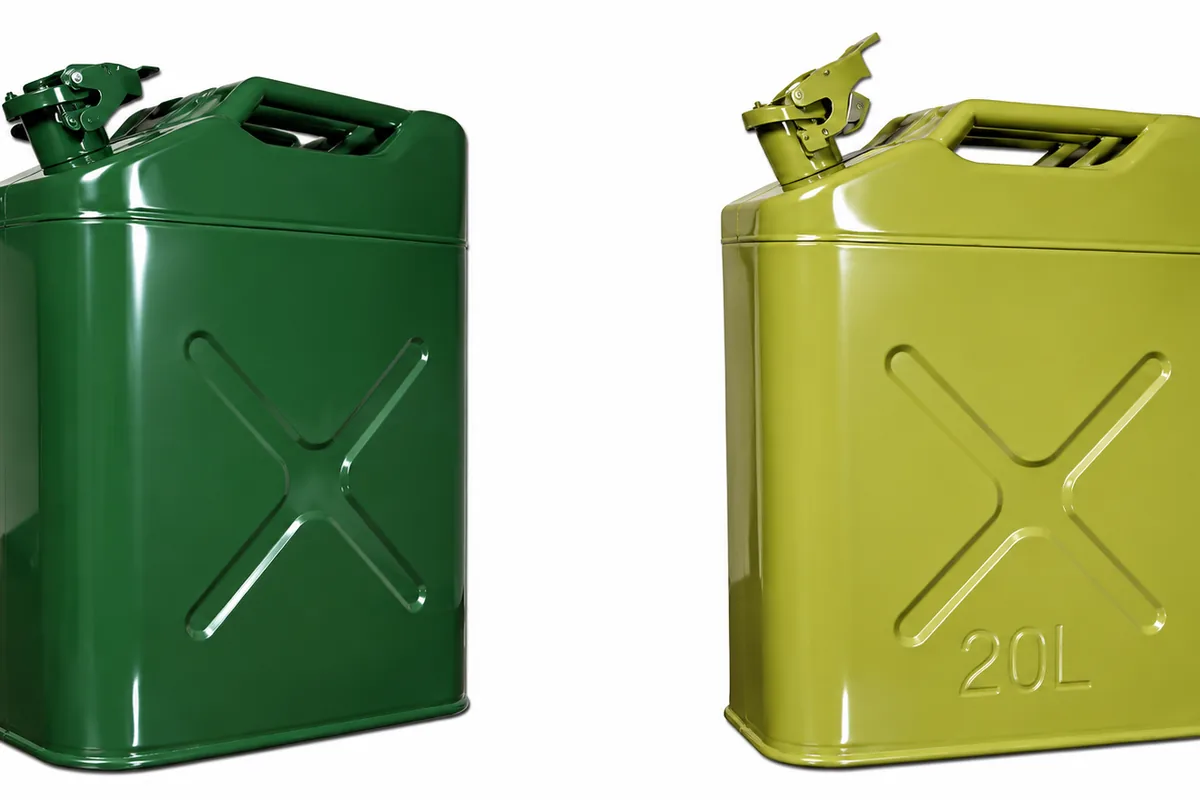
A defence or government buyer does not shop a shelf. They procure to a written specification, with documentation and a repeatable supply, and that changes what matters in a supplier.
Procurement starts from a fixed specification: the pattern, the material, the dimensions, the marking and the tests. The supplier's job is to meet the drawing every run, not to offer a near-equivalent. Consistency batch to batch is what matters, because manuals, reviews and vehicle fittings depend on the product not moving.
Structurally the buying usually happens in two stages, and knowing which one you are in changes what a supplier should be doing. A framework agreement qualifies suppliers and fixes terms and prices without committing to a quantity. Call-off orders against that framework are the actual purchases, and they can arrive for years afterwards in sizes nobody forecast. Winning the framework is winning the right to be asked; holding the specification is what turns that into orders.
The consequence is that the item bought is the item qualified, not the best item currently available. A commercial buyer would welcome a supplier arriving with a better gasket compound. A defence buyer reads the same message as notice of a deviation, and has to decide whether to requalify. That asymmetry is the single biggest cultural gap between the two kinds of customer, and it is the one that loses approved-supplier status most often.
A drawing fixes the pattern, the material grade, the metal gauge, the dimensions, the marking and the test regime. Each of those is a line the supplier meets on every run. A near-equivalent is not the same part. Training manuals reference it, crews are drilled on it, and vehicle racks and holders are cut to it, so a small change in a seam or a wall thickness ripples through the system that was built around the original. The supplier holds the drawing and reproduces it, order after order.
Holding a drawing is also a records obligation rather than a filing convenience. The controlled copy has to be identifiable by issue or revision, changes have to be traceable to an authorisation, and superseded issues have to be withdrawn from the shop floor rather than left in a folder. An auditor asking which revision built a given batch is asking a question that either has a documented answer or does not, and a factory that keeps the drawing on a shared drive usually finds out which at the worst moment.
Commercial buyers expect suppliers to improve a product over a contract. Defence and government buyers expect the opposite: the item delivered in year four must be identical to the one qualified in year one, because the whole inventory depends on parts being interchangeable and on training being valid.
That inverts the usual supplier instinct. An improvement introduced quietly, a better gasket compound or a cheaper equivalent coating, is not a favour but a deviation, and an undeclared deviation found at audit is the fastest way off an approved list. Changes go through the buyer, in writing, before production.
It also prices differently. A frozen specification means holding tooling, materials and a production route stable for years, which has a real cost and should be in the quote rather than discovered later. A supplier who bids as though this were a spot order has misread the contract.
Public procurement wants a paper trail: material certificates, inspection records per shipment, and the compliance evidence for the contents and the transport. A supplier that supplies documentation as standard clears audit; one that treats it as an extra does not.
Material certificates are graded, and the grade is what a contract specifies. EN 10204 defines four types. A 2.1 declaration says the product complies and reports no test results at all. A 2.2 test report gives results, but from non-specific production rather than from your material. A 3.1 inspection certificate reports tests on the actual batch, validated by someone in the manufacturer's own inspection function who is independent of production. A 3.2 is a 3.1 countersigned by an independent inspector, typically an accredited body such as TÜV, SGS, Bureau Veritas, DNV or Lloyd's Register.
The gap that matters commercially is 2.2 against 3.1, because they look alike on a covering email and are not the same document. A 2.2 tells you what material of that grade generally does. A 3.1 tells you what your coil did, and ties it to a heat number you can trace. Most defence and government contracts for metal containers ask for 3.1 as the floor; ask which type is being quoted before comparing prices, because the difference in cost is real and so is the difference in what you are buying.
The package has three parts. Material certificates, such as a mill cert, tie the steel in the can to its stated grade. Inspection records, produced per shipment, show the run was checked against the drawing. Dangerous-goods evidence covers the contents and the transport, which is where the UN packaging codes and the rules for dangerous-goods transport come in. A supplier that generates this alongside the goods gives the buyer a file that stands up to review.
The test at audit is not whether each document exists. It is whether they join up. A delivered can should trace to an inspection record, the record to a production batch, the batch to a coil, and the coil to a mill certificate carrying a heat number. Any break in that chain makes everything above it unverifiable, however impressive the individual certificates look on their own.
Which is why the marking on the can matters as much as the paperwork behind it. A batch or date code pressed or laser-marked into the body is what lets an auditor start at a shelf and work backwards. A sticker does not survive the field, and a can with no mark at all cannot be tied to anything, so the file becomes a set of documents about production in general rather than evidence about that container.
Military logistics runs on the NATO jerry can pattern precisely because it is interchangeable across makers, carriers and vehicles. A can that seats in existing racks and holders fits the existing system. Read the NATO pattern guide.
Underneath the pattern sits the NATO Codification System, which is how an item becomes orderable across allied inventories at all. Each item gets a NATO Stock Number, and each supplier is identified by a five-character NCAGE code, the NATO Commercial and Government Entity code, without which the manufacturer cannot appear in the system. That identifier is the practical gate on defence work far more often than any technical requirement.
Manufacturers outside NATO can hold one. NCAGE codes for entities in countries that are neither NATO members nor sponsored nations are assigned and maintained by the NATO Support and Procurement Agency directly, through its codification portal, rather than by a national bureau. We are Singapore-registered, so that is the route that applies to us, and it is a registration rather than an approval. Contracting into a national programme is a separate question and is usually answered through a prime or distributor established in the buying country.
Defence and airfield operations often specify multi-fuel capability, including JP-08, which screens out consumer-grade cans. Confirm the exact fuel and any contract specification before ordering. See the fuel and gas can range for what a multi-fuel build covers.
Multi-fuel in practice means the interior tolerates the widest of the fuels rather than the commonest, and aviation kerosene is usually the one that sets the specification. It is also worth confirming what "multi-fuel" is being asked to cover in a given contract, because the phrase is used for anything from petrol and diesel to a list that includes aviation turbine fuel and a cold-weather blend. Get the list, not the adjective.
Two portals cover most of the UK and EU opportunity, and both changed recently enough that older advice is wrong. In the United Kingdom, the Procurement Act 2023 went live on 24 February 2025 and made Find a Tender the central digital platform. Suppliers register once, and the core business details are reused across bids rather than retyped into every portal. Registration is free and is the precondition for bidding rather than a step you take after being shortlisted.
In the European Union, defence and sensitive security contracts run under Directive 2009/81/EC, and the notices appear on TED. The directive covers military equipment, sensitive equipment and the related works and services, and it exists because the general procurement rules fit those markets badly. What a supplier watches for are the prior information notices and contract notices, because both appear before the specification is closed and that is the only point at which a container format is still open to influence.
Neither route rewards waiting for a tender to appear. By publication the specification is usually fixed, often around an incumbent's product, and the useful work happened months earlier with the technical authority who wrote it. Our note on second sourcing covers the other way in, which is being qualified as an alternate against a specification somebody else already won.
Most suppliers can produce a certificate. Fewer can connect a specific delivered can back to the coil it was pressed from, the batch of coating applied to it and the inspection record for that run. That chain is what an audit actually tests.
The practical requirement is that every layer carries an identifier and the layers link: material certificates traceable to heat or batch number, production records that name the batch, and marking on the product that ties a unit to its run. Any break makes the rest unverifiable, however good the individual documents look.
It matters most when something goes wrong. A defect found in service leads straight to the question of what else came from that batch, and a supplier who cannot answer it turns a contained problem into a fleet-wide one.
A single good batch does not win a contract. Government and defence buyers plan on a reorder cycle, so the supply has to repeat: the same drawing, the same documentation and the same quality on the second order and the tenth. A supplier who can hold a specification across bases and over time is worth more than the lowest quote on one run.
Reorder also behaves differently from commercial repeat business in one respect worth planning for: the gap between orders can be years. Tooling has to still exist, the drawing has to still be current, the approval has to still be live and the people who know the job have to still be findable. A supplier who treats a dormant programme as closed will quote the restart as a new development, which is exactly the cost the framework was meant to avoid. Ask what happens to tooling and records between call-offs.
The frequent error is choosing on unit price and taking a supplier who treats documentation as an add-on, then paying for it at audit. The other version is accepting a near-equivalent that reads close on paper and then does not seat in the existing racks or match the manual. Both cost more than they save, because the system was built around the original part.
The pattern behind both is optimising a component inside a system that was designed around it. A commercial buyer can take a better part and gain. A defence or government buyer inherits racks, manuals, training and stock all built to the original, so a better part imposes a change on every one of them. Value in this channel means fitting what already exists, which is a different objective from being good.
Our group produces metal containers to military specification, and those inspection and documentation habits carry into the range. We build to a fixed drawing across two production bases and supply the documentation with the order. Tell us the specification and volume, and see our capabilities.
Built to a fixed drawing, documented per shipment. Here is the defence-relevant line.
| Your use case | Recommended can | Why this one |
|---|---|---|
| Multi-fuel, including JP-08 | 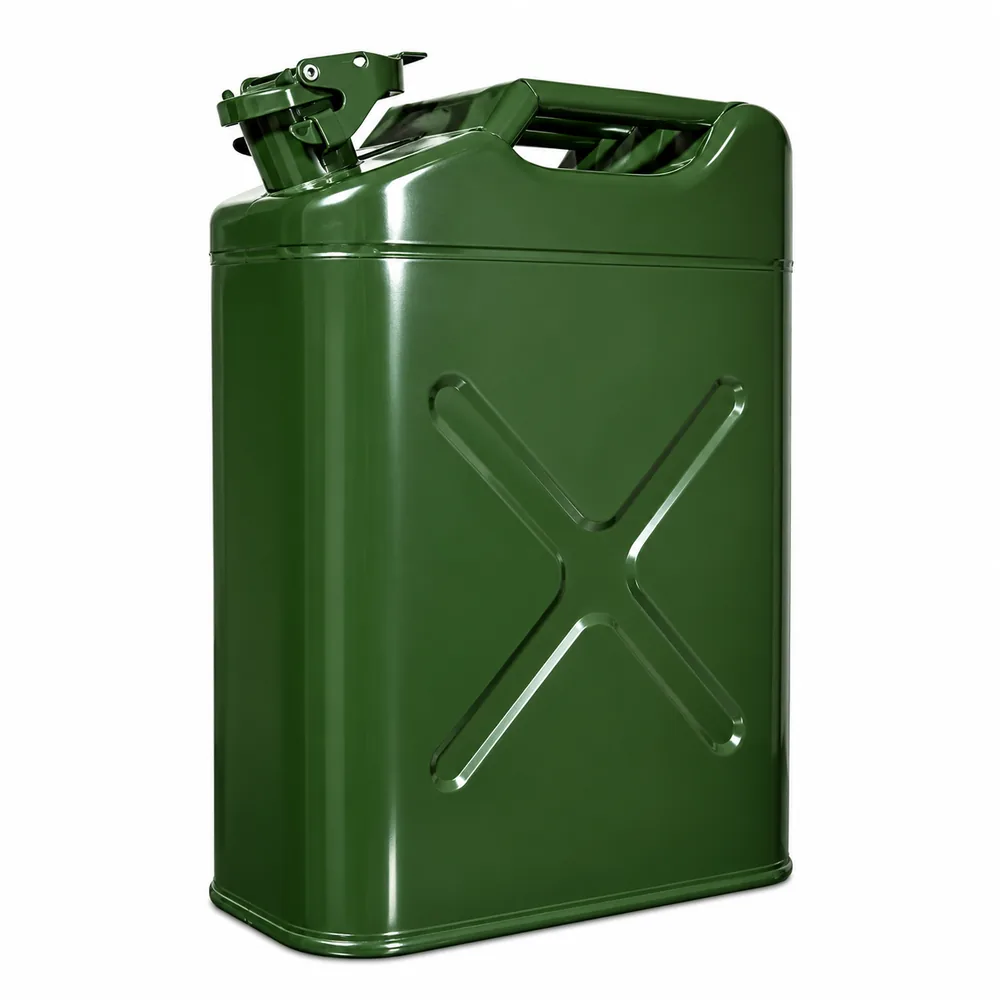 20L NATO Steel Fuel Can 20L NATO Steel Fuel Can |
Coated steel, UN-marked, to a fixed drawing. |
| Potable water in the field | 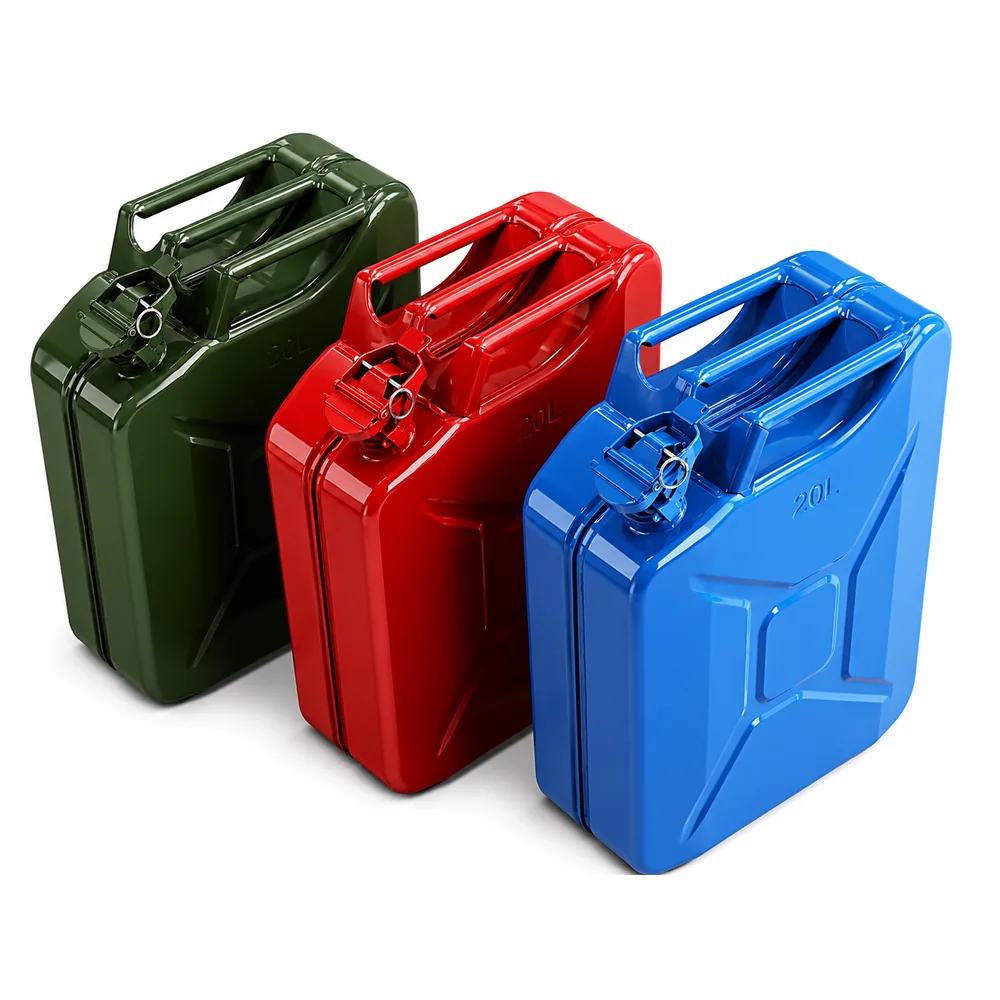 20L NATO Steel Water Can 20L NATO Steel Water Can |
NATO pattern, seats in existing carriers. |
| Food-grade water, reused for years | 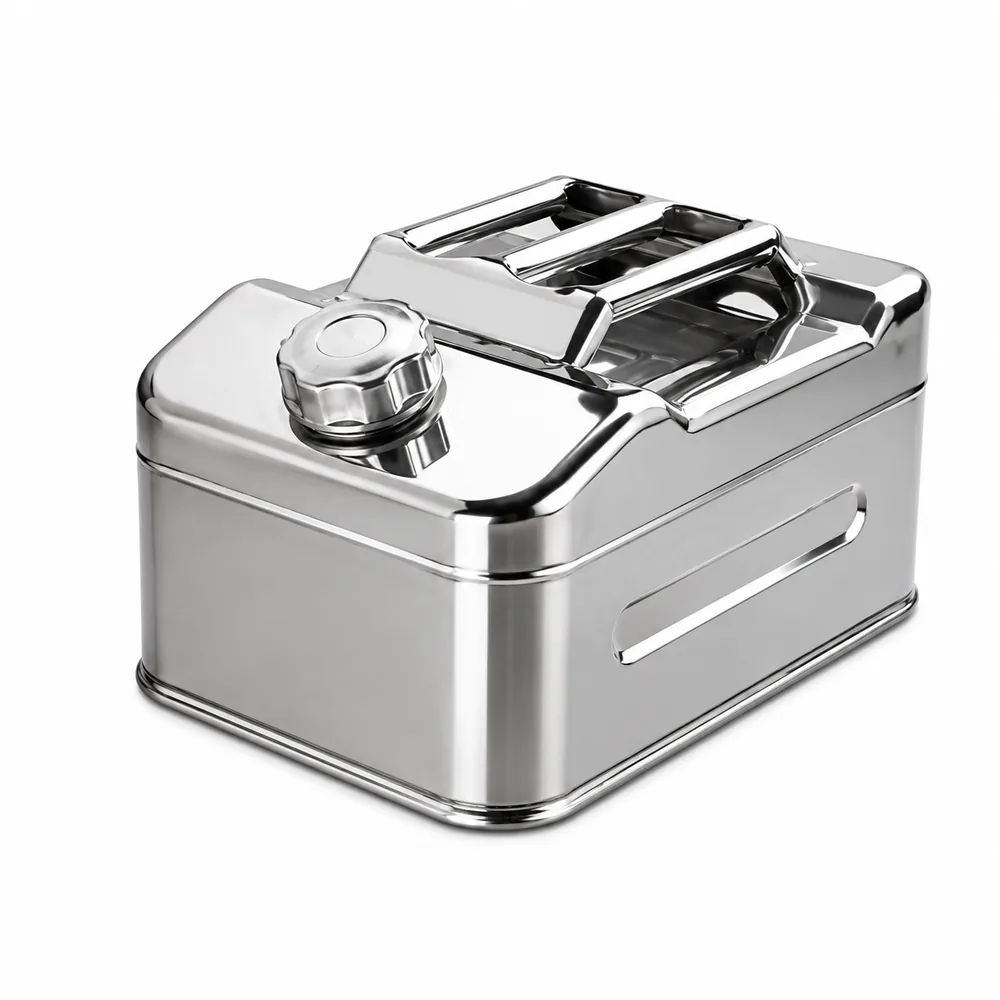 Stainless NATO Can — 10L / 20L Stainless NATO Can — 10L / 20L |
AISI 304 across the wetted path. |
| Air-mobile, weight-critical | 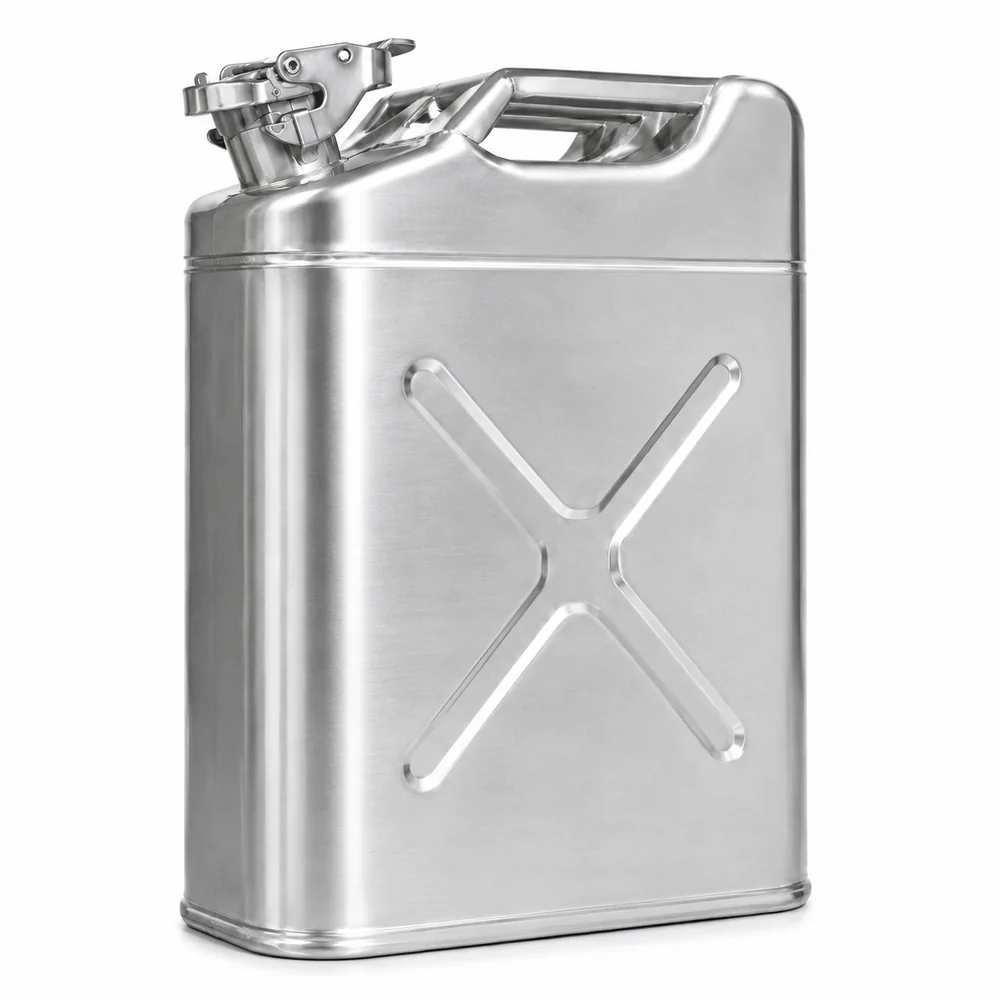 20L Aluminium NATO Can 20L Aluminium NATO Can |
Same geometry at lower filled weight. |
A fixed technical specification, material certificates traceable to heat or batch, UN approval certificates where the item carries dangerous goods, dimensional first-article inspection, and a declared country of origin. The specification is fixed for the contract term, so a supplier changing plant mid-contract is a compliance event.
Because interchangeability is the point. A can that fits every existing mount, rack and vehicle in the inventory has value that a better-designed but incompatible can does not. That is why the NATO pattern persists long after alternatives with better ergonomics appeared.
Long, and scheduled rather than opportunistic. Framework agreements commonly run multi-year with call-offs against them, which favours a supplier who can hold a specification stable and prove it for the whole term over one who quotes the lowest unit price once.
The standards and regulations this page relies on, at their issuing body. Where a market rule is named here, check the current revision before you specify against it.
Last reviewed .
Tell us your market, your fuel and your volumes. We come back with a specification sheet and a quotation.