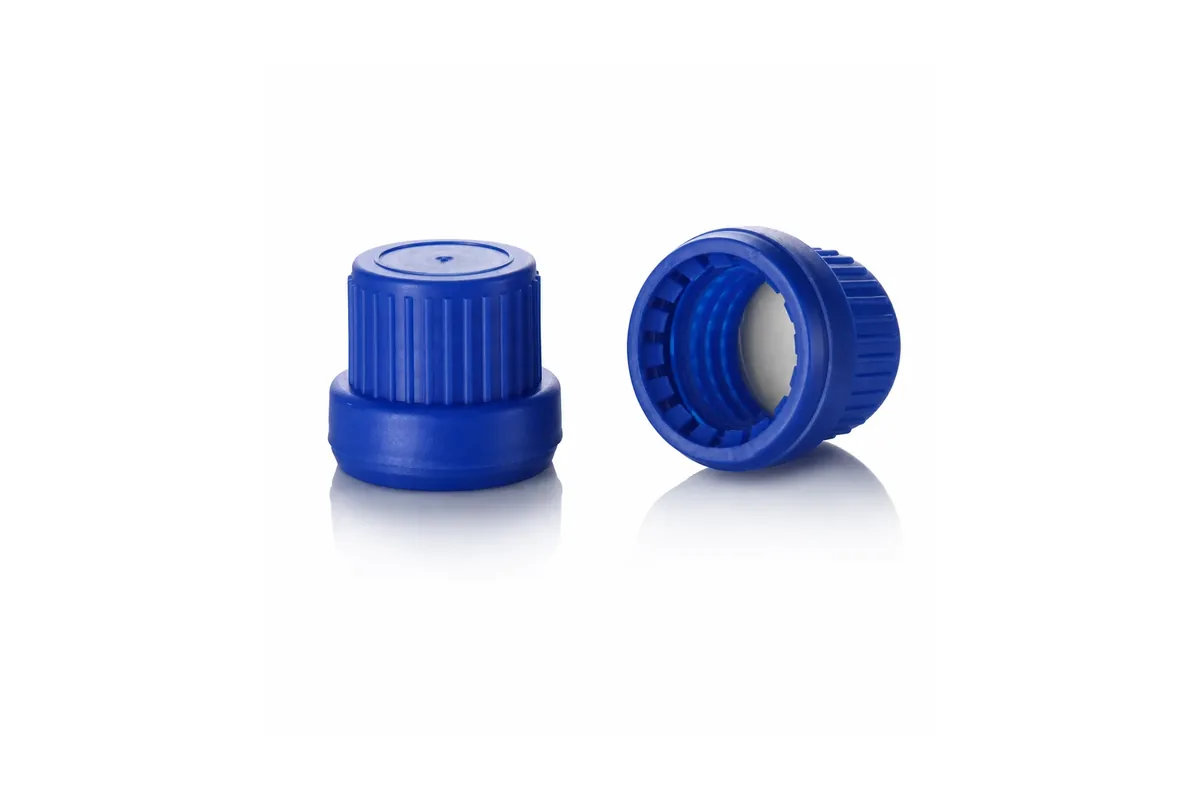
Screw, cam-lever, vented and child-resistant, and how thread sizes match a can.

The closure is where a can leaks, vents or fails, so it is worth understanding as much as the body.
A closure fails at its gasket far more often than at its thread, and the gasket is a material choice with the same contents-driven logic as the container. Matching it wrongly is the most common cause of a can that seals on the bench and weeps in the field.
Two practical points. A gasket takes a compression set over time, so a can stored sealed for years may not reseal to the same standard once opened, and gaskets are a consumable rather than a lifetime part. And the gasket forms part of the tested design on a UN-approved can, so substituting a different material can invalidate the approval even though the container itself is unchanged.
The common closure: a threaded cap with a gasket that seals against the neck. Simple, reliable and easy to replace. Thread sizes follow standards such as DIN 45, 51 and 61, so a cap matches a neck by its stated size. The number is the neck's thread size in millimetres, not a quality grade, so a DIN 51 cap fits a DIN 51 neck and nothing else. Mix the standards and the pitch and diameter no longer line up. The cap cross-threads or sits proud, the gasket never loads evenly, and the joint weeps. Order the cap and the neck to the same standard and the seal repeats across a whole batch.
Application torque is the other half of a screw closure and the half nobody specifies. Under-tightened, the gasket never reaches full compression and the joint weeps under vibration. Over-tightened, the plastic neck cold-flows under the load, the thread deforms and the cap that sealed on the line will not seal again after the first opening. A capping line runs to a torque figure for exactly this reason, and a hand-tightened cap in a warehouse is a different closure from the one that was tested.
Temperature moves the same joint. Plastic caps and necks expand and contract at different rates from the gasket between them, so a can closed warm and shipped cold arrives with less compression on the seal than it left with. It is one of the reasons a load that passed a leak check at the factory can arrive weeping, and it is why the venting behaviour of the closure matters as much as its tightness. See venting and pressure.
The original military closure: a hinged lever that clamps the cap down and seals it in one motion, fast to open and close with a gloved hand. It is the classic NATO can closure.
What makes it work is that the sealing force does not come from the thread. A screw cap converts turning into compression through the thread pitch, so how well it seals depends on how hard the last person turned it. A cam lever is an over-centre mechanism: it applies a fixed, designed load and then locks past the point of maximum force, so every closing produces the same compression whoever does it. That repeatability is why a military pattern uses one.
The trade-offs are real. A cam lever has more parts than a screw cap, so there is a pin and a spring that can corrode or bend, and a damaged lever cannot be replaced by whatever is on the shelf the way a DIN 61 cap can. It also opens fast, which is a virtue with cold hands and a liability where an unauthorised opening matters. Screw caps take a tamper-evident ring more naturally, which is why decanted and resold product tends to travel under one.
A vented cap lets air in as liquid pours out, giving a smooth, glug-free pour, and it relieves pressure as temperature changes. A non-vented cap seals tighter for transport. Volatile fuels and hot climates make venting a real consideration; read venting and pressure.
The decision is really about where the can spends its time rather than what it holds. A can that is filled, transported sealed and emptied within a day never builds enough differential to matter. A can that lives on a vehicle through a temperature cycle every day for a season does, and it will either breathe through a designed path or find an undesigned one at the gasket. Ask how long the can stays shut and through what temperature swing, and the venting answer follows.
The gasket is a compatibility choice, not one part for every can. Nitrile or a fluoroelastomer of the Viton type holds up against fuels and solvents. EPDM suits water and food-grade duty. Put the wrong elastomer against the liquid and it swells or hardens, loses its grip on the neck, and the can starts to leak. Match the compound to the contents before you match anything else.
Gaskets also age on the shelf, which surprises people who treat them as hardware. Elastomers oxidise and take a compression set over time whether or not they are in service, so a box of spare seals bought five years ago is not equivalent to a box bought last month. Buy seals against a replacement schedule rather than in bulk against a discount, and store them cool, dark and uncompressed.
Portable fuel containers sold in some markets need a child-resistant closure by law, tested to a defined standard such as the US 16 CFR 1460. See EPA and CARB compliance. We supply child-resistant closures.
The US requirement traces to the Children's Gasoline Burn Prevention Act, and the closure has to be tested rather than merely designed to be stiff. What the standard measures is whether a panel of young children can open it within a set time while a panel of adults can, so a closure that is simply hard to turn fails on both counts. It is a performance test on a specific cap and neck combination, which means a compliant closure is not portable to a different neck without retesting.
Europe answers the same hazard by a different route. Child-resistant fastenings for consumer chemical packaging are governed under the CLP regime and tested to ISO 8317 for reclosable packaging, and the trigger is the classification of the contents rather than a container category. So a can that needs a child-resistant closure in California may not need one in Germany, and the reverse happens too. Confirm the requirement per market before tooling a closure for either.
A closure works with the dispensing fitting and the gasket. A pouring spout, a dispensing tap and the right gasket material complete the system. A misfuelling-resistant spout sized for a diesel filler neck keeps the fuel going where it belongs. A tamper-evident ring shows whether a can has been opened, which matters when product is decanted and resold. We supply caps, closures and gaskets, pouring spouts and taps and dispensing valves.
Buy them as a system rather than as parts, because compatibility runs between them as well as against the liquid. A spout is sized to a neck, a tap needs a matching thread and seat, and a gasket has to suit both the cap compound and the contents. Assembling three items that each fit individually is how a can ends up with a joint nobody tested, and it is the assembly rather than any single part that leaks.
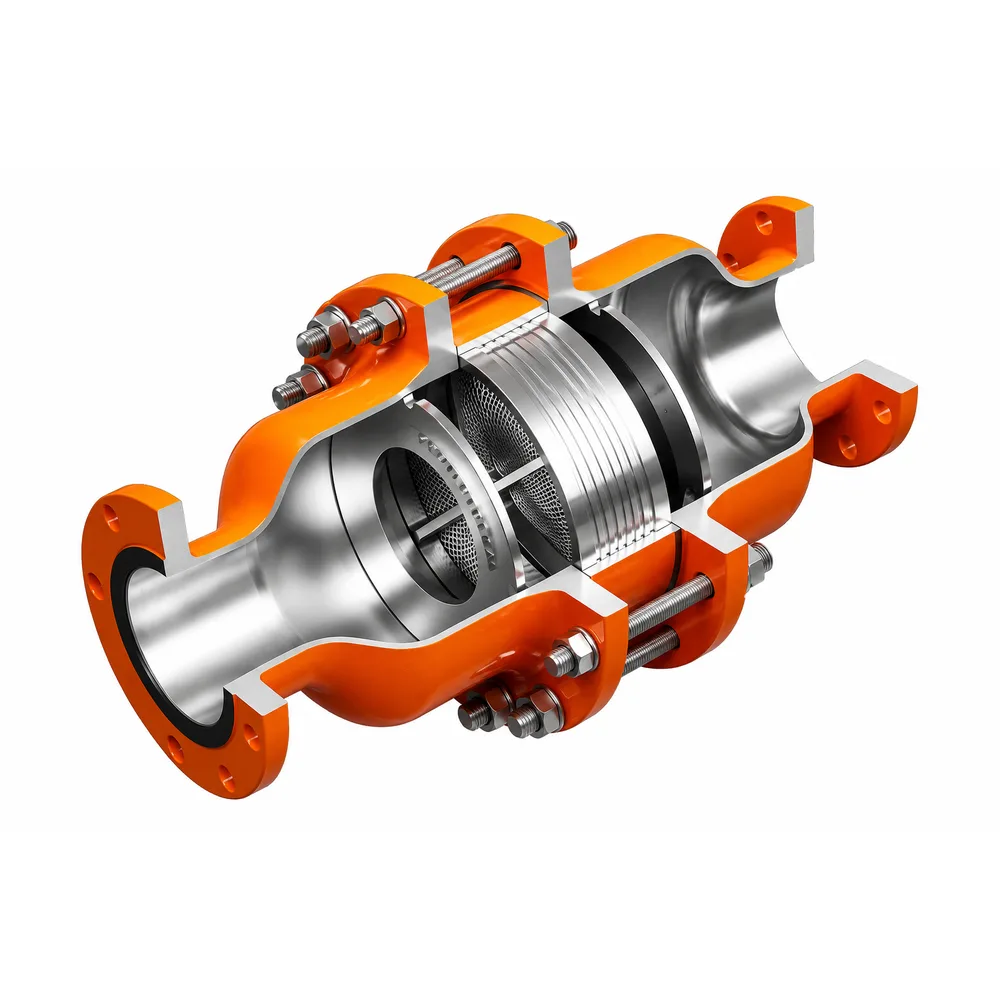
Some markets require a flame-mitigation device as part of the fuel-can system. It sits in the opening and stops an external flame from travelling back into the vapour inside the can. Where the rule applies, the device is not an accessory, it is part of what makes the can legal to sell. See flame-mitigation devices.
In the United States this stopped being a voluntary good idea in 2023. The Portable Fuel Container Safety Act of 2020 directed the CPSC to require flame mitigation devices, and the rule at 16 CFR part 1461 took effect on 9 December 2023, incorporating ASTM F3326-21, section 18 of UL 30:2022 and the ASTM F3429 series by reference. A portable fuel container for a flammable liquid sold into that market without a compliant device is not a lower-specification product; it is one that cannot lawfully be sold.
The physics is worth understanding because it explains why the device sits where it does. A part-empty fuel can holds a vapour space that can sit inside the flammable range, and an external ignition source near the opening can propagate a flame back into it. The mitigation device is a fine mesh or a perforated disc in the neck that quenches the flame front by conducting heat out of it faster than the reaction can sustain itself, the same principle as a miner's safety lamp. It does nothing about the fuel and everything about the path.
It also has a cost the specification should acknowledge: a mesh in the neck slows the pour and can clog with debris or with ice in cold conditions. That is a handling consequence to plan for rather than a defect, and it is one more reason a container's market has to be settled before the closure system is chosen rather than after.
The most common mistake we correct is a mismatch: a water gasket fitted to a fuel can, or a cap ordered to a different thread standard than the neck. Both pass a quick look and fail in the field. We check the closure against the liquid, the market and the neck standard, then fit the cap, gasket, spout and any required device as one set. Tell us the fluid and the destination and we specify the whole closure, not just the cap.
The closure is a system, not a cap. Here is what we fit from our line.
| Your use case | Recommended can | Why this one |
|---|---|---|
| Caps, gaskets and closures | Caps, Closures & Gaskets |
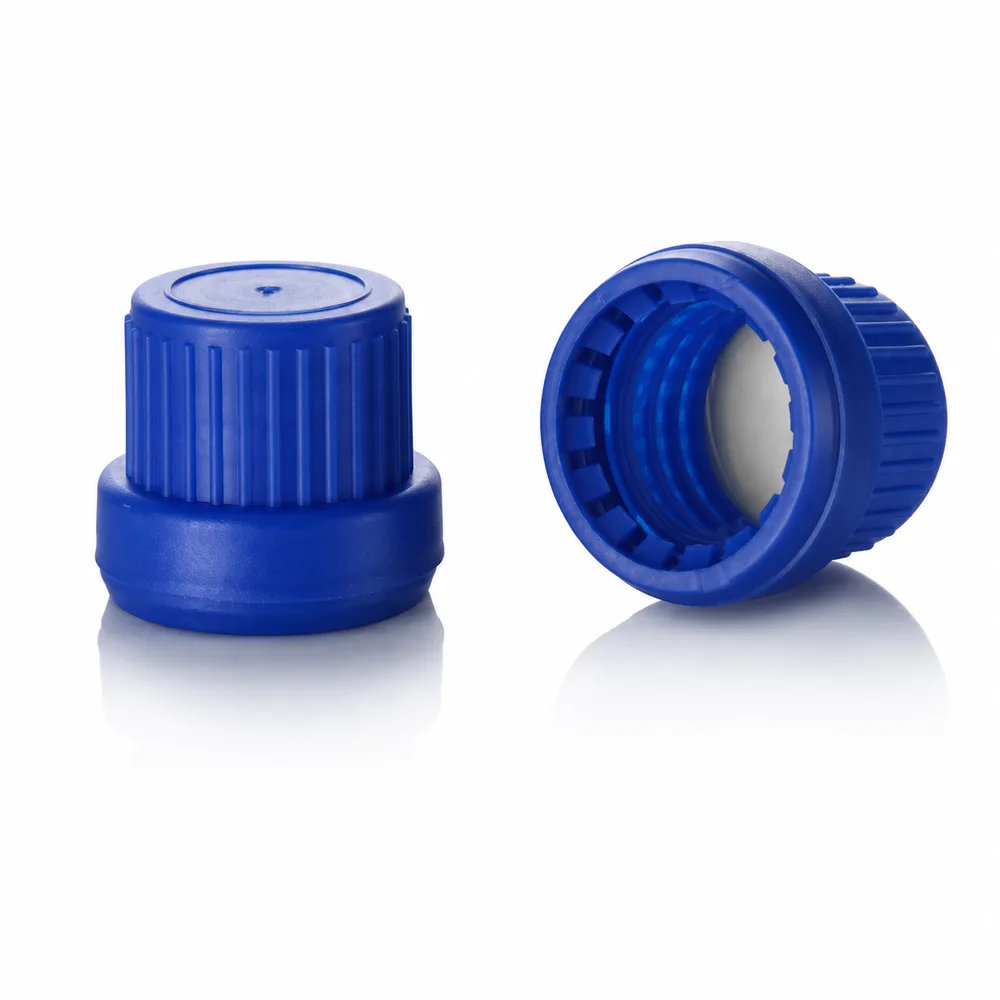
Matched to the neck standard and the liquid. |
| Pouring and misfuelling-resistant spouts | Pouring Spouts & Nozzles |
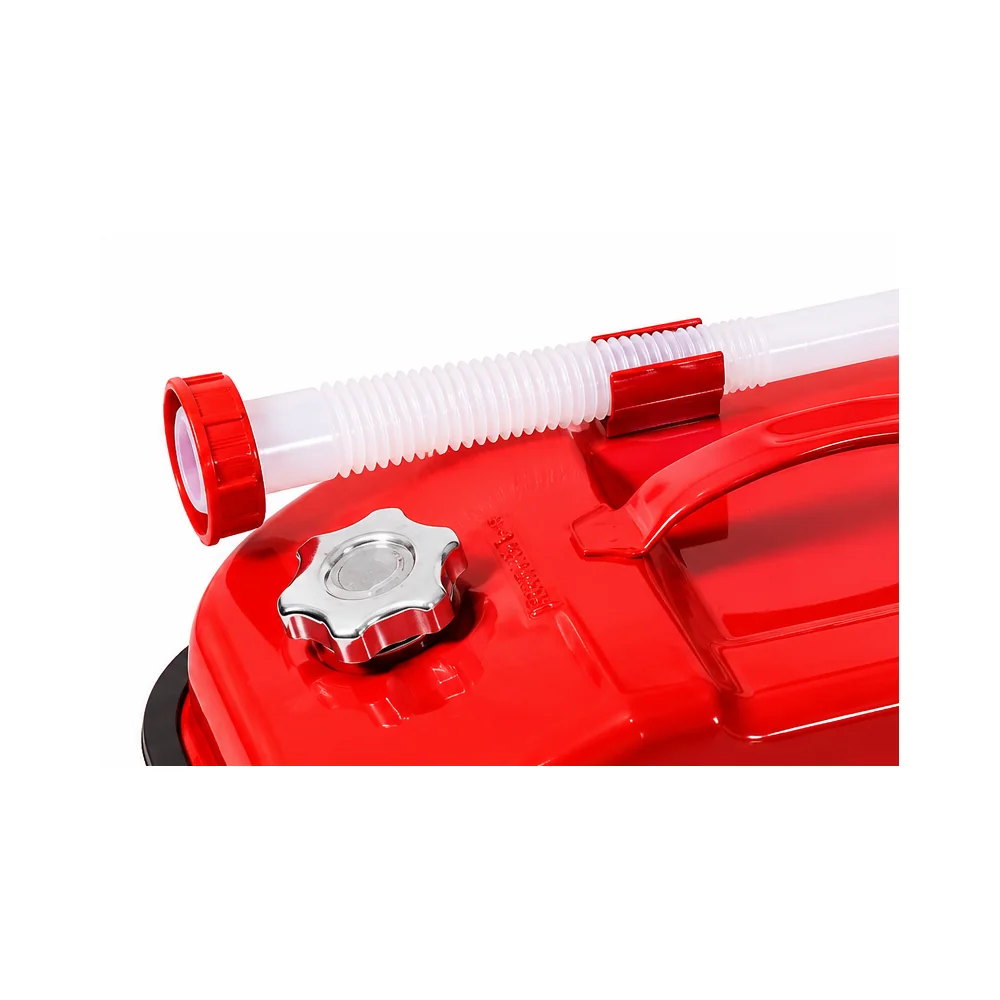
Directs the stream into a filler neck. |
| Taps and dispensing valves | Taps & Dispensing Valves |
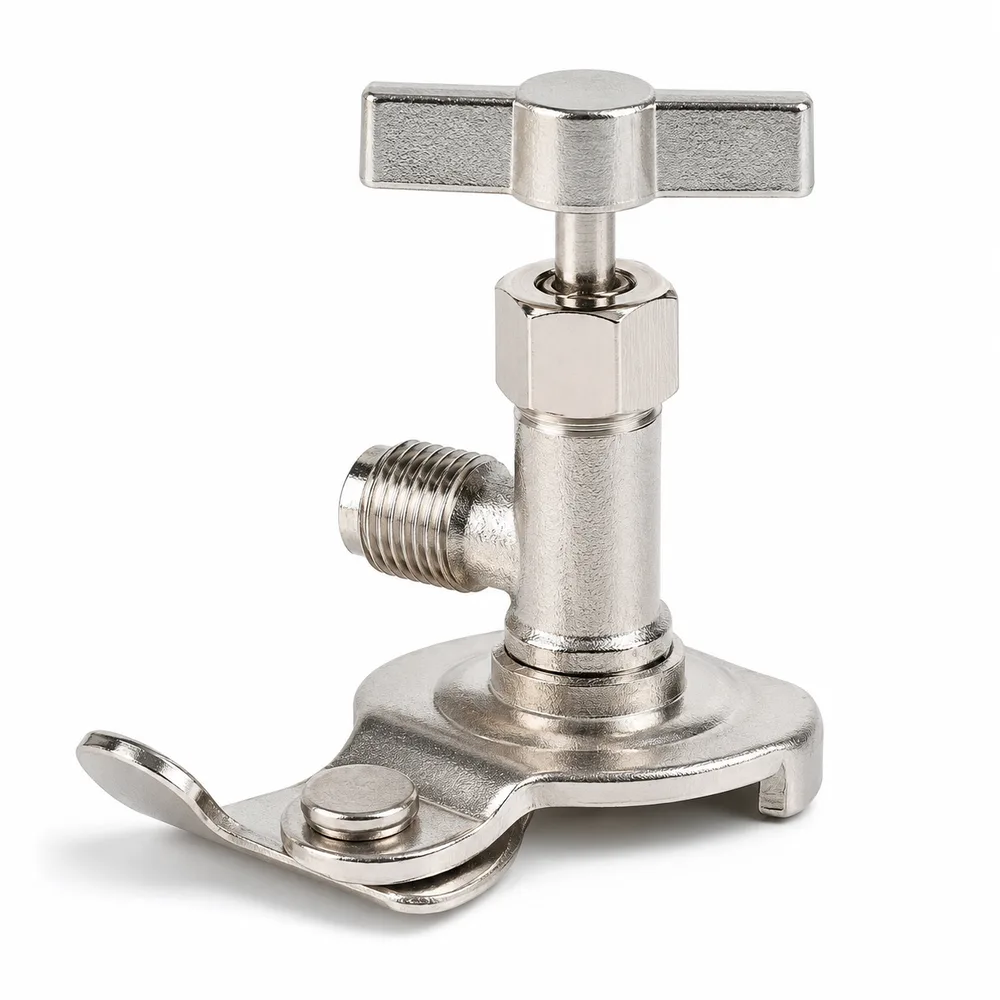
Draw from a can that stays put. |
| Child-resistant closures | Child-Resistant Closures |

To the CPSC 16 CFR 1460 pattern for US sale. |
| Flame-mitigation devices | Flame Mitigation Devices |
Where a market requires a flame arrestor. |
A neck thread designation for plastic jerricans, where the number is the nominal diameter in millimetres. DIN 45, 51, 61 and 71 are the common sizes. The neck size decides which caps, spouts and taps will fit, so it should be specified before any accessory is chosen.
A lever-operated cap that clamps down onto a gasket rather than screwing on, giving a fast, repeatable seal with no cross-threading. It is the standard closure on the NATO pattern because it can be opened and sealed reliably with gloves on and without tools.
For consumer portable fuel containers in the US, yes, alongside the self-closing spout requirement. Other markets vary and industrial containers are treated differently. Check the destination market rule, because a closure that satisfies one regime will not automatically satisfy another.
The standards and regulations this page relies on, at their issuing body. Where a market rule is named here, check the current revision before you specify against it.
Last reviewed .
Tell us your market, your fuel and your volumes. We come back with a specification sheet and a quotation.