
Accessory · Compliance
Child-Resistant Closures
F21-ACRChild-resistant closures for portable fuel containers, the closure the United States requires on petrol, kerosene and diesel cans.

Product code F21-AC
The sealing path, sold as parts. The gasket is what actually fails on an old can, and it is the cheapest thing on this site to replace.
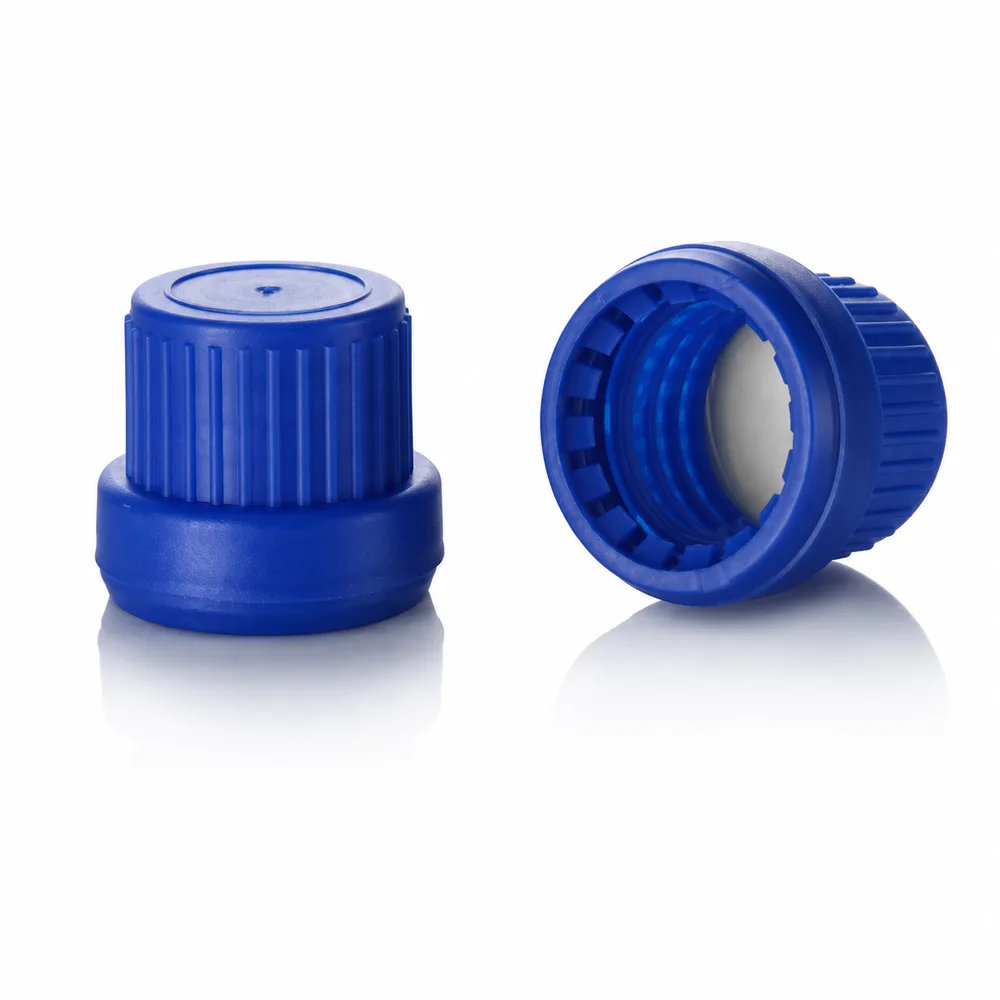
| Product code | F21-AC |
|---|---|
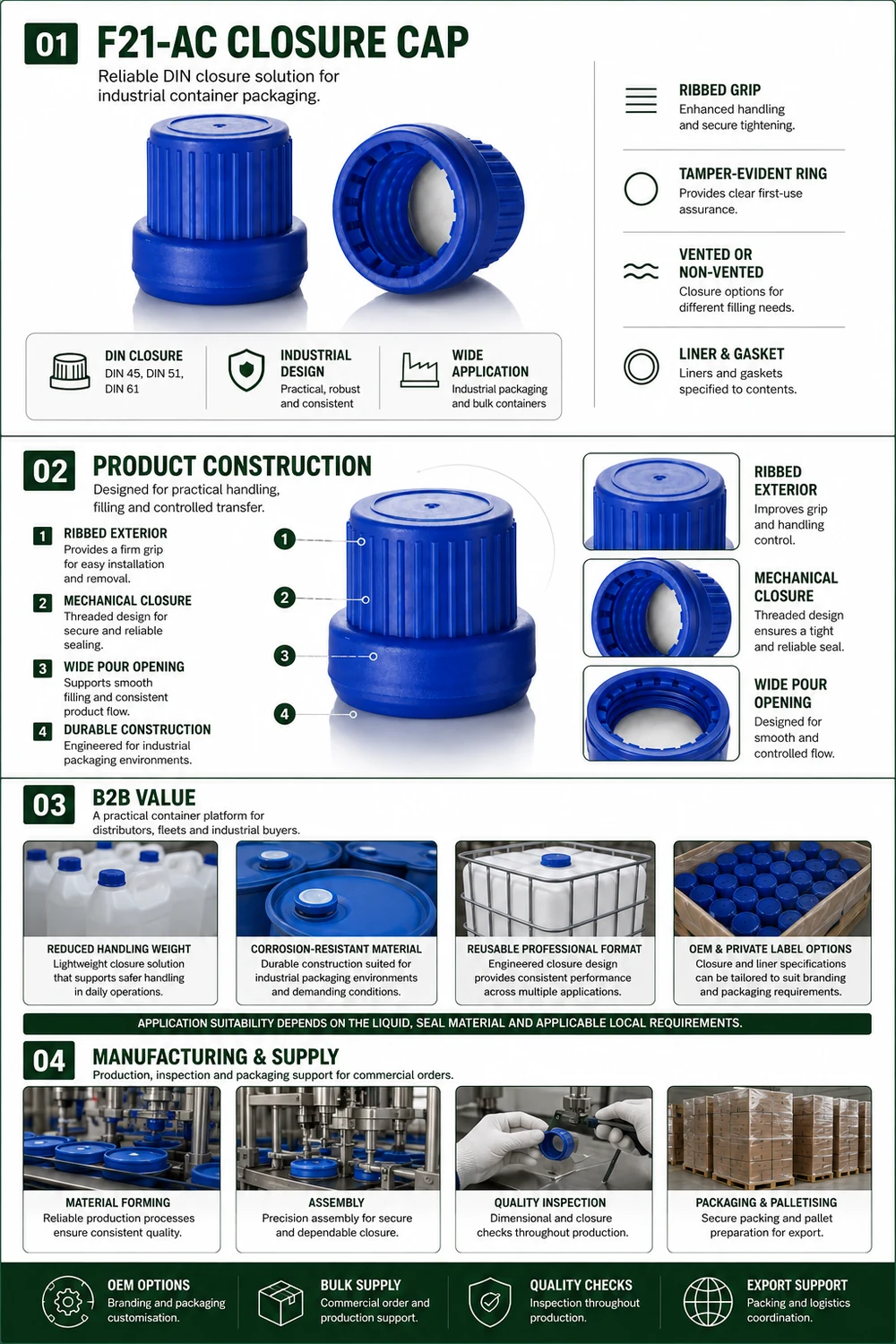
| Cap sizes | DIN 45, DIN 51 and DIN 61 |
| Venting | Vented and non-vented |
| Tamper evidence | Tamper-evident ring available |
| Liners | Cap liners specified to contents |
| Gaskets | Replacement gaskets per can family |
| Lead time | Approximately one month for a standard production run; samples in 7–15 days. Confirmed against your specification at quotation. |
These depend on your order, your market or the certificate that covers your run, so we quote them rather than publish one figure that would be wrong for most buyers. Ask and you get the number for your specification.
Before you order: Cap liner and gasket material must be matched to the contents, particularly for food-contact and solvent applications. Tell us the substance.
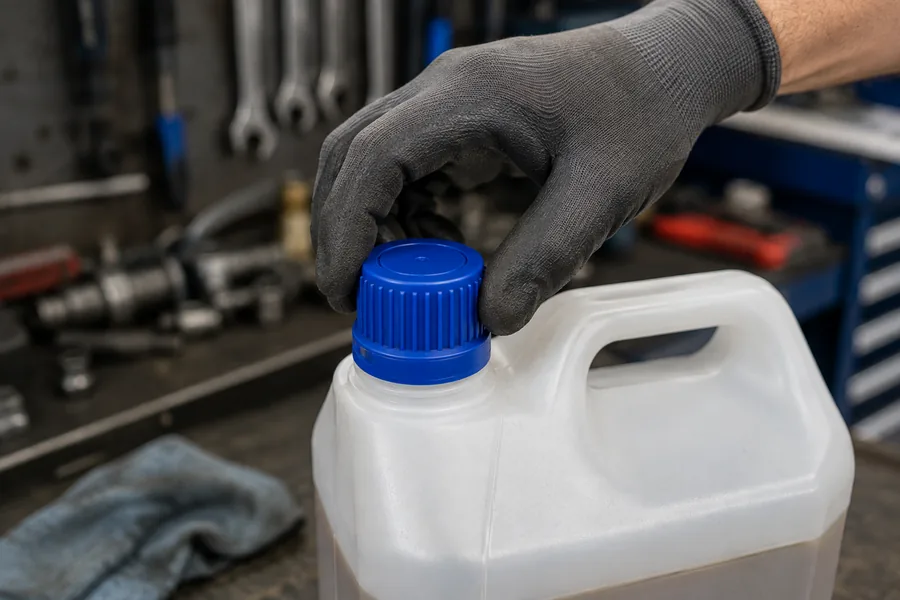
Bodies outlast seals by years. A can that weeps is almost never a cracked can, it is a perished gasket, and replacing one keeps the unit in service.
Vented closures manage pressure change with temperature and altitude. Sealed ones hold contents in. Getting this backwards deforms cans or sprays the operator on opening.
The liner is part of the wetted path. Food-contact and solvent applications need different ones, and an unspecified liner voids a food-grade claim.
If your customer decants and resells, a tamper-evident ring shows whether a product has been opened.
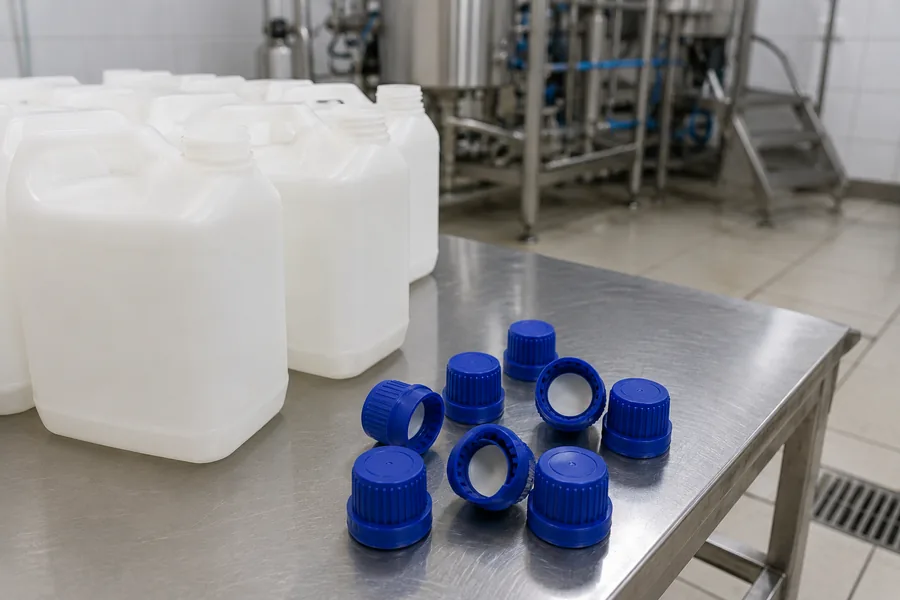
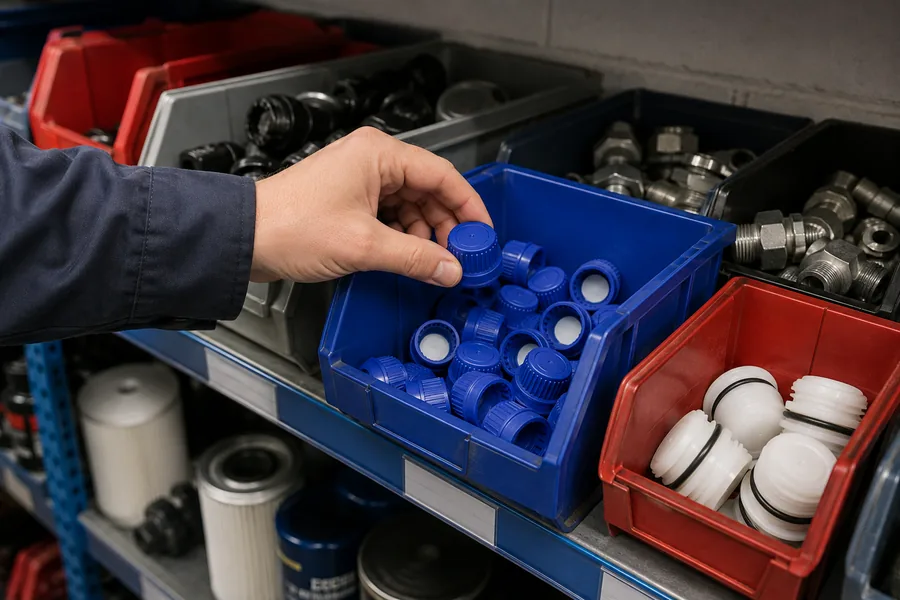
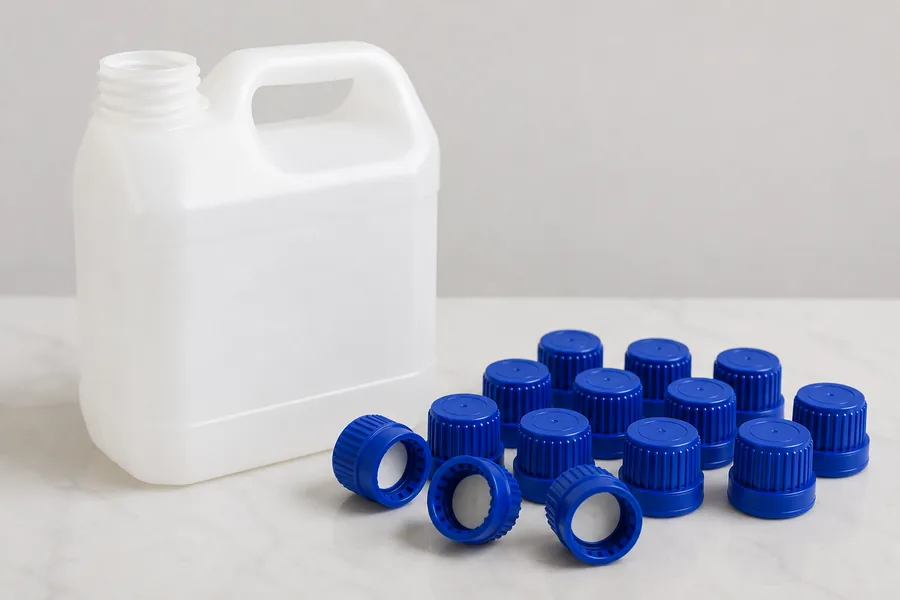
The same breakdown our distributors put in front of their own buyers.
The regimes that apply to this type of container in each market we ship to, with the detail behind each one a click away. This is what the market asks for; what this particular design already holds is in the specification above.
Orientation for specification, not legal advice, and not a statement that this design holds a given approval. Requirements turn on the exact design, contents and destination, and they change. Tell us the market at enquiry and we confirm what applies to your specification, what we hold and what we would need to obtain.
DIN 45, DIN 51 and DIN 61, matched to the necks across our can families.
Yes, vented and non-vented. Whether to vent follows the contents and how the can is stored, so tell us the application.
Yes. Replacement gaskets are stocked per can family, since the gasket is usually the first part of a closure to fail.
The liner is the sealing layer inside the cap, specified to the contents. For food-contact or solvent service, name the substance and we match the liner.
A tamper-evident ring is available for resale and distribution where a broken seal needs to show.
They are cut to DIN neck standards, so they suit any can built to the same DIN thread. Confirm your neck size and we will match it.
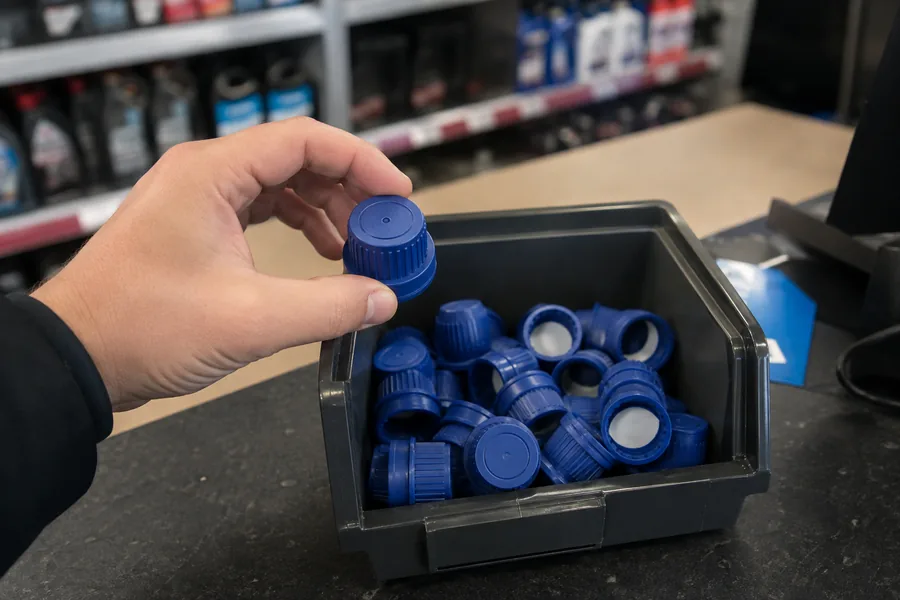
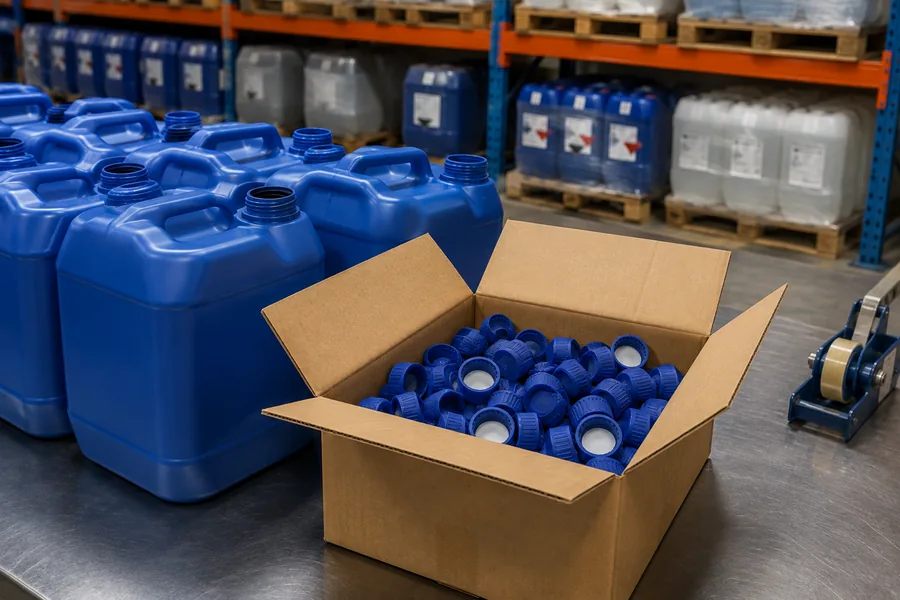
Yes, as loose closures, service replacements or counter stock alongside the cans.
Cap colour and moulded or printed branding are available to specification on a private-label run. Ask at quotation.
Both are confirmed on quotation for your sizes and quantities.
In our Vietnam and China plants, managed from Singapore.
Child-resistant closures for portable fuel containers, the closure the United States requires on petrol, kerosene and diesel cans.
Flame arresters for portable fuel containers, the second component the United States requires and the one a standard NATO can does not have.
Tell us your destination market, target volumes and whether you need private labelling.