
The Packaging and Packaging Waste Regulation makes the importer the producer. What that means for registration, reporting and the technical file.
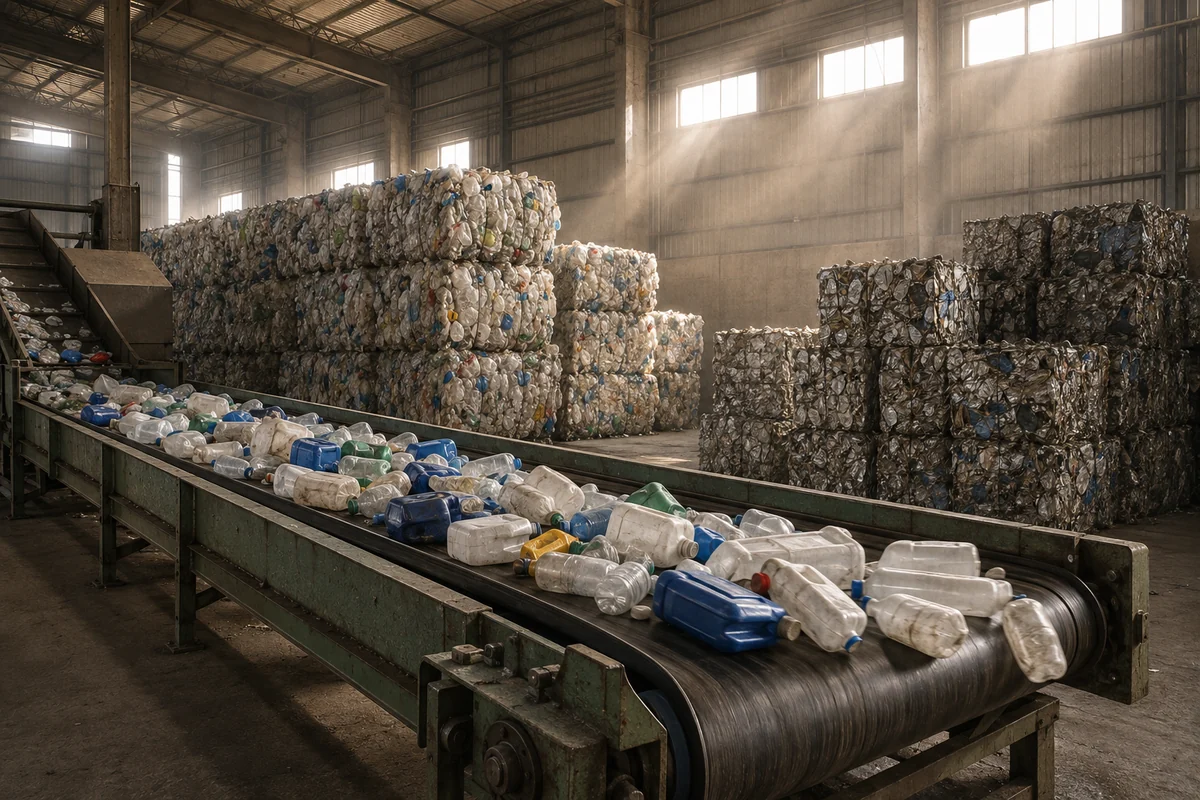
If you import liquid containers into the EU, the Packaging and Packaging Waste Regulation makes you the producer. Not your supplier, not the factory. You register, you report, you pay the fees, and you hold the technical file. Most importers discover this from a national authority rather than from a datasheet.
Regulation (EU) 2025/40, the Packaging and Packaging Waste Regulation, was adopted on 19 December 2024, entered into force on 11 February 2025 and became fully applicable on 12 August 2026. It replaces the old packaging directive with a regulation.
That change of instrument is the substance, not a technicality. Under the old directive each member state wrote its own version, so an exporter faced 27 slightly different definitions of what counted as packaging, what had to be reported and by when. A regulation removes the translation layer: the text that applies in Ireland is the text that applies in Poland.
What it does not remove is national administration. Registration, reporting and fee collection still run through each country’s own EPR scheme, so the obligations are now uniform while the paperwork stays local. An importer selling into five member states has one rulebook and five registrations.
Under PPWR the importer is treated as a producer. That carries direct legal responsibility for the packaging entering the market, across design, labelling, recycled content and extended producer responsibility. Concretely:
Retention periods are worth noting because they differ by packaging type: five years for single-use packaging and ten years for reusable. A refillable jerrican is a reusable container, so plan on the longer file.
Reusable also changes what the file has to prove rather than only how long it is kept. A reusable packaging is expected to be designed for multiple cycles, and the evidence sits in the technical documentation alongside the conformity declaration. For a jerrican that is mostly a statement of the obvious, since the whole product is built to be refilled for years, but it is a statement somebody has to write down and hold rather than assume.
A refillable container sold to hold and transport a liquid falls within the packaging definitions these rules use, which is why importers of containers get pulled into EPR alongside importers of boxes and bottles.
The confusion usually comes from thinking of a jerrican as equipment rather than packaging. It is durable, it is bought as a product in its own right, and it may be used for years. None of that takes it outside the definition: what matters is the function of containing and transporting, not the price or the service life.
There is a second layer people miss. The shipping packaging is separately in scope, so the carton, the pallet, the stretch wrap and the corner protectors all count towards the weight you report. An importer who declares only the containers has under-reported, and transport packaging is often a surprising share of the total.
The practical question is therefore not whether the rules touch you but which national scheme, which material category and which fee rate. Those answers come from the member state, and they differ.
None of this is filed by the factory, but the factory holds the data you need to file it. Ask for:
A supplier who can hand over a weight-by-material breakdown makes your EPR filing arithmetic rather than archaeology. One who cannot is passing the work to you.
Ask for it in the form you will file rather than in the form they hold it. What an EPR registration needs is weight by material per unit, per SKU, in the units the member state uses, and a supplier who sends a specification sheet has given you the raw material for that rather than the answer. Agreeing the format once, at the first order, saves reconstructing it from drawings every reporting period.
PPWR sits on top of these rather than replacing any of them. A potable-water container entering the EU answers food contact and packaging rules; a UN-marked fuel can answers ADR and packaging rules.
The regimes are administered by different authorities and none of them checks the others, which is why a shipment can clear one and fail another. That is the structural reason compliance failures in this category surface late and all at once: nothing in the chain is looking for the thing that is missing. Customs looks at classification and duty. A dangerous-goods inspection looks at UN marking and documentation. EPR enforcement looks at whether you registered and paid. Satisfying any one proves nothing about the rest.
For a container programme the sequence that works is to settle the transport approval first, because it constrains the physical design, then food contact if the liquid requires it, then packaging and EPR, which are reporting obligations rather than design ones and can be arranged once the product is fixed.
Two of those interact in a way worth flagging. A packaging obligation is calculated from weight by material, and a transport approval constrains the wall thickness that weight comes from, so a design driven up in gauge to pass a drop test carries a higher EPR fee for the life of the programme. That is not a reason to under-specify a can. It is a reason to know the fee consequence at design stage rather than to meet it as a surprise in the first reporting year.
We hold UN certification for our dangerous-goods designs plus ISO 9001, ISO 14001, ISO 45001, and we supply the weights, material identification and documentation you need for a filing. What we cannot do is register on your behalf: EPR registration attaches to the party placing goods on the market in a member state, which is the importer. Any supplier telling you they have handled your EPR has misunderstood the regulation.
| Your use case | Recommended can | Why this one |
|---|---|---|
| Potable water into the EU | 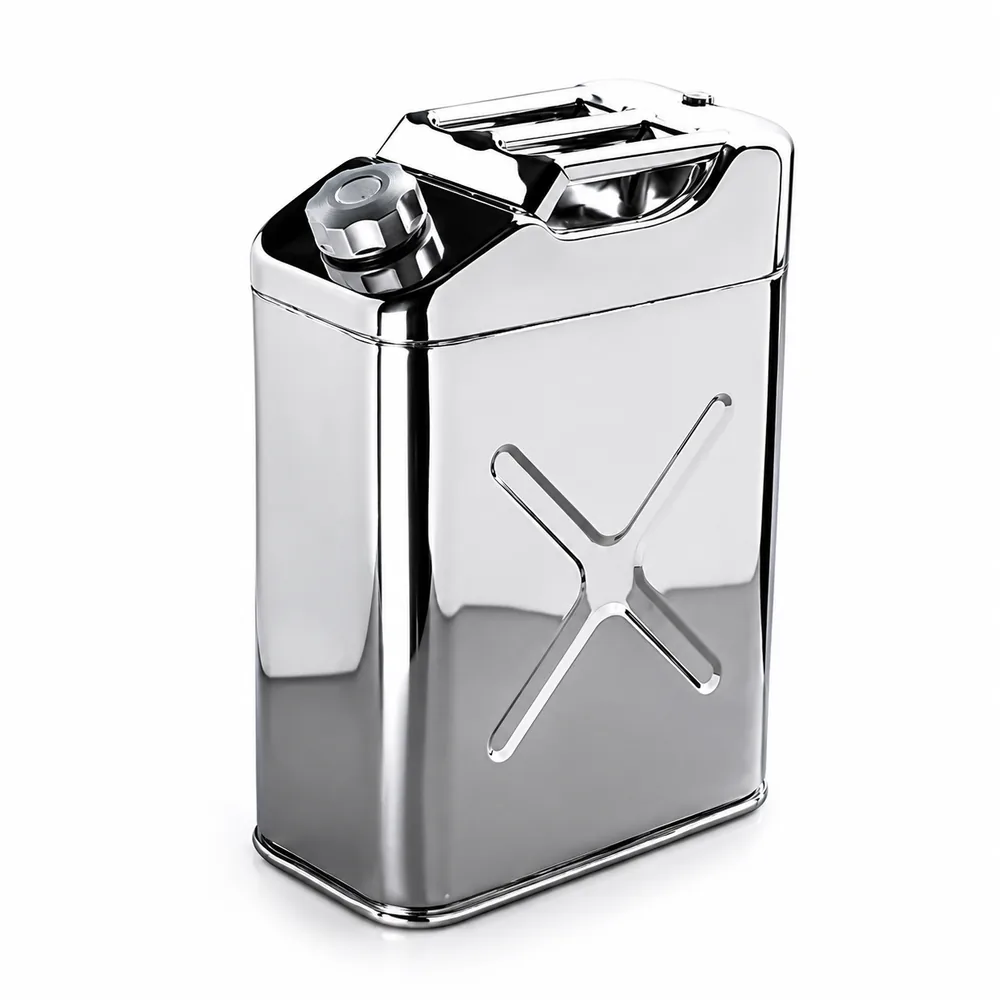 20L Stainless Steel Water Can 20L Stainless Steel Water Can |
Food-contact route, reusable container. |
| Fuel, UN-marked for ADR | 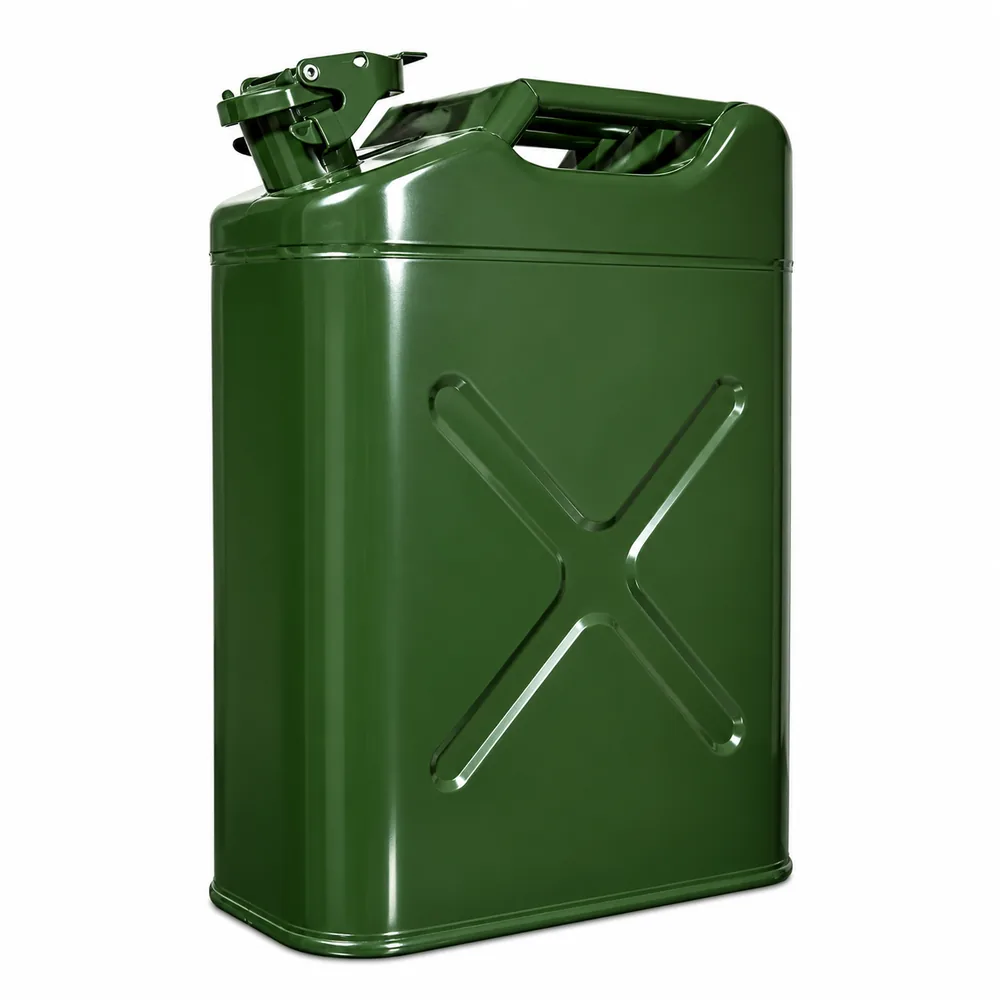 20L NATO Steel Fuel Can 20L NATO Steel Fuel Can |
Transport approval per design and plant. |
| Industrial liquids at volume | 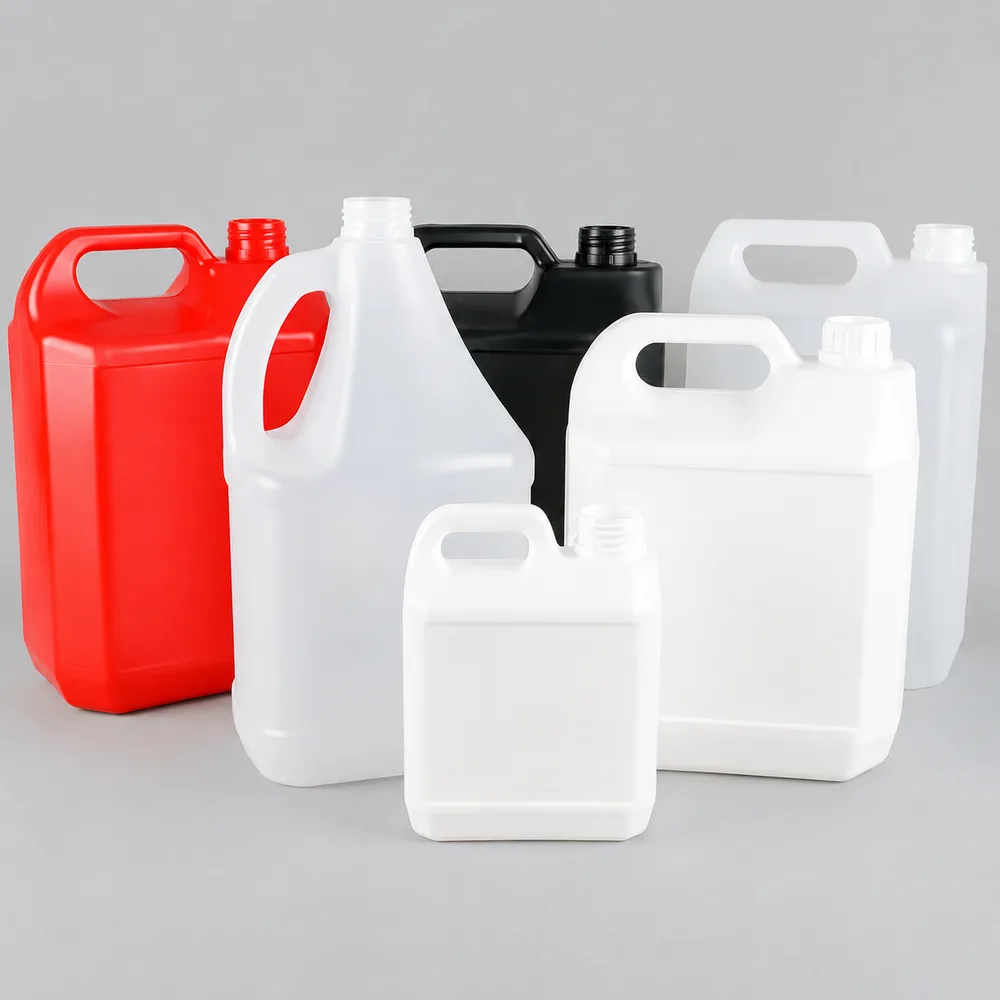 Economy HDPE Jerrycan — non-UN Economy HDPE Jerrycan — non-UN |
Where material weight drives the EPR fee. |
| DEF and AdBlue | 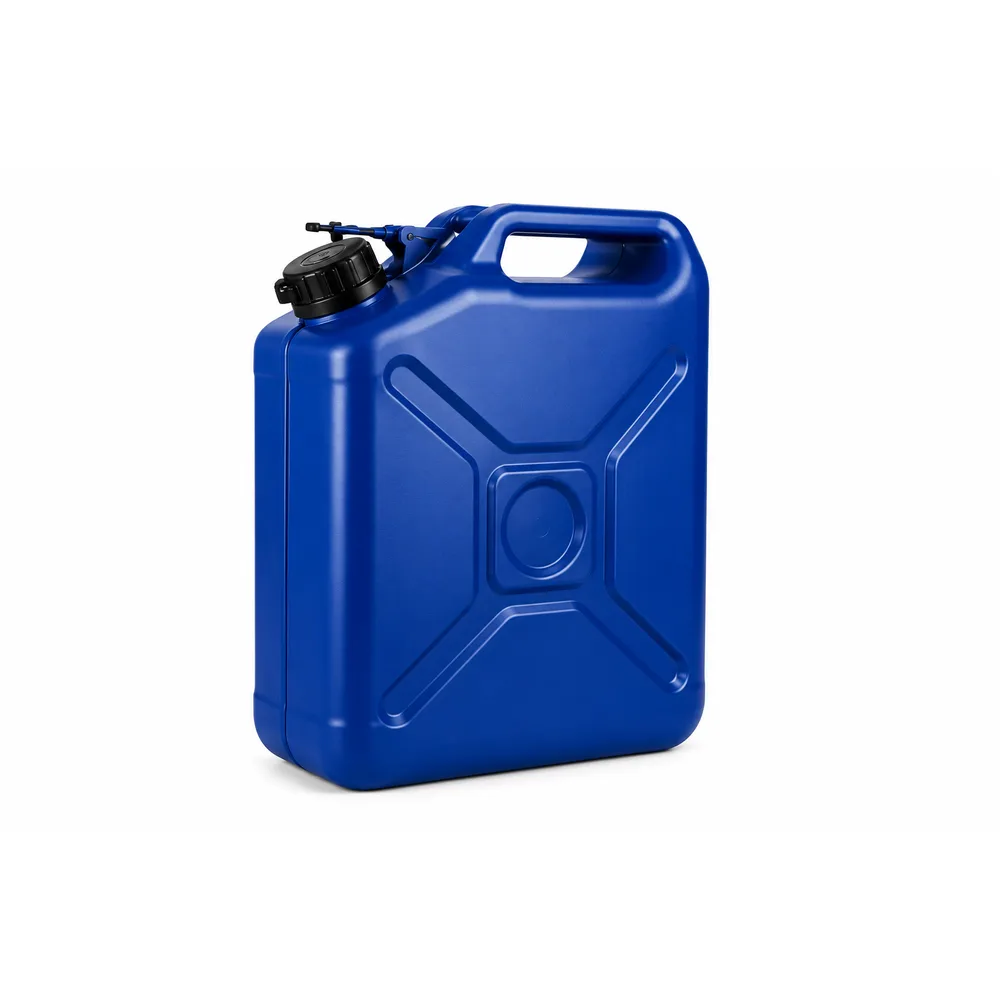 DEF Can — Diesel Exhaust Fluid DEF Can — Diesel Exhaust Fluid |
ISO 22241 materials, growing EU volume. |
Regulation (EU) 2025/40 was adopted on 19 December 2024, entered into force on 11 February 2025 and became fully applicable on 12 August 2026. Being a regulation rather than a directive, it applies directly in every member state instead of being transposed into 27 national laws.
You are. PPWR treats the importer as the producer, so registration, data reporting, EPR fees and the technical documentation sit with the party placing the packaging on the market, not with the overseas manufacturer. Any supplier claiming to have handled your EPR has misunderstood the regulation.
No. Registration is per member state, in each country where you first place packaging or packaged products on the market. Fees are normally calculated on weight placed on the market multiplied by a per-material rate, and both the rate and the scheme differ by country.
Five years for single-use packaging and ten years for reusable packaging, alongside an EU Declaration of Conformity. A refillable jerrican is a reusable container, so plan on the ten-year file rather than the five.
Packaging weight per unit broken down by material, for both the product and its shipping packaging; material identification including polymer grade or coating system; recycled content with the basis for any claim; and a statement of relevant substance restrictions. That turns the filing into arithmetic.
The standards and regulations this page relies on, at their issuing body. Where a market rule is named here, check the current revision before you specify against it.
Last reviewed .
Tell us your market, your fuel and your volumes. We come back with a specification sheet and a quotation.