
A portable petrol container is capped at 10 litres in plastic and 20 in metal. What follows from that, and the quantity thresholds behind it.
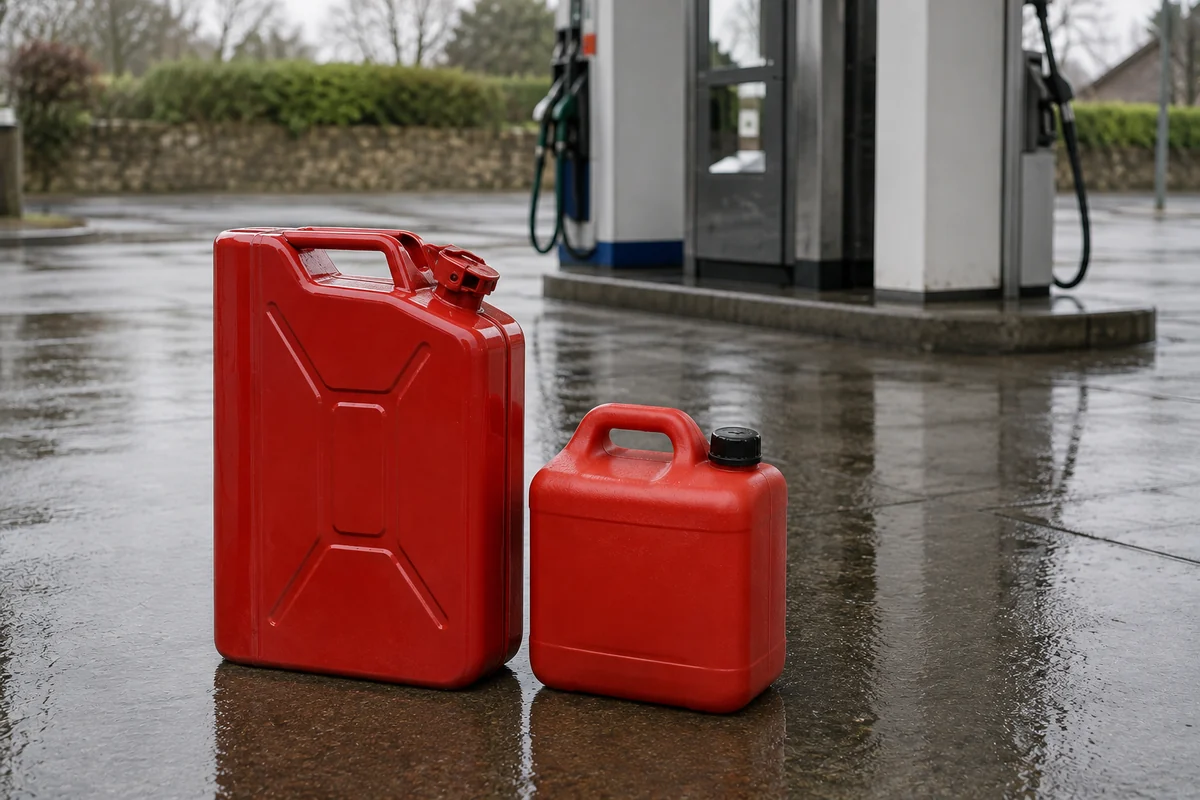
One line in a 2014 statutory instrument decides most of what you can sell into the UK for petrol: a portable petrol container may hold no more than 10 litres if it is plastic, and no more than 20 litres if it is metal. Everything else about the specification comes after that.
The Petroleum (Consolidation) Regulations 2014 set the rules for storing and dispensing petrol in the UK. For portable containers the limits are specific and they are by material:
| Container material | Maximum nominal capacity for petrol |
|---|---|
| Plastic | 10 litres |
| Metal | 20 litres |
The container must also be suitable and safe for the purpose, and must not significantly degrade through contact with petrol or through ultraviolet exposure. So a UV-stabilised grade matters for a plastic can that will sit outdoors, and a fuel-service interior matters for a metal one.
There is a marking requirement alongside the size limit, and it is a factory instruction rather than background. A suitable container must be marked with the words PETROL and FLAMMABLE. That is a printed or embossed mark on the container, not a line in a datasheet, and it is the sort of thing that is cheap to add at the tooling and marking stage and expensive to retrofit onto stock already in a warehouse. Settle it with the artwork rather than after the first rejected delivery.
The reasoning behind the split between 10 litres of plastic and 20 of metal is fire behaviour rather than permeation or strength. In a fire a plastic container softens, loses containment and releases its contents while a metal one holds for materially longer, so the regulation caps the volume that a plastic container may release. That is also why "suitable and safe for the purpose" sits in the text alongside the numbers: a can that degrades under ultraviolet or against petrol has stopped being suitable regardless of what capacity it was sold at.
The commercial consequence is blunt. A 20-litre plastic jerrican cannot be sold as a UK petrol container, however well it is moulded and whatever it is certified to elsewhere. If you are stocking 20 litres for petrol in the UK, it is metal. If you want plastic, it is 10 litres or less.
| Quantity kept at domestic or non-workplace premises | What is required |
|---|---|
| Up to 30 litres | No notification |
| Over 30 and up to 275 litres | Written notification to the local Petroleum Enforcement Authority |
| Over 275 litres | A licence issued by the Petroleum Enforcement Authority |
These thresholds are why the retail conversation in the UK stops at a small number of cans. A distributor selling a two-can pack is selling inside the no-notification band; one selling a pallet to a domestic customer is not.
Two practical points sit behind that table. The Petroleum Enforcement Authority is usually the local fire and rescue service rather than a national body, so the contact and the process are local and a multi-site operator deals with several. And the thresholds quoted are for domestic and other non-workplace premises: a workplace is a different question, because a workplace that dispenses petrol needs a Petroleum Storage Certificate from the PEA, and its wider fire and explosion duties run under DSEAR rather than under the storage thresholds.
That distinction is worth putting in front of a trade customer, because it changes who they must talk to. A garden centre selling cans to the public is answering the retail question. A haulage yard filling its own plant from a bulk tank is answering the workplace one, and the answer involves a certificate, a hazardous-area assessment and a set of duties the container specification cannot discharge for them.
The dispensing side has a consequence for a can maker too. Petrol may only be dispensed into a container that is suitable, so a filling station attendant who refuses a 20-litre plastic can is applying the rule rather than being awkward. A container sold into the UK that cannot lawfully be filled at a forecourt is not a cheaper option; it is an unsellable one.
The Regulations are about petrol, which is the volatile, low-flashpoint fuel the thresholds exist to control. Diesel is a different hazard class and does not fall under the same container-size rules, which is why 20-litre plastic diesel containers are ordinary in the UK while 20-litre plastic petrol containers are not. Label and sell them as separate products, because a buyer who assumes one rule covers both will use the wrong can.
The commercial risk runs the other way too, which is worth stating for a distributor. A 20-litre plastic can is a perfectly good diesel container and stocking it is entirely legitimate, so the answer is not to avoid the format but to keep the two lines visibly distinct on the shelf and in the listing. A single product page mentioning both fuels invites exactly the substitution the size rule exists to prevent.
UN marking is a dangerous-goods transport approval, granted per design type and per manufacturing plant. It governs moving fuel, not the domestic storage limits above. A 20-litre plastic jerrican can hold a valid UN 3H1 approval and still be outside the UK petrol container rules, because the two regimes answer different questions. Ask for both when both apply.
The direction of the confusion is always the same, which makes it easy to spot. A supplier offers a UN mark as evidence for a question the UN mark does not answer, usually because it is the most impressive document they hold. Transport approval says a container survived a defined test. It says nothing about whether that container may be sold, filled or stored for a given liquid in a given country, and those are three further questions with three further answers.
Less than most buyers expect. A jerrican is not a product that carried CE marking, so there is no UKCA question to answer for the can itself. What did split is chemicals regulation: UK REACH now runs alongside EU REACH, so a supplier placing substances or certain articles on both markets registers under both. For a finished steel or HDPE container this rarely bites, but it is worth confirming with your supplier rather than assuming, particularly for coatings and for anything sold as a chemical packaging.
The other change is procedural rather than legal and it catches distributors: a shipment from the EU is now an import. Customs entries, commodity codes, origin declarations and duty apply to goods that previously moved freely, so a container bought from a European wholesaler carries the same classification and origin work as one bought from Asia. Our classification guide covers what that entry needs.
Our metal range covers the 20-litre petrol case the Regulations point at, in NATO pattern and upright, internally coated for hydrocarbon service. We hold UN certification for our dangerous-goods designs plus ISO 9001, ISO 14001, ISO 45001. Ask for the certificate number covering your design and the plant named on it.
There is no UK-specific approval scheme for the can itself to certify against, which is why the material and capacity rule above does the work. What we will not do is tell you a 20-litre plastic can is a UK petrol container, because the schedule says otherwise. If a supplier offers you one, check the schedule rather than the datasheet.
| Your use case | Recommended can | Why this one |
|---|---|---|
| Petrol at 20 litres | 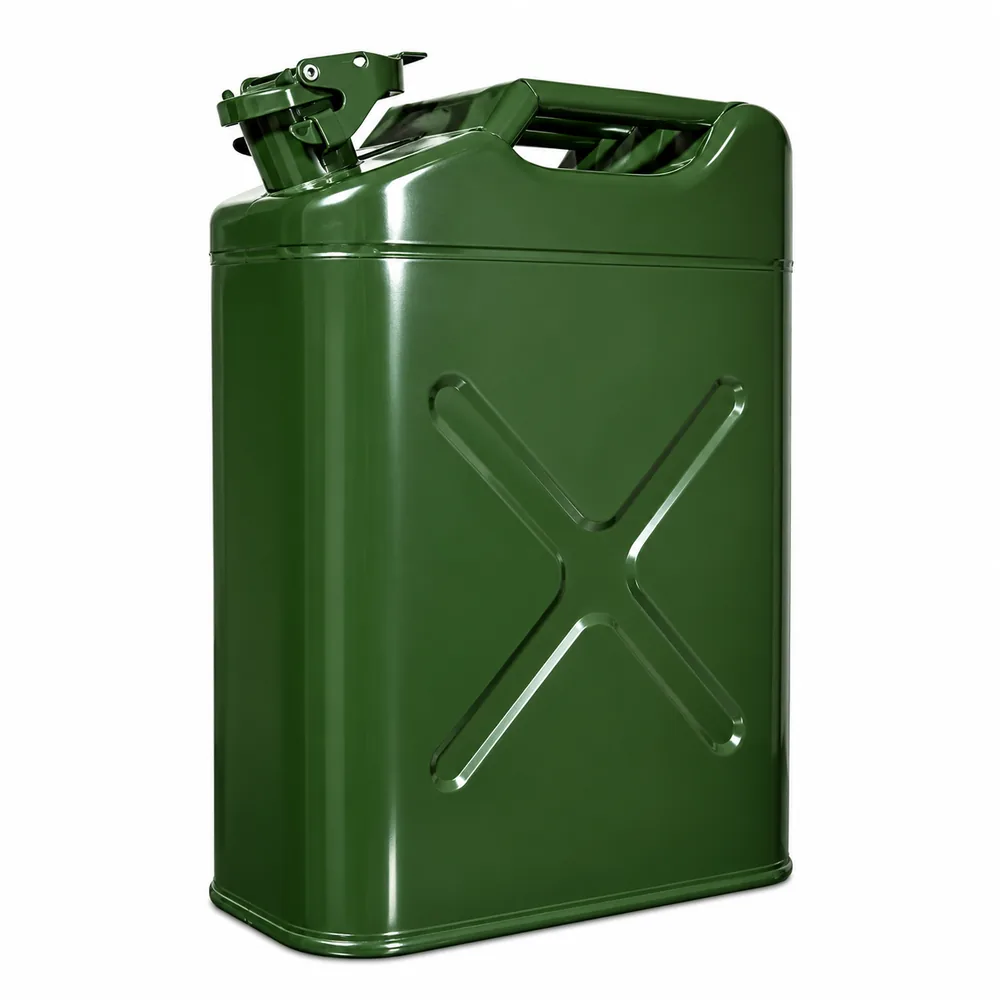 20L NATO Steel Fuel Can 20L NATO Steel Fuel Can |
Metal, which is the only route to 20 L for petrol. |
| Small-volume petrol | 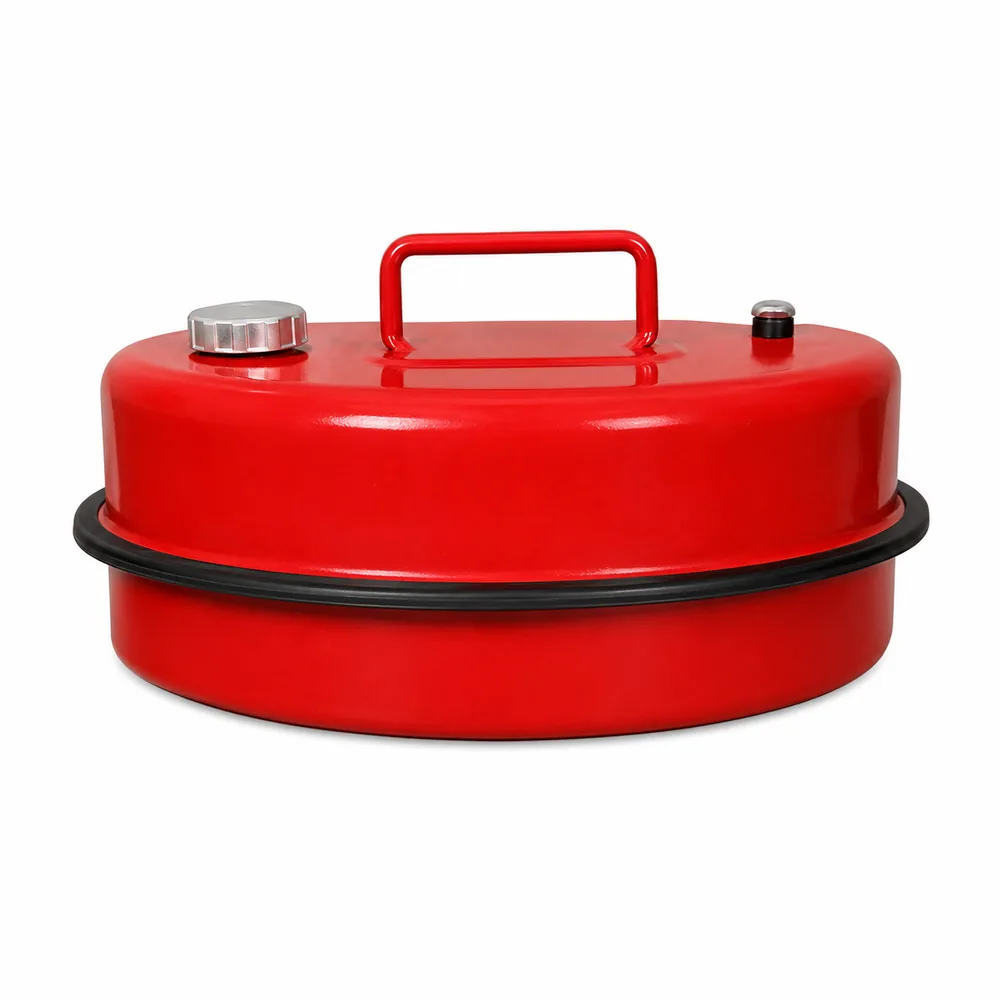 3L Compact Fuel Can 3L Compact Fuel Can |
Well inside the plastic and metal limits alike. |
| Diesel and non-petrol liquids | 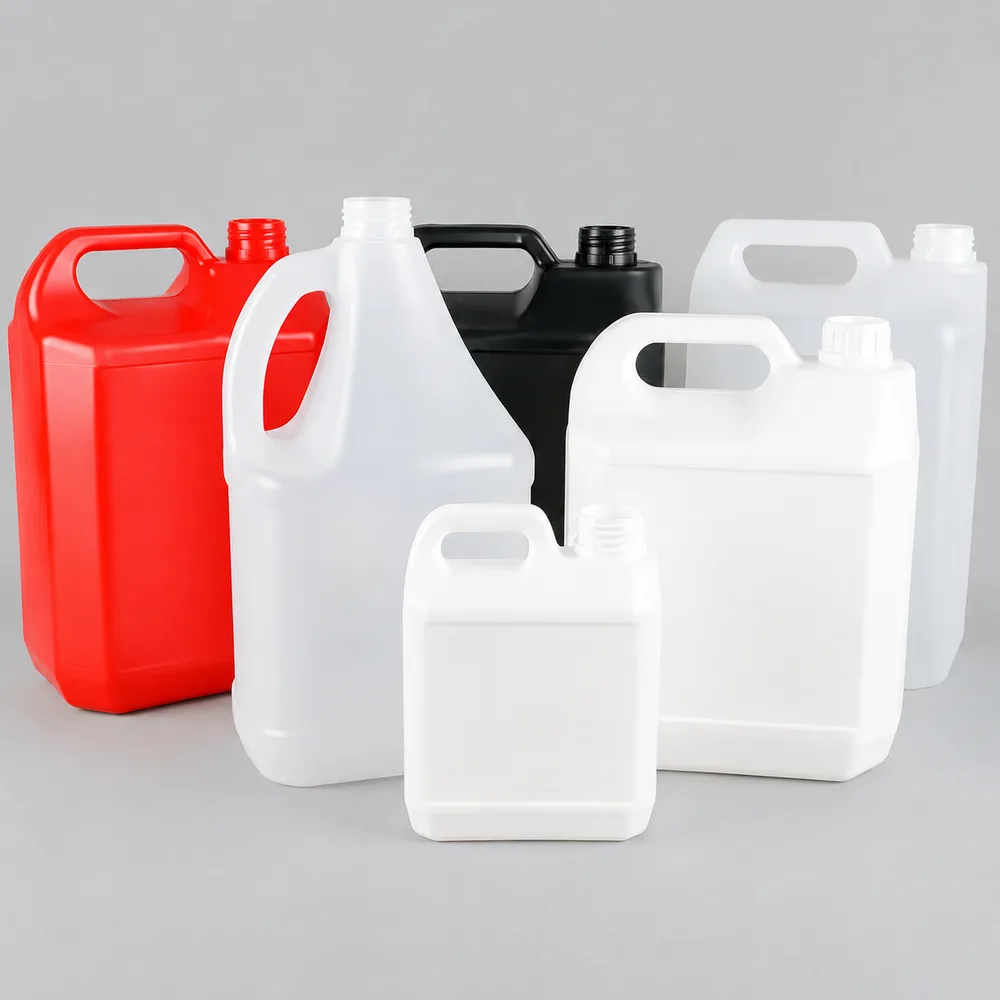 Economy HDPE Jerrycan — non-UN Economy HDPE Jerrycan — non-UN |
Outside the petrol container size rules. |
| Potable water | 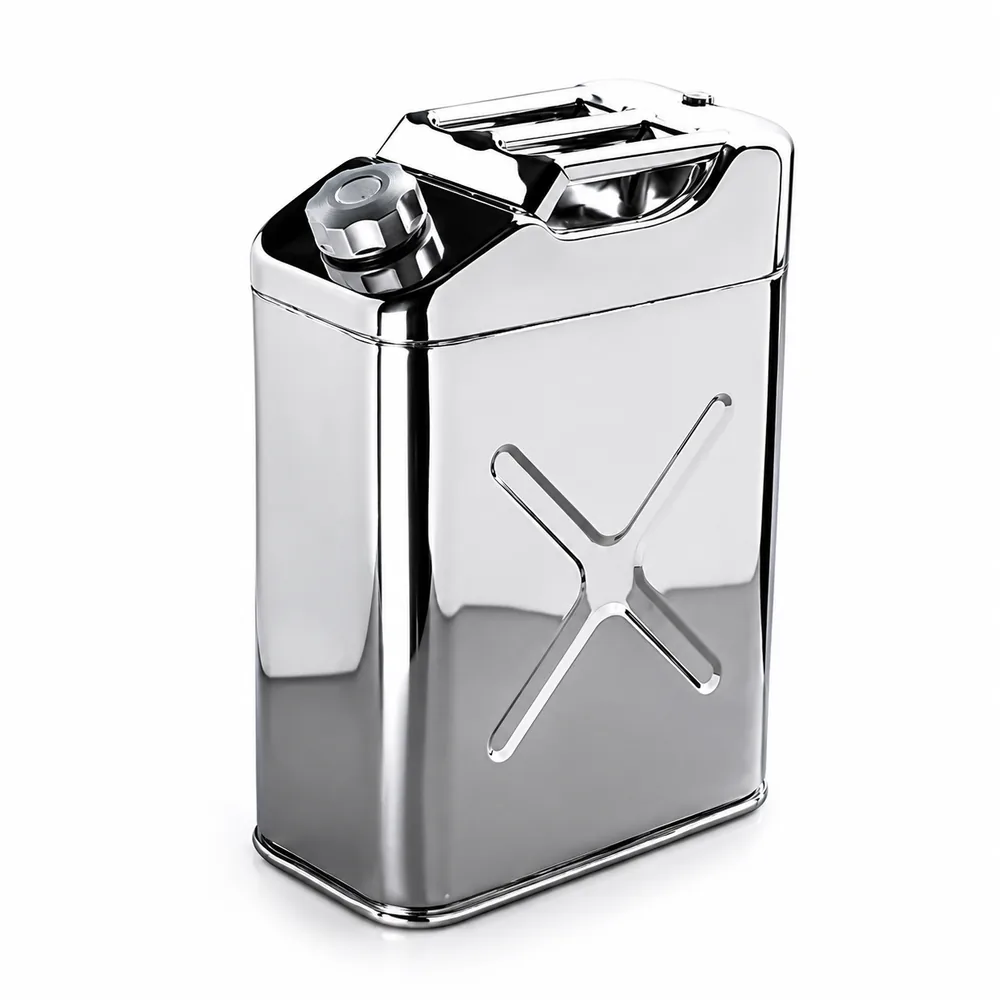 20L Stainless Steel Water Can 20L Stainless Steel Water Can |
No petroleum regime applies. |
A portable petrol container may hold no more than 10 litres if it is plastic, and no more than 20 litres if it is metal, under the Petroleum (Consolidation) Regulations 2014. A 20 litre plastic jerrican is therefore not a UK petrol container however it is built or certified elsewhere.
Up to 30 litres without telling anyone. Between 30 and 275 litres you must notify your local Petroleum Enforcement Authority in writing. Above 275 litres you need a licence from that authority. The thresholds apply to domestic and other non-workplace premises.
No. The Petroleum (Consolidation) Regulations govern petrol, which is the volatile low-flashpoint fuel the thresholds exist to control. Diesel sits outside those container-size rules, which is why 20 litre plastic diesel containers are ordinary in the UK while 20 litre plastic petrol containers are not.
No. A jerrican is not a product that carried CE marking, so there is no UKCA equivalent for the container itself. What did diverge is chemicals regulation: UK REACH now runs alongside EU REACH, which can affect coatings and anything sold as chemical packaging.
No. UN marking is a dangerous-goods transport approval and does not override the domestic container size limits. A can can hold a valid UN 3H1 approval and still be outside the UK petrol container rules, because the two regimes answer different questions.
The standards and regulations this page relies on, at their issuing body. Where a market rule is named here, check the current revision before you specify against it.
Last reviewed .
Tell us your market, your fuel and your volumes. We come back with a specification sheet and a quotation.