
The code sets the duty, decides whether CBAM applies and pulls in trade measures. Origin is a legal test, not where the box was loaded.

The commodity code on your entry decides three things at once: the duty you pay, whether the carbon border mechanism applies, and which trade measures attach. Suppliers routinely hand over a code copied from an old invoice. That is a guess with your money behind it, and the liability for getting it wrong is the importer’s.
| Heading | Covers | Typical products here |
|---|---|---|
| 7310 | Tanks, casks, drums, cans, boxes and similar containers of iron or steel, capacity not exceeding 300 litres, lined or not | Steel and stainless jerry cans, upright and horizontal steel tanks |
| 3923 | Articles for the conveyance or packing of goods, of plastics; stoppers, lids, caps and other closures of plastics | HDPE jerrycans, plastic closures and caps |
| 7612 | Aluminium casks, drums, cans and similar containers, capacity not exceeding 300 litres | Aluminium fuel cans |
Indicative headings for orientation, not a classification ruling. Accessories often classify away from the container they serve: a steel mounting bracket, a brass tap and a rubber gasket can each land in a different chapter.
The first six digits are the international Harmonised System and are the same everywhere. After that the systems diverge: the EU extends to eight digits as the Combined Nomenclature and to ten as TARIC, which is where trade policy measures are expressed. The UK runs its own tariff on the same six-digit base. So a code is not portable between markets past six digits, and a supplier quoting one number for both is telling you they have not checked either.
There is a method behind arriving at the code, and it is worth knowing because it settles the arguments. Classification follows the General Interpretative Rules in order. Rule 1 says the headings and the section and chapter notes govern, so a marketing description never decides anything. Where a good is composite or made up of different materials, Rule 3 applies in sequence: the most specific description wins, failing that the material or component giving the good its essential character, and only failing that the last heading in numerical order. Rule 6 then repeats the exercise at subheading level.
The essential-character rule is the one that decides a real question in this category. A can supplied with its cap and a pouring spout as one retail package is classified by whatever gives it its essential character, which is the container rather than the accessory, so the set follows the can. Buy the same spouts as a separate line and they classify on their own, in their own material's heading, at their own duty rate. The same physical parts therefore land in different places depending on how they are packed and invoiced, which is a commercial decision with a customs consequence.
The country a shipment leaves is not necessarily its origin. Origin is determined by rules attached to the product and, where a trade agreement is claimed, by that agreement’s own rules of origin, which usually turn on where substantial transformation happened rather than where the goods were consolidated.
For a dual-sourced supplier this is the practical consequence: production moving between plants can change origin, which can change duty in either direction and can change which measures apply.
What decides origin is where the last substantial transformation happened, and for a pressed steel can that is where the coil was formed and finished rather than where it was packed or consolidated. Shipping through a third country changes nothing. Neither does invoicing from a fourth. Origin follows the manufacturing, which is why a Singapore contract desk does not make goods Singaporean.
Where a trade agreement is claimed, that agreement’s own rules of origin apply and they are stricter than the general ones. They typically set a threshold as a change of tariff heading or a percentage of value added, and claiming preference without meeting it is a declaration error rather than a difference of interpretation.
Get an origin declaration for each production base before you need one, not after a customs query.
Keep the two kinds of origin apart in your own records, because they answer to different rules and are needed at different moments. Non-preferential origin is what determines whether an anti-dumping duty, a safeguard measure or a quota applies, and it exists whether or not any trade agreement is in play. Preferential origin is a claim under a specific agreement, made to obtain a reduced rate, and it carries its own stricter tests and its own documentary form. A supplier declaration that supports one will not necessarily support the other.
For a dual-sourced programme that is a filing discipline rather than a theoretical point. The same design, made to the same drawing, at two plants in two countries, has two origins and potentially two duty outcomes, two sets of applicable measures and two preference positions. Which plant made a given consignment is therefore a customs fact that has to be traceable from the entry back to the production record, and the time to build that link is at the order rather than at the query.
Both markets issue rulings that bind the authority to a classification. In the EU it is Binding Tariff Information; in the UK, an Advance Tariff Ruling. Both are valid for three years from the date of the decision, both bind the authority as well as the holder, and an EU BTI binds every member state's customs administration rather than only the one that issued it. Either can be cut short if the classification legislation, the explanatory notes or the case law move underneath it.
They take time to obtain and they remove the argument entirely for the period they cover. For a programme of any size, on a product family with a real classification question behind it, that is a cheap piece of certainty, and three years is long enough to cover a tooling cycle. Apply before the first entry rather than after the first query, because a ruling obtained during a dispute does not settle the entries already made.
We confirm the heading we believe applies for any product before you order, with the reasoning behind it, and we state the country of production for the run. What we do not do is give you a classification you can rely on as a ruling, because no supplier can: classification is determined by the customs authority in your market, and a binding ruling is the only thing that settles it. Treat our view as the starting point for your own check.
| Your use case | Recommended can | Why this one |
|---|---|---|
| Steel, heading 7310 | 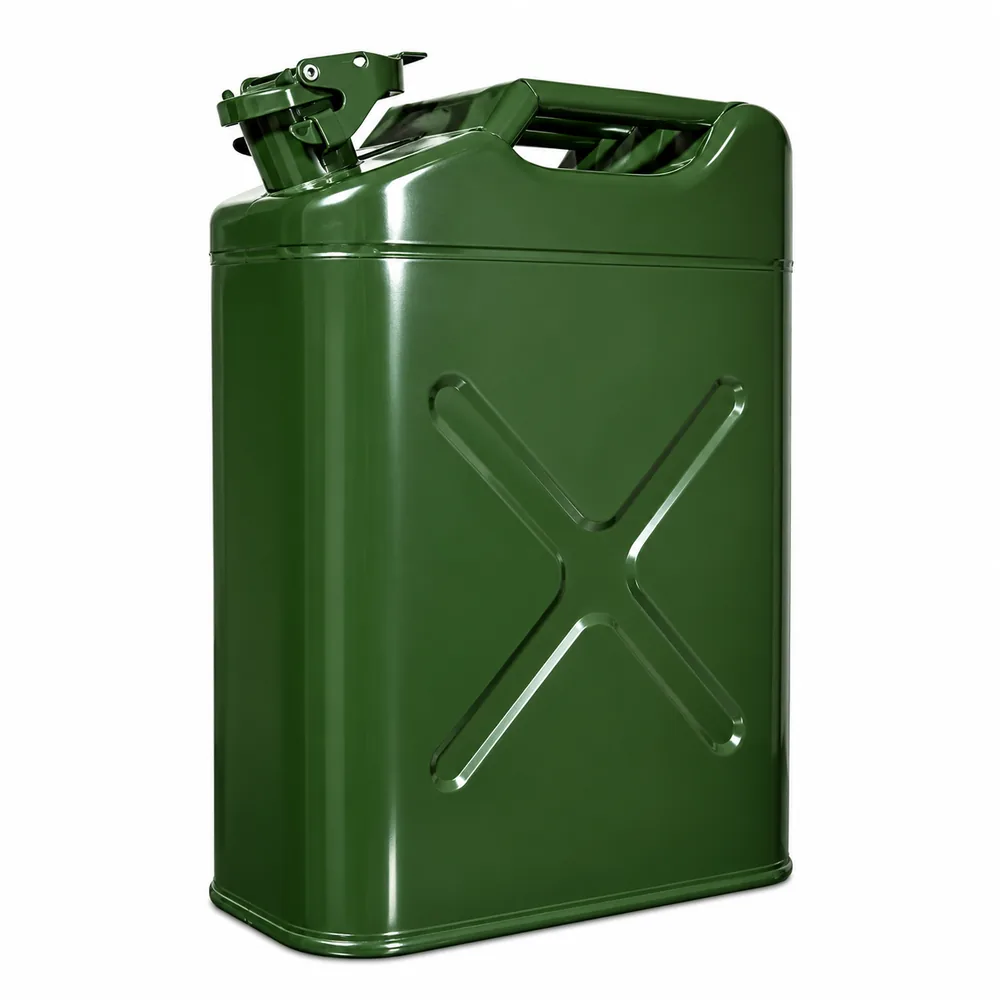 20L NATO Steel Fuel Can 20L NATO Steel Fuel Can |
Also the heading that triggers CBAM. |
| Plastic, heading 3923 |  Economy HDPE Jerrycan — non-UN Economy HDPE Jerrycan — non-UN |
Outside CBAM; inside packaging rules. |
| Aluminium, heading 7612 | 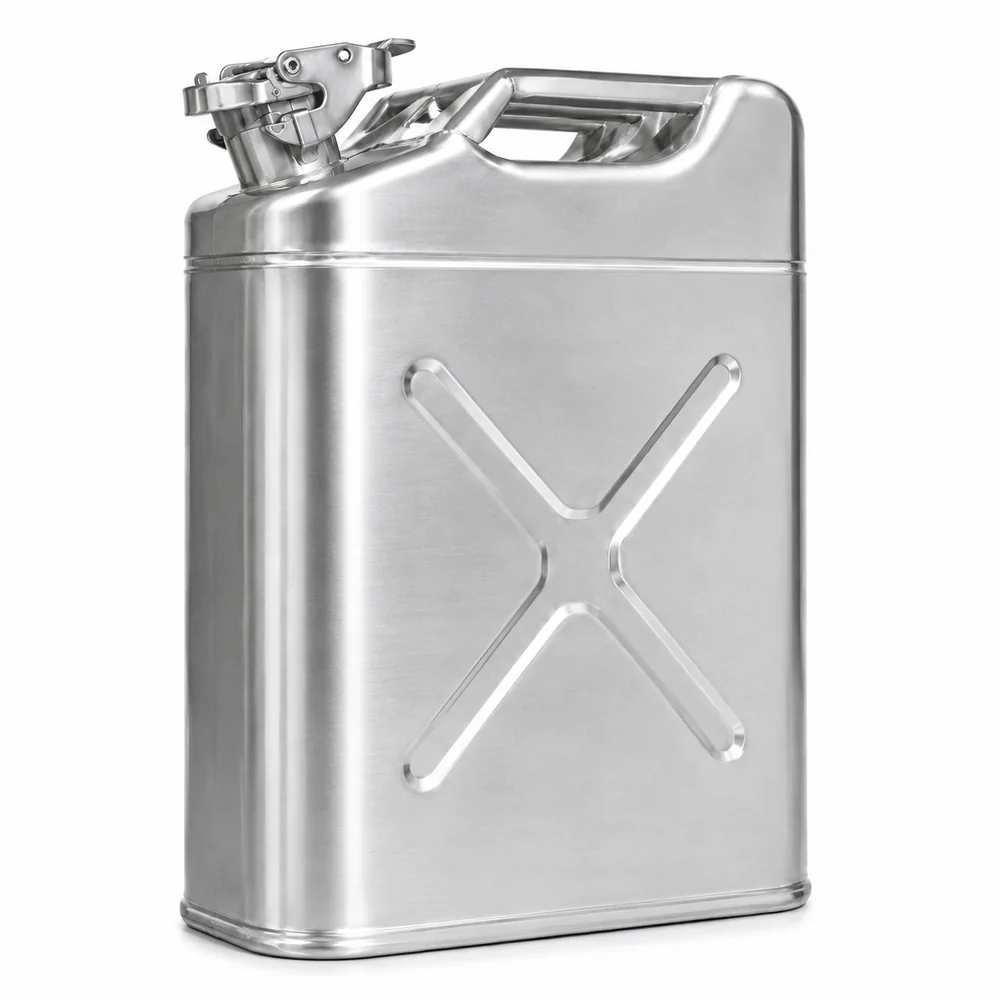 20L Aluminium NATO Can 20L Aluminium NATO Can |
Different chapter, different measures. |
| Accessories classify separately | 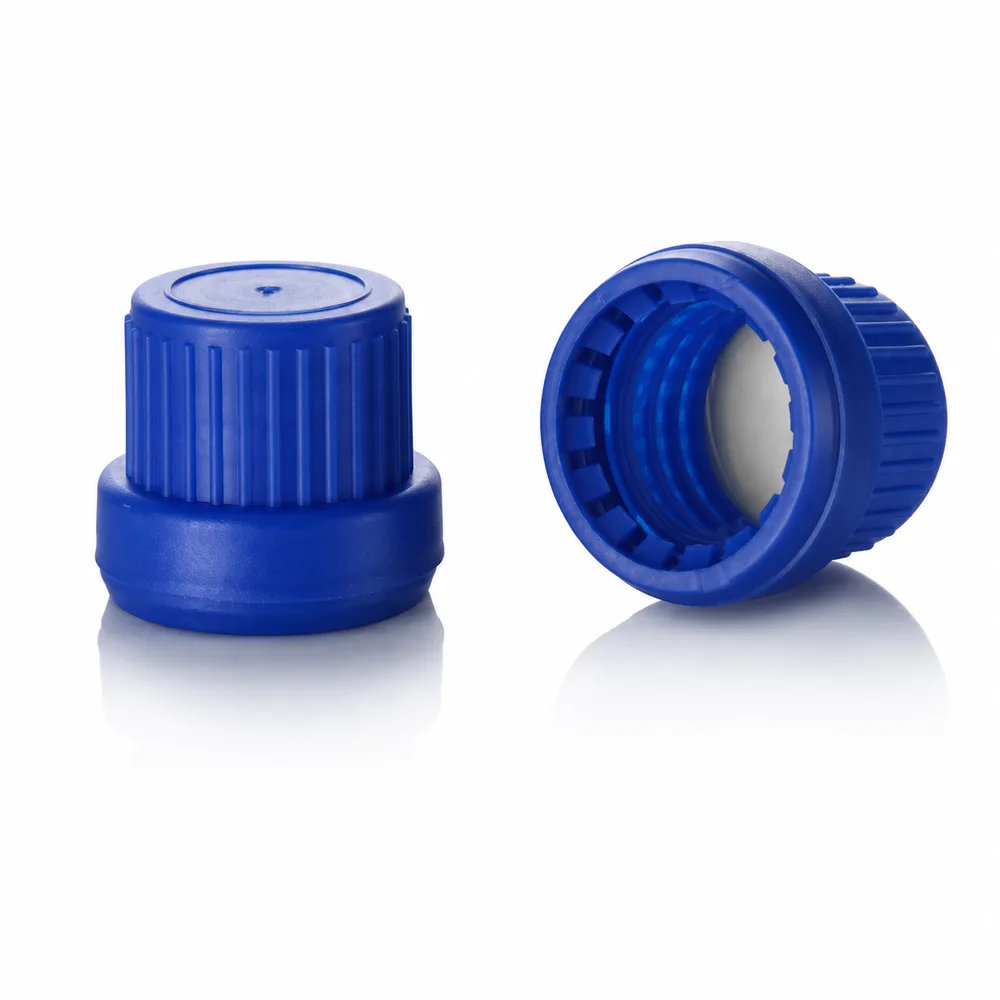 Caps, Closures & Gaskets Caps, Closures & Gaskets |
Closures rarely follow the container. |
Steel containers up to 300 litres classify in heading 7310, which covers tanks, casks, drums, cans and boxes of iron or steel whether or not lined. Plastic containers and closures fall in 3923 and aluminium ones in 7612. These are orientation, not a ruling: classification is determined by the customs authority in your market.
Only to six digits. The first six are the international Harmonised System and are identical everywhere. The EU extends to eight digits as the Combined Nomenclature and to ten as TARIC, where trade policy measures are expressed; the UK runs its own tariff on the same six-digit base. A code is not portable between markets past six digits.
Because CBAM lists goods by heading, so classifying a steel can into 7310 gives the EU importer CBAM obligations while a plastic one in 3923 carries none. Anti-dumping duties, safeguards and quotas also attach to codes and origins rather than to product descriptions, and steel is a heavily measured sector.
No. Origin is a legal test based on where substantial transformation happened, and where a trade agreement is claimed it follows that agreement own rules of origin. For a dual-sourced supplier this matters: moving production between plants can change origin, which changes duty and which measures apply.
Apply for a binding ruling. The EU issues Binding Tariff Information and the UK issues Advance Tariff Rulings, both of which bind the authority for the period they cover. No supplier can give you a classification you can rely on, because classification is determined by the customs authority in your market.
The standards and regulations this page relies on, at their issuing body. Where a market rule is named here, check the current revision before you specify against it.
Last reviewed .
Tell us your market, your fuel and your volumes. We come back with a specification sheet and a quotation.