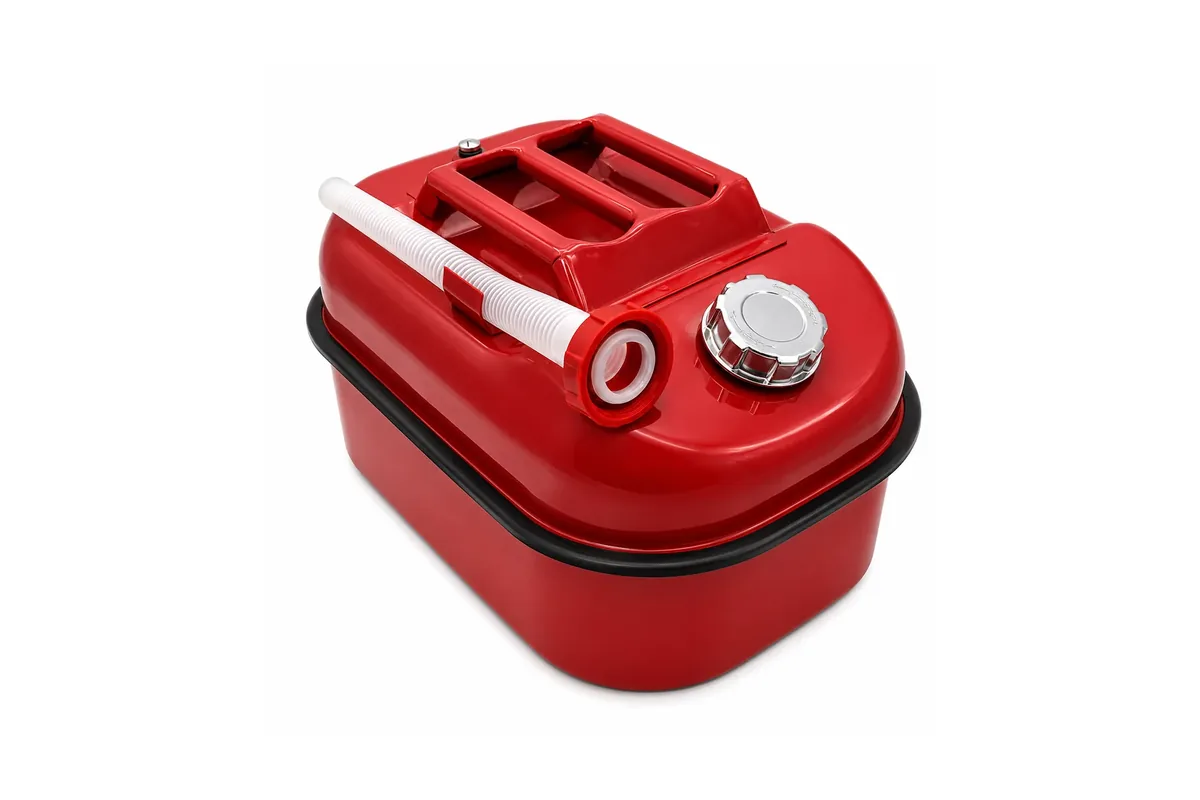
A farm runs on diesel carried to machinery across the yard and the field. The container has to survive that, hold the fuel cleanly, and meet the storage rules that apply to on-farm fuel.
The field container
For refuelling tractors, pumps and machinery away from a bulk tank, a rugged steel jerry can or a horizontal can that stows on a machine fits. Steel takes the knocks of field use, and a galvanized body resists the wash-down and the weather. A tap or spout turns a two-hand pour into controlled dispensing at the machine. An upright can sits in a rack for carrying between jobs, while a horizontal can bolts flat against a tractor or implement frame and stays put over rough ground. Reach for a 20L agricultural fuel can when you want a size one person can lift and pour without wrestling a funnel. Diesel on a hot manifold is a fire you lit yourself, so a spout that keeps the pour on target earns its place.
Keep the fuel clean
Dirt and water are diesel's real enemies. A modern engine meters fuel through fine injectors and filters, and grit or moisture blocks them, so a dirty can costs you a workshop bill rather than a wipe-down. Keep the can clean inside, seal it after every fill, and store it so any water and sediment settle to the bottom instead of swilling into the tank. Draw from the top, not the dregs.
Diesel keeps, if you keep it right
Diesel stores six to twelve months, longer if kept cool, dry and treated, so on-farm stock rotates rather than sits indefinitely. Keep cans sealed and labelled, and read storing fuel safely for shelf life and stabilisers.
One fuel, one can
Run a separate, labelled can for each liquid. Diesel goes in one, petrol for two-stroke and small engines in another, and DEF or AdBlue in a third. DEF must never meet diesel: a splash of it in your fuel corrodes the injection system, and a splash of diesel in your DEF ruins the dose. Colour-code the cans, mark each one, and never let the petrol can double as the diesel can. See DEF and AdBlue container requirements.
Bulk versus cans
A farm often runs a bulk tank in the yard and cans to carry fuel to the field, decanting through a tap or an adapter. Match the format to the volume, as in jerry can, drum or IBC.
Storage rules and containment
On-farm fuel storage is regulated in many countries, with rules on quantity, container type, marking and secondary containment. Once you hold more than a modest quantity, expect to provide a bund or drip tray that catches the fuel if a can or tank fails, sited clear of drains and watercourses. Confirm your local agricultural fuel-storage rules, and see spill containment.
A common mistake
The one that bites is the unlabelled, dirty can. Someone fills a scuffed can from whatever tank is nearest, the marking has worn off, and by next season nobody knows if it holds diesel, petrol or DEF. Cross-contaminate DEF and diesel that way and you can write off an injection system. Clean cans, clear labels and one liquid per can cost nothing and head off the expensive version of this.
What Fortitude21 fits
Our steel fuel and horizontal ranges suit agricultural refuelling. Tell us the fuel and the machinery and we specify the can. See the fuel range.
Match the can to the job
One liquid per can, clean and labelled. Here is the field kit from our line.
| Your use case | Recommended can | Why this one |
|---|---|---|
| Diesel out to the machine | 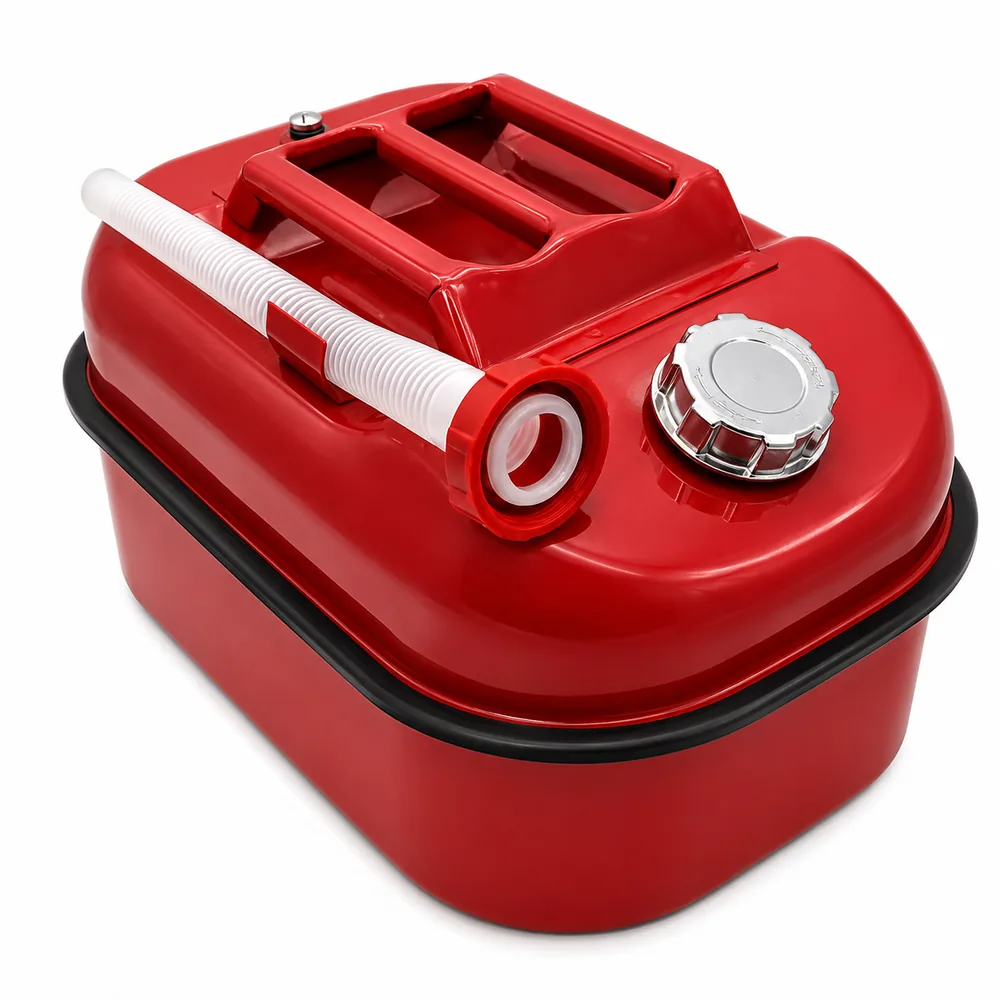 20L Horizontal Agricultural Fuel Can 20L Horizontal Agricultural Fuel Can |
A size one person lifts and pours in the field. |
| Fuel mounted on an implement frame | 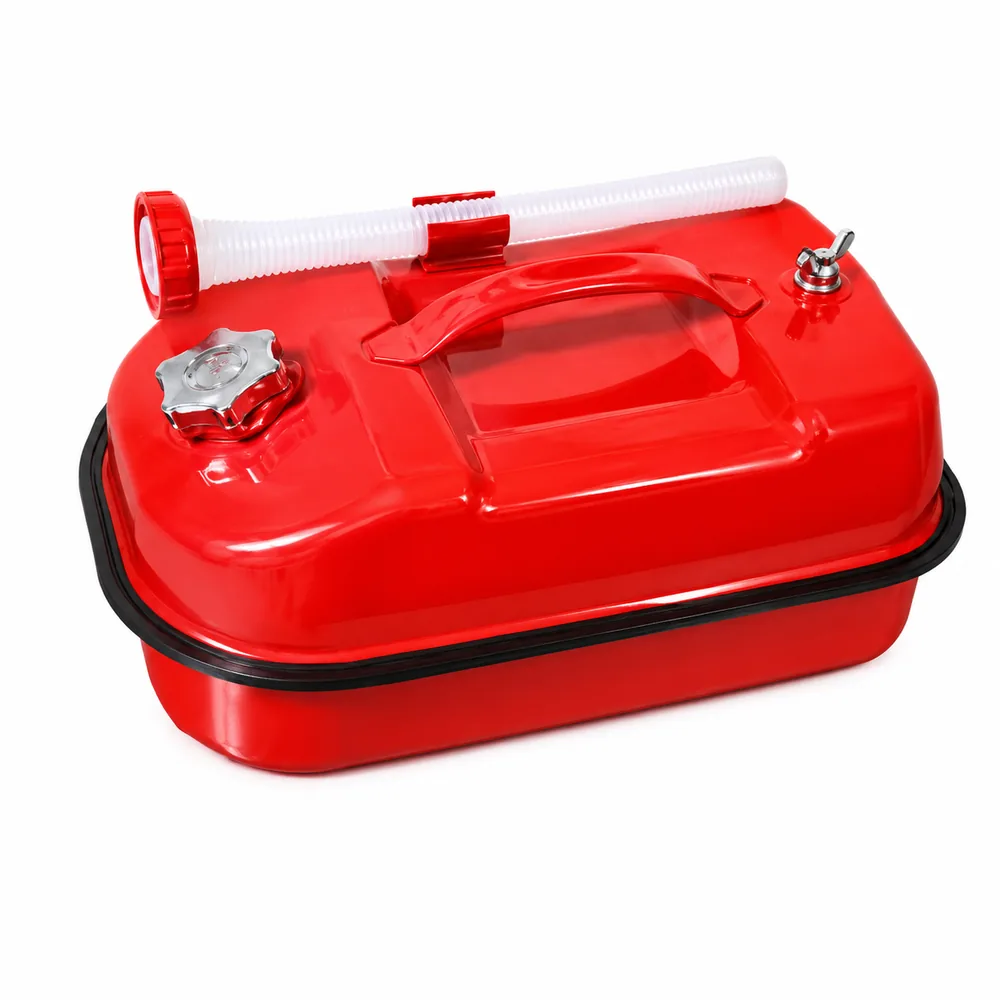 Horizontal Galvanised Can — 5L / 10L / 20L Horizontal Galvanised Can — 5L / 10L / 20L |
Bolts flat and stays put over rough ground. |
| Decanting at the yard | 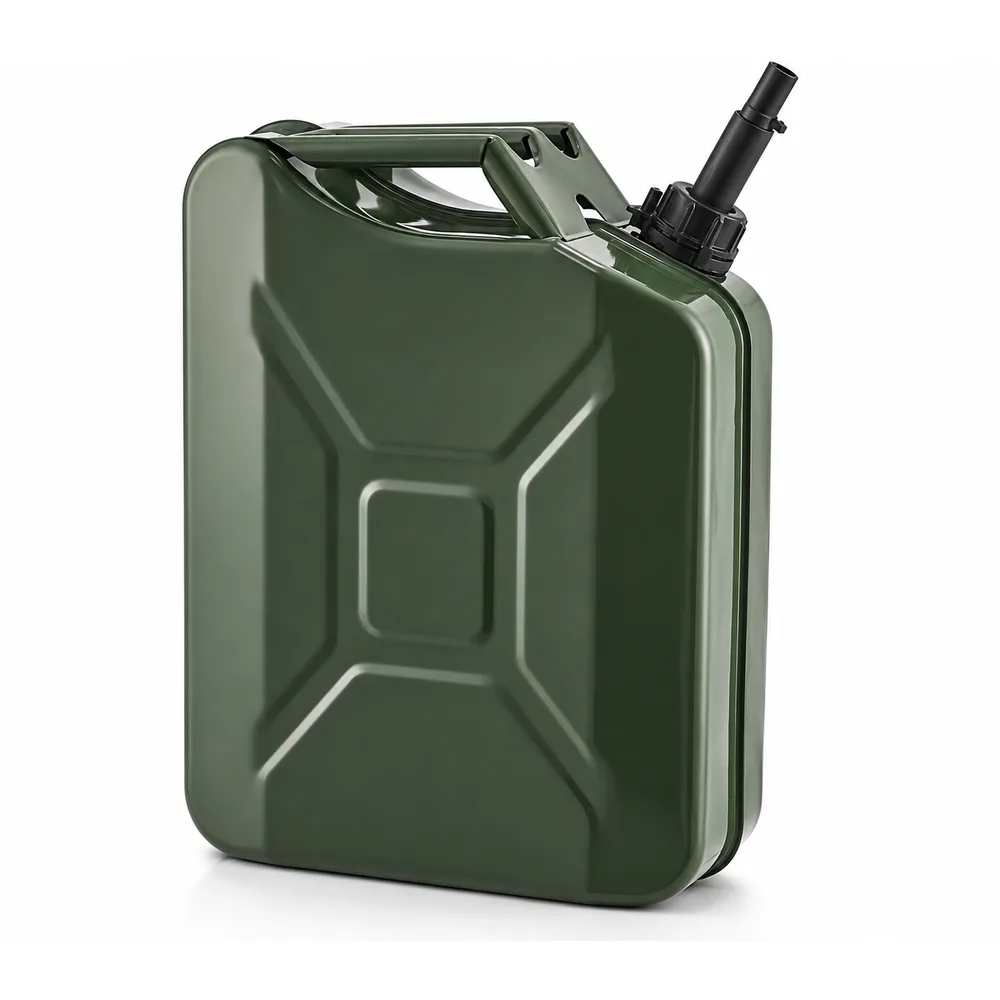 20L Steel Fuel Tank with Spout 20L Steel Fuel Tank with Spout |
Stands and pours through a tap from a bulk tank. |
| DEF / AdBlue, kept apart from diesel | 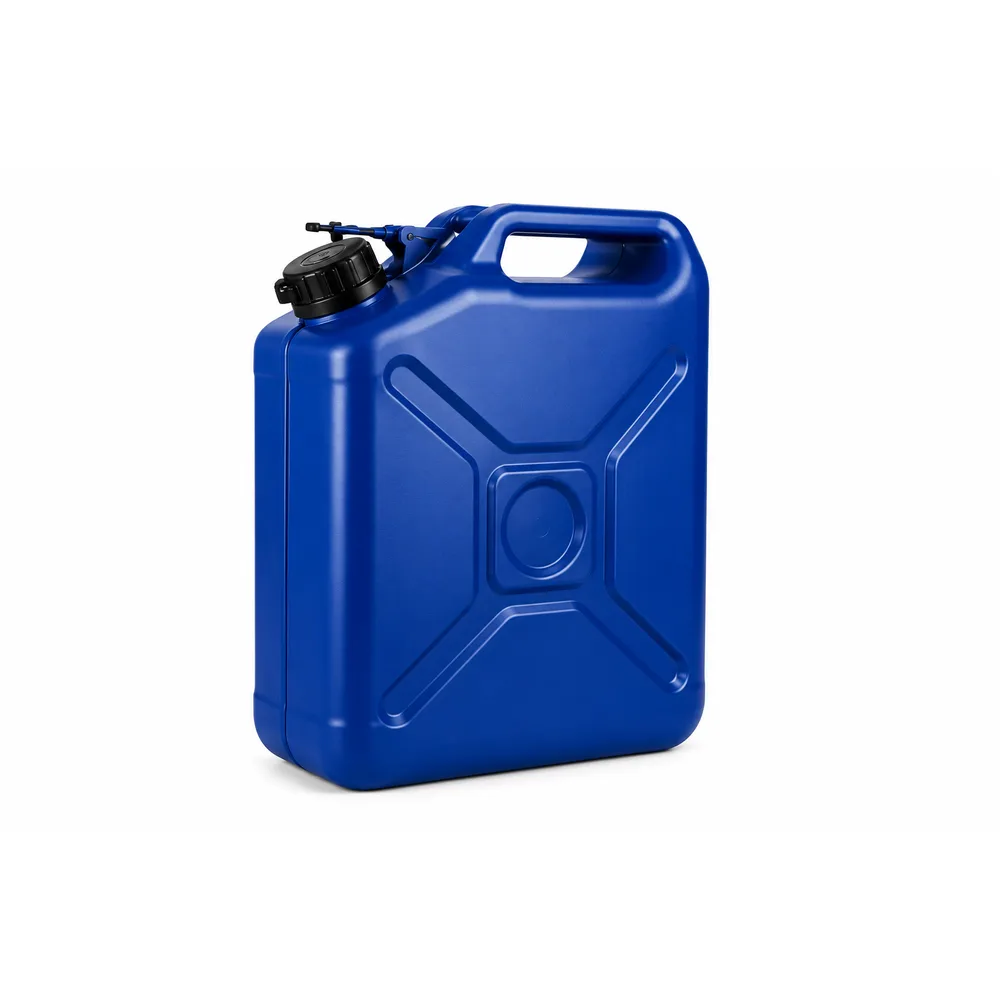 DEF Can — Diesel Exhaust Fluid DEF Can — Diesel Exhaust Fluid |
A dedicated container so the two never mix. |
| Drawing from a drum or IBC | 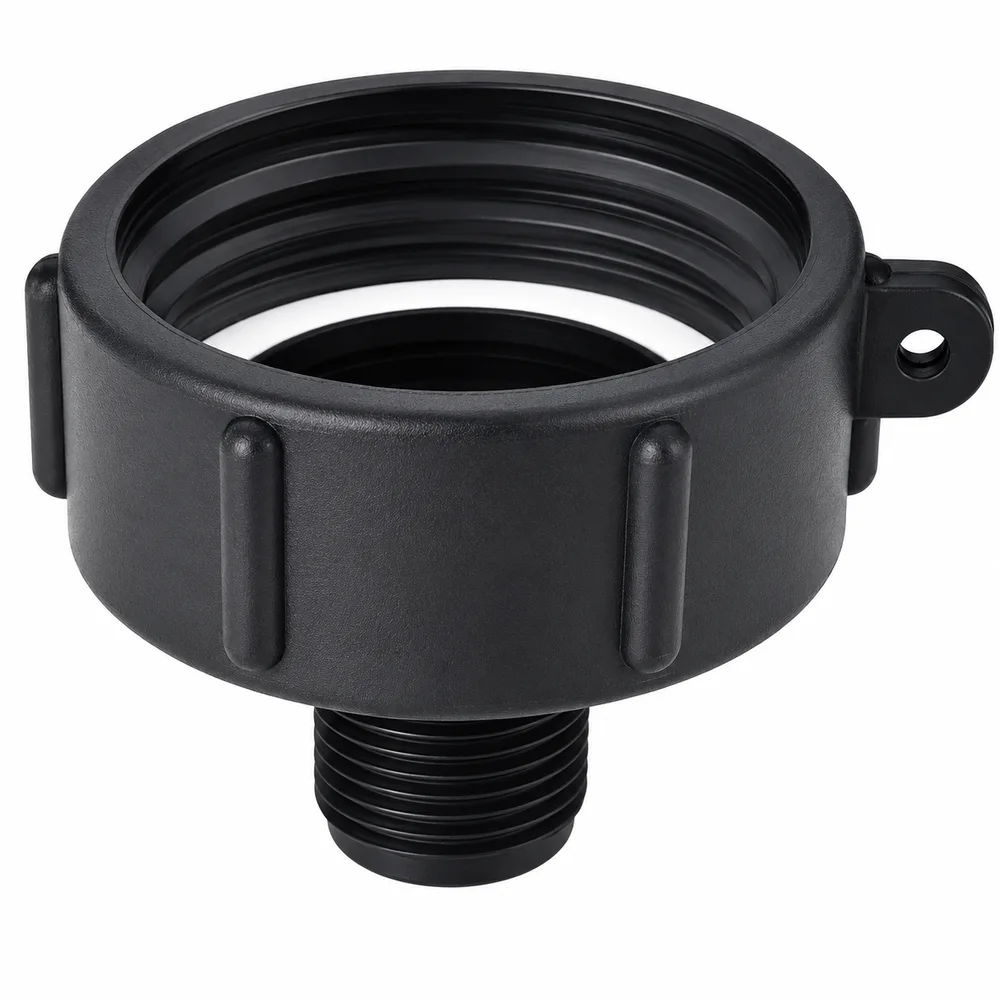 Drum & IBC Adapters Drum & IBC Adapters |
Adapters to fill cans cleanly from bulk. |