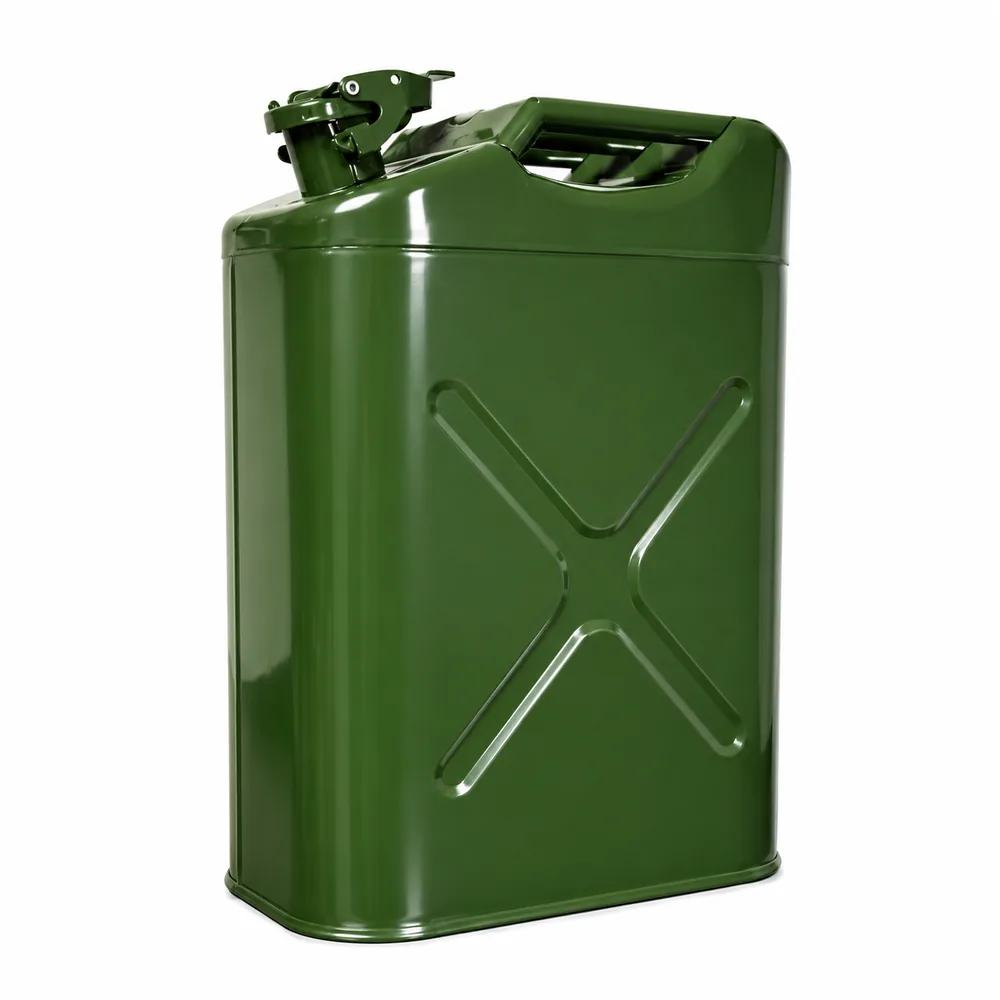
Fuel
20L Upright Steel Fuel Tank
F21-UF-20Upright pressed steel fuel container outside the NATO pattern, available across RAL colours for fleet and retail programmes.

Product code F21-UT-20
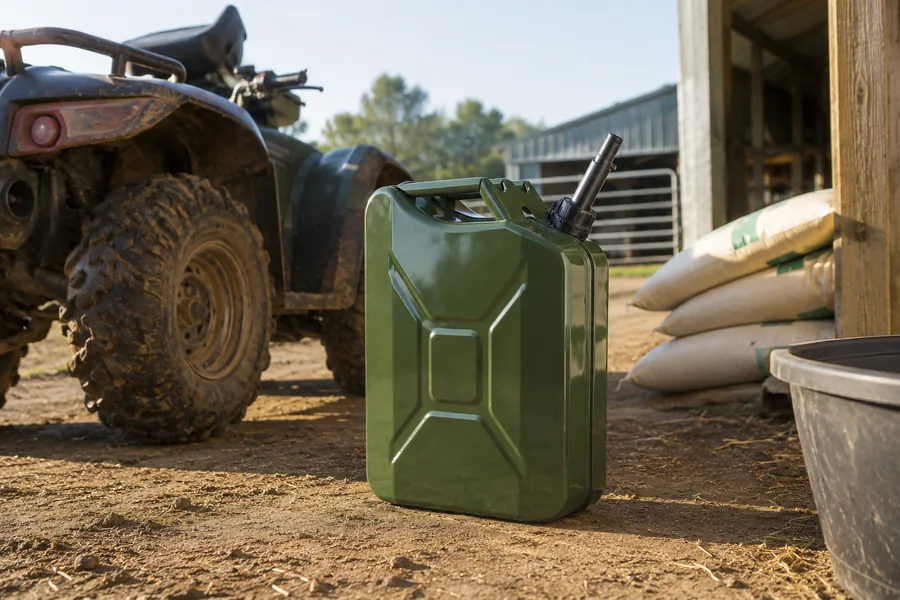
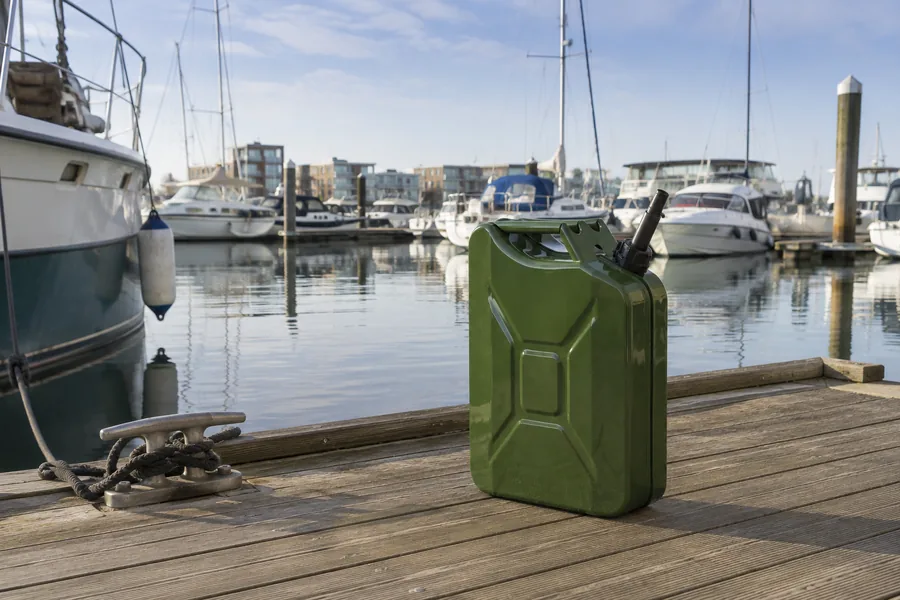
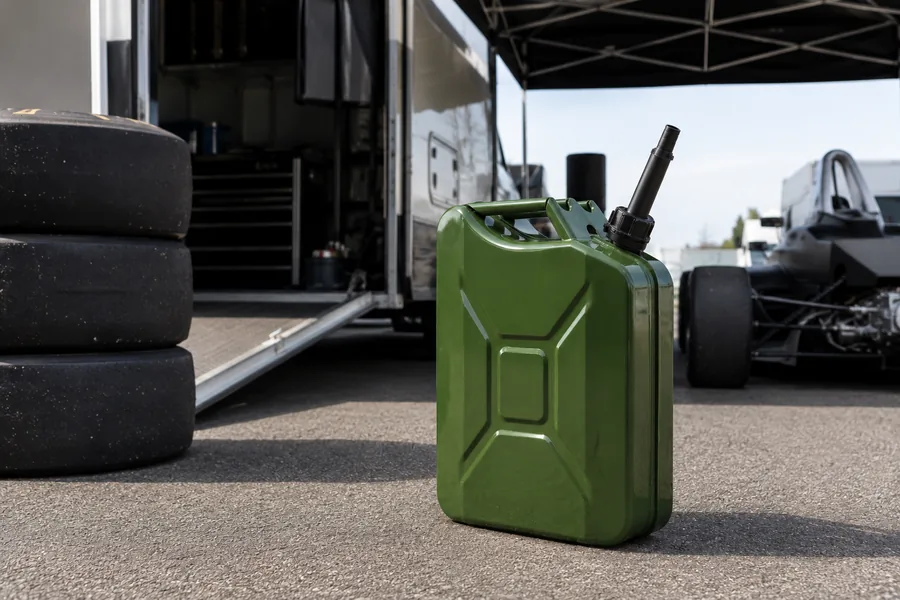
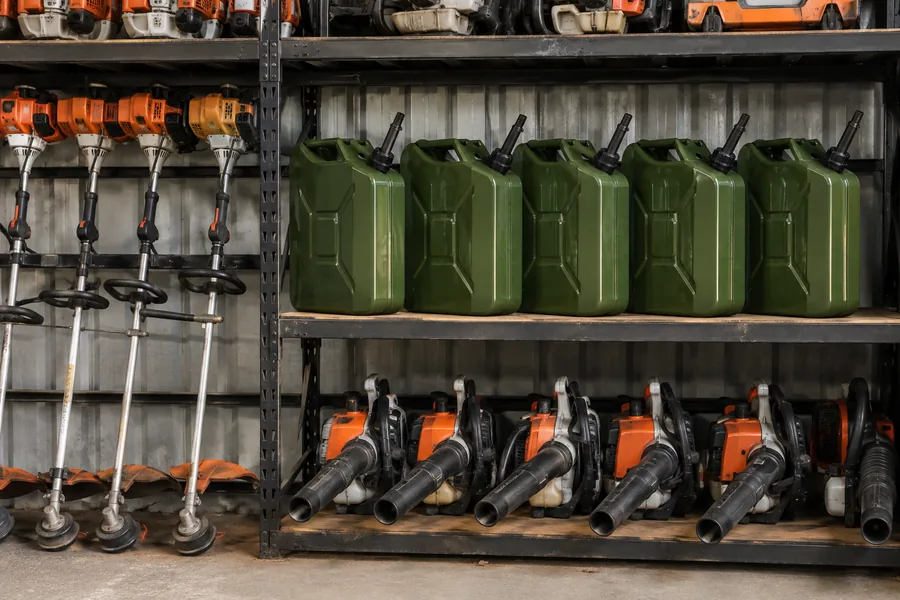
Galvanized steel fuel tank with a flexible pouring spout. For directed pouring into a filler neck rather than tipping from a bare can.
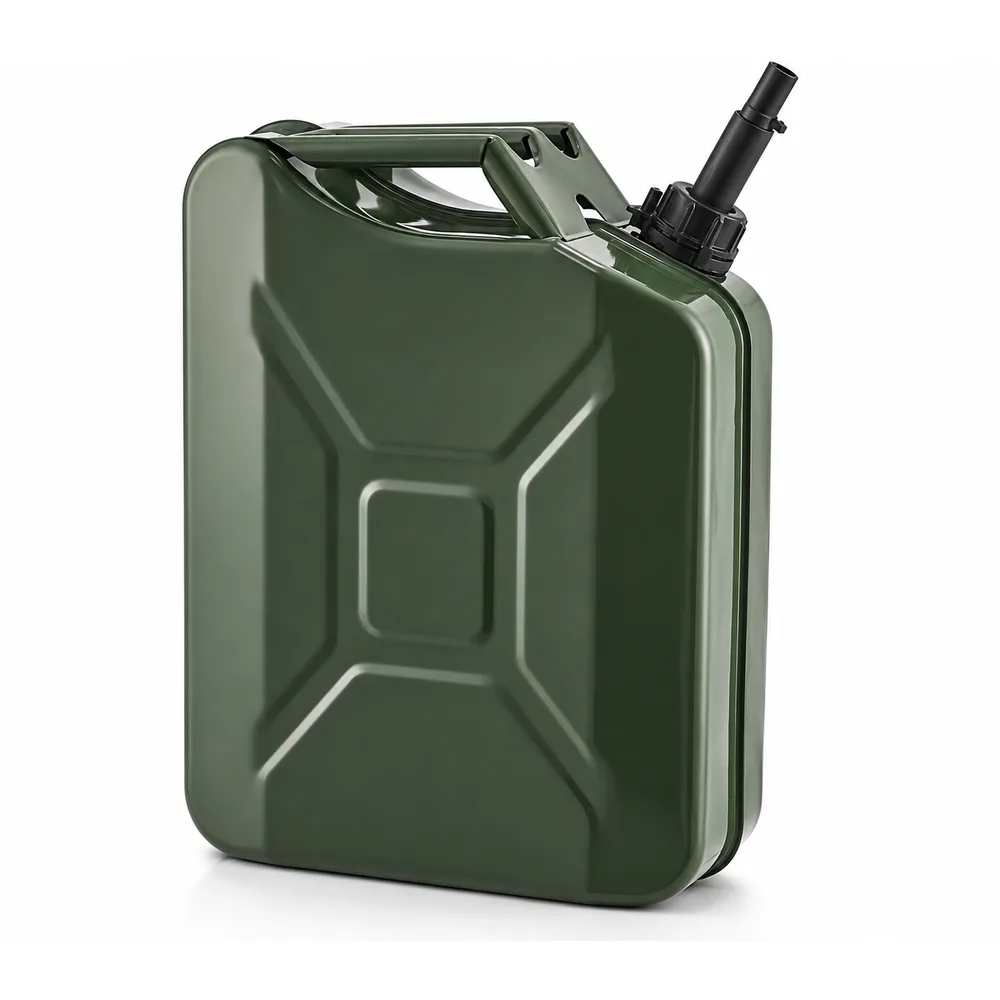
| Product code | F21-UT-20 |
|---|---|
| Capacity | 20 litres |
| Material | Galvanized steel |
| Intended contents | Gasoline, diesel, kerosene and JP-08 jet fuel |
| Dispensing | Flexible pouring spout |
| Form factor | Upright, NATO-pattern profile |
| Closure | Screw cap plus spout outlet |
| External dimensions | 35.2 × 18 × 47.5 cm (body, excluding tap) |
| Lead time | Approximately one month for a standard production run; samples in 7–15 days. Confirmed against your specification at quotation. |
| Steel thickness | 0.8 mm galvanized steel sheet |
| Carton quantity | 4 per carton |
| Carton dimensions | 75 × 36.5 × 49.5 cm |
These depend on your order, your market or the certificate that covers your run, so we quote them rather than publish one figure that would be wrong for most buyers. Ask and you get the number for your specification.
Before you order: A fitted spout can change the transport classification of a fuel container in some jurisdictions. Confirm carriage requirements for your market before importing.
Dimensions, material thickness, carton and container figures come from the current production specification. Empty weights are derived from the quoted net carton weight. Confirm against the drawing issued with your order.
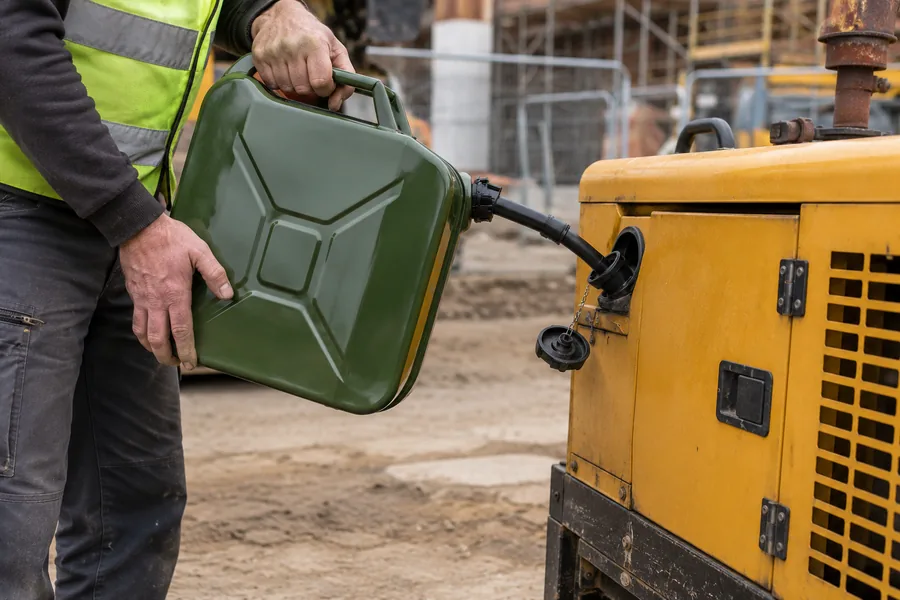
A fitted spout places fuel in the filler neck, turning a two-handed tip into a one-handed, low-spill pour that reduces misfuelling.
Galvanizing adds corrosion resistance for tanks that live outdoors or in a wash-down environment.
The spout directs fuel into the neck, so refuelling small plant, generators and equipment needs no separate funnel.
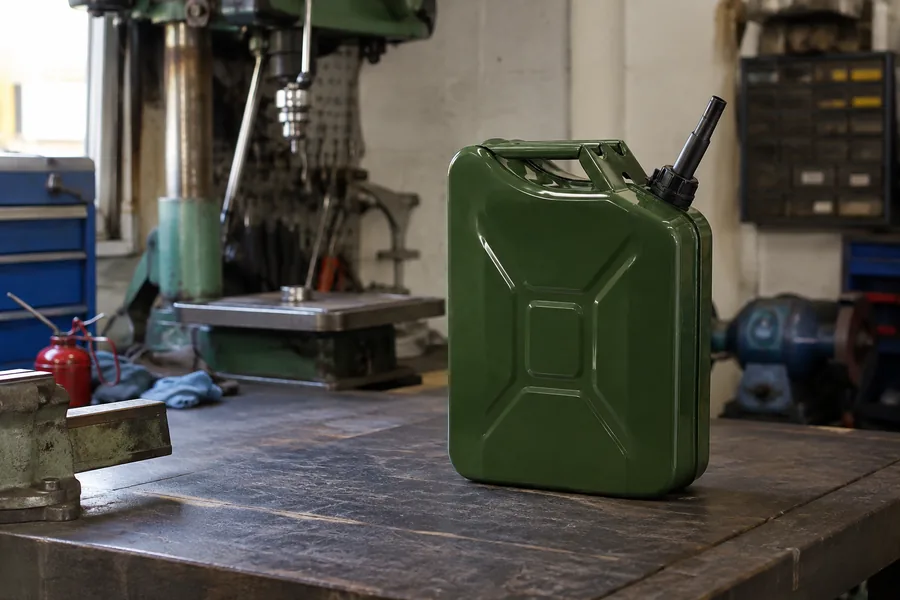
Suits topping up small plant, generators and equipment where a full can and a funnel are impractical.
The same breakdown our distributors put in front of their own buyers.
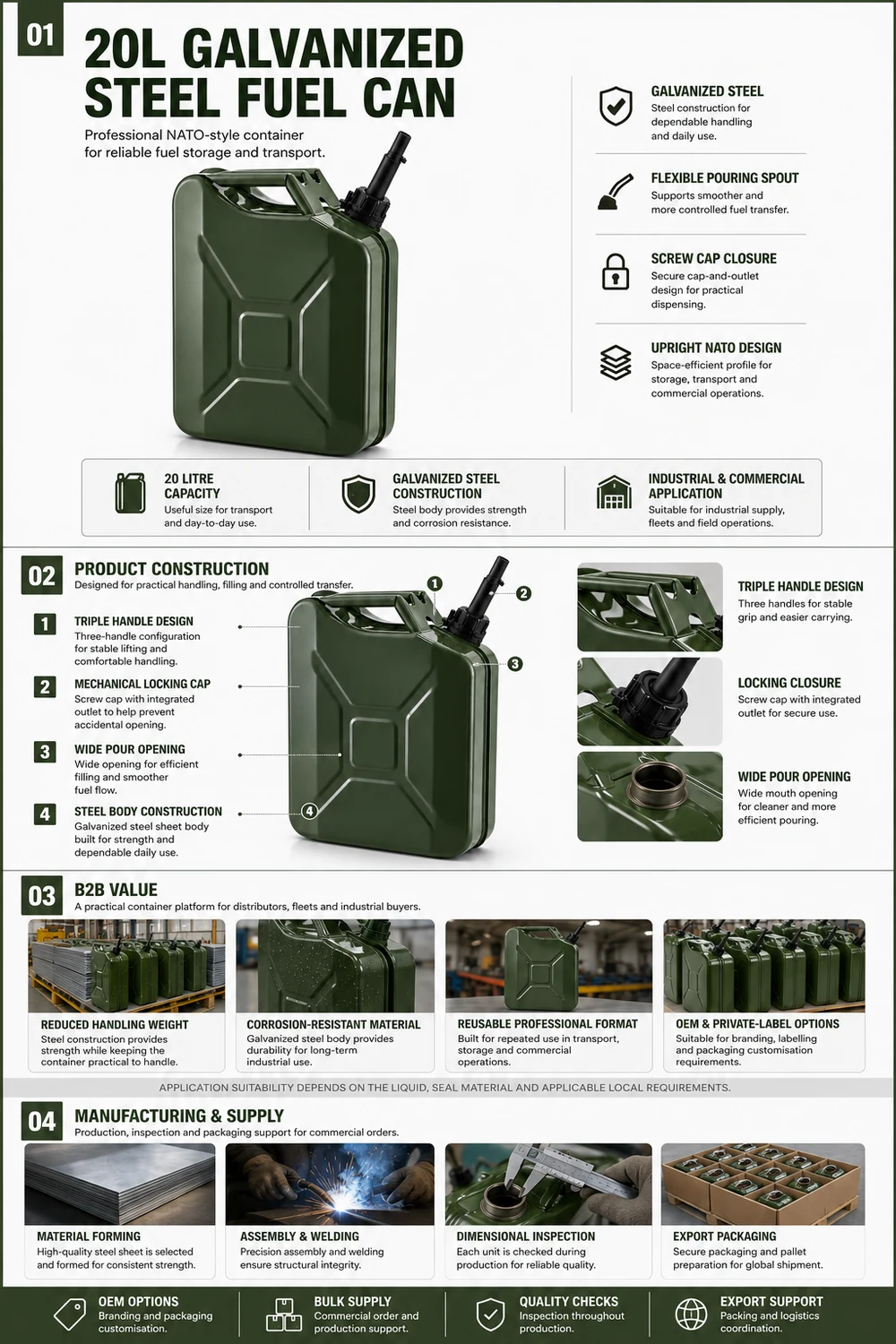
The body is pressed from cold-rolled steel to the pattern, seam-welded, then finished as set out in the specification above: internal coating, galvanising or powder coat according to what the can carries. Pressing runs across our Vietnam and China plants under one specification managed from Singapore, so the drawing and closure stay identical whichever plant fills the order.
Every can is checked before it leaves the plant:
Gasoline, diesel, kerosene and JP-08 jet fuel
Acids, alkalis, food and drinking water. The steel body is built for hydrocarbon fuels and oils, so water, food and aggressive chemicals need a different line.
Related guides: Steel vs HDPE fuel cansUN packaging codes explained
The regimes that apply to this type of container in each market we ship to, with the detail behind each one a click away. This is what the market asks for; what this particular design already holds is in the specification above.
Orientation for specification, not legal advice, and not a statement that this design holds a given approval. Requirements turn on the exact design, contents and destination, and they change. Tell us the market at enquiry and we confirm what applies to your specification, what we hold and what we would need to obtain.
Yes. It is rated for diesel, and also for petrol, kerosene and JP-08 jet fuel. Confirm your exact fuel and any contract specification before ordering.
No. Galvanized steel is for hydrocarbon fuels. Zinc reacts with acids and alkalis, so chemicals belong in our HDPE range instead.
No. Galvanized steel is the wrong material for potable water or food contact. Use the 20L Stainless Steel Water Can for water.
A spout is a pouring aid: you tilt the can and direct fuel into a filler neck. A tap is a bottom outlet you draw from while the can stands still. Choose the spout for mobile refuelling and the tap for a fixed fuelling point.
For fuel, steel does not permeate and tolerates rough field use, and it stays inside stricter export emissions rules. Plastic is lighter and cheaper. The trade is durability and compliance against weight and cost.
Steel fuel containers of this type are certified to UN 3A1 by design and by plant. Ask us for the certificate, the test report and the stamped marking for this specific design.
US portable fuel containers must meet EPA and CARB rules on spill resistance and permeation. Confirm the certification position for this design with us before importing to those markets.
It can. A fitted spout changes the dangerous-goods classification of a fuel container in some jurisdictions. Confirm carriage requirements for your route before importing.
Yes. Marking is laser etched or embossed in line, and the body can be powder coated to a specified RAL colour. Minimum quantities for custom work are set per programme.
Both are set on quotation against your specification, finish and destination. Tell us your market and volumes and we return a specification sheet and a price.
Yes. Steel is durable and reusable. Inspect the closure, spout and body for corrosion between uses, and keep it dry in storage.
At Fortitude21 production bases in Vietnam and China, built to one specification managed from Singapore.
Upright pressed steel fuel container outside the NATO pattern, available across RAL colours for fleet and retail programmes.
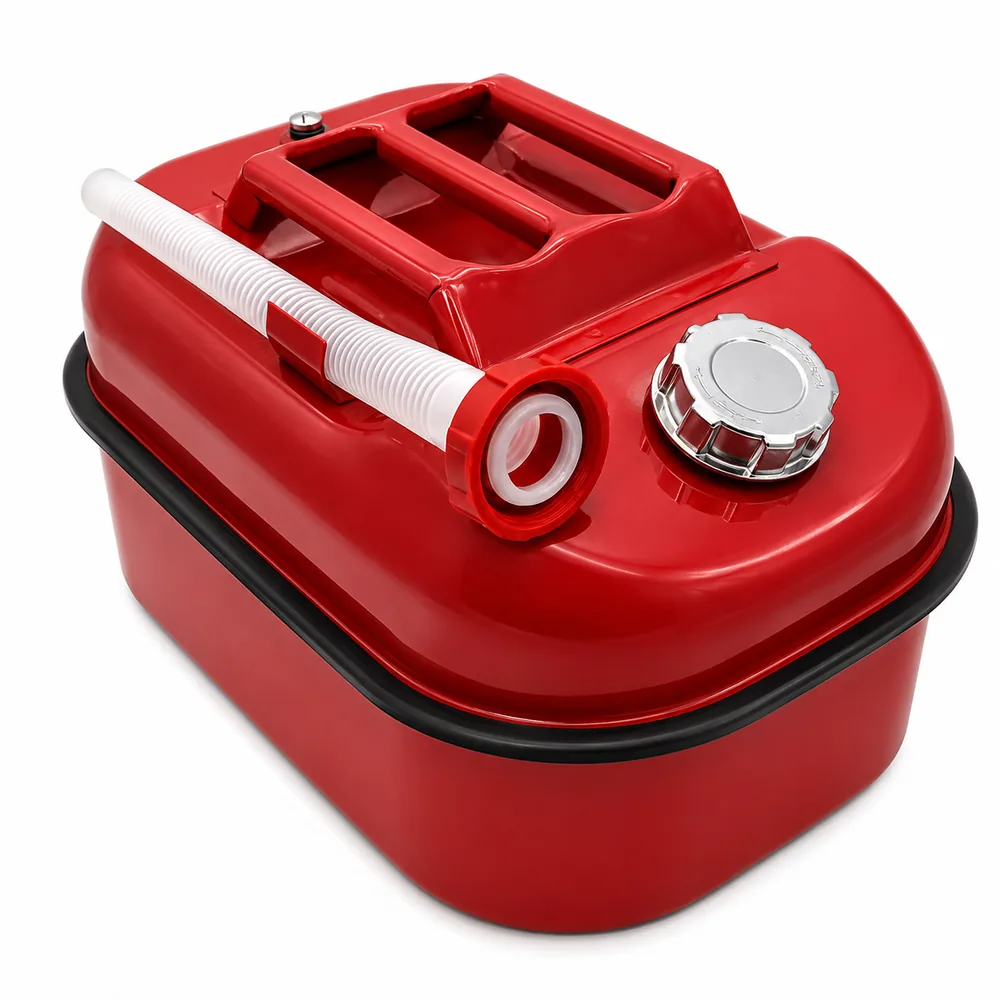
Horizontal-format steel can for machinery mounting, carrying gasoline, diesel or kerosene where an upright can will not sit.
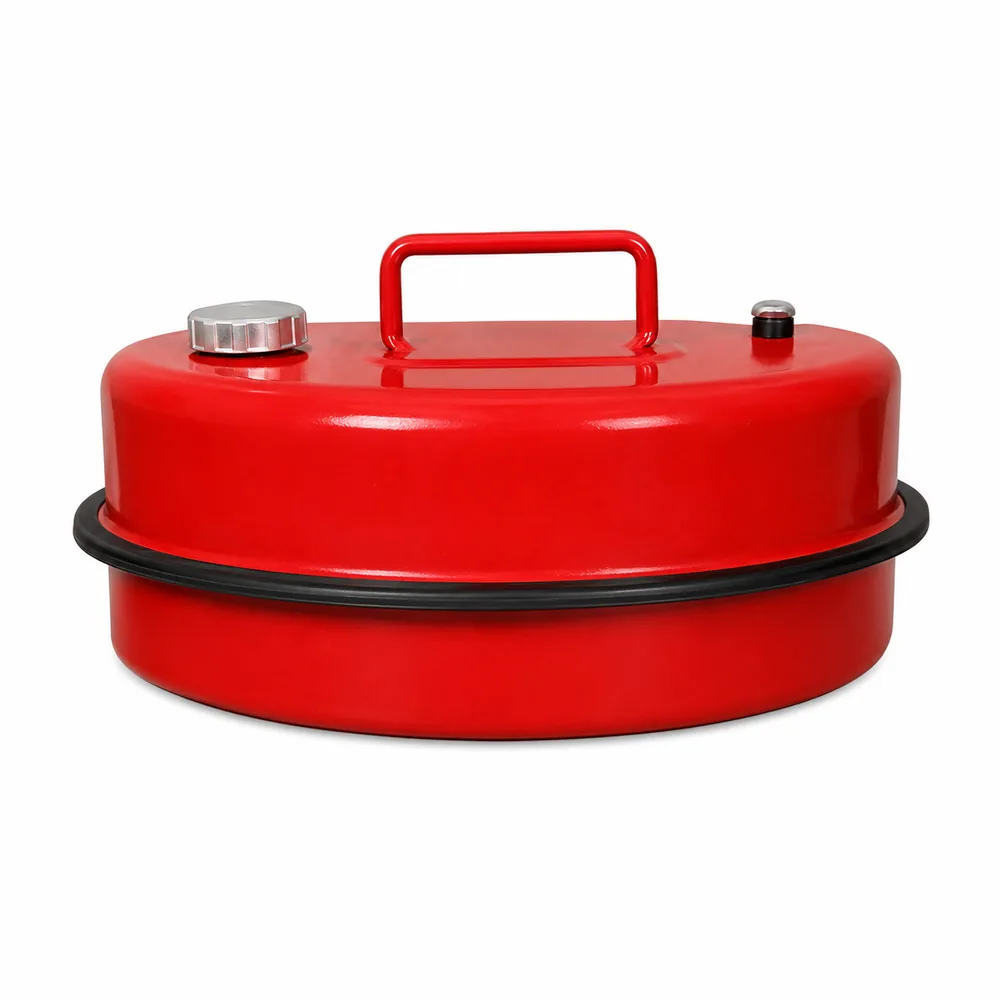
Three litre steel reserve can with anti-corrosion and anti-UV finish, sized for motorcycles, ATVs and small plant.
Tell us your destination market, target volumes and whether you need private labelling.