
Matching container format to volume, handling and how the liquid is used.
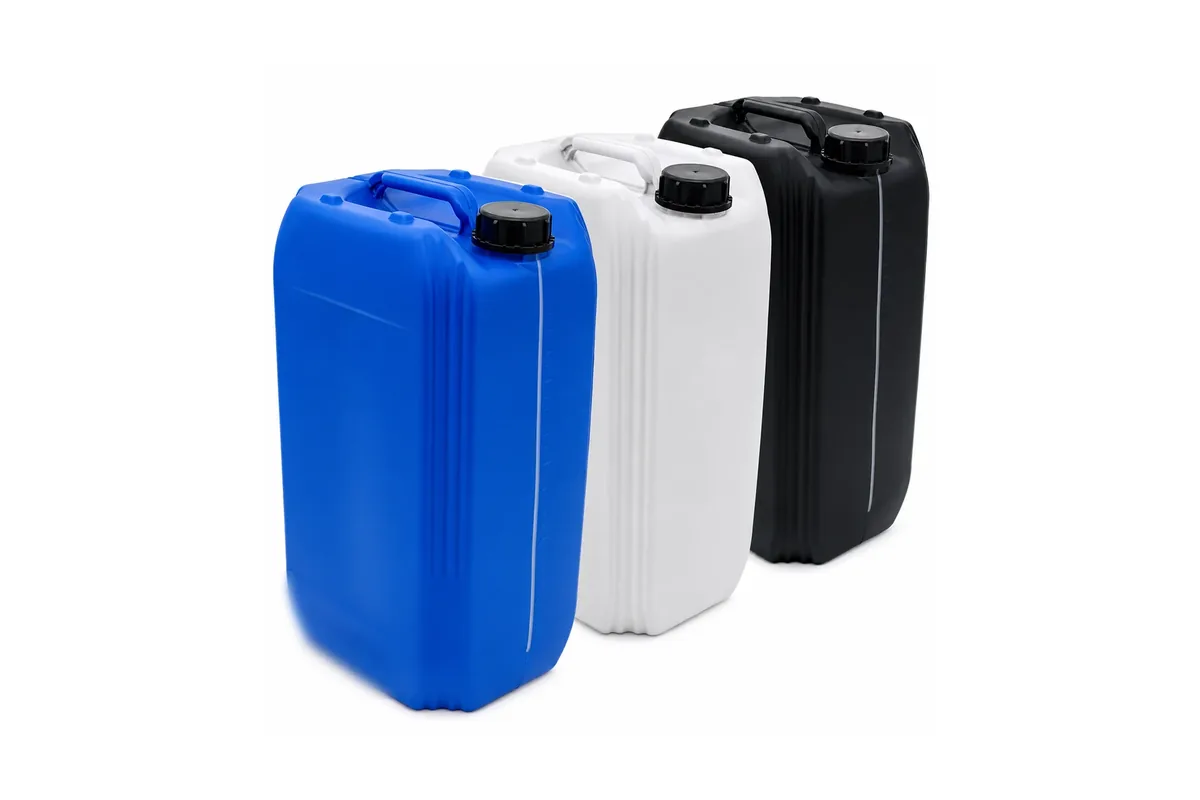
The same liquid ships in a 20-litre can, a 200-litre drum or a 1000-litre IBC depending on how much moves at once and how it is handled.
If a person carries the liquid to the point of use, it is a jerry can. If it stays put and is drawn from, a drum or IBC with a tap or pump fits. The awkward case is the container that does both, which is usually a drum being rolled by hand and combines the weight problem with the handling one. Many operations use all three: an IBC in the store, drums at the workshop, and cans to carry to the machine.
Ending up with all three is the right answer rather than a failure to choose. Bulk buys the price, the drum buys the working stock, and the can buys the last few metres to the machine. What matters is that the transfers between them are designed rather than improvised, because every hand-jugged decant is a spill risk, a contamination route and a labour cost that the format choice was supposed to remove.
Each format comes in two builds. A closed-head container has fixed bungs and pours through a spout or fitting, which suits fuels and thin liquids that flow clean. An open-head or wide-mouth container takes a removable lid, which suits thick products, pastes and anything you scoop or need to clean out between fills. Pick the head before the size. A wide-mouth jerry can carries water and viscous stock; a closed can holds fuel and solvent without splash. The same split runs through drums and IBCs.
The head also decides what the container can be certified for, which is easy to miss when choosing on convenience. In the UN system a non-removable head and a removable head are separate design types with separate codes, 3H1 against 3H2 in plastic and 3A1 against 3A2 in steel, and they are tested separately. A wide mouth is not a variant of one approval; it is its own approval, with its own certificate and its own closure as part of the tested design.
Format follows how often you draw off and how much labour each pour costs at volume. Step up a size when a small format has you refilling all day: a wall of cans that a worker tops up hourly should have been a drum on a tap, and a drum you empty every shift should have been an IBC. Step down when the handling runs the other way. An IBC you hand-jug into cans all day should have been more cans, or the cans should have been a drum with a tap that fills them fast. A jerry can needs a hand. A drum needs a trolley or forklift. An IBC needs a forklift or pallet truck. Match the equipment you own to the format, or the format will cost you moves you did not plan for.
Bulk always wins on price per litre, and that is the number most comparisons stop at. It ignores everything the format does to the rest of the operation, which is usually where the money actually goes.
A drum needs handling equipment at both ends, floor space it keeps whether full or empty, a pump or tap to dispense, and somewhere for the empty to go afterwards. An IBC adds a return or disposal obligation and a footprint that does not shrink as it empties. A jerry can needs none of that, and it also lets you hold several different liquids without committing floor space to each.
The honest comparison is delivered cost per litre used, including handling, dispensing losses and whatever fraction of a bulk container goes stale before it is finished. A site consuming 40 litres a month of something that degrades will throw away more from a drum than it saves by buying one.
The formats connect. A drum or IBC dispenses into jerry cans through the right adapter and tap, which is how bulk stock reaches a hand-carried can. Keep the transfer clean with a dedicated adapter and tap on each product, never a shared spout that carries residue from one liquid to the next. Decanting is also where static shows up, because the liquid is moving and the receiving container is often plastic: bond the two containers and earth them before the transfer, and set the can on the ground rather than on a truck bed or a plastic liner. We supply drum and IBC adapters and taps and dispensing valves for exactly this. How the stock sits before it moves matters too, covered in warehouse storage and export packing.
The three formats diverge sharply once they are empty, and it is worth deciding this before the first delivery rather than after the first pile of them accumulates.
An empty jerry can is reusable stock: inspect, refill, keep going. An empty drum is a commodity with a reconditioning trade behind it, and in most markets somebody will collect it. An empty IBC is bulky enough that storing them costs real space, which is why the rental and exchange models exist.
The compliance point cuts across all three. An uncleaned container that held a dangerous good stays regulated until it has been cleaned and purged, so empties are not automatically ordinary waste or ordinary cargo. Budget for that, because the disposal route for a contaminated IBC is a different conversation from the one for a cardboard box.
Dangerous-goods and UN packaging rules follow the liquid, not the container size. A drum and an IBC carrying a regulated product need the right approval and marking the same way a jerry can does. Class the liquid first, then confirm every format in the chain is rated to hold it.
Confirm it at every transfer as well as at every format. A liquid moving from an IBC through a pump and a hose into a drum and then into cans has met four sets of wetted materials, and the compatibility answer has to hold across all of them. The failure people actually meet is a correct container at each end and an incompatible hose or seal in the middle, which is invisible on a stock list and obvious once something perishes.
Format first, material second. Once the size is set, the liquid picks the material, as in choosing a jerry can. Fortitude21 builds the jerry can end of this range across steel, stainless, aluminium and HDPE.
One thing does not scale with the format, which is why material comes last rather than first. Compatibility is a property of the wetted surface and the contents, so a liquid that attacks HDPE attacks it in a 20-litre can and in a 1,000-litre IBC alike. What changes is the consequence: the same failure that puts 20 litres on a tray puts a thousand into a bund, or past it. Larger formats do not need better compatibility answers. They need the same answer held to a higher standard of confidence, because there is no cheap way to be wrong at scale.
At the hand-carried end of the range, here is what we build.
| Your use case | Recommended can | Why this one |
|---|---|---|
| Hand-carrying fuel to the machine | 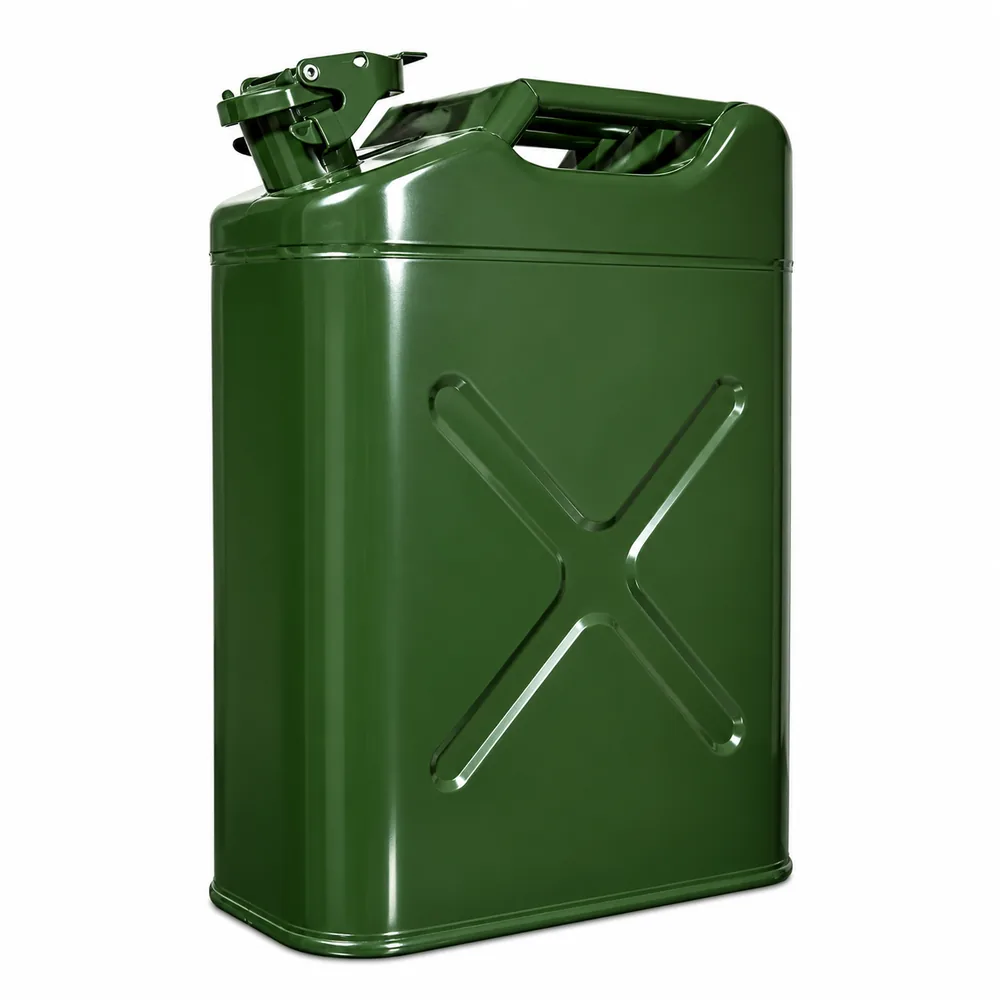 20L NATO Steel Fuel Can 20L NATO Steel Fuel Can |
The point-of-use fuel can, UN-marked. |
| Industrial chemicals at pallet volume | 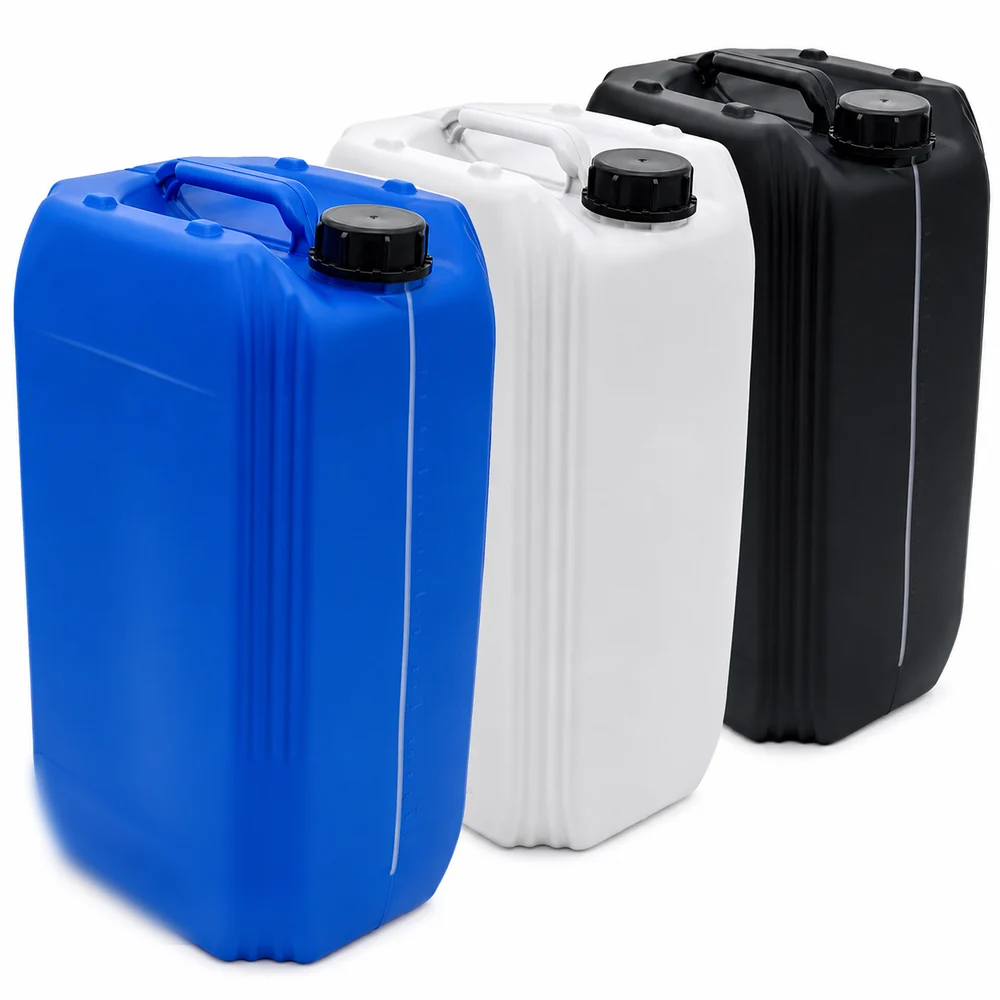 25L Stackable Plastic Jerrycan 25L Stackable Plastic Jerrycan |
Stackable UN-rated HDPE for decanting. |
| Filling cans from a drum or IBC | 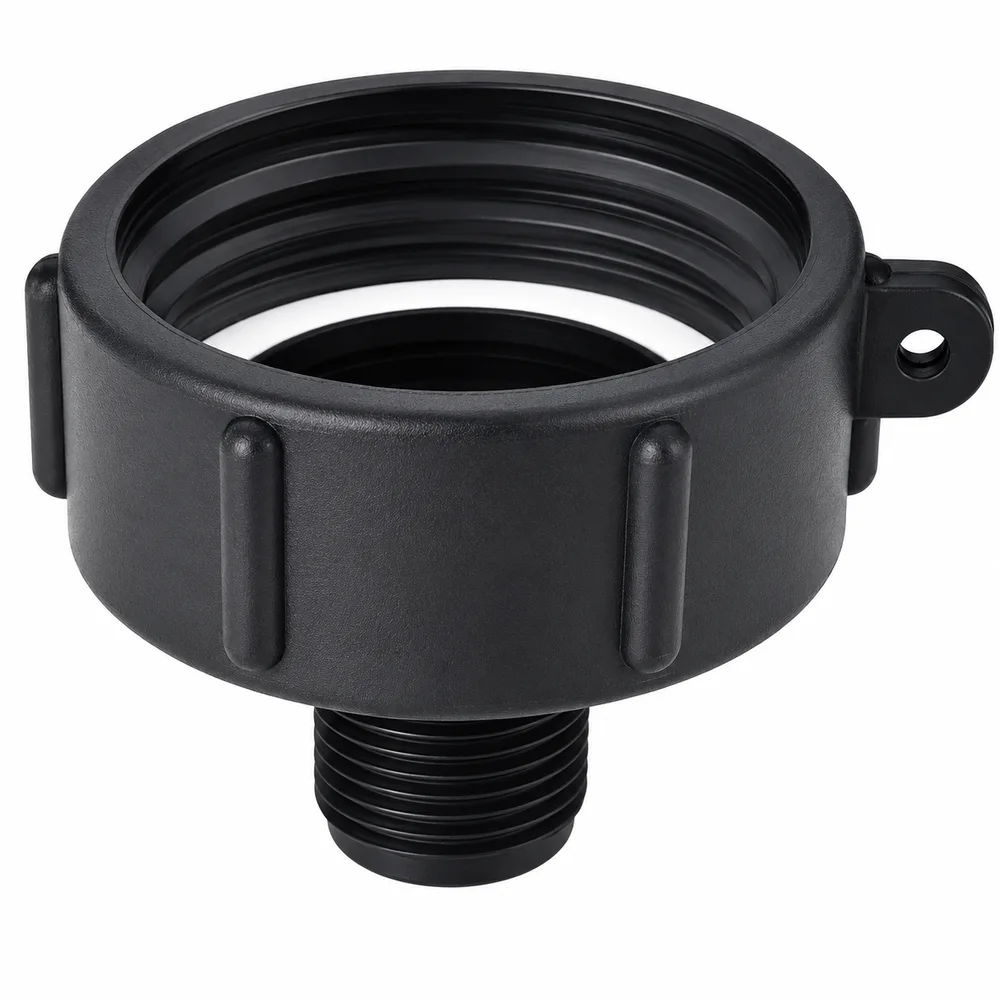 Drum & IBC Adapters Drum & IBC Adapters |
The adapter that connects bulk to can. |
| Drawing off from bulk | 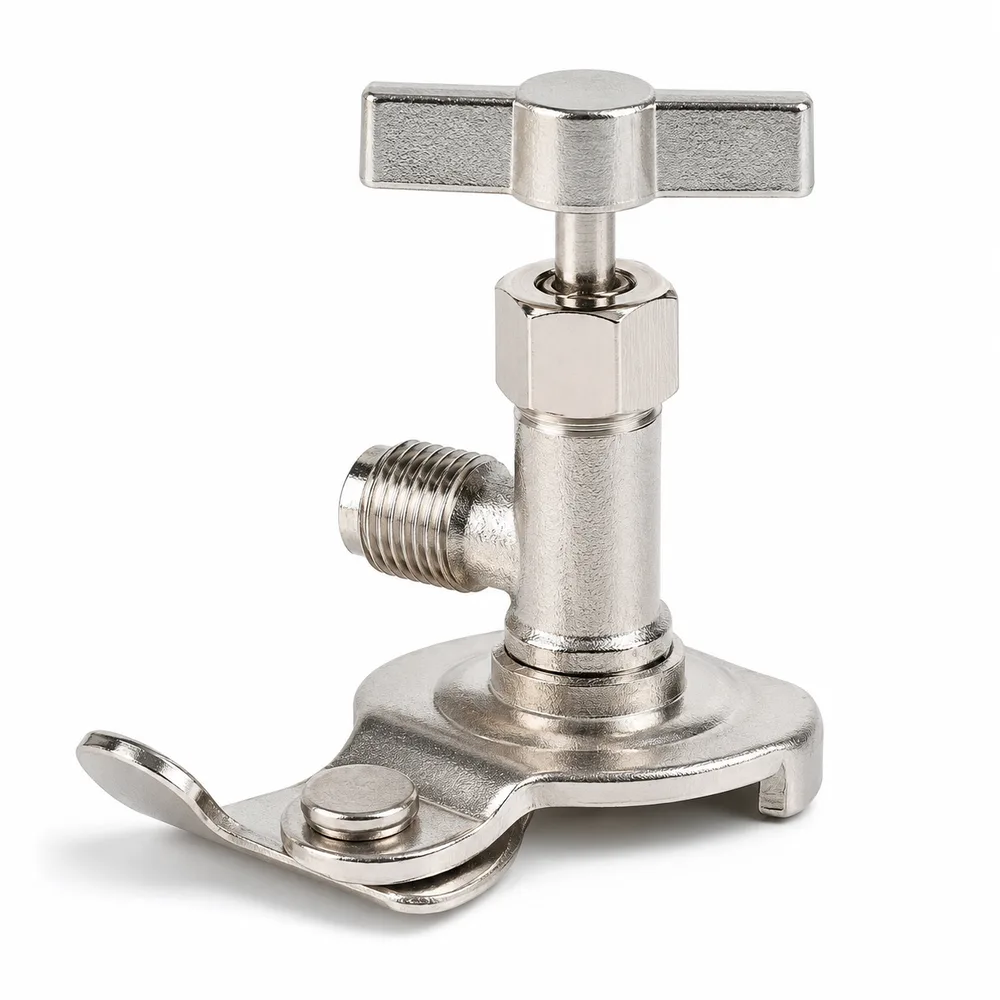 Taps & Dispensing Valves Taps & Dispensing Valves |
A dedicated tap, one per product. |
Once a single site consumes more than about 200 litres of one liquid and has mechanical handling, a drum costs less per litre and cuts handling time. Below that, or where the liquid is decanted and carried by hand, jerry cans win because a full drum cannot be moved without equipment.
The common intermediate bulk container is 1,000 litres, with 640 and 800 litre variants in circulation. An IBC needs forklift or pallet-truck access at both ends of the journey, which is what usually decides against it rather than the price per litre.
Each format has its own UN marking and packing group approval, and they are not interchangeable. A jerry can is marked 3A1 or 3H1, a drum 1A1 or 1H1, an IBC 31A or 31HA1. Ship only in a format certified for that substance and packing group.
The standards and regulations this page relies on, at their issuing body. Where a market rule is named here, check the current revision before you specify against it.
Last reviewed .
Tell us your market, your fuel and your volumes. We come back with a specification sheet and a quotation.