
Why secondary containment matters when you store liquids, and how to size it.
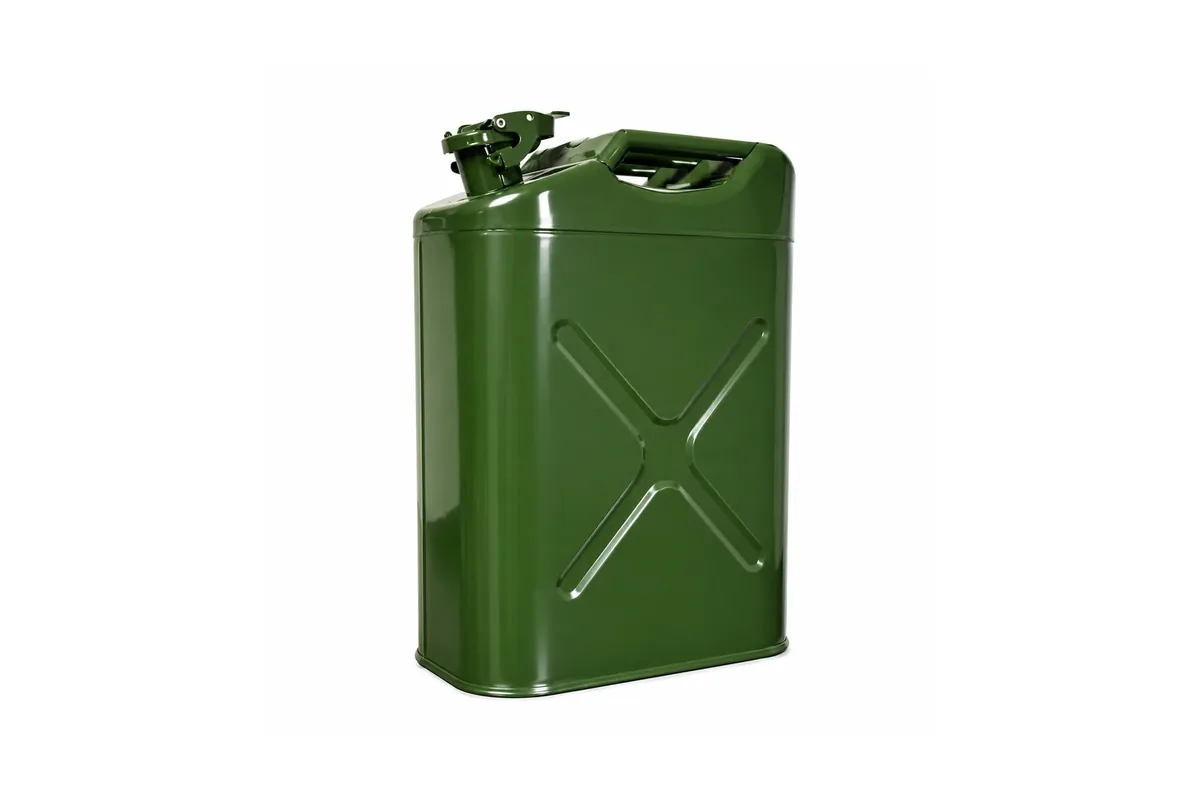
Storing fuel or chemicals in cans is only part of safe storage. If a can leaks, secondary containment is what stops the spill becoming an incident. This is general guidance; confirm your local rules.
Secondary containment is a bund, tray or spill pallet that catches what a container releases if it leaks or is knocked over. The container is the primary; the bund is the backup. Many jurisdictions require it for stored fuel and chemicals above a threshold volume. The point is simple: give the liquid somewhere to go that is not the floor, the drain or the ground.
The reason regulators care is that the receiving environment is unforgiving in a way the quantity does not suggest. A few litres of diesel reaching a surface-water drain arrives in a watercourse essentially undiluted, spreads as a visible film over a large area and is expensive and slow to recover. That asymmetry, small spill and large consequence, is why containment is written as a requirement above a threshold rather than left to judgement.
It also explains the distinction between the two drain systems on most sites, which is the single most useful thing to know before siting a store. Foul drains run to treatment. Surface-water drains run, usually untreated, to the nearest watercourse. A spill into the first is a problem; a spill into the second is an incident with a regulator attached. If you do not know which gullies near your store are which, that is the survey to do before buying a bund.
A common rule is that a bund holds at least 110 percent of the largest single container, or a set percentage of the total stored volume, whichever is greater. The extra allowance covers rainfall on an outdoor bund and the displacement of other containers. An outdoor bund needs freeboard on top of the working capacity so rain does not fill the spare volume you were counting on. Check the exact figure your regulator uses.
For England, the figure is not a common rule but the text of the regulation. The Control of Pollution (Oil Storage) (England) Regulations 2001 apply above 200 litres of oil stored above ground at industrial, commercial or institutional premises, and require secondary containment of at least 110 per cent of the largest container. Where more than one container sits in the same bund, the requirement is 110 per cent of the largest or 25 per cent of the total stored volume, whichever is greater. Drums are handled by a drip tray sized at 25 per cent.
Work an example, because the two rules cross over sooner than people expect. Ten 20-litre jerricans hold 200 litres in total. Ten per cent of that is 50 litres, which is far more than 110 per cent of a single 20-litre can, so the total-volume rule governs and the tray has to hold 50 litres rather than 22. The largest-container rule only wins where one big tank dominates a small number of small ones, and a jerrican store is the opposite of that shape.
Scotland, Wales and Northern Ireland run their own equivalent instruments with the same architecture and different commencement dates, so a multi-site operator cannot assume one assessment covers the group. Storage inside a building falls outside the English regulations, and an agricultural site under 1,500 litres is exempt, which are the two carve-outs most often relied on and most often misremembered.
Rain collects in any open bund left outside. Keep the bund drain valved and normally shut, then check the caught water for sheen or contamination before you release it. If it is clean, drain it; if it carries fuel or chemical, handle it as waste. A drain left open turns the containment into a straight path to the watercourse it was meant to protect.
Make the valve position visible and someone's job. A locked valve with the key held by a named person is a control; a valve nobody looks at is a decision that was taken once and is now weather. The check that catches the failure is not whether the valve is shut but whether anyone can say when it was last opened and what was released.
Match the containment to the volume. For a few cans, a spill pallet or drip tray under them catches drips and a knocked-over container, and a bunded cabinet suits a small indoor store. Larger volumes call for a fixed bund built into the floor or the tank area. Site any store away from drains, gullies and watercourses so a spill that beats the bund still has distance to travel.
For a jerrican store specifically, the sensible unit is a bunded spill pallet rather than anything built in. A four-drum pallet takes a useful number of 20-litre cans, holds its sump volume independently of the building floor, and can be moved when the store moves, which a poured concrete bund cannot. Where the store is indoors and the fuel is petrol, a bunded cabinet does the containment and the fire separation in one item, which is usually what a workplace assessment actually asks for.
Two sizing traps recur. The first is stacking: a bund sized for one layer of cans is undersized the moment somebody puts a second layer on top, and nothing about the pallet says so. The second is the sump being used as storage, for absorbent, funnels or a spare pump, which quietly consumes the capacity the calculation assumed. Both are inspection findings rather than design faults, which is why the inspection list below matters as much as the purchase.
The bund has to resist what it might catch. A steel bund suits fuel; a chemical needs a bund lined or built in a compatible material, the same compatibility question as the container itself. A bund that the liquid eats through is no containment at all. See our compatibility guide, and match adapters and fittings to the liquid too when you decant with drum and IBC adapters.
A bund also meets its contents under worse conditions than a container does. It catches a spill neat, at whatever temperature the liquid was at, with no closure to limit evaporation and often with rainwater already in it changing the concentration. So a material that is rated for storing a chemical is not automatically rated for catching it, and the compatibility question has to be asked of the bund on its own terms rather than inherited from the can.
When a can lets go, work the order: contain the liquid in the bund, absorb it with a spill kit rated for that liquid, then dispose of the used absorbent as the SDS directs. Keep the kit near the store, label containers by contents and date, and inspect for leaks and corrosion on a schedule. Good housekeeping catches a weeping can before it empties. The common mistakes are the avoidable ones: an undersized bund, an incompatible bund, a drain left open, or no spill kit within reach.
Match the absorbent to the liquid as carefully as the bund. A general-purpose pad handles oil and fuel; an acid or alkali needs a neutralising absorbent, and using the wrong one turns a contained spill into a reaction in a tray. Keep the kit sized to the largest single container rather than to the shelf, because a kit that runs out halfway through is a kit that delayed the response.
An outdoor bund fills with rain, and a bund full of water has no capacity left for the spill it exists to catch. So it has to be drained, and the moment it is drained it becomes a potential discharge route to the environment, which is the thing the bund was protecting against.
The usual answer is a manually operated valve kept locked shut, opened only after the contents have been inspected, with contaminated water removed as waste rather than released. An automatic drain defeats the purpose: it will discharge fuel as readily as rain. A bund with a permanently open drain is not secondary containment.
Bunds fail quietly. A hairline crack in concrete, a perished seam on a polyethylene tray or a corroded joint drains the containment volume without anything looking wrong from above. The failure becomes visible during the spill it was meant to hold.
A sound, well-sealed container is the first line: a UN-coded can with an intact closure rarely reaches the bund. The containment is your backup, not your plan. Read storing fuel safely.
Which is the argument for spending on the container before spending on the containment. A sound can with an intact closure prevents the event; a bund limits it after it has happened. Both are worth having and only one of them keeps the liquid saleable, the floor clean and the incident out of the report. Where a budget forces a choice, the money goes into the cans and the closures first.
The best containment is a can that does not leak. Here is what we build.
| Your use case | Recommended can | Why this one |
|---|---|---|
| Sound fuel storage | 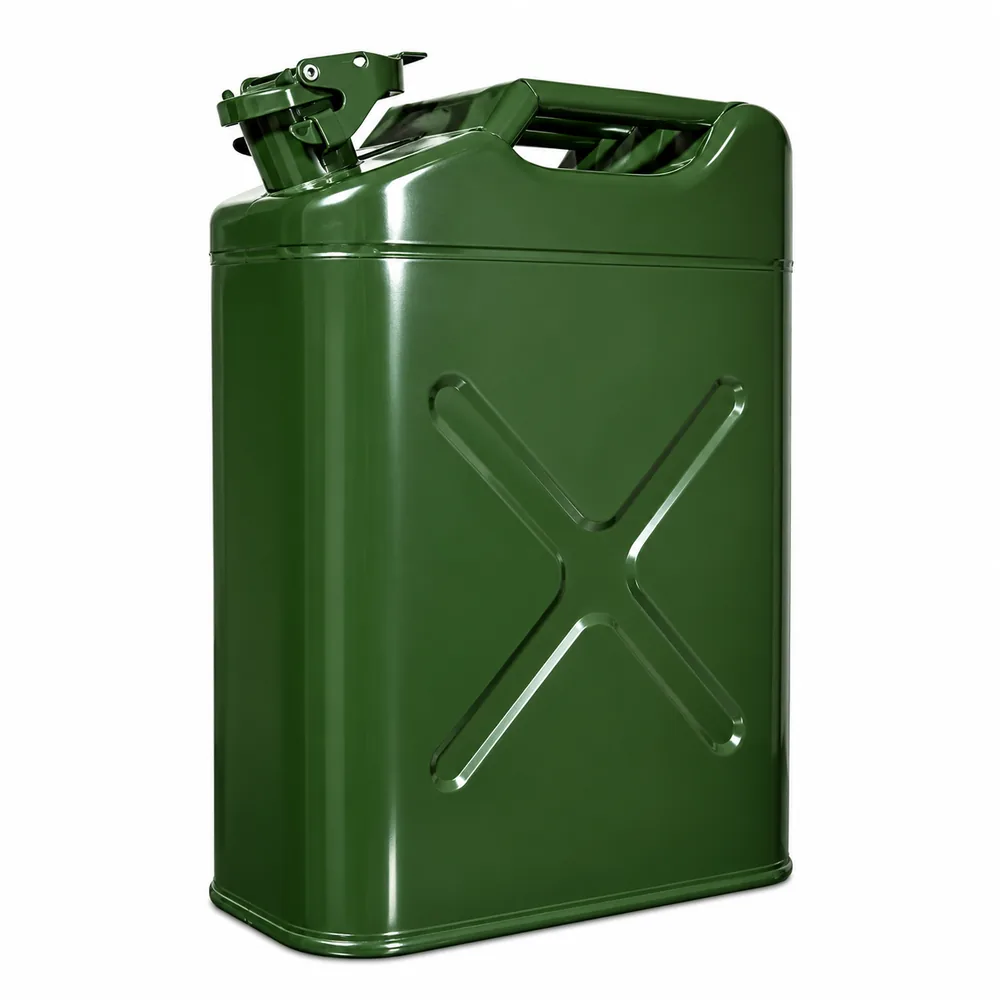 20L NATO Steel Fuel Can 20L NATO Steel Fuel Can |
UN-coded steel with an intact vented closure. |
| Aggressive chemicals | 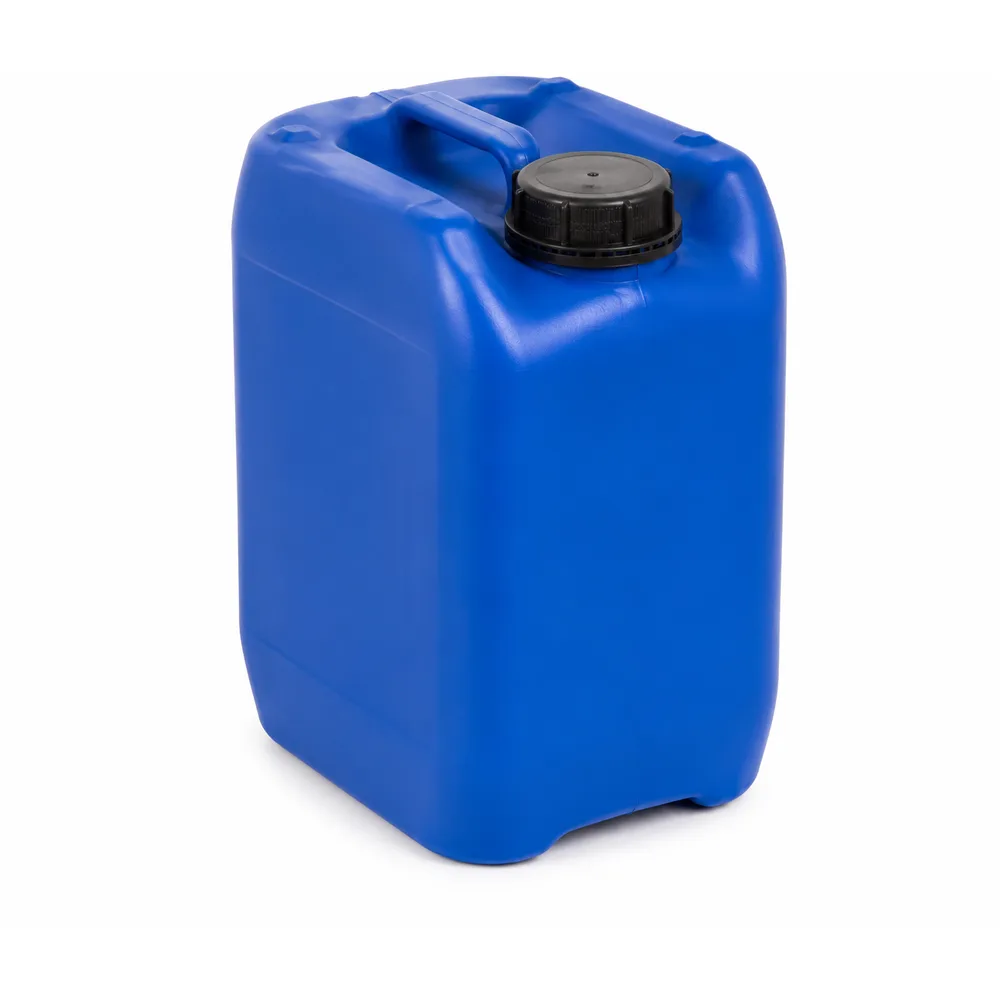 Fluorinated HDPE Jerrycan Fluorinated HDPE Jerrycan |
Fluorinated HDPE resists the liquid and the wall. |
| Keeping the closure tight | 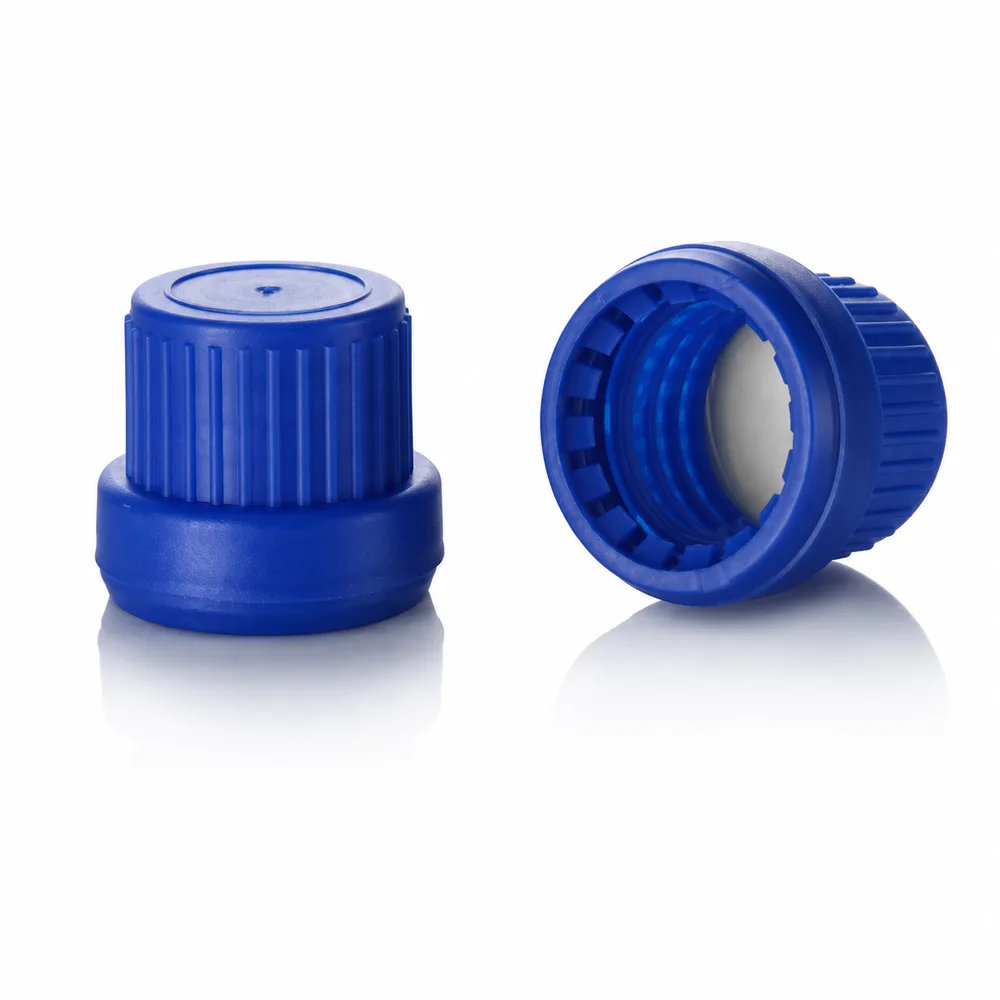 Caps, Closures & Gaskets Caps, Closures & Gaskets |
The right gasket keeps liquid out of the bund. |
| Controlled dispensing | 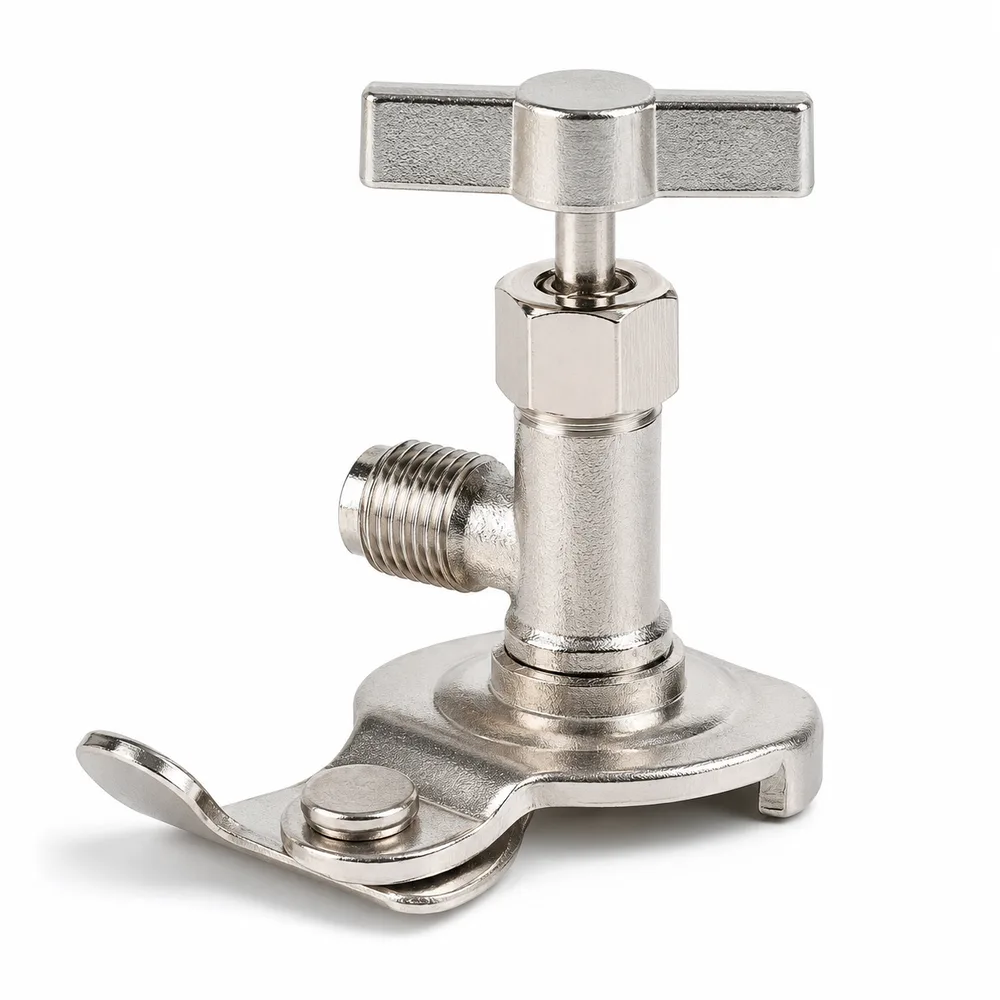 Taps & Dispensing Valves Taps & Dispensing Valves |
A tap decants without the splash a jug makes. |
The common requirement is the volume of the largest single container in the store, plus a margin for rainfall where the store is outdoors. Some jurisdictions require a percentage of the total stored volume instead. Check the local rule, because the two approaches give very different answers for a large store.
Workplace and environmental rules usually set a threshold below which containment is not mandatory, and above which it is. The threshold varies by jurisdiction and by whether the store is near a drain or watercourse. Proximity to drainage is often what triggers the requirement rather than volume alone.
Polyethylene for acids, alkalis and most chemicals; coated or galvanized steel where fire resistance matters and the stored liquid is a hydrocarbon. Match the containment material to the stored liquid the same way you match the container, because a bund that dissolves is not containment.
The standards and regulations this page relies on, at their issuing body. Where a market rule is named here, check the current revision before you specify against it.
Last reviewed .
Tell us your market, your fuel and your volumes. We come back with a specification sheet and a quotation.