Industrial
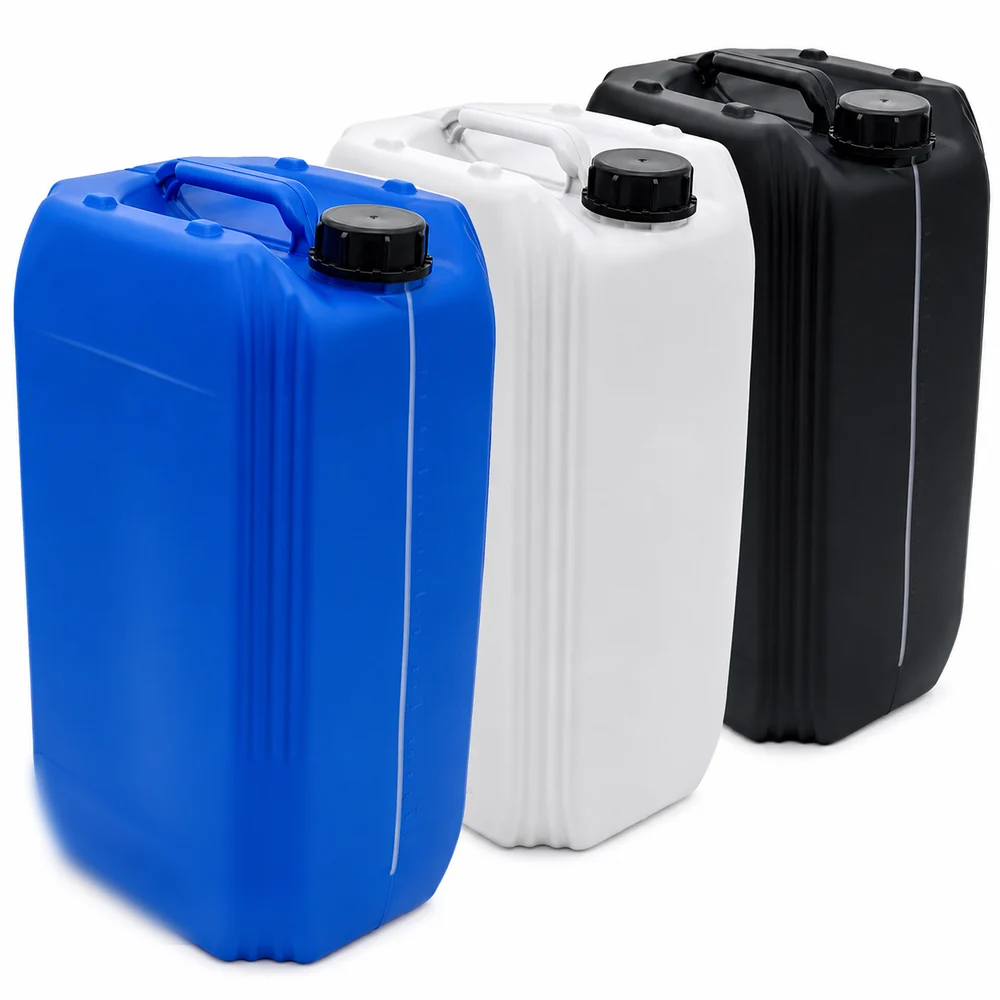
25L Stackable Plastic Jerrycan
F21-IP-25L-ring stackable HDPE jerrycan, 25 litres, natural. The industrial workhorse for decanting, storage and distribution.

Product code F21-IPW-10 / -20 / -25
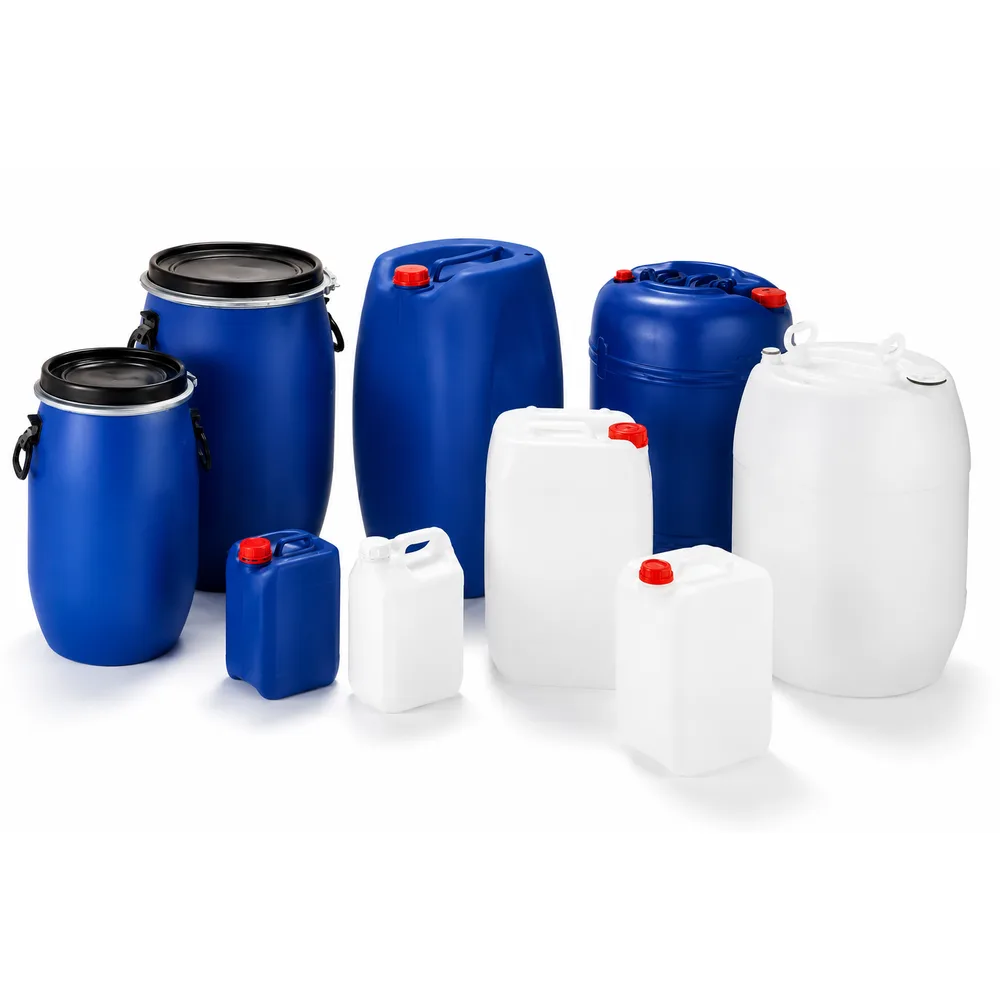
The removable-head pattern. A narrow-neck can is the wrong container for anything that does not flow, and no amount of squeezing changes that.
| Product code | F21-IPW-10 / -20 / -25 |
|---|---|
| Capacities | 10, 20 and 25 litres |
| Material | HDPE |
| Head type | Removable head, wide mouth |
| Intended contents | Pastes, gels, powders, granules and viscous liquids |
| Dangerous goods | Available UN 3H2 certified (a different class from the 3H1 narrow-neck line) |
| Closure | Screw or lever-ring lid with gasket |
| Lead time | Approximately one month for a standard production run; samples in 7–15 days. Confirmed against your specification at quotation. |
These depend on your order, your market or the certificate that covers your run, so we quote them rather than publish one figure that would be wrong for most buyers. Ask and you get the number for your specification.
Before you order: UN certification is issued per design type and per production site. Tell us the size, the contents and the destination and we will confirm which approval covers it before you order.
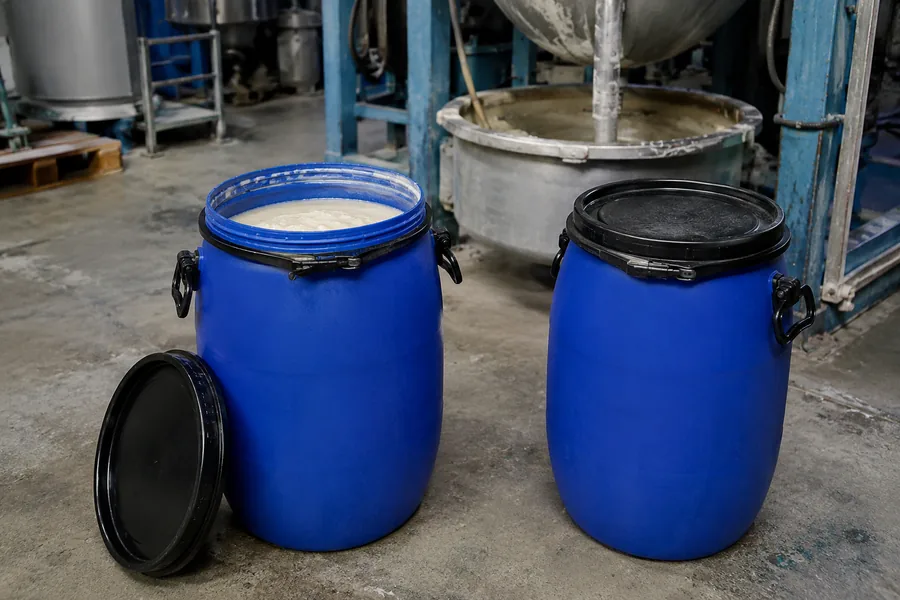
A wide mouth lets viscous product in on the filling line and out at the point of use. With a narrow neck you leave paid-for product in the can.
3H2 is removable-head, 3H1 is not. They are separately approved and not interchangeable on a dangerous-goods declaration.
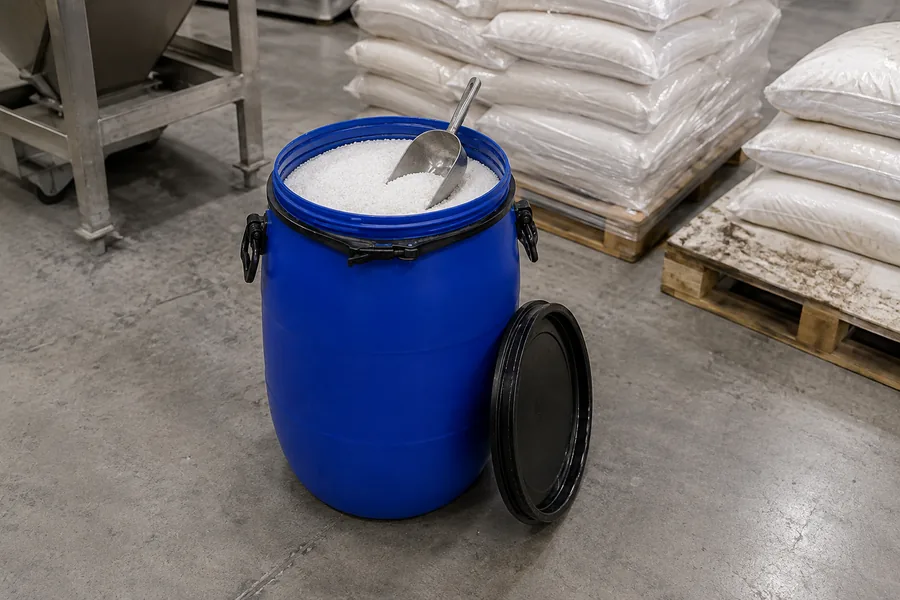
Powders and granules can be taken out by scoop rather than poured, which is how they are actually used.
Screw lids reseal easily; lever rings hold better under vibration. Tell us which the application needs.
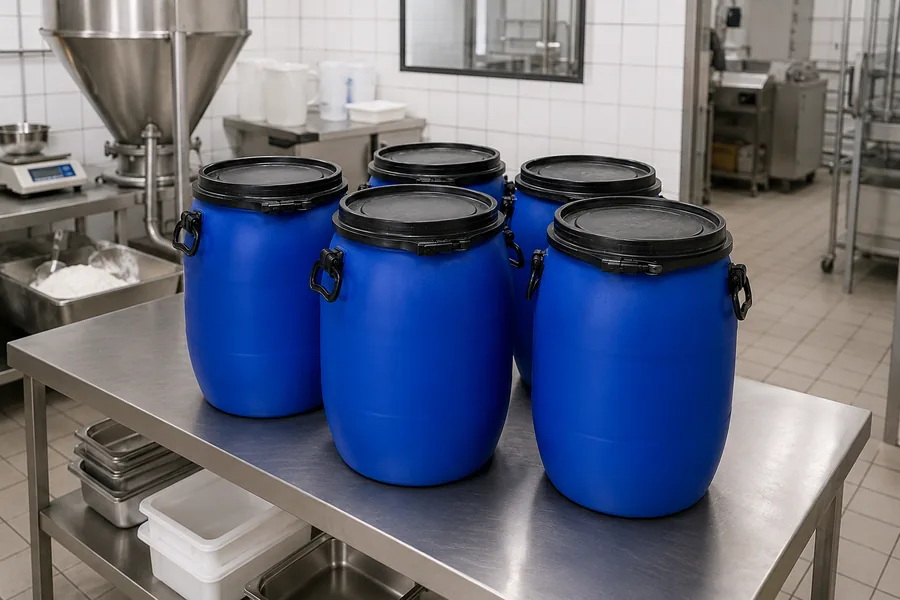
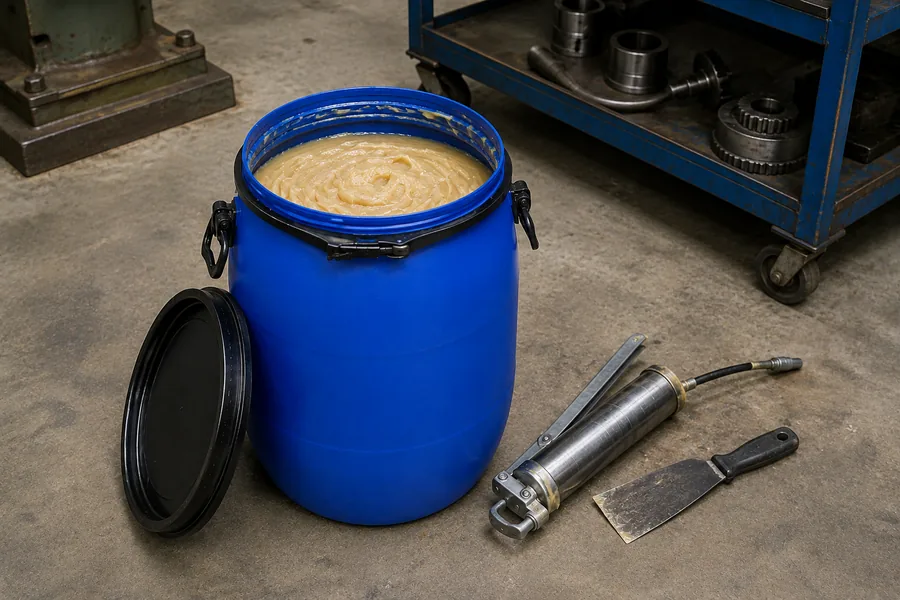
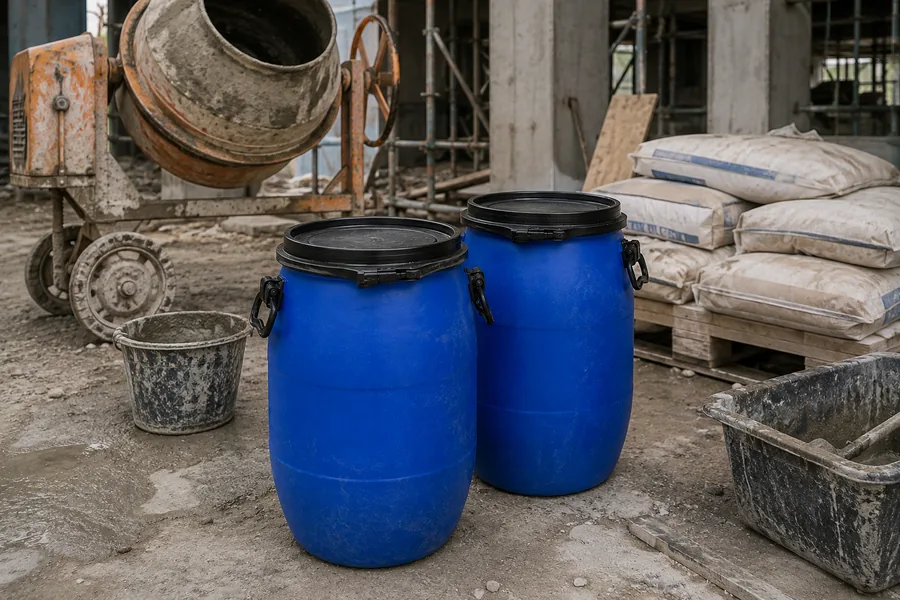
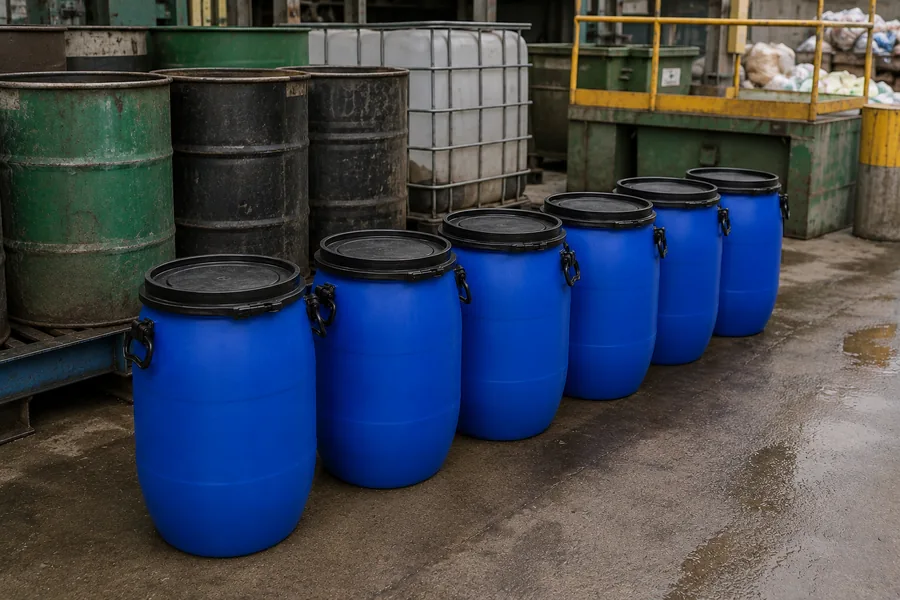
The same breakdown our distributors put in front of their own buyers.
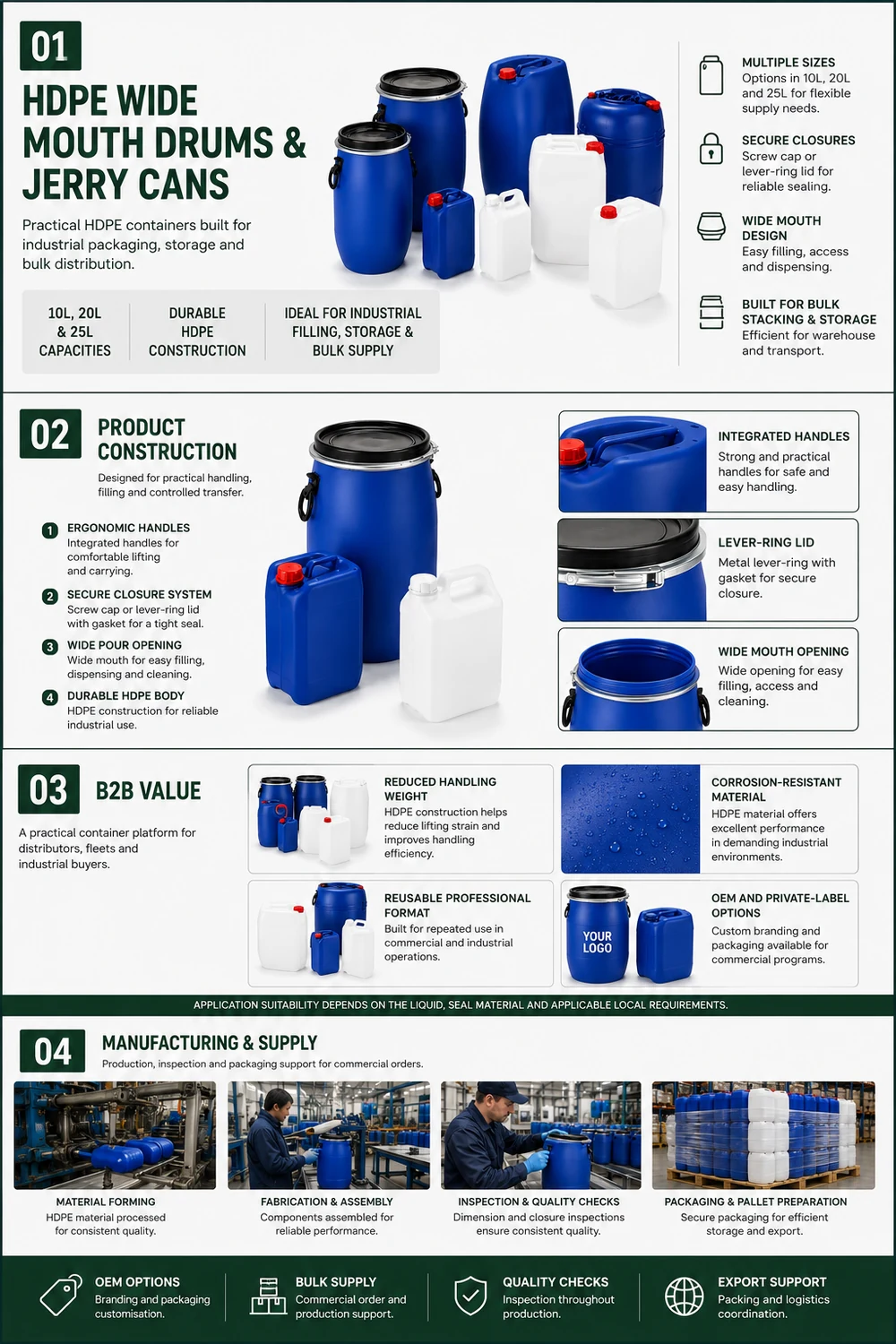
The can is blow-moulded from high-density polyethylene in a single seamless wall, with the neck and handle formed in the same shot, so there is no seam to split under load. Moulding runs across our Vietnam and China plants under one specification managed from Singapore.
UN 3H1 certification is earned through a defined test regimen, and the can is built and verified to it:
Certificate, test report and stamped UN marking are available for the exact design you order.
Pastes, gels, powders, granules and viscous liquids
Fuels unless the can is fluorinated, and any chemical you have not had confirmed.
Send us the exact liquid, its concentration and its temperature and we confirm it against a compatibility check before you order.
Related guides: Chemical compatibilityUN packaging codes explained
The regimes that apply to this type of container in each market we ship to, with the detail behind each one a click away. This is what the market asks for; what this particular design already holds is in the specification above.
Orientation for specification, not legal advice, and not a statement that this design holds a given approval. Requirements turn on the exact design, contents and destination, and they change. Tell us the market at enquiry and we confirm what applies to your specification, what we hold and what we would need to obtain.
The removable head opens the whole top so pastes, gels, powders, granules and viscous product go in and come out cleanly, where a narrow neck would clog. It also lets you scoop and scrape the last of the contents.
It is made for pastes, gels, powders, granules and viscous liquids, but the exact material still governs compatibility. Send us what you are packing and we confirm it against a chemical-compatibility check.
HDPE resists many acids and chemicals, though suitability depends on the specific substance, strength and temperature. Tell us the exact product and we check it rather than give a blanket yes.
The standard wide-mouth can is a general industrial can, and while food-industry ingredients are listed among its uses, food contact must be specified rather than assumed. Tell us you need a food-contact declaration and we confirm the wetted path and closure.
The standard body is plain HDPE, so heavy solvents can permeate and an insulating wall can hold static. For those cases we would discuss a fluorinated or conductive specification, so tell us the product and how it is handled.
It is available UN 3H2 certified, which is the approval for solids and removable-head packagings, a different class from the 3H1 narrow-neck line for liquids. Confirm the packing group of your exact contents and we tell you which certificate and design covers it.
Yes. It comes with a screw or lever-ring lid and gasket, and the choice affects sealing and the UN approval, so the lid is part of the specification. Tell us your contents and we recommend the closure.
Clean HDPE can be reused, subject to a service life from its date of manufacture that matters for regulated reuse. Ask us for the manufacturing date and reuse guidance for your product.
Yes, we can mould it in a colour and add in-line marking for private-label programmes. It comes in 10, 20 and 25 litre.
Minimum order and lead time come on quotation. The cans are moulded in Vietnam and China and managed from our Singapore desk, and HDPE is resin code 2 and recyclable when clean.
L-ring stackable HDPE jerrycan, 25 litres, natural. The industrial workhorse for decanting, storage and distribution.
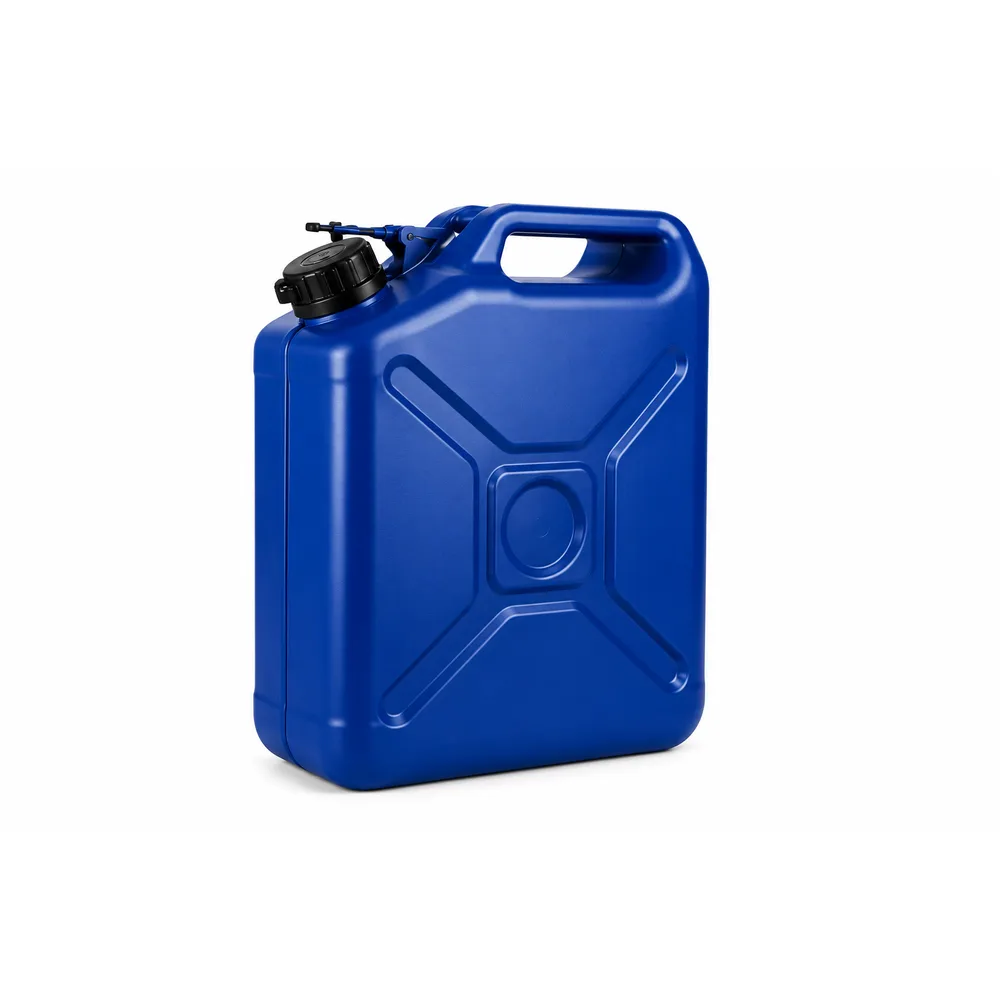
Empty HDPE cans for diesel exhaust fluid, 10 and 20 litre, blue cap, with a misfueling-resistant spout. Packed by the carton.
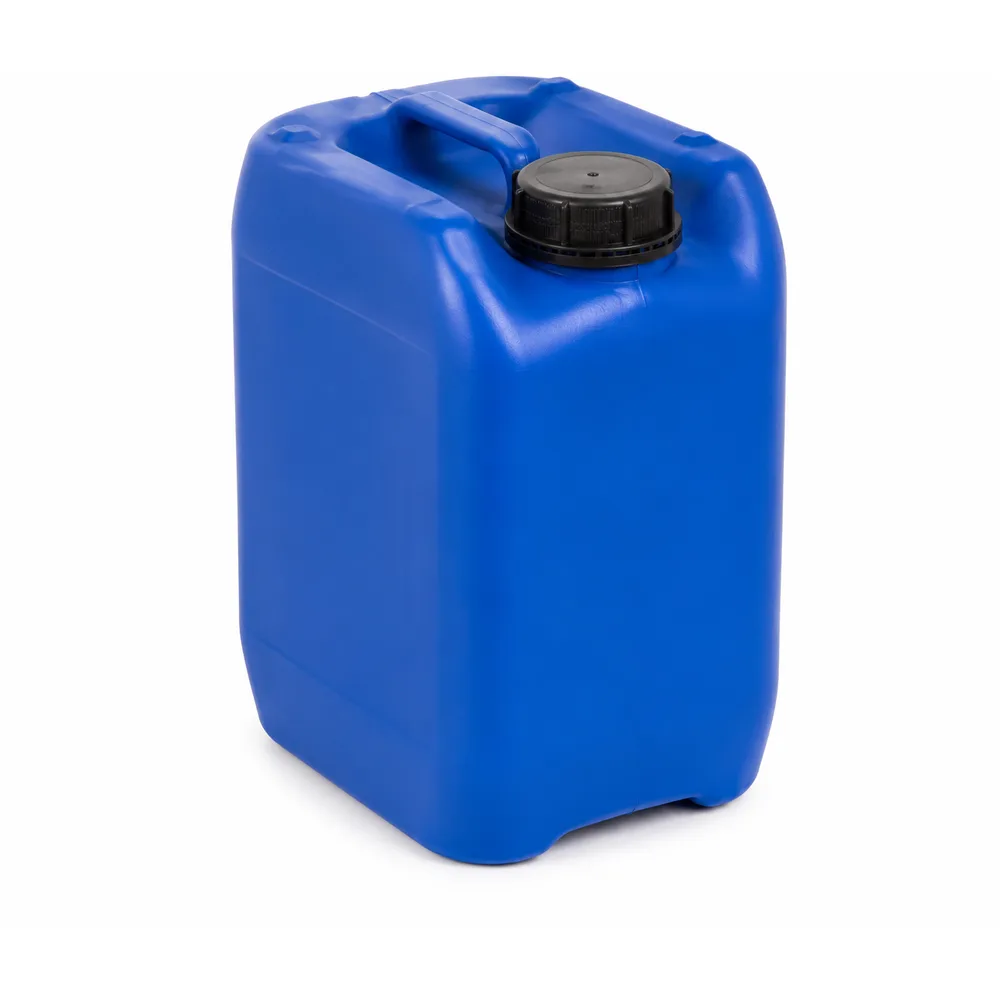
Barrier-treated HDPE for solvents, agrochemicals and hydrocarbons. The fluorinated interior stops permeation and the panelling that follows it.
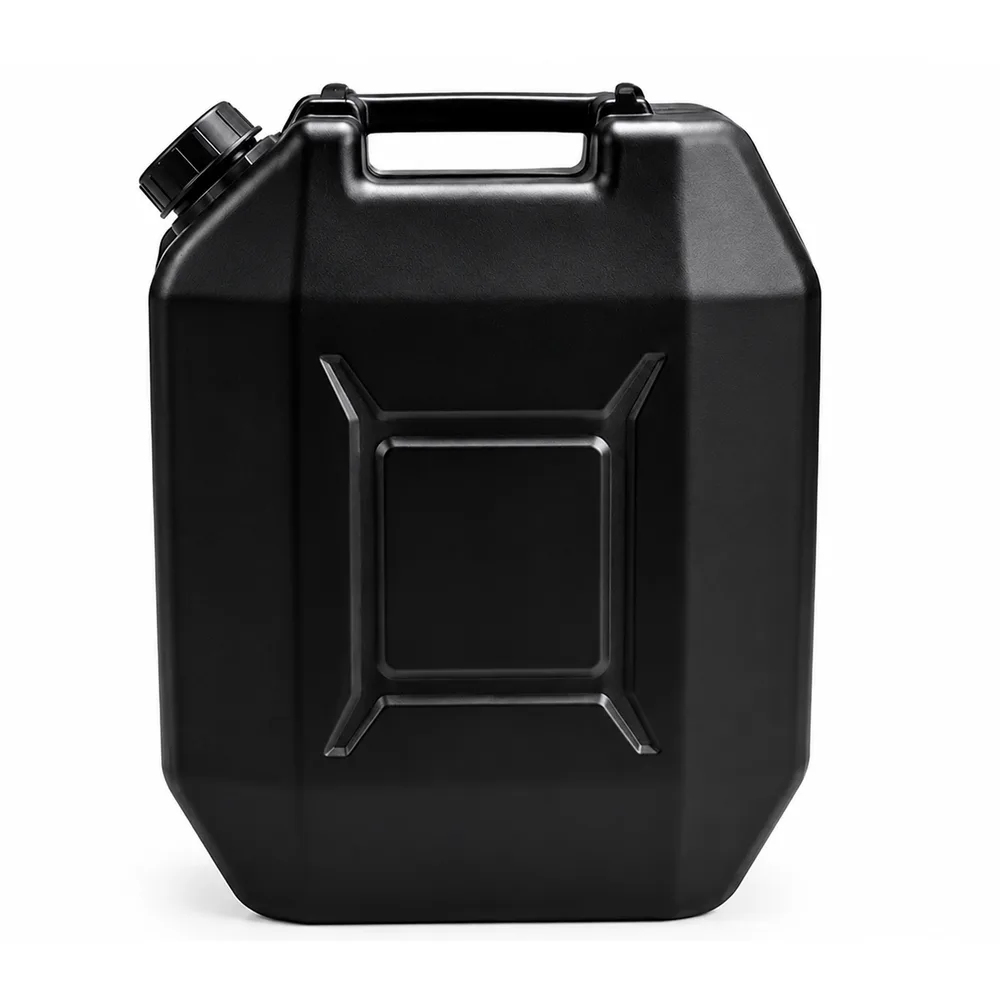
Carbon-loaded conductive HDPE for flammable liquids, where static build-up on an insulating wall is the hazard.
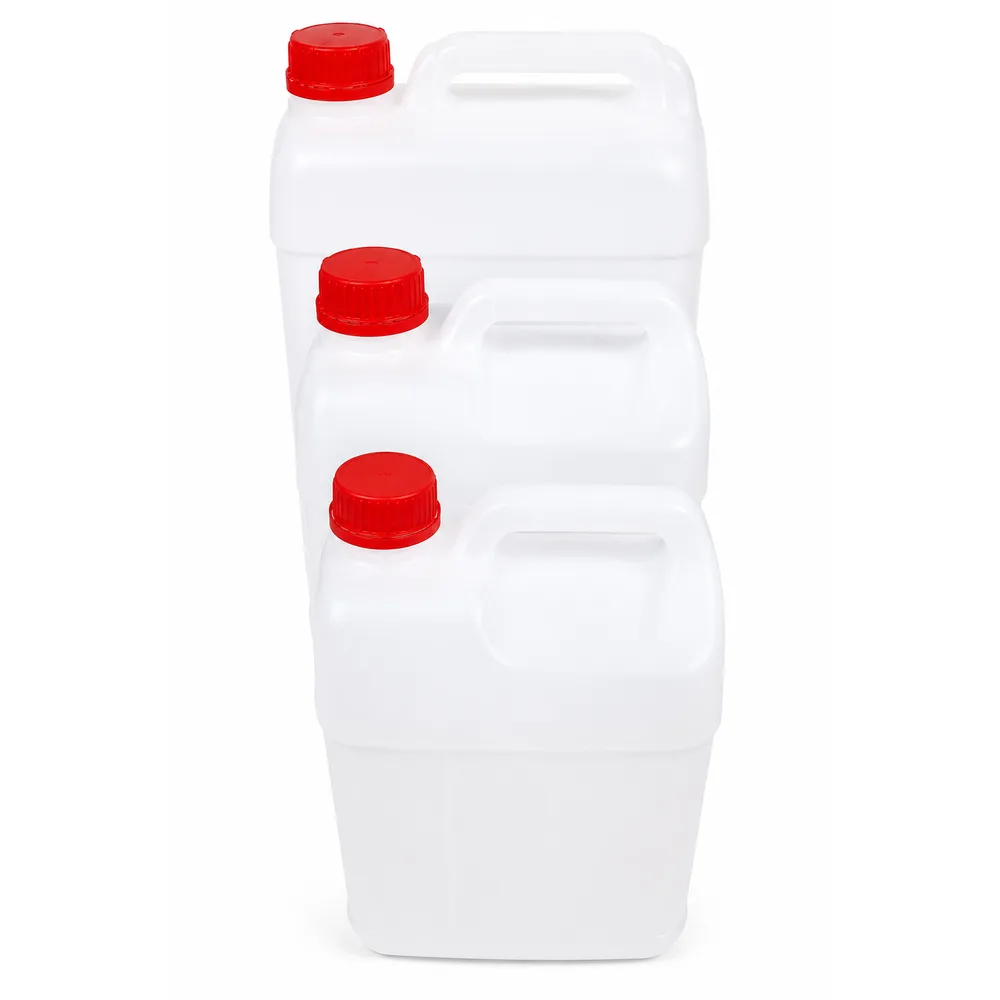
Natural HDPE for food, beverage and potable applications, with the wetted path specified for food contact rather than assumed.
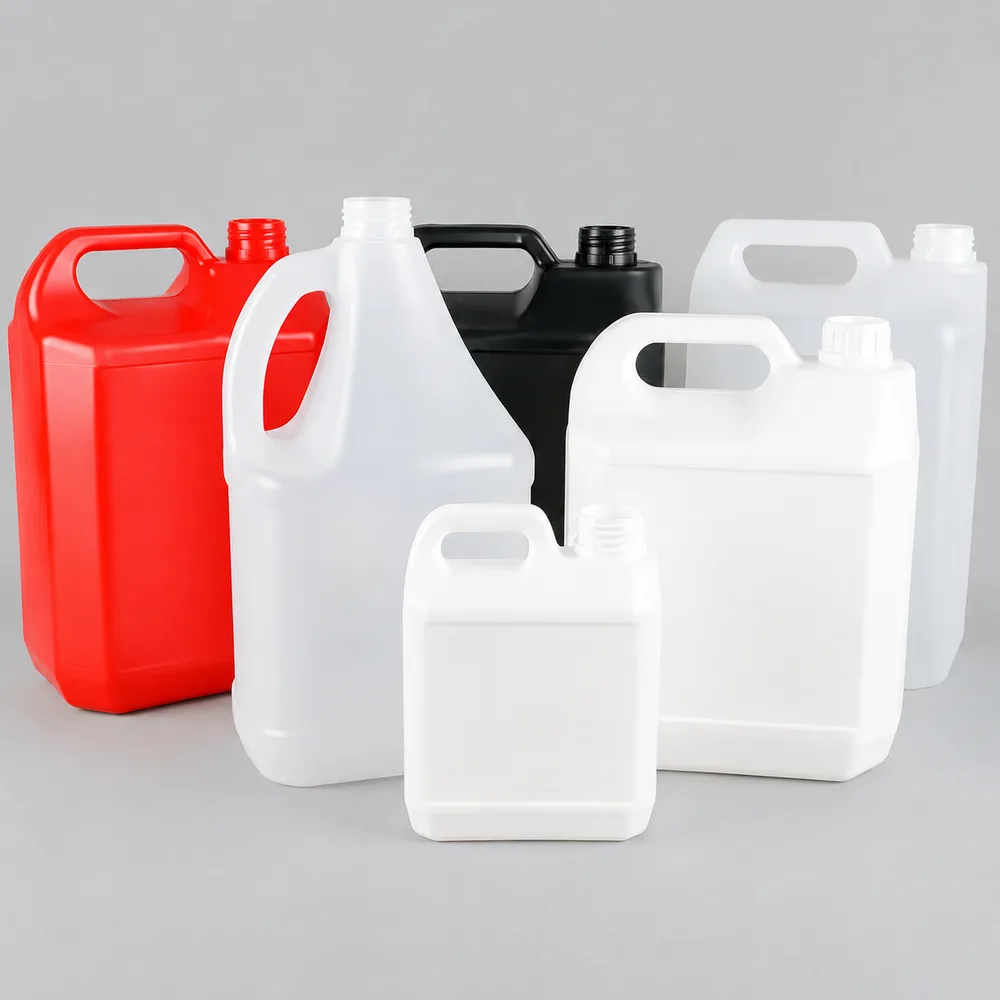
The same stackable body without a dangerous-goods approval, for non-hazardous liquids. Faster to supply and materially cheaper.
Tell us your destination market, target volumes and whether you need private labelling.